The One Thing Michigan Gardeners Should Do To Peonies Right After They Finish Blooming
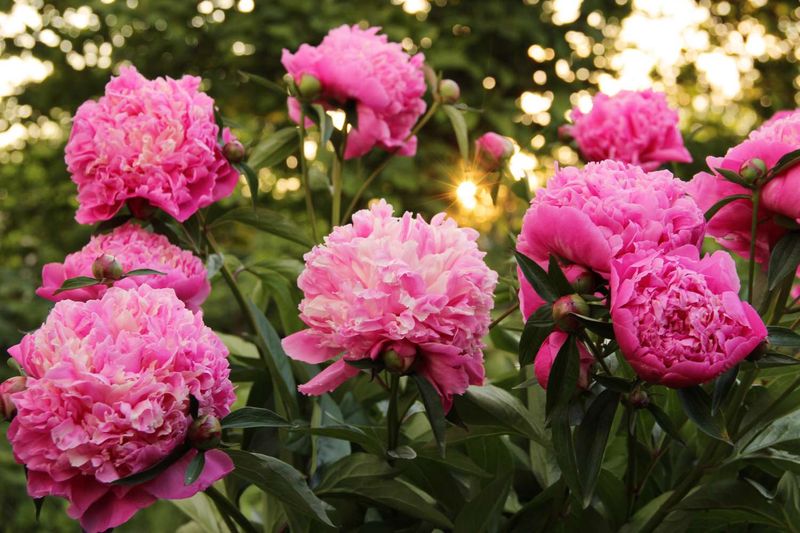
Peony bloom season in Michigan is short and worth savoring. Then it ends, the petals drop, and most gardeners shift their attention elsewhere without giving the plant another thought until next spring.
That gap is where a lot of Michigan peony growers quietly lose ground. What happens in the weeks right after blooming ends matters more than most people realize.
The plant is still actively working, building the energy reserves in its roots that will determine how well it blooms the following year.
One specific task done during this window has a direct effect on that process, and skipping it is one of the most common reasons Michigan peonies gradually produce fewer blooms over time.
It takes almost no effort, costs nothing, and makes a difference that shows up clearly the next time flowering season arrives.
1. Removing Faded Peony Flowers Helps Plants Focus On Next Year’s Blooms
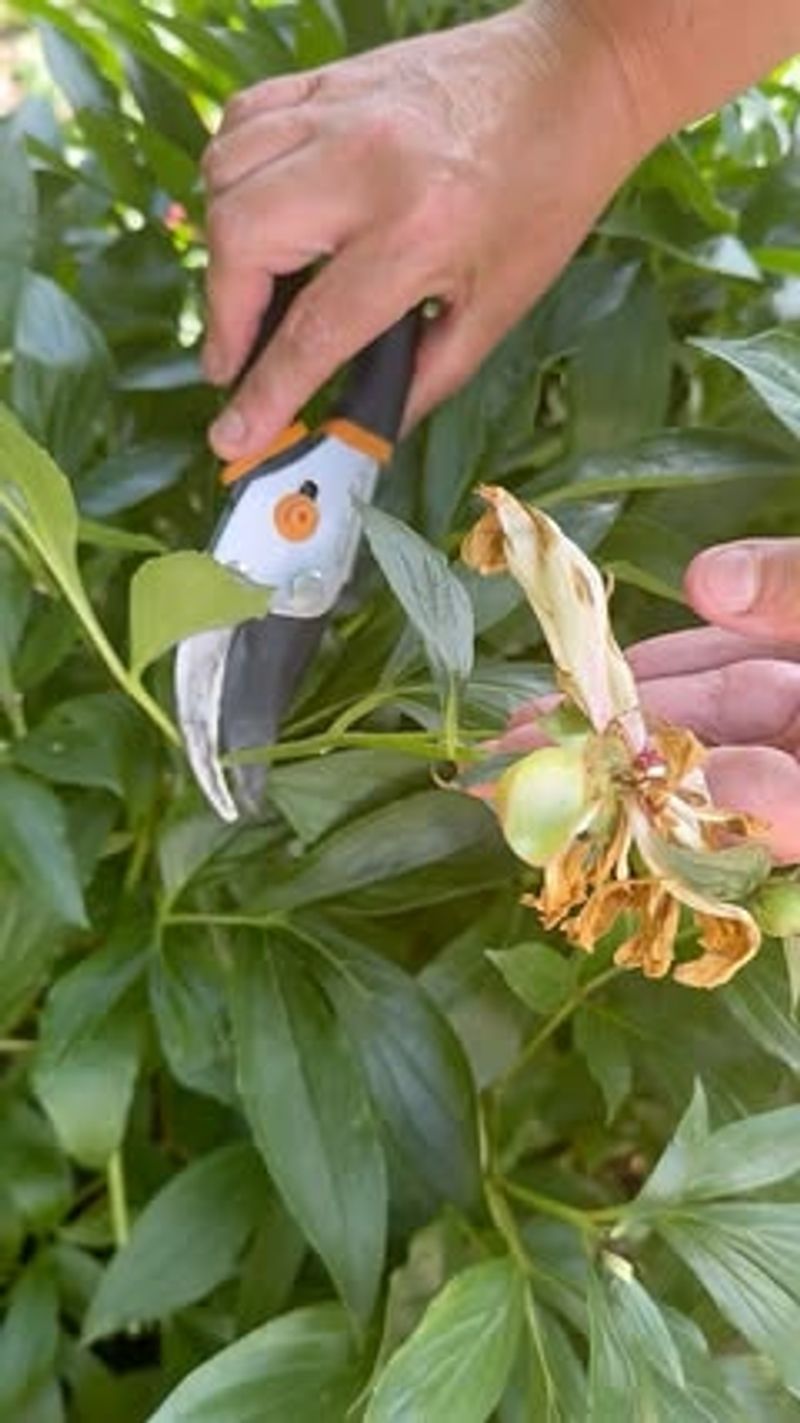
Every spring, peonies put on a spectacular show. Then the blooms fade, and most gardeners simply walk away, not realizing they just missed the most important moment of the entire growing season.
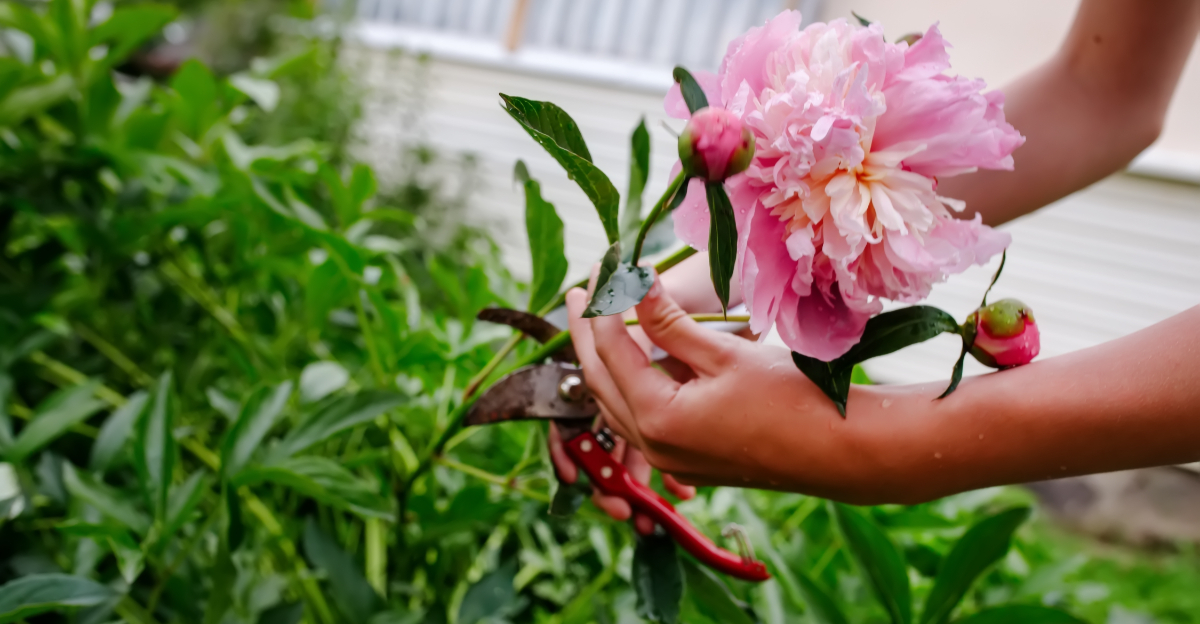
Removing those spent flowers right after blooming is the single best thing you can do for stronger, more vibrant blossoms next year.
When old flowers stay on the plant, the peony shifts its energy toward forming seeds inside the fading bloom. That process takes a tremendous amount of stored energy away from where it actually needs to go, which is deep into the roots and developing buds.
By snipping off spent blooms promptly, you redirect that energy back into root strengthening and bud formation for next spring.
In Michigan, peony blooms typically wrap up between late May and mid-June depending on the variety and local weather patterns. Acting quickly during this window gives roots the entire summer to build strength.
Think of it as giving your plant a clear instruction: stop making seeds and start preparing for next year instead. Gardeners who remove faded flowers consistently tend to notice noticeably larger, fuller blooms returning season after season.
It takes less than ten minutes per plant and makes a remarkable difference in long-term performance.
2. Humidity Makes Quick Peony Cleanup Even More Important
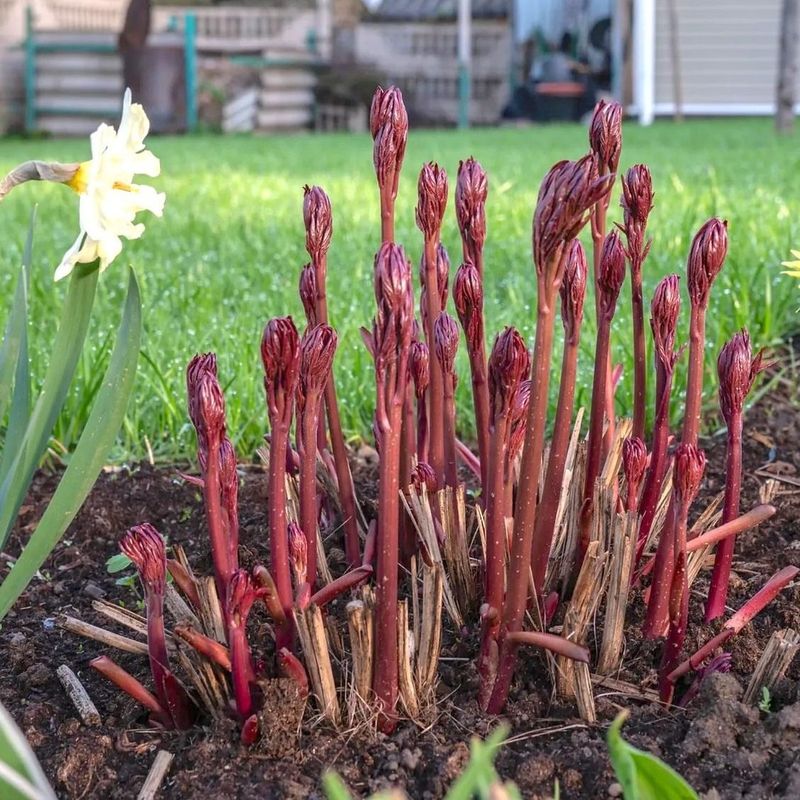
Michigan summers have a sneaky way of turning warm and sticky almost overnight. Right after peony blooming season, that humidity becomes a real problem for plants that still have old, fading flowers clinging to their stems.
Wet petals pressed against healthy leaves create exactly the kind of damp, shaded environment that fungal issues absolutely love.
Botrytis blight is one of the most common fungal problems peony growers here face, and it thrives when moisture sits on plant material for extended periods. Faded petals tend to turn soft and brown quickly in humid air, then stick directly onto the foliage below.
Once that happens, the affected leaf tissue can begin to break down, spreading problems to otherwise healthy parts of the plant.
Cleaning up spent blooms before the heavy humidity of June and July sets in gives your peonies a much cleaner start to summer.
Your Michigan Garden Changes Every Week. Your Plan Should Too.
Gardening in Michigan changes quickly throughout the season. Every Friday you’ll receive a simple weekly plan showing exactly what to plant, prune, fertilize, harvest, and protect so you never miss the right timing.
Toss removed flower material into the trash rather than your compost pile to avoid recycling any potential fungal spores back into the garden.
Try to tackle cleanup on a dry morning when petals are less saturated and easier to remove cleanly.
Michigan gardeners who stay ahead of this simple task tend to enjoy far healthier foliage throughout the rest of the growing season, with noticeably fewer spots or wilting leaves by midsummer.
3. The Correct Spot To Trim Peony Flowers Matters
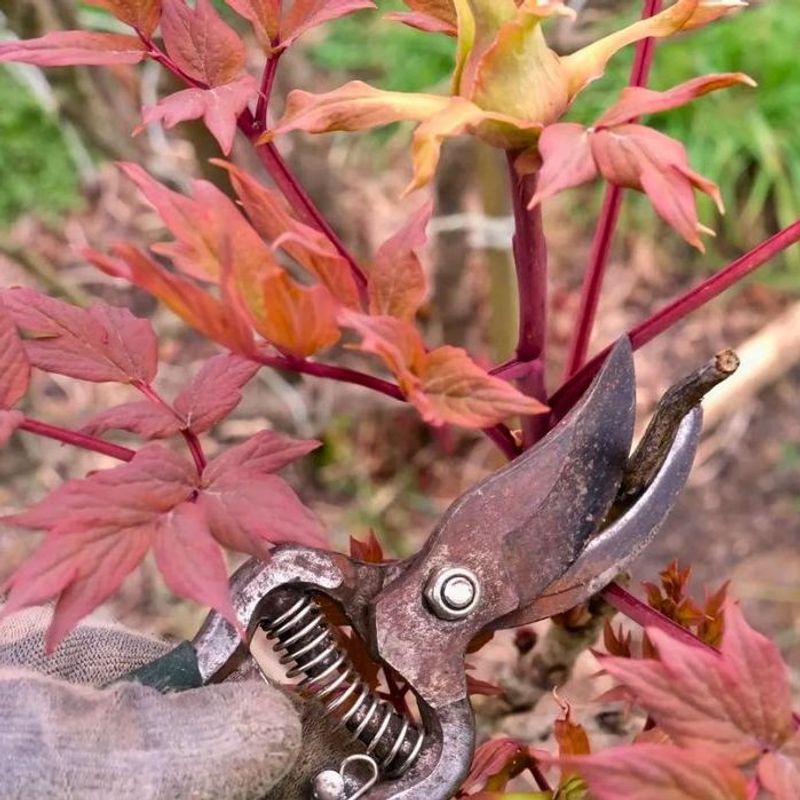
Grabbing a pair of scissors and snipping wherever feels right might seem harmless enough, but where you cut a peony stem after blooming actually matters more than most people expect.
Cutting at the wrong spot can remove healthy foliage that your plant genuinely needs to stay strong through summer and into the following spring.
The right approach is to cut just below the old flower head, removing the spent bloom while leaving as many healthy leaves on the stem as possible. Those leaves are not just decoration.
They work all summer long, soaking up sunlight and converting it into stored energy that feeds the buds developing underground for next year’s display. Stripping them away too early leaves the plant with far less fuel heading into fall.
Sharp, clean tools make a real difference here. Dull blades crush stem tissue instead of cutting cleanly, which can create small wounds that invite disease.
Before trimming, wipe your pruning shears with a cloth dampened with rubbing alcohol to avoid transferring any pathogens between plants. A clean cut heals faster and keeps the stem looking tidy.
For gardeners working through a large peony bed, keeping a small spray bottle of diluted bleach solution nearby for quick tool sanitation between plants is a smart and simple habit that pays off all season long.
4. Healthy Peony Leaves Still Matter Long After Flowers Fade
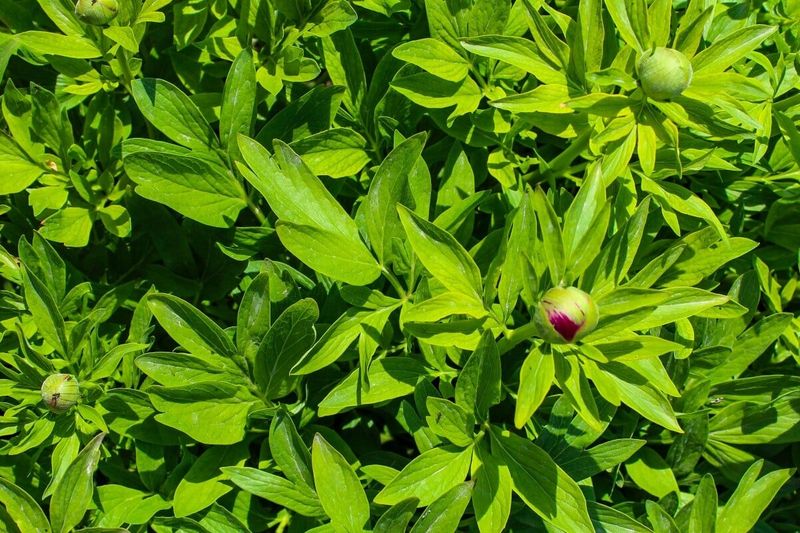
Once the blooms are gone, it can be tempting to cut the whole plant back and move on. The garden looks tidier that way, and the spent stems feel like they have already served their purpose.
But healthy peony leaves are quietly doing some of the most important work of the entire year, even when there is not a single flower in sight.
Peony foliage acts like a solar panel all summer long. Every leaf captures sunlight and turns it into carbohydrates that travel down into the root system, building up the energy reserves that will power next spring’s flowers.
Removing leaves too early, whether in June or July, cuts off that energy supply at exactly the wrong time, leaving roots underprepared for both winter and the following bloom season.
Healthy leaves should stay on the plant until they begin to naturally yellow and fade in the fall, which in Michigan usually happens sometime in October.
At that point, cutting the foliage back to just above ground level is the right move, as it removes potential overwintering spots for insects and fungal spores.
Until then, resist the urge to tidy things up too aggressively. A full, green peony plant in July might not look as showy as it did in May, but it is doing critical work that will reward you with gorgeous blooms the following spring.
5. Cleaning Up Old Flowers Helps Airflow Around Peonies
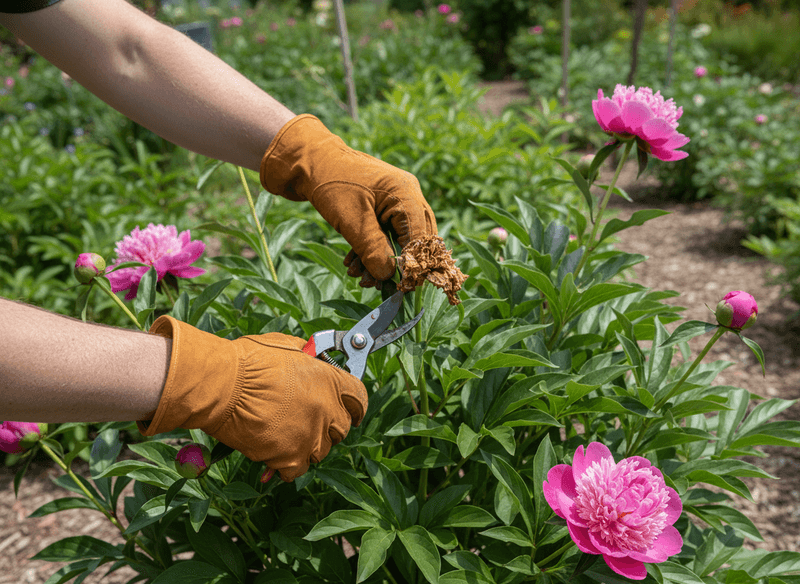
Airflow might not be the first thing that comes to mind when you think about peony care, but it plays a surprisingly big role in keeping plants healthy through Michigan’s warm, muggy summers.
Old flower heads are bulky, and when they start breaking down on the stem, they create a dense, damp mass that blocks air from moving freely through the plant.
Good airflow around peony stems and leaves helps surface moisture evaporate quickly after rain or morning dew.
When airflow is blocked, that moisture lingers, and lingering moisture is exactly what encourages fungal diseases like botrytis and powdery mildew to take hold.
Michigan’s climate already creates enough humidity challenges without adding extra obstacles inside the plant itself.
Removing spent blooms opens up the canopy of the plant and lets summer breezes do their job.
If your peonies are planted close together, trimming old flowers becomes even more important because the reduced spacing between plants already limits natural air circulation.
Aim to give each peony at least eighteen to twenty-four inches of space from neighboring plants when possible.
Combining prompt flower removal with sensible spacing gives Michigan peonies the best possible environment to stay clean, dry, and disease-resistant all the way through summer.
Small adjustments like these add up to noticeably healthier plants year after year.
6. Michigan Gardeners Often Wait Too Long To Remove Old Peony Blooms
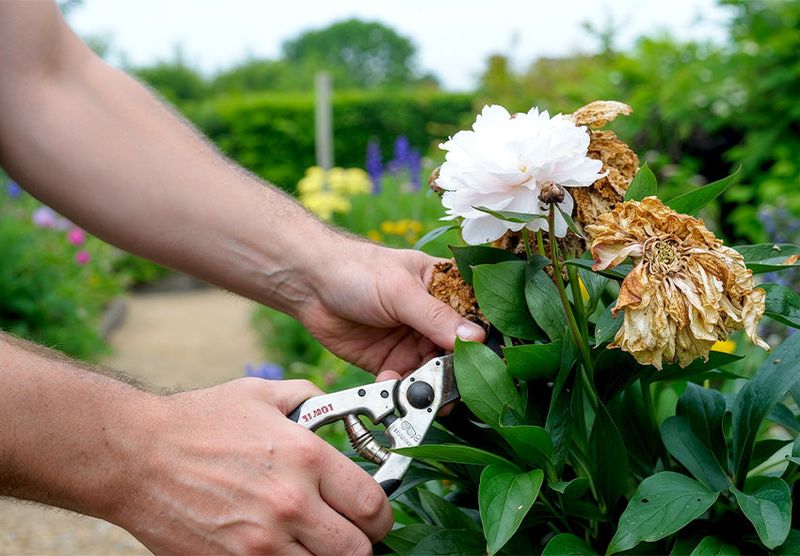
Waiting just a few extra days might not seem like a big deal, but in Michigan’s early summer weather, a short delay in removing old peony blooms can create a surprising number of problems.
Once flowers start declining, they deteriorate faster than most gardeners expect, especially when rain and warm temperatures arrive at the same time.
Old peony blooms become heavy as they absorb rainwater, and that added weight can actually bend or snap stems that were perfectly upright just days before.
Waterlogged petals also press down onto the leaves below, trapping moisture and creating a breeding ground for fungal spores.
What starts as a minor cosmetic issue can quickly turn into a plant health problem that affects the rest of the growing season.
Checking your peonies every few days during and right after blooming season makes it easy to catch flowers at exactly the right moment. A bloom is ready to remove when the petals start looking soft, translucent, or begin dropping on their own.
You do not need to wait until the flower looks completely ragged. Acting a little early is always better than acting late.
Michigan gardeners who build this quick check into their regular garden routine tend to avoid most of the common mid-season peony problems that come from simply letting things go a bit too long without attention.
7. Removing Old Blooms Keeps Peonies Looking Stronger Through Summer
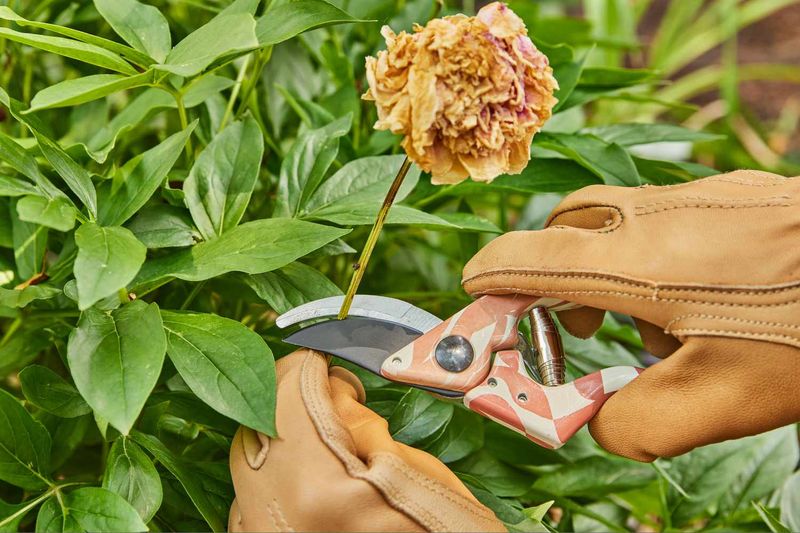
Most people think of peonies as a spring flower and mentally check them off the garden list once the blooms are gone.
But a well-maintained peony plant actually contributes beautiful structure and rich green texture to a flower bed all the way through summer, and that only happens when old flowers are removed promptly and cleanly.
A peony with faded, browning blooms still attached looks tired and neglected, even when the rest of the garden is thriving. On the other hand, a plant with clean stems and full, glossy foliage looks intentional and polished.
It becomes a backdrop for other summer flowers rather than an eyesore that draws attention for the wrong reasons. Curb appeal in the garden matters, and peonies can absolutely deliver it beyond their blooming window.
Michigan gardeners who trim spent flowers right away often find that their peony plants blend seamlessly into mixed perennial borders throughout June, July, and August.
The deep green foliage pairs beautifully with summer bloomers like coneflowers, black-eyed Susans, and garden phlox.
Keeping peonies tidy after blooming is a simple act that multiplies the visual return on your gardening investment all season long.
A few minutes of cleanup in late May or early June translates into months of attractive, structured greenery that makes the whole yard look more polished and cared for.
8. Peonies Put More Energy Into Root Growth After Old Flowers Are Removed
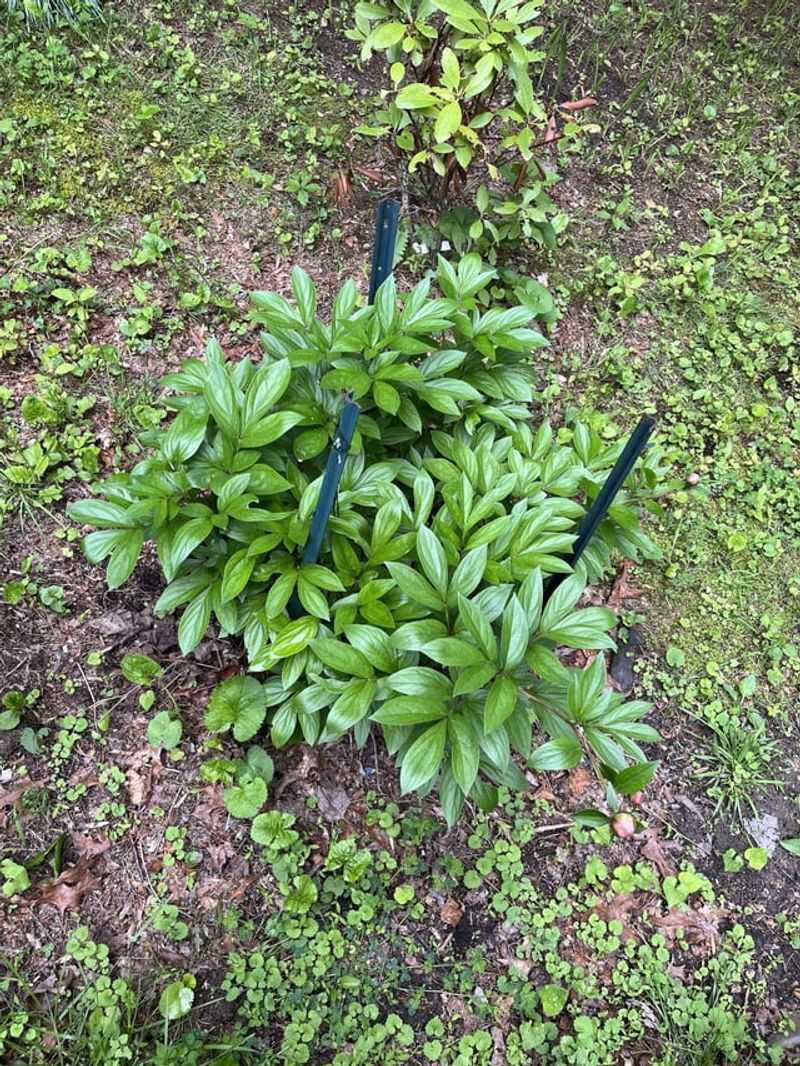
Underground, a peony plant is always working, even when nothing exciting is happening above the soil. Roots are constantly absorbing nutrients, storing carbohydrates, and expanding their reach through the surrounding soil.
What happens above ground directly influences how well that underground activity goes, and removing old flowers is one of the clearest signals you can send to redirect the plant’s energy downward.
When a spent flower stays on the plant, the peony continues trying to develop seeds inside it. That process pulls resources away from root development at exactly the time of year when roots need to be growing and storing energy most aggressively.
Removing the old bloom essentially tells the plant that reproduction is no longer the priority, freeing up a significant amount of stored energy to go straight into root expansion and strength.
Stronger roots built during summer directly impact what happens the following spring. Plants with well-developed root systems push up more stems, produce larger flower buds, and handle late frosts or dry spells with far more resilience.
Michigan winters can be tough, and peonies with robust roots come through cold seasons in much better condition than those that spent the summer trying to ripen seeds.
Removing spent blooms is one of the simplest ways to invest in the long-term vitality of your peony plants without spending a single extra dollar.
9. Simple Flower Cleanup Prevents Bigger Peony Problems Later In Summer
It is easy to underestimate how much a small task can prevent down the road. Removing old peony flowers takes only a few minutes, but skipping it sets off a chain of events that can affect plant health for the rest of the growing season and even into the following year.
Old flower material does not just look bad, it actively creates conditions that invite trouble.
As faded blooms break down on the plant, they become soft and moist, providing ideal conditions for botrytis blight and other fungal issues that are especially common during Michigan’s humid summer months.
Spores from infected material can spread to healthy foliage, causing brown spots, wilting, and weakened growth.
Once a fungal problem takes hold in a peony bed, it is far harder to manage than it would have been to prevent with a quick cleanup session.
Removing spent flowers and disposing of them properly in the trash, not the compost bin, breaks the cycle before it starts.
Pair that with clean pruning tools and a watchful eye during the weeks following bloom season, and you create a strong defensive routine that protects your plants all summer long.
Michigan gardeners who stay consistent with this one simple habit tend to deal with far fewer mid-season setbacks, healthier foliage heading into fall, and noticeably more impressive blooms returning the following spring.