Michigan Clay Soil Plants That Spread, Thrive And Never Need To Be Replaced
Clay soil stops a lot of plants before they ever get going. It compacts under foot traffic, holds water too long after rain, and makes root establishment slow and difficult for anything not built for it.
Across much of Michigan, clay is simply the reality, and fighting it with amendments every season is expensive and exhausting.
A smarter approach is choosing plants that handle clay naturally, spread without encouragement, and come back stronger each year without needing to be replaced.
Michigan has a strong selection of perennials, groundcovers, and native plants that fit that description exactly. They push through dense soil, tolerate the wet and dry cycles clay creates, and survive Michigan winters without protection.
Plant them once in the right spot and they take over the work from there, filling problem areas and holding them season after season.
1. Wild Geranium Spreads Gently Through Clay Soil
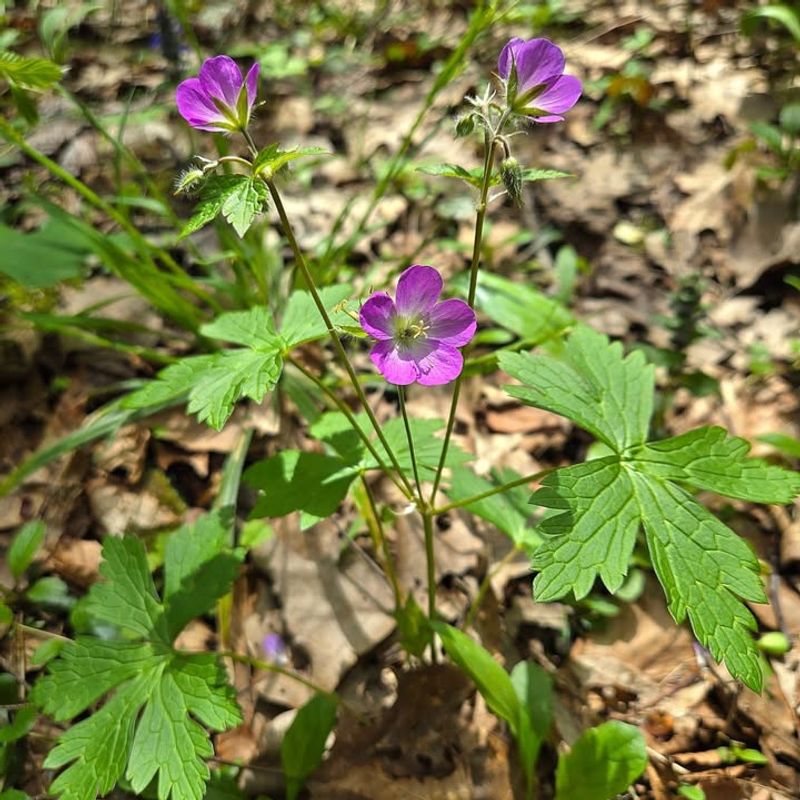
Few plants feel as perfectly at home in a Michigan woodland as Wild Geranium. This native perennial has been growing in the forests and meadows of the Great Lakes region for thousands of years, and it shows.
Once planted, it slowly expands into graceful clumps, filling shaded corners with delicate pink-purple blooms every spring.
Heavy clay soil is no obstacle for this plant. Its fibrous root system handles compacted, moisture-retaining ground better than most perennials ever could.
Spring rains that would rot other plants barely faze Wild Geranium, making it a smart choice for low spots or areas under trees where drainage is slow.
Planting is simple. Set transplants in part shade or dappled light and water regularly for the first season.
After that, you can step back and let it do its thing. The foliage stays attractive all summer long, and bees absolutely love the spring flowers.
Over time, Wild Geranium spreads through short rhizomes and self-seeding, gradually forming a weed-suppressing carpet that needs no replanting. It pairs beautifully with ferns and hostas in shaded gardens.
If you want a plant that rewards patience and practically manages itself for decades, Wild Geranium belongs at the top of your list.
2. Wild Bergamot Fills Clay Gardens With Summer Color
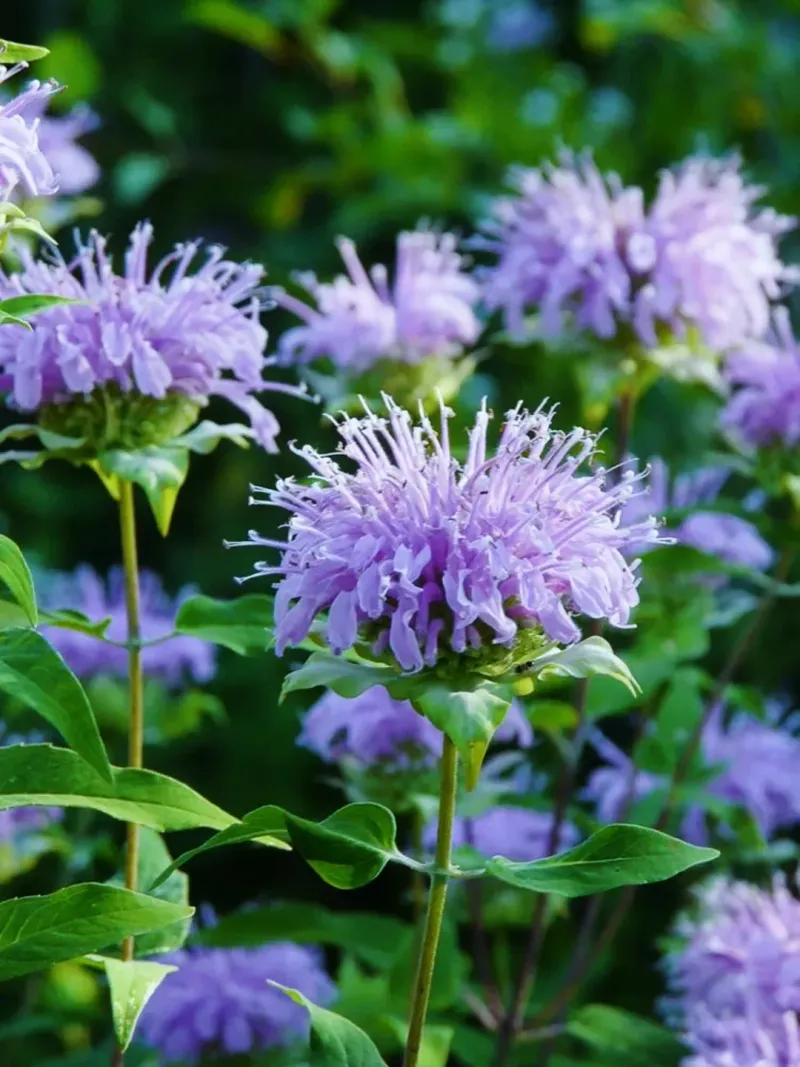
Wild Bergamot or Bee Balm (monarda fistulosa) is one of those plants that makes a big, bold statement without asking for much in return.
Native to Michigan and much of eastern North America, this tough perennial produces clusters of lavender-pink flowers through July and August, right when many other plants are taking a break from blooming.
What makes it especially valuable in clay gardens is its spreading rhizome system. Those underground runners push outward each year, filling gaps and crowding out weeds naturally.
A single plant can expand into a wide colony within just a few seasons, making this Bee Balm one of the most efficient space-fillers available for larger clay borders.
Pollinators go absolutely wild for it. Bumblebees, hummingbirds, and monarch butterflies all visit regularly throughout the bloom period, turning your garden into a lively summer scene.
Beyond its visual appeal, the leaves carry a pleasant minty fragrance that fills the air on warm afternoons.
Your Michigan Garden Changes Every Week. Your Plan Should Too.
Gardening in Michigan changes quickly throughout the season. Every Friday you’ll receive a simple weekly plan showing exactly what to plant, prune, fertilize, harvest, and protect so you never miss the right timing.
One important tip for gardeners: space plants at least 18 to 24 inches apart and thin the clumps every two to three years. Good airflow reduces the chance of powdery mildew, which can be common during humid summers.
Cut stems back to the ground in late fall or early spring, and fresh growth will return reliably every single year without fail.
3. Switchgrass Thrives In Tough Soil Conditions
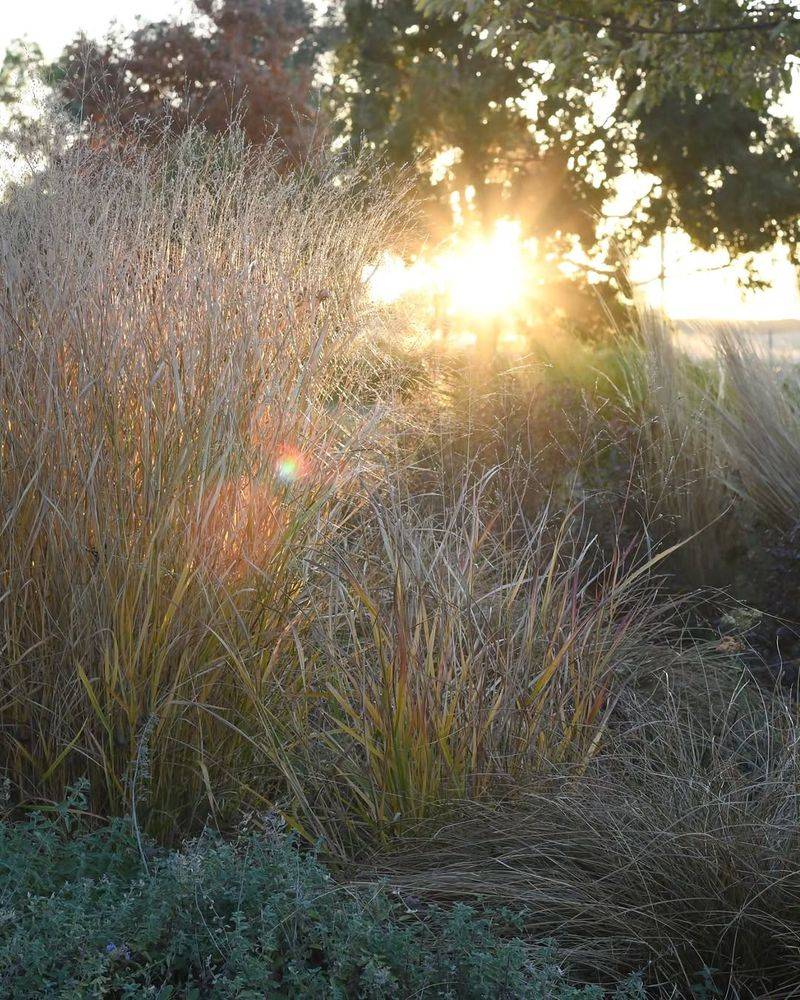
Switchgrass is proof that beauty and toughness can absolutely coexist. This native ornamental grass grows naturally across prairies and wetland edges, which means it evolved specifically to handle the kind of challenging conditions most plants avoid.
Compacted clay, fluctuating moisture, brutal winters, it handles all of it without complaint.
The secret is in the roots. Switchgrass develops a deep, fibrous root system that can reach several feet into the soil, breaking up compaction over time and improving drainage naturally.
That same root system anchors the plant firmly through Michigan’s freeze-thaw cycles, so it comes back thicker and stronger with each passing year.
Above ground, the show is genuinely impressive. In summer, upright blue-green foliage provides clean structure.
By fall, the stems turn brilliant shades of gold, orange, and red, and feathery seed heads catch the light beautifully. Even through winter, the dried stems add texture and movement to the landscape while providing valuable habitat for birds.
Spring cleanup is the one task switchgrass actually needs. Cut it back to about four to six inches before new growth emerges in April.
Beyond that annual chop, it requires almost no care whatsoever. Popular varieties like ‘Shenandoah’ and ‘Heavy Metal’ perform especially well in clay gardens and stay attractive for decades without ever needing replacement.
4. Orange Coneflower The Dependable Clay Perennial
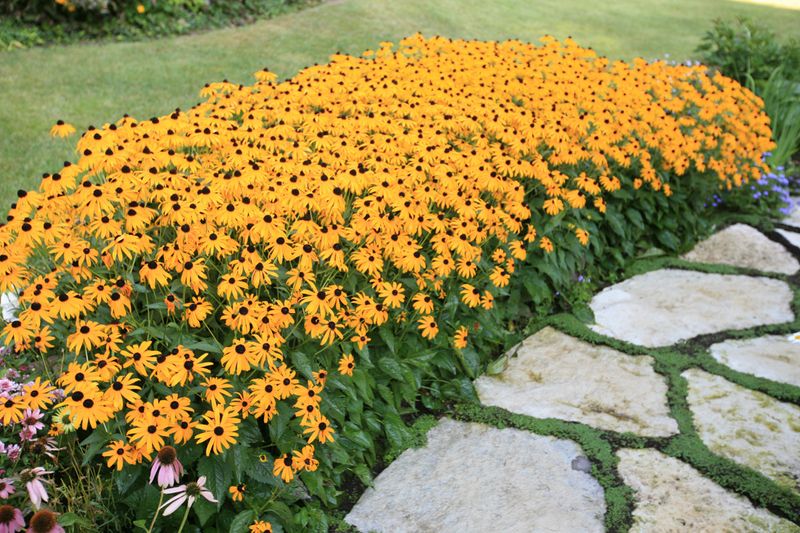
If you have ever planted Black-Eyed Susans and watched them disappear after a season or two, Orange Coneflower is the upgrade you have been waiting for.
Unlike the biennial Black-Eyed Susan, Rudbeckia fulgida is a true long-lived perennial that returns reliably for many years and spreads steadily into dense, weed-blocking clumps.
The ‘Goldsturm’ variety is especially popular across Michigan because it handles clay soil with remarkable ease.
Its compact, sturdy form stands up to wind and rain without flopping, and the bright golden-yellow flowers with dark chocolate centers bloom from July through September, providing late-season color when the garden needs it most.
Clay soil actually works in this plant’s favor. The moisture-retaining nature of heavy soil keeps Orange Coneflower well-hydrated during dry summers, reducing the need for supplemental watering once established.
Over time, the expanding clumps crowd out weeds so effectively that bare soil simply disappears beneath the foliage.
Pollinators adore the flowers, and goldfinches flock to the seed heads in fall, so resist the urge to cut everything back immediately. Leave the seed heads standing through winter for wildlife value, then trim plants back in early spring before new growth emerges.
Divide clumps every four to five years to keep them vigorous. Honestly, it’s one of the easiest and most rewarding perennials available for clay gardens.
5. Joe Pye Weed Loves Moist Clay Soil
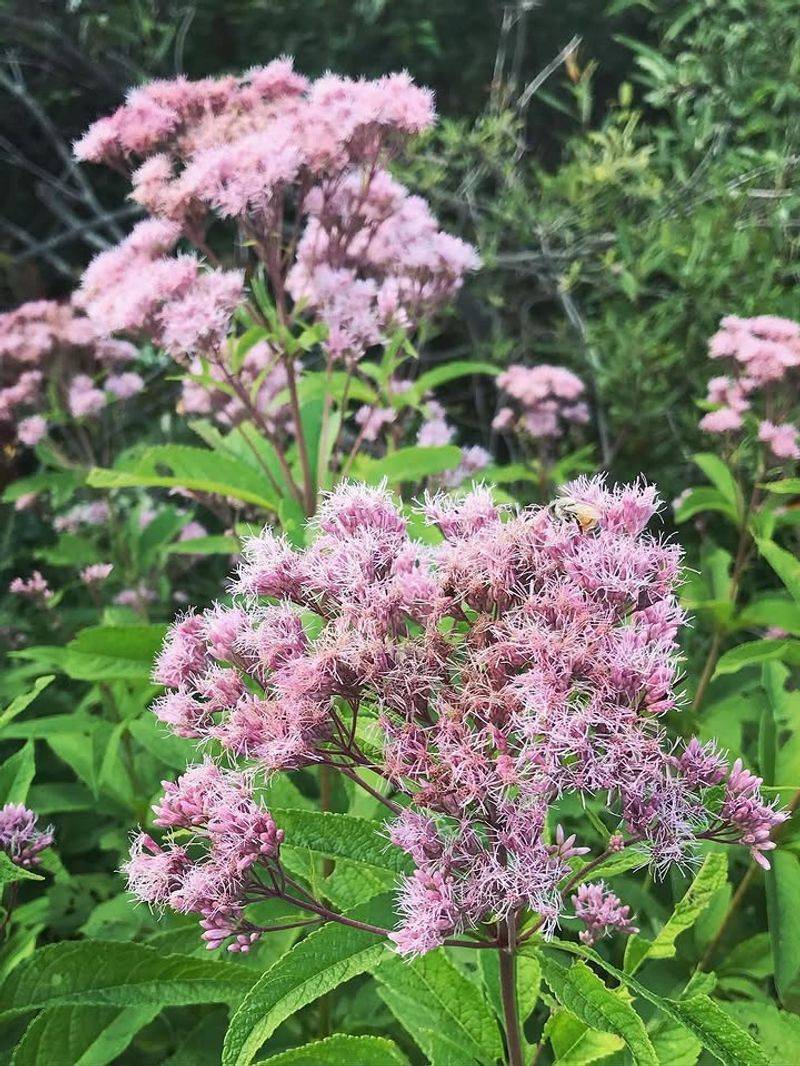
Tall, stately, and absolutely beloved by pollinators, Joe Pye Weed is one of those plants that makes experienced gardeners stop and smile.
Named after a legendary Native American herbalist, this towering native perennial can reach six to eight feet tall in ideal conditions, creating a dramatic back-of-border display that few other plants can match.
Heavy, moisture-holding clay soil is genuinely ideal for Joe Pye Weed. It naturally grows along stream banks and woodland edges across Michigan, where the soil stays consistently moist throughout the growing season.
Rain gardens, low-lying areas, and spots near downspouts are perfect locations where this plant absolutely thrives.
The large, dusty pink flower clusters open in late July and carry through September, attracting an incredible variety of butterflies, bees, and other beneficial insects.
Monarch butterflies in particular seem to find Joe Pye Weed irresistible during their late-summer migration, making it a genuinely valuable plant for conservation-minded gardeners.
Space plants about three to four feet apart to allow for good air circulation and natural spread. A layer of mulch around the base during the first season helps retain moisture and protect the roots while they get established.
Once settled in, Joe Pye Weed returns reliably every spring, growing taller and more impressive with each passing year without ever needing to be replaced or fussed over.
6. Daylilies Handle Clay Better Than Most
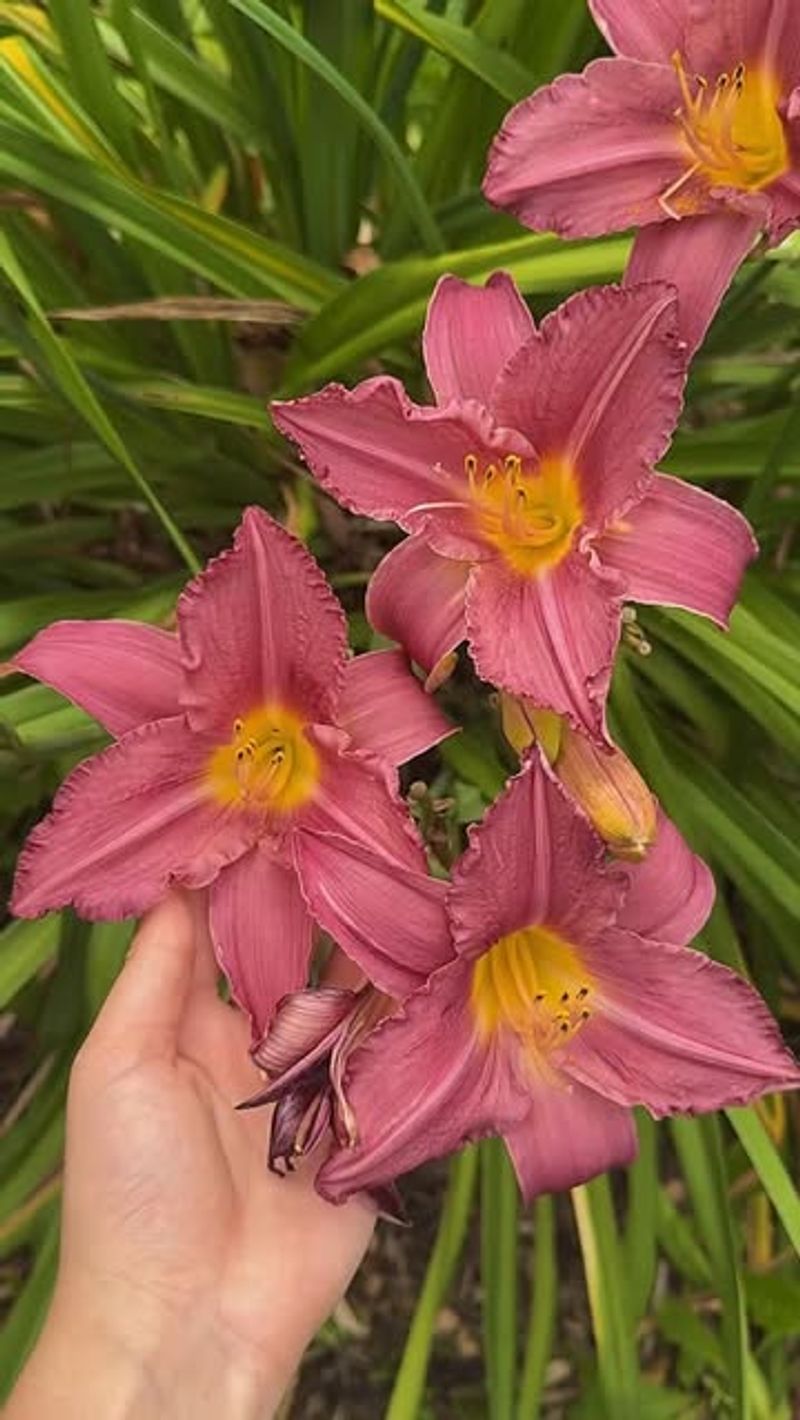
There is a reason daylilies grow along roadsides, in abandoned lots, and in front of old farmhouses without any care at all.
These incredibly tough perennials laugh at compacted clay, survive salt spray from winter roads, endure freezing temperatures, and come back every single spring looking better than ever.
They are practically indestructible. Daylilies handle heavy soil because their fleshy, tuberous roots store water and nutrients efficiently, allowing the plant to push through even the most compacted ground.
Unlike many perennials that sulk and struggle in poor drainage, daylilies simply adapt and get on with the job of growing and blooming. Their spreading habit is one of their greatest strengths in challenging landscapes.
Each clump expands outward steadily over several years, eventually creating a thick, weed-suppressing mass that covers slopes, fills awkward spaces, and stabilizes soil along embankments.
For gardeners dealing with erosion-prone clay slopes or difficult roadside strips, daylilies are genuinely the ultimate solution.
Dividing clumps every four to five years keeps them blooming vigorously. Simply dig up the clump in early spring or fall, pull apart the individual fans, and replant them at the same depth.
Each division will establish quickly and bloom the following season. With hundreds of available varieties offering colors from pale yellow to deep burgundy, there is a daylily for every Michigan garden situation imaginable.
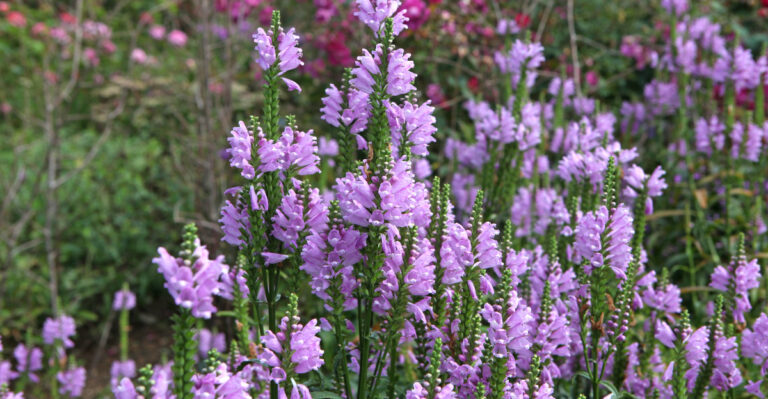
7. Obedient Plant Spreads Easily In Moist Soil
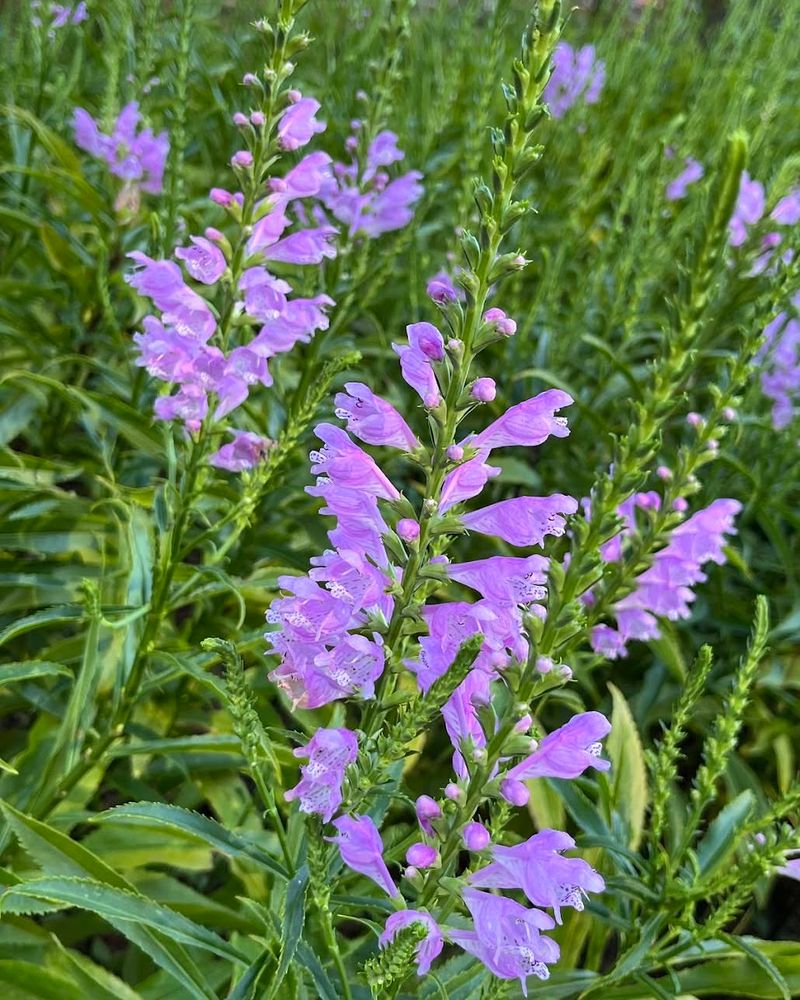
The name ‘Obedient Plant’ is a little misleading, and experienced gardeners will tell you that with a grin. The common name actually refers to the flowers, which stay in place when you move them on the stem.
The plant itself, however, is anything but obedient. It spreads enthusiastically through underground stolons, filling space fast and asking permission from nobody.
That spreading energy makes it genuinely perfect for clay gardens where you need quick, reliable coverage. While many perennials struggle to establish in heavy, moisture-holding soil, Obedient Plant thrives in those exact conditions.
The wetter and heavier the soil, the happier it seems to be.
The tall, bright pink flower spikes open in August and September, arriving right when many summer bloomers are winding down.
Standing two to four feet tall, the upright stems create a striking vertical display that pairs beautifully with goldenrod and asters in a naturalistic Michigan planting.
Managing its spread is straightforward. Plant it where it has room to roam, such as along fence lines, in rain garden edges, or in large naturalized areas where coverage is the goal.
If it wanders too far, simply pull the unwanted sections in spring before they get established. Dividing every two to three years also keeps the plant vigorous and prevents the center from becoming woody and less productive over time.
8. Blue Flag Iris Thrives In Wet Clay Soil
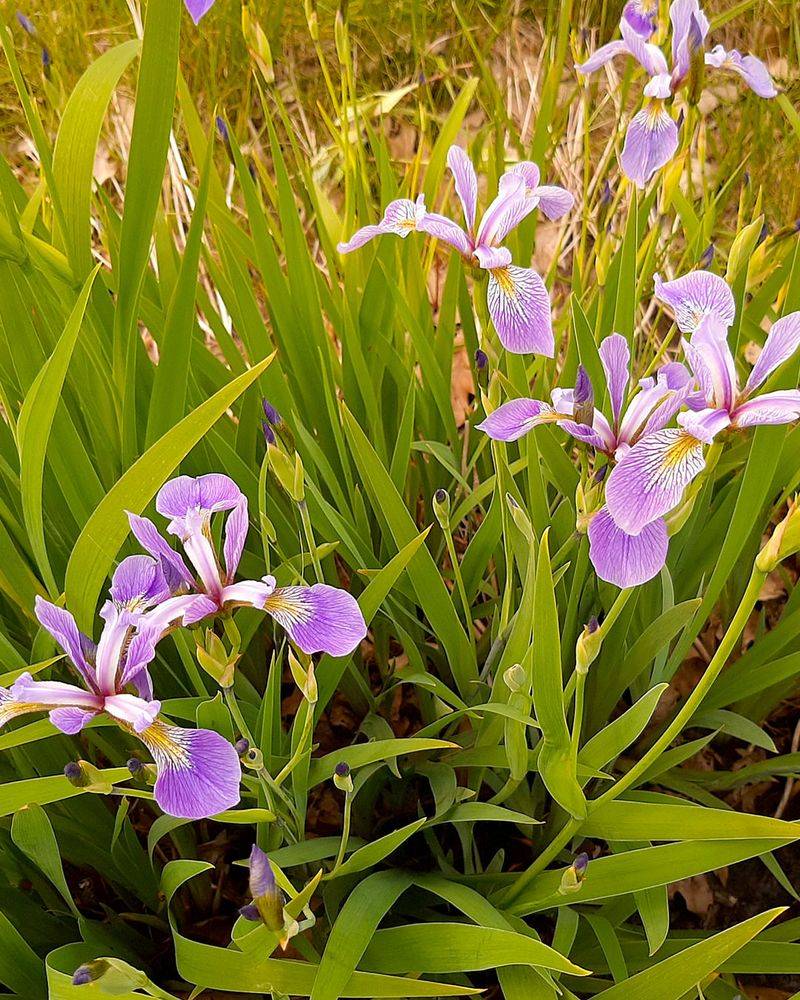
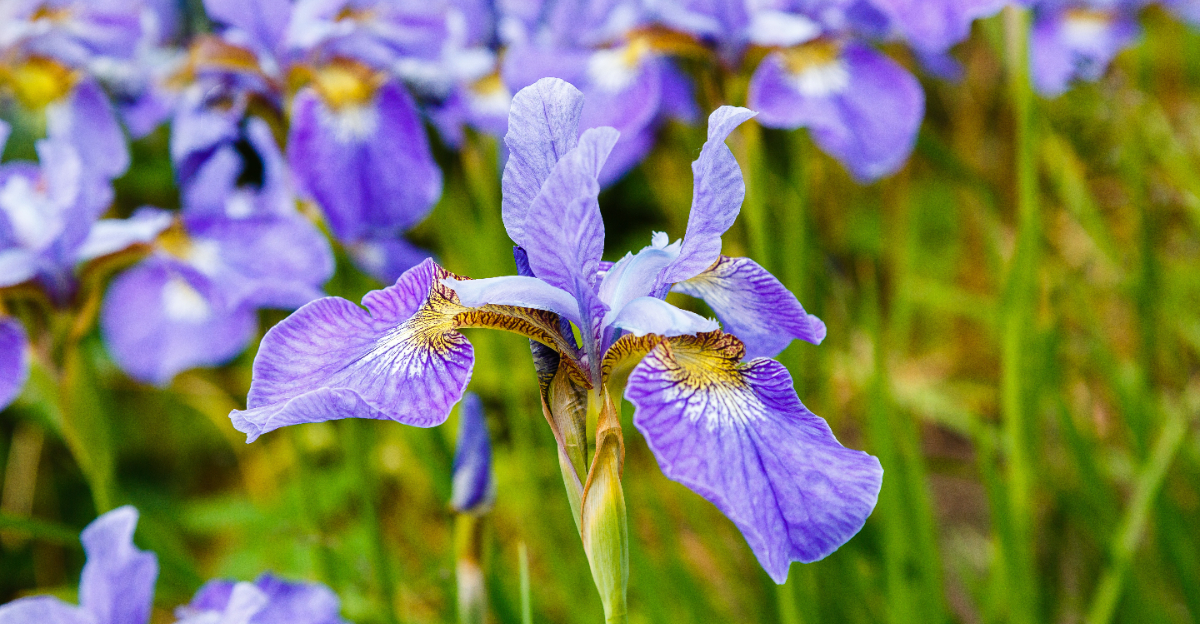
Standing at the edge of a Michigan pond or rain garden in late May, Blue Flag Iris looks like something out of a painting.
The violet-blue flowers with their intricate veining and yellow markings are genuinely stunning, and the fact that this native iris thrives in the soggiest, heaviest clay soil around makes it almost too good to be true.
Blue Flag Iris evolved along the marshy edges of Michigan’s lakes and wetlands, so it has zero tolerance for dry conditions but absolute enthusiasm for wet ones.
Low-lying areas that stay saturated through spring, rain garden basins, and spots near downspouts where other plants rot away are exactly where this iris performs at its absolute best.
The spreading rhizomes slowly expand outward each year, forming dense colonies that stabilize wet soil beautifully while creating a bold, attractive display.
Sword-like foliage stays attractive well beyond the bloom period, providing clean structure through the summer months even after the flowers have finished.
Planting depth matters with Blue Flag Iris. Set the rhizomes just at or slightly below the soil surface, about one to two inches deep, in a spot that receives full sun to part shade.
Water well during the first season to help the roots establish. After that, seasonal rain does most of the work.
Divide clumps every four to five years in late summer to keep them blooming freely and spreading vigorously.
9. Culver’s Root Handles Clay With No Fuss
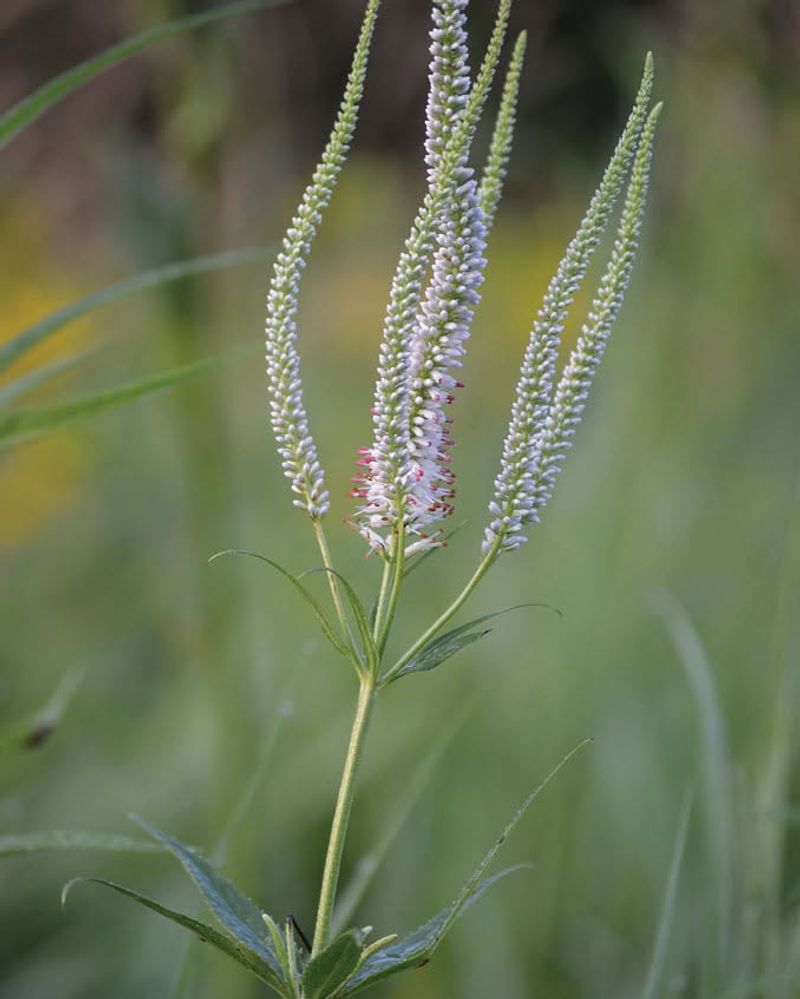
Elegant is the word that comes to mind when you see Culver’s Root in full bloom.
The tall, candelabra-like white flower spikes rise four to six feet above the foliage in July and August, creating a refined vertical accent that looks like it belongs in a professionally designed garden.
What most people don’t realize is how little effort it actually takes to grow.
Native to Michigan’s prairies and open woodlands, Culver’s Root developed deep roots that push through compacted clay with ease.
It handles the kind of moisture fluctuations common in heavy soil, staying equally comfortable during wet spring conditions and drier midsummer stretches. Once established, it returns faithfully every year without needing any coaxing.
One of its best qualities is its naturally upright habit. The sturdy stems never need staking, even in windy conditions, which saves a lot of time and effort compared to taller perennials that flop and require support.
The whorled foliage is also attractive throughout the season, giving the plant a strong presence even when it is not in bloom.
Space plants about two to three feet apart to allow for healthy air circulation and gradual spread. Water regularly during the first growing season, then step back and let the plant settle in.
Pollinators, especially native bees and skippers, visit the flowers constantly during bloom. Culver’s Root is one of those rare plants that looks high-maintenance but genuinely is not at all.
10. Ostrich Fern Creates Large Lasting Colonies
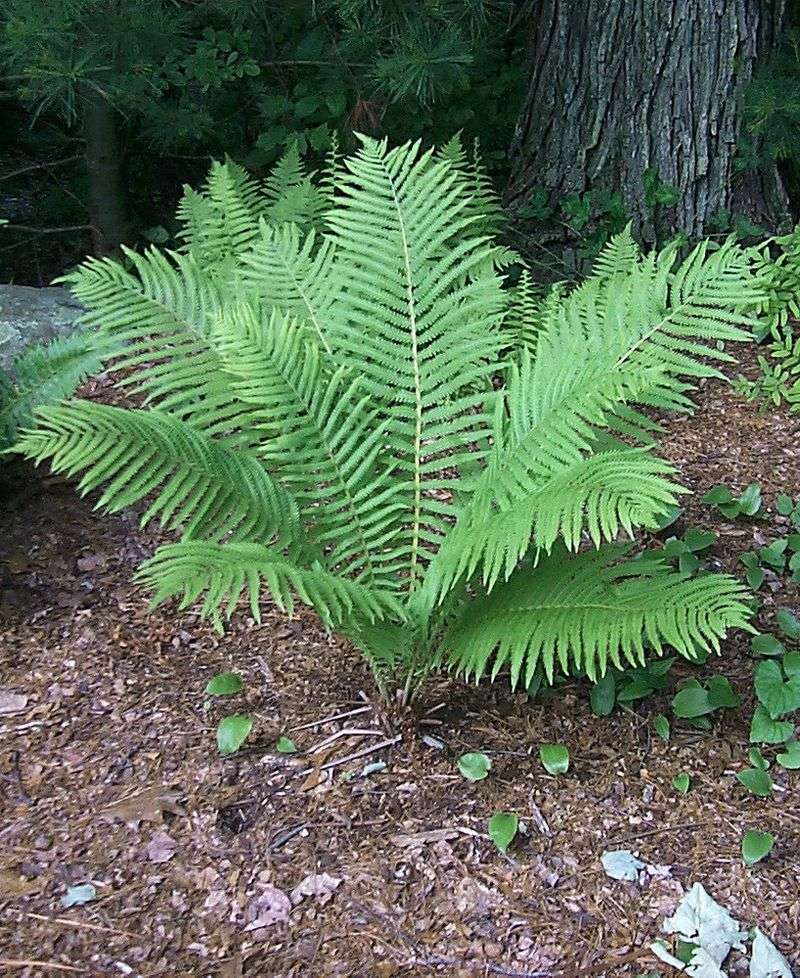
Walking into a shade garden filled with Ostrich Fern feels a little like stepping back in time.
The enormous, vase-shaped fronds can reach four to five feet tall, creating a lush, prehistoric atmosphere that transforms even the most ordinary shaded corner into something genuinely dramatic.
And in moist clay soil with decent shade, this fern is absolutely in its element. Ostrich Fern spreads through underground stolons that send up new crowns a foot or two away from the parent plant each season.
Over several years, a single plant becomes a sweeping colony that covers large areas of bare ground completely, eliminating the need for mulch, weeding, or replanting in those spaces.
For challenging shaded spots under large trees where little else grows, it is a complete game-changer.
The rich, moisture-retaining nature of clay soil actually supports this fern beautifully. It stays consistently hydrated without waterlogging, which is exactly the balance Ostrich Fern prefers.
Morning sun with afternoon shade is the ideal exposure, though it handles deep shade surprisingly well in Michigan’s cooler northern climate.
Maintenance is almost nonexistent. The fronds naturally brown and flatten over winter, and in spring you can simply rake away the old growth before the new fiddleheads emerge.
Those bright green fiddleheads are actually edible and considered a spring delicacy in many parts of the Great Lakes region. Planting Ostrich Fern is genuinely one of the smartest decisions a shade gardener can make.
11. New England Aster Spreads Reliably
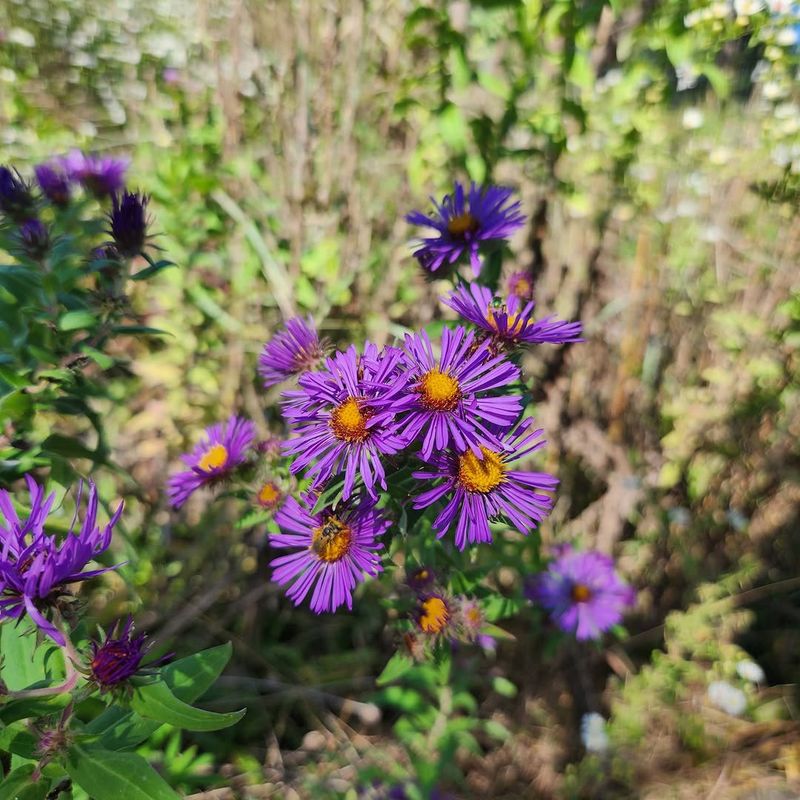
When September arrives and most of the garden is winding down, New England Aster steps forward and steals the show.
Masses of vibrant purple flowers with bright yellow centers cover the plant for weeks, creating one of the most spectacular fall displays available to gardeners.
Bees and monarch butterflies, fueling up before migration, visit constantly throughout the bloom period.
Heavy clay soil suits New England Aster just fine. It grows naturally in moist meadows and roadsides, where the ground stays heavy and wet through much of the season.
The plant’s strong root system pushes through compacted soil without complaint, and the spreading clumps grow larger and more impressive with each passing year.
One technique that dramatically improves the plant’s performance is pinching. In early to mid-June, pinch or cut the stem tips back by about one-third.
This encourages the plant to branch out more, resulting in a shorter, bushier form that stands up to Michigan’s autumn winds much better than unpinched plants. Without pinching, the stems can get quite tall and floppy.
New England Aster spreads through both rhizomes and self-seeding, so you will likely find new seedlings popping up nearby each spring. Most gardeners welcome these volunteers happily, since they quickly fill empty spaces and add even more fall color.
Divide established clumps every three to four years in spring to keep them vigorous and blooming at their very best year after year.
12. Canada Anemone Quickly Fills Bare Clay
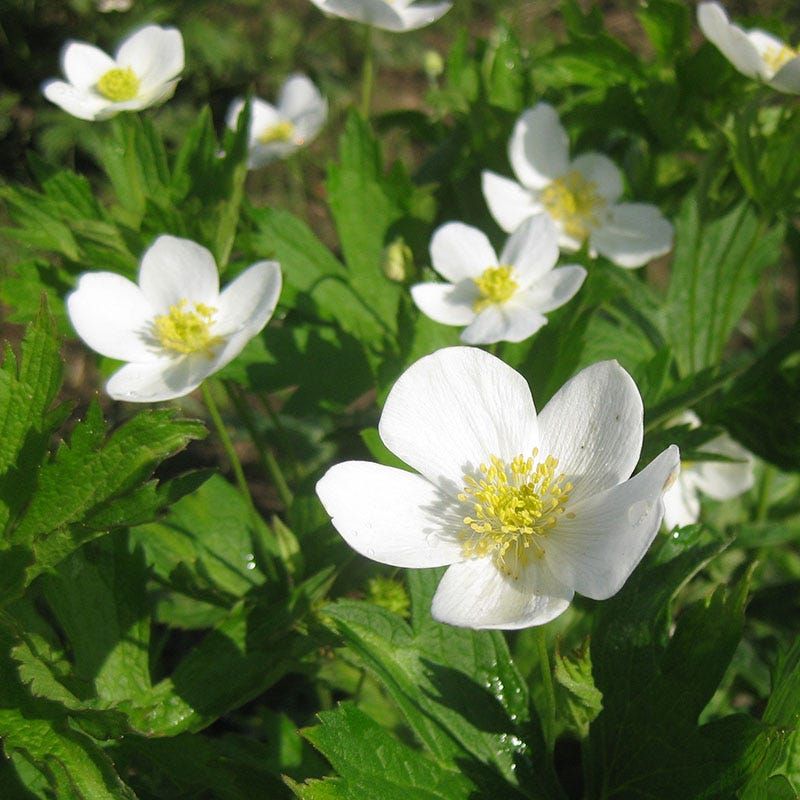
Canada Anemone is the plant for gardeners who are tired of staring at bare patches of clay and want them covered fast. This native groundcover spreads aggressively through underground rhizomes, forming a dense, weed-smothering carpet in just a season or two.
Once it gets going, bare clay soil simply ceases to exist beneath it.
The cheerful white flowers with bright yellow centers open in May and June, covering the spreading mat in a fresh, clean display that looks wonderful alongside ferns and native shrubs.
After blooming, the attractive lobed foliage remains green and dense through the summer, continuing to suppress weeds and protect the soil surface all season long.
Moist, heavy clay soil is genuinely where Canada Anemone performs at its peak. It grows naturally along Michigan’s stream banks and woodland edges, where the soil stays consistently damp.
Low spots, rain garden edges, and areas along water features are ideal locations that will keep this plant spreading happily for years without any extra effort from you.
One thing to keep in mind: Canada Anemone spreads enthusiastically, so give it space and use it in areas where coverage is the actual goal. Large slopes, naturalized areas, or spots along property edges where you never want to mulch again are perfect placements.
If it pushes beyond its intended area, simply pull back the edges in spring. It is the kind of plant that solves problems instead of creating them, and clay gardens genuinely benefit from having it around.