8 Native Plants Every Texas Gardener Should Be Growing
What if the best plants for your Texas garden have been growing wild across this state for thousands of years? Native plants are built for Texas in a way that no exotic variety can match.
They know the heat and they do not need constant attention to survive. Yet so many Texas gardeners overlook them in favor of plants that struggle from the moment they go in the ground.
Growing native means spending less time watering, less money on fertilizers, and less frustration watching plants wilt in the summer sun. On top of that, native plants bring in pollinators, support local wildlife, and actually improve your soil over time.
If you have been fighting your Texas climate instead of working with it, these plants might completely change the way you think about gardening.
1. Turk’s Cap
Some plants just know how to steal the show without even trying. Turk’s Cap is one of those plants.
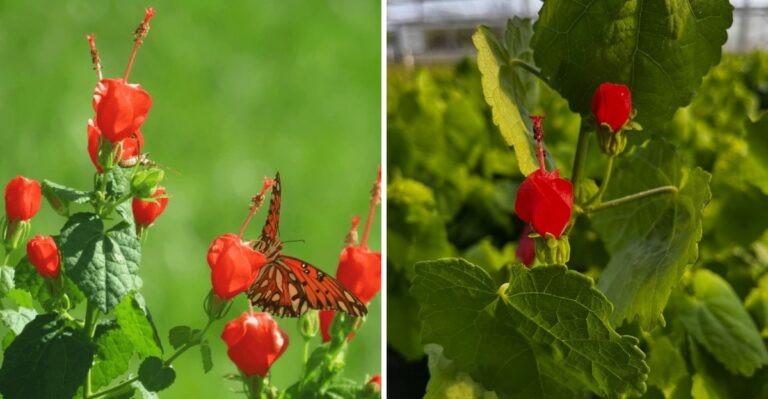
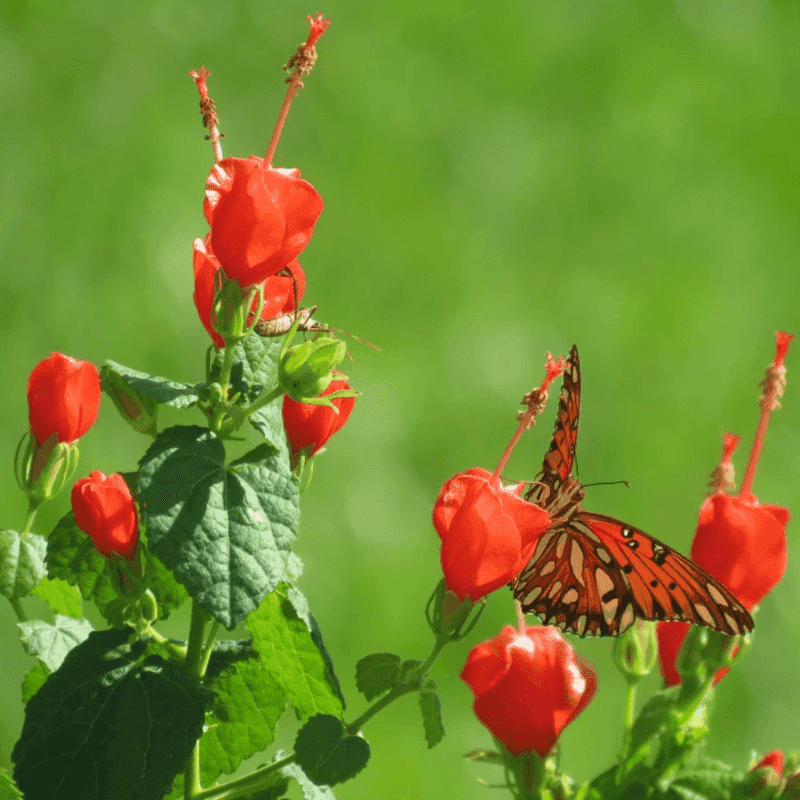
Its bright red, twisted blooms look like little turbans perched on the stems, and hummingbirds absolutely love them.
What makes Turk’s Cap really special is that it thrives in the shade. Most flowering plants need full sun, but Turk’s Cap does its best work in shaded or partly shaded spots where other plants give up.
That makes it incredibly useful for tricky areas under trees or along fences. It blooms from late spring all the way through fall, even during the hottest Texas summers. That long bloom season means your yard stays colorful for months.
Butterflies and bees visit the flowers too, so you get a full pollinator party in your garden. Turk’s Cap grows fast and can get quite large, sometimes reaching six feet tall and wide. You can cut it back in late winter to keep it tidy.
Once established, it needs very little water. It handles clay soil, sandy soil, and everything in between.
Planting Turk’s Cap is basically giving your garden a reliable, low-effort burst of color that keeps on giving all season long.
2. Texas Sage
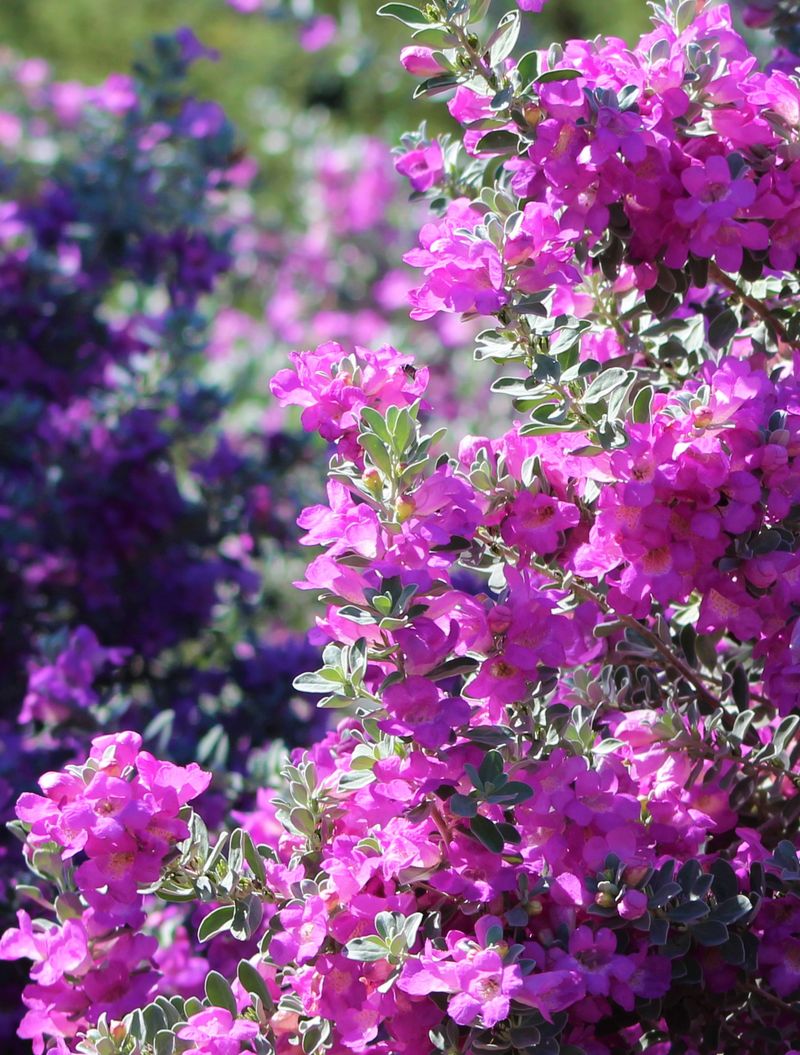
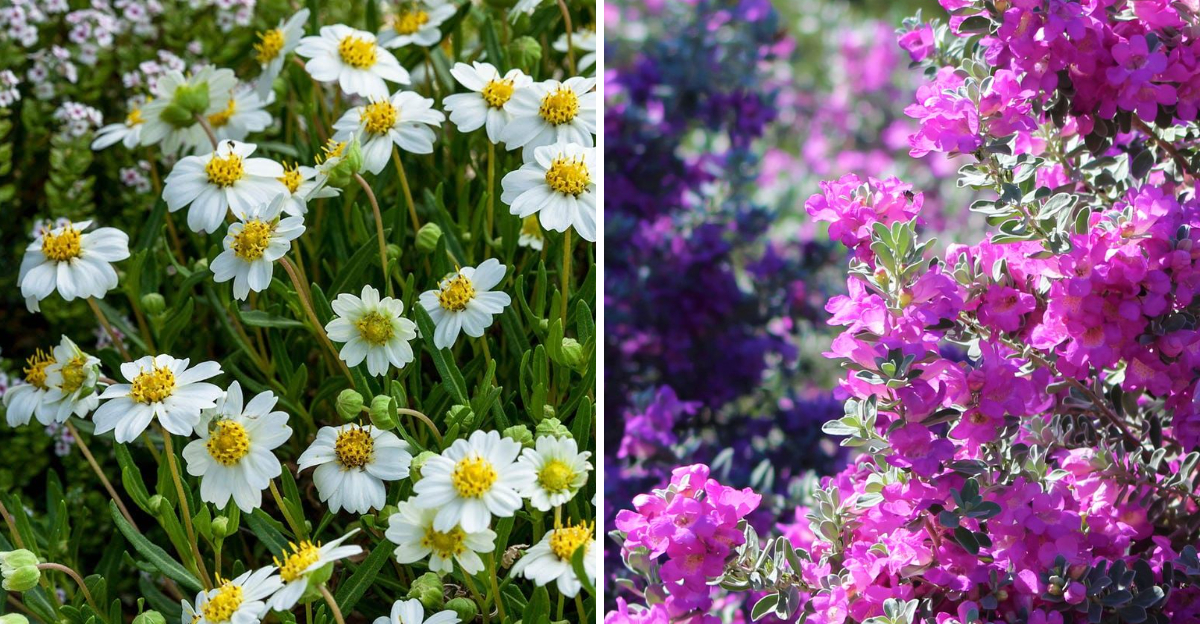
Walk outside after a summer rain in Texas and you might notice something magical happening. The Texas Sage shrubs suddenly burst into clouds of purple blooms almost overnight. That is why locals call it the Barometer Bush.
Texas Sage responds to rising humidity and rainfall by flowering, making it one of the most reliable bloom predictors in the garden. It is a tough, drought-tolerant shrub that thrives in full sun and well-drained soil.
Once it is established, you barely need to water it at all. The silvery-green leaves look beautiful even when it is not blooming.
The plant has a soft, rounded shape that works well as a hedge, a border plant, or a standalone feature in the landscape. It grows slowly and steadily, eventually reaching four to eight feet in height.
Texas Sage is native to the Chihuahuan Desert region, so it was made for heat and dry conditions. It does not like soggy soil, so avoid planting it in low spots where water collects.
Your Texas Garden Changes Every Week. Your Plan Should Too.
Gardening in Texas changes quickly throughout the season. Every Friday you’ll receive a simple weekly plan showing exactly what to plant, prune, fertilize, harvest, and protect so you never miss the right timing.
Pruning is optional, but a light trim after blooming keeps it looking neat. Pollinators like bees visit the purple flowers regularly.
If you want a plant that practically takes care of itself and rewards you with gorgeous color all summer, Texas Sage belongs in your yard.
3. Blackfoot Daisy
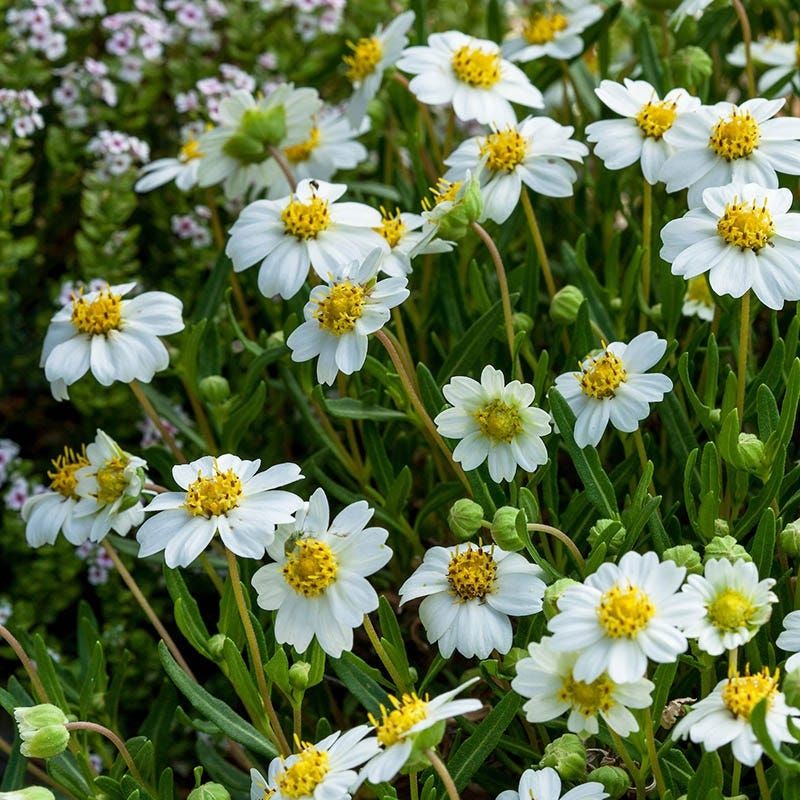
Cheerful is the only word that truly captures what Blackfoot Daisy brings to a garden. These small white flowers with sunny yellow centers bloom in waves from early spring all the way into late fall.
Few native plants offer that kind of staying power. Blackfoot Daisy is incredibly tough. It grows naturally in rocky, dry soils across Texas and thrives with very little water once established.
In fact, too much water or rich soil can actually shorten its life, so lean soil and good drainage are key to keeping it happy.
The plant stays low and compact, usually reaching about one foot tall and one to two feet wide. That makes it a great choice for rock gardens, slopes, pathways, or the front edges of garden beds. It looks great when planted in clusters or drifts.
One fun detail: the common name comes from the small black spot at the base of each petal, which you can see up close. Bees and butterflies visit the flowers regularly, making it a solid pollinator plant.
It reseeds easily too, so you may find new plants popping up nearby each year. Blackfoot Daisy is proof that native plants can be both carefree and stunning, requiring almost no attention while delivering months of beauty.
4. Autumn Sage
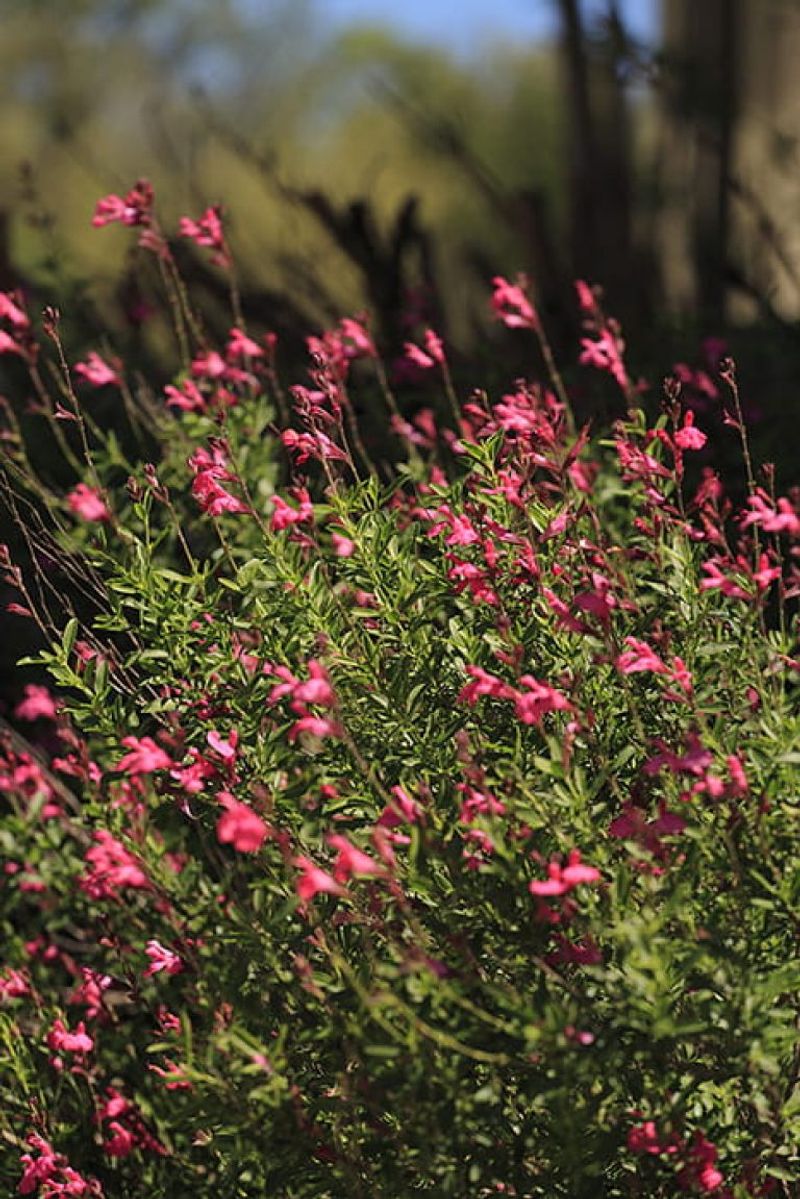
If you want a plant that just never seems to stop blooming, Autumn Sage is your answer. From spring all the way through fall, and sometimes even into winter during mild years, this colorful native keeps pushing out clusters of tubular flowers.
Hummingbirds, bees, and butterflies flock to it constantly. Autumn Sage comes in red, pink, coral, and white varieties, so you have options depending on the look you are going for. The red varieties tend to be the most popular because they are irresistible to hummingbirds.
Plant a few different colors together and you get a lively, mixed display that looks planned but feels natural.
This plant loves full sun and well-drained soil. It handles drought well once established, though a little water during extreme dry spells helps it keep blooming. Cutting it back by about a third in late summer encourages a fresh flush of fall flowers.
Autumn Sage typically grows two to three feet tall and wide, making it a perfect mid-border plant. It pairs beautifully with ornamental grasses, salvias, and other native perennials.
In warmer parts of Texas, it may stay semi-evergreen through winter. Gardeners who plant Autumn Sage often say it quickly becomes one of their favorites because it works hard, looks great, and supports wildlife all at once.
5. Inland Sea Oats
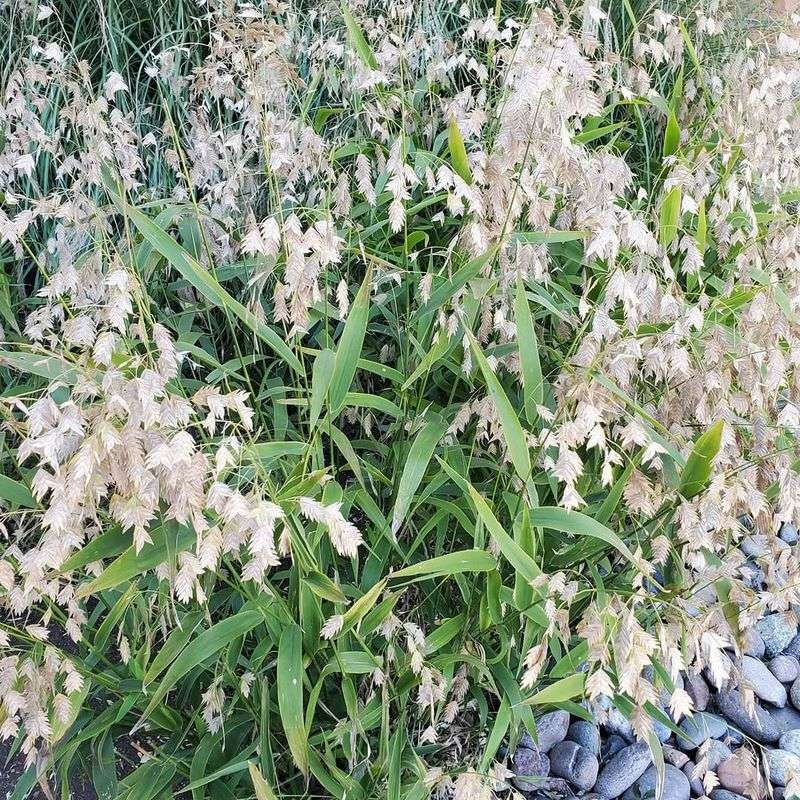
Most grasses want full sun, but Inland Sea Oats does something different. It actually prefers shade, which makes it one of the most valuable native grasses for Texas gardeners dealing with tricky low-light areas.
Under trees, along shaded fences, or beside a north-facing wall, this grass thrives where others struggle.
The drooping, oat-like seed heads are the real showstopper. They hang delicately from arching stems and sway with the slightest breeze, creating beautiful movement in the garden.
In fall, the foliage turns warm shades of copper and bronze, adding seasonal color to spots that might otherwise look dull.
Birds love the seeds, especially during winter when food sources are limited. White-throated sparrows and other small birds will visit regularly if you leave the seed heads standing through the cold months.
Inland Sea Oats spreads slowly by underground runners and also reseeds, so it can eventually form a nice ground cover in shaded areas. If it spreads more than you want, simply pull the extra plants in spring.
It grows two to four feet tall and handles clay or sandy soil without complaint. Watering needs are low once it is established.
For gardeners who have struggled to find something attractive for shady corners, Inland Sea Oats is genuinely one of the best solutions Texas native plants have to offer.
6. Gregg’s Mistflower
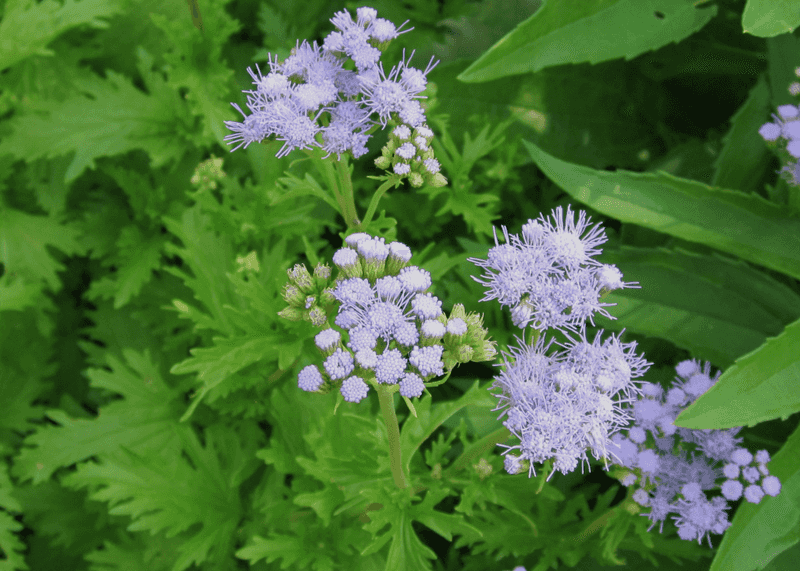
Come fall in Texas, one plant practically puts up a neon sign for butterflies. Gregg’s Mistflower explodes into clusters of fuzzy, blue-purple blooms just as many other plants are winding down for the season.
The timing could not be better for migrating monarchs and other late-season pollinators. Monarch butterflies, queens, painted ladies, and sulphurs are just a few of the species you might spot on a single plant during peak bloom.
If attracting butterflies is your goal, no other Texas native quite matches the sheer number of visitors that Gregg’s Mistflower pulls in during October and November.
It grows quickly and spreads by underground rhizomes, so it can cover ground fast. That spreading habit makes it excellent for filling in large areas or stabilizing slopes, but it is worth giving it some space so it does not crowd smaller plants.
A hard cutback in late winter keeps it tidy and encourages strong new growth. Gregg’s Mistflower prefers full sun to partial shade and handles dry conditions well. It grows about two to three feet tall and produces fragrant blooms that also smell lovely up close.
The plant is native to the Trans-Pecos region of Texas and northern Mexico. Gardeners who add it to their fall garden are often amazed by how quickly it becomes the busiest spot in the entire yard.
7. Frogfruit
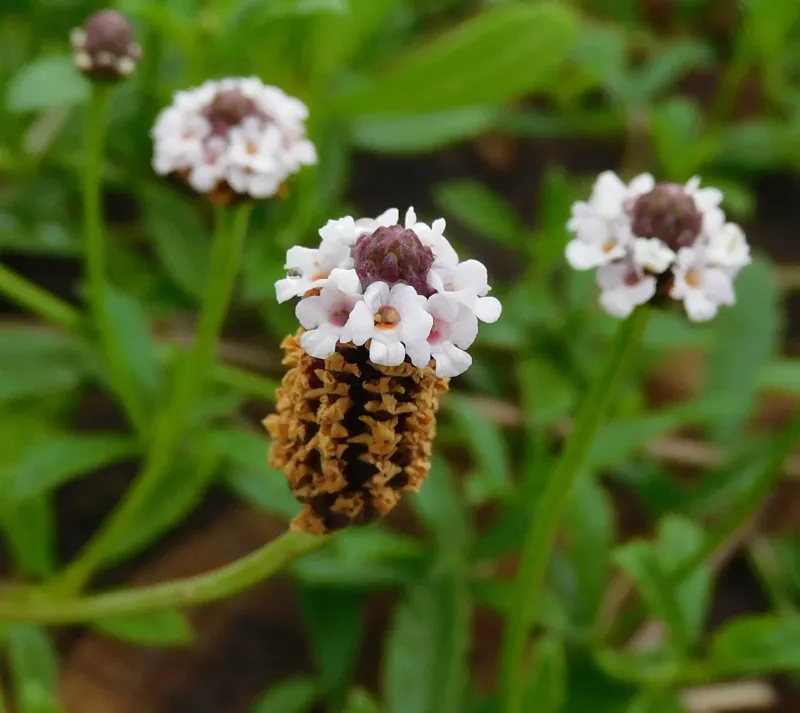
Do not let the funny name fool you. Frogfruit is one of the hardest-working native plants you can add to a Texas garden.
It creeps low to the ground, forming a dense mat that crowds out weeds naturally and fills in bare spots with almost no effort on your part.
The tiny white and pink flowers might look small, but they are absolutely packed with nectar. Native bees, skippers, and other small pollinators visit them constantly throughout the warm months.
Frogfruit is also a host plant for several butterfly species, including the white peacock and phaon crescent, meaning butterflies actually lay their eggs on it so their caterpillars can feed on the leaves.
It handles foot traffic better than most native ground covers, which makes it a practical choice for pathways or areas where grass struggles.
Full sun or partial shade both work well, and it adapts to a wide range of soil types. Once established, it needs very little supplemental water.
Frogfruit spreads by sending out runners that root at the nodes, creating a thick carpet over time. It stays low, usually only a few inches tall, so it never blocks views or competes with taller plants visually.
For gardeners who want a functional, wildlife-friendly ground cover that practically maintains itself, Frogfruit deserves a serious look. It is unassuming, reliable, and quietly essential.
8. Little Bluestem
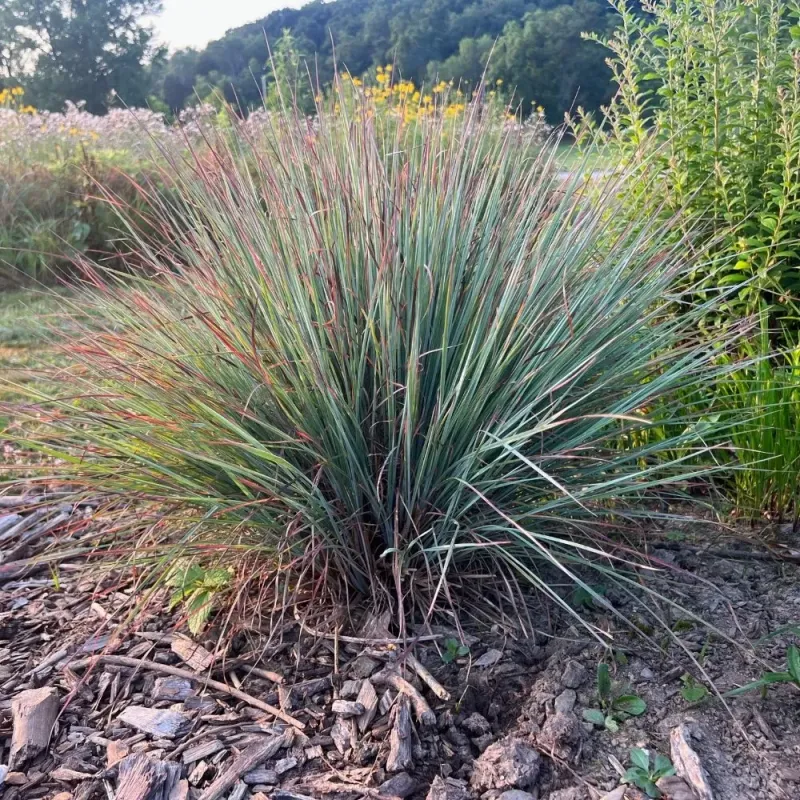
Few plants put on a better fall show than Little Bluestem. Through summer, its blue-green stems blend into the garden quietly.
Then, as temperatures drop, the whole plant transforms into a brilliant mix of orange, red, and copper that practically glows in the afternoon light.
Little Bluestem is one of the signature grasses of the Texas prairie, and it has a deep root system that makes it remarkably drought-tolerant.
Those roots can reach six feet deep, allowing the plant to find water even during long dry spells. Once established, it rarely needs supplemental irrigation.
The fluffy white seed heads that appear in fall and winter are a favorite food source for birds, including sparrows, juncos, and finches.
Leaving the plant standing through winter gives wildlife a reliable food source and adds visual interest to the garden during the coldest months.
Little Bluestem grows two to four feet tall and does best in full sun with well-drained soil. It actually performs better in poor soils than rich ones, so skip the fertilizer.
Cut it back to about six inches in late winter before new growth begins. It works beautifully in mass plantings, meadow gardens, or as a colorful accent alongside wildflowers.
For a native grass that earns its keep in every season, Little Bluestem is one of the absolute best choices for Texas gardeners.