15 Reasons Lemongrass Belongs On Your Alabama Patio
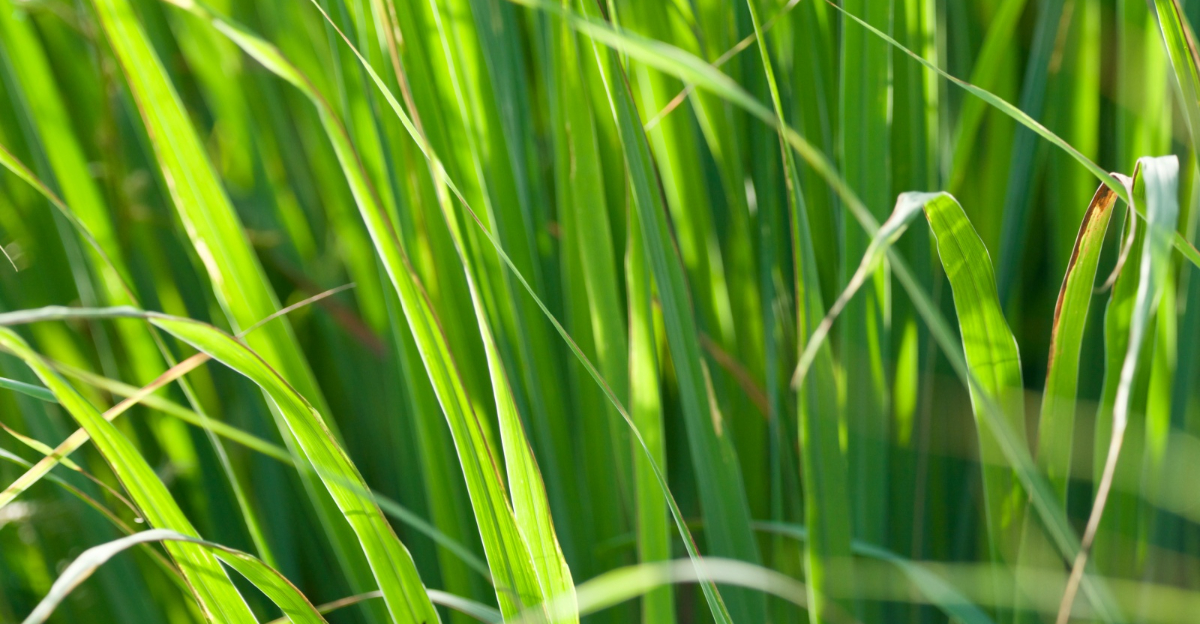
I did not expect a single plant to change the way I use my backyard. But after one Alabama summer with lemongrass growing along my patio edge, I was hooked. It smelled amazing, it grew like crazy, and I noticed fewer mosquitoes bothering me while I was sitting outside. If you have a patio in Alabama and you have not tried lemongrass yet, you are genuinely missing out.
This plant is not just pretty. It works hard, it smells incredible, and it fits right into the humid, hot, long-season climate that Alabama throws at everything in the ground.
Seasoned gardener or total beginner, the result is the same: a better outdoor experience without spending a fortune on sprays and candles.
So what is your patio waiting for?
1. Helps Make Your Patio Less Inviting To Mosquitoes
Alabama summers are no joke.
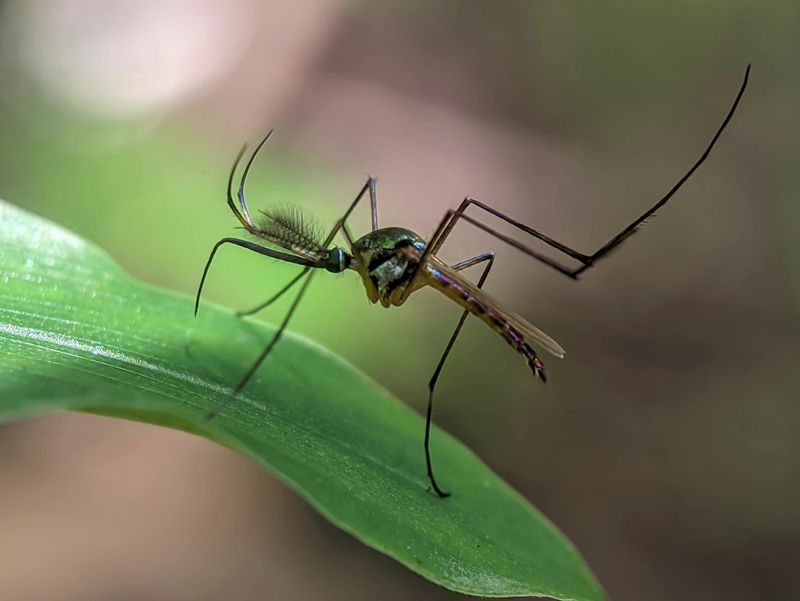
The humidity wraps around you the second you step outside, and mosquitoes treat your patio like their personal buffet.
I started growing lemongrass two summers ago, and the difference was noticeable within weeks.
Lemongrass contains citronella oil, the same compound used in mosquito-repellent candles and sprays.
A living plant does release some of this scent into the surrounding air, which can help make the area less inviting to mosquitoes, though the effect is more subtle than a concentrated candle or spray product.
Planting lemongrass in clusters near your seating area adds a layer of natural deterrence. Mosquitoes navigate partly by scent, and the lemony aroma can make your patio a less appealing destination.
It will not eliminate mosquitoes entirely, but it contributes to a more comfortable outdoor space, especially when combined with other common-sense measures like removing standing water.
In Alabama, where mosquito season stretches from April through October, that relief matters.
You can actually sit outside and enjoy a glass of sweet tea without constantly swatting.
Lemongrass makes that possible without any sprays, coils, or chemical gadgets.
For anyone who loves outdoor living but hates the bugs that come with it, this plant is a genuinely smart addition to your space.
2. Thrives In Alabama’s Heat And Long Growing Season
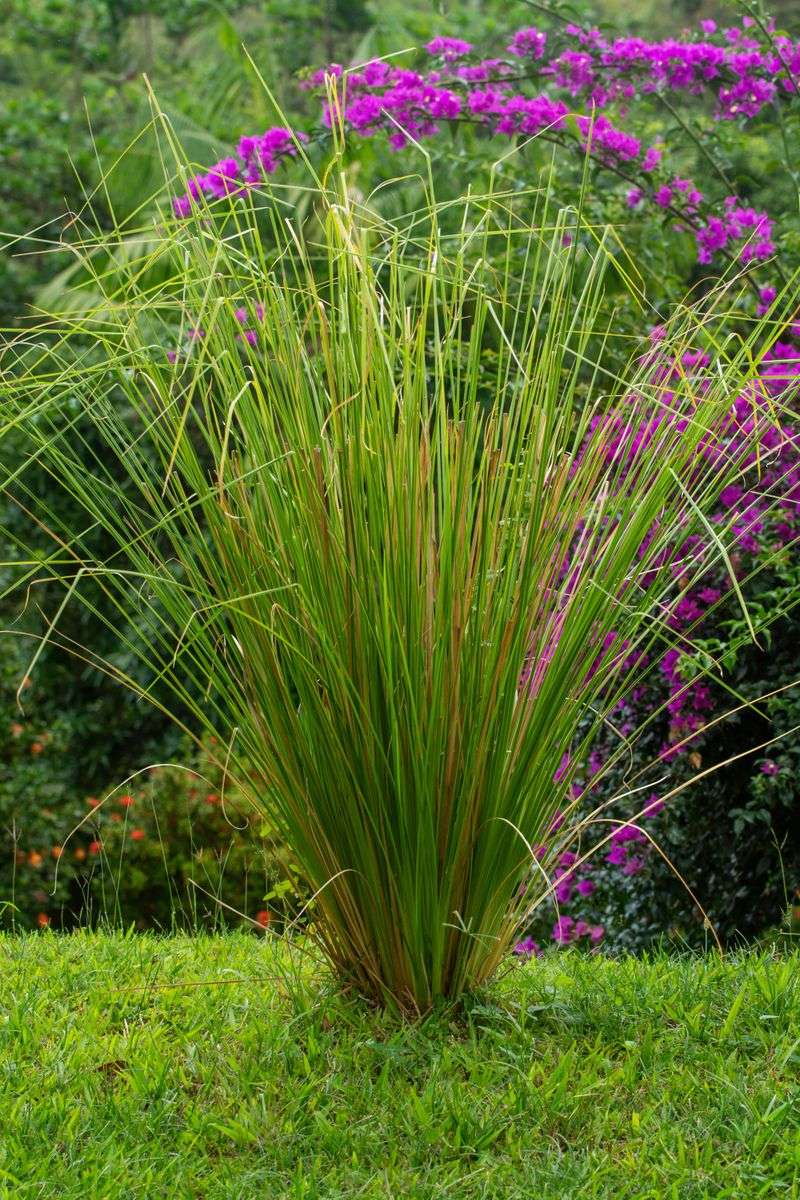
Some plants struggle through an Alabama summer.
Lemongrass practically celebrates it.
This plant is native to tropical and subtropical climates, which means the heat, humidity, and long sunny days that wear out other plants are exactly what lemongrass craves.
Alabama’s growing season is long compared to most of the country.
You can get lemongrass in the ground as early as March in the southern parts of the state and watch it take off through October.
If you have struggled to keep plants alive through intense summer heat, lemongrass is one of the most forgiving and enthusiastic growers you can choose for your yard or patio.
That gives you months of lush, fragrant growth from a single planting.
Lemongrass grows in clumps that can reach four to six feet tall under good conditions.
In Alabama’s climate, reaching that height in one season is completely realistic.
Your Alabama Garden Changes Every Week. Your Plan Should Too.
Gardening in Alabama changes quickly throughout the season. Every Friday you’ll receive a simple weekly plan showing exactly what to plant, prune, fertilize, harvest, and protect so you never miss the right timing.
The plant loves full sun, which is something Alabama has in generous supply.
What I appreciate most is that lemongrass does not sulk when temperatures spike into the nineties.
Most herbs and ornamental grasses start looking sad by August, but lemongrass keeps pushing out new growth.
It rewards the Alabama climate instead of fighting it.
Still wondering why it is not already in your yard?
3. Creates A Natural Privacy Screen Around The Patio
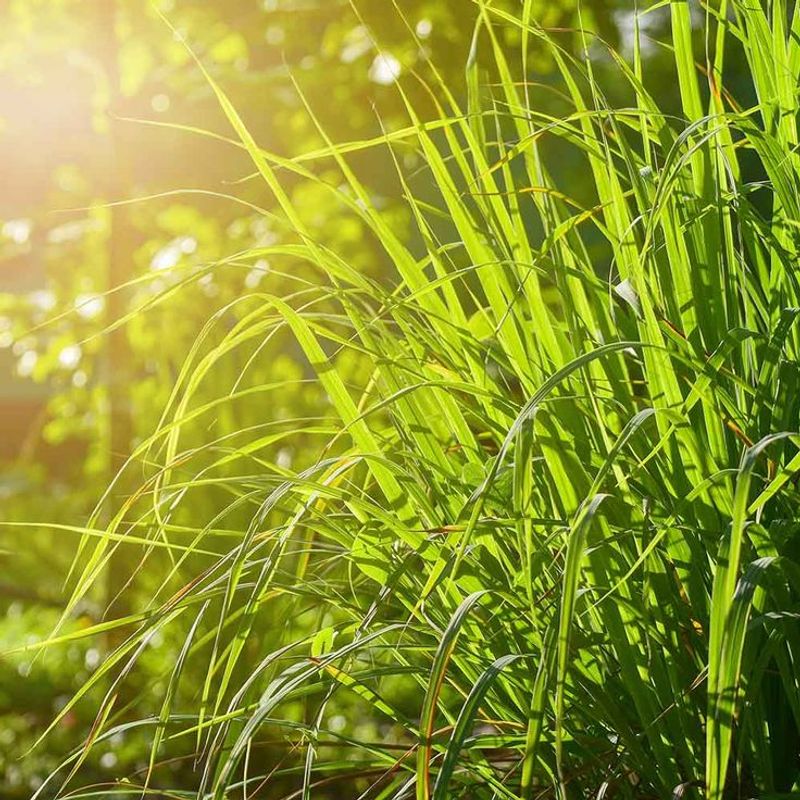
Privacy fences are expensive.
Shrubs take years to fill in.
Lemongrass gives you a full, tall, dense screen in a single growing season, and it smells incredible while doing it.
Because lemongrass grows in thick clumps that can reach five or six feet, planting a row of them along your patio edge creates a soft green wall.
It can grow thick enough to create a natural screen, and the wind moving through the stalks makes a gentle rustling sound that adds to the peaceful atmosphere.
In Alabama, where lot sizes in neighborhoods can be tight, that visual barrier makes a real difference.
You get a sense of your own space without building anything permanent.
If you ever move or want to change the layout, lemongrass can be divided and relocated without much trouble.
The look is relaxed and tropical, which fits well with the warm Alabama aesthetic.
Paired with some string lights and outdoor furniture, a lemongrass border transforms a plain concrete slab into something that actually feels like a destination.
It is one of those landscaping moves that looks intentional and polished without requiring a landscaper.
Lemongrass does a lot of work for a plant that costs just a few dollars to get started.
4. May Help Deter Flies And Gnats Around Your Patio
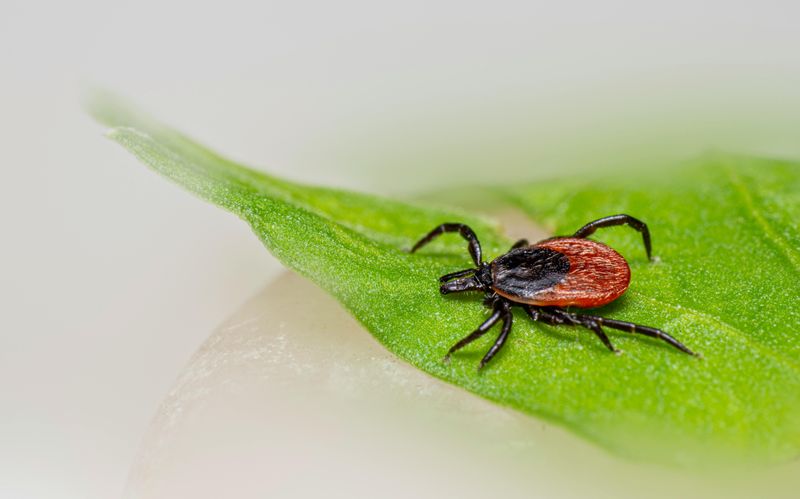
Mosquitoes get all the attention, but flies, gnats, and ticks make outdoor time unpleasant in their own ways.
Lemongrass works against all three, which makes it more useful than most single-purpose bug repellents on the market.
The citronella compounds in lemongrass may help discourage flies and gnats, which are sensitive to strong herbal scents. Note that tick deterrence from a living plant has not been confirmed by research.
Studies showing repellent effects used concentrated lemongrass essential oil, not ambient garden plants.
For tick protection in Alabama’s wooded areas, proper clothing, repellents, and post-outdoor checks remain the reliable approach.
Rubbing a fresh lemongrass stalk on your skin gives you a light, natural bug deterrent you can apply before heading into the yard.
It is not a replacement for proper tick checks after time in tall grass, but it adds a layer of protection that costs nothing extra.
Alabama has a heavy tick population, especially in rural and semi-rural areas.
Lemongrass keeps mosquitoes at bay, adds a tropical feel to your space, and smells incredible doing it. Ticks, unfortunately, did not get the memo, so keep your lawn trimmed.
That peace of mind is worth something, especially if you have kids or dogs running around the yard during the warmer months.
5. It Is Less Inviting To Snakes Too
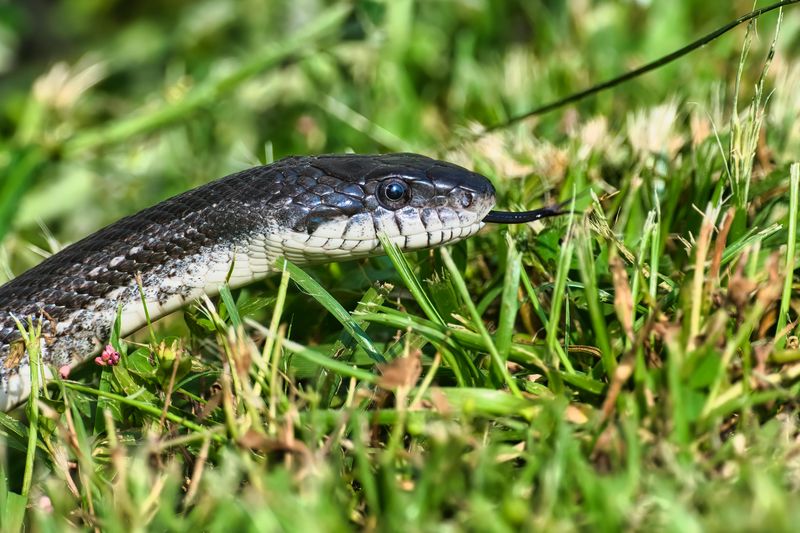
Snakes in Alabama are a real part of outdoor life.
Copperheads, cottonmouths, and rat snakes show up in yards more often than most homeowners would like. Lemongrass is often recommended online as a snake deterrent, and some gardeners swear by it as a border plant.
The reasoning is that snakes rely heavily on scent to navigate, and strong herbal aromas may be off-putting. However, there is currently no peer-reviewed research confirming that lemongrass reliably deters snakes, so treat this benefit as anecdotal rather than proven.
What is reliable: keeping grass trimmed, removing debris piles, and sealing gaps in structures.
Lemongrass used as a dense border may simply reduce the sheltered ground-level cover that snakes prefer, which is a more plausible effect than scent alone.
The peace of mind it provides when you have small children playing outside is real.
And unlike chemical snake repellents, lemongrass is safe, natural, and does double and triple duty in your garden all season long.
6. No Chemicals Or Sprays Needed

There is something satisfying about solving a problem without reaching for a bottle of chemicals.Lemongrass lets you do exactly that.
You plant it once, it grows, and it starts working without any input from a can of DEET or a bag of pesticide granules.
For families with young children, people with chemical sensitivities, or anyone trying to reduce their environmental footprint, this matters a lot.Conventional yard sprays can linger on surfaces, get tracked inside, and affect pets and wildlife in ways we do not always think about.
Lemongrass sidesteps all of that.
The plant produces its own pest-deterring compounds naturally through its leaves and stalks.You do not need to apply anything, mix anything, or schedule a spray service.
Just water it, give it sun, and let it do what it does.
Alabama homeowners who have switched to more natural yard management strategies consistently mention lemongrass as one of the easiest wins.It fits into organic gardening practices seamlessly and complements other natural approaches like companion planting.
You get a yard that is friendlier to bees, butterflies, and beneficial insects while still keeping the nuisance bugs at a manageable level.Lemongrass is one of the few truly low-input, high-reward plants available to Alabama gardeners.
7. Low-Maintenance Once Established
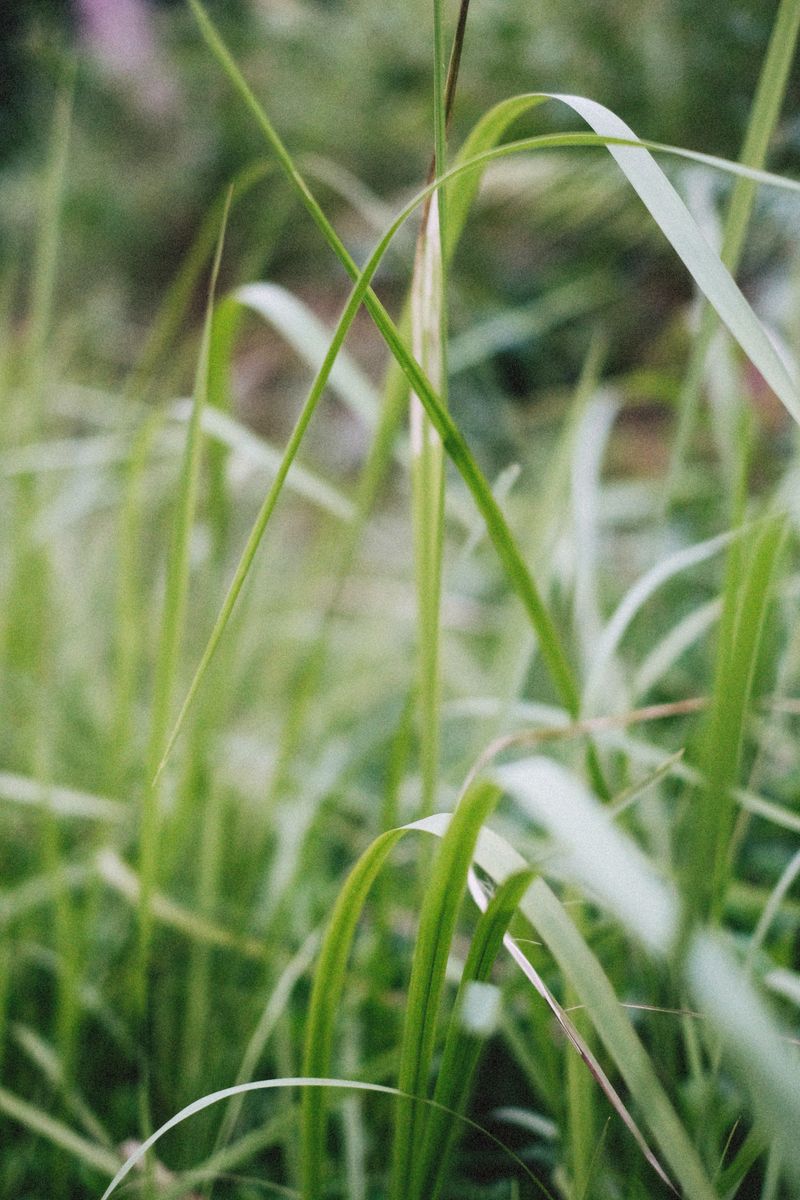
Not everyone has time to fuss over their garden.Lemongrass understands that.
Once it settles into your soil and gets through its first few weeks, it essentially takes care of itself through the growing season.
During the first month, you want to water it regularly to help the roots establish.After that, lemongrass is pretty content with whatever rain Alabama provides, only needing supplemental watering during extended dry stretches.
You do not need to fertilize heavily or do anything complicated to keep it thriving.
Occasional trimming keeps the clumps looking tidy and encourages fresh growth from the base.At the end of the season, cutting the stalks back to about six inches helps the plant prepare for winter dormancy.
That is about as involved as the maintenance gets.
Compared to roses, annuals, or high-maintenance shrubs that need constant pruning, feeding, and babying, lemongrass is a refreshing change of pace.It rewards a relaxed approach and punishes neglect far less than most plants.
For busy Alabama homeowners who want a beautiful, functional yard without spending every weekend in it, lemongrass is a practical and smart choice.You put in a little effort upfront and enjoy the results for the entire season with minimal follow-up work.
8. Fast-Growing And Fills In Within One Season
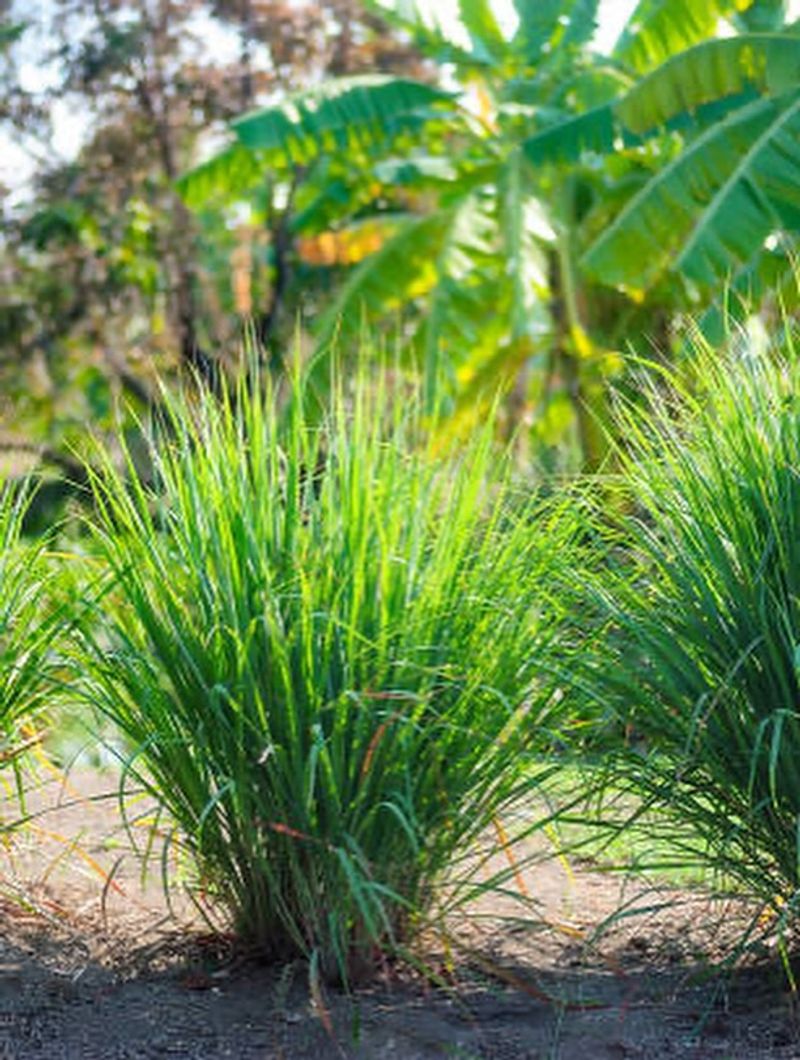
Patience is a virtue in gardening, but lemongrass does not ask for much of it.
This plant grows fast, and in Alabama’s warm climate, it can go from a small transplant to a full, impressive clump in a single season.
That kind of visible progress is genuinely motivating.
Most gardeners plant lemongrass in spring after the last frost, and by midsummer it is already looking substantial.
By late summer, it is often five feet tall and wide enough to function as a privacy screen, a windbreak, or a dramatic garden focal point.
Few plants deliver that kind of transformation in such a short time.
If you are starting a new patio space or trying to fill in a bare area quickly, lemongrass is one of the most reliable options available.
You do not have to wait three years for it to look like something.
It performs in year one.
Lemongrass also spreads through the root system over time, so established clumps can be divided and used to fill additional spots in your yard.
You essentially get free plants from your original investment.
For Alabama gardeners who want quick results without spending a lot of money on mature plants or sod, lemongrass offers real value and visual impact from the very first growing season.
One practical note: lemongrass spreads vigorously and can outcompete native groundcover if left unchecked. It is not currently on Alabama’s invasive species list, but dividing clumps every season or two keeps it well behaved.
Divide large clumps every year or two, and dispose of excess plant material rather than composting it near natural areas or waterways.
9. Drought-Tolerant During Alabama’s Dry Spells
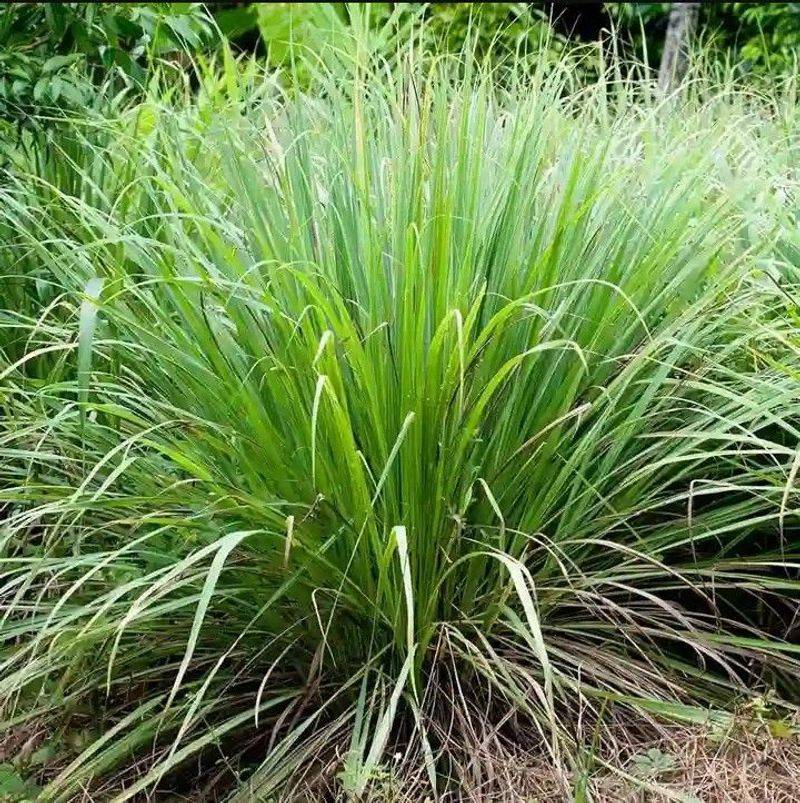
Alabama does not always deliver consistent rain.Some summers bring long stretches of dry, hot weather that stress out lawns and gardens across the state.
Lemongrass handles those dry spells with a kind of quiet toughness that other plants cannot match.
Once established, lemongrass has a deep root system that helps it access moisture that shallower-rooted plants cannot reach.During dry periods, it may slow its growth slightly, but it rarely looks wilted or desperate the way annuals and container plants do.
It holds its form and keeps that green, lush appearance even when rain has not fallen in weeks.
I have watched my lemongrass sail through two-week dry stretches without a drop of supplemental water and come out looking completely fine.That kind of resilience takes a lot of pressure off the gardener.
You do not have to set irrigation timers or drag hoses around every other day.
For Alabama homeowners who travel during summer or simply do not have time for intensive watering schedules, lemongrass is a reliable anchor plant.It keeps your patio looking green and alive even when conditions get tough.
Drought tolerance combined with its pest-repelling properties makes lemongrass one of the most practical landscaping choices available for Alabama’s unpredictable summer weather patterns.
10. Edible And Useful For Cooking And Teas

Here is something most people do not realize when they first plant lemongrass for pest control: you can eat it.The lower white portion of the stalks is used in Thai, Vietnamese, and other Southeast Asian cuisines to add a bright citrus flavor to soups, curries, and marinades.
Growing your own means fresh lemongrass is always steps away from your kitchen.
Making lemongrass tea is even simpler.You steep a few bruised stalks in hot water for several minutes and you get a mild, fragrant tea with a clean lemony taste.
It is refreshing hot or cold, and many people find it soothing after a long day outside in Alabama’s heat.
The stalks can also be used to infuse oils, flavor grilled meats, or add aroma to homemade cleaning products.Lemongrass is genuinely multipurpose in a way that most ornamental plants are not.
You get beauty, pest control, and a functional kitchen herb all in one plant.
Harvesting lemongrass is easy too.You simply cut outer stalks near the base when they are thick enough, usually around half an inch in diameter.
The plant continues producing new growth from the center, so harvesting regularly actually encourages it to stay healthy and productive throughout the Alabama growing season.
11. Safe For Children And Pets

When you have kids or pets, every plant in your yard goes through a safety check.
Lemongrass passes that test easily.
It is generally considered safe for humans, but the ASPCA notes that ingestion can cause mild gastrointestinal upset in dogs and cats. A pet brushing past it is not a concern, but if yours is a chewer, keep that in mind.
Unlike some ornamental plants that look beautiful but pose real risks if chewed or touched, lemongrass is genuinely safe in a household setting.
Children can brush against it, smell it, and even touch the stalks without concern.
Pets that investigate it out of curiosity are not in any danger.
That said, lemongrass essential oil is more concentrated than the plant itself and should be kept out of reach of pets, especially cats, who can be sensitive to concentrated plant compounds.
But the living plant growing in your garden? Completely fine.
For Alabama families who want a yard that is both functional and safe, lemongrass checks all the right boxes.
You get natural pest deterrence without putting anything harmful in the environment where your kids and animals spend their time.
It is one of those rare plants that works hard, looks good, and fits seamlessly into a household that prioritizes safety.
For most families, lemongrass is one of the more easygoing plants you can bring into your outdoor space.
12. Can Stay Evergreen In Southern Alabama’s Mild Winters
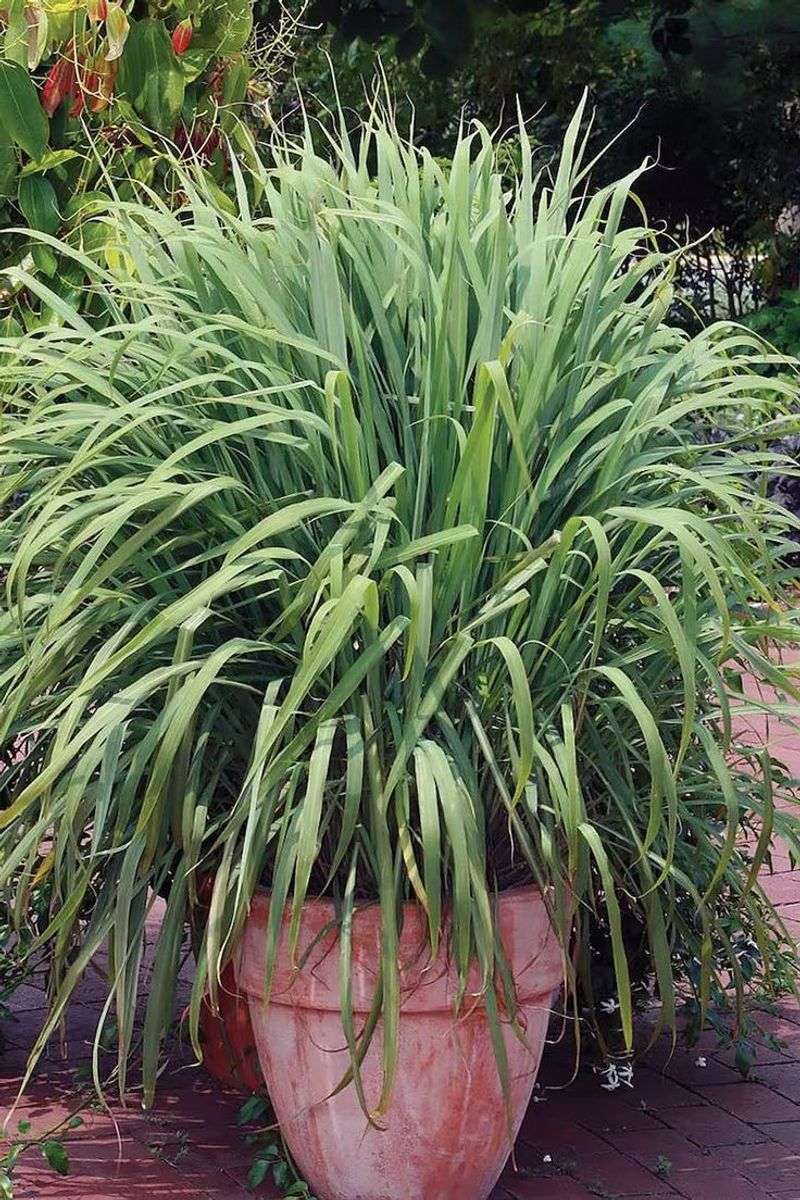
One of the quiet surprises of growing lemongrass in Alabama is what happens in winter.
Unlike in colder northern states where lemongrass completely browns out and needs to be brought indoors, Alabama’s mild winters allow it to stay evergreen in many parts of the state.
That means your patio keeps its green framing even in January.
In central and southern Alabama, lemongrass often holds its color and structure through the cooler months with minimal protection.
A light mulch around the base helps protect roots through northern Alabama cold snaps, and it bounces back well in spring.
This winter resilience makes lemongrass a better long-term investment in Alabama than in most other states.
You are not pulling it out every fall and replacing it every spring.
With basic care, the same clumps can return year after year, growing larger and more established each season.
Seeing green on your patio in February is a small but genuine mood booster.
Lemongrass provides that without special greenhouse setup or indoor storage.
For Alabama gardeners who want year-round visual structure in their outdoor spaces, lemongrass is one of the most reliable perennial options available.
It rewards the Alabama climate in every season, not just summer.
13. Reduces Need For Citronella Candles

You have lit the citronella candle. You have watched it gutter out forty minutes later.
You have gone inside to find another one. There is a better way to set up your patio for a long Alabama evening, and it starts in the ground, not on the shelf.
Because lemongrass naturally contains citronella oil, the scent it releases into the air adds to the ambient deterrence in your seating area. A few well-placed clumps will not replace a candle, but they do make a noticeable difference.
The coverage expands as the plant grows, which means it gets more effective as the season goes on.
I still light a candle occasionally for ambiance, but I rely on lemongrass for the actual pest management.
The combination works well, but the plant adds a background layer of deterrence that takes some pressure off.
Over a summer, the savings on candles and torches add up noticeably.
Alabama summers are long, and if you are the kind of person who spends real time on the patio from April through October, those candle costs accumulate fast.
Lemongrass is a one-time purchase that pays for itself quickly.
It is also better for the environment, since you are not burning paraffin or synthetic fragrance compounds every evening.
The plant just works quietly and consistently in the background all season long.
14. It May Occasionally Welcome A Few Passing Pollinators
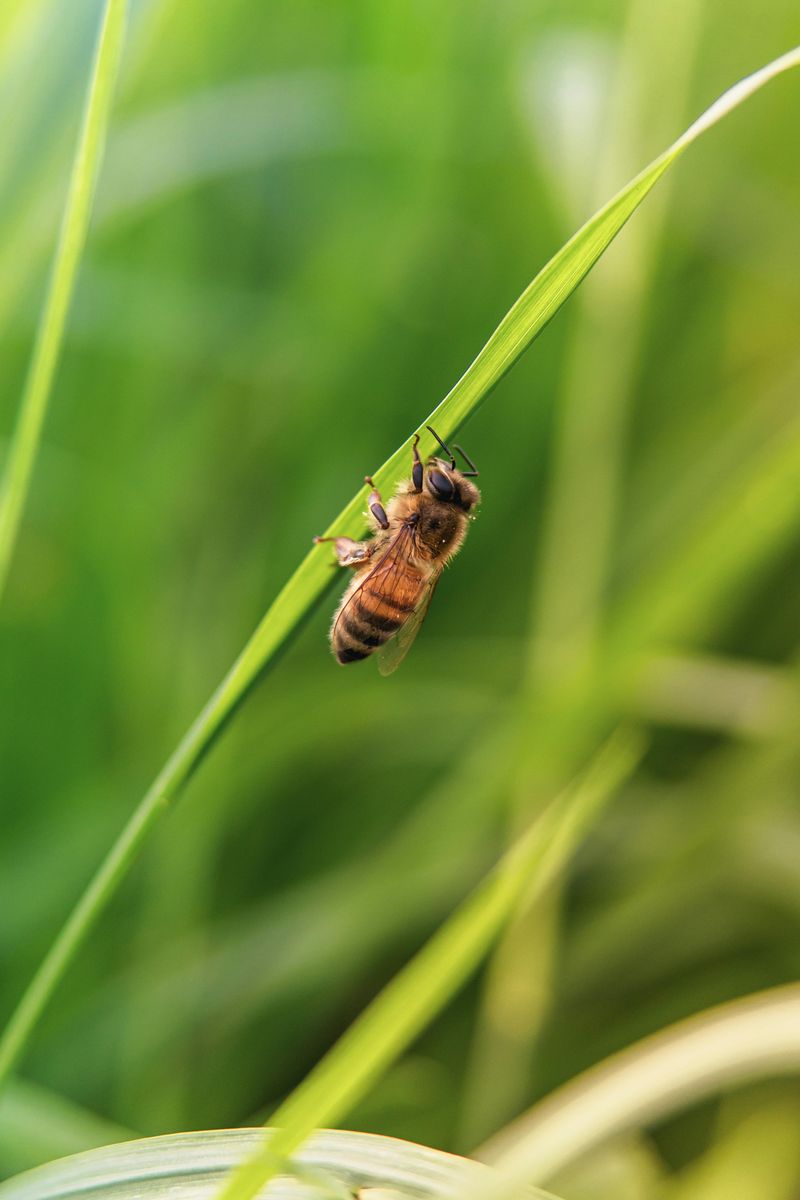
Lemongrass does not just push the bad stuff away.It also pulls the good stuff in.
Bees, butterflies, and other beneficial pollinators are drawn to gardens where lemongrass is growing, and that has a ripple effect on everything else in your yard.
When lemongrass is allowed to flower, which happens when the plant matures, it produces tall seed heads that attract a range of pollinators.Even before flowering, the plant’s presence as part of a diverse garden landscape signals to beneficial insects that the space is worth visiting.
More pollinators mean better fruit set on vegetable plants and more blooms on flowering plants nearby.
In Alabama, where home vegetable gardens are popular and backyard fruit trees are common, having a healthy pollinator population is genuinely valuable.
Lemongrass contributes to that ecosystem without any extra effort from the gardener.
There is something satisfying about watching a bee work its way through your garden knowing that your plant choices helped create a welcoming environment.Lemongrass fits into a broader vision of a yard that is alive and balanced, not just sterile and pest-free.
It gives you pest deterrence and ecological benefit at the same time, which is a combination that most single-purpose products simply cannot offer.For Alabama gardeners thinking about the bigger picture, lemongrass belongs in that conversation.
15. Adds Tropical Beauty To Your Outdoor Space
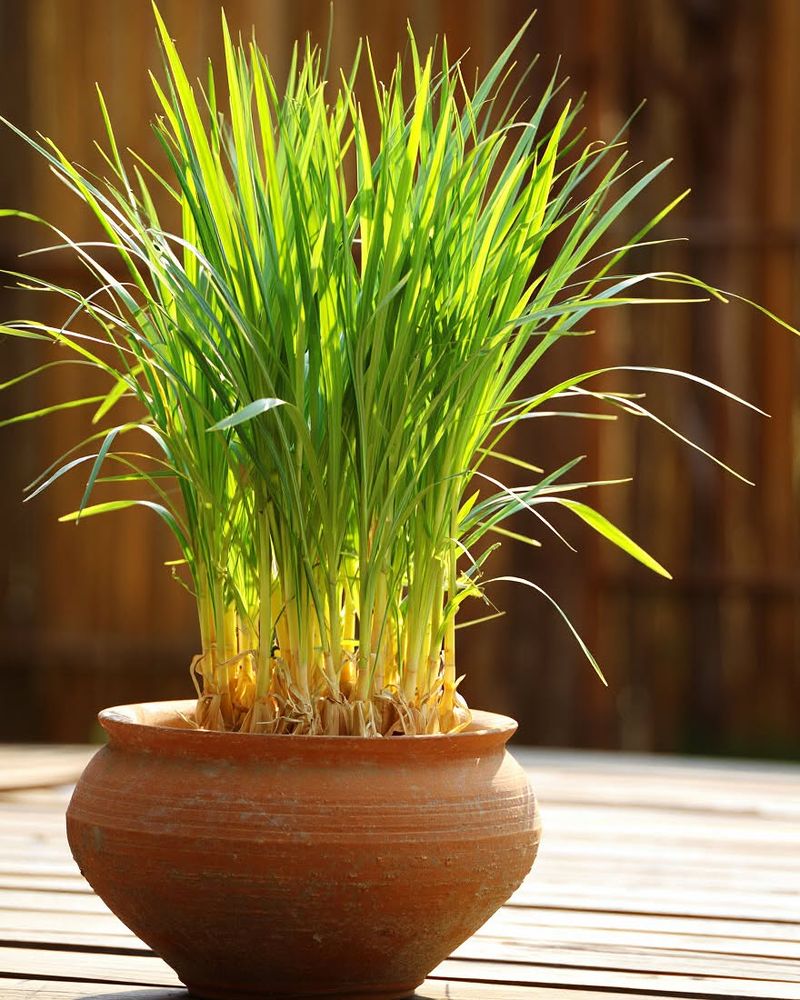
Lemongrass has a quiet visual appeal that is easy to underestimate until you see it growing.
The long arching blades move in a breeze, and a mature clump has real presence without looking stiff or formal.
Alabama patios often lean toward a relaxed, Southern aesthetic, and lemongrass fits that mood naturally.
It has a tropical softness that pairs well with wooden furniture, terracotta pots, and the kind of easy outdoor living that Alabama summers are made for.
You do not need to do much else to make a patio feel lush when lemongrass is part of the picture.
The plant works as a standalone focal point or as a backdrop for shorter flowering plants and herbs.
Its height and density create structure without feeling rigid or formal.
It is the kind of plant that looks like you planned everything carefully, even if you just stuck it in the ground and let it run.
Visitors to my backyard almost always notice the lemongrass first.
They ask what it is, they lean in to smell it, and they want to know where to get one.
That reaction says a lot about the plant’s visual appeal.
Lemongrass earns its place in Alabama gardens not just for what it does, but for how it makes a space feel.