The Simple Secret To A Mosquito-Free Mississippi Patio (It’s Already Growing In Your Neighbor’s Yard)
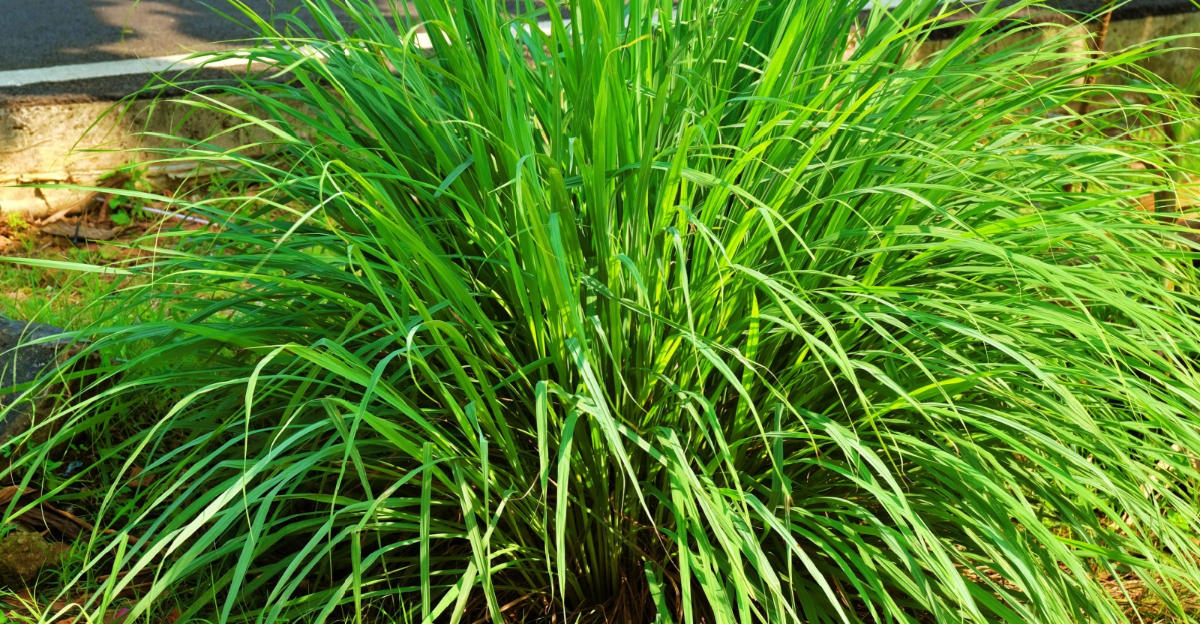
You know that tall, leggy clump of grass sitting unbothered in your neighbor’s porch pot? Turns out, you’ve been walking past one of the best-kept secrets on the block.
Maybe you assumed it was decorative.
Maybe you didn’t assume anything at all.
Either way, you walked right past the best-kept secret on the block.
Meanwhile, your neighbor is out there on the patio at dusk, totally at ease, completely unbothered.
Pure, uninterrupted summer evening energy, not a single swat in sight.
Just a pleasant evening outside, the way summer was supposed to feel before Mississippi mosquitoes decided otherwise.
So what’s their secret?
It’s not a gadget, it’s not a subscription box, and it’s definitely not that citronella candle that smells like a beach resort gift shop.
It’s something far simpler, something you’ve probably already noticed growing quietly in their yard.
And once you find out what it is, you’ll wonder why you waited this long.
Meet The Plant Your Patio Has Been Missing
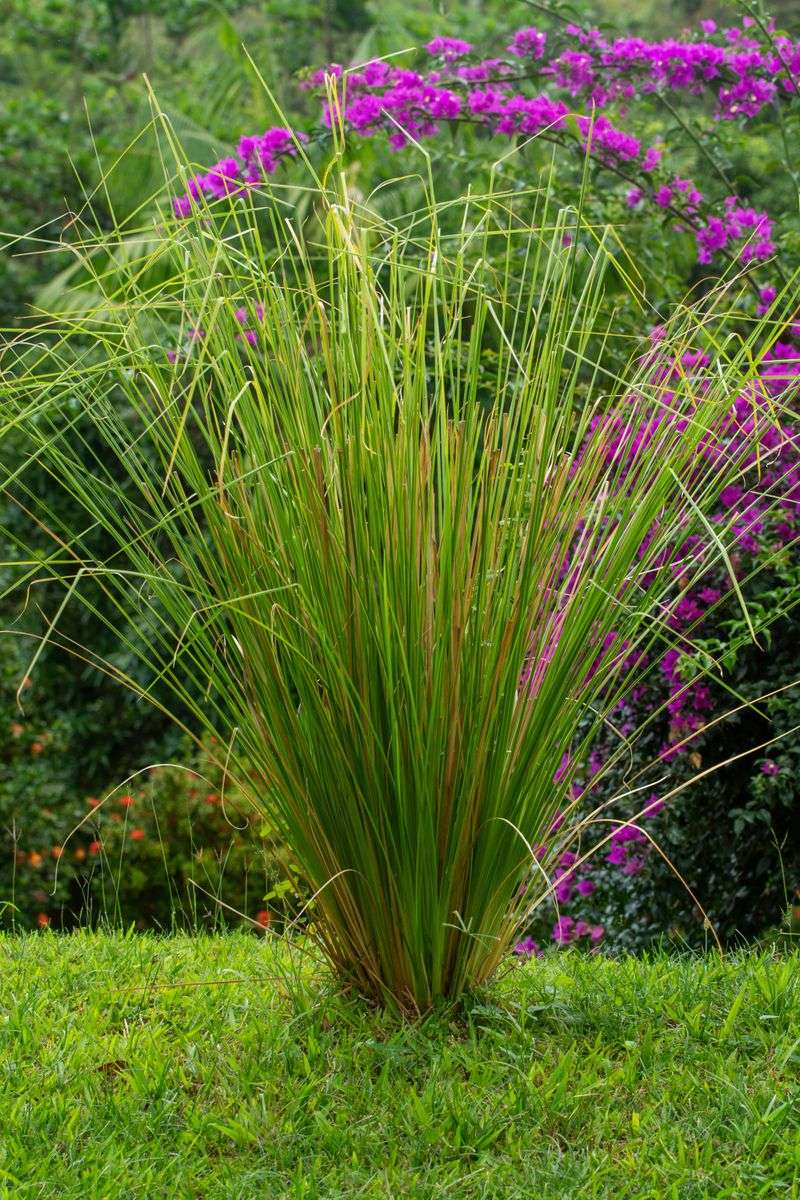
Your neighbor’s mystery plant has a name, and it’s about to change your summer.
Lemongrass is a tall, tropical grass that smells like a fresh Lemon dropped into a garden.
Originally from Southeast Asia, it’s now one of the most popular natural bug deterrents in warm American climates.
Gardeners across the South have been growing it for years, partly because it looks great and partly because it works.
The plant contains a natural oil called citronella, which is the same compound found in those yellow candles at every hardware store.
The difference is that a living plant releases citronella, not just when it’s burning.
Lemongrass grows fast, stays full, and thrives in heat.
It can reach four to six feet tall in a single season, making it a striking visual addition to any outdoor space.
Plant it once, and in most of Mississippi it tends to come back strong year after year.
In the cooler northern parts of the state, it may need a little winter protection.
The more peaceful Mississippi patio you’ve been chasing?
It’s already growing in someone else’s garden.
Mosquitoes Do Not Like It But-You’ll Love It.
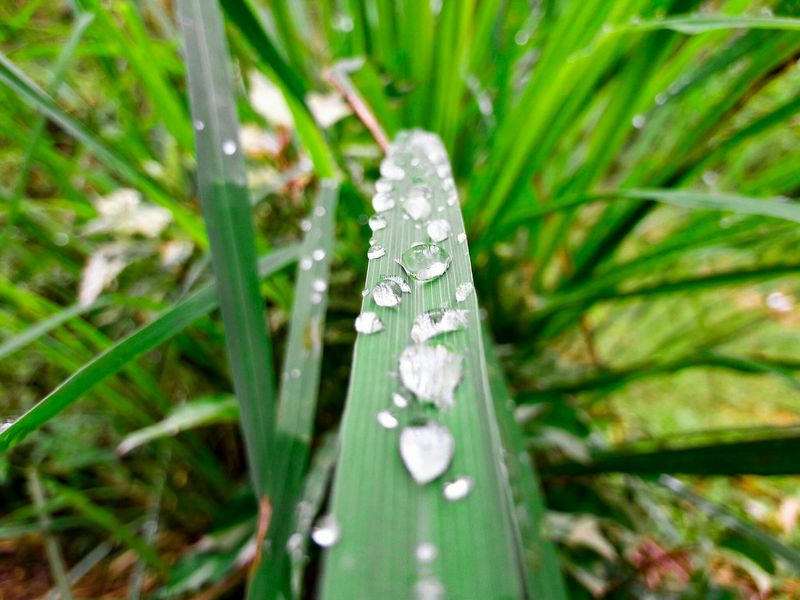
Mosquitoes rely heavily on scent to find their targets, and Lemongrass happens to be one they’d rather steer clear of.
The citronella oil that Lemongrass releases confuses their ability to detect carbon dioxide, which is how they find warm-blooded hosts.
No scent trail means no landing zone, which means no itchy red welts on your ankles.
What makes this especially satisfying is that the same smell mosquitoes despise is one humans genuinely enjoy.
Lemongrass carries a clean, citrusy, slightly herbal fragrance that feels refreshing outdoors.
Rub a stalk between your fingers and you get an instant burst of that scent, which can also work as a mild personal repellent.
Bugs aren’t the only insects affected either.
That means your patio food spread stays cleaner and your guests stay more comfortable throughout the evening.
Your Mississippi Garden Changes Every Week. Your Plan Should Too.
Gardening in Mississippi changes quickly throughout the season. Every Friday you’ll receive a simple weekly plan showing exactly what to plant, prune, fertilize, harvest, and protect so you never miss the right timing.
The fragrance is strongest on hot days when the oils are most active, which is exactly when you need protection the most.
For once, nature’s solution smells better than the problem.
How To Build Your Lemongrass Border
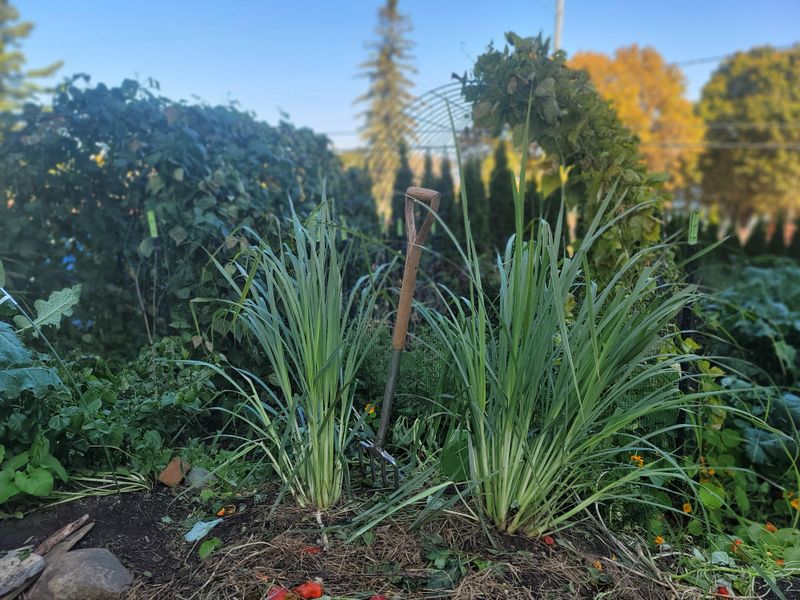
A Lemongrass border sounds like a weekend project.
It’s actually an afternoon one.
Pick up two to four established Lemongrass plants from a local nursery or garden center.
Space them about three feet apart along the perimeter of your patio to create a natural scent barrier that bugs won’t want to cross.
Containers work beautifully if you don’t want to plant directly in the ground.
A large pot, at least 12 inches wide, gives the roots enough room to spread and the plant enough stability to grow tall.
Pots also let you reposition the plants seasonally, which is handy if you want to move them closer to seating areas during peak mosquito hours.
For the best results, place your Lemongrass where it catches full sun for most of the day.
At least six hours of direct sunlight keeps the plant healthy and the oil production high.
Water it regularly but make sure the pot or soil drains well, because soggy roots cause problems fast.
Once established, Lemongrass is surprisingly low-maintenance.
No complicated feeding schedules or pruning rituals needed.
Just sunlight, water, and a little patience, and your Lemongrass border will take care of the rest.
How Much Is Enough?
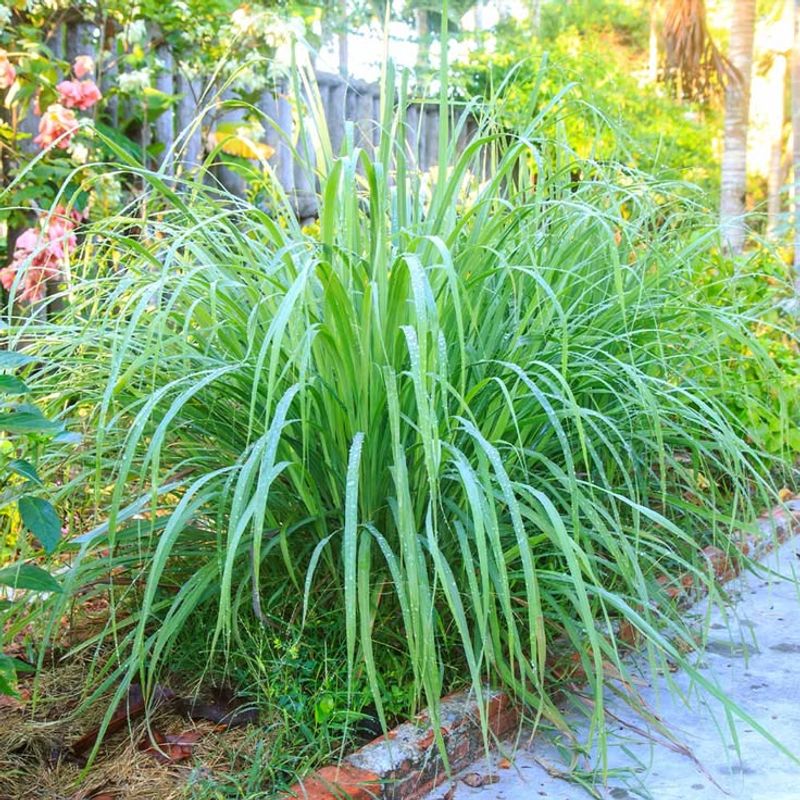
Planting one Lemongrass stalk and expecting total bug coverage is like putting one fan in a gym and hoping everyone stays cool.
You need enough plants to create a consistent fragrant zone around your seating area.
For a standard 10 by 12 foot patio, three to five plants placed strategically around the edges is a solid starting point.
Wind direction matters more than most people realize.
If your patio gets a consistent breeze from one side, put more plants on that side to let the scent carry across the space.
On still evenings, the fragrance naturally settles close to the ground where mosquitoes hunt, which actually works in your favor.
Bigger patios or open deck spaces may need six to eight plants to feel the full effect.
You can always supplement with a Lemongrass essential oil diffuser or citronella candles in the center of the space for extra coverage.
Think of the plants as your first line of defense and any candles or sprays as backup.
Over time, as the plants mature and spread, the scent coverage naturally expands.
The whole setup costs far less than you’d expect.
Just thoughtful placement and a little plant math.
Does It Actually Hold Up In Mississippi Summers?
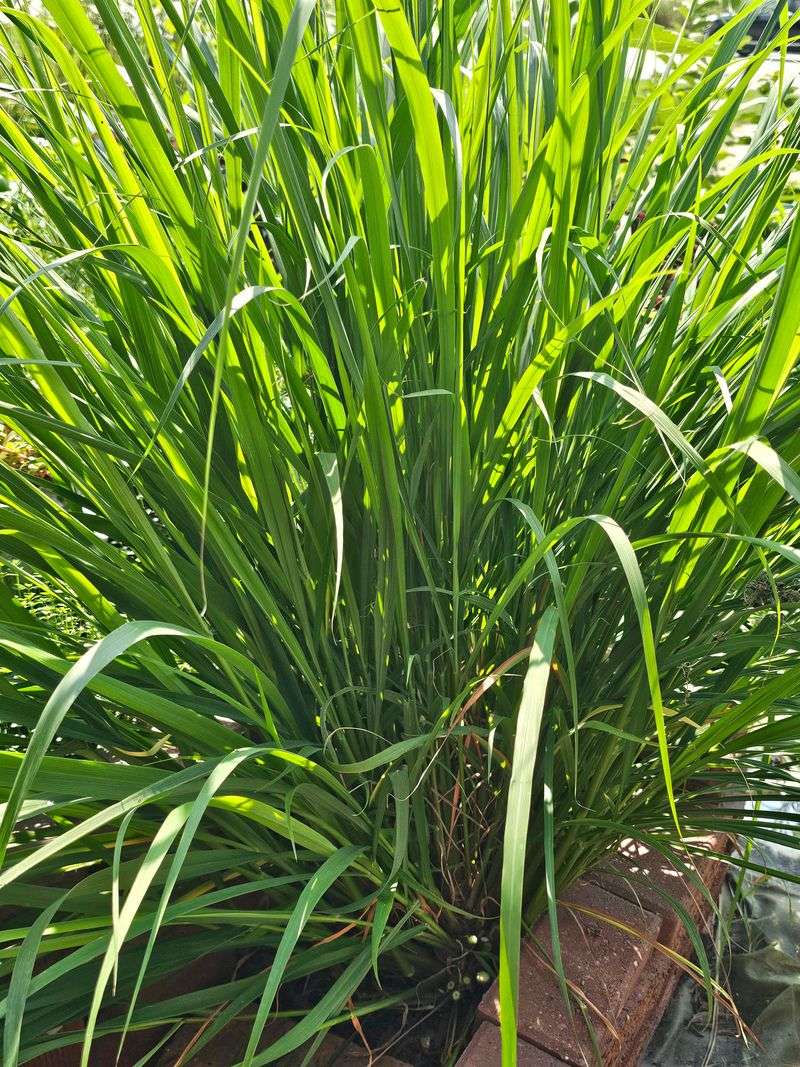
Summers in Mississippi are not for the faint of heart, and most plants wilt under that kind of pressure.
Lemongrass, however, was practically engineered for exactly this kind of heat.
It originated in tropical climates where temperatures regularly exceed 90 degrees, which means a Gulf South summer feels like home to it.
Humidity is another factor that usually stresses plants out, but Lemongrass takes it in stride.
The thick stalks and deep root system allow the plant to stay hydrated and upright even when the air feels like warm soup.
It actually grows faster during the hottest months, which is the opposite of what most garden plants do.
Drought tolerance is one of Lemongrass’s standout traits.
Once it’s established in the ground or a large container, it can handle a week or two without rain without looking sad.
That said, a good deep watering once or twice a week during dry spells keeps it at peak performance.
The plant also bounces back quickly after a heavy rain or storm, which is a regular occurrence in the Deep South.
For a region that tests every plant’s limits, Lemongrass passes with flying colors and barely breaks a sweat.
The Bonus Benefits
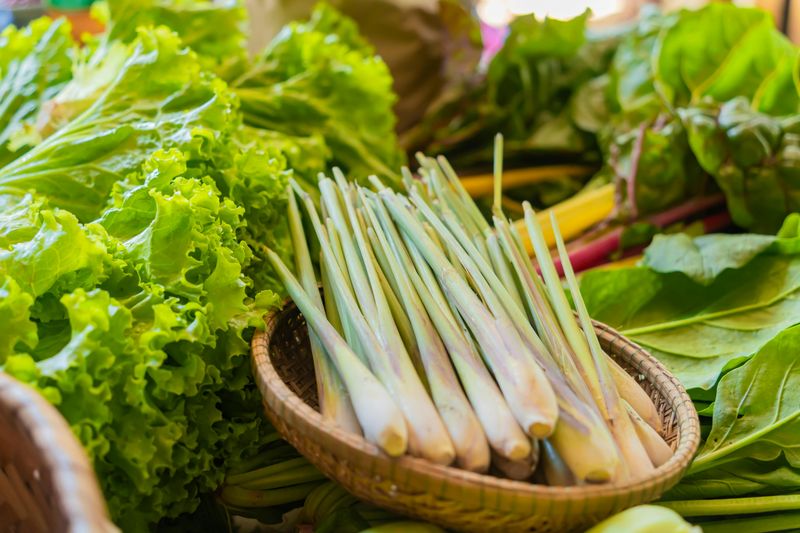
Planting Lemongrass for mosquito control is the main event, but the bonus perks are honestly worth talking about.
For starters, Lemongrass is edible and widely used in cooking across Southeast Asian cuisines.
The lower white stalks add a bright, citrusy flavor to soups, teas, marinades, and stir-fries that no bottled seasoning can replicate.
Growing your own means stepping outside to snip a fresh stalk whenever a recipe calls for it.
That alone feels like a small luxury that costs almost nothing once the plant is established.
Lemongrass tea, in particular, is a popular home remedy for digestive discomfort and is known for its calming, slightly sweet flavor.
Beyond the kitchen, Lemongrass makes a surprisingly attractive landscape plant.
The tall arching blades add texture and movement to a patio space, softening the look of fences, walls, and hard edges.
It also works as a privacy screen when planted in a dense row.
Some gardeners even dry the leaves and use them in sachets to freshen closets and drawers naturally.
Most plants do one thing well.
Lemongrass does four, and somehow makes it look effortless.
Ready To Start? Here’s Where To Get It
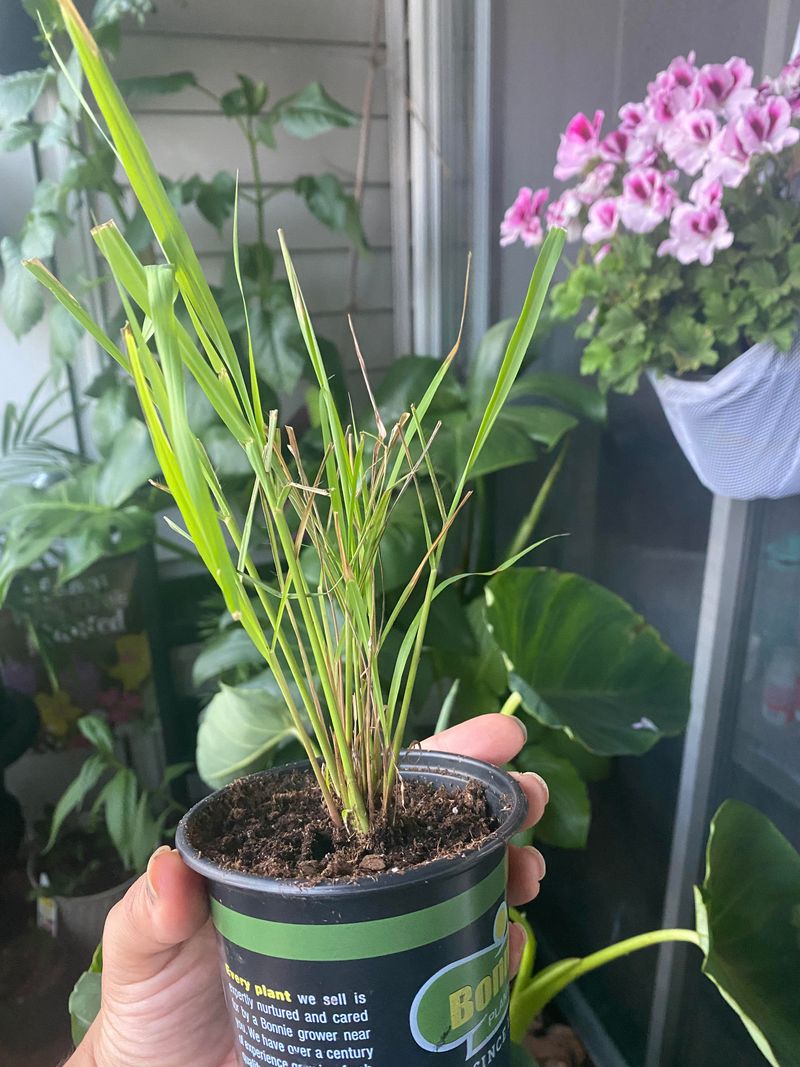
Finding Lemongrass is easier than you might expect, and you probably have multiple options within a few miles of home.
Local garden centers and plant nurseries typically carry it in the spring and early summer, often for just a few dollars per plant.
Don’t overlook Asian grocery stores.
Those fresh stalks on the shelf?
Root them in a glass of water and they’ll grow into full plants.
Roots appear within a week or two, and then you simply transfer the rooted stalk to a pot with good drainage.
Few things beat growing your own border plants from a grocery store stalk and spending almost nothing to do it.
Online plant shops and Amazon also carry Lemongrass starts, which is a great option if local nurseries are sold out during peak season.
Look for established plugs or small potted plants rather than bare seeds, since seeds take significantly longer to reach useful size.
Once you have your first plant, dividing it each spring gives you new plants for free.
Share the extras with neighbors, and soon the whole street becomes a protected outdoor zone.