Say Goodbye To Mosquitoes With These 9 Plants For New Jersey Patios
Spending time on your New Jersey patio should feel relaxing. Not like a frantic swatting session the moment the sun starts to dip.
For a long time I tried everything. Candles, sprays, citronella…
I still ended up covered in bites before the first drink was finished. Sound familiar?
Then I started planting. Turns out, certain plants naturally send mosquitoes looking for a friendlier yard, and some of them are true New Jersey natives that already know how to thrive here.
Less fuss, more reward. They bring in bees, butterflies, and hummingbirds while quietly keeping the biters at bay.
And they look absolutely beautiful doing it. One thing worth knowing: bruising or crushing the leaves releases the compounds that do the real repelling work.
Simply having them nearby still helps, but rubbing a few leaves before you sit down makes a noticeable difference. Here is what deserves a spot on your patio this season!
1. Wild Bergamot
There is something almost magical about a plant that smells like a spa and sends mosquitoes running at the same time.
Wild Bergamot is a native wildflower found throughout New Jersey, and it earns its place on any patio with both beauty and function.
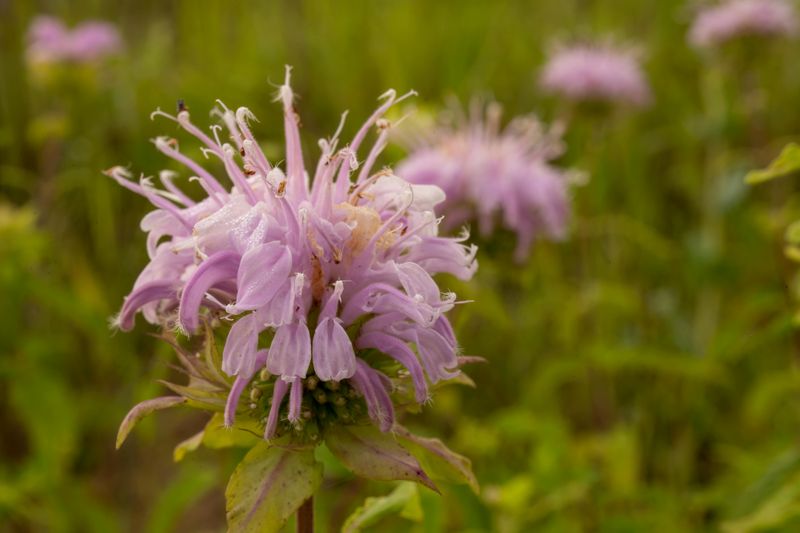
The soft lavender-purple blooms show up mid-summer and last for weeks, drawing in bees and butterflies while keeping the biters away.
The scent comes from natural oils in the leaves, which mosquitoes find overwhelming.
You can even rub a leaf between your fingers and apply a little of that oil to your skin as a light, natural repellent. Just do a small patch test first if you have sensitive skin or known plant allergies, as reactions can vary from person to person.
Wild Bergamot grows to about two to four feet tall, making it a great border plant or container choice for patios in New Jersey.
It handles heat well and does not need much water once it gets established.
Full sun is ideal, but it can manage partial shade without complaining too much.
Wild Bergamot also attracts hummingbirds, which is always a welcome bonus on a warm New Jersey evening.
Plant it near your seating area for the strongest effect, and let it do the heavy lifting all season long.
2. Virginia Mountain Mint
Nobody talks about Virginia Mountain Mint enough. That is honestly a shame.
This quietly brilliant native plant might be doing more work on a New Jersey patio than almost anything else you could grow.
Virginia Mountain Mint is loaded with pulegone and menthol compounds that mosquitoes want nothing to do with. Research supports plants in the Pycnanthemum family as some of the most effective natural deterrents available to home gardeners.
The plant releases these compounds steadily through the season on its own. Brush against it or crush a few leaves and the effect intensifies noticeably, giving you a natural alternative to reaching for the bug spray.
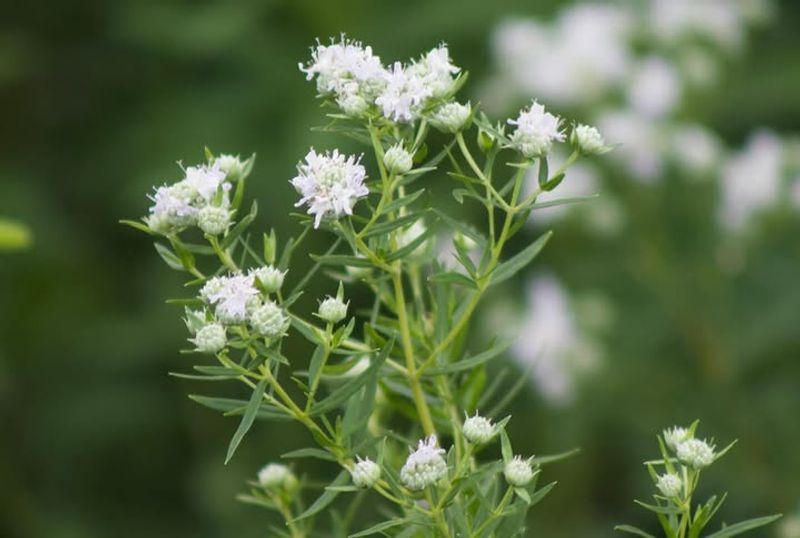
It grows two to three feet tall, produces small white flowers that pollinators swarm over all summer, and thrives in full sun with very little water once established.
Your New Jersey Garden Changes Every Week. Your Plan Should Too.
Gardening in New Jersey changes quickly throughout the season. Every Friday you’ll receive a simple weekly plan showing exactly what to plant, prune, fertilize, harvest, and protect so you never miss the right timing.
A true low maintenance perennial that comes back stronger every year.
Virginia Mountain Mint is a true New Jersey native, meaning it has been thriving in this exact climate long before anyone thought to put it in a garden bed.
Underrated, hardworking, and genuinely effective.
Your patio deserves one, and honestly, once you see how well it performs, you will wonder why it took you this long to plant it.
3. Narrowleaf Mountain Mint
If you have ever brushed against a mint plant and caught that sharp, clean scent, you already understand why mosquitoes want nothing to do with it.
Narrowleaf Mountain Mint cranks that effect up several notches, releasing a strong minty fragrance that keeps your patio smelling fresh and uninviting to pests.
This native New Jersey plant is one of the most underrated mosquito deterrents you can grow.
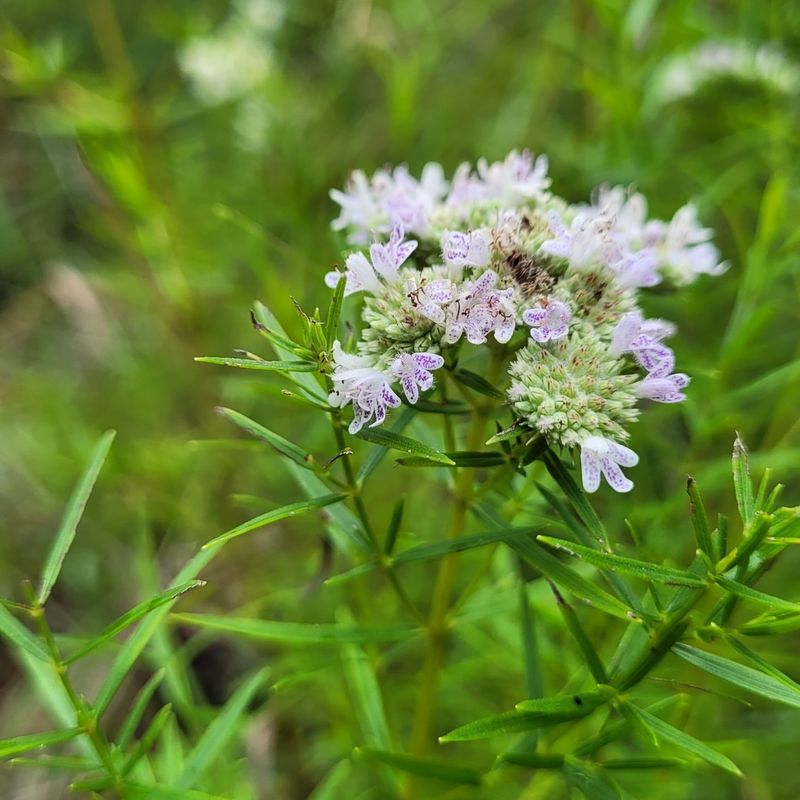
It grows in upright clumps reaching two to three feet tall, with small white flowers that pollinators go absolutely wild for.
Research has shown that Narrowleaf Mountain Mint is among the top native plants for bee diversity in the northeastern United States.
For a New Jersey patio, that means you get the good insects and lose the bad ones.
Plant it in full sun and well-drained soil, and it will reward you with minimal care needs and maximum performance.
Narrowleaf Mountain Mint spreads by rhizomes, so give it a little room or use a container to keep it in check.
The silvery foliage looks striking next to darker green plants.
Crush a few leaves in your hand before sitting outside, and the fresh scent alone will make your patio feel like a whole new space in New Jersey.
4. Short-Toothed Mountain Mint
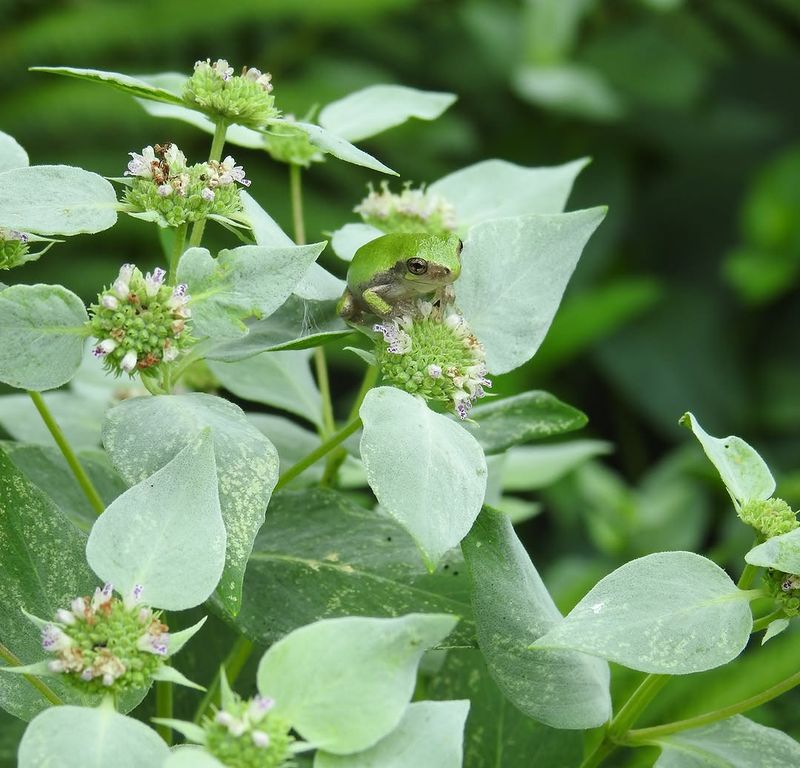
Short-toothed mountain mint is the quieter cousin of its narrowleaf relative, but do not let the low profile fool you.
This native plant has a strong aromatic presence that mosquitoes find strongly discouraging.
It is one of the most practical plants you can add to a New Jersey patio setup if you want results without a lot of fuss.
The plant grows to about two feet tall and spreads into a tidy clump over time.
Its tiny white flowers may look modest, but they are magnets for native bees, wasps, and butterflies throughout summer.
Short-toothed mountain mint blooms from July through September, which lines up almost perfectly with peak mosquito season in New Jersey.
It handles average soil well and does not need extra fertilizer or frequent watering once established.
Full sun brings out the strongest scent, which is exactly what you want near seating areas.
It also holds up well in humid conditions, which is important given New Jersey summers.
You can dry the leaves at the end of the season and use them in sachets or homemade insect-repelling sprays.
It is a hardworking, honest plant that earns its place in any outdoor space.
5. Anise Hyssop
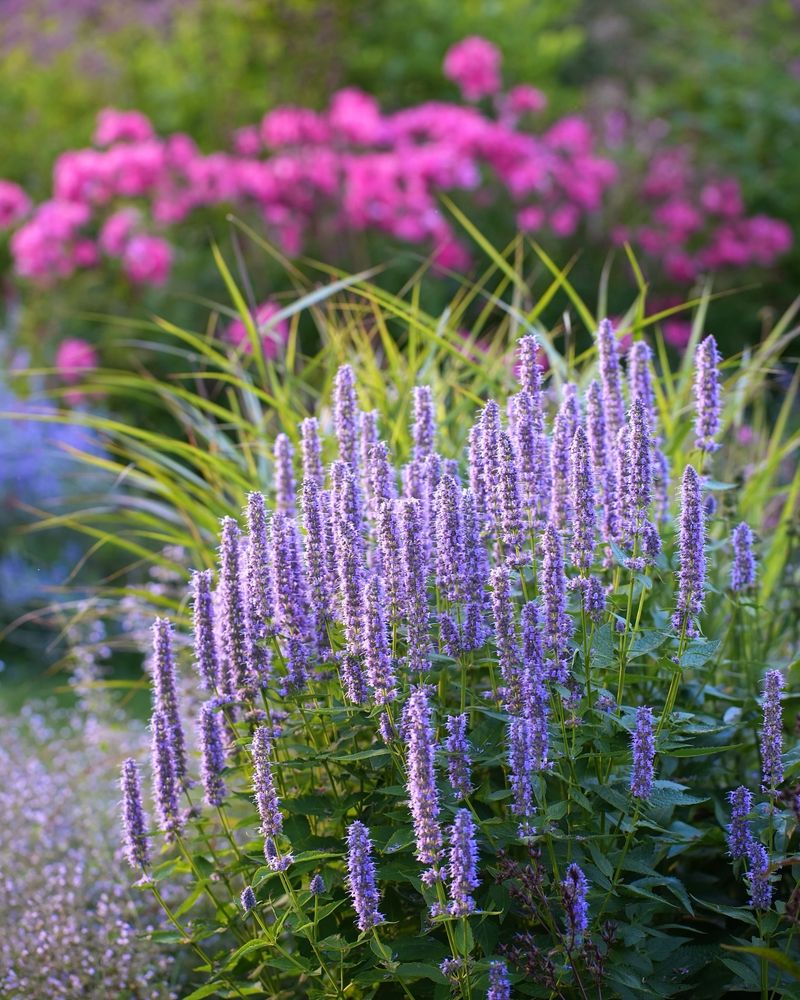
What if one plant could make your patio smell like a high-end herbal tea shop and send mosquitoes packing at the same time?
Anise Hyssop does exactly that. Its leaves and flowers contain methyl chavicol, a naturally occurring aromatic compound with well-documented insect-repelling properties.
Mosquitoes are particularly sensitive to it. The plant releases this scent continuously throughout the season, creating a quiet but effective barrier around your seating area without any effort on your part.
Crush a few leaves and hold them near your skin for an even stronger effect.
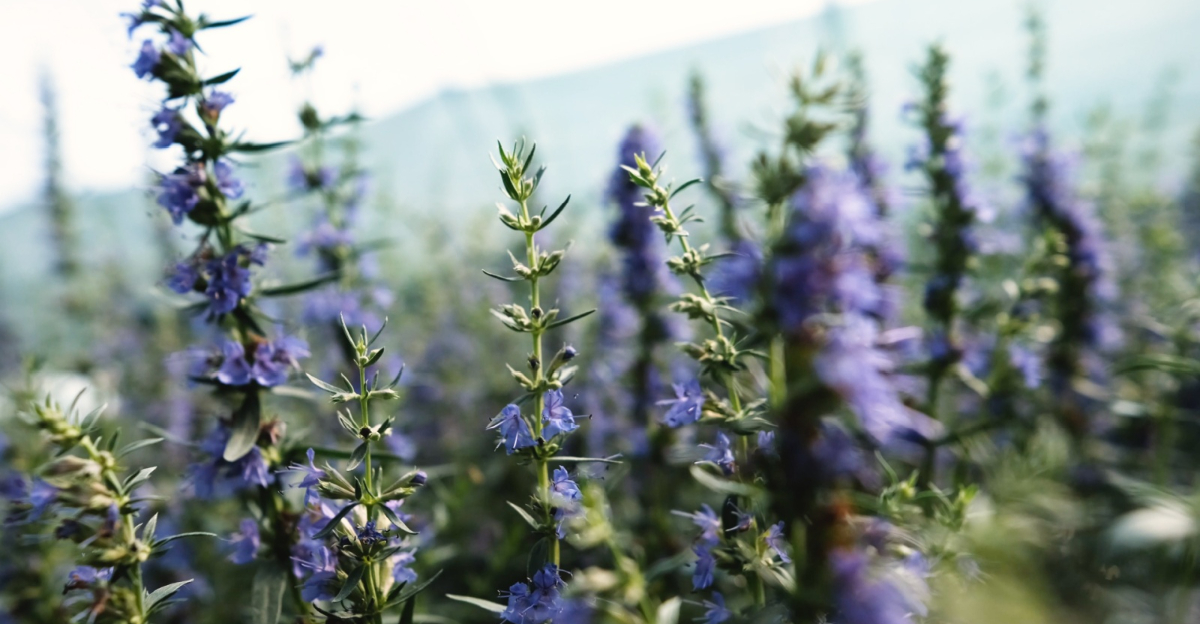
It grows between two and four feet tall and produces tall, striking spikes of violet-blue flowers that bloom from midsummer well into fall. Bees treat it like a destination.
Butterflies and hummingbirds are regular visitors too. It thrives in full sun, handles dry conditions well once established, and rewards you with almost no maintenance once it finds its footing.
Anise Hyssop is not a New Jersey native, but it naturalizes beautifully here and handles the local summers without complaint. Think of it as a welcome guest that earns its place every single season.
Sometimes the most hardworking plants are the ones that also happen to smell the best.
6. Spotted Bee Balm
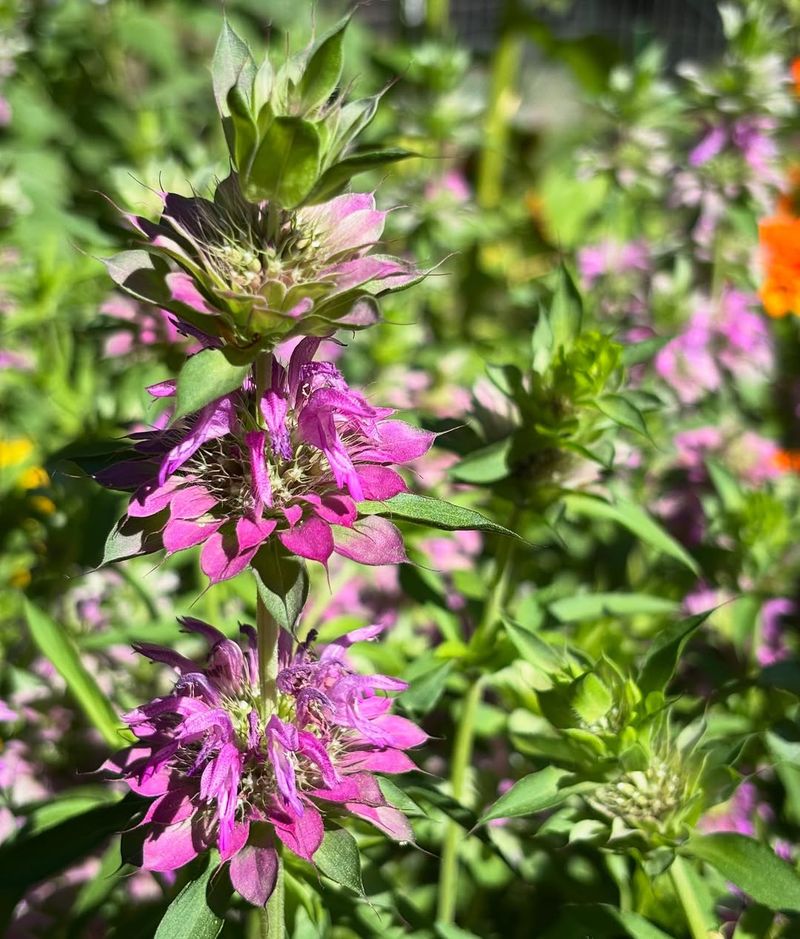
What if the most effective mosquito-repelling plant on your New Jersey patio was also the one everybody walks right past at the nursery?
Spotted Bee Balm produces thymol, the same naturally occurring compound found in thyme, and science backs its mosquito-repelling reputation strongly. Studies show thymol disrupts the sensory receptors mosquitoes rely on to locate their targets.
In plain terms, it confuses them and sends them looking elsewhere. The best part is that the plant releases this scent on its own, without you doing anything at all.
Crush a few leaves before sitting outside and the effect gets even stronger.
It grows between one and three feet tall and blooms in fascinating whorls of pale yellow and purple-spotted flowers that look like something straight out of a wildflower meadow. Bees and butterflies cannot get enough of it.
It thrives in full sun, tolerates poor and dry soil surprisingly well, and comes back reliably every season without much fuss from you.
Spotted Bee Balm is also a true New Jersey native, meaning it belongs here and knows how to handle the local climate without complaint.
Sometimes the most underrated plant on the shelf turns out to be the hardest working one in your garden.
7. Catnip
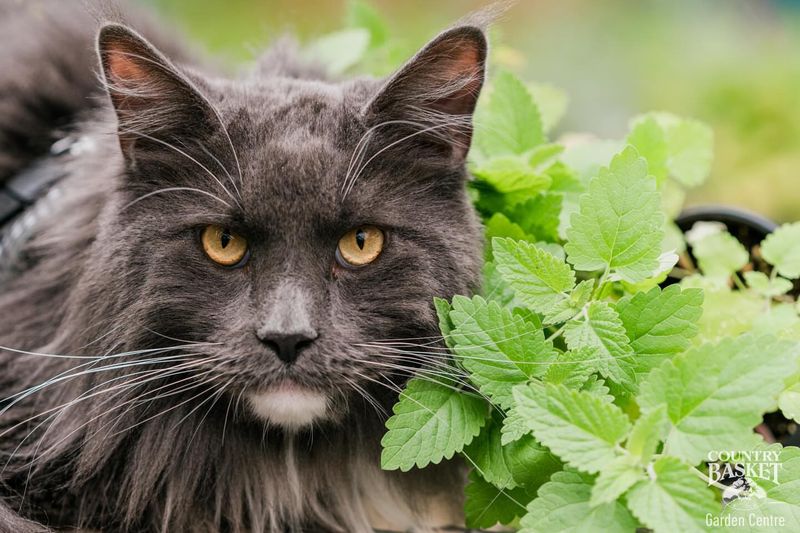
Most people know catnip as a cat thing. But what if that fuzzy, unassuming plant sitting in the corner of your garden was also your best defense against mosquitoes this summer?
Turns out, it is. Scientists at Iowa State University discovered that nepetalactone, the compound responsible for making your cat sprint laps around the living room, repels mosquitoes more effectively than DEET in laboratory conditions.
Yes, that DEET. The one in every commercial bug spray on the shelf.
The one you have been reaching for every single summer.
Nature has a genuinely funny sense of humor.
Catnip grows easily in New Jersey containers and garden beds, though it is worth noting it is not a native plant here, originally arriving from Europe and Asia.
It reaches about two to three feet tall, blooms in soft clusters of white and lilac flowers, and bees visit it constantly throughout the season. It wants full sun, handles dry spells surprisingly well, and barely needs any attention once it settles in.
Brush against it on your way to the patio chair and you release a fresh, herby scent that quietly does its job all evening long.
Your cats will also be absolutely thrilled. That part is just a bonus.
8. Sweetfern
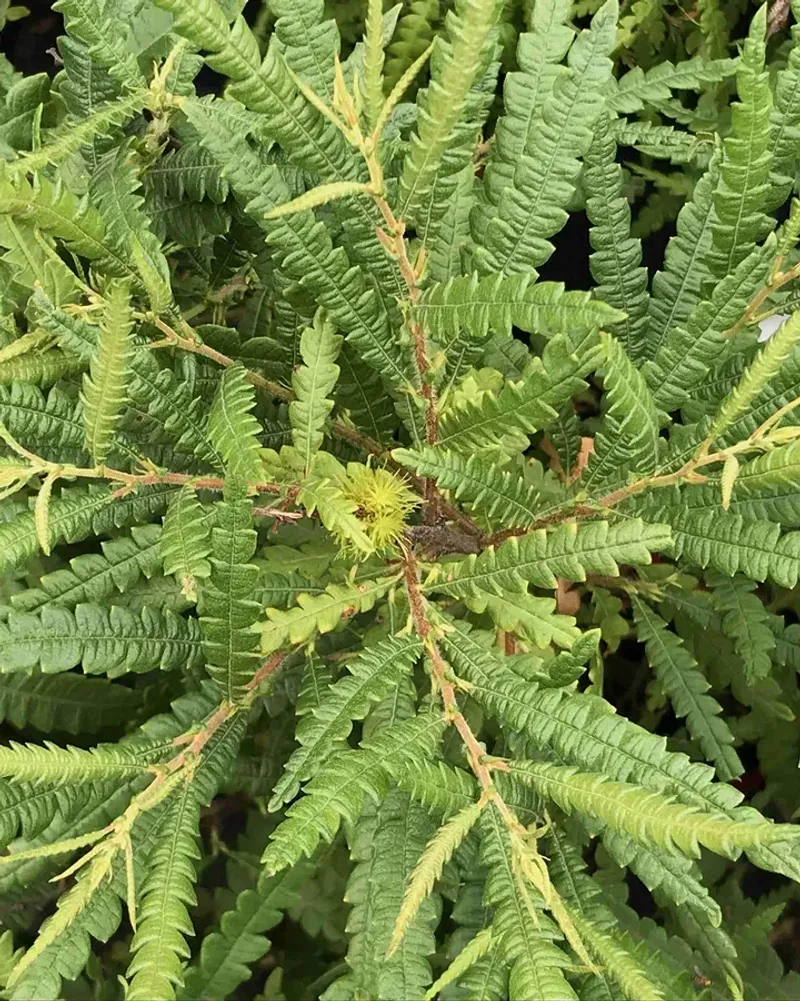
Sweetfern is not actually a fern at all, which might be the most fun fact you share at your next backyard gathering.
It is a native shrub with long, deeply lobed leaves that release a warm, spicy fragrance when touched or brushed against.
That scent is exactly what makes Sweetfern one of the most effective natural mosquito deterrents you can plant on a New Jersey patio.
It grows two to four feet tall and spreads slowly underground, making it a great choice for dry sunny slopes or patio edges.
Sweetfern thrives in poor, sandy, or rocky soil, making it a natural fit for the less garden-friendly corners of New Jersey.
It fixes nitrogen in the soil, improving conditions for neighboring plants over time.
Rubbing the leaves and leaving a few crushed near your seating area amplifies the mosquito-repelling effect noticeably.
Sweetfern also provides cover for ground-nesting birds and small wildlife, so it supports the broader ecosystem.
It is not a showy plant, but it is deeply useful and genuinely native to this region.
For patios in New Jersey with challenging soil and full sun, Sweetfern is an honest, hardworking choice.
9. New Jersey Tea
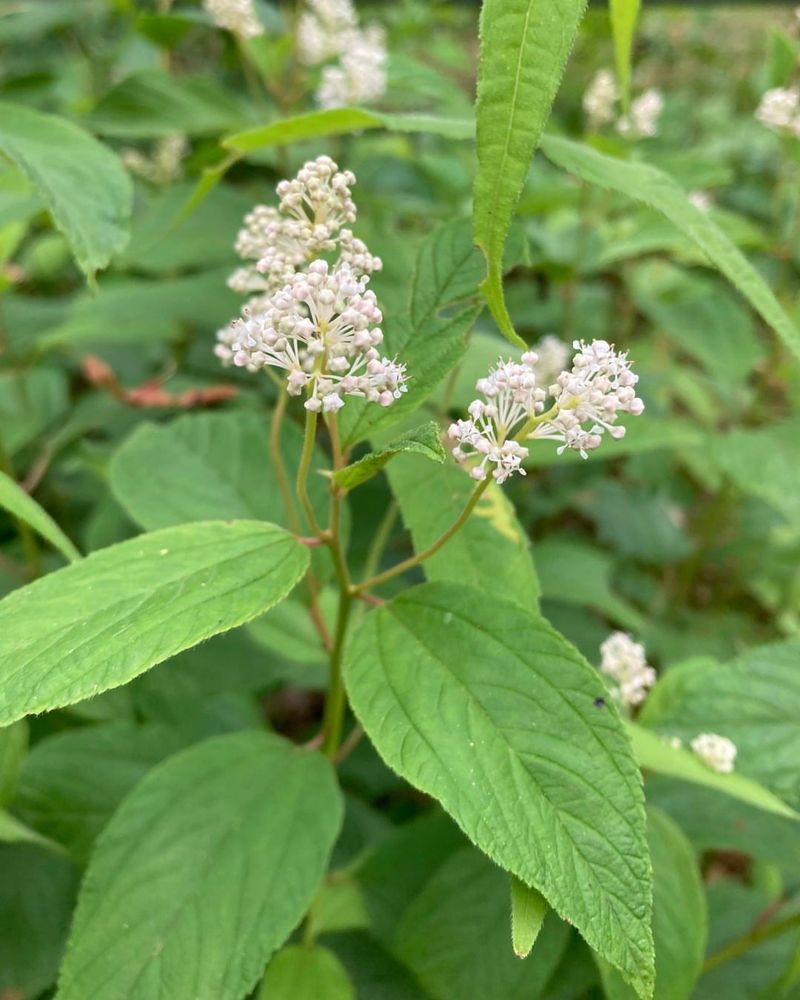
It would feel wrong to write about native plants for New Jersey patios without including the one that literally carries the state’s name.
New Jersey Tea is a low-growing native shrub that reaches about three to four feet tall and bursts into clusters of tiny white flowers each June.
Colonists brewed its leaves as a tea substitute during the Revolutionary War, and the plant has been earning its keep in this region ever since.
Beyond its history, New Jersey Tea contains alkaloids that mosquitoes find repellent, making it a functional as well as beautiful patio shrub.
It grows in full sun to partial shade and handles dry, rocky, or sandy soil with ease, which suits many parts of New Jersey well.
Deep roots make it very drought-tolerant once established, and it rarely needs supplemental watering after the first season.
New Jersey Tea attracts native bees in impressive numbers, particularly small specialist bees that depend on it for pollen.
The white flower clusters look elegant against the dark green foliage, and the plant stays tidy without much pruning. One note worth knowing: New Jersey Tea contains coumarin-like compounds that may interact with blood-thinning medications.
If you are on any such medication, it is worth a conversation with your doctor before using the leaves in any herbal preparation.
For a patio plant with deep roots in New Jersey history, real mosquito-deterring ability, and genuine ecological value, New Jersey Tea is a truly fitting choice to end this list on.