The 8 Best Low-Water Plants That Practically Take Care Of Themselves In Ohio
A garden should not act like a needy houseguest all summer. Yet in Ohio, one dry stretch can make half the yard droop like it heard bad news.
That is why low-water plants are having a moment. They are not lazy plants, exactly.
They are just better at minding their own business. Deep roots, sturdy leaves, heat tolerance, and a little grit help them stay good-looking when rain gets stingy and watering feels like one chore too many.
For busy gardeners, forgetful gardeners, or anyone tired of dragging the hose around after dinner, these plants can change the whole mood of a yard. Give them a decent start, then let them prove how little drama a beautiful Ohio garden really needs.
1. Butterfly Weed Handles Dry Sun With Bright Orange Blooms
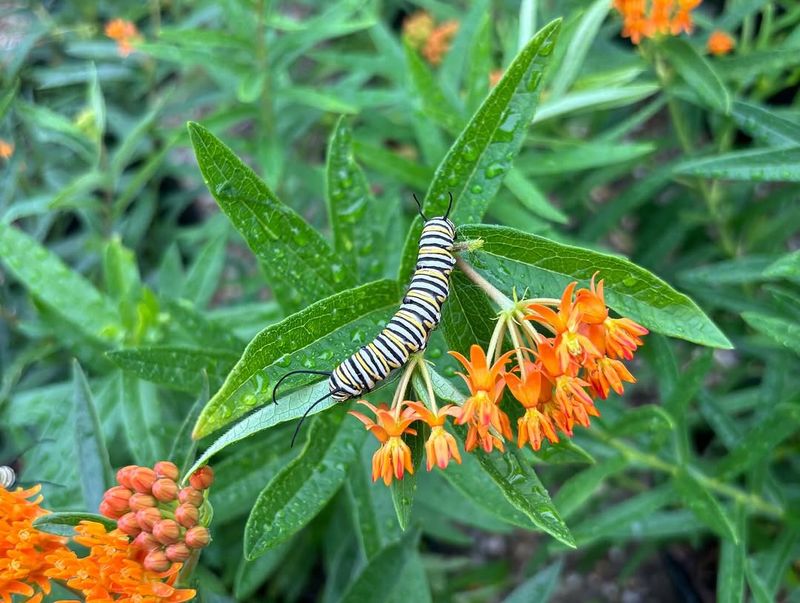
Few native plants put on a show quite like this one. Butterfly weed is a type of milkweed native to Ohio and much of eastern North America.
It earns its spot in sunny, dry gardens with vivid orange blooms from early to midsummer.
Monarch butterflies depend on milkweed species as a host plant, and many other pollinators visit the flowers for nectar.
One important thing to know before planting: butterfly weed grows a deep taproot, which is exactly what makes it so tough in dry conditions once it settles in. That taproot also means it resents being moved after planting, so choose your spot carefully.
It needs full sun and excellent drainage. Wet, poorly drained soil is one of the main reasons this plant struggles, especially in clay-heavy yards.
Give it a well-amended, loose planting hole with good drainage, and water it regularly through the first full growing season. After that, it becomes noticeably more self-sufficient during dry stretches.
Do not expect fast results. Butterfly weed is famously slow to emerge in spring, so mark its location to avoid accidentally disturbing it.
It grows 1 to 2 feet tall on average and fits well into sunny borders, dry beds, and naturalistic plantings across the state.
2. Purple Coneflower Keeps Pollinators Busy Through Summer
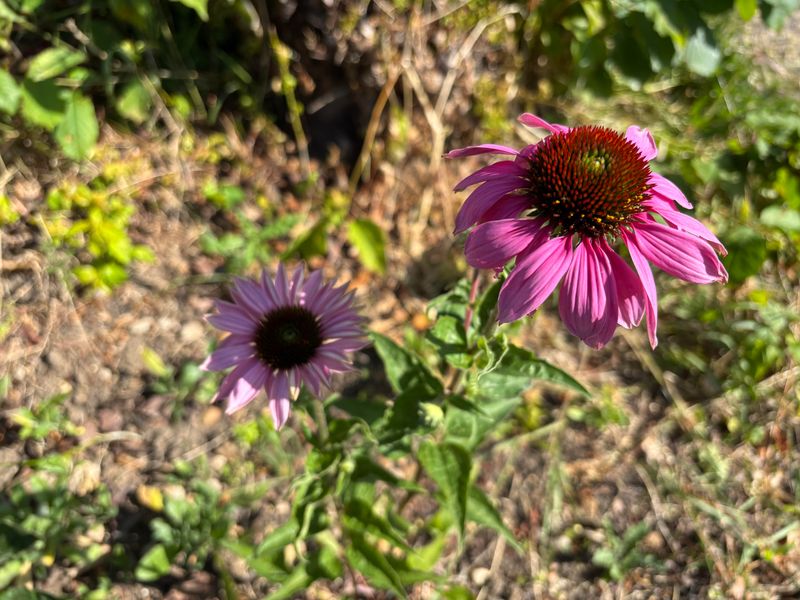
Purple coneflower is one of the most recognizable native perennials in Midwest gardens, and for good reason. Its rosy-purple petals and raised, spiky orange centers bloom from midsummer into early fall, giving pollinators a long window of activity.
Bees, butterflies, and even goldfinches visit the seed heads after bloom, making this plant useful well beyond its flowering season.
Echinacea purpurea is native to parts of the central and eastern United States, including areas within Ohio, and performs reliably in sunny, well-drained garden beds. It tolerates average to lean soil better than rich, overly fertilized ground, which can lead to floppy stems.
Proper spacing matters too. Crowded plants in humid conditions can develop powdery mildew, so give each plant room to breathe.
Like every plant on this list, purple coneflower needs regular watering during its first season while the roots get established. After that, it handles dry summer stretches with much more ease.
Trimming spent blooms can encourage more flowers, but leaving some seed heads standing through winter benefits birds and adds off-season structure to the garden. It grows about 2 to 4 feet tall depending on soil and sun.
Your Ohio Garden Changes Every Week. Your Plan Should Too.
Gardening in Ohio changes quickly throughout the season. Every Friday you’ll receive a simple weekly plan showing exactly what to plant, prune, fertilize, harvest, and protect so you never miss the right timing.
Northern gardens may see a slightly shorter bloom window compared to warmer southern counties.
3. Black Eyed Susan Brings Color Without Constant Fuss
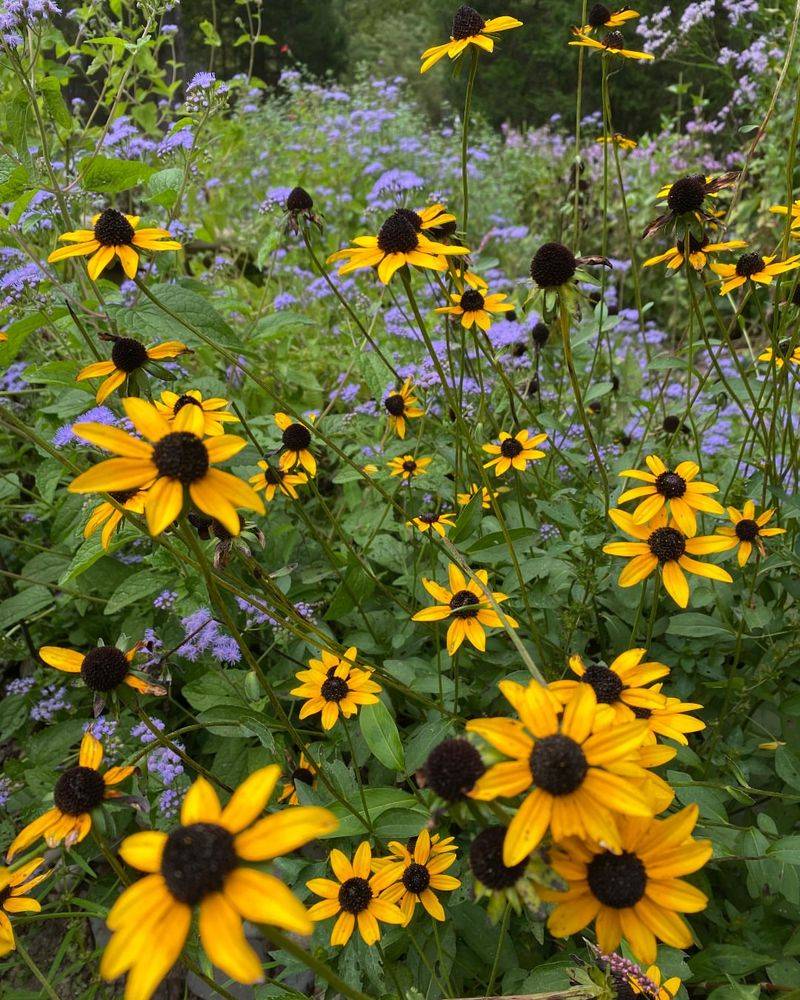
Cheerful, golden, and genuinely tough, black-eyed Susan has been brightening local gardens for generations. The bright yellow petals surrounding a dark brown center are easy to recognize, and the plant blooms reliably from midsummer into early fall in sunny spots.
It works especially well in informal beds, meadow-style plantings, and sunny borders where a naturalistic look is welcome.
Rudbeckia hirta is considered native or naturalized across much of North America, including the state. It adapts well to average or lean soil with decent drainage.
It is not fussy about soil fertility, and overly rich soil can actually produce more leaves than flowers. Full sun gives the best bloom performance.
Partial shade is tolerable, but plants may get a bit leggy without enough light.
One thing to expect: black-eyed Susan can reseed in favorable conditions. This is a bonus if you want it to spread naturally in a meadow bed, but something to manage if you prefer tidy borders.
Thin or transplant seedlings in spring before they get established. Water new plants regularly through the first season to help roots settle in.
After establishment, the plant handles dry spells much better. It typically grows 1 to 3 feet tall and pairs beautifully with native grasses and other prairie-style perennials.
4. Little Bluestem Adds Texture To Hot Dry Spots
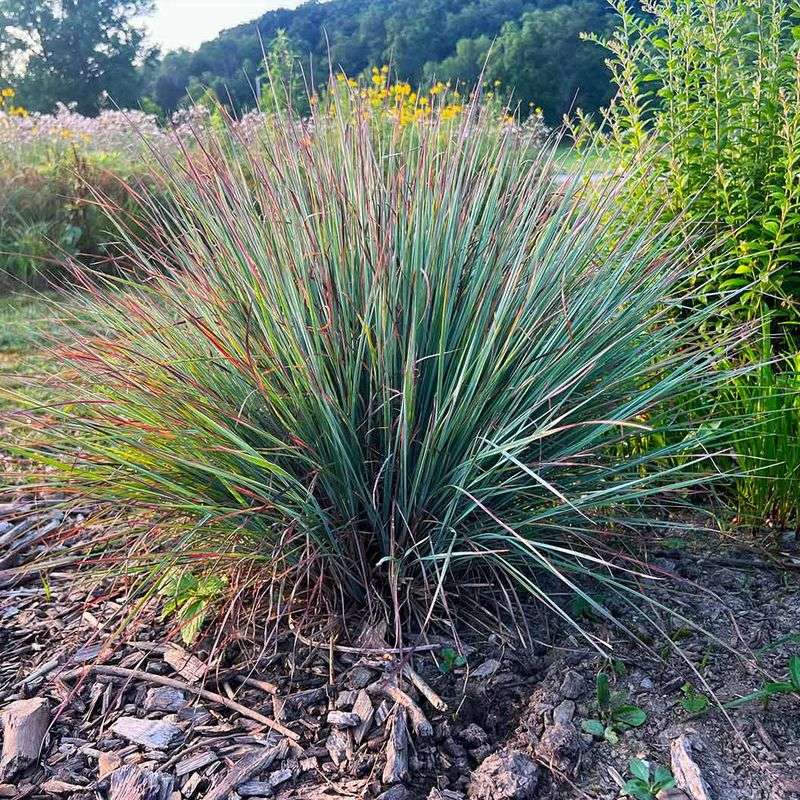
Native warm-season grasses often get overlooked in favor of flowering perennials, but little bluestem deserves a much bigger spotlight. This native grass grows in upright, tidy clumps and earns its name from the blue-green color of its stems in summer.
By fall, those stems shift to shades of copper, bronze, and reddish-orange, giving the garden real seasonal interest even after most flowers have finished.
Schizachyrium scoparium is native to prairies and open woodlands across North America, including the state, and it thrives in full sun with well-drained to dry soil. It is one of the better choices for hot, dry spots where other plants struggle.
That includes south-facing slopes, sandy soil, and lean urban lots with reflected heat. Poor to average soil suits it well.
Rich, moist soil tends to cause flopping and weaker form.
Do not plant little bluestem in soggy or shaded areas. Drainage is non-negotiable for this grass to perform well long-term.
Water it consistently through the first growing season while the root system develops. After that, it becomes much more self-sufficient.
It grows roughly 2 to 4 feet tall and holds its form through winter. It provides structure and bird habitat until you cut it back in late winter or early spring.
5. Prairie Dropseed Stays Graceful With Little Water
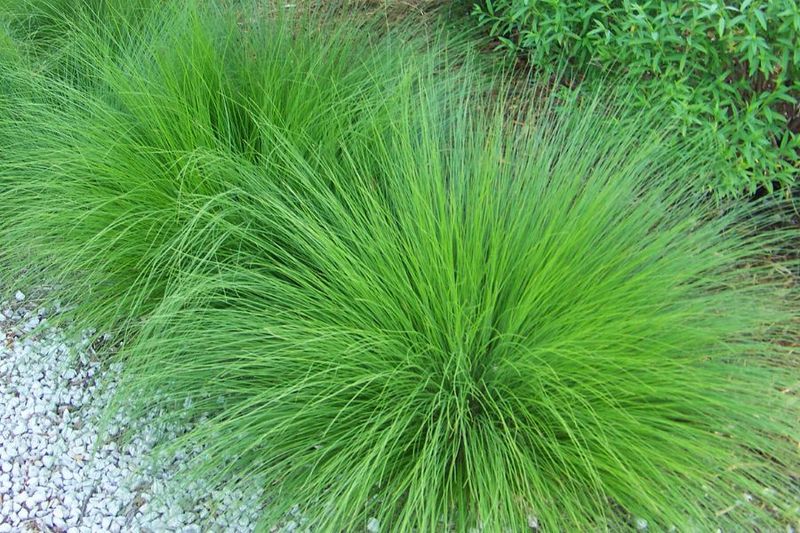
If you want a native grass that looks refined and stays tidy without much fuss, prairie dropseed is worth getting to know. Its fine, arching foliage forms a neat mound that softens borders and edges without taking over.
In late summer, delicate flower stalks rise above the leaves and release a fragrance that some describe as buttery or faintly sweet. It is a subtle but genuinely pleasant surprise in a garden setting.
Sporobolus heterolepis is native to tallgrass prairies across the Midwest, and it performs well in full sun with average to dry, well-drained soil.
Clay-heavy yards may need some amendment before planting to improve drainage, since standing water around the roots will cause problems.
Once the drainage is sorted and the plant is properly established, it handles dry periods with quiet reliability.
Patience is important with prairie dropseed. It is a slow grower, especially in the first year or two, and it may look modest while getting started.
Do not mistake slow establishment for failure. Keep watering it regularly through the first full season and resist the urge to move it.
Once rooted, it rewards that patience with years of graceful, low-maintenance presence. It typically reaches 18 to 24 inches tall and wide.
Its fine texture pairs well with bold-leaved perennials like coneflower or black-eyed Susan.
6. Wild Bergamot Fills Sunny Beds With Pollinator Power
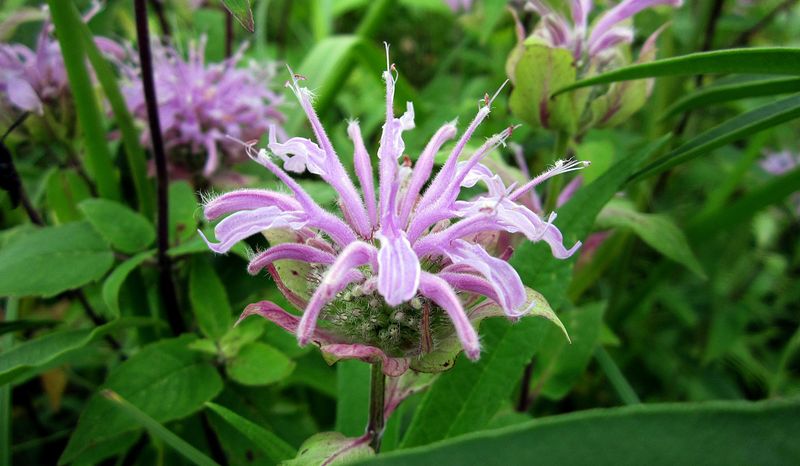
Walk past a patch of wild bergamot in bloom and you will likely notice the fragrance before you spot the flowers. The aromatic leaves and lavender-purple flower heads smell somewhere between oregano and mint.
That makes sense, since this plant belongs to the same family.. Bumblebees, native bees, and butterflies are strongly attracted to the blooms, and hummingbirds visit them too.
Monarda fistulosa is native to much of North America, including the state, and it grows well in sunny to lightly shaded areas with average to dry, well-drained soil.
It handles dry summers better than its cousin, bee balm, and is generally considered more adaptable to lean soil conditions.
That said, air circulation matters. Planting in tight, humid spots with poor airflow can lead to powdery mildew on the foliage, especially in warm, damp summers.
Wild bergamot can spread by rhizomes in favorable conditions, so plan accordingly if you have a smaller planting space. In a naturalistic bed or a larger sunny border, that spreading habit fills in gaps beautifully over time.
Water new plants consistently through the first season to help them root in. After establishment, they manage dry spells with much more ease.
Plants typically grow 2 to 4 feet tall and bloom in midsummer, bridging the gap between early and late-season perennials.
7. Threadleaf Coreopsis Keeps Blooming In Lean Soil
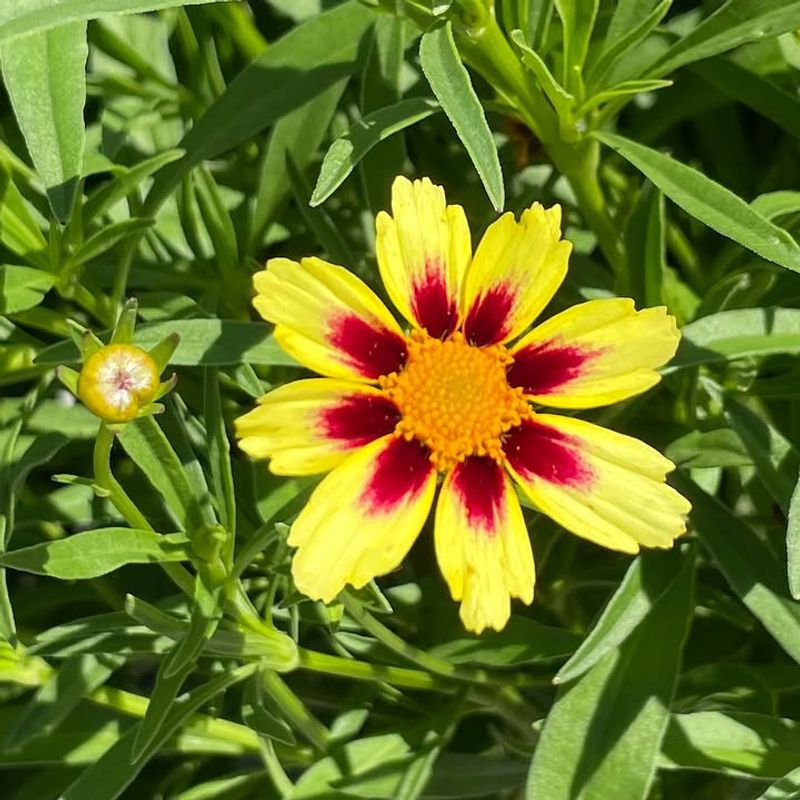
Some plants look like they need a lot of attention but actually prefer to be left alone. Threadleaf coreopsis is exactly that kind of plant.
Its small, bright yellow flowers bloom from early to midsummer. The fine, feathery foliage gives it a light, airy texture for formal borders or relaxed cottage-style gardens.
It looks delicate but handles dry, lean conditions better than many showier perennials.
Coreopsis verticillata thrives in full sun and well-drained to average soil. Rich, wet soil is one of the fastest ways to shorten its lifespan, so avoid planting it in low spots or heavy clay without improving drainage first.
It is not considered native to Ohio, but it is widely used in regional gardens and performs well in sunny, dry beds across the state. It is not listed as invasive or problematic by regional sources.
After the main flush of blooms fades, cutting the plant back by about one-third can encourage a second round of flowering later in the season. This light trimming also keeps the plant looking tidy rather than tired.
Water new transplants regularly through the first growing season. Once established, threadleaf coreopsis becomes noticeably more drought-tolerant and requires far less attention.
It typically grows 18 to 24 inches tall and wide, making it a good fit for mid-border placement.
8. Aromatic Aster Finishes The Season With Low-Water Color
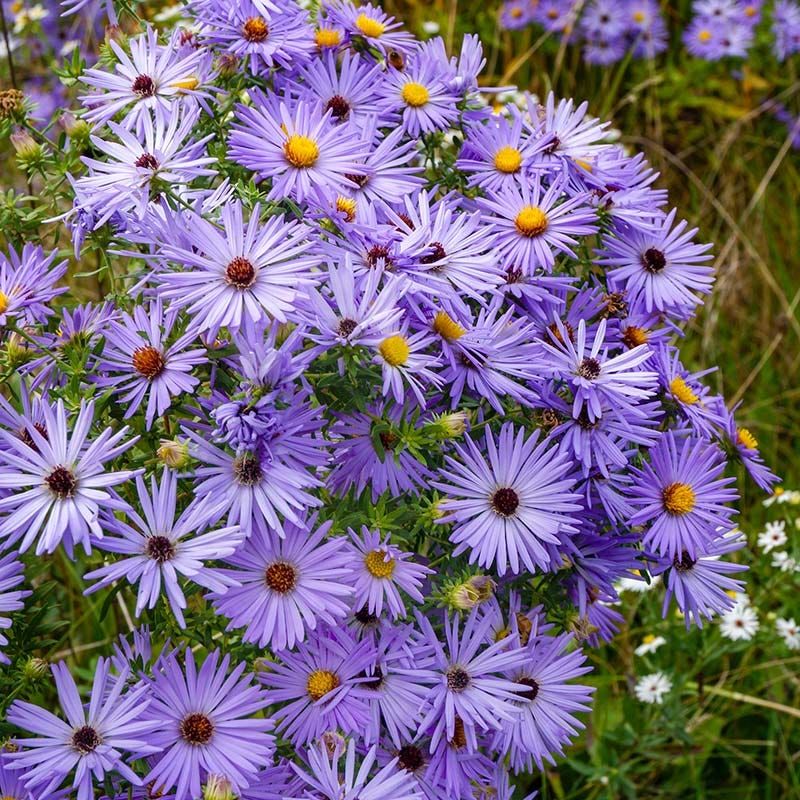
By the time September rolls around, most summer perennials are winding down and the garden can start to feel a little bare. Aromatic aster steps in right when that gap appears.
This native aster covers itself in small violet-blue flowers with yellow centers from late summer into fall. The blooms arrive just in time for migrating butterflies and late-season bees.
Symphyotrichum oblongifolium is native to dry, open areas across the central and eastern United States. It grows well in full sun with average to dry, well-drained soil and handles heat and dry spells better than many other asters.
Crushing a leaf releases a faint, pleasant fragrance, which is where the common name comes from. The plant is a good fit for sunny slopes, dry borders, and spots where other plants have struggled.
Depending on the site and cultivar, aromatic aster can spread or mound into a broad clump over time. Named cultivars like ‘Raydon’s Favorite’ tend to stay more compact and manageable than straight species plants.
Either way, water new plantings consistently through the first season to support root development. After establishment, the plant handles dry stretches with real resilience.
It typically grows 1 to 3 feet tall. In northern gardens, bloom time may be slightly shorter before frost arrives, while southern counties often enjoy a longer fall display.