The Georgia Yard Habits That Drive Fireflies Away At Night
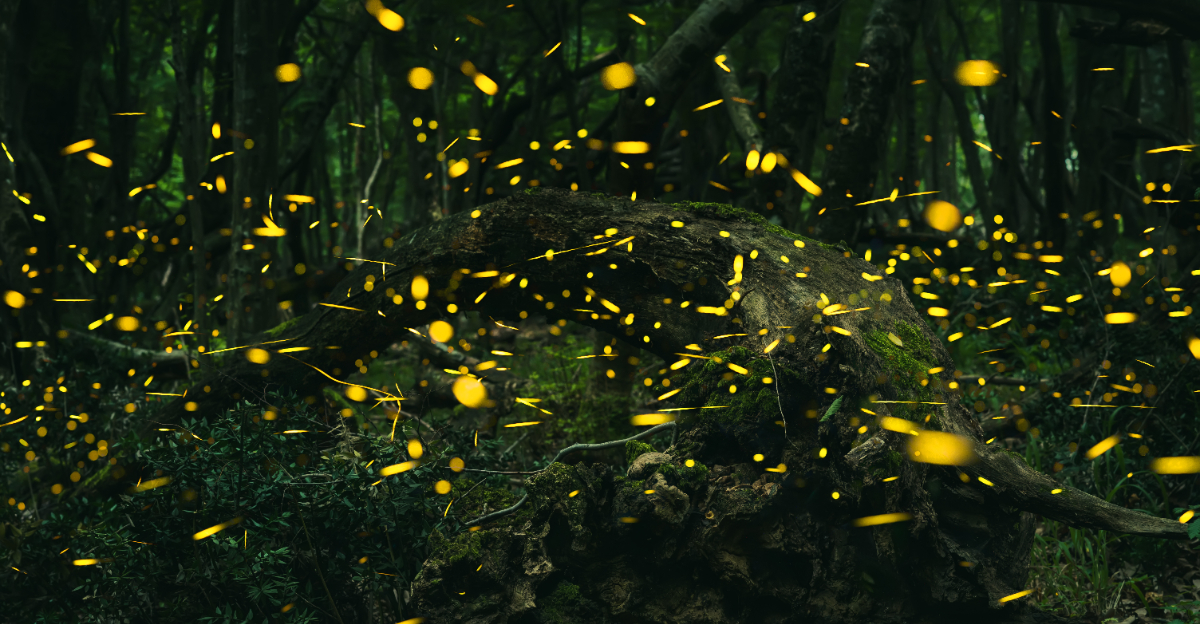
Georgia backyards can feel oddly empty once fireflies stop showing up during summer nights.
Warm air still rolls in after sunset, porch lights still glow, yet something about the whole yard feels missing without those tiny flickers floating through the dark. Even beautiful outdoor spaces lose a little charm once evenings stop feeling alive.
Fireflies used to be such a normal part of summer that barely anybody thought twice about seeing them. Now their absence stands out immediately, especially during long warm nights when the backyard should feel peaceful and full of life.
Small changes around a yard can quietly shift the entire nighttime atmosphere without it being obvious right away.
Nothing really captures that old summer feeling better than spotting fireflies glowing across the yard after dark.
1. Bright Outdoor Lights Can Disrupt Firefly Activity
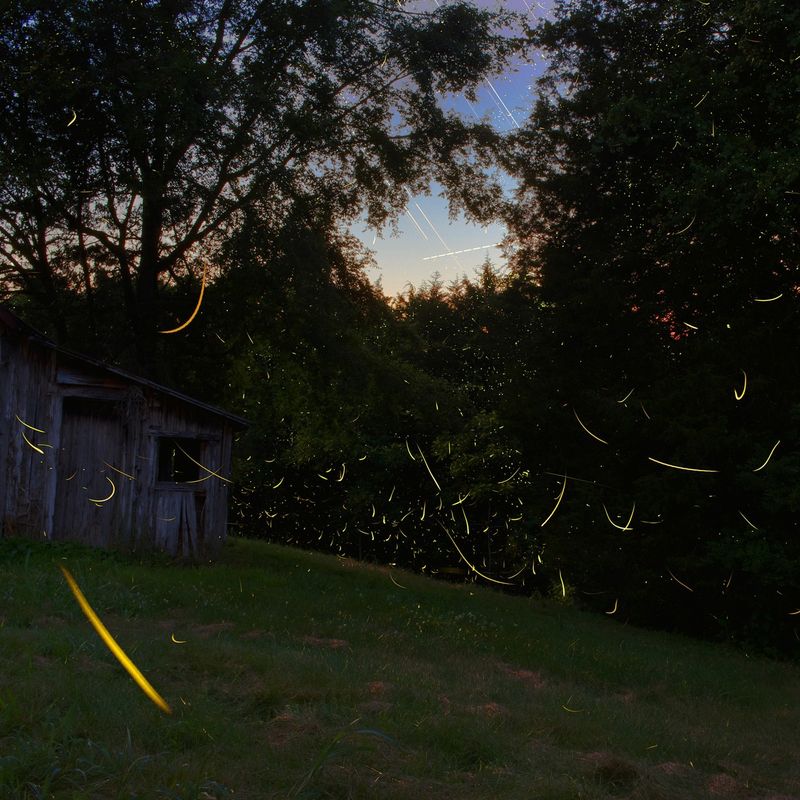
Bright lights might make your Georgia backyard feel safe and welcoming, but fireflies absolutely cannot stand them. Fireflies use their natural bioluminescent flashes to find mates at night.
When strong outdoor lighting floods your yard, those delicate signals get completely washed out, and fireflies stop showing up altogether.
LED floodlights, motion-sensor lights, and string lights left on all night are some of the biggest offenders. Fireflies rely on darkness to communicate, and even moderate light pollution can confuse or discourage them from entering an area.
Across Georgia, neighborhoods that border natural wooded areas tend to have more firefly activity simply because those areas stay darker at night.
Swapping out bright white bulbs for warm amber or yellow bulbs can reduce light pollution without leaving your yard completely dark.
Timers are another smart option, allowing lights to shut off after a certain hour when fireflies become most active.
Pointing lights downward instead of outward also makes a real difference. Shielded fixtures keep light focused on walkways rather than spilling into open yard spaces.
2. Frequent Lawn Mowing Removes Important Hiding Areas
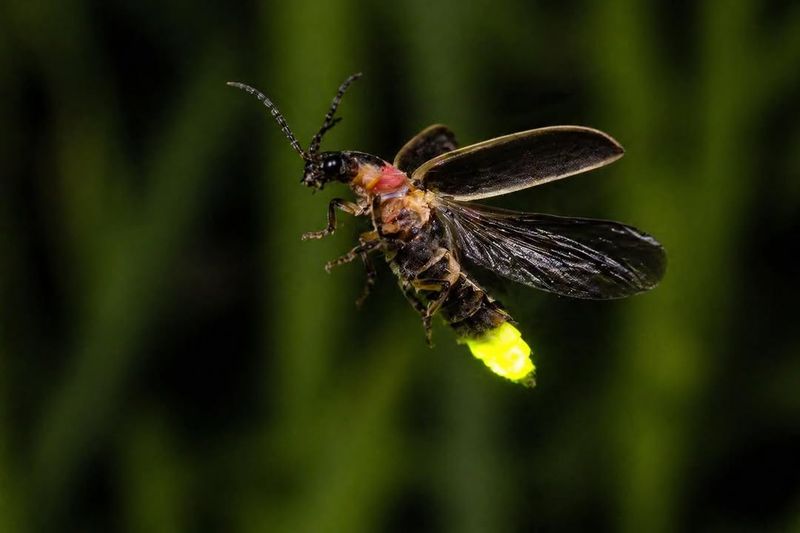
Keeping your lawn perfectly trimmed every single week sounds like responsible yard care, but fireflies see it very differently. Fireflies spend a significant part of their lives resting in tall grass, low shrubs, and leafy ground cover during the day.
When you mow frequently and keep everything cut short, you eliminate the shaded, sheltered spots they depend on.
In Georgia, firefly season overlaps almost exactly with peak mowing season, which runs from late spring through early fall. Mowing every five to seven days leaves almost no time for fireflies to settle into an area comfortably.
Adult fireflies tend to perch low in vegetation after dawn, and larvae live and hunt near the soil level in unmowed patches.
Leaving a section of your yard unmowed, even a small strip along a fence line or near a tree, gives fireflies a place to rest and reproduce. Native grasses and wildflowers work especially well as low-maintenance habitat patches.
Georgia-native plants like muhly grass or black-eyed Susans can add visual interest while also supporting firefly populations.
Raising your mower blade height also helps. Cutting grass at three to four inches instead of one to two inches leaves more shelter at ground level without making your yard look neglected.
Your Georgia Garden Changes Every Week. Your Plan Should Too.
Gardening in Georgia changes quickly throughout the season. Every Friday you’ll receive a simple weekly plan showing exactly what to plant, prune, fertilize, harvest, and protect so you never miss the right timing.
3. Heavy Pesticide Use Reduces Nighttime Insect Populations
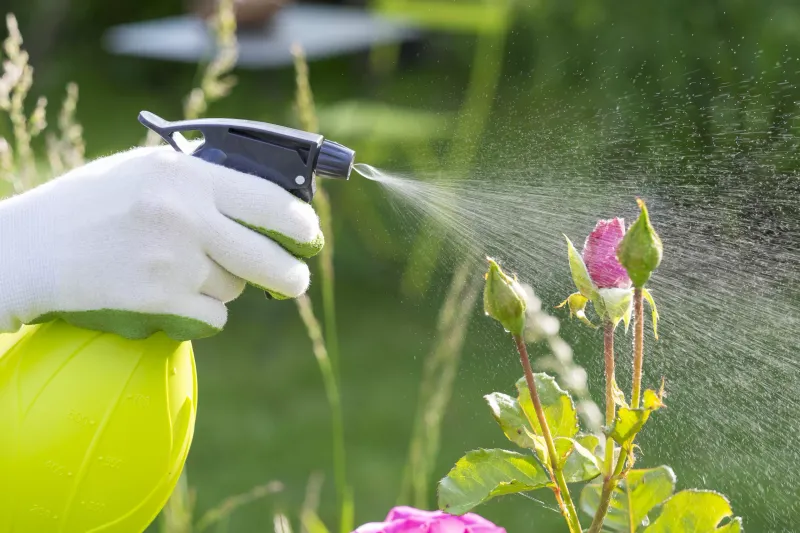
Pesticides do exactly what they are designed to do, and that is the problem when fireflies are involved. Broad-spectrum insecticides applied to Georgia lawns and gardens do not just target pest species.
Firefly larvae and adults are highly sensitive to many common pesticide ingredients, and regular applications can wipe out entire local populations over just a few seasons.
Firefly larvae spend up to two years living in the soil before they ever produce a single flash of light.
During that time, they are exposed to anything that soaks into the ground, including lawn chemicals, weed killers, and insecticides used on surrounding plants.
Products containing pyrethroids, organophosphates, or neonicotinoids are especially problematic for ground-dwelling insects like firefly larvae.
Georgia gardeners who switch to targeted pest control methods tend to see improvements in overall insect diversity within one to two seasons.
Spot-treating specific problem areas instead of blanket-spraying the whole yard reduces chemical exposure significantly.
Biological controls like beneficial nematodes can address certain soil pests without harming firefly larvae at the same depth.
4. Dry Soil Conditions Make Firefly Larvae Harder To Support
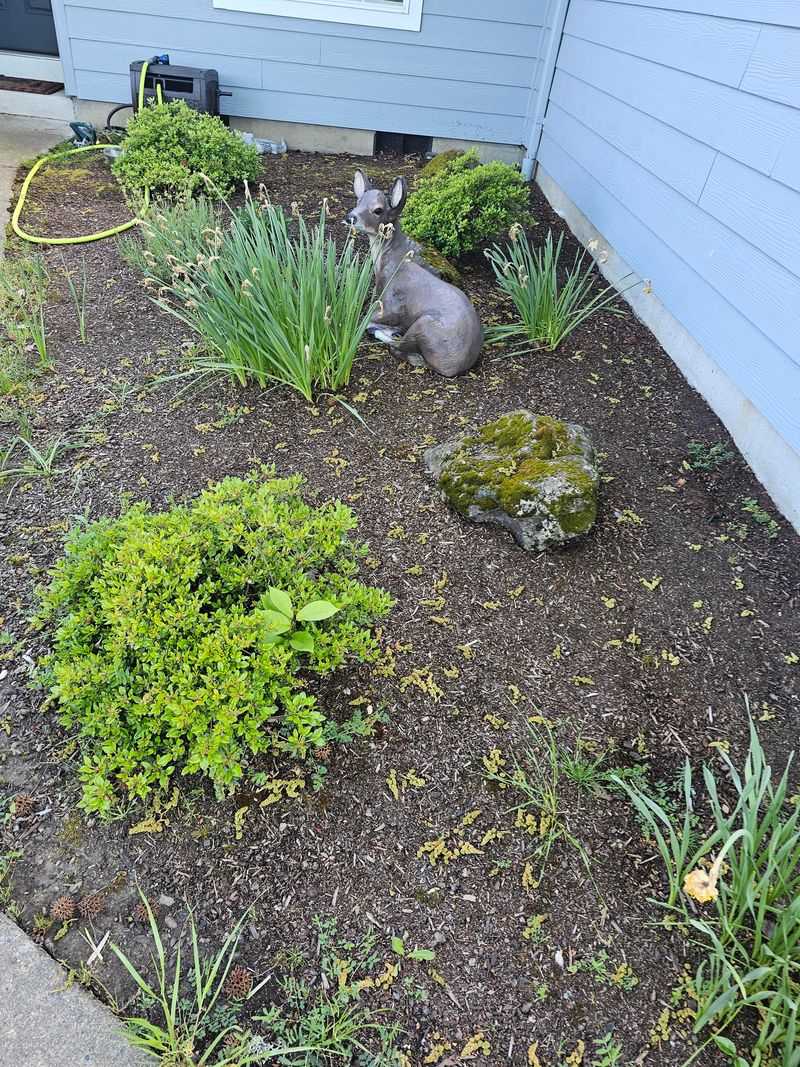
Firefly larvae are not picky about much, but moisture is non-negotiable for them.
Soil that stays consistently dry makes it nearly impossible for larvae to survive underground, let alone thrive and eventually emerge as the glowing adults that light up Georgia summer nights.
Without adequate moisture, larvae cannot move through the soil easily or find the soft-bodied prey they feed on.
Georgia’s hot summers can push soil moisture levels dangerously low, especially in yards with heavy clay soil that bakes and cracks under direct sun. Sandy soils in certain parts of the state drain too quickly and hold almost no moisture near the surface.
Either extreme creates conditions where firefly larvae struggle to complete their underground development cycle.
Watering your lawn deeply but less frequently encourages moisture to penetrate deeper into the soil rather than evaporating quickly from the surface.
Organic mulch laid around garden beds and tree bases helps retain soil moisture through intense summer heat.
Compost worked into the top few inches of soil also improves its ability to hold water over time.
Planting shade trees or large shrubs near parts of the yard where fireflies are most active can naturally reduce soil evaporation. Shaded soil stays cooler and retains moisture longer than exposed areas baked by direct afternoon sun.
5. Too Much Yard Cleanup Removes Moist Shelter Spots
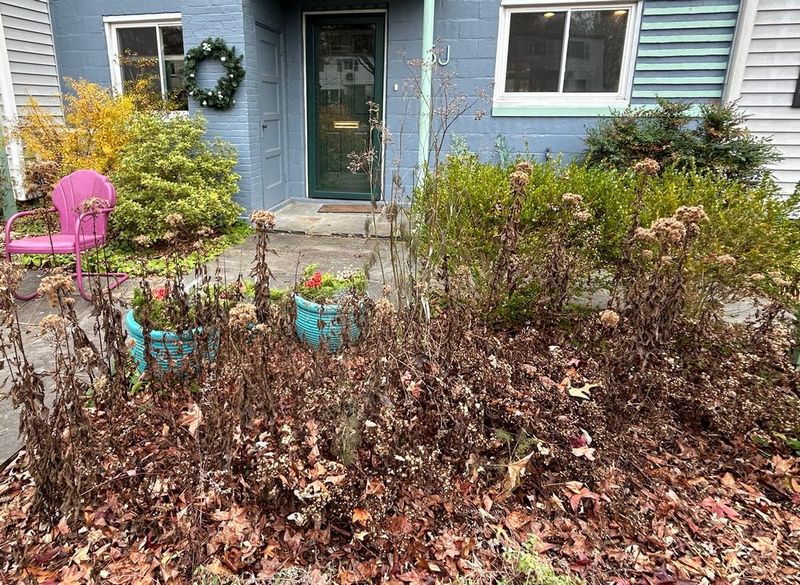
A spotless yard might earn compliments from neighbors, but fireflies prefer things a little messier. Leaf litter, fallen logs, decomposing wood, and ground-level debris are not just eyesores waiting to be bagged up.
For fireflies, those materials represent critical shelter, moisture retention, and feeding grounds that support their entire life cycle.
Firefly larvae actively hunt soft-bodied insects and worms that live within decomposing organic matter.
When you rake up every leaf, haul away every fallen branch, and clear out every corner of your Georgia yard, you remove the food sources and microhabitats that larvae depend on.
Adults also rest in shaded leaf litter during daylight hours before emerging to flash at night.
Leaving a designated leaf zone under a large tree or along a back fence is one of the easiest ways to support firefly populations without dramatically changing how your yard looks.
A small pile of decomposing leaves tucked into an out-of-sight corner can shelter dozens of larvae through the season.
Fallen logs left along a property edge serve a similar purpose and also support other beneficial insects.
Georgia homeowners who practice what is sometimes called intentional messiness, meaning leaving natural debris in low-traffic areas, often report more firefly activity within a season or two.
6. Large Mulch Free Areas Can Reduce Evening Moisture
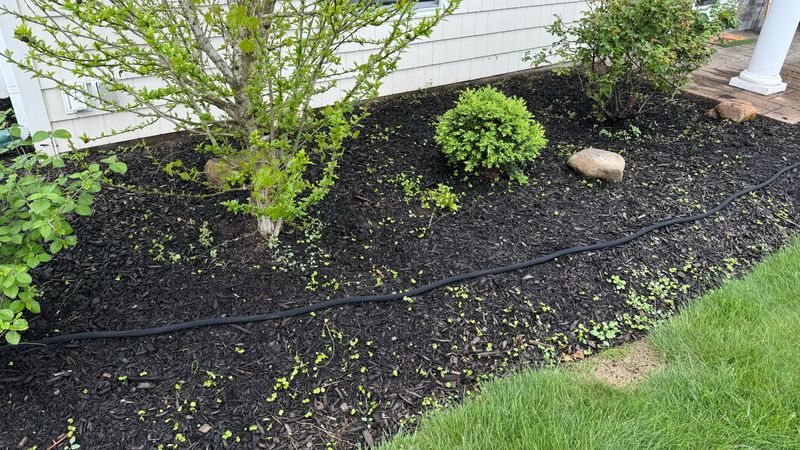
Bare ground loses moisture fast, especially during a Georgia summer where afternoon temperatures regularly push past 90 degrees. Mulch acts as a moisture-locking layer that keeps the soil underneath cool and damp long after rain or irrigation.
Without it, evening soil temperatures rise and surface moisture evaporates well before fireflies become active at dusk.
Fireflies are most active during the cooler, more humid parts of the evening, and soil moisture plays a direct role in creating those microclimate conditions.
Large unmulched areas around trees, garden beds, or open lawn sections dry out quickly and become far less hospitable to both adult fireflies resting near the ground and larvae living just below the surface.
Wood chip mulch, pine straw, and shredded leaf mulch are all widely available across Georgia and work well for retaining moisture in garden and landscape areas.
Applying two to three inches of mulch around the base of trees and along garden borders creates a more stable moisture environment without much ongoing effort.
Pine straw in particular is a regional favorite and breaks down gradually to enrich soil over time.
Connecting mulched areas across your yard rather than leaving isolated patches also helps. A continuous mulched border along a fence or tree line creates a moisture corridor that supports firefly movement and resting behavior.
Georgia yards with well-mulched landscaping tend to feel noticeably more humid at ground level during evening hours, which is exactly the kind of environment that encourages fireflies to linger and flash well into the night.
7. Constant Landscape Lighting Interrupts Flashing Patterns
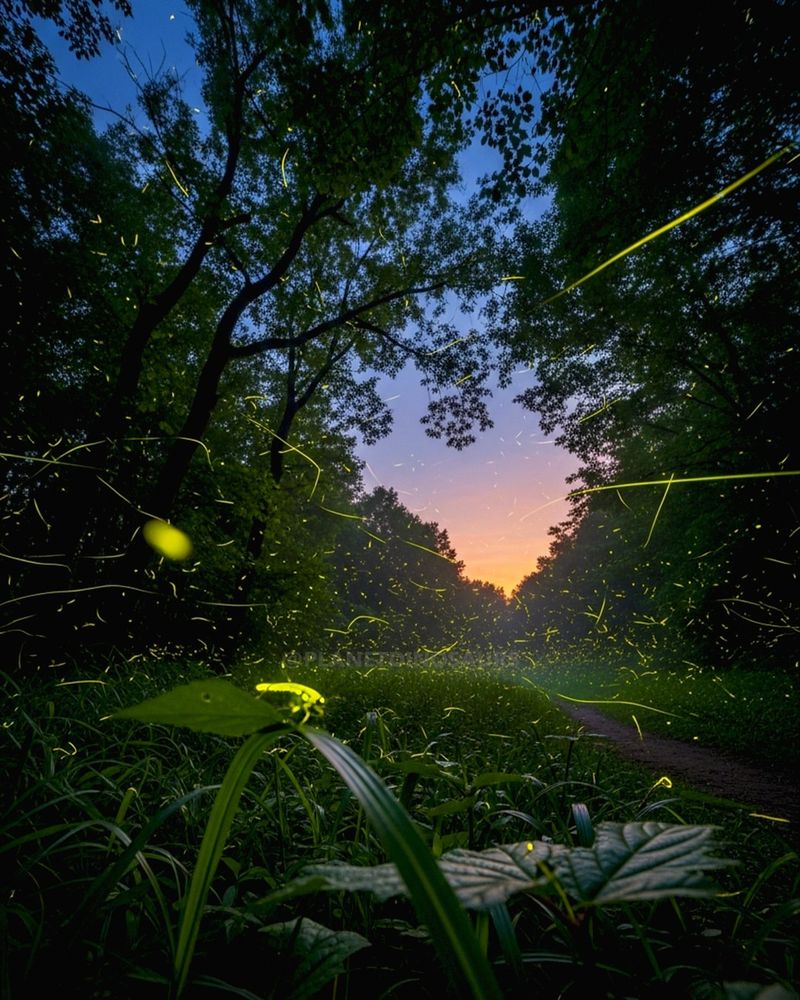
Path lights, accent lights, and garden spotlights left on from dusk to dawn create a problem that goes beyond simple light pollution. Fireflies rely entirely on precise flash timing and pattern recognition to find mates.
When ambient lighting from landscape fixtures stays constant throughout the night, male fireflies cannot distinguish their own species’ signals from the background glow.
Each firefly species in Georgia has a specific flash pattern, including a particular rhythm, duration, and color. Females respond only to the correct pattern from a compatible mate.
Constant low-level lighting from landscape fixtures blurs those signals enough that mating communication breaks down, and reproduction rates drop over time in affected yards.
Solar-powered landscape lights are increasingly popular in Georgia, but they still produce enough glow to interfere with firefly activity if placed throughout open lawn areas.
Clustering lights near entryways and driveways rather than scattering them across garden beds keeps key areas of the yard darker during peak firefly hours.
Motion-activated fixtures that stay off unless triggered are a practical middle ground for security and firefly-friendly design.
Switching landscape lights to a timer that shuts everything off by 9 or 10 p.m. can preserve the darkest part of the night for firefly activity.