The Signs Jumping Worms Have Reached Your Oregon Garden And What To Do Next
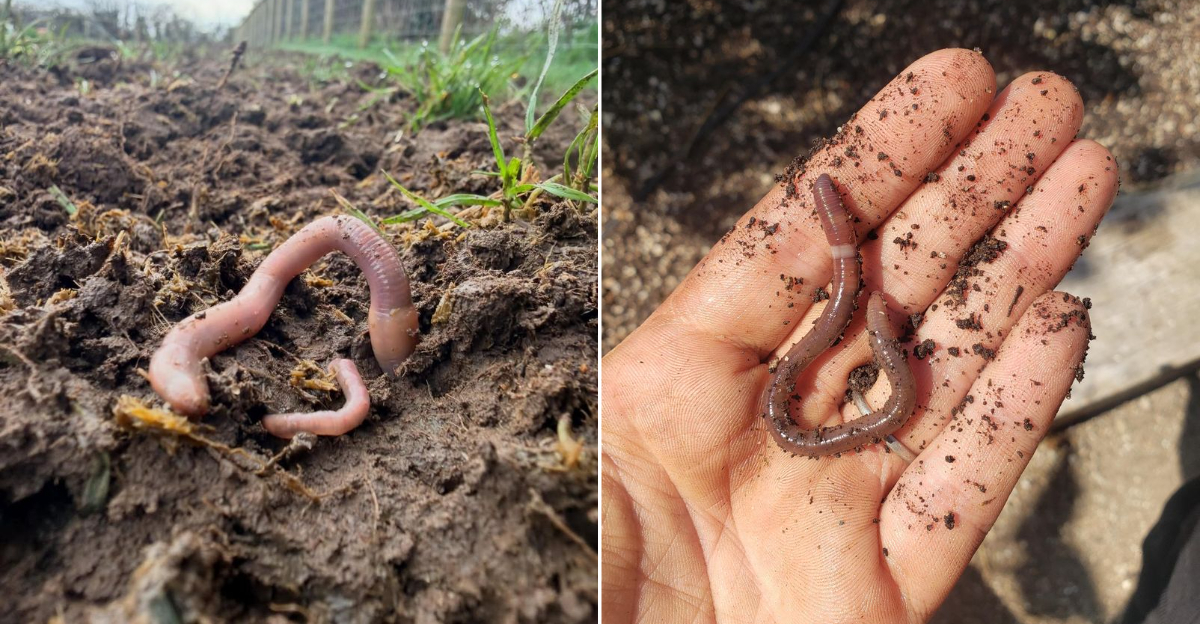
Jumping worms are not the kind of garden pest you can ignore and hope for the best. They spread fast, they change soil structure in ways that hurt plants, and by the time most gardeners notice something is wrong, the population is already well established.
Oregon’s moist, organic-rich soil is exactly the kind of environment these worms move through quickly.
They have been spreading across the state faster than a lot of homeowners realize. The damage they cause looks different from what most people expect.
It is not holes in leaves or chewed stems. It shows up in the soil itself, and if you do not know what you are looking at, it is easy to mistake for something harmless.
Catching the signs early and responding the right way makes a real difference in how much ground they take before you get them under control.
1. That “Coffee Ground” Soil Is A Big Red Flag
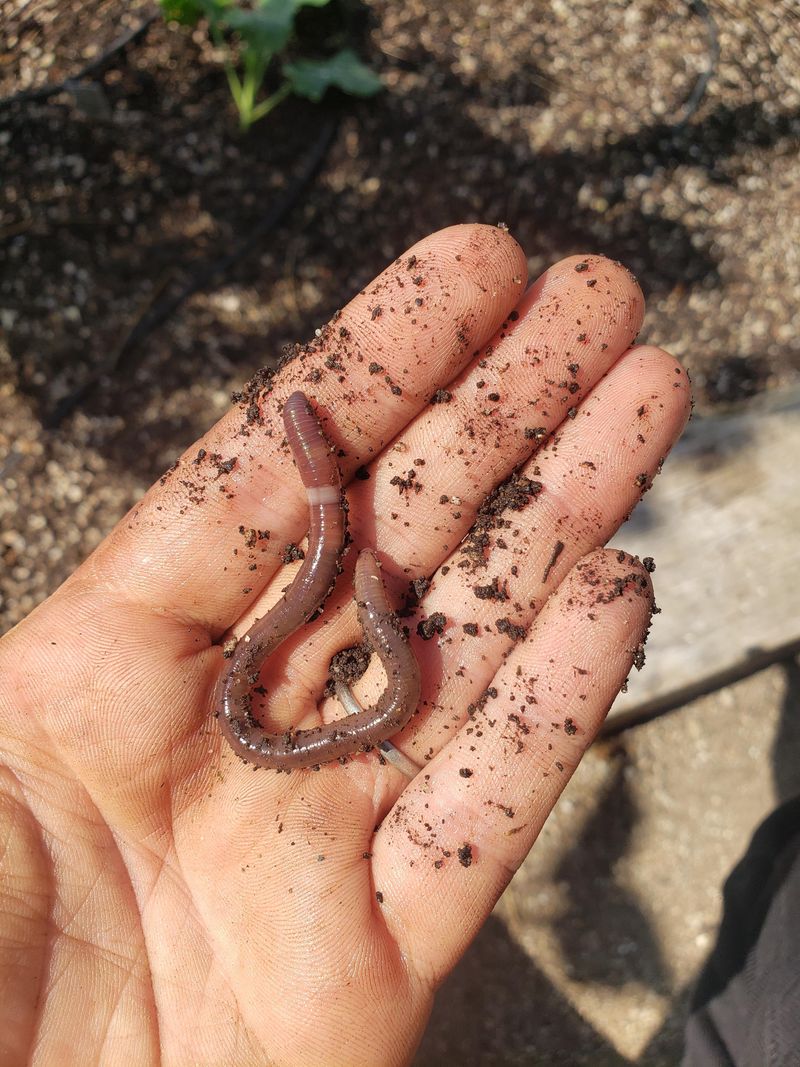
Most gardeners are used to seeing rich, dark soil that holds together when you squeeze it. So when your garden bed starts looking like a pile of used coffee grounds, that is not a good sign.
Soil that has been broken down by jumping worms loses its normal texture and becomes loose, dry, and granular, almost like tiny dark pellets scattered across the surface.
Jumping worms process organic matter at an unusually fast rate. As they feed, they pass soil through their bodies and leave behind castings that do not hold moisture or nutrients well.
Over time, the entire top layer of your garden bed can transform into this crumbly, coffee-ground texture that crumbles apart instead of clumping.
Plants struggle in this kind of soil because roots cannot grip it properly. Water drains too quickly, and nutrients wash away before plants can absorb them.
You might notice your garden looking dry even after a good rain.
If you press your fingers into the soil and it feels unusually loose and gritty near the surface, take a closer look. Compare it to a nearby area you have not disturbed.
The difference is usually obvious once you know what jumping worm damage looks like. Catching this sign early gives you a real head start on managing the problem before it spreads to other parts of your yard.
2. These Worms Don’t Wiggle, They Thrash
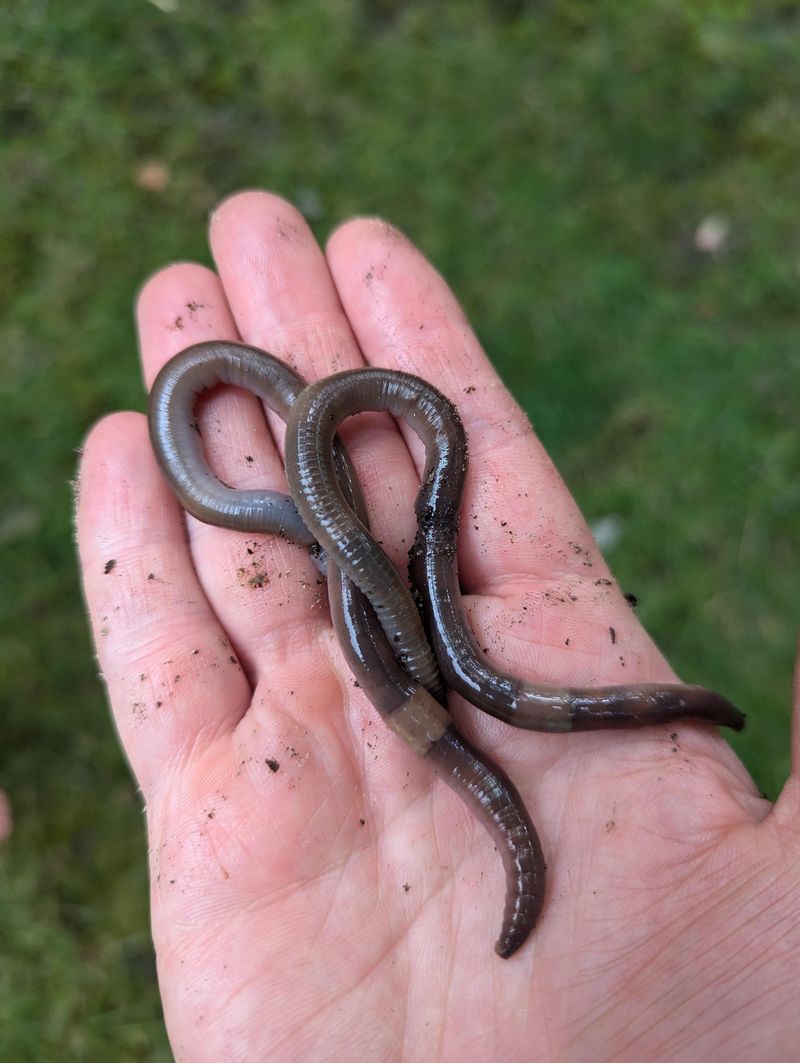
Pick up a regular earthworm and it wiggles slowly in your hand. Pick up a jumping worm and you will likely drop it immediately.
These worms move in a wild, thrashing, snake-like motion that is unlike anything most gardeners have seen before. Some people describe it as watching a worm have a seizure.
That intense movement is actually how jumping worms got their name. When disturbed, they coil and thrash so forcefully that they can flip themselves off the ground or out of your hand.
They move fast across the soil surface and can even shed their tail end as a defense, similar to how some lizards drop their tails when threatened.
Your Oregon Garden Changes Every Week. Your Plan Should Too.
Gardening in Oregon changes quickly throughout the season. Every Friday you’ll receive a simple weekly plan showing exactly what to plant, prune, fertilize, harvest, and protect so you never miss the right timing.
This behavior makes them easy to identify once you see it. If you are turning over soil or moving mulch and something moves with that wild, jerky energy, stop what you are doing and take a good look.
Do not assume it is just a fast earthworm.
Knowing this behavior pattern helps you act quickly. Many gardeners accidentally spread jumping worms by moving soil or compost without realizing what they have.
If you see that thrashing movement, avoid spreading any of that material to other areas of your garden. Seal it, bag it, and look into your local extension office for guidance on what to do with contaminated soil or compost in our state.
3. Check Under Mulch, Leaves, And Pots First
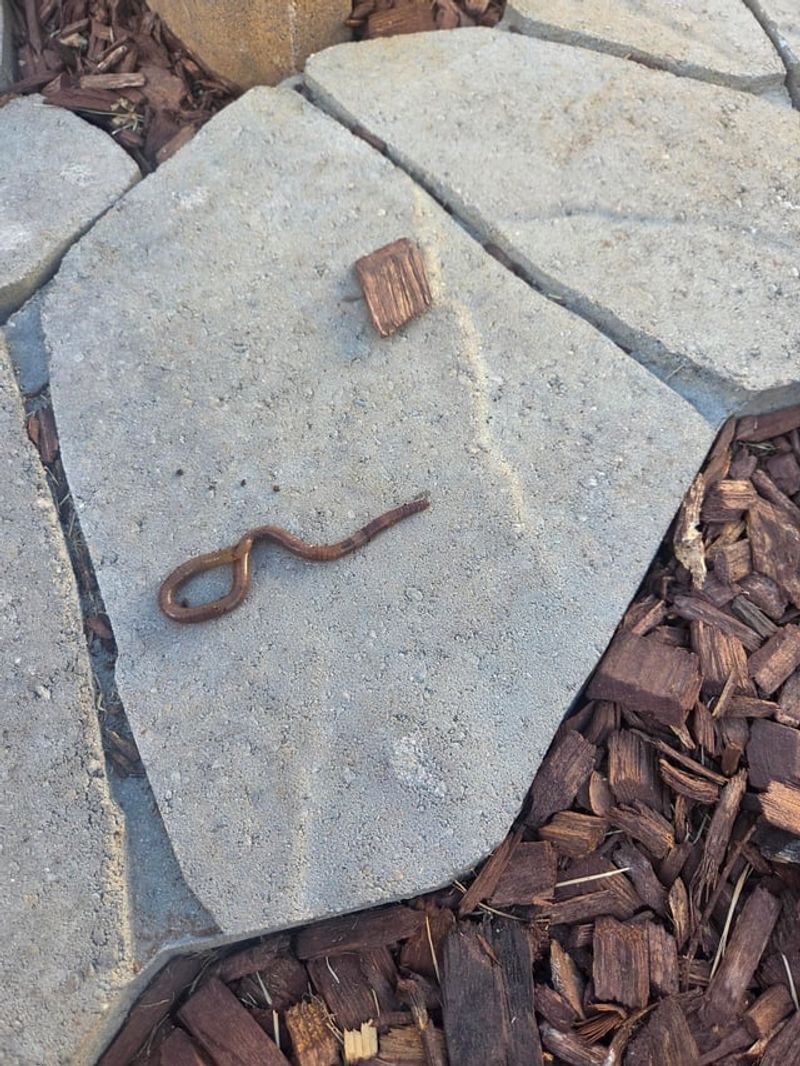
Jumping worms love to hide in places that stay moist and protected from direct sunlight. Mulch, leaf piles, and the undersides of garden pots are some of their favorite hangouts.
Before you assume your garden is clean, flip over a few things and take a careful look beneath the surface.
These worms tend to stay close to the top few inches of soil, which is exactly where mulch and organic material sit. When you lift a thick layer of mulch and see worms moving with that fast, thrashing motion, that is a strong indicator that jumping worms are already established in your garden bed.
They can show up in surprisingly large numbers under a single patch of mulch.
Potted plants are another common entry point. Many gardeners unknowingly bring jumping worms home in nursery pots or shared plant divisions.
Checking under pots and around the drainage holes can reveal worm activity you might have missed otherwise.
Make it a habit to inspect these hidden spots at least once a month during the warmer seasons, especially from late spring through early fall. Catching an infestation early under mulch or pots means you have a better chance of containing it before it spreads deeper into your beds.
It only takes a few minutes to check, and that simple habit could make a major difference in keeping your garden healthy and productive throughout the growing season.
4. Look For The Pale Ring Around The Body
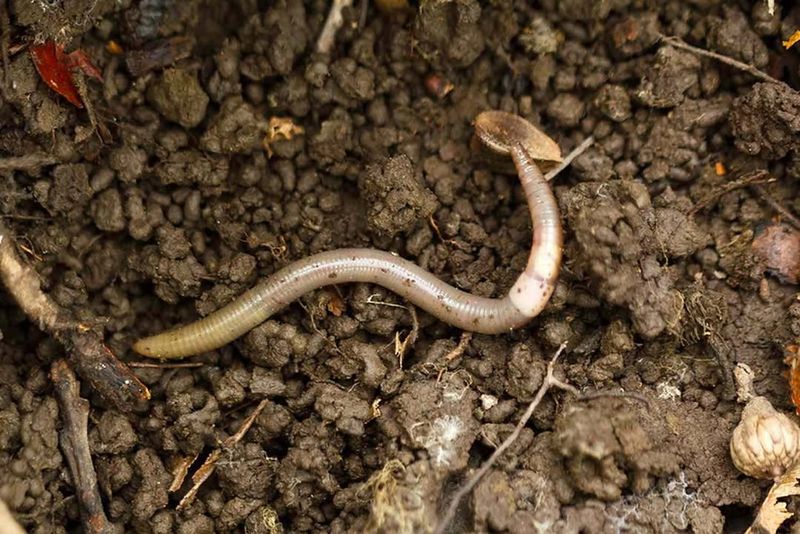
One of the most reliable ways to tell a jumping worm apart from a regular earthworm is by looking at the clitellum, which is the band or ring found on the worm’s body. On a common earthworm, that band is raised and pinkish.
On a jumping worm, it sits flat against the body and is a pale, milky white or light gray color.
That pale ring wraps all the way around the worm like a tight collar. It does not look raised or bumpy.
When you hold the worm still long enough to look closely, the contrast between the dark body and the flat white ring is pretty clear. This one feature alone can help you confirm what you are dealing with.
Jumping worms also tend to have a darker, almost charcoal-colored body compared to the pinkish-brown tone of regular earthworms. Their skin looks smoother and shinier, especially when they are moving.
Combined with that pale ring, these features make jumping worms recognizable once you know what to look for.
Try to keep a small magnifying glass in your garden kit during the growing season. If you spot a fast-moving worm and want to confirm the identification, the clitellum is your best clue.
Taking a clear photo and sending it to your local Oregon State University Extension office can also get you a quick, reliable answer from someone trained to identify invasive species in our region.
5. Crumbly Soil Can Mean Trouble Below
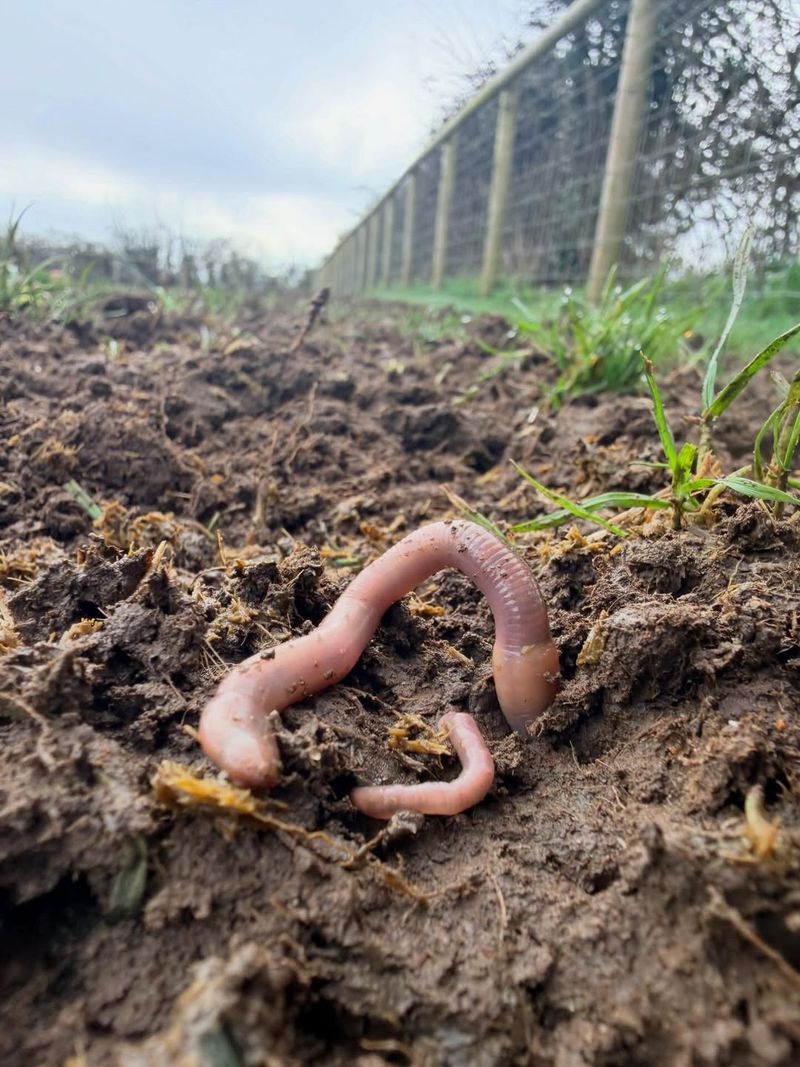
Healthy garden soil has a spongy, layered quality to it. When you dig in, you find different textures at different depths, and the soil holds moisture without becoming waterlogged.
Crumbly, falling-apart soil near the surface is one of the earliest signs that something is off below ground.
Jumping worms work fast. They consume organic matter near the surface and leave behind a grainy, unstable layer that does not support plant roots the way healthy soil does.
When you notice that the top two to four inches of your garden bed crumble apart like dry cake, that is worth investigating. It is not just about aesthetics.
That soil texture directly affects how well your plants grow.
Run your hand across the top of your garden bed and press lightly. If the soil feels unusually dry and falls apart into tiny round pieces, compare it to soil in a different part of your yard.
Soil that has been heavily impacted by jumping worms often has a very distinct texture that experienced gardeners describe as loose and lifeless.
Amending crumbly soil with compost can help temporarily, but if jumping worms are the source of the problem, adding more organic matter may actually feed them and make things worse. Focus first on identifying whether jumping worms are present, then reach out to your local cooperative extension office for the most current, research-backed advice specific to our state’s conditions and climate.
6. Weak Seedlings May Be Telling You Something
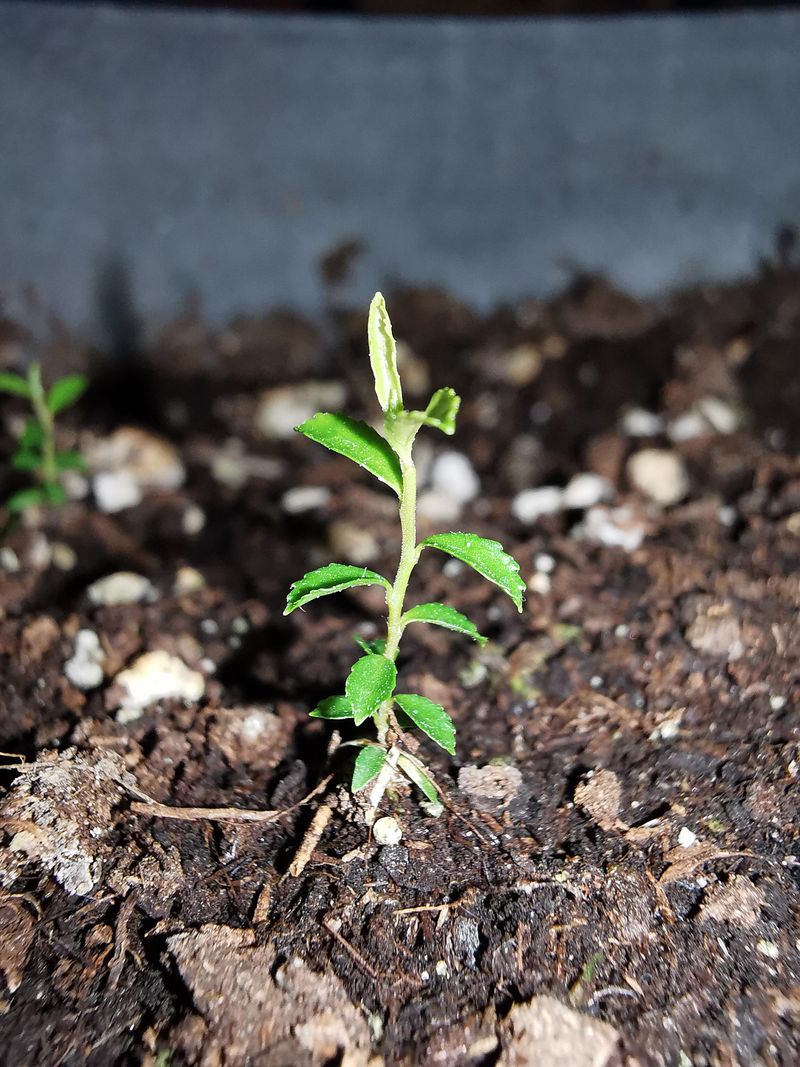
You planted your seeds on time, watered consistently, and gave your seedlings plenty of sunshine. But they still look weak, pale, or like they are barely hanging on.
Before blaming the weather or a watering schedule, consider what might be happening in the soil beneath those struggling plants.
Jumping worms strip the top layer of soil of the nutrients and structure that young plants depend on. Seedlings have shallow, delicate root systems that need stable, nutrient-rich soil to get established.
When jumping worms have degraded the top few inches of soil, seedlings simply cannot take hold the way they should. They may sprout but then stall, turn yellow, or topple over without warning.
Gardeners often blame pests, disease, or poor seed quality when the real problem is underground. If your seedlings are struggling in a specific area of your garden while doing fine elsewhere, that pattern is worth noticing.
Jumping worm activity tends to be concentrated in certain spots, especially where mulch or compost has been added.
Do a quick soil check in the area where your seedlings are underperforming. Dig about two to three inches down and look at the texture.
If it crumbles apart and looks granular, check for worms. Healthy seedlings need stable, moisture-retaining soil, and fixing the soil problem is the only long-term solution to getting your plants back on track and thriving through the rest of the season.
7. Vanishing Leaf Litter Is Not Always Good News
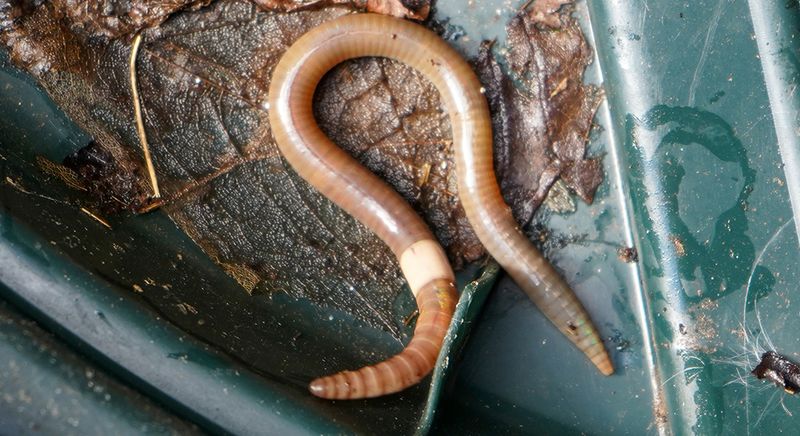
A thick layer of fallen leaves on the forest floor or in a natural garden area might seem like a mess, but it actually plays a huge role in keeping the soil healthy. Leaf litter breaks down slowly over time, feeding soil microbes, retaining moisture, and creating habitat for beneficial insects.
When that layer disappears faster than it should, something is consuming it at an unusual rate.
Jumping worms are incredibly efficient at breaking down leaf litter. Unlike native earthworms that pull organic material deeper into the soil, jumping worms consume it at the surface and leave behind that granular, coffee-ground texture.
A thick layer of autumn leaves can vanish within a single season if a jumping worm population is active in the area.
Many gardeners and homeowners actually celebrate when leaf litter breaks down quickly, assuming it means their soil is healthy and active. But rapid disappearance of surface organic material, especially when paired with that crumbly soil texture, is often a warning sign rather than a good development.
Pay attention to areas under trees or along garden borders where leaves tend to collect. If those spots are unusually bare and the soil underneath looks grainy and dry, start looking for worms.
Our state has many natural wooded areas and shaded garden corners where jumping worms can thrive unnoticed for months before gardeners realize something has changed beneath the surface of the soil.
8. Found One? Bag It Before It Spreads
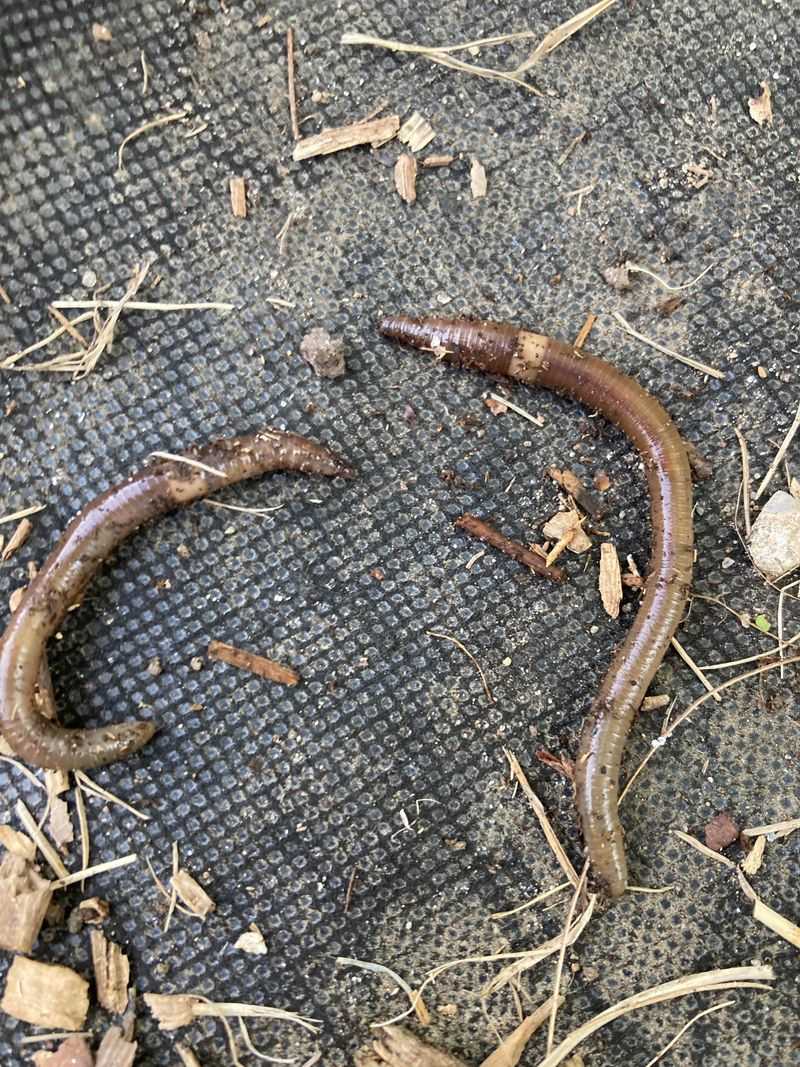
Spotting one jumping worm in your garden can feel alarming, but the most important thing you can do in that moment is stay calm and act carefully. Do not toss the worm into another part of your yard or compost bin.
That one worm can become many more if it is moved to a new location with fresh organic material to feed on.
Jumping worms are parthenogenetic, which means they can reproduce without a mate. A single worm can lay eggs that hatch into a whole new generation.
Their cocoons are tiny and nearly impossible to see with the naked eye, which makes containment especially important. Even moving contaminated soil a few feet away can introduce cocoons to a clean area of your garden.
The safest approach is to place the worm in a sealed plastic bag and put it in the trash, not the compost. If you have found more than one, consider solarizing the affected area by covering it with clear plastic sheeting on a sunny day to raise the soil temperature high enough to reduce worm and cocoon activity.
This method works best during the warmest months of the year.
Report your finding to your local extension office or use your state’s invasive species reporting tool online. Tracking where jumping worms have been found helps researchers and land managers understand how far they have spread across our state and develop better strategies for slowing their movement into new gardens and natural areas.