The Real Reasons Ticks Are Taking Over Maryland Yards This Spring

Spring in Maryland makes you want to use your yard again. You open the windows, send the kids outside, let the dog roam, and assume the worst of tick season is still weeks away.
But while you’re out there soaking it in, something else is soaking it in too.
Ticks are already active, already hungry, and if your yard has the right conditions, they’re not going anywhere.
Here’s the part most people don’t expect: it’s rarely bad luck that brings ticks close to home.
It’s specific, fixable yard habits that create the kind of environment ticks love.
The even better news is that you don’t need to spray everything in sight or give up on your outdoor space.
You just need to know what to look for, and what to stop doing.
Let’s get into it.
Long Grass Is A Tick’s Best Friend
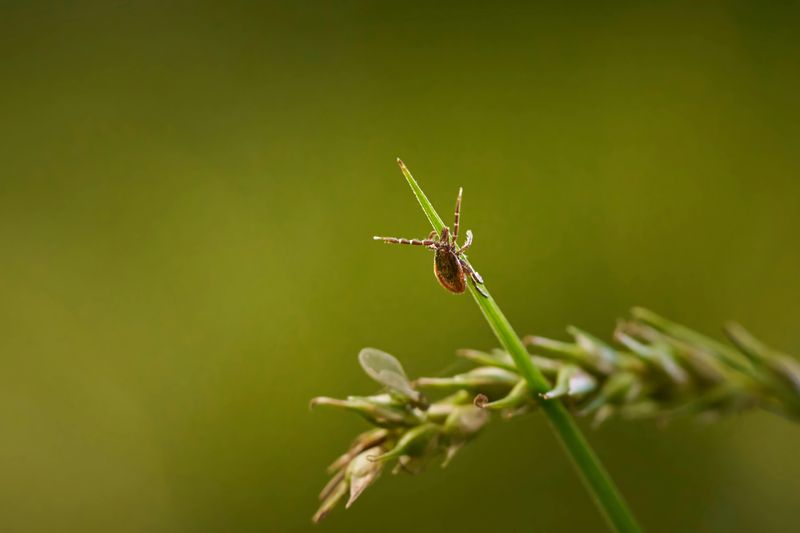
Tall grass is basically a five-star resort for ticks.
They cannot survive in open, sunny areas because heat and direct sunlight dry them out fast.
Long blades give them shade, moisture, and the perfect launching pad to latch onto passing legs.
Most ticks do not jump or fly.
Instead, they practice a behavior called questing, where they climb up grass stems and wait with their front legs stretched out.
When you or your dog brushes past, they grab on instantly.
Keeping your lawn mowed to three inches or shorter removes that hiding spot entirely.
A regular mowing schedule, especially in April and May when tick activity spikes, makes a noticeable difference.
Short grass means more sun exposure, which ticks absolutely cannot stand.
Pay extra attention to edges along fences, sidewalks, and garden beds.
Those border zones tend to grow faster and get skipped during quick mows.
A string trimmer around the perimeter once a week can cut tick exposure significantly.
Simple lawn care habits are one of the easiest ways to protect your Maryland home this spring.
The question is, are yours helping or hurting?
That Woodpile Against Your House Is A Tick Hotel

That woodpile isn’t just storing logs.
It’s storing mice, moisture, and every tick that comes with them, all within arm’s reach of your back door.
Woodpiles trap moisture, stay cool and dark, and create hundreds of tiny gaps where ticks can hide comfortably.
Mice and other small rodents love woodpiles too, and ticks feed on those animals constantly.
Rodents are one of the primary hosts for ticks in their early life stages.
Where mice go, ticks follow.
A woodpile sitting against your foundation creates a direct pipeline from wildlife to your living space.
Moving your firewood storage at least twenty feet from the house breaks that connection.
Stacking wood on a raised rack keeps it off the damp ground and reduces the moisture ticks depend on.
Facing the pile toward the sun helps dry it out and makes it far less appealing.
Your Maryland Garden Changes Every Week. Your Plan Should Too.
Gardening in Maryland changes quickly throughout the season. Every Friday you’ll receive a simple weekly plan showing exactly what to plant, prune, fertilize, harvest, and protect so you never miss the right timing.
Cover the top with a tarp if rain is frequent, but leave the sides open for airflow.
A dry, elevated woodpile in a sunny spot is dramatically less attractive to ticks and the animals that carry them.
One small relocation can protect your yard.
Bird Feeders Are Inviting The Wrong Kind Of Wildlife
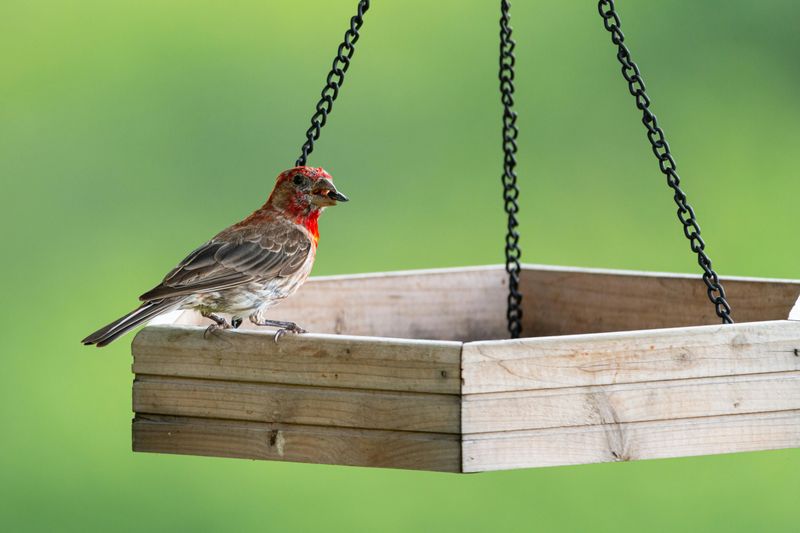
Here’s something no one tells you when you hang a bird feeder: the birds are the least of your problems.
All of those animals are top hosts for ticks in their larval and nymph stages.
Bring in the wildlife, and you bring in the ticks riding on them.
Deer are also drawn to yards with feeders, especially in early spring when food sources are still scarce.
Deer are among the most efficient tick transporters, one animal can introduce ticks across your entire yard in a single pass.
One visit to your yard leaves behind eggs and nymphs that will be active for the entire season.
Switching to squirrel-proof feeders and using catch trays to collect fallen seeds reduces ground activity significantly.
Placing feeders far from the house, ideally near the tree line rather than on the patio, keeps wildlife traffic away from high-use areas.
Cleaning up spilled seed daily removes the food source that draws small rodents in.
You do not have to stop feeding birds entirely.
Small adjustments to feeder placement and maintenance can make your yard much safer.
Being strategic about where wildlife gathers is a smart step toward reducing tick exposure.
The birds will find it wherever you put it, the ticks don’t have to.
Poor Drainage Is Turning Your Yard Into A Tick Paradise

Soggy ground after a spring rain might seem like a minor nuisance, but ticks are loving every minute of it.
Ticks need humidity to survive, and a yard that stays wet between rainstorms gives them the moist environment they need to thrive.
Areas that drain slowly become permanent tick territory if left unaddressed.
Low spots in the lawn, clogged gutters, and compacted soil all contribute to poor drainage.
Water pools in these areas and keeps the ground damp long after the rain stops.
That lingering moisture creates the ideal microclimate for ticks to stay active and reproduce.
Regrading low spots in your yard directs water away from problem areas.
Adding compost to compacted soil improves drainage over time and helps the ground dry faster after rain.
Cleaning gutters and extending downspouts away from the foundation prevents water from pooling near the house.
French drains and dry creek beds are practical options for yards with serious drainage problems.
Even small improvements like aerating the lawn each spring help moisture move through the soil more efficiently.
A yard that dries out quickly after rain is a yard where ticks struggle to stay alive and multiply.
Turns out, the best tick repellent might just be a proper slope and a functional gutter.
Planting Too Close To The House Creates Hidden Tick Zones

Your foundation planting looks incredible in April.
Unfortunately, ticks think so too.
Plants packed tightly together trap moisture at ground level and block sunlight from reaching the soil.
That combination is exactly what ticks need to stay comfortable and active.
Foundation plantings also create wildlife corridors.
Small animals like voles and shrews move through dense ground cover and brush up against your home unnoticed.
Those animals carry ticks, and the ticks drop off right next to your doorstep.
Pulling plants back at least eighteen inches from the foundation opens up airflow and allows sunlight to reach the ground.
Trimming lower branches on shrubs so air can circulate underneath reduces moisture buildup significantly.
Replacing some dense ground cover with gravel or mulch creates a less hospitable surface for ticks.
Choosing plants that naturally repel ticks, like lavender, rosemary, and chrysanthemums, adds a layer of protection while keeping your garden attractive.
Spacing plants properly and pruning regularly keeps your foundation planting from becoming a seasonal hiding spot.
Small changes to your landscaping layout can make a real difference in tick activity near your home.
Your yard can still look beautiful, it just doesn’t have to be beautiful for ticks.
No Buffer Between The Lawn And The Woods? Ticks Walk Right In

Where your lawn ends and the woods begin is the most active tick zone in any yard.
Research consistently shows that the highest concentration of ticks is found within the first nine feet of the forest edge.
That makes the border zone the most important part of your yard to manage.
Without a clear barrier, ticks stroll right from the tree line into your backyard without any obstacle.
Deer trails and animal paths often run parallel to those edges.
Every animal that moves through deposits ticks along the way.
A yard with no buffer between the grass and the forest is essentially an open invitation.
Creating a three-foot-wide barrier of wood chip mulch or gravel along the edge of the woods acts as a physical deterrent.
Ticks avoid crossing dry, sunny surfaces because the exposure dries them out.
That simple strip of mulch becomes a boundary they are reluctant to cross.
Keeping the buffer clear of leaves, branches, and debris maintains its effectiveness throughout the season.
Adding a low decorative fence along the edge discourages deer and other wildlife from wandering into the yard.
A clear visual and physical boundary between your lawn and the surrounding woods is one of the most powerful tick-reduction strategies available to Maryland homeowners.
It is also one of the most underrated ones this spring.
It doesn’t have to be complicated, sometimes a simple strip of mulch or gravel is all that stands between your yard and theirs.
Leaf Piles Sitting All Season Are A Tick Breeding Ground

Last fall’s leaves sitting in a corner of your yard are not just an eyesore.
Damp, decomposing leaf piles are among the most tick-dense spots you can have in a residential yard.
The dark, moist layers inside a pile create the perfect overwintering shelter for ticks and the small animals that carry them.
Ticks survive winter by burrowing into leaf litter and going dormant.
When spring temperatures climb above forty-five degrees, they wake up hungry and ready to find a host.
A leaf pile that has been sitting since October is essentially a tick nursery by April.
Raking and bagging leaf piles in the fall is the best prevention, but spring cleanup matters just as much.
Any accumulated debris from winter should be removed before tick season peaks.
Bagging leaves rather than composting them on-site eliminates the habitat entirely.
If you prefer composting, keep the pile far from play areas and foot traffic zones.
Turning the compost regularly disrupts tick activity and keeps the pile hot enough to be less hospitable.
Clearing out that forgotten pile in the back corner of your yard is one of the fastest ways to reduce tick numbers before summer arrives.
It is also the most satisfying Saturday project you will do all spring.
Shady, Damp Corners Are Where Ticks Wait All Season

Ticks are ambush predators, and they pick their waiting spots carefully.
Shady, damp corners of your yard, especially near fences, under decks, and alongside outbuildings, are prime real estate for them all season long.
Those spots stay cool and moist even during dry spells, giving ticks the microclimate they need to survive.
Under-deck areas are particularly problematic because they are rarely cleaned out and stay shaded year-round.
Leaves, soil, and debris accumulate there undisturbed.
Small animals nest underneath, and the ticks feeding on them stay close by.
Opening up shaded areas by trimming overhanging branches lets sunlight hit the ground and dry out the soil.
Installing lattice skirting around the base of decks and sealing gaps prevents wildlife from nesting underneath.
Raking out debris from these corners at the start of spring removes the habitat ticks depend on.
Cedar mulch in shaded garden beds may help deter ticks while still keeping your beds looking neat.
For persistent problem spots, a targeted tick treatment applied by a licensed professional can reduce populations significantly before peak season.
Addressing those forgotten corners of your Maryland yard this spring is the final step in turning a tick hotspot back into an enjoyable outdoor space.
Ticks thrive on neglect, and that is entirely fixable.