9 Mistakes That Cause Virginia Tomatoes To Split And How To Handle Them
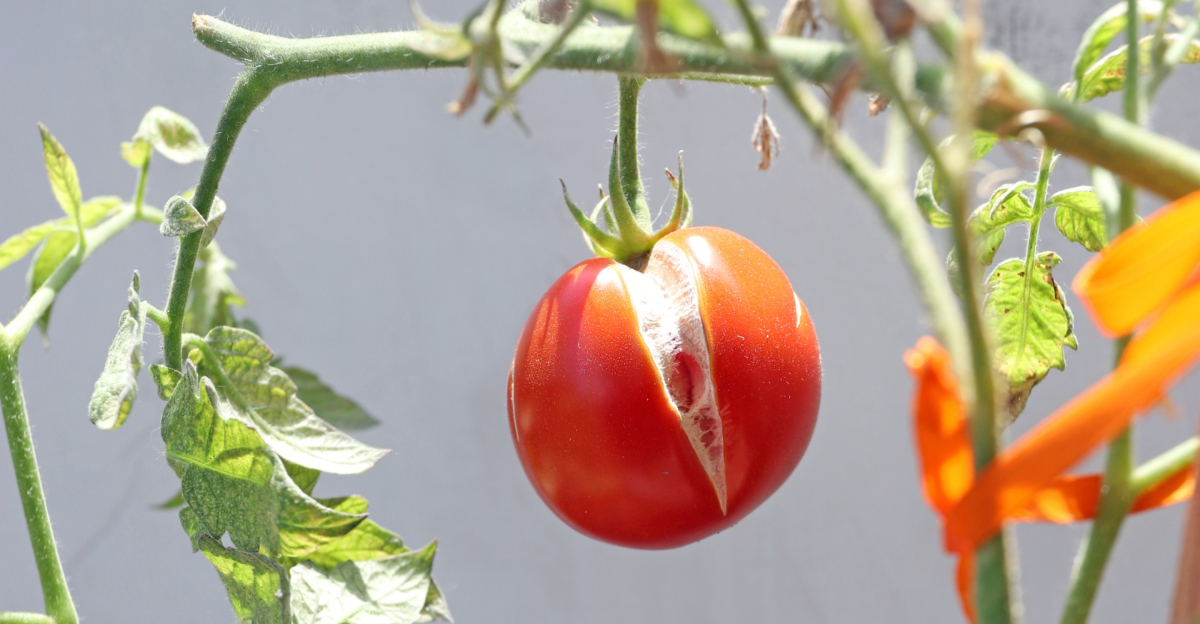
You put in the work, showed up for your garden, and watched those green globes swell with promise. Then one morning you walked out and found your beautiful tomatoes cracked wide open.
Frustrating, right? Here is the thing: tomato splitting is one of the most common challenges Virginia home gardeners face, and it is usually preventable once you understand what is going on.
The cause is rarely just one thing. It tends to be a combination of watering habits, soil conditions, fertilizer choices, and Virginia’s famously unpredictable summer weather.
When tomato skin grows slowly and the inside suddenly expands after a big drink of water, the skin struggles to keep up and splits. The good news?
Every section below explains a real reason this happens and gives you something practical you can try today. Your best tomato season might be just around the corner!
1. Mistake 1: The Feast-Or-Famine Watering
Tomatoes are creatures of habit. Skip a watering here, forget one there, and they will let you know.
Not quietly either. Inconsistent moisture is basically an open invitation for splitting.
Think of it like feeding a pet on a random schedule. Something is bound to go wrong.
Your tomatoes just have a flair for the dramatic about it.
When soil dries out completely between waterings, the tomato plant gets stressed and slows everything down, including fruit development.
Then you water heavily or a big rain comes, and the inside of the fruit takes in water so fast the skin cannot stretch to match.
That sudden expansion is exactly what causes that familiar crack running around the top of your tomato.
Consistent moisture is the single most powerful weapon you have against splitting.
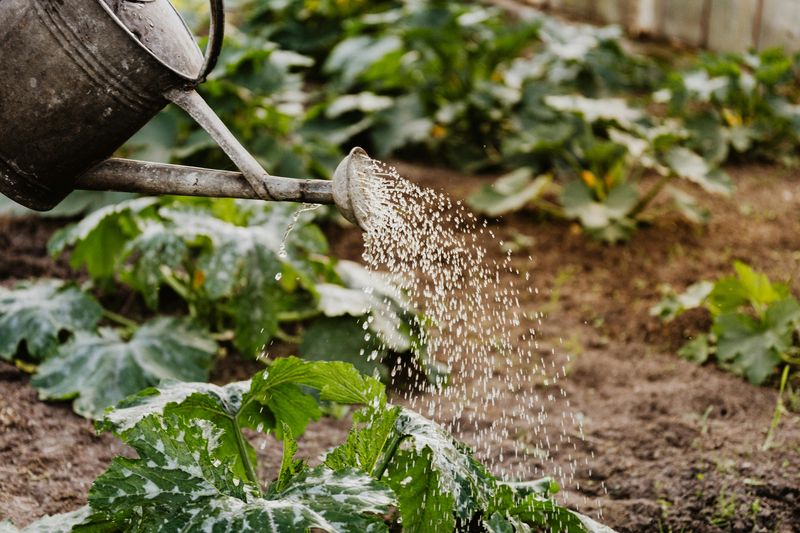
Aim for about one to two inches of water per week, spread evenly across the week rather than delivered all at once.
A drip irrigation system or a simple soaker hose can make this almost effortless.
If you are hand-watering, try shorter sessions every other day instead of one giant soak on the weekend.
Check the soil a few inches down before you water. If it still feels damp, wait another day.
Tomatoes are not dramatic about needing water constantly. They just need it reliably and steadily.
2. Mistake 2: Overfeeding Your Plants
More fertilizer does not mean more tomatoes. Sometimes it just means more problems.
Nitrogen is the main offender. It pushes everything to grow fast and the skin simply cannot keep up.
Your plant looks great on the outside while the fruit is quietly paying the price.
Many gardeners load up on fertilizer in early summer thinking bigger plants equal bigger yields.
What actually happens is rapid, uneven growth that leads directly to splitting, especially once moisture levels shift.
Switch to a low-nitrogen, high-potassium fertilizer once your plants start flowering and setting fruit.
Potassium strengthens cell walls in tomato skin, which means the fruit can handle moisture swings without cracking as easily.
Look for a tomato-specific fertilizer with a label showing lower first and second numbers and a higher third number.
Your Virginia Garden Changes Every Week. Your Plan Should Too.
Gardening in Virginia changes quickly throughout the season. Every Friday you’ll receive a simple weekly plan showing exactly what to plant, prune, fertilize, harvest, and protect so you never miss the right timing.
Feed your plants every two weeks during fruiting season rather than weekly, and always water before and after applying fertilizer.
Dry soil plus fertilizer is a recipe for root burn and stress, both of which make splitting worse.
Treat fertilizer like seasoning. A little goes a long way, and the goal is steady, balanced growth rather than a sudden burst.
3. Mistake 3: Growing the Wrong Tomato
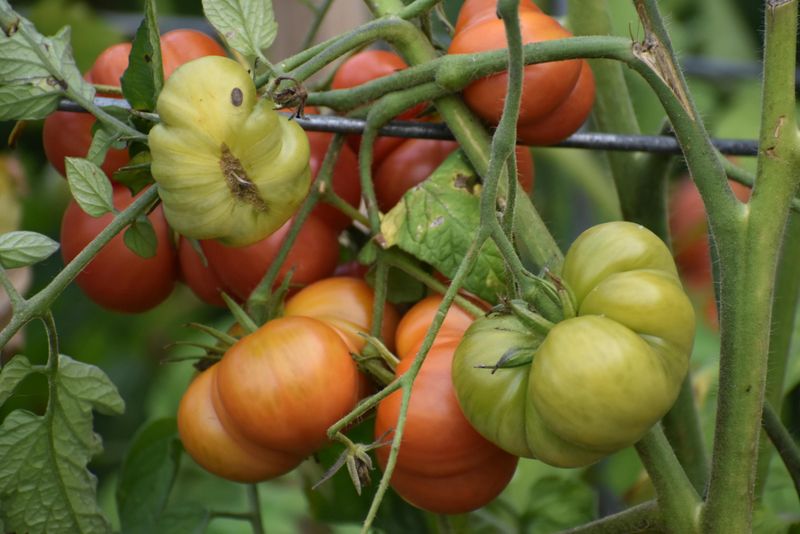
Not every tomato is cut out for a Virginia summer. Pick the wrong variety and splitting becomes your whole personality for the season.
Thin-skinned heirlooms like Brandywine and Cherokee Purple taste like a dream. But one surprise rainstorm and they are done.
They were not bred for heat tolerance or skin toughness. They were bred for flavor, and those two things do not always go together.
If splitting has been a constant problem for you, it might be time to swap out at least some of your plants for crack-resistant varieties.
Look for names like Celebrity, Mountain Fresh Plus, Jet Star, or Amelia. These were specifically developed to handle the heat and humidity of mid-Atlantic growing conditions.
They still taste great and produce reliably even through the toughest Virginia summers.
You do not have to give up your heirlooms entirely. Try planting them alongside a few crack-resistant types and see which perform better in your specific yard and soil.
Microclimates matter too. A spot that gets afternoon shade might let a thin-skinned variety thrive where a full-sun location would wreck it.
Choosing the right tomato for your conditions is one of the easiest changes you can make with the biggest payoff at harvest time.
4. Mistake 4: No Rain Cover
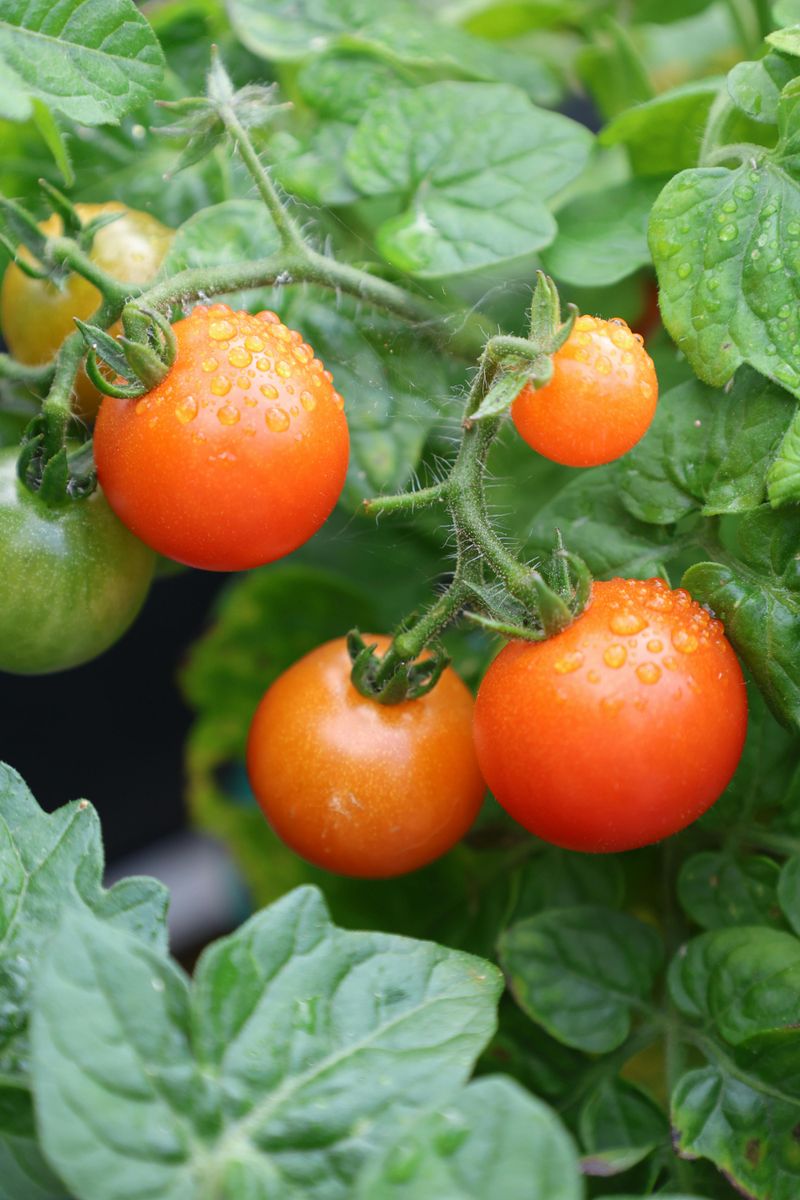
Virginia summers have a habit of going from scorching dry to absolutely drenched overnight.
Your garden barely has time to adjust.
And your tomatoes often take the hit.
When rain finally arrives after a dry spell, the roots absorb water all at once and push it straight into the fruit.
The tomato skin, which has been sitting tight and dry, simply cannot expand fast enough to handle that sudden surge.
Splitting after rain is one of the most common complaints from Virginia gardeners, and it happens even to experienced growers.
One smart move is to harvest any tomatoes that are showing color before a major storm rolls in.
A tomato that is already blushing pink or orange will ripen perfectly on your kitchen counter without splitting.
If you know rain is coming, do a quick walk through your garden and pull anything that looks close.
You can also add a temporary rain cover or row fabric over your plants during heavy storms.
Working with Virginia weather instead of against it is half the battle when it comes to keeping your harvest intact.
5. Mistake 5: Poor Soil Quality
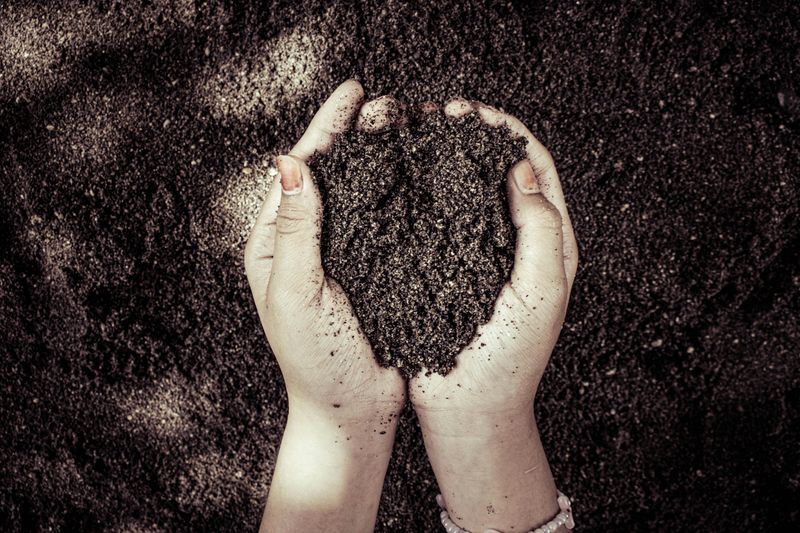
Soil quality is the silent force running your entire garden, and most gardeners never think about it until something goes wrong.
Calcium deficiency is one of the sneakiest causes of fruit problems including splitting and blossom end rot.
Without enough calcium, tomato cell walls are weaker and less able to handle rapid growth or water fluctuations.
The tricky part is that calcium might actually be present in your soil but unavailable to the plant if the pH is off.
Virginia soils tend to be naturally acidic, which locks up nutrients and makes them harder for roots to absorb.
Get a simple soil test from your local cooperative extension office or a garden center. It costs just a few dollars and gives you a clear picture.
If your pH is below 6.0, adding agricultural lime can raise it and unlock nutrients that were already there.
Crushed eggshells and liquid calcium sprays can help in the short term, but correcting your soil pH tends to deliver more lasting results.
Healthy soil holds moisture more evenly, which directly reduces the feast-or-famine cycle that leads to splitting in the first place.
Think of soil health as the foundation. Fix what is underneath and your plants will be in a much better position to handle what summer brings.
6. The Waiting Game You’re Losing
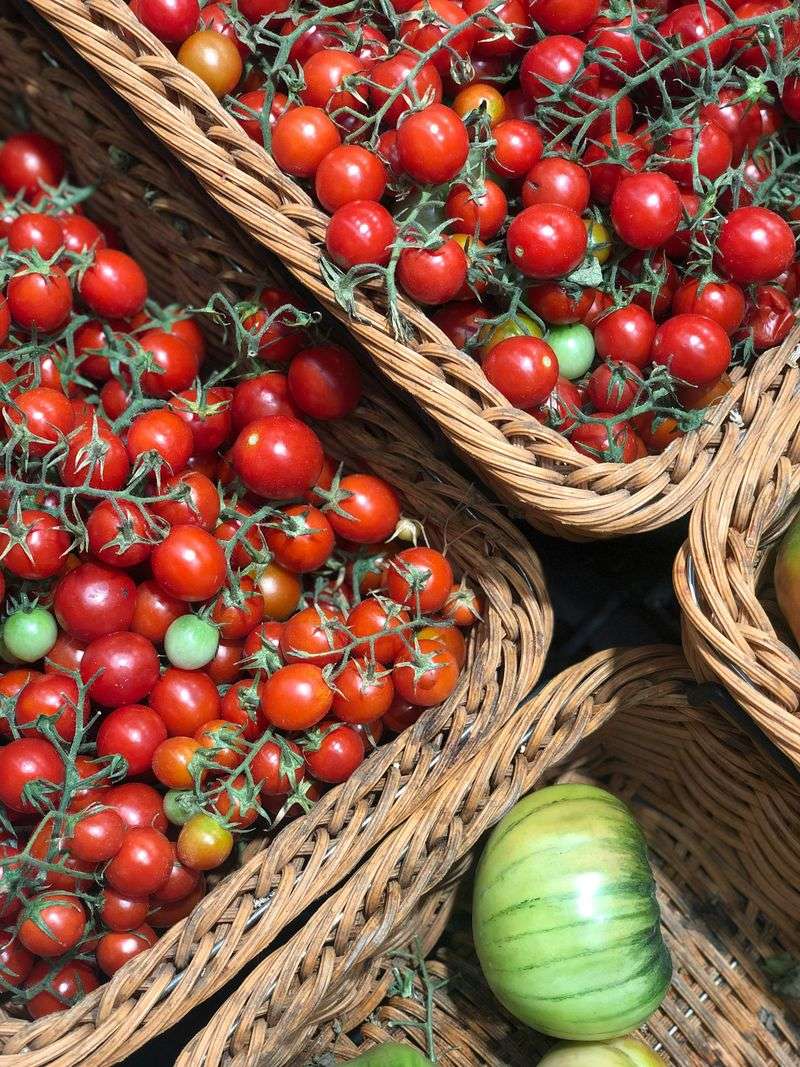
Leaving tomatoes on the vine too long feels like patience, but it is actually one of the fastest ways to end up with cracked fruit.
Once a tomato reaches full color, the skin stops being flexible. It becomes tight and brittle, like an overfilled balloon that has run out of room to stretch.
Any small change in moisture at that stage, even morning dew, can be enough to trigger a split.
Harvest tomatoes as soon as they reach full color or even a little before, especially during humid Virginia summers.
A tomato picked at the breaker stage, when it is just starting to show color, will ripen off the vine with no problem at all.
Set it stem-side down on your counter at room temperature and it will be table-ready within a few days.
Never refrigerate an unripe tomato. Cold temperatures stop the ripening process and flatten the flavor completely.
Check your garden every single day during peak season. Tomatoes can go from perfect to split in less than 24 hours after a rain event.
Harvesting on time is not giving up. It is smart gardening that actually saves more of your crop and keeps your plants producing longer.
7. Virginia’s Brutal Summer Swings
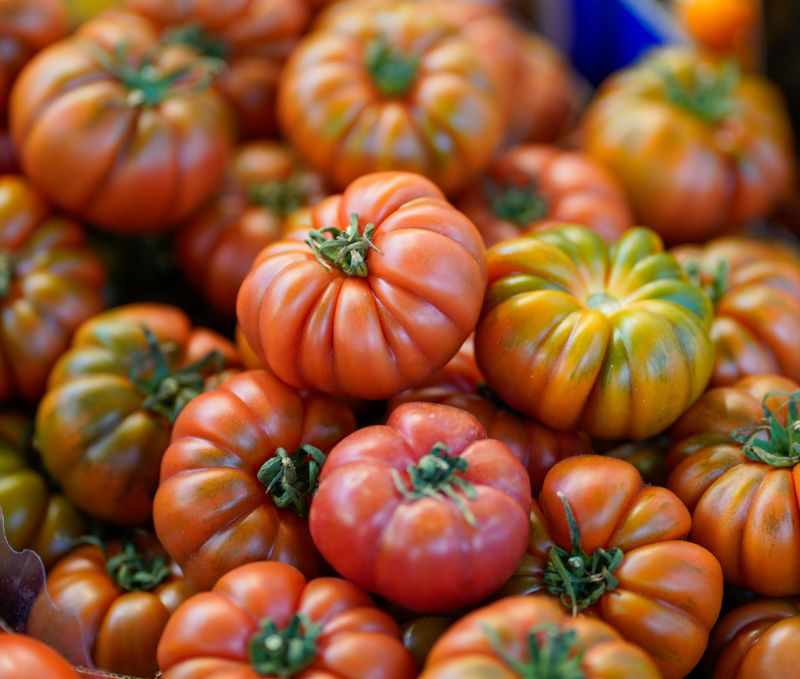
Ninety degrees by noon. Sixty-five by midnight.
Virginia summers have no chill, literally. And your tomatoes are keeping score with every single temperature swing.
Temperature fluctuations cause the water inside tomato cells to expand and contract rapidly, putting constant stress on the fruit skin.
Hot days speed up the internal growth of the fruit while cool nights slow it down, and that back-and-forth is a recipe for cracking.
Shade cloth can be a total game-changer during the hottest weeks of the season.
A thirty to forty percent shade cloth draped over your plants in the afternoon blocks the most intense heat without cutting off the light your plants need to thrive.
It also reduces soil moisture evaporation, which helps keep watering more consistent.
Mulching heavily around the base of your plants acts as a temperature buffer too. It keeps soil cooler during the day and warmer at night.
Straw, wood chips, or shredded leaves all work well. Aim for a two to three inch layer around the base without touching the main stem.
Managing temperature extremes will not eliminate every split, but it noticeably reduces the frequency and severity of cracking during peak Virginia heat.
8. The One Simple Layer Most Virginia Gardeners Skip
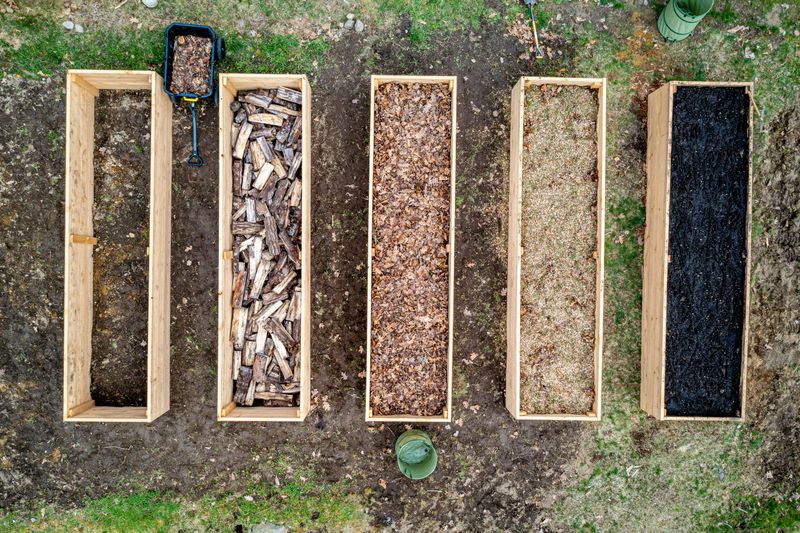
Mulch is the most underrated tool in your tomato garden.
And skipping it might be costing you more than you think.
Bare soil heats up fast, dries out quickly, and swings between wet and dry with every rain and sunny day. That instability travels straight up into your fruit.
A good layer of mulch acts like a blanket over your soil, locking in moisture and evening out temperature spikes.
Straw is the classic choice and works beautifully. It is lightweight, affordable, and breaks down slowly enough to last through the whole growing season.
Wood chip mulch is another strong option, especially if you want something that also improves soil structure over time as it decomposes.
Avoid using fresh grass clippings alone since they can mat together, block airflow, and create a soggy layer that invites disease.
Apply mulch after your first good watering of the season, once the soil has had a chance to warm up in spring.
Two to three inches is the sweet spot. Too thin and it does not do much.
Too thick and it can hold excess moisture right against the stem.
This one layer can cut your splitting rate noticeably and reduce how often you need to water throughout the summer.
9. What You Can Do Right Now
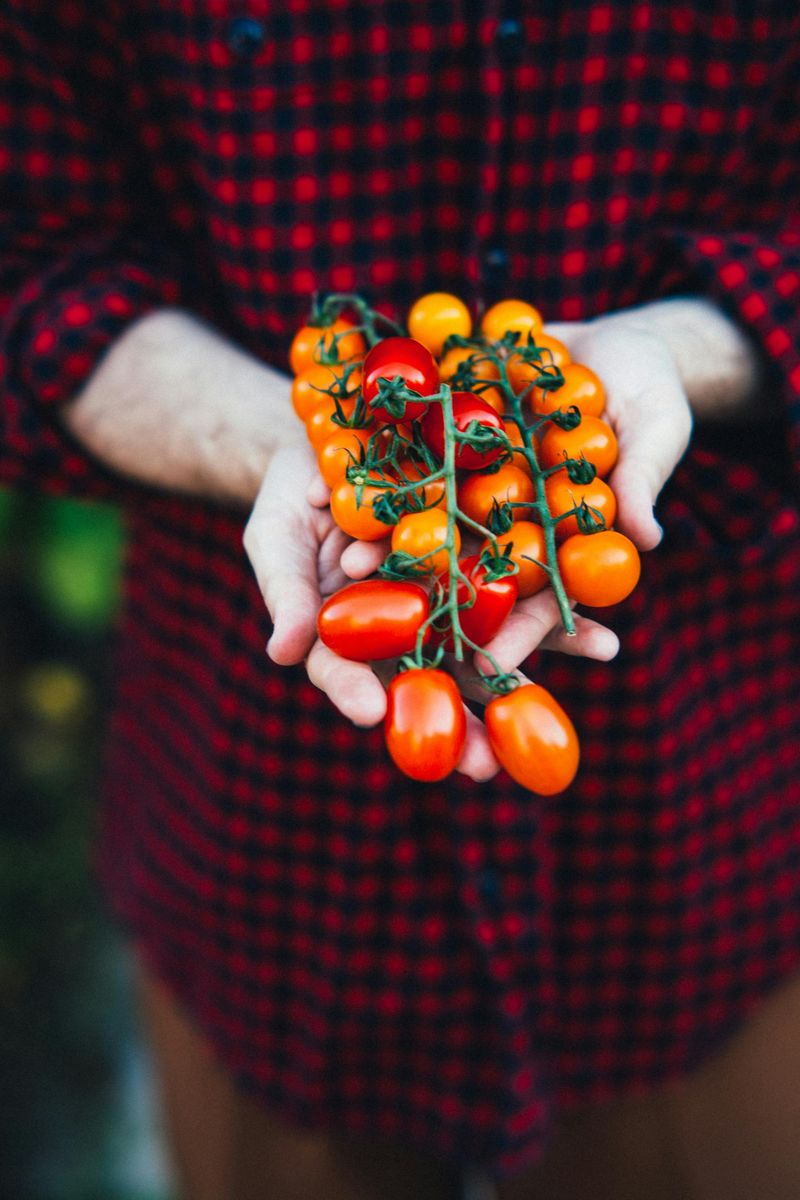
Good news: you do not have to wait until next season. Your tomatoes are still out there, and there is still time to show up for them.
Walk your garden right now and pick any tomato that is showing color. Let it finish ripening on the counter.
One less fruit left on the vine during a surprise rainstorm is one more tomato saved.
Check your soil moisture a few inches down. If it is bone dry, water slowly and deeply today rather than waiting for your usual schedule.
If you do not have mulch down yet, grab a bag of straw from your local hardware or garden store and lay it around your plants this afternoon.
Look at your fertilizer bag and check the numbers. If the first number is high, switch to something more balanced before your next feeding.
Order or pick up a soil test kit if you have not tested your ground in the past year. Knowing your pH costs almost nothing and saves a lot of guesswork.
Virginia tomato splitting is frustrating, but it is not random. Every crack has a cause and every cause has a fix.
Ready to give your tomatoes the rest of the season they deserve? Pick one thing from this list, try it today, and see what happens.
Your best harvest might still be ahead of you.