North Carolina Vegetables You Can Still Plant In May For A Summer Harvest
May still has real planting potential in North Carolina, and the gardeners who take advantage of it are rewarded well into summer.
Warm soil, reliable warmth, and long days ahead create conditions where certain vegetables establish fast and produce heavily before the season winds down.
Missing the early spring planting window does not mean missing the harvest. Several crops planted now will be on the table in eight to ten weeks, and a few of them actually prefer the warmer conditions May provides over the cooler, unpredictable weeks of early spring.
North Carolina’s long growing season leaves plenty of runway for a productive summer garden started right now. These are the vegetables worth putting in the ground this month and what each one needs to deliver a full harvest before fall arrives.
1. Okra Loves North Carolina Heat Once Soil Finally Warms Up
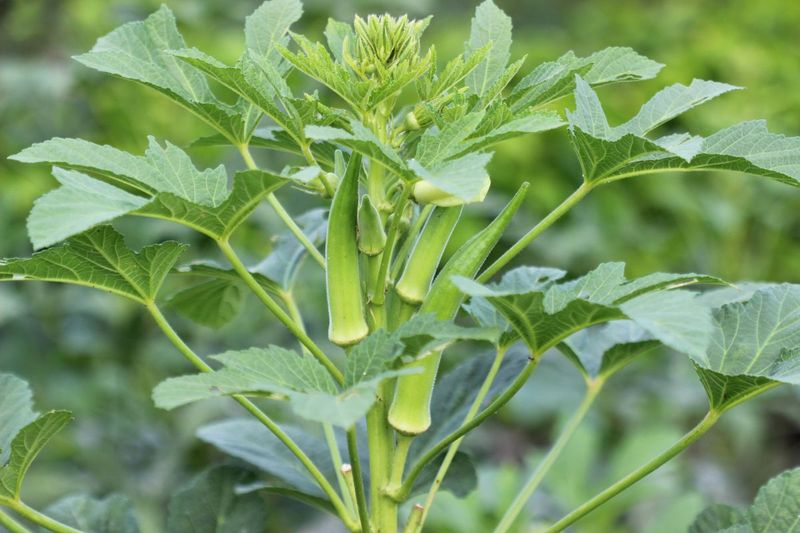
Few vegetables feel as at home in a North Carolina summer as okra. Known botanically as Abelmoschus esculentus, this heat-loving plant practically thrives once the humidity kicks in and soil temperatures reach at least 65 degrees Fahrenheit.
May planting works beautifully across most of the state, with coastal gardeners getting a head start and Piedmont growers following closely behind.
Sow seeds directly into the garden about half an inch deep, spacing plants 12 to 18 inches apart in rows about three feet wide. Okra grows tall, sometimes reaching six feet or more, so choose a sunny spot where it won’t shade smaller neighbors.
Warm soil speeds up germination dramatically, and most seeds sprout within 7 to 14 days when conditions are right.
Water consistently but avoid soggy soil since okra prefers good drainage. Mulching around the base helps hold moisture and keeps weeds from competing with young plants.
Pods are ready to pick when they reach three to four inches long, usually about 50 to 60 days after planting. Harvest every two to three days to keep plants producing steadily through late summer.
Once you fall into a picking rhythm, okra becomes one of the most reliable and rewarding vegetables in any North Carolina garden.
2. Southern Peas Thrive In Hot North Carolina Summers
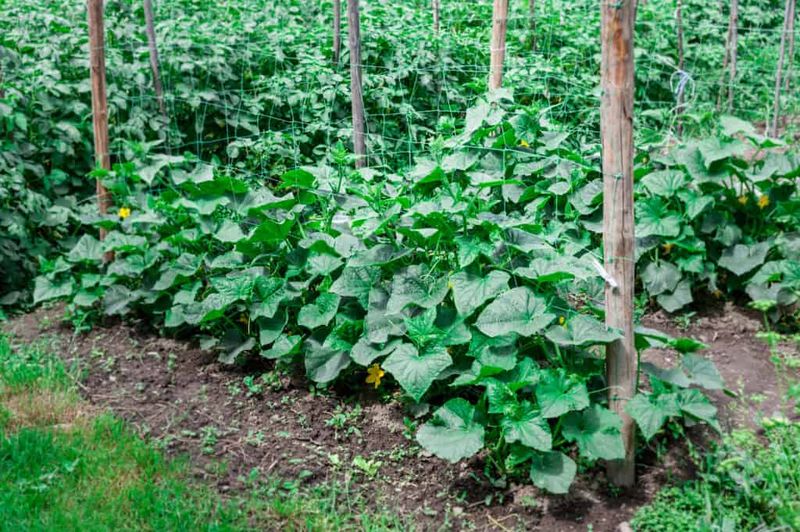
Southern peas have fed families across the South for centuries, and there is a very good reason they never went out of style.
Vigna unguiculata, the botanical name for this group that includes black-eyed peas, crowder peas, and cream peas, is one of the toughest and most productive vegetables you can grow in North Carolina’s summer heat.
May is the ideal time to get them started. Plant seeds about one inch deep and four to six inches apart, in rows spaced about two to three feet wide.
Unlike many other legumes, Southern peas actually improve with a little drought stress once they establish.
They fix nitrogen in the soil as they grow, which means they feed themselves and improve your garden at the same time. Fertilizer is rarely needed beyond a light starter application.
Watering is most important during germination and flowering, but these plants are surprisingly forgiving once they get going. Expect pods to start maturing 60 to 80 days after planting depending on the variety.
Your North Carolina Garden Changes Every Week. Your Plan Should Too.
Gardening in North Carolina changes quickly throughout the season. Every Friday you’ll receive a simple weekly plan showing exactly what to plant, prune, fertilize, harvest, and protect so you never miss the right timing.
You can harvest them fresh and green for a tender, creamy texture, or let them dry on the vine for storage. Either way, a May planting gives gardeners a full and satisfying harvest well before the end of summer.
3. Sweet Potatoes Still Have Plenty Of Time To Grow In North Carolina
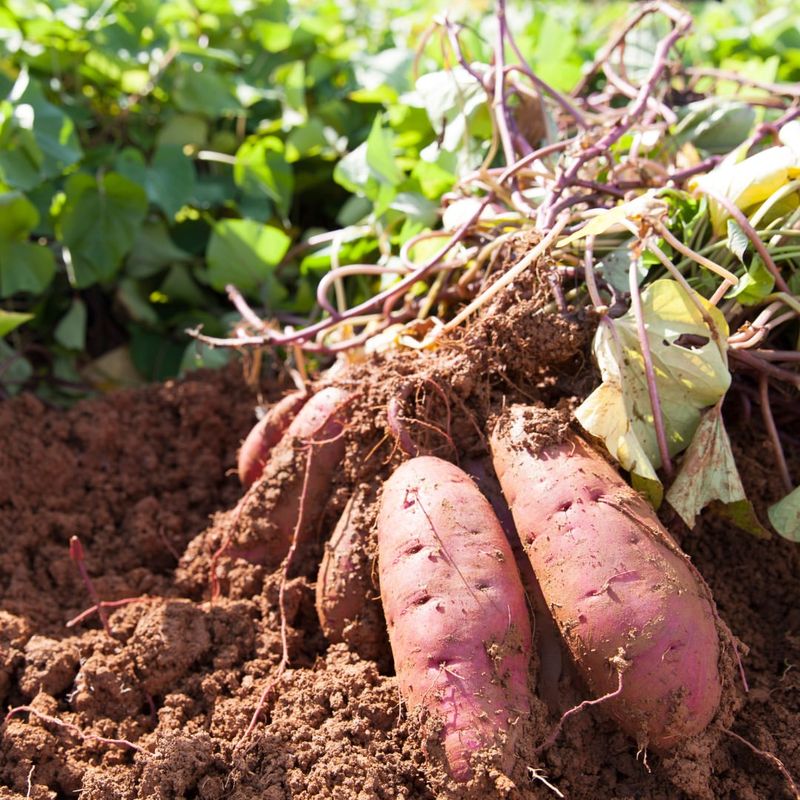
North Carolina is actually one of the top sweet potato producing states in the entire country, and home gardeners get to enjoy that same advantage every summer.
Ipomoea batatas loves long, hot growing seasons with warm nights, which is exactly what the Tar Heel State delivers from May straight through to early fall.
Planting slips in May gives roots plenty of time to size up before harvest.
Sweet potatoes are grown from slips rather than seeds. These are small rooted cuttings taken from sprouted tubers, and they root quickly once soil temperatures stay consistently above 60 degrees.
Plant slips about 12 inches apart in raised rows or mounded hills, spacing rows about three feet wide to give the sprawling vines room to run. Water well at planting and keep soil evenly moist for the first couple of weeks.
Once established, sweet potatoes are remarkably low-maintenance. They handle summer heat well and even tolerate short dry spells better than many other vegetables.
Avoid heavy nitrogen fertilizer since that encourages leafy growth at the expense of tuber development. Harvest time comes around 90 to 120 days after planting, usually in September or October.
Curing freshly dug sweet potatoes for a week or two in a warm, humid space dramatically improves their sweetness and shelf life.
4. Cucumbers Grow Fast Once Nights Stay Warm
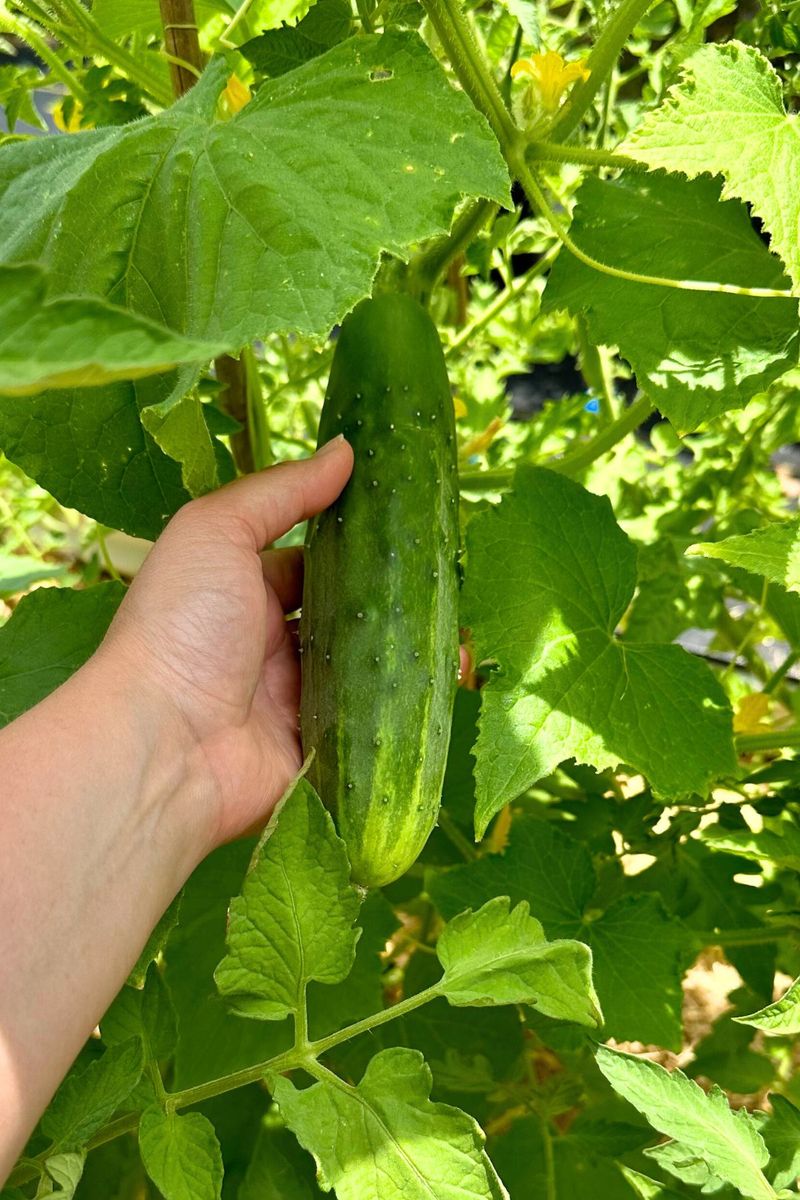
Cucumbers are one of those vegetables that seem to explode with growth the moment conditions line up perfectly. Cucumis sativus germinates fast, grows quickly, and starts producing fruit in as little as 50 days from planting when the weather cooperates.
May in North Carolina is prime time for getting cucumber seeds or transplants in the ground, especially once nighttime temperatures stay reliably above 55 degrees.
Train cucumbers up a trellis to save space, improve air circulation, and make harvesting much easier. Vertical growing also helps reduce fungal issues, which can be a real challenge in our humid summers.
Space plants about 12 inches apart along the trellis base and water at the soil level rather than overhead to keep foliage as dry as possible. Mulching helps retain moisture and keeps soil temperatures steady.
Pollination is essential for fruit set, so welcoming bees into your garden pays off big with cucumbers. Consistent watering matters most during flowering and early fruit development since uneven moisture leads to bitter or misshapen cucumbers.
Pick fruits when they reach the right size for their variety, usually between six and eight inches for slicers, before they yellow or over-mature.
Regular harvesting encourages the plant to keep producing, and a well-maintained cucumber vine can stay productive for six weeks or more through a North Carolina summer.
5. Bush Beans Produce Quickly From Late Spring Planting
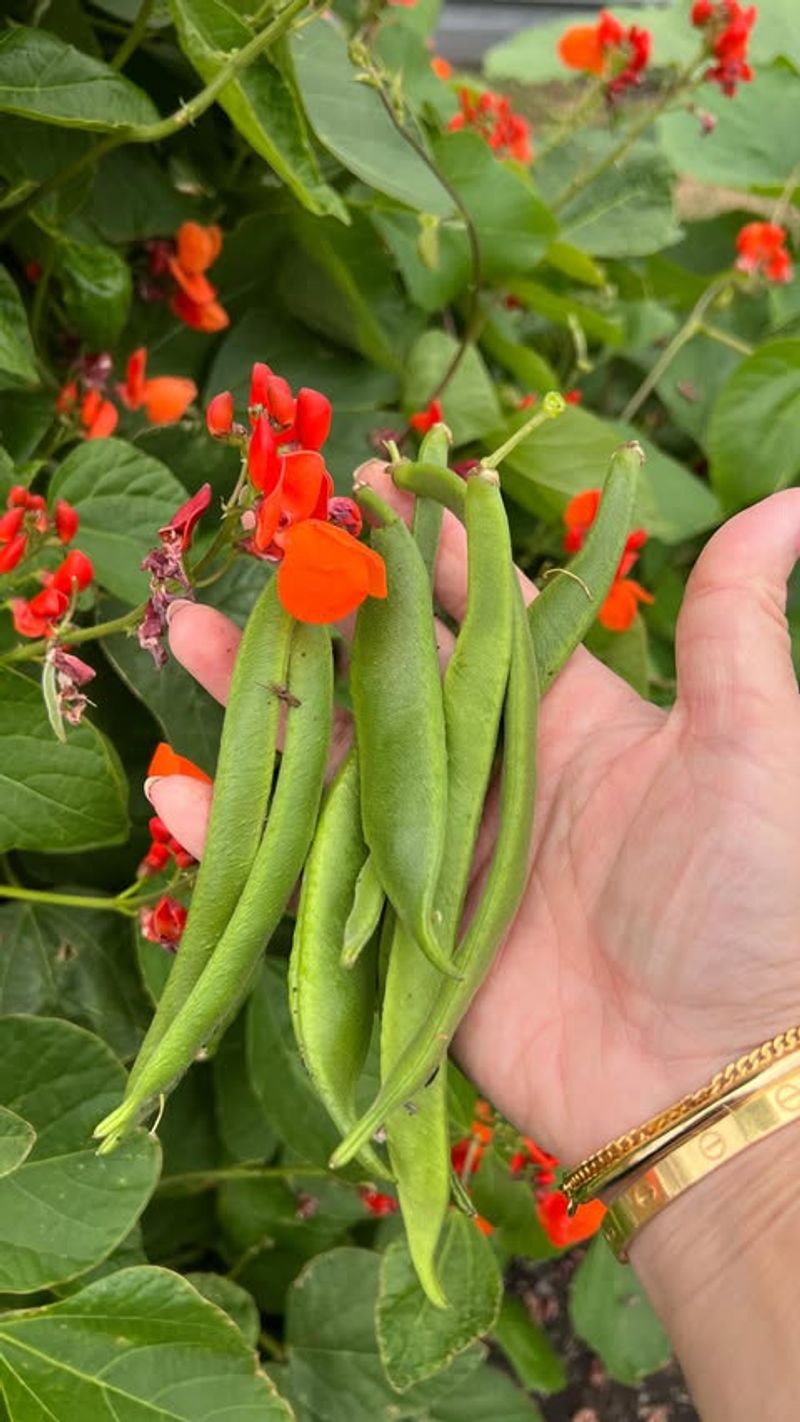
Gardeners who want fast results absolutely love bush beans. Phaseolus vulgaris is one of the most straightforward vegetables you can grow, and a May planting in North Carolina takes full advantage of warming soil to push germination along quickly.
Seeds planted in warm ground often sprout in just five to seven days, and plants can start producing harvestable pods in as little as 50 to 55 days.
Plant seeds about one inch deep and three to four inches apart in rows spaced roughly 18 inches wide. Unlike pole beans, bush beans need no staking or trellis support, which makes them perfect for gardeners working with limited time or space.
Good air circulation matters though, especially in humid conditions. Avoid planting too densely since crowded plants create the kind of moist microclimate that encourages fungal problems.
Succession planting every two to three weeks stretches the harvest window considerably. Instead of one big flush of beans that all mature at once, you get a steady supply through much of the summer.
Water at soil level and avoid wetting foliage to reduce disease pressure. Beans are ready to pick when pods snap cleanly and before seeds inside begin to bulge noticeably.
Harvest frequently since leaving mature pods on the plant signals it to slow down production. A well-managed row of bush beans is one of the most satisfying things a North Carolina home gardener can grow.
6. Pole Beans Keep Producing Through Long Summers
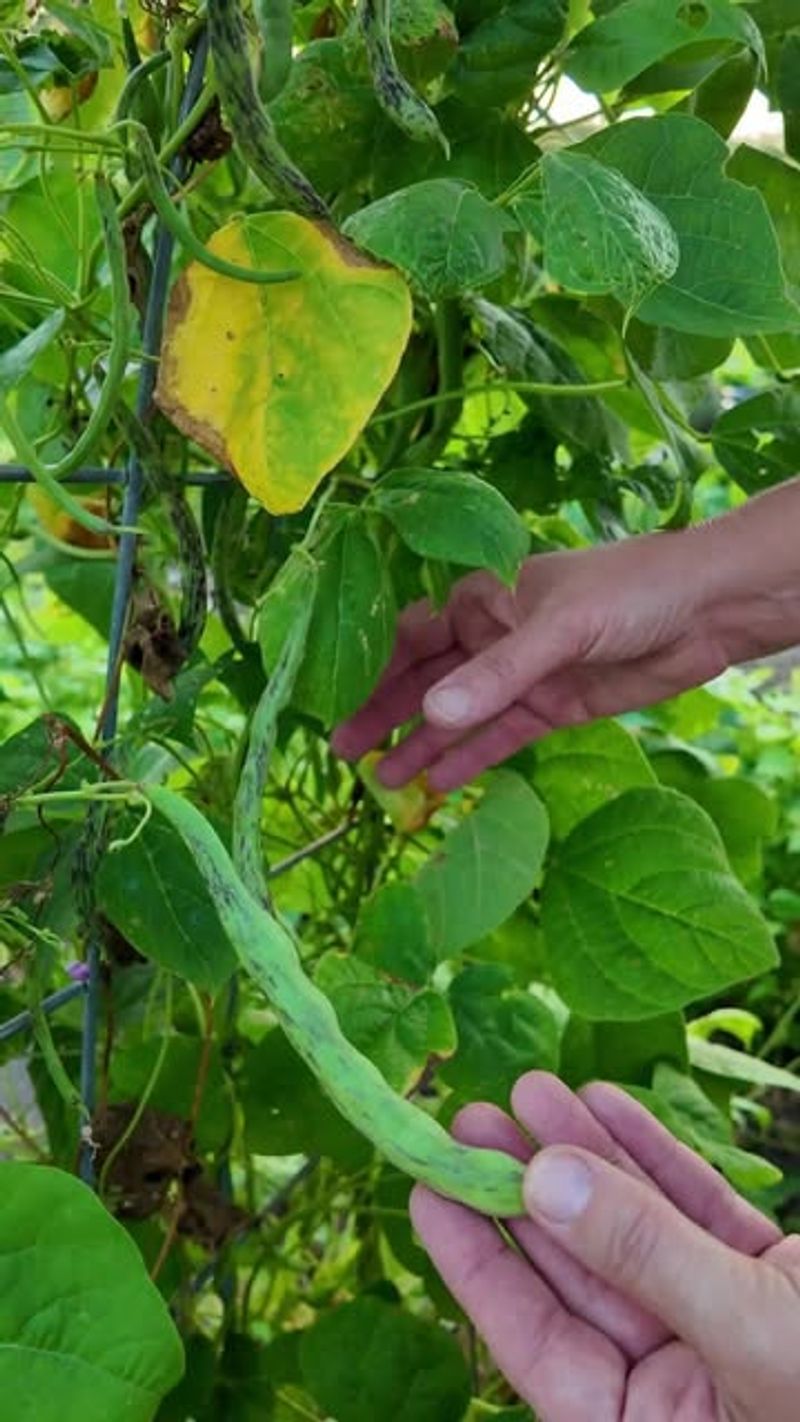
If you want a bean that keeps going long after bush varieties have finished, pole beans are the answer. Also classified as Phaseolus vulgaris, pole beans are simply climbing varieties that need vertical support but reward that extra effort with a much longer harvest window.
A May planting in North Carolina sets the stage for beans that can keep producing from midsummer well into September.
Build a sturdy trellis, teepee, or stake system before planting since these vines can easily reach six to eight feet tall. Plant seeds about one inch deep and four to six inches apart at the base of your support structure.
Warm May soil encourages quick germination, and vines begin climbing within a week or two of sprouting. Water consistently, especially during flowering, since dry conditions during bloom can cause flowers to drop without setting pods.
Fungal diseases like powdery mildew and bean rust can show up during humid North Carolina summers. Spacing plants well and watering at the base rather than overhead helps reduce these issues significantly.
Pick pods young and tender for the best flavor and texture, and never let pods mature fully on the vine unless you want to save seeds. Consistent harvesting is the secret to keeping production strong.
A single well-tended row of pole beans planted in May can easily feed a family fresh beans for eight to ten weeks straight.
7. Summer Squash Grows Rapidly In North Carolina Heat
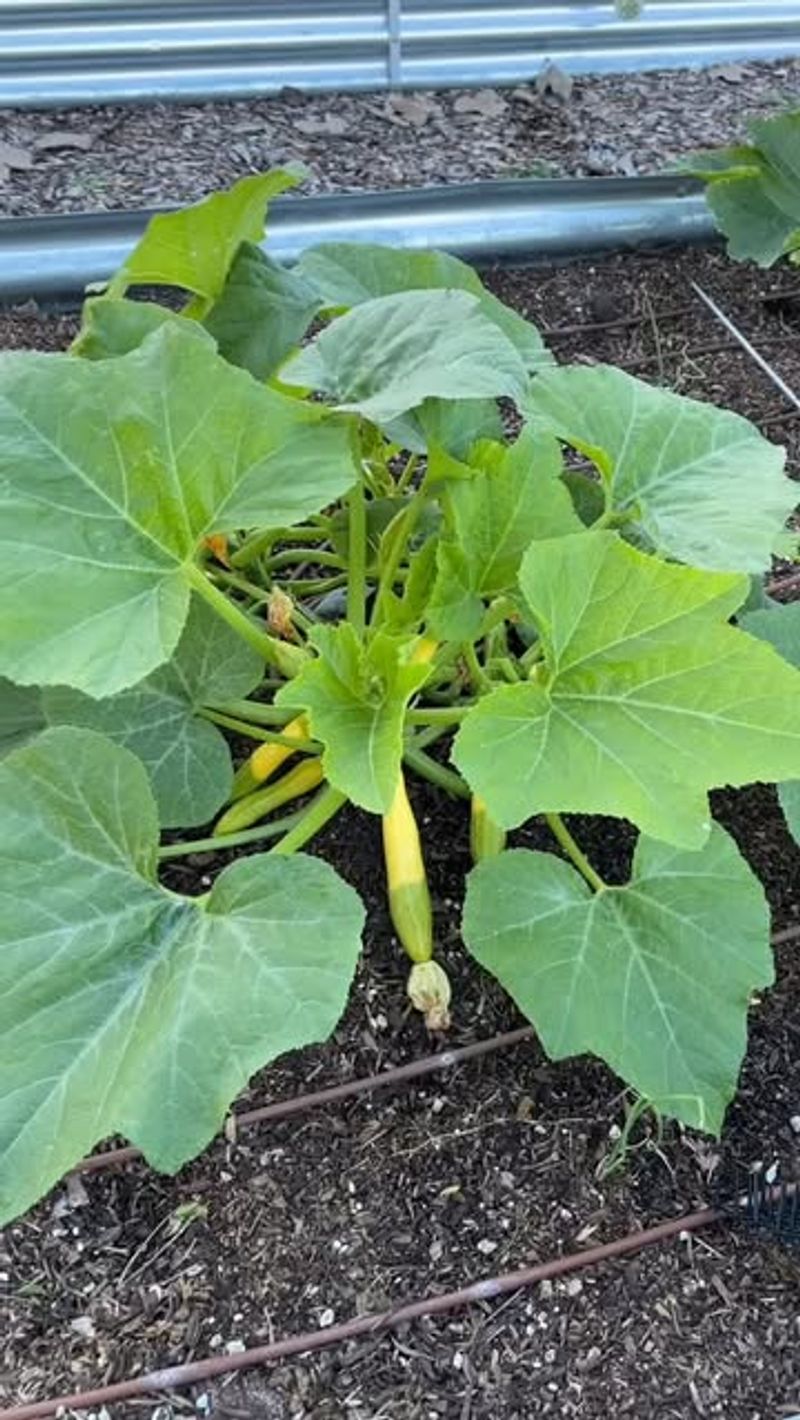
Summer squash has a well-earned reputation for being almost too productive once it gets going.
Cucurbita pepo is the botanical species behind popular varieties like yellow crookneck, straightneck, and pattypan, and all of them perform exceptionally well in our warm, sunny summers.
Seeds planted in May germinate quickly and plants can start setting fruit in as little as 45 to 55 days.
Give each plant plenty of room since squash spreads wide. Spacing plants about two to three feet apart in rows four feet wide allows good air movement and makes it easier to spot issues early.
Full sun is non-negotiable since squash planted in partial shade produces fewer fruits and becomes more vulnerable to pests and disease. Mulching around the base helps keep roots cool and moisture levels steady during hot spells.
Bees and other pollinators do the heavy lifting when it comes to fruit set, so avoid using broad-spectrum pesticides during flowering hours.
Squash vine borers are one of the most frustrating pests for North Carolina gardeners, so monitor stems closely for small entry holes and frass starting in late June.
Harvesting squash when fruits are small, around four to six inches long, produces the best flavor and keeps plants pushing out new fruits rapidly. Left to grow too large, squash becomes seedy and signals the plant to slow down production.
8. Zucchini Produces Fast Once The Weather Settles
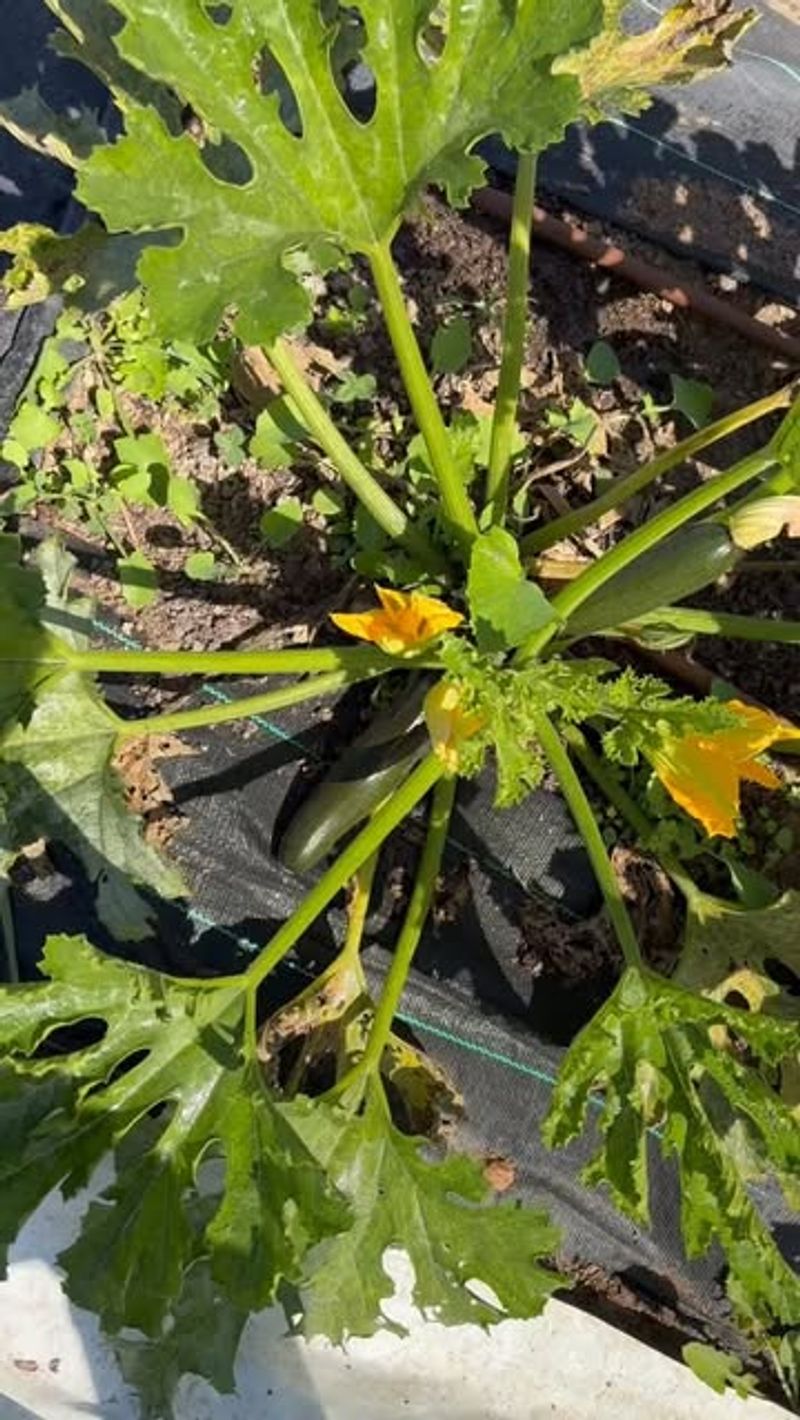
Zucchini has a legendary reputation among home gardeners for producing more than anyone could possibly need, and planting it in May in North Carolina puts that reputation to the test in the best possible way.
Botanically Cucurbita pepo, zucchini thrives once spring temperatures stabilize and the long, warm days of summer settle in across the state. Most varieties go from seed to first harvest in about 50 days.
Plant seeds or transplants in a spot that gets at least six to eight hours of direct sun daily. Space plants about two to three feet apart and water deeply but infrequently to encourage roots to grow down rather than staying shallow.
Consistent moisture is especially important once fruits start forming since irregular watering can lead to blossom end rot or misshapen fruits. A two to three inch layer of mulch around each plant makes a noticeable difference in moisture retention.
Zucchini produces both male and female flowers, and fruit only forms on female flowers after pollination occurs. If early fruits shrivel and fall off, poor pollination is usually the reason.
Hand-pollinating with a small brush during morning hours solves the problem quickly. Harvest zucchini when fruits are six to eight inches long for the best texture and flavor.
Checking plants every single day during peak season is not an exaggeration since zucchini can go from perfect to oversized overnight in the summer heat.
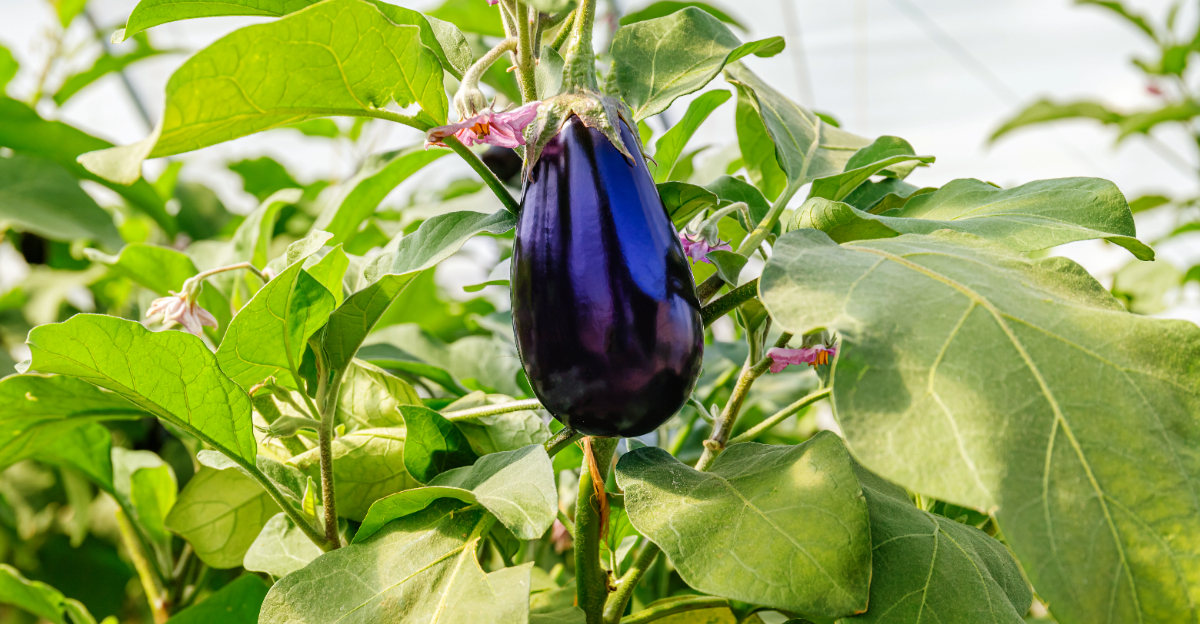
9. Eggplant Performs Much Better Once The Soil Warms Up
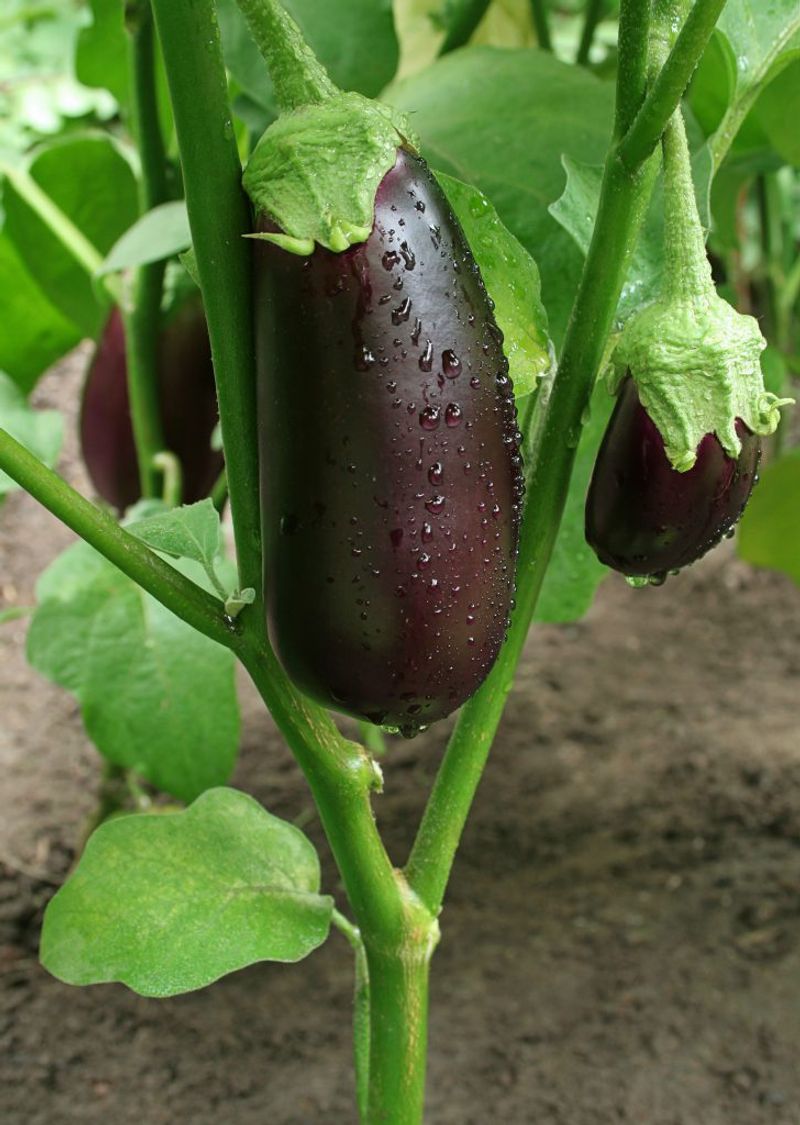
Eggplant is one of those vegetables that truly comes into its own once summer heat arrives, making North Carolina an ideal place to grow it.
Solanum melongena is a warm-season crop that sulks in cool soil and cool nights but becomes a powerhouse producer once temperatures climb and stay there.
May planting, especially using transplants rather than direct-seeded plants, gives eggplant the head start it needs to hit full stride by midsummer.
Set transplants about 18 to 24 inches apart in rows spaced roughly two to three feet wide.
Eggplant is a heavy feeder, so working compost into the planting area beforehand and following up with a balanced fertilizer every three to four weeks supports strong, productive growth.
Deep, consistent watering encourages steady fruit development and helps prevent the stress that makes eggplant susceptible to pests like flea beetles and spider mites.
Mulching generously around plants keeps soil warm, retains moisture, and reduces weed competition all at once.
Most eggplant varieties mature in 65 to 80 days from transplanting, meaning a May-planted crop starts producing in July and keeps going through September with good care.
Harvest fruits while the skin is still glossy and firm since dull skin signals overmaturity and a bitter, seedy texture. A productive eggplant in a North Carolina garden is genuinely one of summer’s most rewarding sights.