These Are The California Fruit Trees You Should Be Fertilizing Right Now
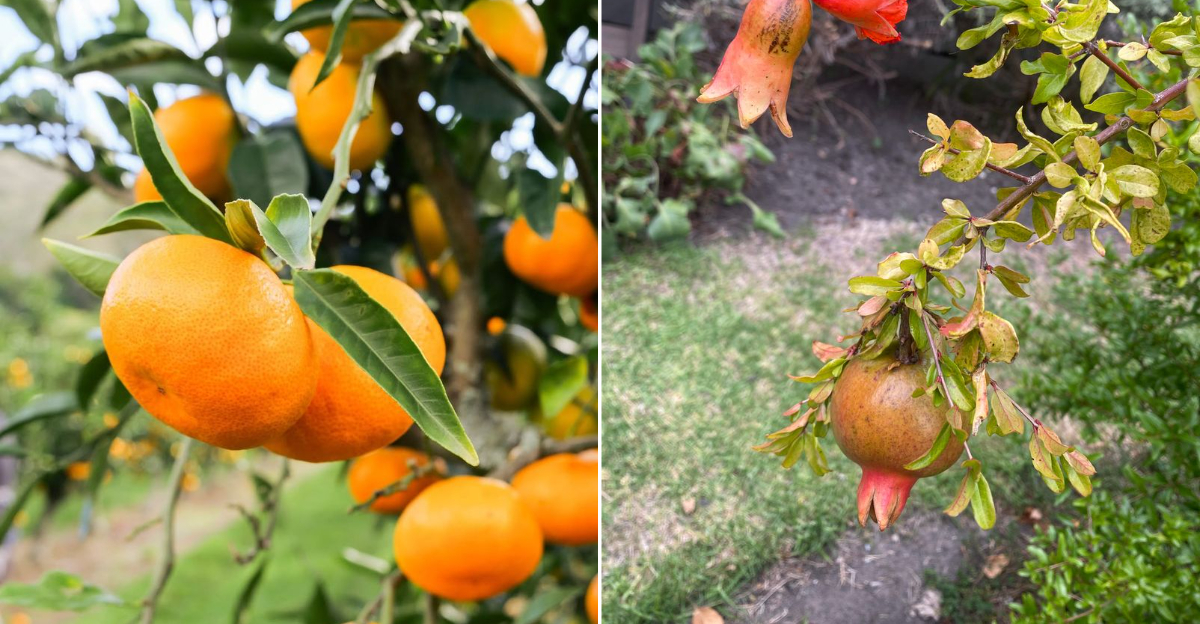
Fertilizing at the wrong time does less good than most people think, and in some cases it actually sets a fruit tree back.
California’s growing calendar moves fast, and there is a specific window when fertilizer goes from helpful to essential for fruit trees that are actively pushing out new growth.
Miss that window and you are feeding a tree when it cannot use what you are giving it. Hit it right and the difference shows up in fruit size, flavor, and how heavily the tree produces through the rest of the season.
Not every fruit tree in your yard needs the same thing right now, and some should not be fertilized at all at this point in the season.
Knowing which trees are ready and what they actually need right now is what separates a productive California orchard from one that looks fine but never quite delivers.
1. Lemons (Eureka, Meyer)
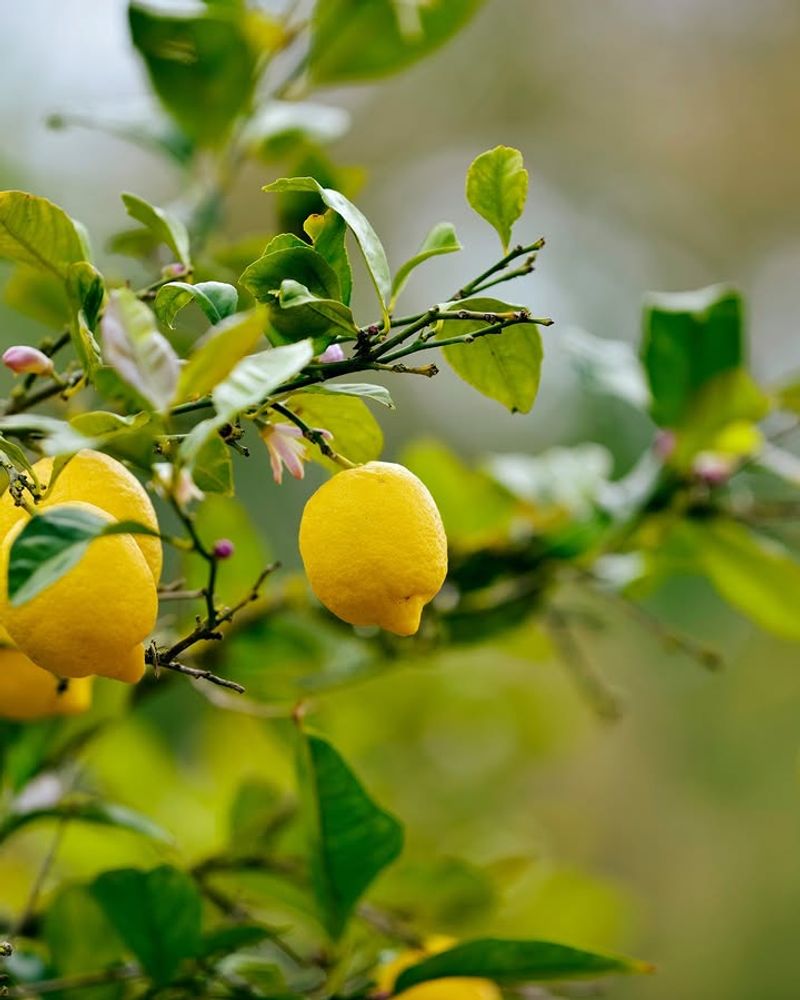
Few things beat walking outside and picking a fresh lemon right off your own tree. Eureka and Meyer lemons are two of the most popular varieties grown across our state, and both respond incredibly well to timely fertilization.
Right now, while the trees are actively growing and flowering, is exactly when they need a steady supply of nutrients to keep production strong.
Use a citrus-specific fertilizer with a higher nitrogen content to support leafy growth and fruit development. Look for products labeled for citrus or fruit trees, and follow the package directions carefully.
Granular slow-release fertilizers work great for in-ground trees, while liquid fertilizers are a solid choice for container-grown Meyer lemons.
Meyer lemons tend to be a bit more forgiving than Eurekas, but both varieties love consistent moisture and regular feeding during the growing season. Feed every six to eight weeks from spring through early fall.
Yellowing leaves are often a sign that your tree is hungry, especially for nitrogen or iron. Adding a micronutrient supplement alongside your regular fertilizer can fix that quickly.
Lemons grown in coastal areas may need slightly more fertilizer than those in warmer inland regions. Keep an eye on your tree after feeding because healthy new growth should appear within a few weeks of a good application.
2. Limes (Bearss, Key)
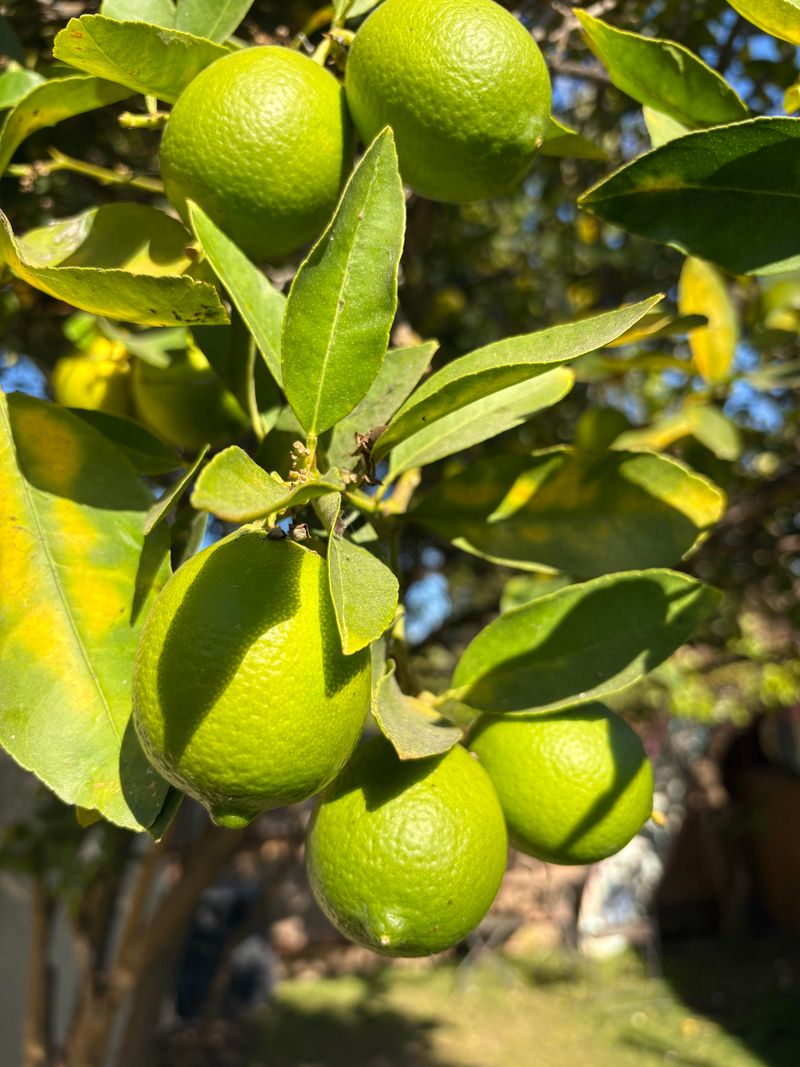
Limes are one of those trees that quietly thrive when you give them just a little extra attention. Bearss limes, also called Persian limes, are the most commonly grown variety in our state because they are seedless, juicy, and incredibly productive.
Key limes are smaller and a bit more finicky, but they reward patient growers with an intense, aromatic flavor that Bearss just cannot match.
Both varieties need fertilizing right now because they are in active growth mode. A balanced citrus fertilizer with added iron and zinc is ideal.
Lime trees are especially prone to micronutrient deficiencies, which show up as yellowing between the leaf veins. Catching this early with a good fertilizer blend keeps the tree looking green and producing well all season long.
For in-ground trees, spread granular fertilizer evenly under the canopy and water it in thoroughly. Avoid piling fertilizer right against the trunk because that can cause damage over time.
Your California Garden Changes Every Week. Your Plan Should Too.
Gardening in California changes quickly throughout the season. Every Friday you’ll receive a simple weekly plan showing exactly what to plant, prune, fertilize, harvest, and protect so you never miss the right timing.
Container-grown Key limes benefit from liquid fertilizer applied every four to six weeks. Limes love warmth, so trees in the southern and central parts of our state often grow faster and may need feeding more frequently.
Consistent watering between fertilizer applications helps nutrients move into the root zone where they are actually needed. A well-fed lime tree can produce fruit nearly year-round in the warmest microclimates.
3. Oranges (Navel, Valencia)
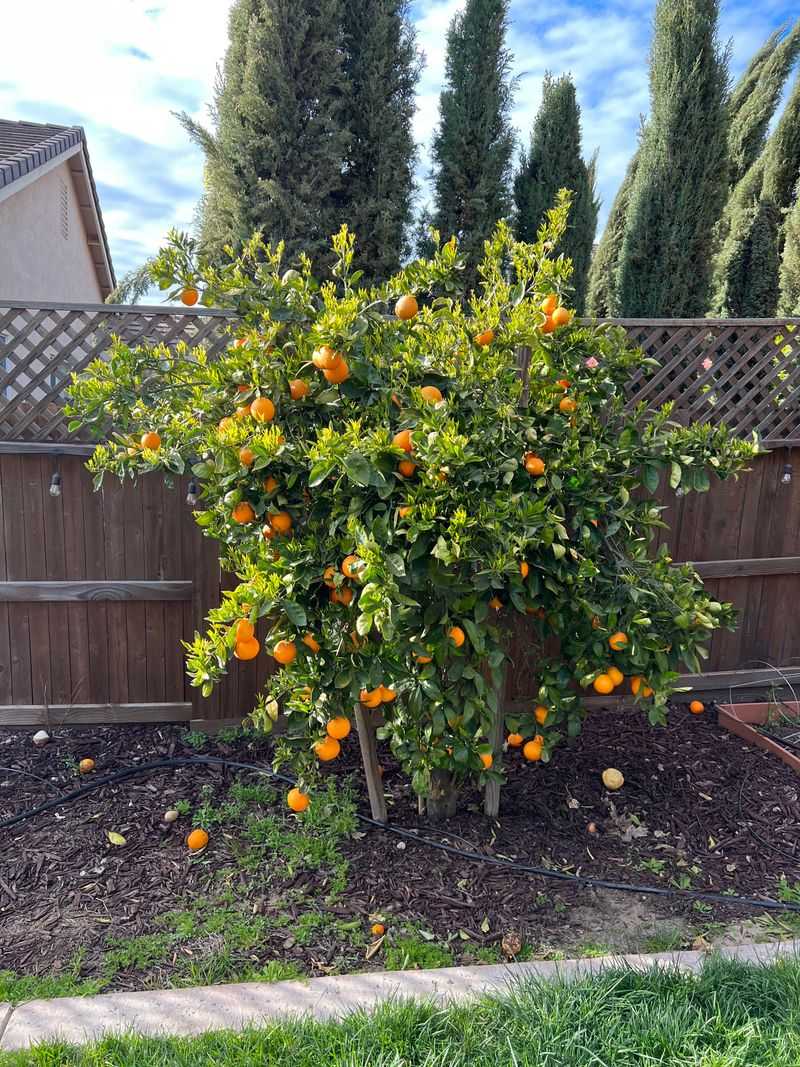
There is a reason oranges are practically a symbol of our state. Navel oranges are a wintertime favorite, while Valencia oranges carry the season all the way into summer, making them one of the longest-producing fruit trees you can grow.
Both varieties are heavy feeders, and fertilizing them right now helps support the fruit that is already sizing up on the tree.
A citrus fertilizer with a good balance of nitrogen, phosphorus, and potassium is the way to go. Nitrogen is the most important nutrient for orange trees during the growing season because it fuels leaf production and overall vigor.
Without enough of it, trees slow down and fruit size can suffer noticeably.
Split your annual fertilizer amount into three or four applications spread from late winter through midsummer. This keeps a steady supply of nutrients available without overwhelming the tree all at once.
For mature trees, use about one pound of actual nitrogen per year for every inch of trunk diameter. Water deeply after each application to push the nutrients down to the roots.
Orange trees in hotter inland areas tend to grow more aggressively and may need slightly more fertilizer than those near the coast.
Watch for signs of iron chlorosis, which looks like yellow leaves with green veins, and treat it with chelated iron if needed.
A healthy orange tree fed on schedule can produce hundreds of fruits in a single season.
4. Mandarins / Tangerines (Satsuma, Gold Nugget)
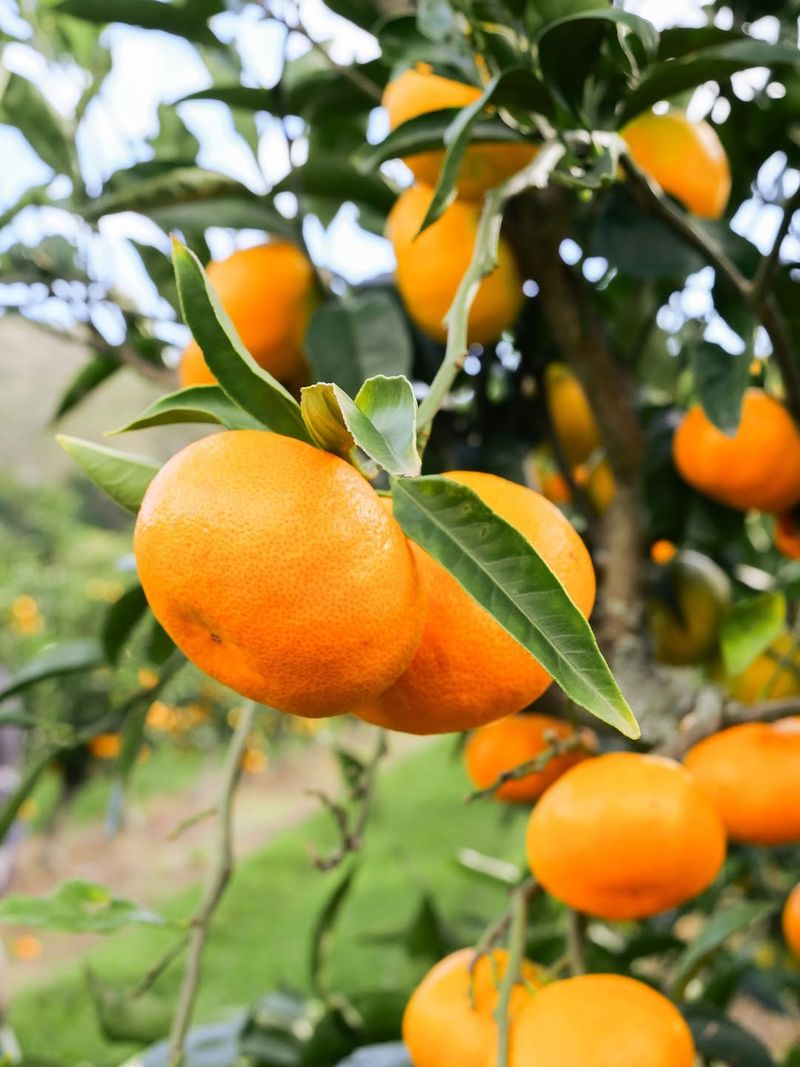
Mandarins might just be the most snackable fruit you can grow at home. Satsumas ripen early in the season and are beloved for their easy-peel skin and sweet, nearly seedless segments.
Gold Nuggets come in a little later and have a rich, honeyed flavor that makes them hard to stop eating. Both varieties are medium-sized trees that fit beautifully in smaller yards or even large containers.
Fertilizing now is especially important for mandarins because they are working hard to develop the fruit that will ripen later in the year.
A citrus blend with a slightly higher potassium level can help improve fruit sweetness and skin quality.
Apply fertilizer in late winter, again in late spring, and once more in early summer for the best results throughout the season.
Satsumas are a bit more cold-tolerant than most citrus, which makes them a smart pick for gardeners in cooler coastal areas or even some northern regions of our state.
Gold Nuggets tend to hold their fruit on the tree for a long time without dropping, which is a real bonus if you like harvesting at your own pace.
Both varieties appreciate deep, infrequent watering combined with consistent fertilization. Mulching around the base of the tree helps retain moisture and keeps the root zone from drying out too quickly between feedings.
Healthy, well-fed mandarins produce fruit that is noticeably sweeter and juicier than neglected trees.
5. Kumquats
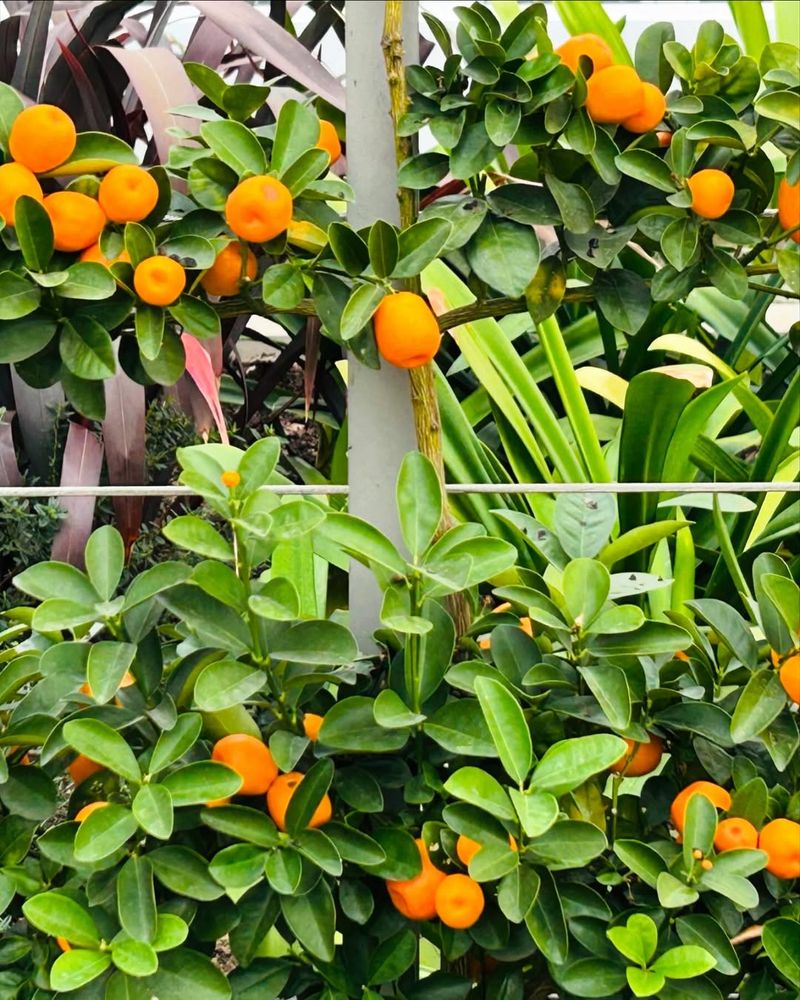
Small but seriously productive, this compact citrus tree earns its place in any California garden and rewards consistent feeding better than most people expect.
Kumquats handle cooler temperatures better than most citrus varieties and can even tolerate a light frost without much drama.
This makes them one of the more forgiving options for gardeners outside the warmest growing zones in the state.
When it comes to fertilizing, use a standard citrus fertilizer but cut the amount roughly in half. Kumquats are much smaller plants than a full sized orange or lemon tree, and overfeeding pushes leafy growth at the expense of fruit.
Every eight weeks during the growing season is a reliable schedule, and container-grown trees especially benefit from staying on that rhythm. That’s because they cannot pull nutrients from surrounding soil the way in-ground trees can.
Adding a light layer of compost around the drip line each spring makes a noticeable difference.
It improves drainage, adds organic matter, and gives the fertilizer something rich to work with as nutrients move down toward the roots.
Kumquats grown in pots respond particularly well to this combination of compost and regular feeding. Keep the schedule consistent and the fruit production stays strong from one season to the next.
6. Avocados
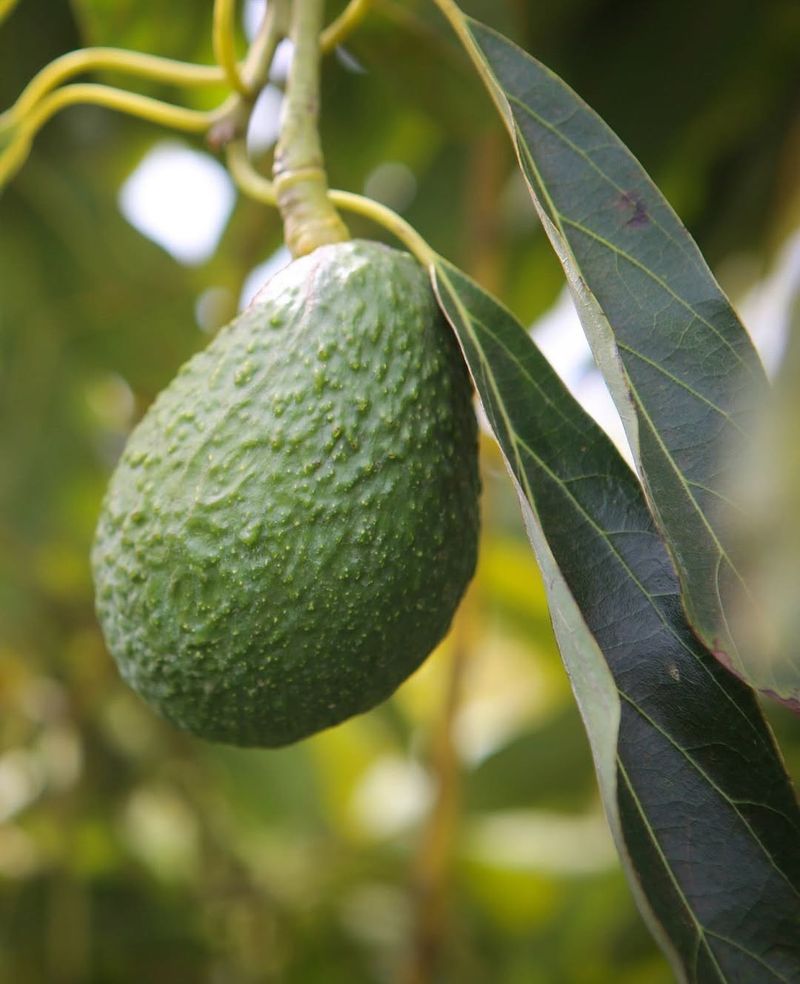
Avocado trees have a well-earned reputation for being a little demanding, but the payoff is absolutely worth it.
Our state produces more avocados than anywhere else in the country, and the secret to those productive trees starts with smart fertilization.
Spring is the most critical window for feeding avocados because the trees are flowering and setting fruit at the same time they are pushing out new vegetative growth.
Use a fertilizer specifically formulated for avocados or one that is high in nitrogen and also contains zinc. Zinc deficiency is incredibly common in avocados and shows up as small, mottled leaves and reduced fruit set.
Applying a zinc sulfate spray or choosing a fertilizer that already includes it can make a noticeable difference in tree health and productivity.
Avocados have shallow, sensitive root systems, so never dig fertilizer into the soil around them. Instead, broadcast granular fertilizer under the entire canopy and let rainfall or irrigation carry it down to the roots.
Young trees need lighter, more frequent applications, while mature trees can handle larger amounts spread over two to three feedings per year. Avocados also respond well to compost and organic mulch, which improve soil structure over time.
Trees grown in heavier clay soils common in some parts of our state may need extra attention to drainage.
Good drainage paired with consistent fertilization is the winning combination for a thriving, fruit-loaded avocado tree.
7. Guavas & Pineapple Guavas
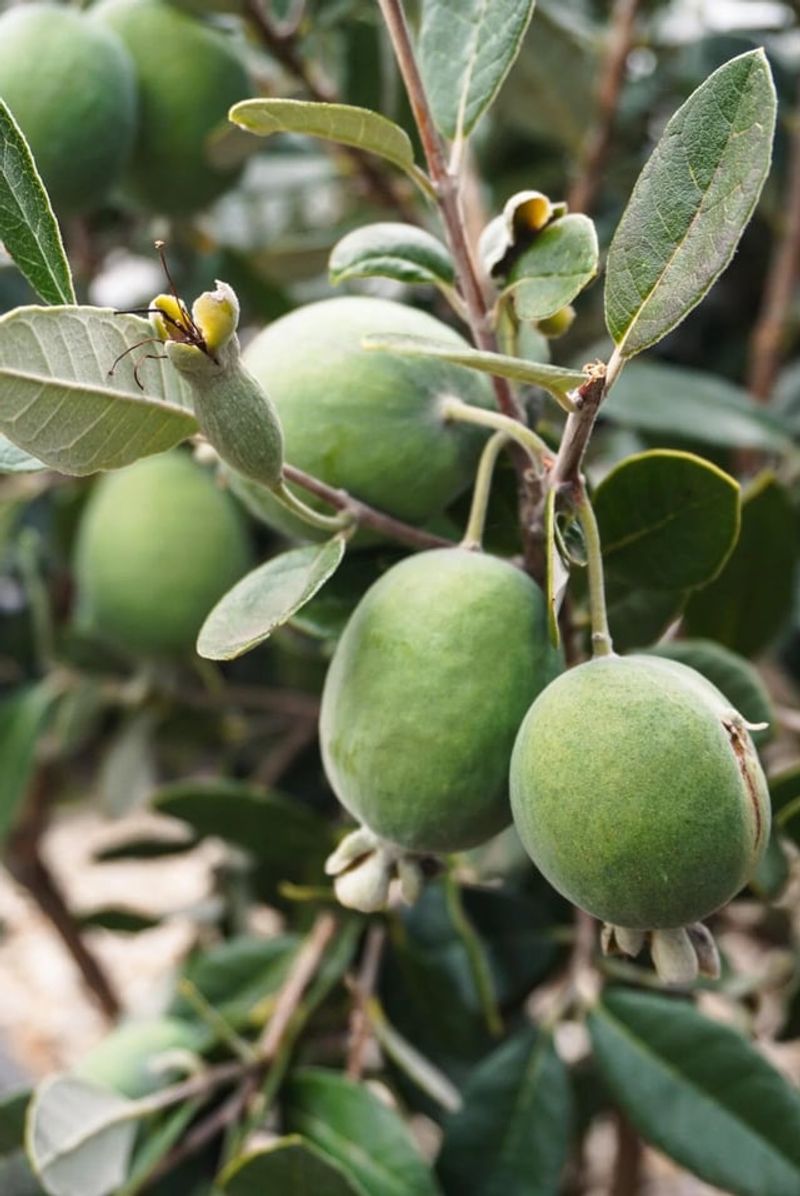
Guavas are one of those fruits that feel almost exotic, yet they grow surprisingly well across much of our state.
Tropical guavas produce sweet, fragrant fruits with pink or white flesh, and they love the warm summers found in inland valleys and southern regions.
Pineapple guava, also called feijoa, is a different plant entirely but equally rewarding, with edible flowers and a fruit that tastes like a cross between pineapple and mint.
Both plants are moderate feeders and appreciate a balanced fertilizer applied in early spring and again in early summer.
A granular fertilizer with equal parts nitrogen, phosphorus, and potassium works well for both.
Avoid going heavy on nitrogen alone because that tends to push leafy growth at the expense of fruit production, which is the opposite of what you want.
Pineapple guava is especially well-suited to coastal climates and can handle more cold than its tropical cousin.
It also works beautifully as a hedge or privacy screen while still producing edible fruit, making it one of the most practical plants for a California garden.
Tropical guava, on the other hand, thrives in heat and needs protection from frost in cooler areas. Both plants appreciate deep watering between fertilizer applications.
Mulching around the base helps conserve moisture and reduces competition from weeds. Regular feeding during the growing season keeps these plants vigorous, productive, and loaded with flavor all season long.
8. Pomegranates
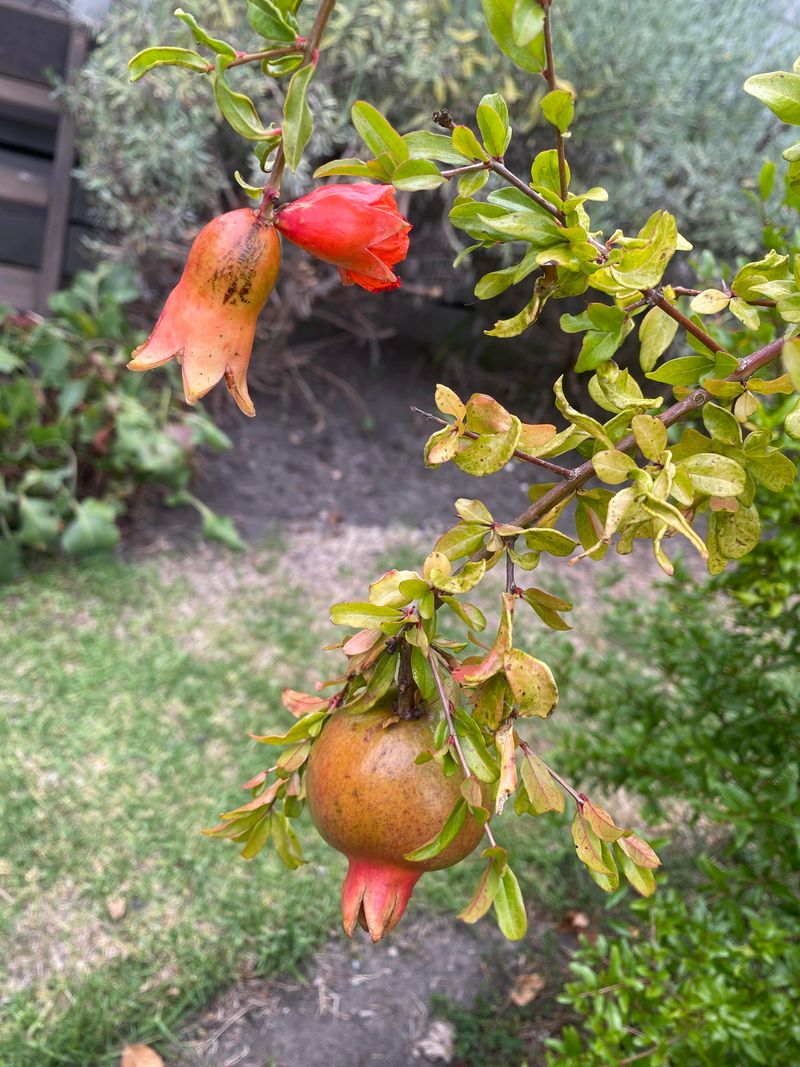
Few fruit trees can match this one when it comes to toughness, beauty, and production in California’s warm climate.
Pomegranates handle heat and poor soil better than almost any other fruit tree you can grow at home, but that resilience does not mean they stop responding to a good feeding.
Get the fertilizing right and the difference shows up clearly at harvest time.
A light application of balanced fertilizer in early spring is all most established pomegranate trees need to kick off strong flowering and solid fruit set. Feeding them once or twice per year is plenty.
More than that actually works against you because overfeeding shifts the tree’s energy away from fruit production and toward unnecessary vegetative growth.
Skip high-nitrogen formulas for the same reason. A balanced granular fertilizer applied at the drip line gives the roots what they need without pushing the tree in the wrong direction.
Deep watering right after fertilizing helps move nutrients down through the soil and into the root zone where they can actually be used.
Pomegranates are drought-tolerant once established, but that deep post-fertilizing watering is worth doing every time. It is a simple step that makes sure the feeding you just applied does not sit on the surface and go to waste.
9. Loquats
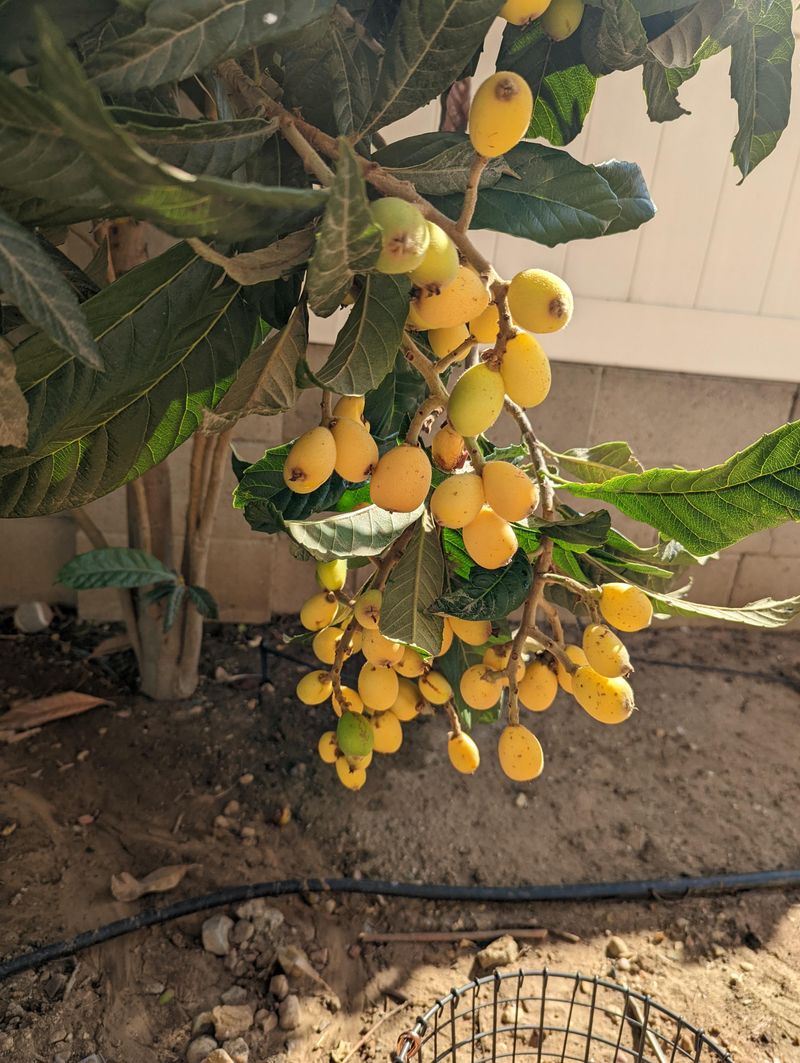
Not everyone knows about loquats, but those who grow them tend to become seriously devoted fans.
These trees produce clusters of small, golden-orange fruits that ripen in late winter to early spring, making them one of the earliest-fruiting trees you can have in your yard.
The flavor is sweet and slightly tart, somewhere between a peach and a mango, and the fruit is absolutely wonderful eaten fresh right off the tree.
Loquats are considered low-maintenance compared to most fruit trees, but that does not mean they do not benefit from fertilizing.
Feeding them now, after the main harvest, helps the tree recover and build energy for next season’s fruit production.
A balanced fertilizer applied two to three times per year is plenty for an established loquat.
Young loquat trees benefit from a bit more nitrogen to help them develop a strong framework of branches.
Once the tree is mature, ease back on the nitrogen and focus on a balanced blend that supports overall health.
Loquats are also one of the more ornamental fruit trees available, with large, leathery, dark green leaves that look attractive year-round.
They grow well in both coastal and inland areas of our state, and they are fairly tolerant of a range of soil types. Keep the area under the canopy mulched and watered consistently after each feeding.
A well-nourished loquat tree is a truly stunning addition to any edible landscape, beautiful and productive in every season.