The Worst Mistakes That Ruin Amaryllis Blooms In Texas Homes
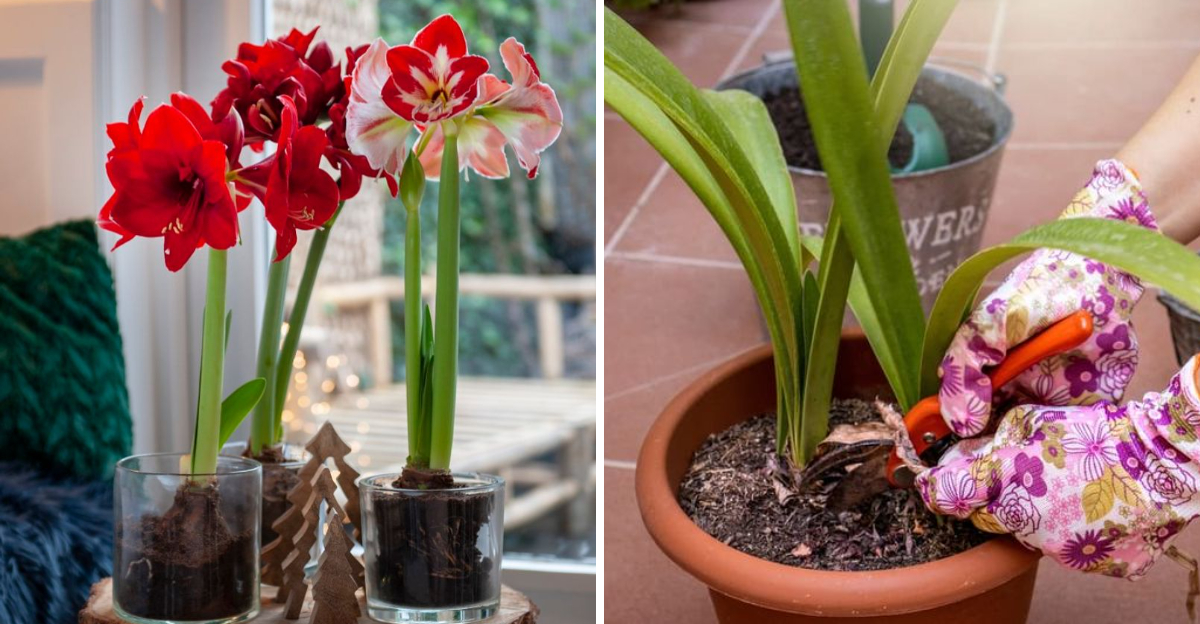
Amaryllis has one of the most dramatic bloom cycles of any houseplant you can grow in Texas, and when it performs the way it’s supposed to, the results are genuinely spectacular.
Those tall stalks topped with oversized, richly colored flowers command attention in a way that most indoor plants simply cannot compete with.
It’s the kind of show that makes people stop and ask what you’re growing. Which makes it all the more frustrating when the blooms don’t show up, or when they arrive small and underwhelming, or when the whole cycle seems to fall apart somewhere between the bulb going dormant and the flowers you were counting on.
Most amaryllis problems in Texas homes aren’t random – they trace back to specific, fixable mistakes that happen at predictable points in the plant’s annual cycle.
Understanding where things typically go wrong is the first step toward getting the kind of bloom performance this plant is genuinely capable of delivering.
1. Overwatering The Bulb
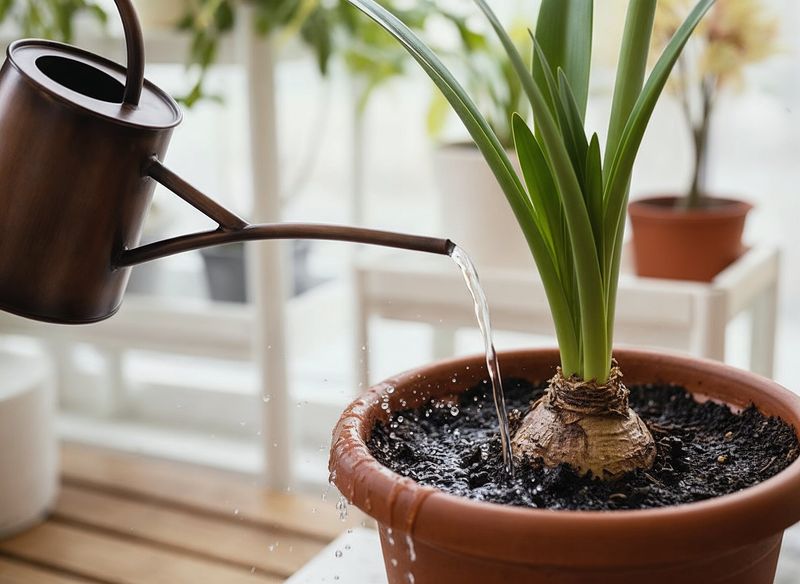
Watering your amaryllis feels like the most natural thing in the world, but doing it too much is one of the fastest ways to wreck your plant. Amaryllis bulbs are not like most houseplants.
They store a lot of moisture on their own, and they really do not need constant watering to stay healthy.
In Texas, indoor humidity can already be higher than people expect, especially during spring and summer. When the soil stays wet for too long, the bulb begins to soften and rot from the inside out.
You might not even notice until the stem starts to wobble or the leaves turn yellow and mushy at the base.
The trick is to water only when the top inch of soil feels dry to the touch. Stick your finger about an inch into the soil before reaching for the watering can. If it still feels damp, leave it alone for another day or two.
After the blooms fade, water even less. The bulb is heading toward its rest period, and it needs drier conditions to prepare for the next round of flowers.
Many Texas gardeners make the mistake of continuing to water heavily even after blooming has ended, which stresses the bulb and makes reblooming much harder.
Use a well-draining potting mix and never let your pot sit in standing water. A mix designed for succulents or cacti works well for amaryllis.
Getting the watering routine right is probably the single most important step you can take to protect your blooms.
2. Keeping The Plant In Low Light
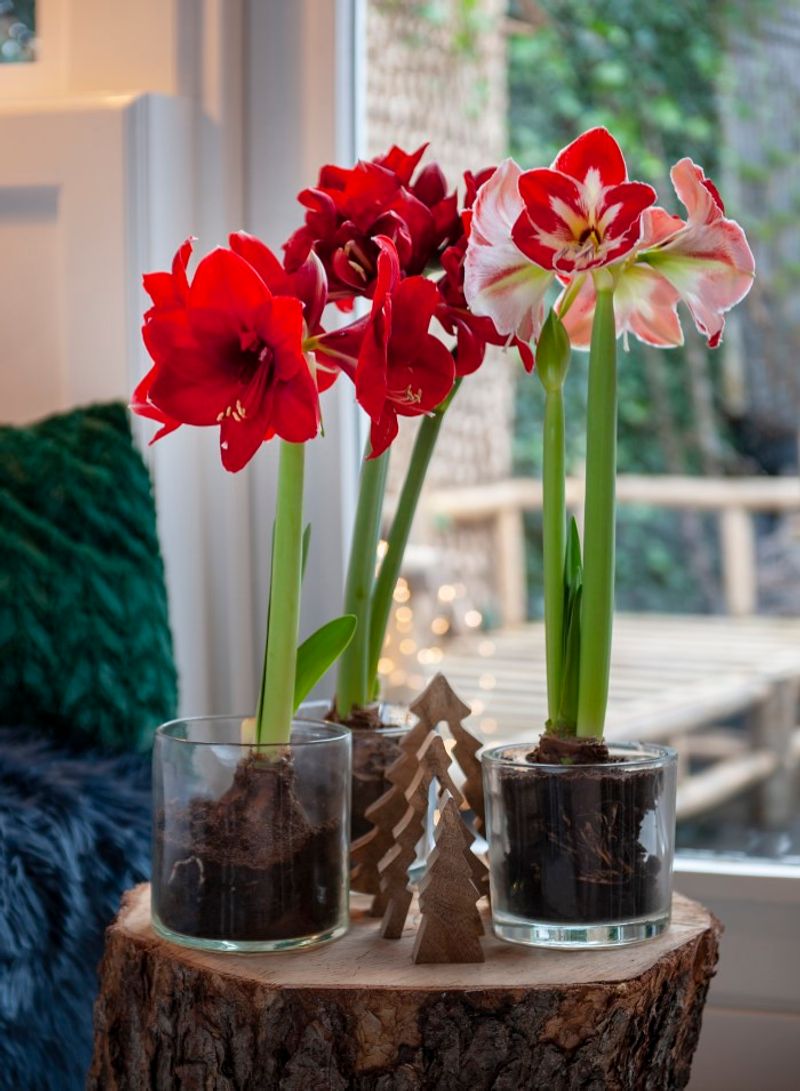
Sunlight is basically fuel for your amaryllis plant, and without enough of it, the results are pretty disappointing.
A plant that does not get enough bright light will grow tall and spindly, with a weak stem that flops over before the flowers even open. The blooms themselves tend to be smaller and fewer in number.
Texas has no shortage of sunshine, which actually works in your favor if you place your plant in the right spot. A south-facing or west-facing window is usually the best location inside a Texas home.
Your Texas Garden Changes Every Week. Your Plan Should Too.
Gardening in Texas changes quickly throughout the season. Every Friday you’ll receive a simple weekly plan showing exactly what to plant, prune, fertilize, harvest, and protect so you never miss the right timing.
These windows catch the strongest light during the day and give your amaryllis the energy it needs to produce full, healthy blooms.
Many people make the mistake of setting their amaryllis on a coffee table or bookshelf where it looks pretty but gets almost no direct light. The plant might survive, but it will not thrive.
You will end up with a lot of green leaves and very few flowers, which is frustrating after all the care you put in.
Aim for at least six hours of bright, indirect or direct sunlight each day. If your windows do not provide enough natural light, a grow light placed a few inches above the plant can do the job.
Grow lights are especially helpful during the shorter days of winter when even Texas skies can be a bit gloomy.
Rotate the pot every few days so all sides of the plant receive even light exposure. This simple habit keeps the stem growing straight and helps every bloom open up fully and beautifully.
3. Using Pots Without Drainage
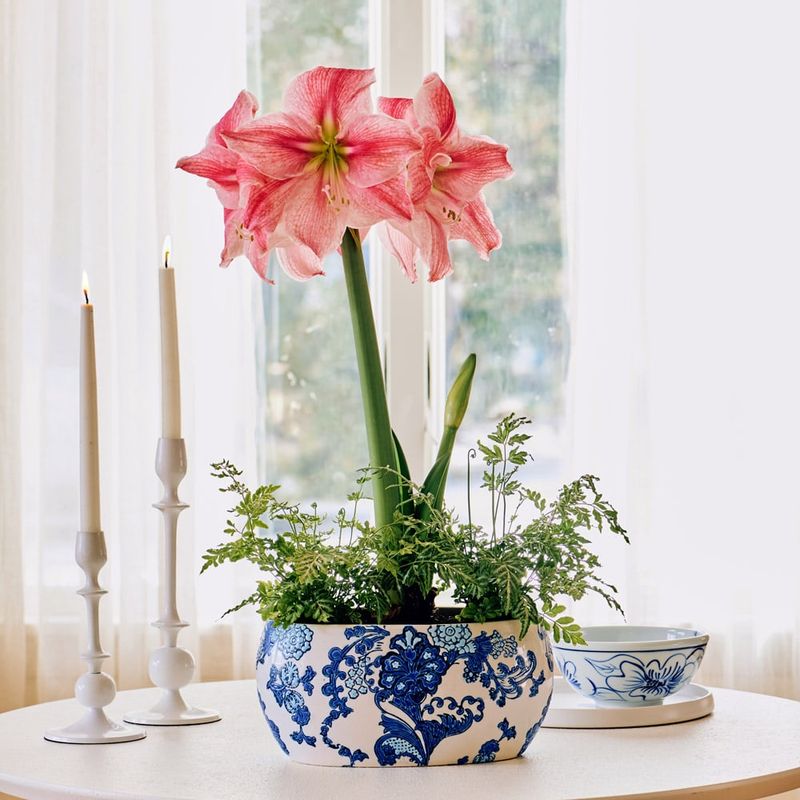
Decorative pots are tempting because they look so good on a shelf or dining table. But if that pot does not have a drainage hole at the bottom, you are setting your amaryllis up for a rough time.
Standing water at the bottom of a pot creates the perfect environment for fungal problems and root rot.
Here in Texas, where temperatures can swing from warm and humid to dry and hot within the same week, moisture management is especially tricky indoors.
A pot without drainage holds onto every drop of water you add, and the bulb ends up sitting in that trapped moisture with no way for it to escape.
Fungal infections like basal rot are a real threat to amaryllis bulbs, and poor drainage is one of the leading causes. Once basal rot sets in, it moves fast and can destroy the bulb before you even realize something is wrong.
The outer layers of the bulb turn soft and brown, and the plant loses its ability to send up new growth or flowers.
The simplest fix is to use a pot with at least one drainage hole and place a saucer underneath to catch excess water. Empty that saucer after every watering so the pot is never sitting in a puddle.
If you love the look of a decorative container, just drop a smaller plastic pot with drainage inside it.
Choosing the right pot size also matters. A pot that is only about an inch or two wider than the bulb on each side gives roots room to grow without holding too much extra soil and moisture.
4. Skipping The Dormancy Period
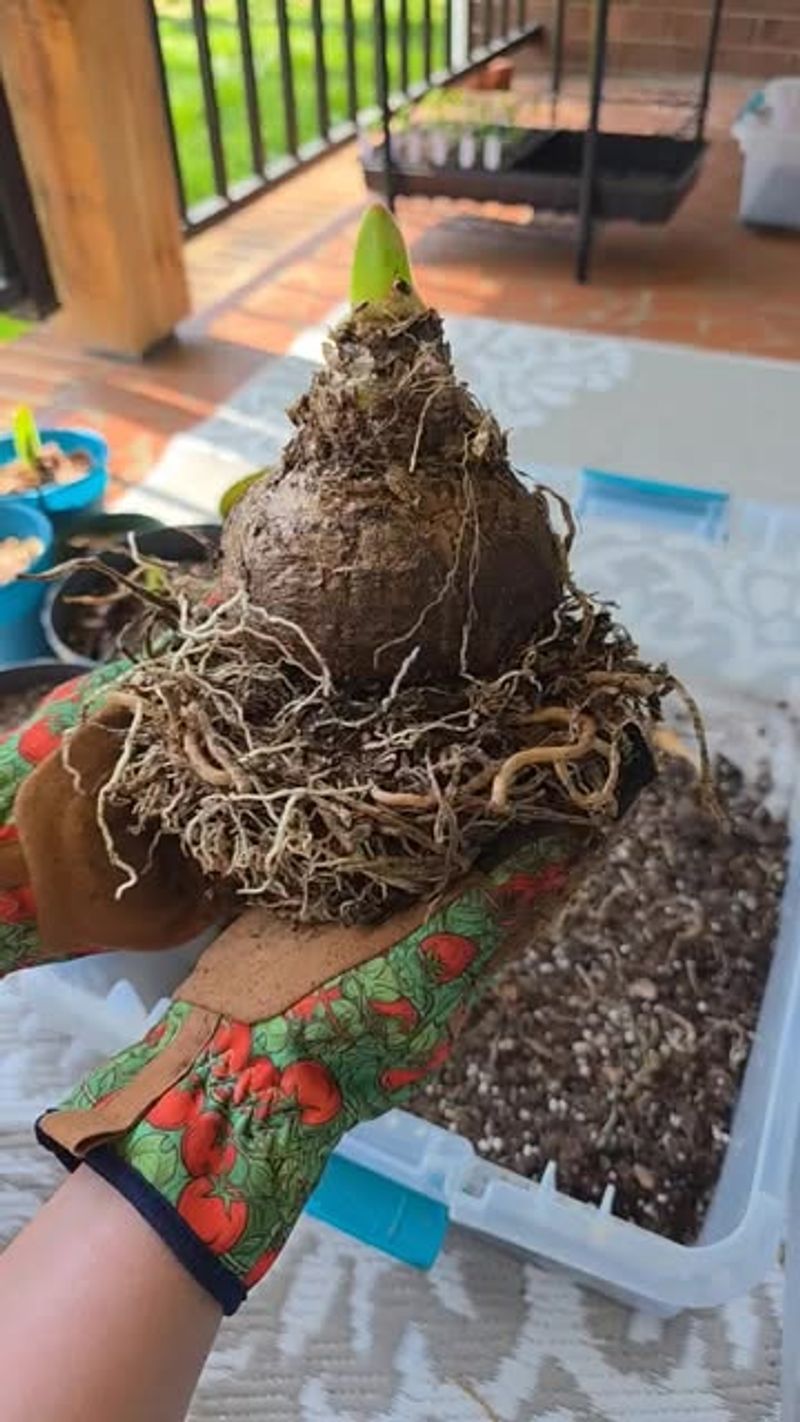
Most people do not realize that amaryllis bulbs need a real break between blooming seasons. Skipping the dormancy period is one of the most common reasons Texas gardeners end up with a healthy-looking plant that simply refuses to bloom again.
The bulb needs time to rest and rebuild its energy before it can produce another round of flowers.
Dormancy usually happens in late summer or early fall. Around that time, you should gradually stop watering and move the plant to a cool, dark spot where it can rest undisturbed.
A closet, a garage corner, or even a cool interior room works well in Texas, as long as temperatures stay somewhere between 50 and 60 degrees Fahrenheit.
During dormancy, the leaves will yellow and drop naturally. That is completely normal and not something to panic about.
Leave the bulb in its pot or remove it and store it in dry peat moss. Either way, keep it away from light and moisture for about eight to ten weeks.
After the rest period, bring the bulb back into a warm, bright spot and start watering lightly again. Within a few weeks, you should see a new shoot pushing up from the center of the bulb. That is your signal that the plant is ready to grow and bloom again.
Many gardeners in Texas skip this step because the plant still looks green and they feel bad letting it go dormant.
But giving your amaryllis that mandatory rest is truly what makes the difference between a plant that blooms once and one that rewards you with flowers every single year.
5. Placing Plants Near Heat Vents Or Hot Windows
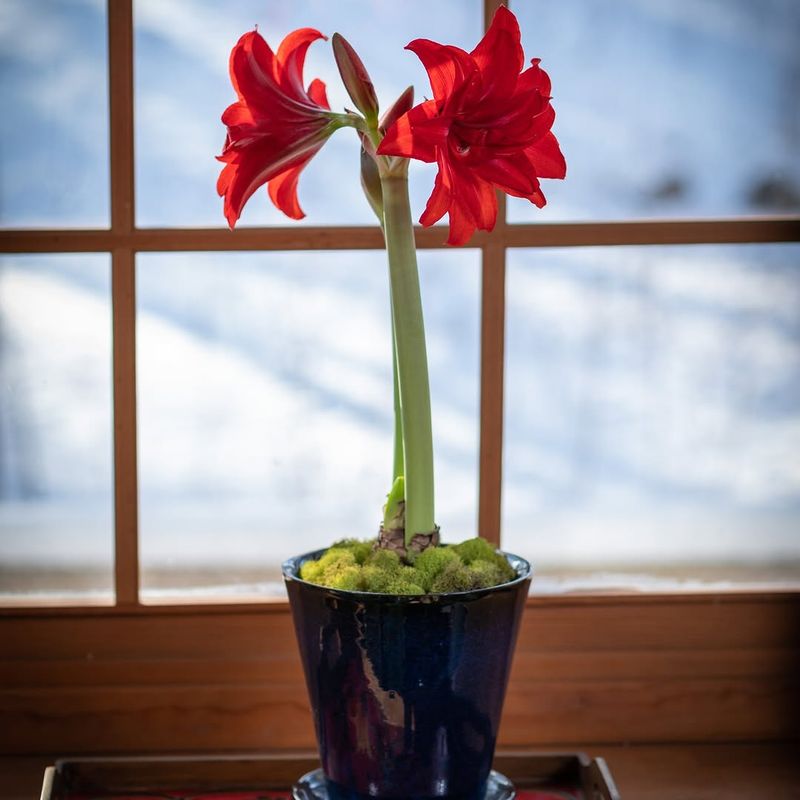
Texas homes can get seriously warm, and heating vents or sun-baked windows create pockets of intense heat that can really hurt your amaryllis blooms.
Most people pick a window spot thinking more warmth equals faster growth, but too much heat actually shortens the life of the flowers dramatically.
When an amaryllis bloom is exposed to hot, dry air from a heating vent, the petals start to dry out faster than they should.
Flowers that might have lasted two to three weeks in a comfortable spot can fade within just a few days when placed too close to a heat source. That is a big deal when you have been waiting months for those blooms to appear.
South-facing windows in Texas can also get surprisingly intense during winter afternoons. While bright light is good, direct afternoon sun combined with heat radiating through the glass can scorch the petals and cause them to turn brown at the edges.
It is a balance that takes a little attention to get right. The ideal temperature range for amaryllis blooms is between 65 and 75 degrees Fahrenheit. Keeping the plant in a spot that stays within that range helps the flowers stay open and vibrant for as long as possible.
If you want to slow down blooming and make the flowers last even longer, move the plant to a slightly cooler room at night.
Check the area around your chosen spot before placing your amaryllis there. Hold your hand near the vent or window at different times of day to feel how much heat is coming through. A little planning goes a long way when protecting those gorgeous blooms.
6. Cutting Off Healthy Leaves Too Early
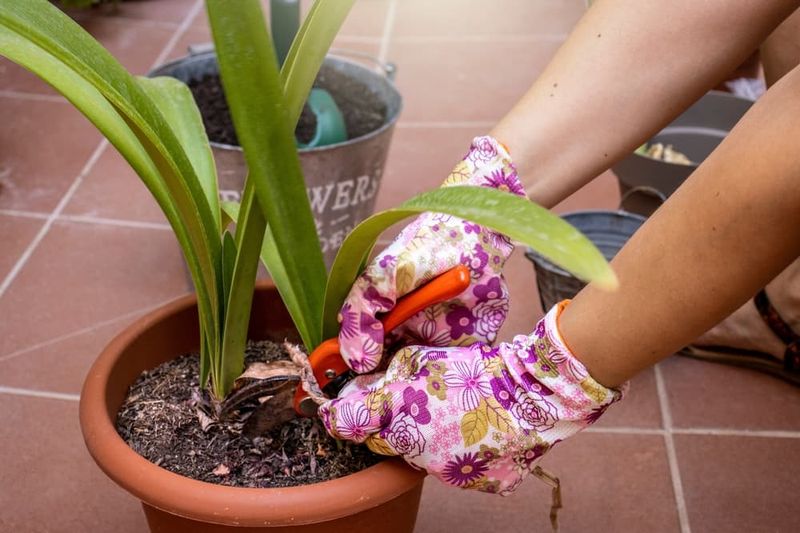
Once the flowers are gone, a lot of people look at those long, strap-like leaves and think they are just in the way.
Cutting them off seems like a tidy solution, but it is actually one of the worst things you can do to your amaryllis. Those leaves are working hard even when the blooms are long gone.
After flowering, the leaves soak up sunlight and convert it into energy that gets stored directly in the bulb. That stored energy is what fuels next year’s blooms.
Cut the leaves off too soon, and the bulb does not have enough fuel to produce flowers when the time comes. You might get leaves next season, but no blooms, which is a huge letdown.
In Texas, where the growing season stretches longer than in most other parts of the country, you actually have a great advantage. The warm weather means your amaryllis leaves can keep photosynthesizing well into fall if you let them.
Take full advantage of that extra time by leaving the leaves in place as long as they stay green and healthy.
Only remove a leaf once it has fully yellowed and dried out on its own. At that point, it has done its job and can be pulled away gently or snipped close to the base. Never yank a leaf that still has any green color left in it.
Think of the post-bloom period as the most important growing phase of all. Keep the plant in a sunny window, water it moderately, and give those leaves the time they need. Your future blooms depend on the work happening right now beneath the surface.