Shade-Loving Flowers That Don’t Need Full Sun To Bloom In California
Shady spots in a California yard can feel like scary when it comes to flowers. Most bloom-heavy plants want full sun along north-facing walls or beside covered patios tend to get skipped over or filled with something green just to cover the bare ground.
The assumption that shade means no color is one of the more common mistakes California gardeners make.
There is actually a solid lineup of flowering plants that not only survive in low light conditions but genuinely prefer them.
They bloom fuller, last longer, and hold their color better when they are kept out of the harsh afternoon sun that bakes most California yards through the summer months. Shade gives these plants exactly the conditions they were built for.
Once you know which flowers belong in those darker corners, the spots you were ignoring become some of the most interesting and colorful parts of your entire garden.
1. Hellebores
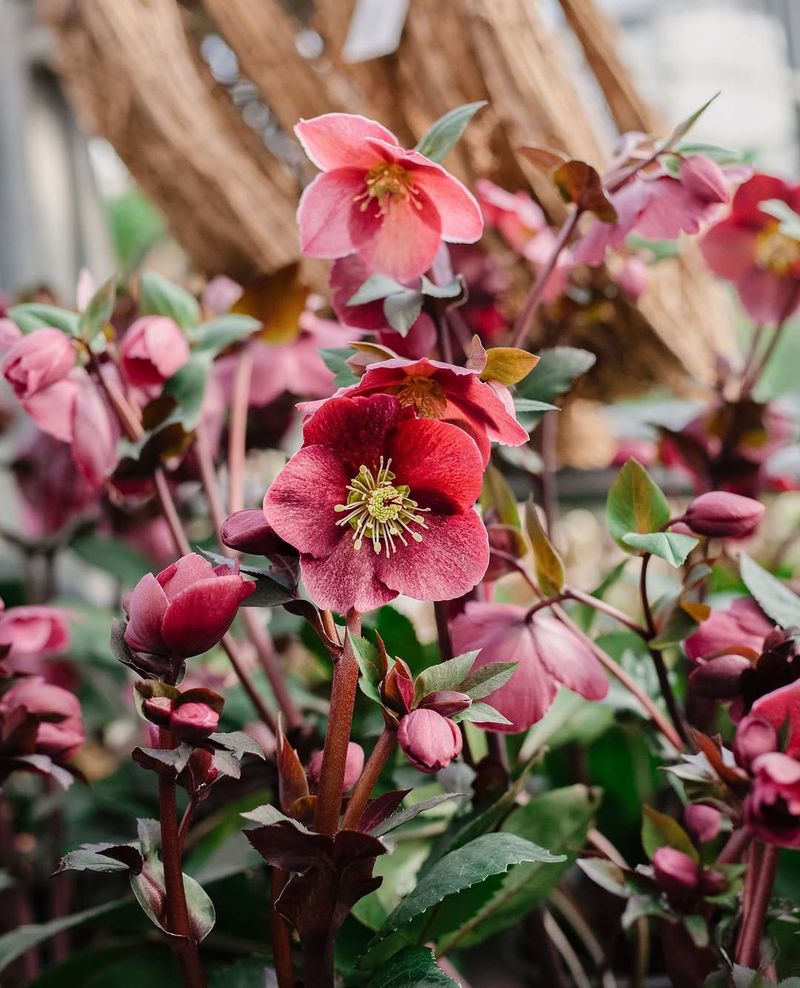
Few flowers have the quiet drama of a hellebore nodding its head in a shaded garden corner. Often called the Lenten Rose, this plant blooms in late winter and early spring when almost nothing else is flowering.
That alone makes it a standout in any yard.
Hellebores prefer dappled shade and well-drained soil. They do not like sitting in soggy ground, so make sure your planting spot has good drainage.
Once established, they are surprisingly tough and low-maintenance, needing very little water during dry months.
What makes hellebores especially appealing is their long bloom season. The flowers can last for weeks, sometimes months, slowly fading into papery seed heads that still look decorative.
Colors range from creamy white and soft pink to deep burgundy and almost black.
In our state, hellebores grow well in USDA zones 6 through 9, which covers most of the inland and coastal regions. Plant them under deciduous trees where they get winter sun and summer shade.
They spread slowly over time and can fill a shady bed with minimal effort. Gardeners who want a flower that practically takes care of itself will love adding hellebores to their collection.
2. Camellias
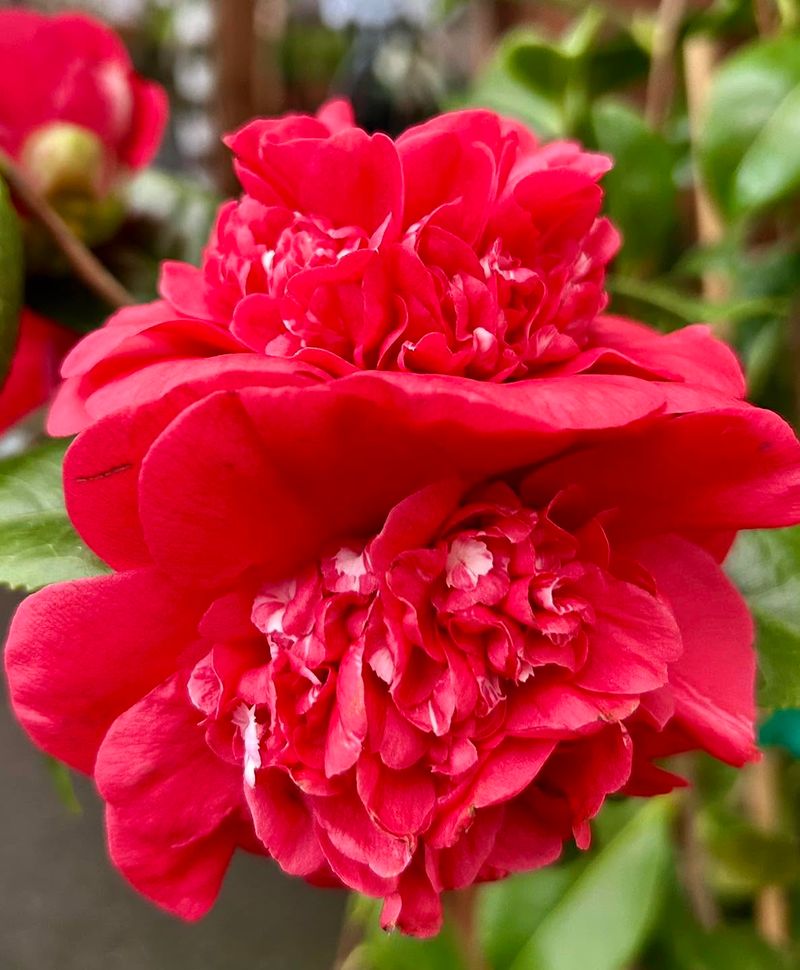
There is something almost old-fashioned and romantic about a camellia in full bloom. These shrubs produce large, showy flowers that look like they belong in a painting.
They have been beloved in gardens across our state for generations, and for good reason.
Camellias thrive in partial shade, especially the filtered light found under tall trees. Direct afternoon sun can actually scorch their leaves and fade their blooms.
Morning sun with afternoon shade is the sweet spot for getting the best flowers season after season.
Most varieties bloom from fall through early spring, which means they fill the garden with color during the months when other plants are resting. Flowers come in white, pink, red, and even striped patterns.
The blooms can be small and simple or large and fully double, depending on the variety you choose.
Soil matters a lot with camellias. They prefer slightly acidic, well-draining soil rich in organic matter.
Adding compost or pine bark mulch around the base helps keep moisture in and roots cool. In our state, they grow exceptionally well along the coast and in areas with mild winters.
Your California Garden Changes Every Week. Your Plan Should Too.
Gardening in California changes quickly throughout the season. Every Friday you’ll receive a simple weekly plan showing exactly what to plant, prune, fertilize, harvest, and protect so you never miss the right timing.
With proper care, a camellia can live and bloom for decades, becoming a true garden centerpiece.
3. Azaleas
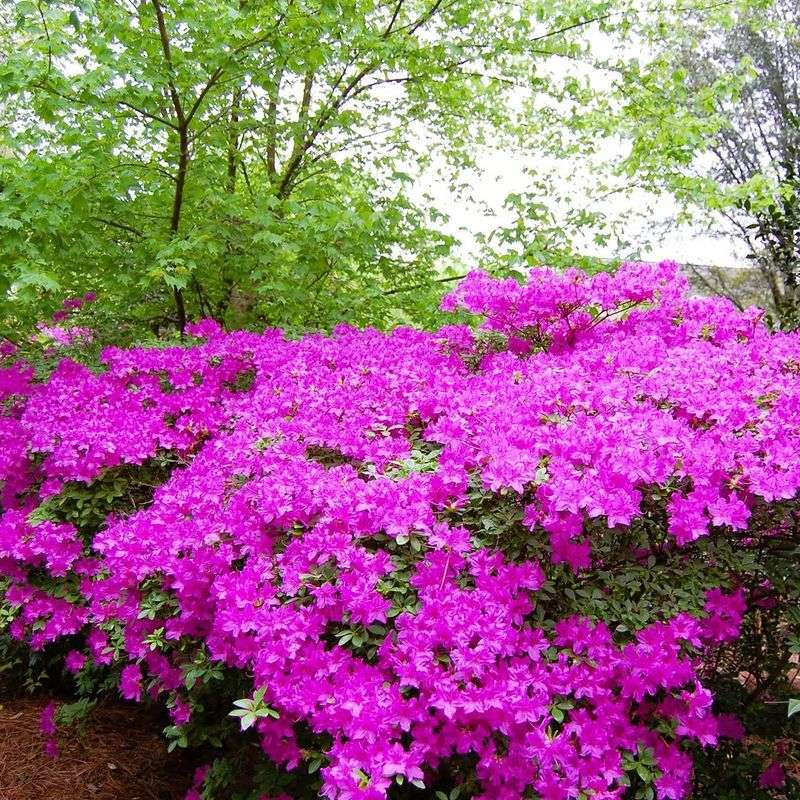
Walk past a blooming azalea in spring and it is almost impossible not to stop and stare. These shrubs put on one of the most colorful flower shows of any shade-loving plant.
The blossoms come in shades of pink, purple, red, orange, and white, often covering the entire plant at once.
Azaleas belong to the rhododendron family and share the same love of acidic, well-draining soil. They do best in partial shade, especially in warmer parts of our state where afternoon sun can be intense.
A spot with morning light and afternoon shade keeps them happy and blooming strongly.
One of the best things about azaleas is how long-lived they are. With the right conditions, these shrubs can thrive for many years with minimal fuss.
They do appreciate consistent moisture, so regular watering during dry spells is important, especially for younger plants getting established.
Did you know that azaleas are one of the most popular flowering shrubs in the world? They have been cultivated for centuries in Asia and Europe before becoming garden staples here.
In our state, both evergreen and deciduous varieties perform well. Evergreen types are especially popular because they keep their leaves year-round, giving the garden structure even when the flowers are not in bloom.
4. Hydrangeas
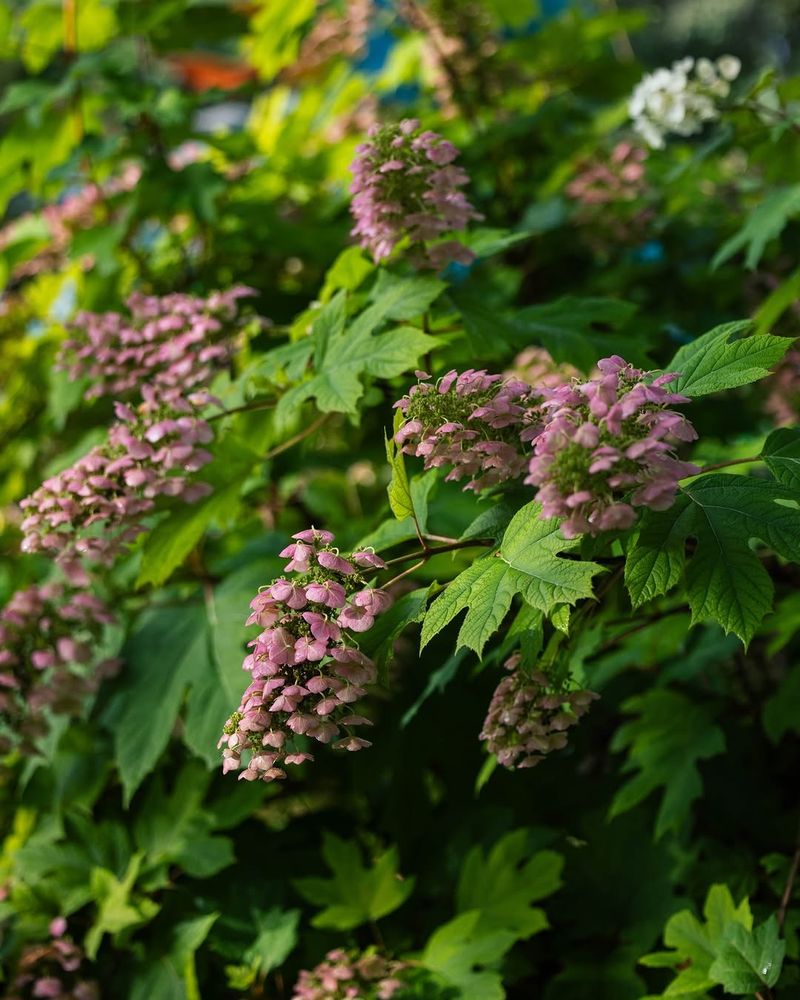
Hydrangeas are one of those plants that make a garden look instantly lush and established. Their big, round flower clusters, sometimes called mopheads, come in shades of blue, purple, pink, and white.
The color can even change depending on the pH of your soil, which makes growing them feel a little like a science experiment.
Most hydrangeas prefer morning sun with afternoon shade. In hotter inland areas of our state, too much direct sun causes the leaves to wilt and the flowers to fade quickly.
A shadier spot actually helps the blooms last longer and keeps the foliage looking fresh all season.
Bigleaf hydrangeas, also known as Hydrangea macrophylla, are the most common type grown in our state. They bloom in summer and can be pruned after flowering to encourage a strong show the following year.
Panicle and oakleaf varieties are also great options, with the oakleaf type being particularly drought-tolerant once established.
Watering is key for hydrangeas. They are not fans of dry soil and will let you know with drooping leaves.
A thick layer of mulch around the base helps hold moisture between waterings. Planted near a shady fence or under a large tree, hydrangeas can transform a dull corner into a breathtaking focal point every single summer.
5. Foxgloves
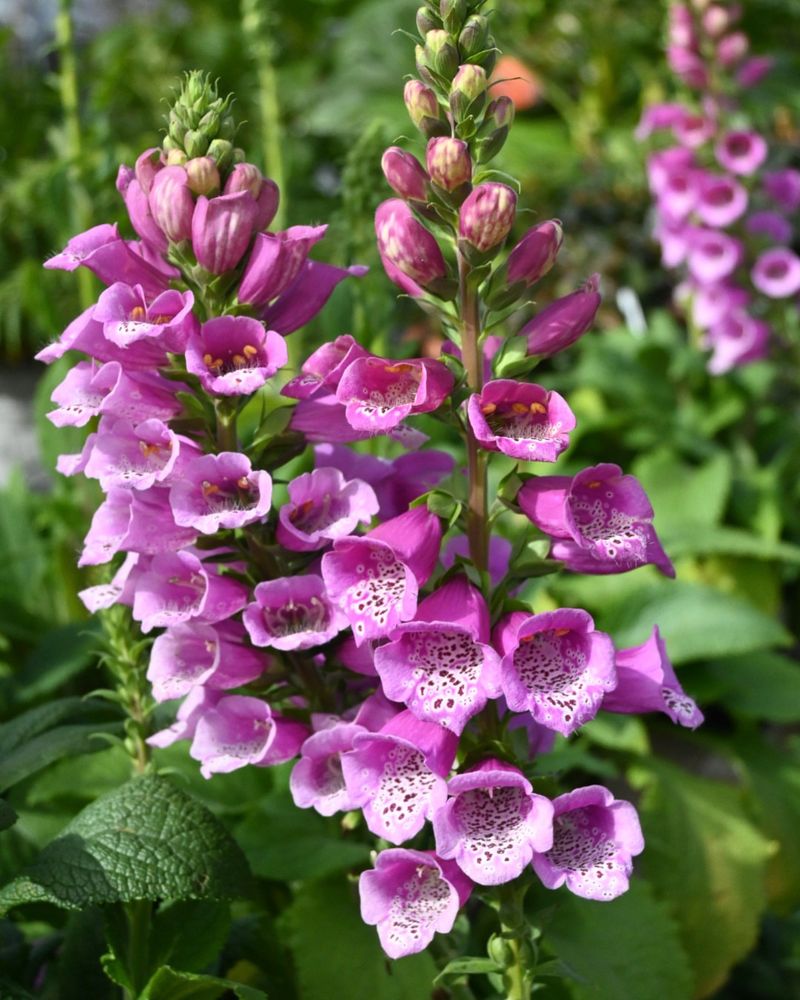
Tall, dramatic, and a little wild-looking, foxgloves bring a storybook quality to any shaded garden. Their long spikes of tubular flowers, covered in speckled patterns inside, rise above the foliage like nature’s own tower of blooms.
Bees and hummingbirds absolutely love them.
Foxgloves are biennials, which means they grow leaves the first year and then flower in the second year before setting seed and finishing their cycle. Many gardeners plant them in groups so there are always some in bloom while others are just getting started.
Once you have foxgloves in your garden, they tend to reseed themselves and come back year after year.
They grow best in partial to full shade and prefer cool, moist conditions. In our state, they do particularly well in coastal areas and in the northern regions where summers are not too hot.
Inland gardens can still grow them successfully in shaded beds with regular watering during warm months.
Colors range from pale lavender and soft pink to deep purple and creamy white, with intricate spots and markings inside each bell-shaped flower. Plant them at the back of a border for height and drama.
Foxgloves pair beautifully with ferns, hostas, and other shade-loving plants, creating a layered, textured look that feels both natural and intentional.
6. Columbines
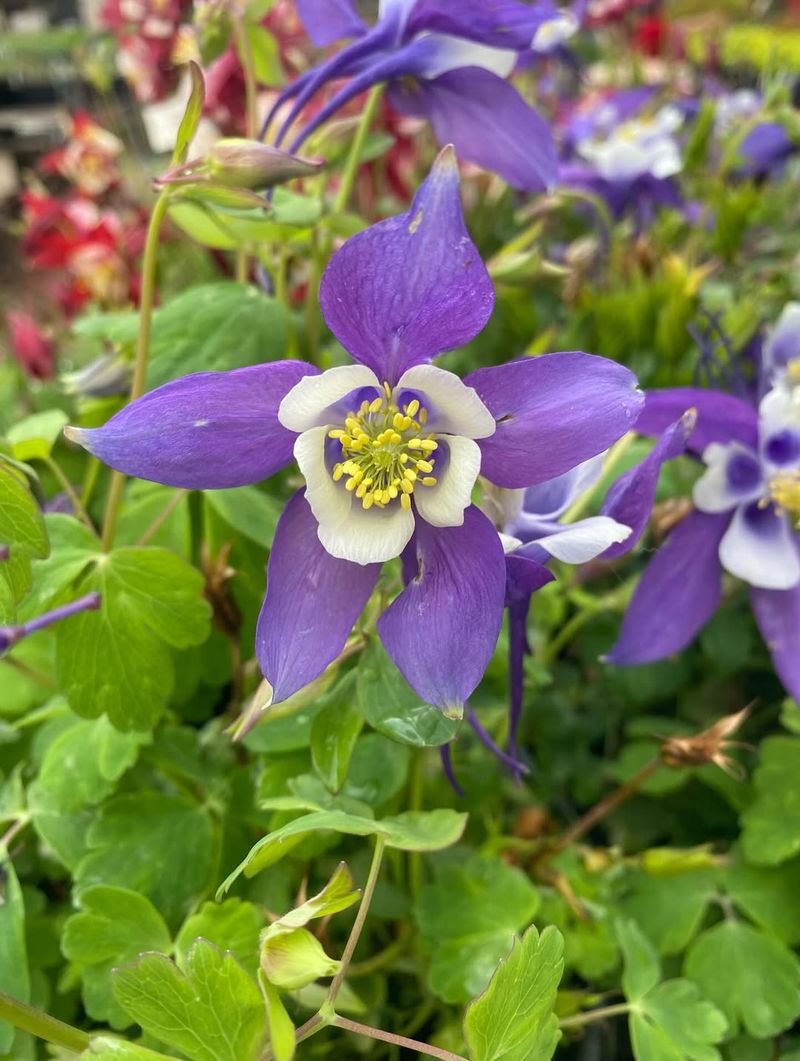
There is something genuinely whimsical about columbines. Their uniquely shaped flowers, with long backward-pointing spurs and layers of delicate petals, look like they were designed by a fantasy artist.
They nod gently in the breeze and attract hummingbirds with an almost magnetic pull.
Native columbines, such as Aquilegia formosa, grow naturally in the shaded woodlands and hillsides of our state. They are perfectly adapted to the local climate and soil, making them one of the easiest shade flowers to grow here.
Non-native hybrid varieties also perform well and offer a wider range of colors including yellow, blue, white, and bicolors.
Columbines prefer partial shade and well-drained soil. They bloom in spring and early summer, filling the garden with color right when the season is picking up energy.
After blooming, the seed heads are also attractive and can be left on the plant to self-sow for the following year.
One of the best things about columbines is that they are relatively short-lived perennials, but they compensate by reseeding generously. A small patch can slowly spread into a beautiful colony over a few seasons.
They work wonderfully in naturalistic garden designs and look stunning planted near rocks, ferns, or along shaded pathways where their delicate flowers can be appreciated up close.
7. Violas
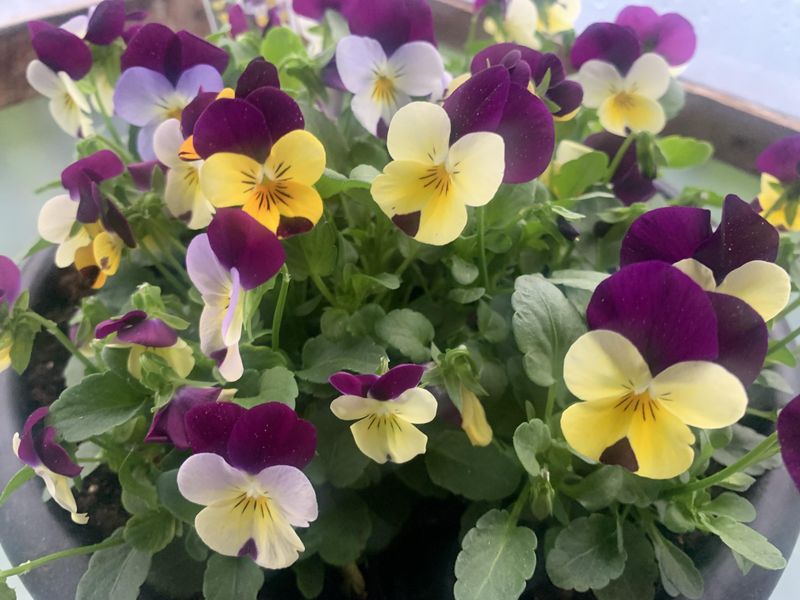
Cheerful, compact, and surprisingly tough, violas are one of the most reliable flowers you can grow in a shaded spot. Their small, face-like blooms come in an enormous range of colors and patterns, from solid purple and yellow to multicolored combinations with dark center markings.
They have a charm that is hard to resist.
Violas are cool-season flowers that thrive in fall, winter, and early spring in our state. They actually prefer lower light and cooler temperatures, which makes them ideal for shaded garden beds and containers during the months when shade is most pronounced.
Hot summer sun causes them to struggle, so timing your planting is important.
Plant violas in moist, fertile soil and keep them well-watered. Deadheading spent blooms regularly encourages the plant to keep producing new flowers.
They are also excellent in window boxes, hanging baskets, and along garden borders where their trailing habit looks effortlessly pretty.
A fun fact worth sharing: violas have been used in cooking for centuries. Their edible flowers can be used to garnish salads, decorate cakes, and even make flavored syrups.
Beyond their culinary uses, violas are simply one of the friendliest-looking flowers around. Kids especially love them, and they make a wonderful first plant for young gardeners learning the basics of flower gardening in a shaded yard.
8. Primroses
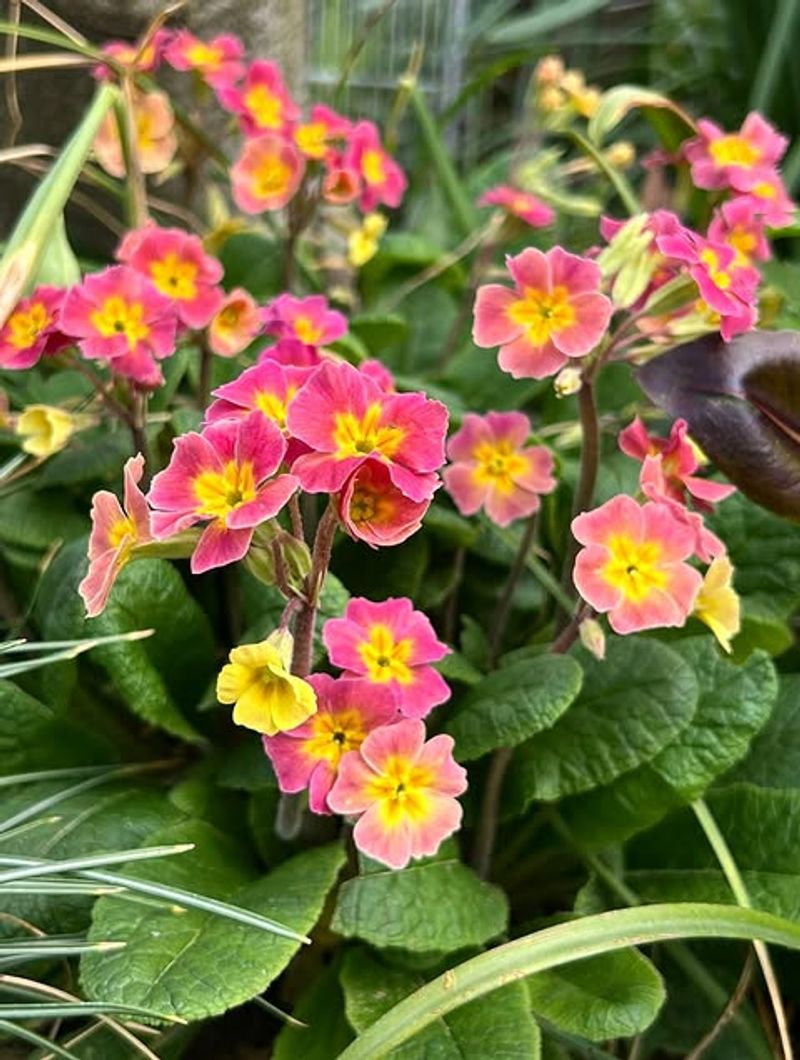
Few plants signal the arrival of spring quite like primroses. Their clusters of bright, cheerful flowers in bold reds, yellows, pinks, and purples pop against the still-cool garden backdrop with a kind of joyful energy.
Seeing them bloom feels like the garden is finally waking up again.
Primroses are cool-season plants that love shade and moisture. In our state, they perform best during the late winter and early spring months when temperatures are mild and the sun is not yet intense.
Planting them under trees or along the north-facing side of a building gives them the cool, shaded environment they crave.
They prefer rich, moist, well-draining soil. Adding compost before planting gives them a great start.
Regular watering is essential because primroses do not tolerate drought well. However, avoid overwatering, as soggy soil can lead to root problems.
A balanced fertilizer applied once a month during the blooming season helps keep the flowers coming strong.
Primroses work beautifully as edging plants along shaded walkways or massed together in a garden bed for a big burst of color. They also do well in containers placed on shaded patios or porches.
Once the heat of summer arrives, they tend to fade back, but many gardeners treat them as seasonal color plants and replant fresh ones each cool season for maximum impact.
9. Cyclamen
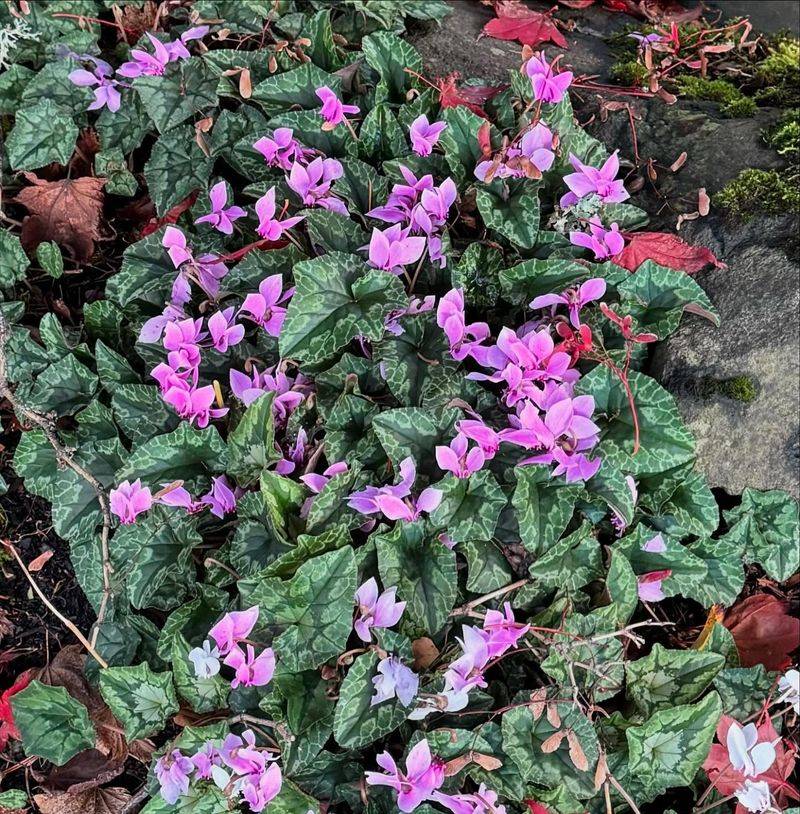
With their swept-back petals and beautifully marbled leaves, cyclamen look almost too elegant to be real. They have a sculptural quality that sets them apart from most other shade flowers.
Whether planted in the ground or displayed in a pot on a shaded porch, they draw the eye immediately.
Hardy cyclamen, particularly Cyclamen hederifolium and Cyclamen coum, are well-suited to our state’s mild winters. They bloom in fall through early spring, which is exactly when most gardens need a color boost.
The flowers come in shades of pink, white, and deep rose, often with a darker eye at the center.
Cyclamen prefer well-draining soil and do not like to sit in water. They actually go dormant during the summer heat, so do not worry if they disappear for a few months.
Come fall, the corms will send up fresh leaves and new blooms again without any extra help from you.
One reason gardeners love hardy cyclamen is that they spread slowly over time, forming a carpet of patterned leaves and nodding flowers under trees and shrubs. They pair naturally with hellebores and ferns for a layered, woodland-style planting.
Once established, they are remarkably self-sufficient and can thrive in dry shade conditions that would challenge most other flowering plants in the garden.
10. Clivia
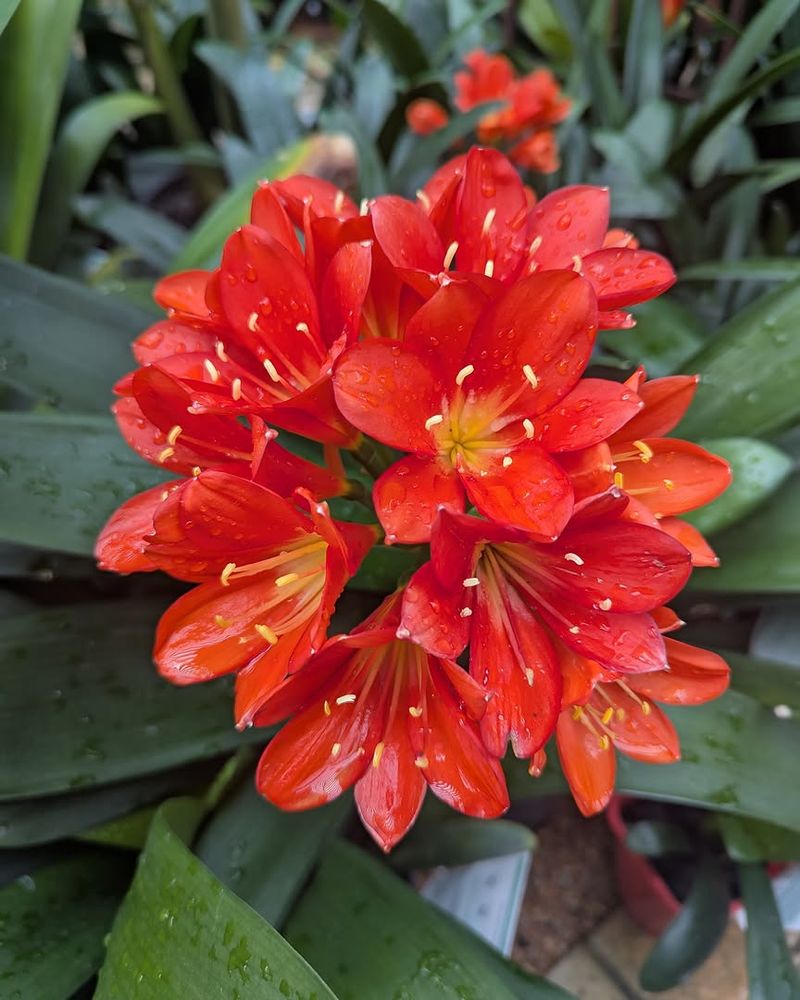
Bold, tropical-looking, and surprisingly easygoing, clivia is one of the most rewarding shade plants you can grow in our state. Its thick, strap-like leaves stay green all year long, and in late winter to early spring, it sends up dramatic clusters of orange, yellow, or red trumpet-shaped flowers that are genuinely eye-catching.
Clivia thrives in deep to partial shade and is highly adaptable to a range of conditions. It actually blooms better when slightly root-bound, which makes it an excellent candidate for containers.
Many gardeners in our state grow clivia in large pots on shaded patios, where it becomes a long-lived, low-maintenance showpiece.
One of the most impressive qualities of clivia is its drought tolerance once established. It stores water in its fleshy roots, allowing it to survive periods of neglect that would stress other plants.
That said, regular watering during the growing season and a monthly dose of fertilizer will reward you with more flowers and lusher foliage.
Clivia is also toxic to pets, so keep that in mind when choosing a planting location. Despite that caution, it remains one of the most popular shade plants among experienced gardeners here.
Its ability to bloom reliably in deep shade, combined with its architectural good looks and minimal care needs, makes it a true standout in any shaded garden setting across our state.
11. Heuchera / Coral Bells
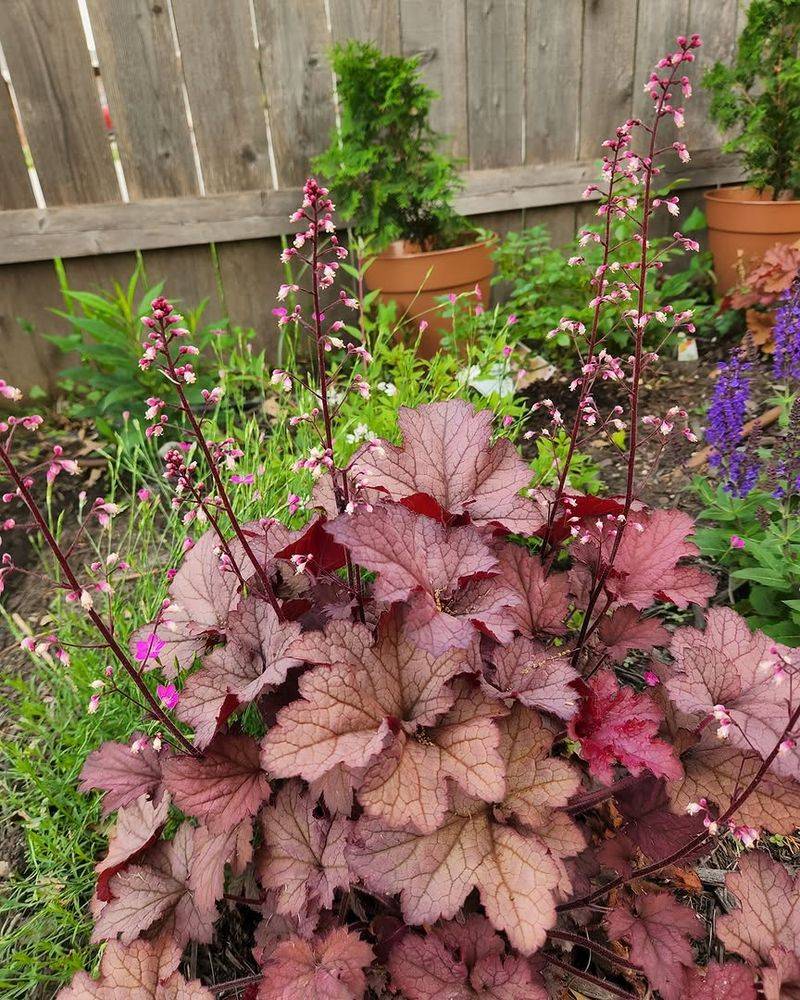
Most flowers get all the attention for their blooms, but heuchera, commonly known as coral bells, earns its place in the garden through stunning foliage alone. The leaves come in an incredible range of colors including deep burgundy, caramel orange, lime green, silver, and even near-black.
They make every neighboring plant look better just by being nearby.
Native to North America, heuchera is naturally adapted to woodland conditions, which means it loves partial to full shade. In our state, it performs beautifully in areas under tree canopies, along shaded fence lines, and in spots that get only morning sun.
The foliage looks attractive all year in mild climates, which is a huge bonus.
On top of the spectacular leaves, heuchera sends up tall, wiry stems topped with tiny bell-shaped flowers, usually in shades of pink, red, or white. These blooms appear in spring and early summer and are a favorite of hummingbirds.
The combination of colorful foliage and dainty flowers makes this plant a two-season performer.
Heuchera works well as a ground cover, a border edging plant, or a container specimen. It pairs beautifully with ferns, hostas, and astilbes for a rich, layered shade garden.
Soil should be well-draining and rich in organic matter. Water regularly but avoid overwatering.
With a little attention, coral bells will reward you with year-round color in even the shadiest corners of your yard.