What Do Illinois Gardeners Know About Burying Pine Cones That You Don’t
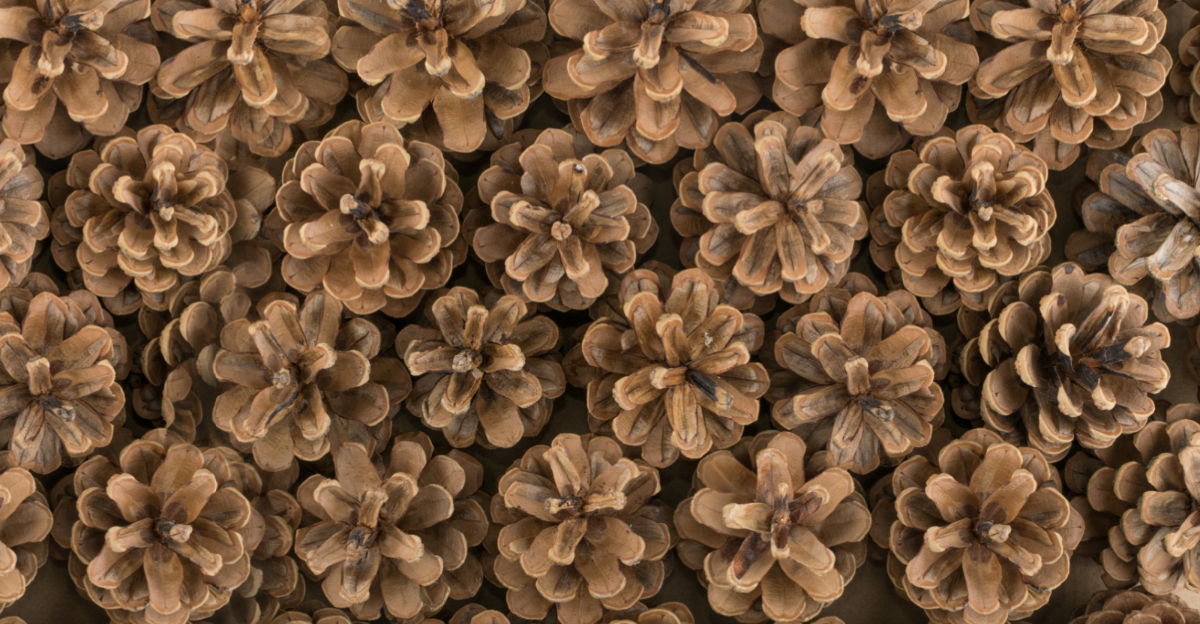
Every fall, millions of pine cones get raked up, bagged, and hauled to the curb like tiny wooden nuisances that never asked for any of this. Fair enough.
They look like yard waste, they get in the way of the mower, and nobody ever told you they were worth keeping. But gardeners across Illinois are starting to see things a little differently.
Once you understand what happens when a pine cone breaks down underground, it is hard to go back to bagging them up. Buried in your garden beds, pine cones work slowly and steadily beneath the surface. They give water somewhere to go instead of just sitting there.
They feed the tiny ecosystem living in your soil as they slowly decompose. And season after season, all that organic matter adds up to a noticeably better soil structure.
No mixing, no measuring, no expensive bags to haul home from the garden center. If you have a pine tree in your yard, you already have more than you need to get started.
What exactly is hiding beneath that pile of pine cones in your yard?
1. They Slowly Add Organic Matter To Soil
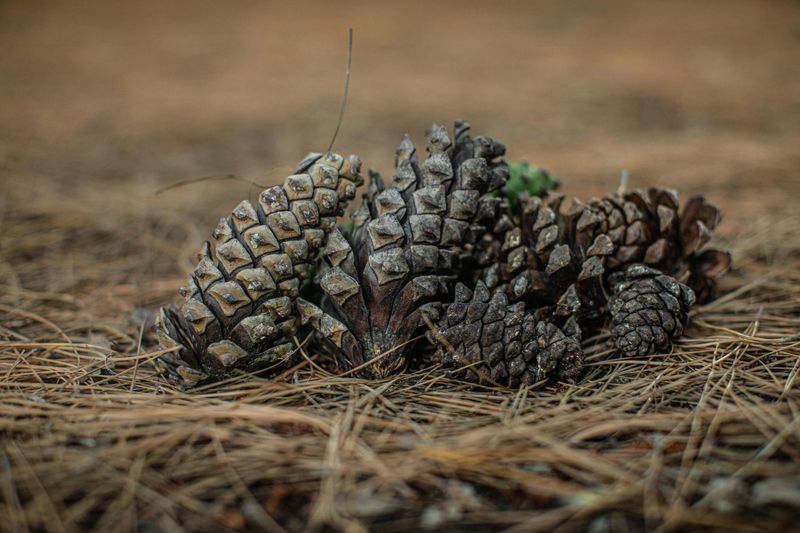
Pine cones will not replace your compost, but they do something compost cannot quite match on its own. Bury a pine cone just a few inches underground and something quietly wonderful starts happening.
It begins releasing organic matter slowly and steadily, right into the soil around it. It is not flashy or fast, but it works.
Organic matter is the backbone of healthy garden soil. As pine cones break apart over months and years, they release carbon-rich material that binds with minerals already in the ground.
That combination creates a richer, darker, more productive growing environment over time.
Think of buried pine cones like a slow cooker meal for your garden. The results take patience, but what you get in the end is deeply nourishing.
The payoff is not immediate, but it is real and it compounds quietly season after season.
Soil with high organic matter holds moisture better, drains more efficiently, and supports stronger root growth. A single buried cone might seem insignificant, but bury a handful every season and you will notice the difference over a few seasons.
Your plants will respond with deeper green color and stronger stems.
The key is placement. Bury cones at least six inches deep so they do not interfere with surface planting.
Mixing them into the base of raised beds or along the edges of garden borders works especially well. Over time, the soil in those spots becomes noticeably more crumbly and alive, which is exactly what every gardener is chasing.
2. They Can Help With Drainage In Heavy Soil
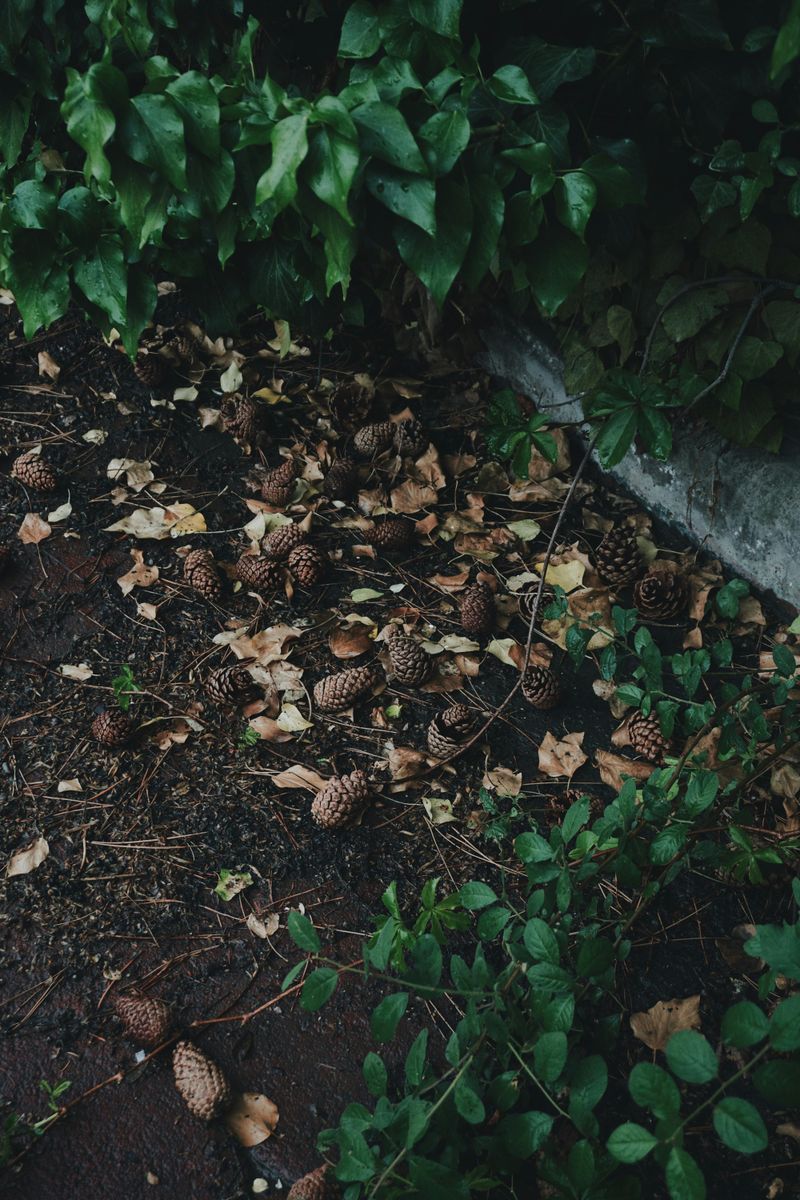
Clay soil is one of the most common frustrations for Illinois gardeners. It clumps, it puddles, and it leaves roots sitting in more water than they can handle.
Buried pine cones can quietly change that situation without costing you a single dollar.
Your Illinois Garden Changes Every Week. Your Plan Should Too.
Gardening in Illinois changes quickly throughout the season. Every Friday you’ll receive a simple weekly plan showing exactly what to plant, prune, fertilize, harvest, and protect so you never miss the right timing.
When cones sit underground, their layered scales and irregular shapes create tiny gaps in the soil structure. Water moves through those gaps instead of pooling at the surface.
Over time, especially in heavy clay, this effect compounds and drainage improves noticeably across the planting area.
Picture your soil as a sponge with no holes. Pine cones act like natural spacers that punch those holes open.
Even partially decomposed cones hold their structure long enough to redirect water flow and prevent the waterlogging that stresses roots and slows growth.
Experienced gardeners in northern Illinois often layer cones at the bottom of planting holes before adding soil back on top. This simple habit keeps newly planted shrubs and perennials from sitting in stagnant water during spring rains.
The difference in plant survival rates can be striking.
Sandy soil does not benefit from this trick as much, but if your garden beds stay soggy after a good rain, this is worth trying. Combine buried cones with a layer of compost on top and you are addressing both drainage and fertility at once.
It is a low-effort, high-reward move that most gardeners overlook simply because it sounds too simple to actually work.
3. Pine Cones Work As A Free Filler For Raised Beds
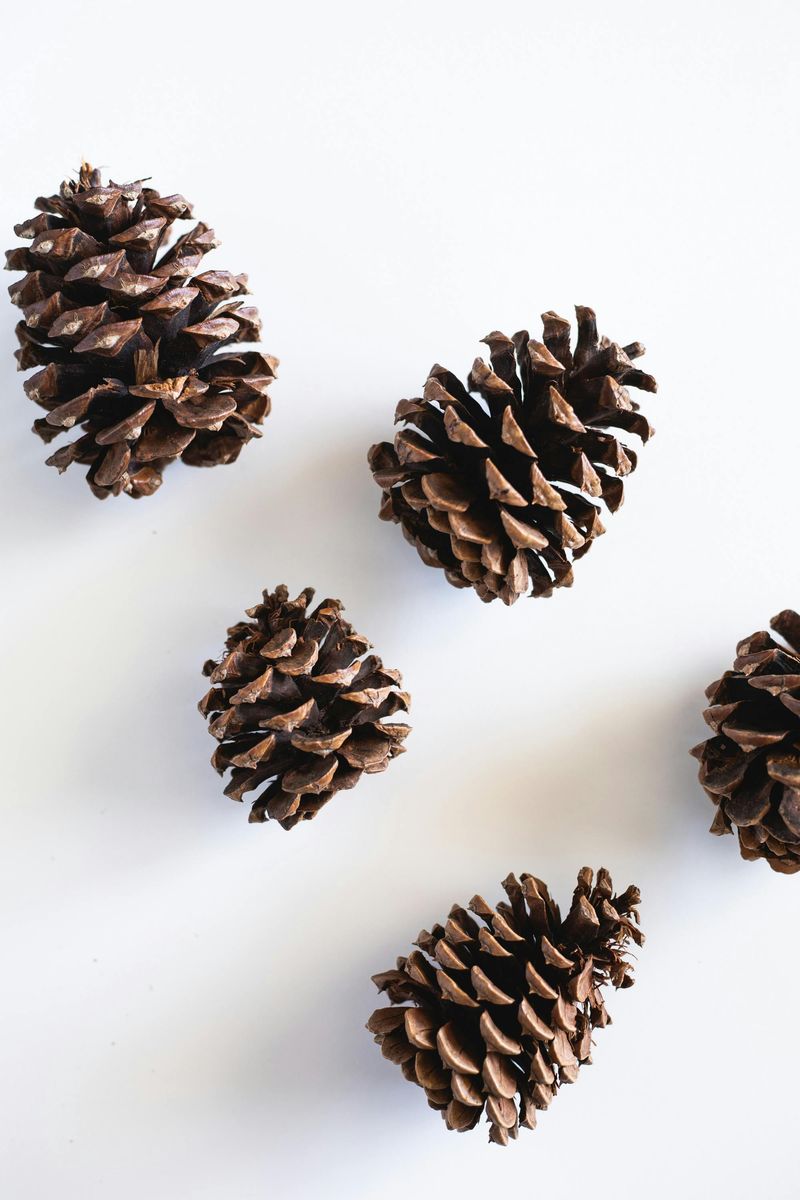
Raised beds eat soil like a hungry teenager eats snacks. Filling them all the way to the top with quality garden mix gets expensive fast, especially if you are building multiple beds in one season.
Burying pine cones at the bottom of a raised bed is a real technique. It is called hugelkultur-lite.
Think of it as a lighter version of an ancient practice that layered logs and organic debris under growing soil. Pine cones give you similar results.
Just without the heavy lifting.
The cones take up volume at the base of the bed, reducing how much premium soil you need to buy.
As they break down over the following seasons, they release carbon that feeds the microbial activity your root zone depends on. You essentially get a slow-release amendment built right into the foundation of your bed.
Gardeners who have tried this report that their raised beds stay productive longer between soil refreshes. The decomposing cones feed the soil from below while your compost and fertilizers work from above.
It creates a layered feeding system that mimics how forests naturally build soil.
To get started, collect cones from your yard or ask neighbors with pine trees. Fill the bottom six to ten inches of your raised bed with cones, then top with a mix of compost and topsoil.
Plant as usual. The setup takes maybe an extra twenty minutes but saves real money and builds a better growing environment from day one.
One thing worth knowing before you fill a raised bed this way: fresh pine cones are high in carbon but low in nitrogen. As pine cones break down, soil microbes use up some of the nitrogen around them.
This can leave your plants a little short in the first season or two. A layer of nitrogen-rich compost on top helps keep everything balanced while the cones do their quiet work below.
It is also worth avoiding this technique in beds where you plan to sow seeds directly. Pine cones contain tannins that can inhibit germination, so they work best beneath established transplants rather than beneath a freshly seeded bed.
4. They Give Earthworms And Soil Insects A Place To Shelter
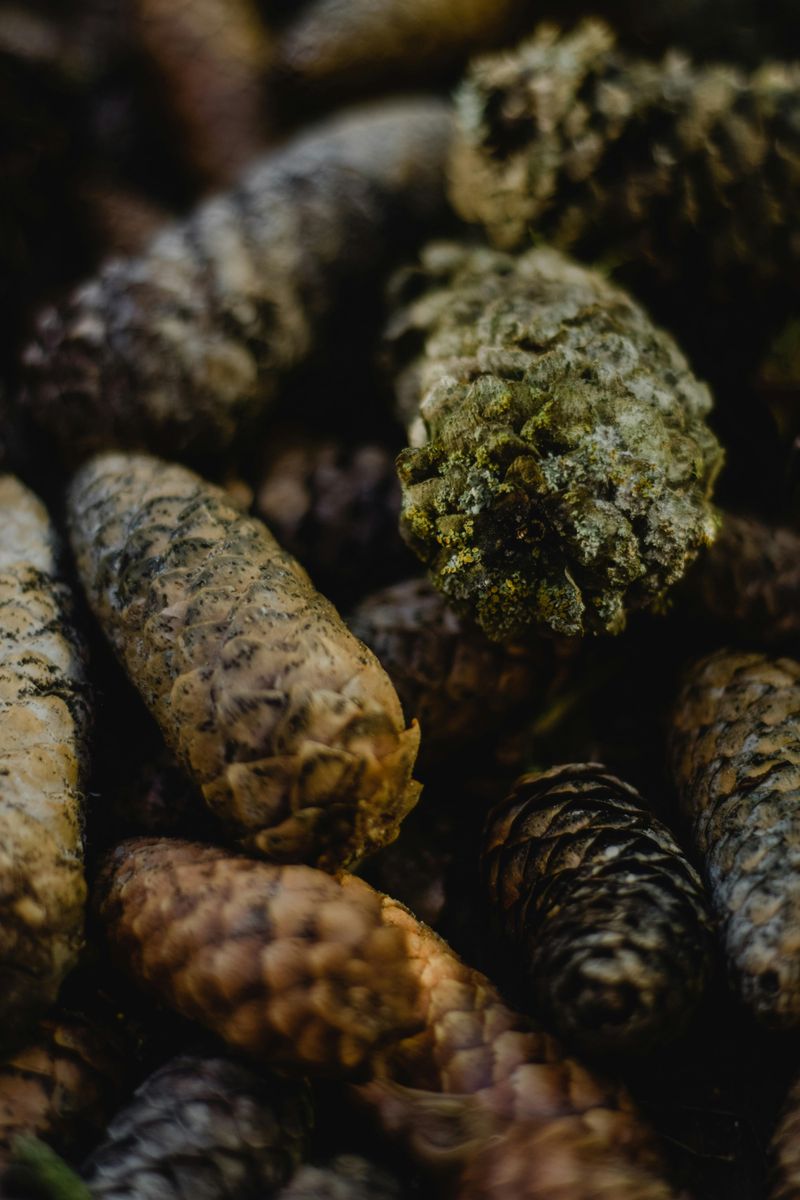
Earthworms are the unsung heroes of any thriving garden, and they have a preference most gardeners never think about: they love hiding spots. Buried pine cones create exactly the kind of sheltered, moist microenvironment that worms and beneficial soil insects seek out.
When a cone sits underground, it creates a small pocket of humidity and darkness. Worms move toward these pockets, feeding on the fungi and bacteria that begin colonizing the decomposing cone surface.
More worms in your soil means more aeration, more nutrient cycling, and healthier roots overall.
Ground beetles, springtails, and centipedes also take up residence around buried cones. These creatures are natural pest controllers, feeding on fungus gnats, root aphids, and other soil-dwelling nuisances.
Encouraging them costs nothing when you are already burying cones for other reasons.
Soil health researchers have long pointed out that biodiversity underground matters just as much as what you see above the surface. A garden with a rich community of soil creatures processes nutrients faster, resists compaction better, and supports stronger plant growth.
Buried cones act like tiny apartment buildings for that underground community.
If you have noticed your soil looking lifeless and pale, with few worms turning up when you dig, adding buried organic structures like pine cones can help reverse that trend. Combine them with regular compost additions and avoid synthetic pesticides that harm soil life.
Within one growing season, you should start seeing more worm activity and darker, more active soil around the areas where cones were buried.
5. Pine Cones Keep Yard Debris Out Of The Landfill
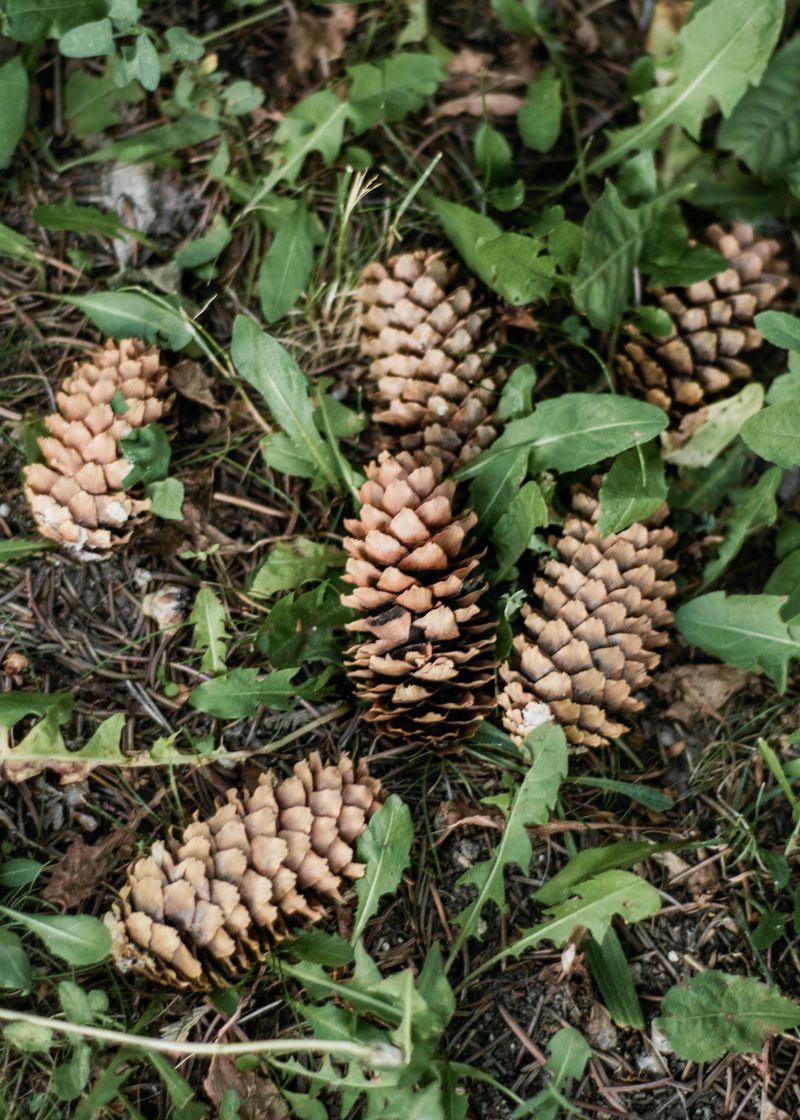
Your lawn is trying to feed itself. Stop sending that fuel to the landfill.
Pine cones are organic material, and organic material belongs in the ground, not in a plastic bag sitting in a dump.
Landfills receive millions of tons of yard debris every single year across the United States. When that debris breaks down in an oxygen-poor environment underground, it produces methane, a greenhouse gas far more potent than carbon dioxide.
Choosing to bury pine cones instead of trashing them is a small but genuinely meaningful environmental choice.
For gardeners who care about sustainability, this is one of the easiest swaps imaginable. You are already picking the cones up.
The only question is where they go next. Redirecting them into garden beds takes the same amount of effort as bagging them, but the outcome is completely different.
Some municipalities in Illinois offer yard waste composting programs, which is another solid option. But burying cones directly in your own garden skips the middleman entirely.
The organic matter stays in your yard, building your soil rather than ending up in someone else’s compost pile across town.
Starting this habit also encourages a shift in mindset about what counts as waste. Fallen leaves, pine needles, small branches, and cones are all resources the forest would recycle naturally.
Your garden can do the same. Once you start seeing yard debris as garden input rather than trash, the way you manage your outdoor space changes for the better in ways that feel surprisingly satisfying.
6. They Help Aerate Compacted Soil As They Break Down
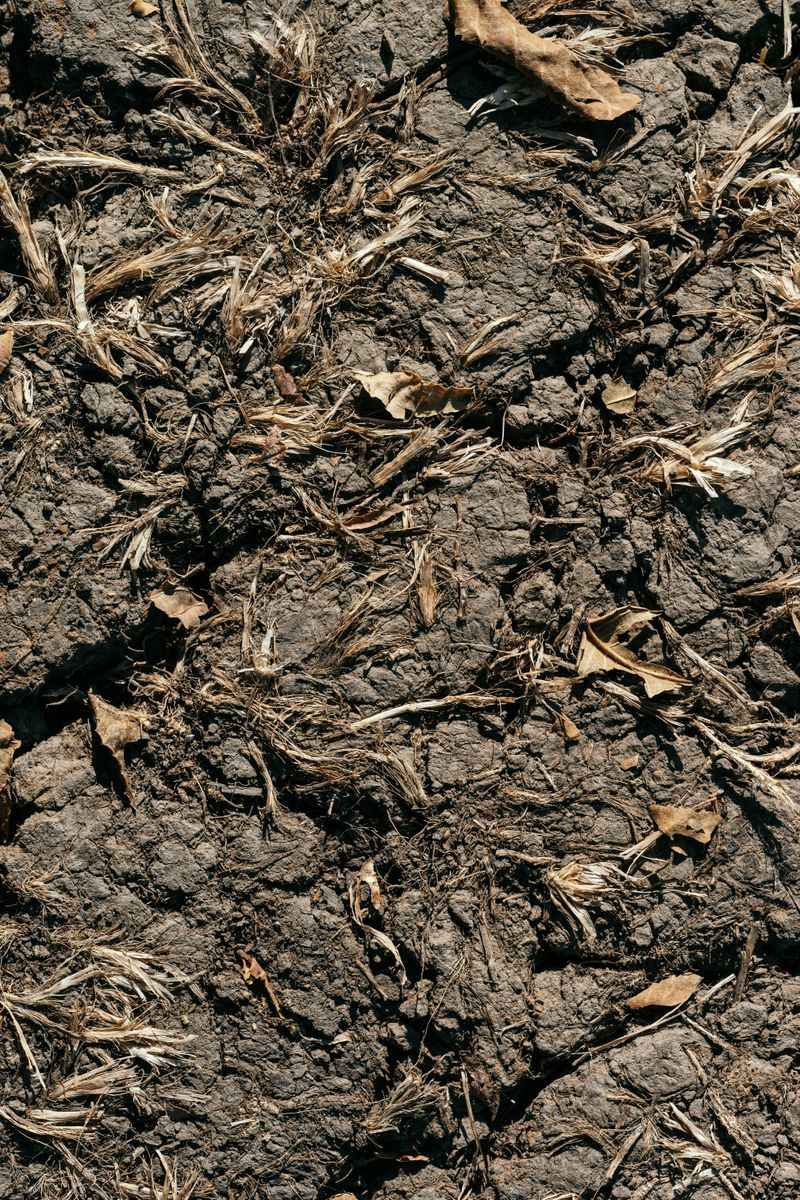
Compacted soil is basically soil that has given up. It is dense, airless, and hostile to roots.
Foot traffic, heavy rain, and years without amendment turn once-fluffy garden beds into something closer to concrete. Buried pine cones offer a surprisingly effective remedy.
As cones decompose, their structure collapses gradually rather than all at once. That slow collapse leaves behind channels and voids in the soil profile.
Roots follow those channels. Water moves through them.
Air reaches deeper into the ground than it could before. The result is a more open, breathable soil structure that forms naturally over time.
Tilling tears apart fungal networks built over years. Burying cones skips all that damage.
They break down slowly, quietly, adding structure without disturbing what’s already working below.
Gardeners who grow heavy feeders like tomatoes and squash in the same beds year after year often struggle with compaction. Adding buried cones during bed preparation gives those beds a built-in aeration system that activates gradually through the season.
It is especially useful in spots where you cannot easily add compost or turn the soil regularly.
For best results, bury cones vertically when possible. A cone standing upright creates a longer channel as it decomposes compared to one lying flat.
Even a dozen cones scattered through a four-by-eight bed can make a measurable difference in how roots penetrate and how water moves after a heavy Illinois spring rainstorm.
7. They Feed Soil Microbes As A Long-Term Carbon Source
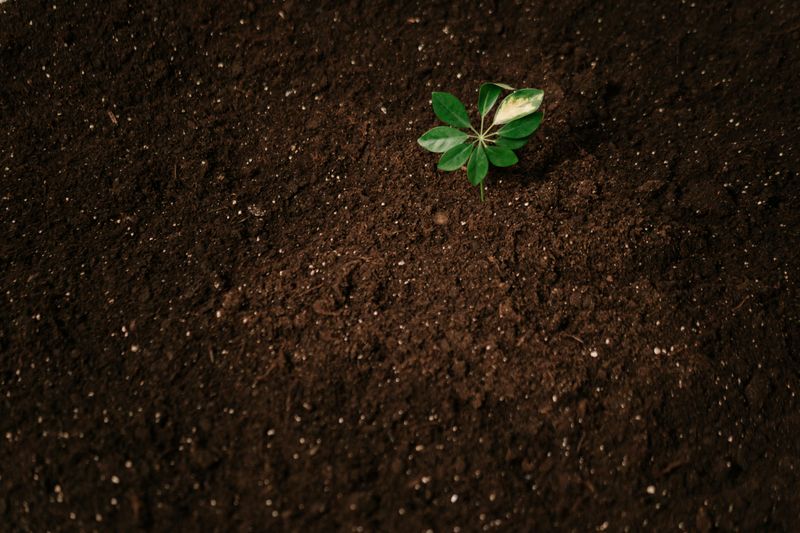
Soil microbes are the engine of a living garden. Bacteria, fungi, and protozoa work constantly to break down organic material and convert it into forms that plant roots can absorb.
Without them, even the richest-looking soil is essentially just dirt. Buried pine cones give those microbes a long-term fuel source they can work on for years.
Pine cones are high in carbon, which is exactly what soil microbes need to thrive and multiply. Carbon-rich materials are the slow-release capsules of the soil world.
Microbes don’t want a feast that’s gone in a week. They want a cone buried in the dirt, still giving three years later.
This slow release is what makes cones so valuable as a soil amendment.
Fungal networks in particular respond well to buried woody material. Mycorrhizal fungi, the kind that form partnerships with plant roots and dramatically improve nutrient uptake, colonize decomposing wood and cone material readily.
By burying cones, you are essentially setting the table for fungi that your plants will directly benefit from.
Healthy microbial populations suppress certain soil-borne diseases by outcompeting less beneficial organisms for space and resources. A garden with a thriving underground ecosystem is naturally more resilient than one that depends on synthetic inputs.
A garden with a thriving underground ecosystem is generally better placed to handle the everyday pressures that lead to disease. Pine cones contribute to building that ecosystem over time.
They are one part of the picture rather than a remedy on their own. Pine cones are carbon-rich and nitrogen-poor, the microbes breaking them down will draw on available soil nitrogen as they work.
Adding cones alongside nitrogen-rich compost creates an ideal balance. The carbon from cones and the nitrogen from compost together support vigorous microbial activity that transforms your soil into something genuinely alive and productive.
8. What To Know Before You Start Burying Pine Cones
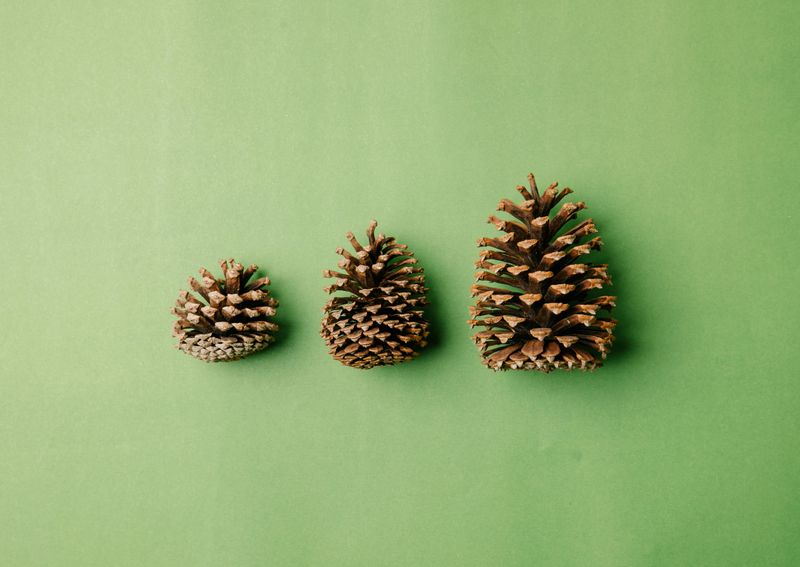
Pine cones are a genuinely useful addition to most garden beds, but two things are worth understanding before you commit to using them in large quantities.
The first is soil pH. Pine material actually neutralizes as it decomposes, meaning years of buried cones have less effect on soil pH than most gardeners fear.
Test your soil pH once a year if you’re burying cones regularly. If it drifts acidic, a little lime fixes it fast.
Simple kit, five minutes, no drama.
The second is germination. Pine cones contain tannins that can slow or inhibit seed germination in the surrounding soil.
This does not make them harmful to established plants, but it does make them a poor choice for beds where you are planning to sow seeds directly. Use them freely around perennials, shrubs, and transplants.
Give freshly seeded beds a miss until seedlings are settled and growing strongly.