Native Climbing Plants That Give Your Oregon Yard Privacy Without Fences
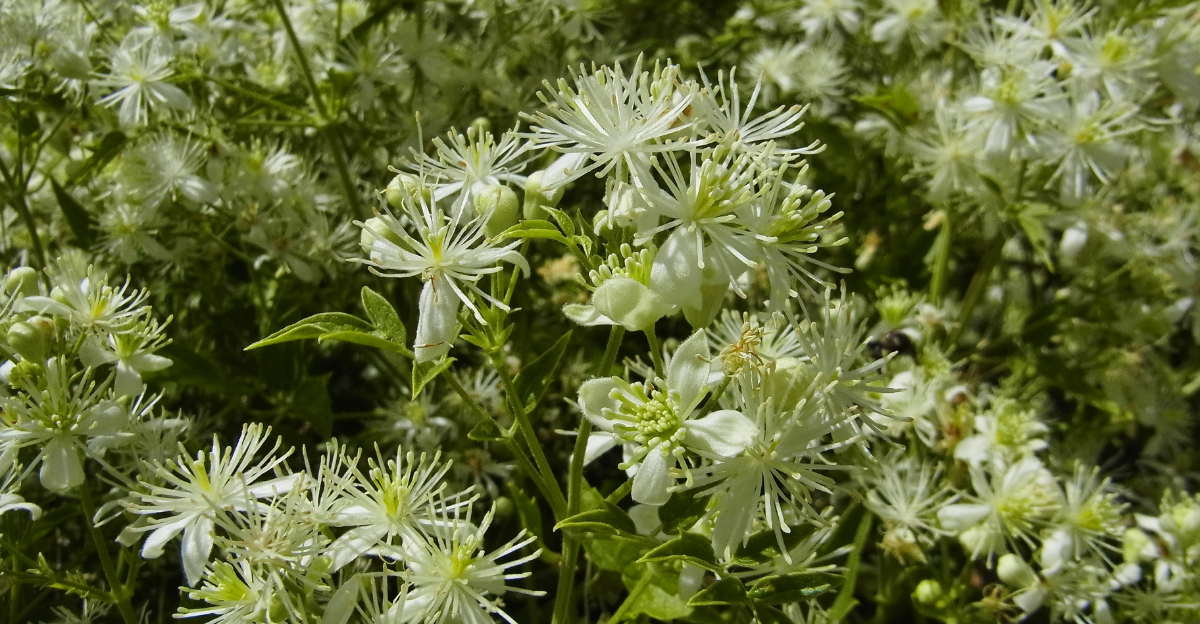
A fence is the obvious answer to a privacy problem, but it is not always the best one. Fences cost money, require permits in some Oregon neighborhoods, and do nothing for the visual warmth of a yard.
Native climbing plants solve the same problem in a way that actually improves the look and feel of your outdoor space over time.
Oregon has a strong selection of native climbers that grow thick, reach impressive heights, and create the kind of natural screen that no wood or vinyl structure can replicate.
They also support birds, pollinators, and beneficial insects in ways a fence never will. The wet Oregon climate works in your favor here because these plants get the moisture they need to establish quickly and fill in without much pushing.
Once they take hold, they handle the privacy on their own while making your yard look like it was designed that way from the start.
1. Western Blue Virgin’s Bower Turns Into A Native Privacy Screen
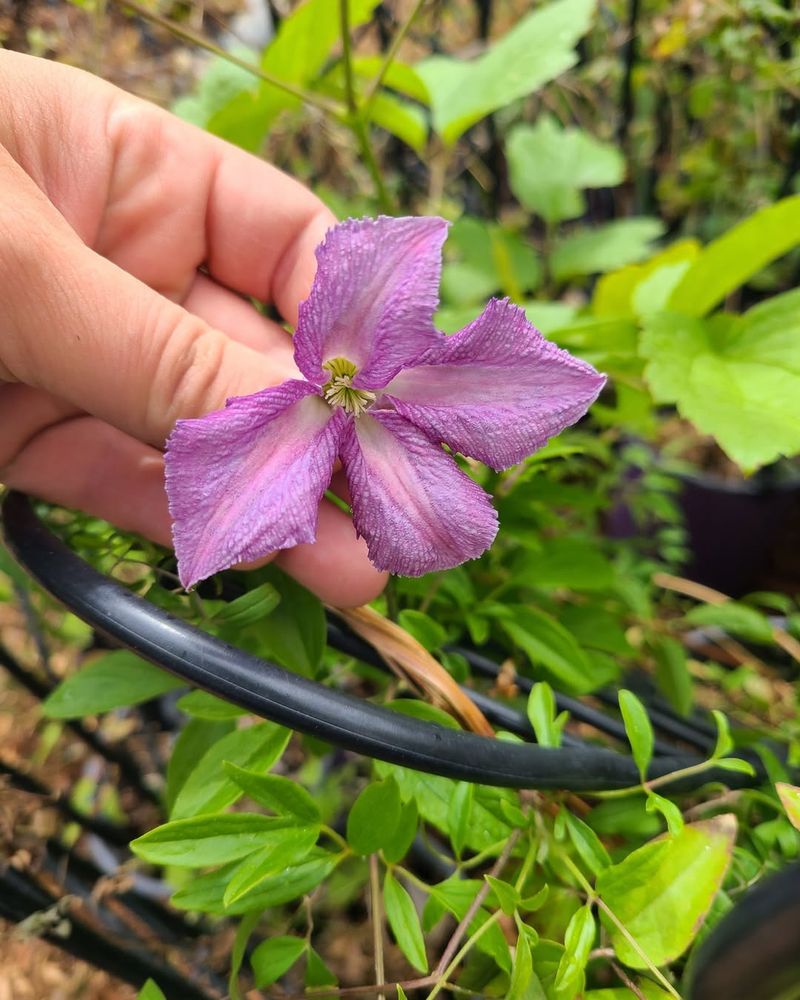
Few vines carry as much wild charm as Western Blue Virgin’s Bower. Known scientifically as Clematis occidentalis, this native climber is a quiet showstopper in any Pacific Northwest garden.
It twines naturally through shrubs and over fences, creating a lush curtain of color that feels completely at home in our state’s landscapes.
The blooms are a soft lavender-blue, nodding gently like little bells in the spring breeze. They appear from April through June, which makes this vine one of the earliest climbers to wake up after winter.
After flowering, it produces fluffy, silvery seed heads that catch the light and look almost magical in the afternoon sun.
Growing this vine is pretty straightforward. It prefers a spot with partial to full shade, which makes it ideal for north-facing fences or under the canopy of taller trees.
Well-drained soil and consistent moisture during the first year will help it get established quickly.
One of the best things about this plant is how little fuss it needs. Once it’s settled in, it grows reliably year after year without much attention.
It’s also a native species, so it supports local bees and other pollinators naturally.
Train it up a wire trellis or let it scramble over a wooden arbor for a beautiful, living privacy screen. It won’t block everything overnight, but within a couple of seasons, you’ll have a thick, flowering wall of green that no fence could match in beauty or character.
2. Rock Clematis Softens Walls Without Taking Over The Yard
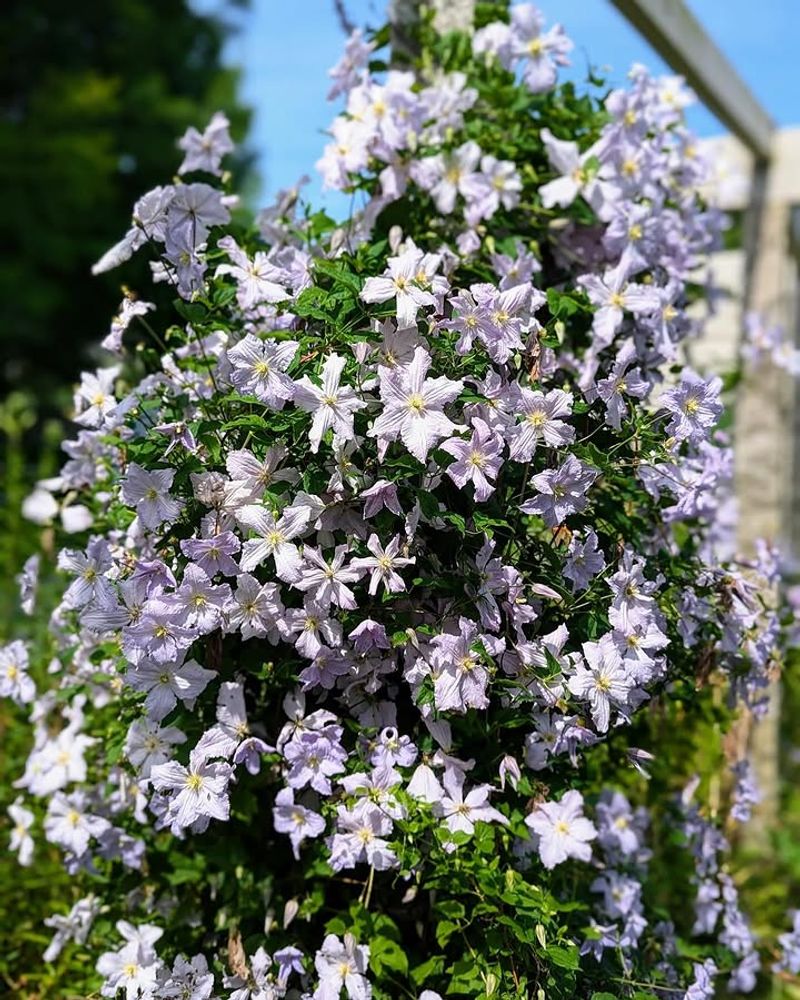
There’s something wonderfully tough about a plant that thrives where others struggle. Rock Clematis, or Clematis columbiana, earns its name by growing naturally along rocky slopes and cliff edges throughout the Pacific Northwest.
It’s a vine that knows how to make the most of difficult conditions, and that resilience makes it a fantastic choice for home gardens.
The flowers are small but lovely, usually pale lavender or creamy white, and they bloom in late spring to early summer.
Your Oregon Garden Changes Every Week. Your Plan Should Too.
Gardening in Oregon changes quickly throughout the season. Every Friday you’ll receive a simple weekly plan showing exactly what to plant, prune, fertilize, harvest, and protect so you never miss the right timing.
Like other clematis varieties, it follows up its blooms with feathery seed heads that add texture and visual interest well into fall.
The overall effect is soft, natural, and full of movement.
Unlike some climbing plants that need rich, amended soil, Rock Clematis actually performs better in leaner conditions. Give it a rocky or gritty soil mix, good drainage, and a spot with partial shade, and it will reward you with steady, reliable growth.
It pairs beautifully with stone walls, wooden fences, and natural timber pergolas.
Because it’s a native species, it plays well with the local ecosystem. Bees and butterflies visit the flowers regularly, and birds often use the fluffy seed heads as nesting material in fall and winter.
For gardeners in hillside yards or areas with challenging soil, this vine is a dream.
It doesn’t ask for much, and in return, it offers season after season of graceful coverage and quiet beauty that feels perfectly suited to our state’s rugged, natural character.
3. Western White Clematis Adds A Wild, Airy Curtain Of Green
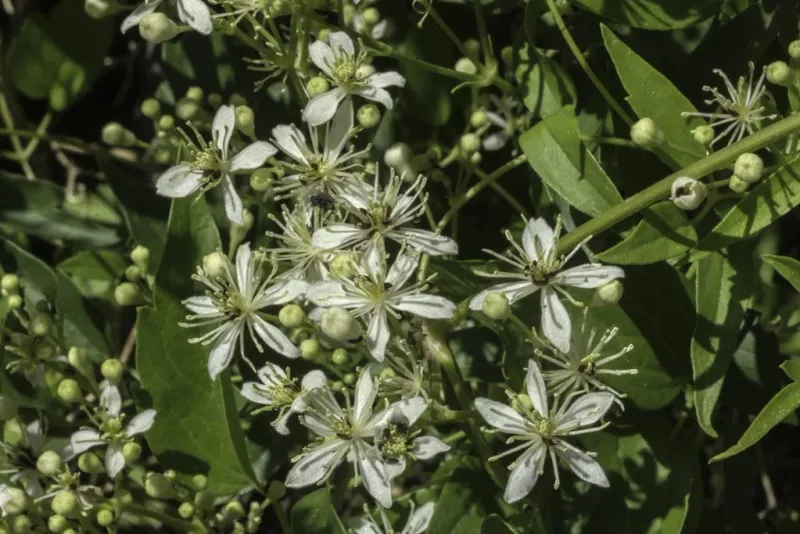
When late summer rolls around and many plants are starting to wind down, Western White Clematis is just hitting its stride.
Also called Clematis ligusticifolia, this fast-growing native vine bursts into a cloud of tiny white flowers from July through September.
It’s one of the most dramatic natural privacy screens you can grow in our state.
The sheer number of blooms is impressive. Clusters of small, star-shaped white flowers cover the vine so thickly that the green leaves almost disappear beneath them.
After blooming, the vine transforms again, producing masses of silvery, feathery seed heads that shimmer in the breeze and look stunning against a blue autumn sky.
Growth can be vigorous, so give this vine plenty of room and a strong structure to climb. A sturdy wooden arbor, chain-link fence, or heavy wire trellis works well.
It can reach up to 20 feet in a single season under ideal conditions, which means it creates privacy coverage faster than most other native climbers.
It grows best in full sun to partial shade and tolerates a wide range of soil types, including dry, rocky, and clay-heavy soils. Once established, it handles our state’s dry summers without much supplemental watering, making it both low-maintenance and water-wise.
Pollinators absolutely love this plant. Bees swarm the flowers all summer long, and the dense foliage provides shelter for small birds and insects.
For a fast-growing, wildlife-friendly privacy screen, few native vines can compete with this enthusiastic, cloud-like climber.
4. Orange Honeysuckle Brings Privacy With A Pop Of Color
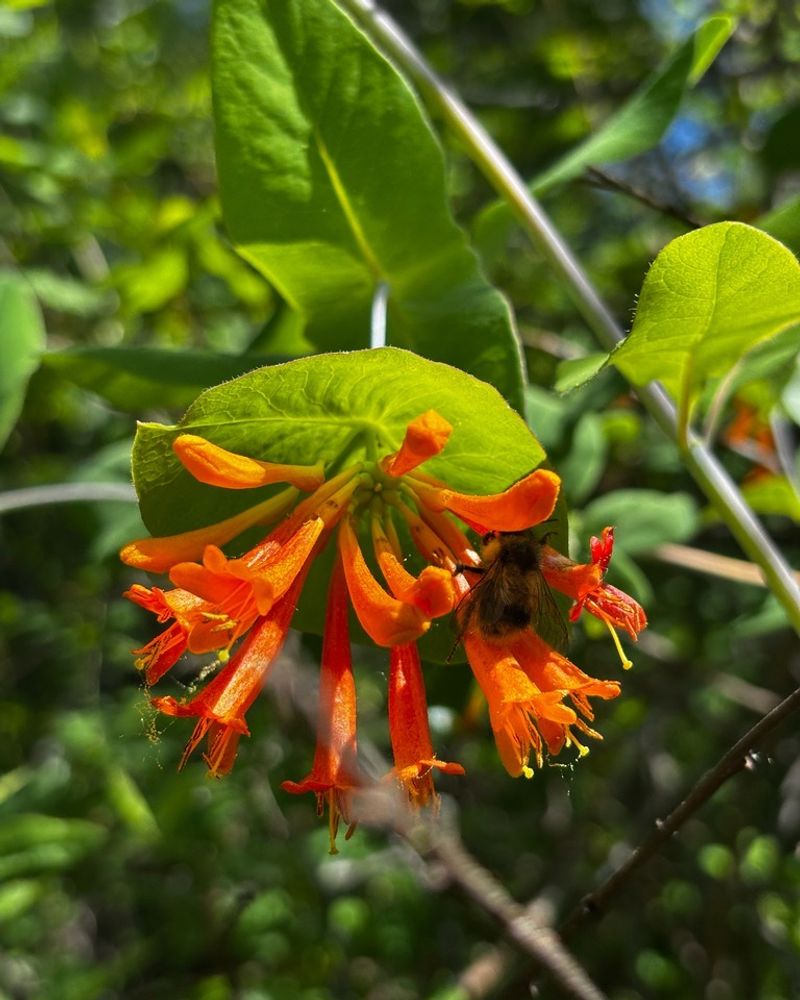
Bold, bright, and practically irresistible to hummingbirds, Orange Honeysuckle is one of the most eye-catching native vines you can grow in a Pacific Northwest garden. Lonicera ciliosa produces clusters of vivid orange-red tubular flowers that seem almost too tropical for our region, yet it’s completely native and perfectly at home here.
Blooming from May through July, the flowers appear just as hummingbirds are migrating through the area. The timing is no accident.
This vine and hummingbirds have a long, mutually beneficial relationship. The birds get nectar, and the plant gets pollinated.
After the flowers fade, small red berries appear, which songbirds and other wildlife eagerly snack on throughout late summer and fall.
For garden use, Orange Honeysuckle is a reliable and relatively fast grower. It climbs by twining its stems around supports, so a simple wooden trellis, post, or fence works perfectly.
It can reach 10 to 20 feet tall under good conditions, which is more than enough height to create a solid visual screen along a property line.
It grows well in full sun to partial shade and prefers moist, well-drained soil. In shadier spots, flowering may be a little lighter, but the lush foliage still provides excellent coverage.
A layer of mulch around the base helps retain moisture and keep roots cool during dry summers.
Beyond its beauty, this vine is genuinely easy to care for. Minimal pruning, no serious pest problems, and strong seasonal growth make it one of the best choices for gardeners who want big results without a lot of extra effort.
5. Woodbine Gives Fences And Arbors A Leafy Native Upgrade
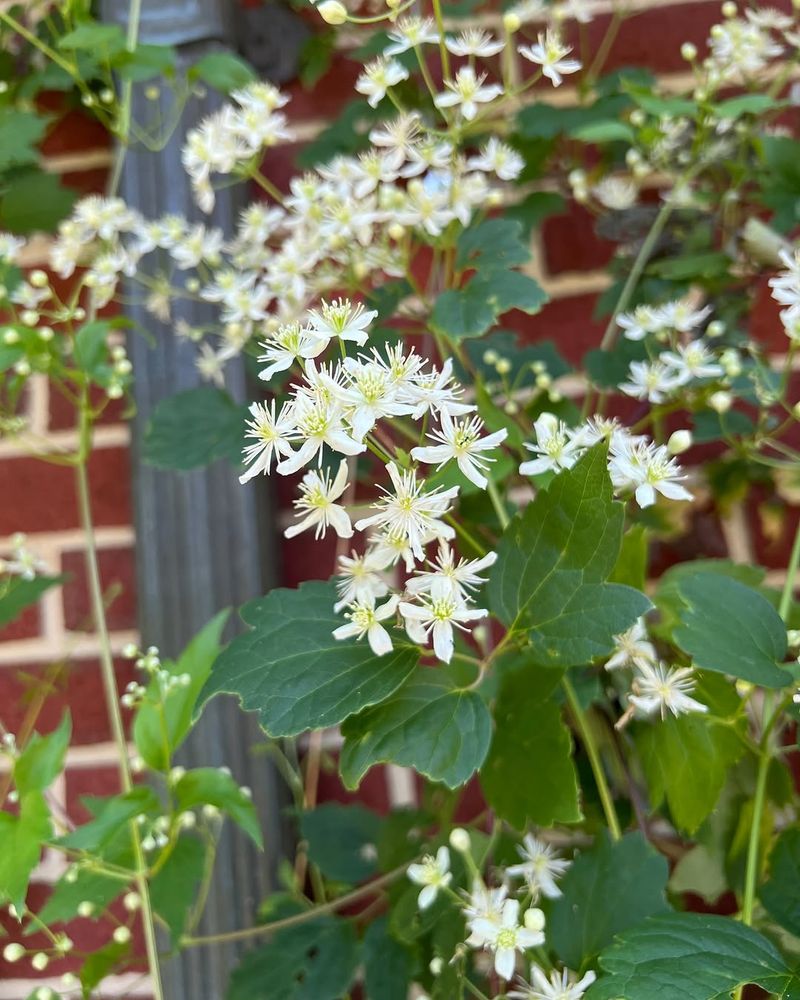
Not every garden vine needs showy flowers to earn its place. Woodbine, known scientifically as Parthenocissus vitacea, makes its mark through sheer, breathtaking foliage.
In spring and summer, the leaves are a rich, glossy green that creates a full, lush screen almost like a living wall. Come fall, the whole vine transforms into a blazing tapestry of red, orange, and burgundy that rivals any ornamental shrub.
This vine is a close relative of Virginia Creeper, but it’s native to the western regions of North America and well adapted to our state’s climate. It climbs using coiling tendrils rather than adhesive pads, which means it won’t damage painted surfaces or wood siding the way some climbing plants can.
A trellis, arbor, or wire framework gives it all the support it needs.
Growth is vigorous. Under good conditions, Woodbine can cover a large fence or trellis within a few seasons.
It’s not picky about soil and tolerates both sun and shade reasonably well, though it produces the best fall color in a sunnier location. It also handles our state’s wet winters and dry summers without complaint.
Small blue-black berries form in late summer and are a favorite food source for migrating birds. The dense canopy of leaves also provides excellent nesting cover for garden birds throughout the warmer months.
For gardeners who want dramatic seasonal color along with solid privacy screening, Woodbine delivers in every season. It’s low-maintenance, wildlife-friendly, and genuinely beautiful from the moment new leaves unfurl in spring right through the last blaze of autumn color.
6. Hairy Pink Honeysuckle Makes Privacy Look Soft And Cottagey
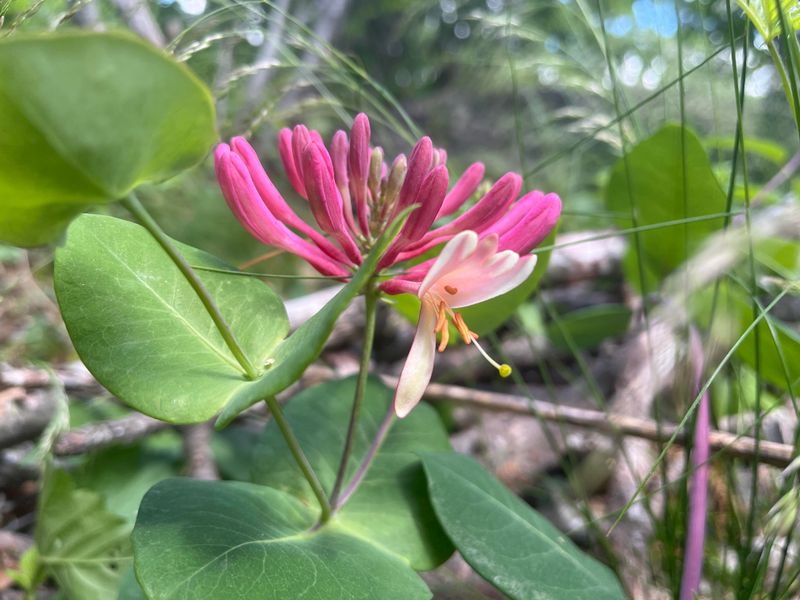
Sweet, soft, and a little bit wild, Hairy Honeysuckle brings a romantic cottage-garden feel to any yard without straying far from nature. Lonicera hispidula is a native twining vine found naturally in open woodlands and forest edges throughout our state.
Its common name comes from the fine, bristly hairs that cover its stems and leaves, giving the whole plant a softly fuzzy texture you can actually feel when you brush against it.
The flowers are a warm, rosy pink, tubular in shape, and grouped in clusters at the tips of the branches. They bloom from May through July and are especially attractive to hummingbirds and native bees.
After the flowers finish, clusters of bright red berries develop, adding another layer of color and wildlife value to the plant well into fall.
In the garden, this vine is a relaxed, easygoing grower. It won’t race to the top of your trellis in a single season, but it builds steadily and fills in beautifully over two to three years.
It’s well suited to partially shaded spots, which makes it a great option for fences or walls that don’t get full sun all day.
Moist, well-drained soil gives it the best start, and a layer of organic mulch helps maintain soil moisture during dry spells. It rarely needs pruning beyond a light tidy-up in early spring to remove any dead or tangled stems.
For a privacy vine that feels a little softer and more whimsical than the others on this list, Hairy Honeysuckle is a wonderfully underused native gem worth getting to know.