The California Plants That Survive Watering Restrictions Better Than Any Other
Watering restrictions have become a fact of life in California, and every drought cycle tightens them further.
For gardeners used to keeping a full landscape alive on a regular watering schedule, the adjustment can be brutal.
Some plants decline fast when water gets cut back. Others drop leaves, stop flowering, or simply give up by midsummer.
But a specific group of plants operates on a completely different level. They were built for exactly this kind of pressure, and restrictions that stress out a conventional garden barely register for them.
California has a remarkable selection of plants that hold their shape, keep their color, and stay genuinely healthy on minimal water.
Some of them actually perform better when watering is limited because overwatering was the only thing working against them.
For homeowners who want a yard that survives restriction seasons without looking like it is in survival mode, these are the plants worth knowing about.
1. Flannel Bush Brings Big Yellow Blooms With Very Little Water
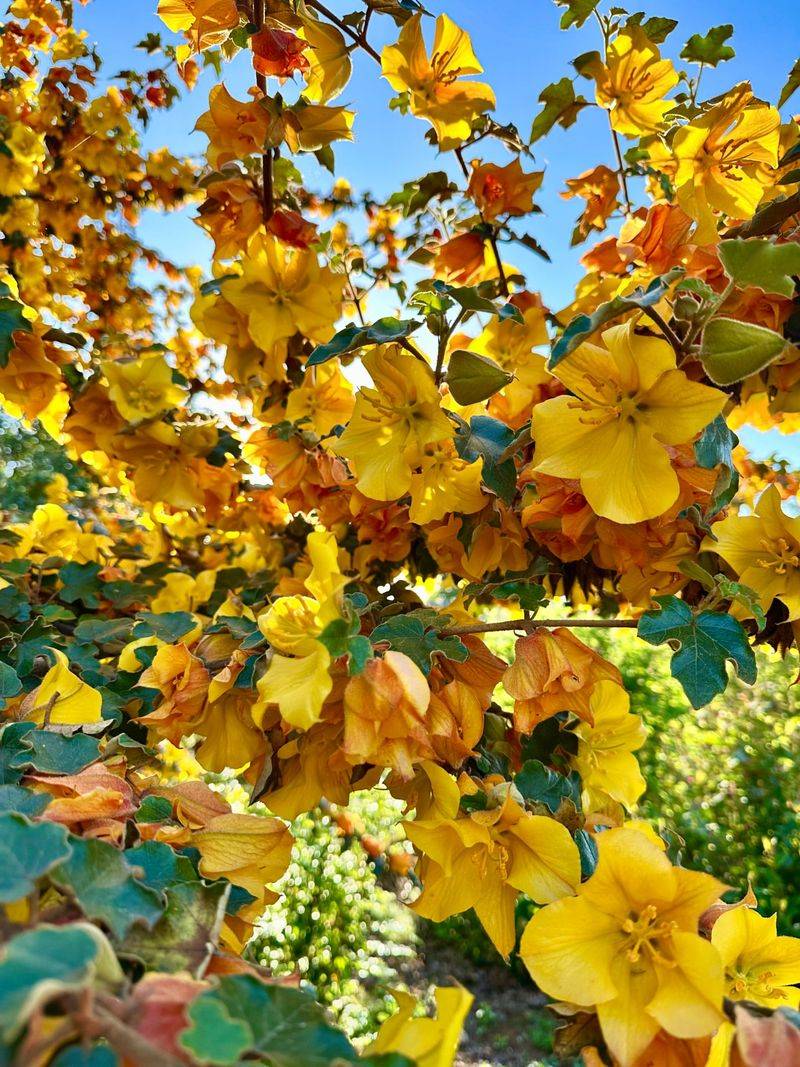
Few plants put on a show quite like the flannel bush. Known by its botanical name Fremontodendron, it produces oversized, golden-yellow flowers that can cover the entire shrub in spring.
Gardeners who see it for the first time often cannot believe it survives on almost no water at all.
Native to the foothills and slopes of this state, flannel bush is built for heat and drought. It prefers well-drained, even rocky soil and actually struggles if you water it too much.
Once established, it gets by almost entirely on winter rainfall alone.
The plant can grow quite large, sometimes reaching fifteen feet tall and wide. That makes it a great choice for covering slopes, filling empty corners, or acting as a natural privacy screen.
It is also a fantastic option for fire-prone areas because it grows in dry, open spaces naturally.
One thing to keep in mind: the fuzzy hairs on its leaves and stems can irritate skin. Wear gloves when pruning.
Beyond that minor detail, this is one of the most rewarding drought-tolerant shrubs you can plant in a water-restricted yard.
2. California Sagebrush Smells Like Summer And Handles Dry Soil
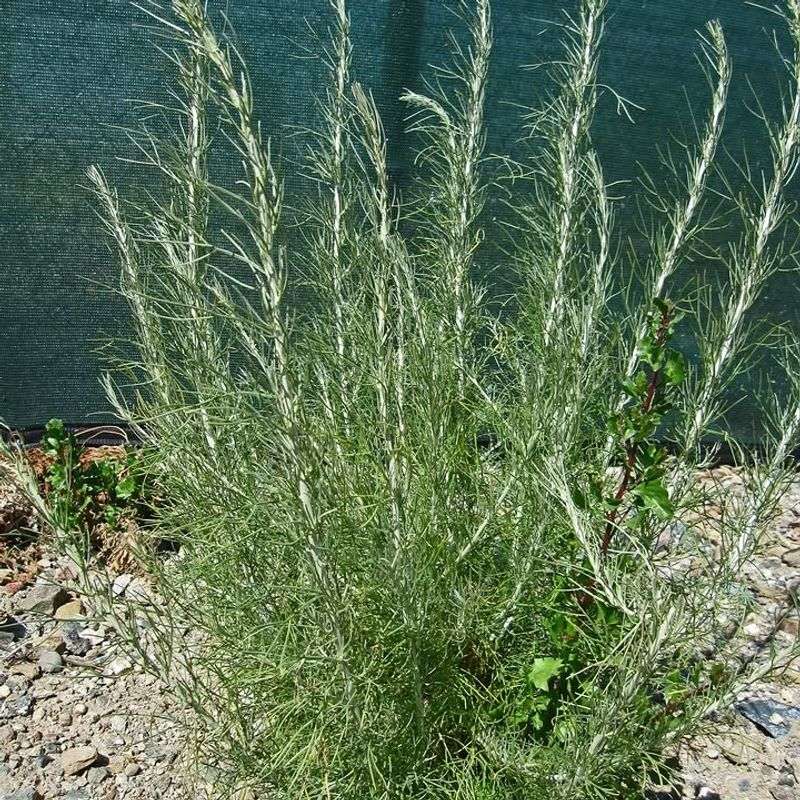
There is a scent that hits you the moment warm air moves through a coastal hillside, and that smell belongs to California sagebrush. Known scientifically as Artemisia californica, this silver-green shrub releases a sharp, earthy fragrance that many people describe as the true smell of summer in this state.
Beyond its amazing aroma, this plant is a survival expert. It grows in poor, sandy, or rocky soils where most plants would struggle.
Rainfall alone is usually enough to keep it healthy once it is rooted in the ground.
Wildlife loves it too. Coastal sage scrub habitat, which this plant anchors, supports dozens of bird species, including the California gnatcatcher.
Bees and butterflies also visit its small flowers in late summer and fall when few other plants are blooming.
For home gardens, sagebrush works beautifully as a low-maintenance border plant or a naturalistic ground cover on slopes. It stays relatively compact, usually reaching three to five feet tall.
Your California Garden Changes Every Week. Your Plan Should Too.
Gardening in California changes quickly throughout the season. Every Friday you’ll receive a simple weekly plan showing exactly what to plant, prune, fertilize, harvest, and protect so you never miss the right timing.
Trim it lightly after the rainy season to keep it tidy. It is one of those plants that asks for almost nothing and gives back so much in return.
3. Black Sage Keeps Pollinators Happy Without Constant Irrigation
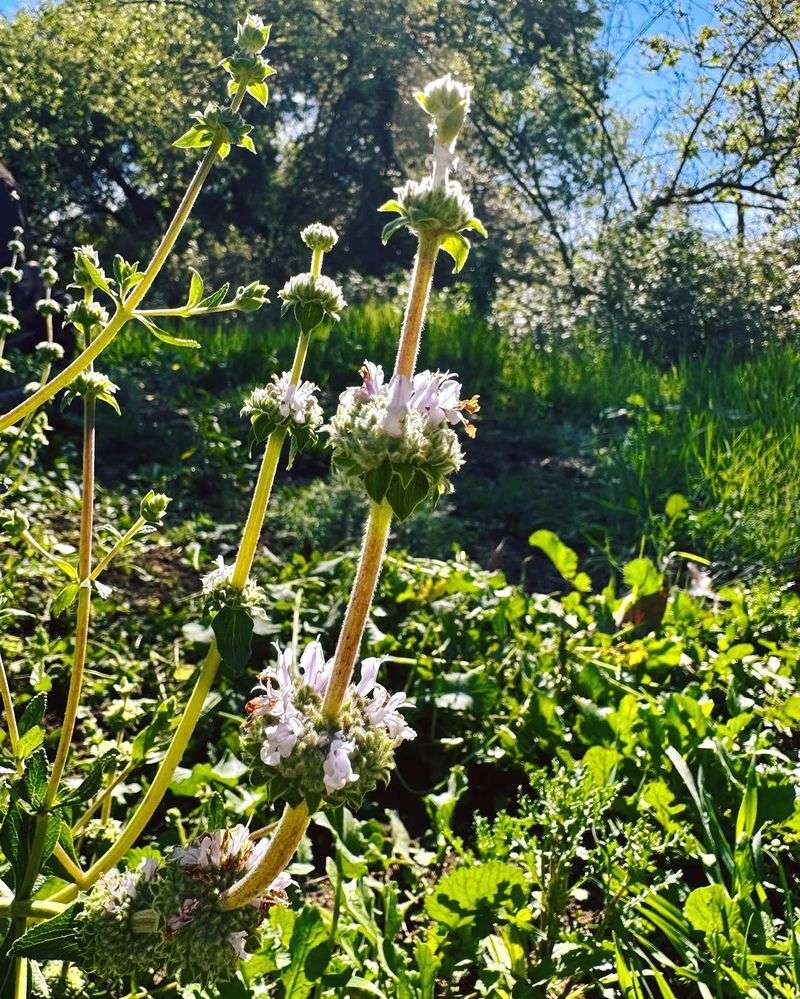
Walk past a patch of black sage on a warm afternoon and you will hear it before you see it. The buzzing of bees around Salvia mellifera is almost constant during bloom season.
This native sage is one of the most important pollinator plants in the state, producing nectar-rich flowers that attract honeybees, native bees, and hummingbirds alike.
Despite all that activity, black sage is incredibly easy to care for. It thrives in full sun and dry, well-drained soil.
Once established, it rarely needs any supplemental watering, making it a perfect fit for yards under water restrictions.
The dark green, wrinkled leaves release a strong herbal fragrance when brushed or crushed. Many gardeners actually enjoy this scent, which fills the garden on warm evenings.
The plant grows to about three to six feet tall, forming a dense, rounded mound that works well as a low hedge or natural border.
Black sage also has a long history of traditional use by Indigenous peoples of this state, who used it for medicinal and ceremonial purposes. Planting it connects your garden to a deep, living history while giving local wildlife exactly what they need.
4. Purple Sage Looks Soft But Handles Harsh Dry Spells
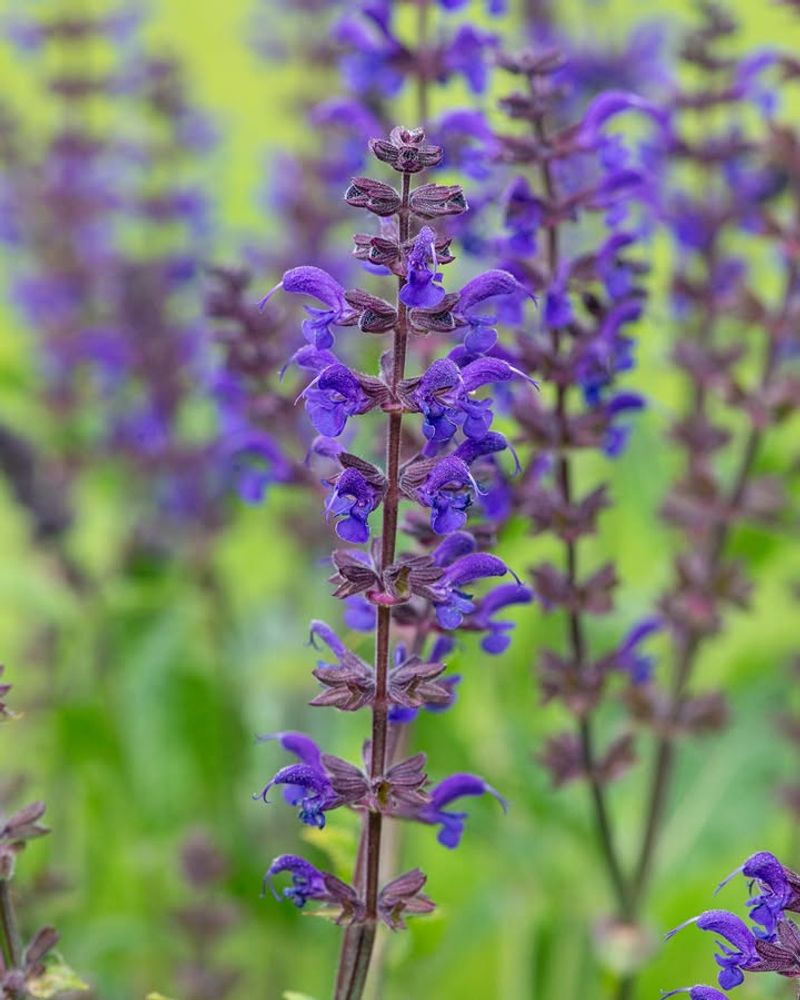
Do not let the delicate look fool you. Purple sage, or Salvia leucophylla, has a softness to its silver-gray leaves and pale lavender flowers that makes it look almost fragile.
But underneath that pretty exterior is one of the toughest plants you can grow in a dry garden.
It is native to the coastal sage scrub regions of southern and central parts of this state, where summers are long, hot, and bone dry. Purple sage has adapted to go months without meaningful rainfall and still come back looking fresh when the rains return.
In the garden, it works beautifully as a mid-sized shrub, typically growing three to five feet tall. The silvery foliage catches light in a way that brightens up dry, dusty-looking landscapes.
When it blooms in late spring, the pale purple flower spikes rise above the leaves and create a stunning display.
Bees and hummingbirds are drawn to it regularly. It pairs well with other native plants like black sage and California buckwheat.
Give it full sun, fast-draining soil, and very little water after the first year, and it will reward you with years of low-fuss, gorgeous growth.
5. Desert Willow Blooms Beautifully Through Heat
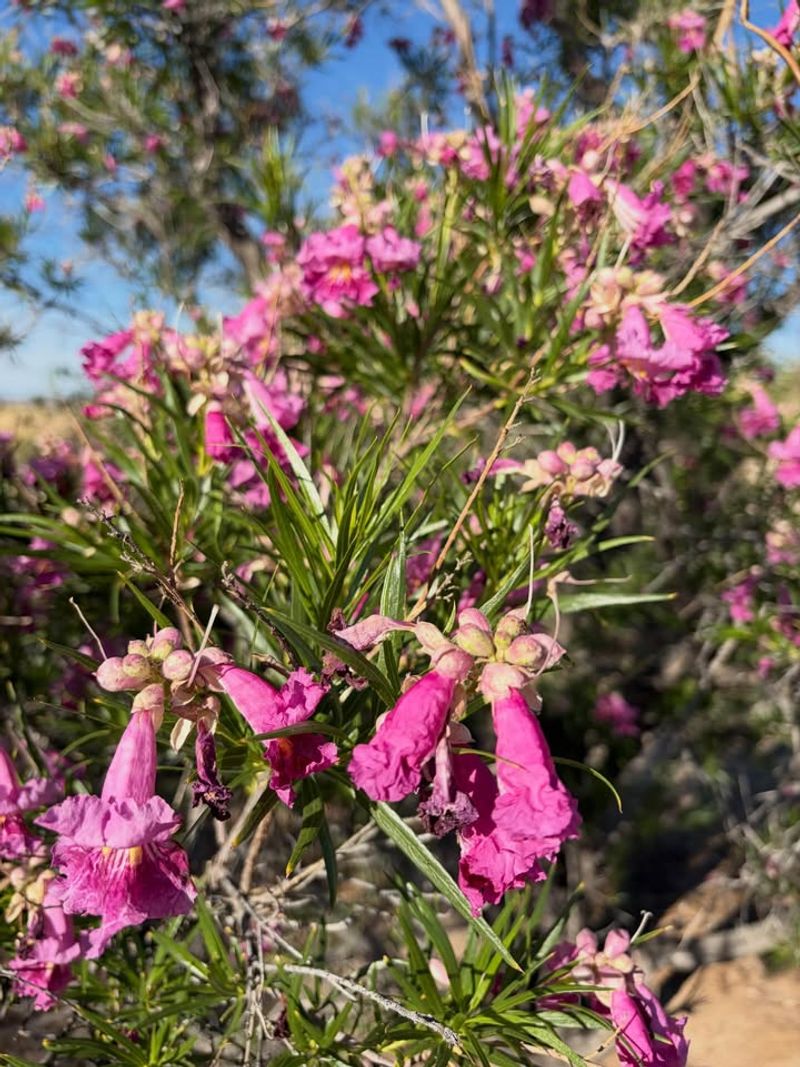
Most trees need regular watering to bloom, but desert willow plays by completely different rules. Chilopsis linearis pushes out showy, trumpet-shaped flowers in shades of pink, lavender, and white even during the hottest, driest stretches of summer.
It is one of the most dramatic-looking trees you can plant in a water-restricted yard.
Despite the name, desert willow is not a true willow. It belongs to the same family as trumpet vine and catalpa.
Its long, narrow leaves do give it a wispy, willow-like look, which is where the name comes from. The flowers, though, are all its own.
In inland valleys and desert edges of this state, it is a go-to choice for gardeners who want big visual impact without big water bills. It handles heat, reflected sunlight, and dry, sandy soils like a champion.
Hummingbirds are absolutely obsessed with its flowers.
Desert willow grows quickly, reaching fifteen to twenty-five feet tall in good conditions. It is deciduous, meaning it drops its leaves in winter, but the spring and summer flower show more than makes up for the bare look.
Plant it in full sun with good drainage and watch it thrive without much help from you.
6. Island Snapdragon Adds Color Without Acting Thirsty
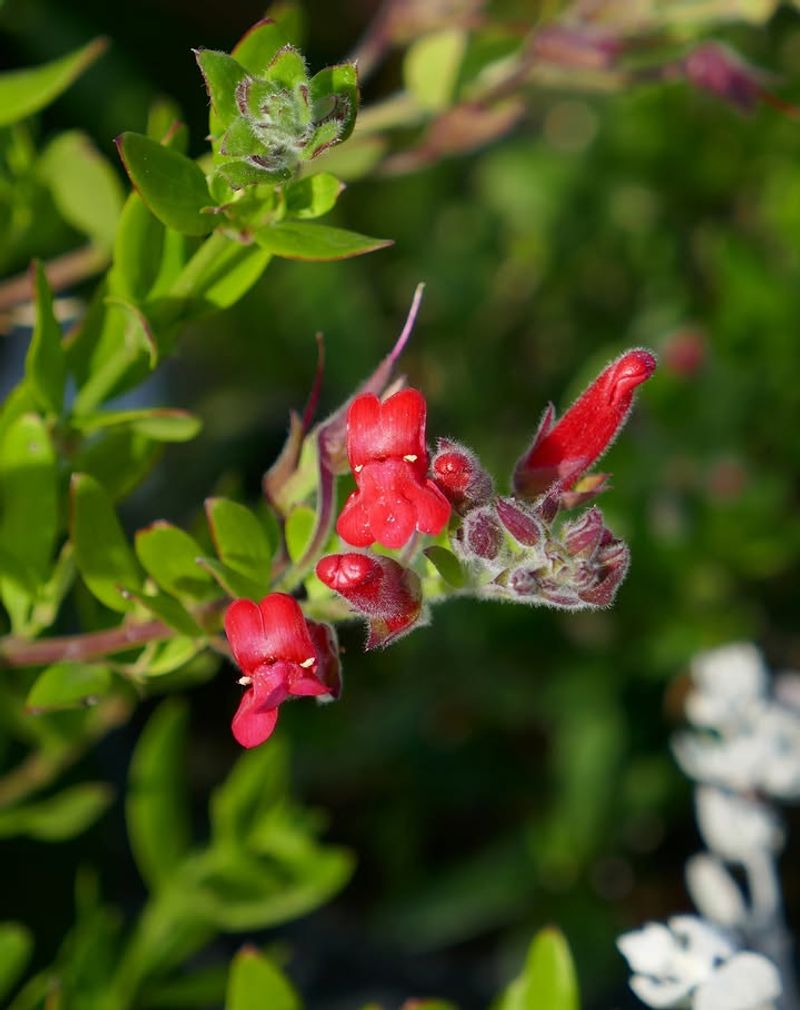
Bright colors and zero thirst? That is the deal with island snapdragon.
Galvezia speciosa is native to the Channel Islands off the coast of this state, where plants face salty wind, shallow soil, and very little fresh water. Growing in those conditions for thousands of years turned this plant into a water-wise superstar.
The tubular, red-to-magenta flowers bloom for a long season, often from late winter through summer. Hummingbirds treat it like a favorite restaurant, coming back again and again for the nectar.
The plant stays relatively compact, usually two to four feet tall, but it can spread wider and even cascade down slopes beautifully.
It works well in containers, raised beds, or as a ground cover on hillsides. Give it partial to full sun and well-drained soil.
Once established, it needs almost no irrigation during summer, which is exactly what gardeners dealing with water restrictions need to hear.
Island snapdragon also stays evergreen through the year, which means your garden keeps its color even in the off-season. It is a rare plant that checks every box: it is beautiful, it supports wildlife, it stays green year-round, and it barely needs water.
That combination is hard to beat.
7. Brittlebush Turns Dry Ground Into A Golden Show
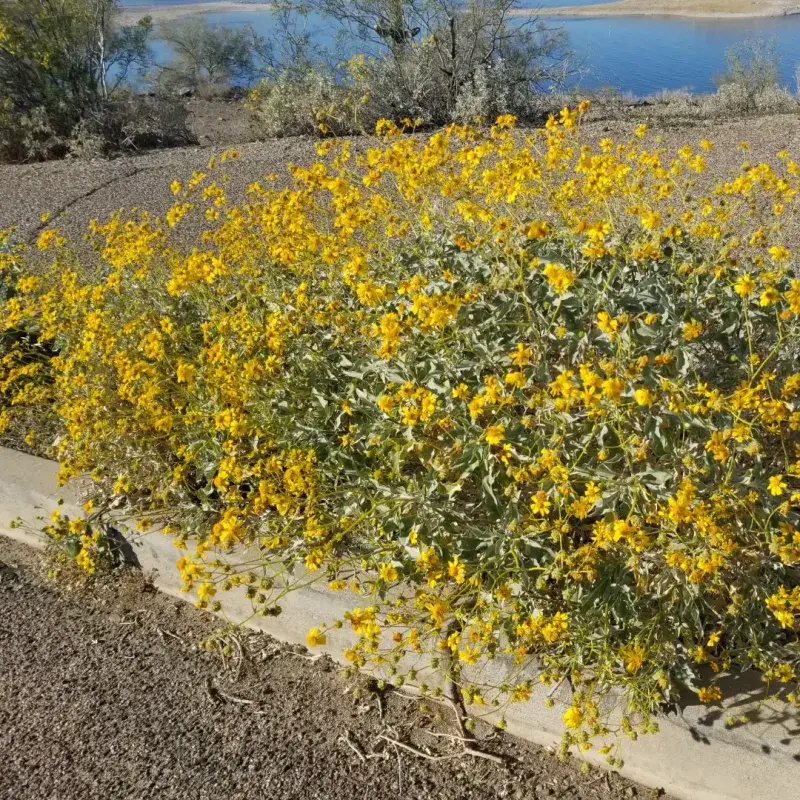
Few plants transform a bare, sun-baked patch of ground the way brittlebush does. Encelia farinosa covers itself in cheerful, yellow daisy-like flowers in late winter and spring, creating a golden carpet effect that stops people in their tracks.
It is one of the most visually rewarding drought-tolerant plants you can add to a dry garden.
Native to the desert regions of this state and the southwest, brittlebush is built for extreme heat and almost no water. Its silvery-white, fuzzy leaves reflect sunlight and reduce water loss, which is a smart natural trick that helps it survive where other plants cannot.
After flowering, the plant goes a bit dormant in the hottest part of summer. It may drop some leaves to conserve moisture.
But once fall arrives and temperatures drop, it perks right back up and starts preparing for another bloom season.
Brittlebush grows about two to four feet tall and wide, making it a good fit for borders, slopes, and dry garden beds. It needs full sun and fast-draining soil.
No fertilizer is needed, and watering once the plant is established is rarely necessary. It is a plant that genuinely prefers to be left alone.
8. Woolly Bluecurls Brings Wildflower Charm To Dry Gardens
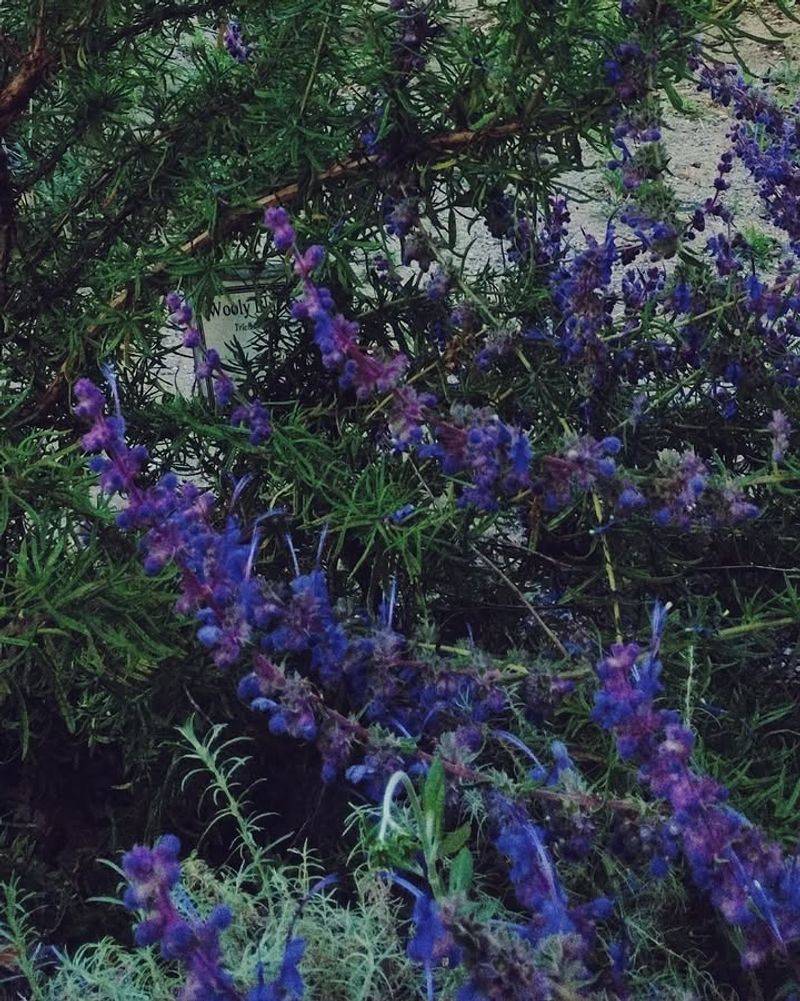
There is something almost magical about woolly bluecurls. Trichostema lanatum produces curved, deep blue-purple flower spikes covered in woolly purple fuzz that look like nothing else in the plant world.
Up close, the blooms are genuinely stunning, and from a distance, the plant has a wild, romantic look that fits beautifully into naturalistic garden designs.
Native to the chaparral slopes of this state, it is perfectly adapted to dry, rocky, well-drained soils. It does not like clay, and it definitely does not like too much water.
Overwatering is the fastest way to lose one. In the right soil with minimal irrigation, though, it can live for years and bloom reliably every spring and summer.
Hummingbirds and native bees are frequent visitors to the flowers. The aromatic leaves release a sharp, camphor-like scent that fills the air on warm days.
Some gardeners grow it near seating areas just to enjoy that fragrance.
It grows three to five feet tall and benefits from light pruning after flowering to keep it tidy. Full sun is a must.
If you want a plant that feels wild and special while asking almost nothing of you, woolly bluecurls is one of the best choices you can make for a dry garden.
9. Lemonade Berry Makes A Tough, Water-Wise Hedge
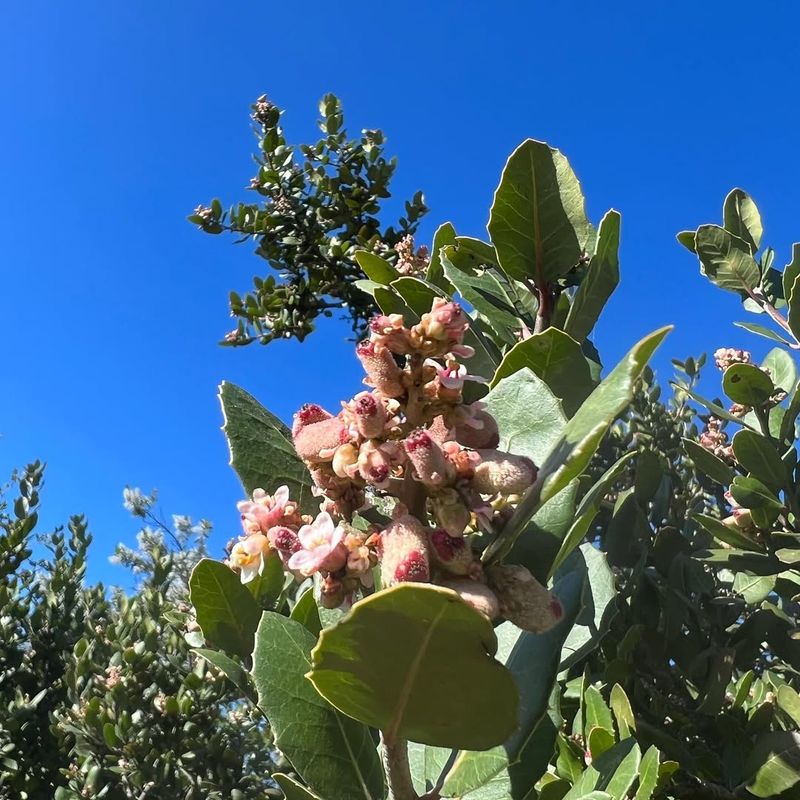
Not every plant in a water-wise garden has to be showy. Sometimes the most valuable plants are the ones that do a quiet, steady job.
Rhus integrifolia, known as lemonade berry, is that kind of plant. It forms a dense, evergreen mass of dark, glossy leaves that makes a fantastic hedge or windbreak without needing much water at all.
The name comes from the sticky, tart berries it produces, which can be soaked in water to make a lemonade-like drink. Indigenous peoples of the coast used this plant for food and medicine for centuries.
That deep history makes it feel like more than just a garden shrub.
It is native to the coastal sage scrub and chaparral zones of southern parts of this state. Once established, it handles drought, salt air, and coastal wind without complaint.
Small clusters of pinkish-white flowers appear in winter and spring, adding subtle beauty to the hedge.
For gardeners under water restrictions, lemonade berry is a practical dream. It grows six to ten feet tall and can be shaped or left natural.
Birds eat the berries and nest in the dense branches. Plant it in full sun or light shade with good drainage, and it will quietly do its job for decades.
10. Sugar Bush Stays Glossy When Rain Disappears
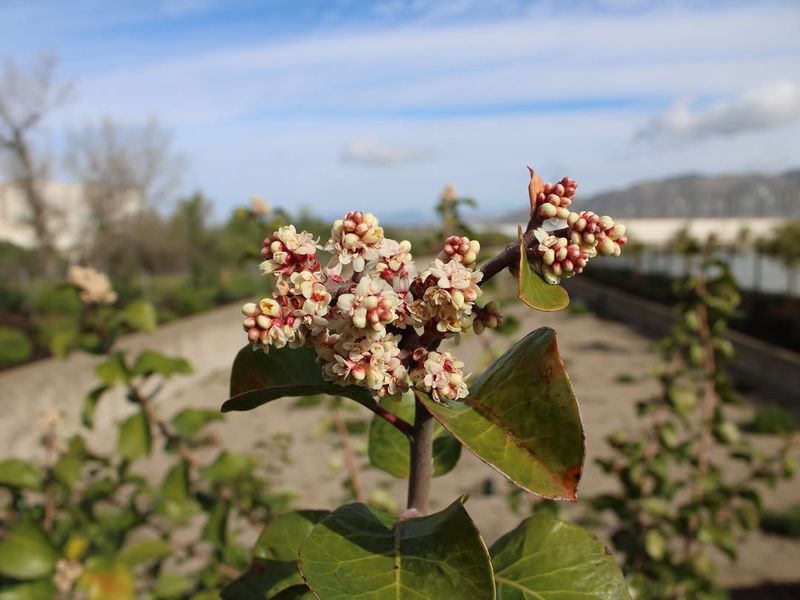
When summer arrives and the rain stops completely, most plants start looking stressed. Sugar bush, or Rhus ovata, barely flinches.
Its large, leathery, dark green leaves stay glossy and fresh-looking even through months of dry heat, giving the garden a lush appearance that seems almost impossible given the lack of water.
It is closely related to lemonade berry and shares the same toughness. Native to chaparral and dry slopes across southern and central parts of this state, sugar bush has deep roots that reach far into the soil to find whatever moisture is available.
That ability to find water on its own is what makes it so reliable.
The plant produces clusters of small, white to pinkish flowers in spring that attract bees and other pollinators. The sticky, reddish berries that follow were historically used by Indigenous communities to make a sweet drink, which is how the plant got its name.
Sugar bush grows eight to twelve feet tall and works well as a tall hedge, a background shrub, or a standalone specimen. It needs full sun and well-drained soil.
Once established, it rarely needs any supplemental watering. For a yard that needs to look great with almost no water, this plant is a dependable anchor.