The Sod Webworm Problem Michigan Homeowners Mistake For Drought Every May
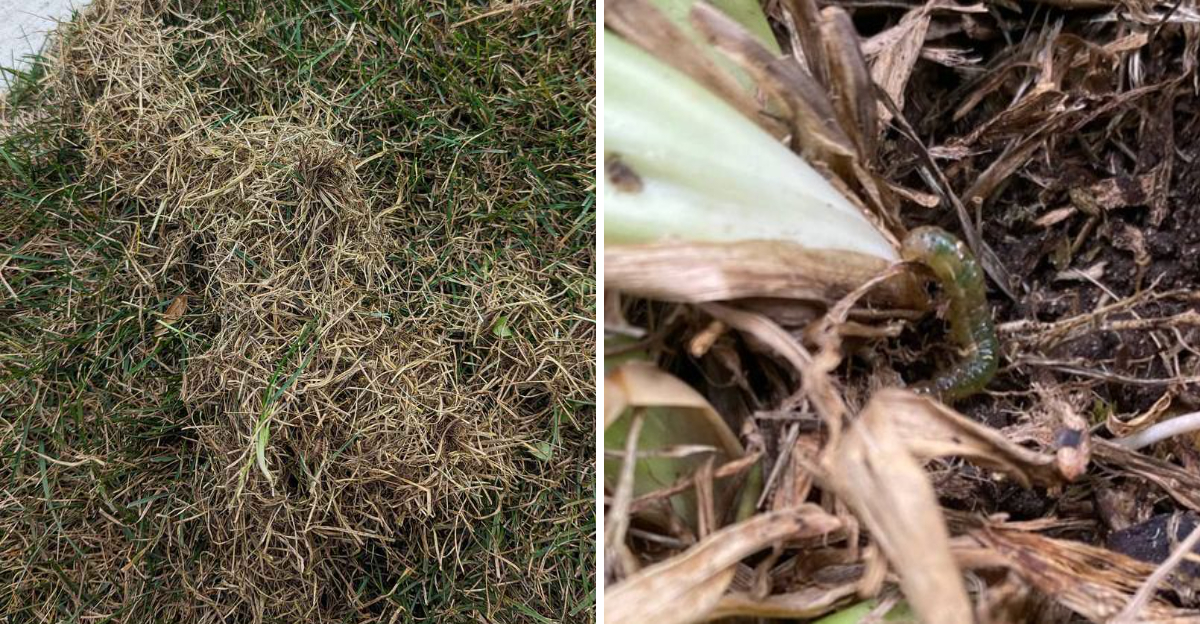
Brown patches showing up in a Michigan lawn in May are easy to blame on a dry stretch. The timing makes sense, the weather has been inconsistent, and watering seems like the obvious response.
The problem is that sod webworms cause damage that looks almost identical to drought stress, and treating for the wrong issue gives the real problem more time to spread.
Sod webworms are active across Michigan lawns earlier in spring than most homeowners realize, and the patches they create expand quickly once populations build up in the turf.
Watering a lawn damaged by sod webworms does not help and can actually make conditions more favorable for continued feeding.
Knowing the difference between what drought stress actually looks like and what sod webworm damage looks like is the first step toward fixing the right problem before it gets harder to manage through the rest of the season.
1. Sod Webworm Damage Often Looks Exactly Like Early Drought Stress
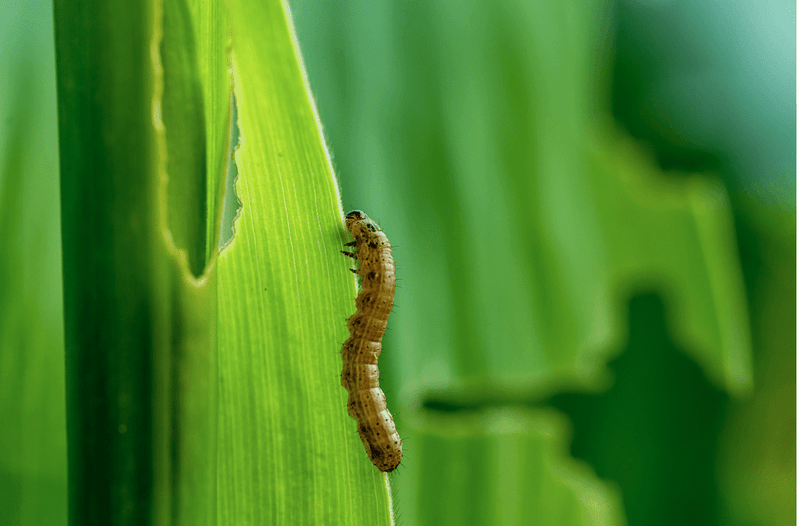
Walk across your lawn on a warm May morning and notice a few tan patches scattered around. Most homeowners immediately assume the soil is too dry and start watering.
But Crambus spp. and Parapediasia spp., the two most common sod webworm species active in Michigan, often create damage that looks almost identical to early drought stress, even when the soil underneath still holds plenty of moisture.
The reason for this confusion comes down to how these insects feed. Larvae chew grass blades down close to the soil surface, leaving short, ragged stubble behind.
The crown and root system may still be intact, but without the blade, the plant cannot photosynthesize properly. Affected areas turn a familiar straw color that most people associate with dry summer weather rather than insect activity.
Checking soil moisture before reaching for the sprinkler is always a smart first step. Push a screwdriver or your finger about two inches into the soil.
If it feels damp but the grass still looks brown and patchy, insect feeding could be the real culprit. Early identification makes recovery much easier, so do not skip that quick soil check when those suspicious patches first show up in spring.
2. Small Brown Moths Flying Up From Grass Are A Major Warning Sign
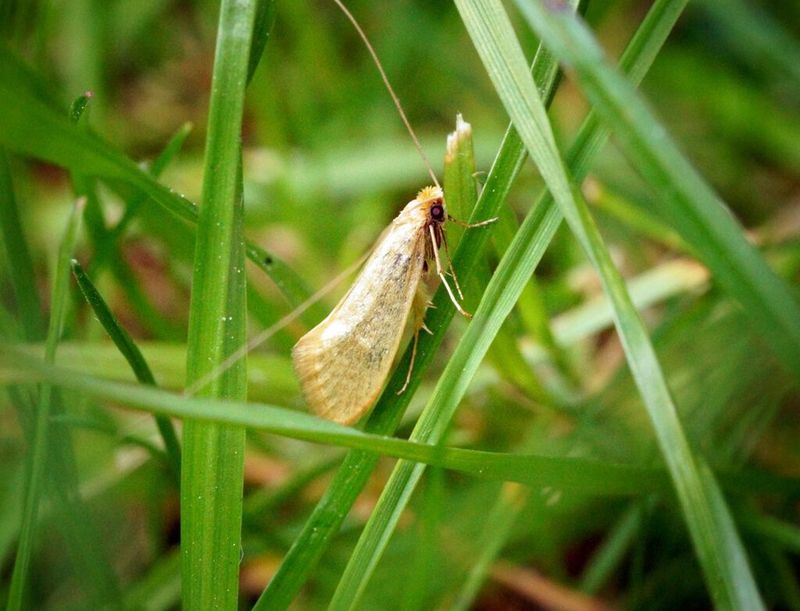
Something small and fluttery lifting off the grass as you walk across your lawn might seem harmless at first. Most people brush it off as a random moth passing through the yard.
But those small, tan or buff-colored moths are actually adult Crambus spp. and Parapediasia spp., and their presence in your lawn during May is one of the most reliable early warning signs of a developing sod webworm problem.
Adult moths are not the ones causing turf damage, but they are laying eggs that will hatch into hungry larvae. Females deposit eggs directly onto grass blades, and the resulting caterpillars quickly work their way down to the soil surface where feeding begins.
Noticing the moths early gives homeowners a valuable head start before larval populations grow large enough to cause visible damage.
Your Michigan Garden Changes Every Week. Your Plan Should Too.
Gardening in Michigan changes quickly throughout the season. Every Friday you’ll receive a simple weekly plan showing exactly what to plant, prune, fertilize, harvest, and protect so you never miss the right timing.
Watch for moth activity during warm Michigan evenings and on sunny spring afternoons when adults are most active. Walking slowly through the lawn and observing how many moths flutter up per square foot gives a rough sense of population density.
Seeing just a couple is normal, but if dozens rise with each step you take, that is a clear signal to inspect the turf more closely. Early attention at this stage can prevent the kind of widespread patchy damage that shows up just a few weeks later.
3. Michigan Lawns Can Look Water Stressed Even When Soil Still Feels Moist
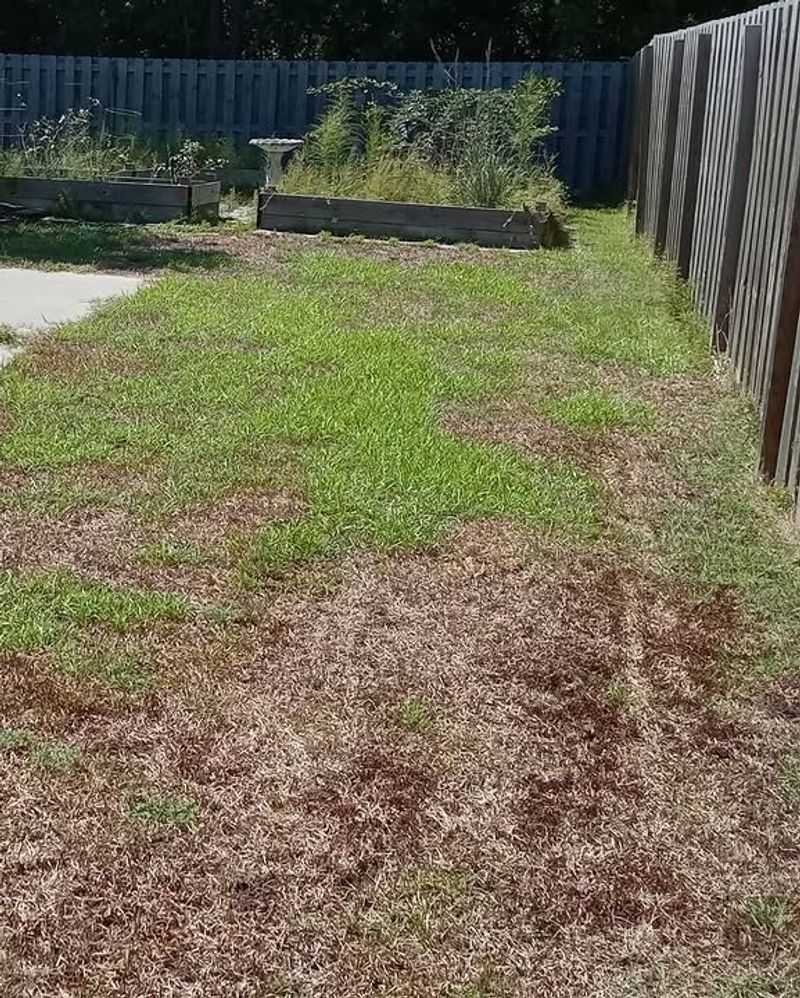
Soggy soil and a brown lawn are not supposed to go together, yet that is exactly what sod webworm damage can produce.
Crambus spp. larvae feed on grass blades and crowns during their active feeding periods, weakening individual plants faster than most homeowners expect.
The grass loses its green color and upright posture long before the soil actually runs out of water.
Picture a plant that has had its leaves removed but still has roots reaching into moist ground. The roots are fine, but without the above-ground structure, the plant cannot function.
Sod webworm feeding creates exactly this kind of damage, which is why affected lawns develop a wilted, washed-out look that mimics the appearance of dry weather stress.
Watering more heavily in response only delays proper treatment and can actually encourage thatch buildup over time.
A simple way to separate insect damage from true moisture stress is to part the grass in a suspicious patch and look closely at the base. Crambus spp. feeding often leaves short, cleanly chewed grass stubs close to the soil.
You might also spot small green pellets called frass, which are droppings left behind by feeding larvae. Spotting those signs early gives you a much clearer picture of what your lawn actually needs this spring.
4. Sod Webworms Feed At Night When Most Gardeners Are Not Watching
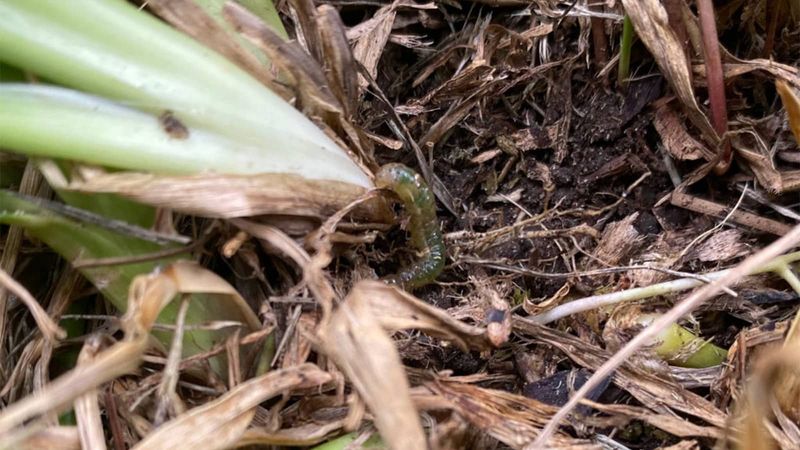
Catching a sod webworm in the act is surprisingly rare, and that is completely intentional on the insect’s part.
Crambus spp. larvae are nocturnal feeders, meaning they come out after dark to chew on grass blades and then retreat back into silk-lined tunnels in the thatch layer before sunrise.
By the time most gardeners step outside in the morning, the culprits are already hiding out of sight.
This nighttime behavior is one of the main reasons the damage gets mistaken for drought or disease. The lawn looks worse each morning, but nothing visible seems to be causing it.
During the day, larvae rest in those silk tunnels built into the thatch just above the soil line. The tunnels are small and easy to miss unless you are specifically looking for them by parting the grass carefully and examining the base.
One of the most reliable ways to confirm a nighttime feeding problem is to go outside after dark with a flashlight and walk slowly across the affected areas. Shining the light at a low angle across the grass surface often reveals larvae moving actively through the turf.
Another effective method is the soap flush test, where a mixture of dish soap diluted in water is poured over a square foot of lawn. Larvae will surface within a few minutes, making counting and identification much easier for homeowners.
5. Thin Patchy Areas Often Appear Before Large Lawn Damage Develops
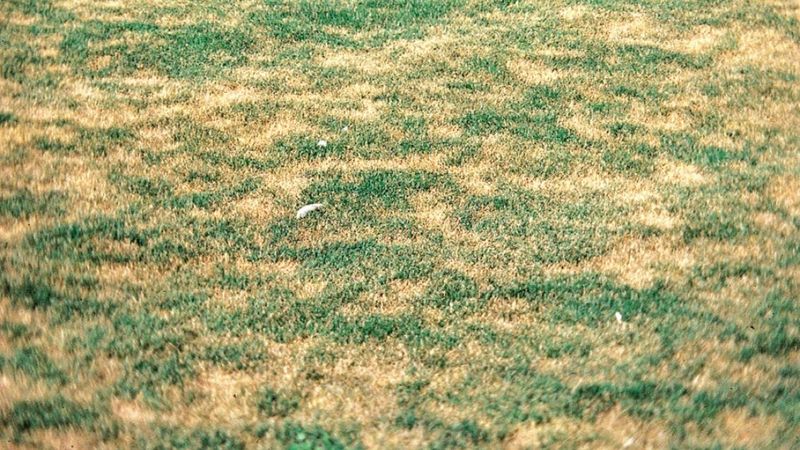
The first signs of a sod webworm problem are easy to dismiss. A few thin spots here and there, some areas where the grass looks a little sparse compared to the rest of the lawn.
These early irregular patches are Crambus spp. at work, and catching them at this stage makes a huge difference in how much damage the lawn ultimately suffers through the season.
Young larvae start small and feed in limited areas, which is why the initial damage pattern tends to look scattered and random rather than forming one large brown section.
As the larvae grow larger and their appetite increases, those small thin spots expand and eventually merge into the wider straw-colored patches that are harder to recover from quickly.
Monitoring the lawn during May and early June with this progression in mind gives homeowners a real advantage.
Make a habit of walking the lawn every week or so during spring and noting any areas that look slightly off compared to surrounding turf. Even a section the size of a dinner plate deserves a closer look.
Get down low and part the grass to check for chewed blades, frass, or silk tunneling near the soil.
Catching the problem while it is still small and patchy means treatment options remain simpler, recovery time shortens, and the rest of the lawn stays protected through the warmer months ahead.
6. Heavy Thatch Creates Ideal Hiding Areas For Sod Webworms
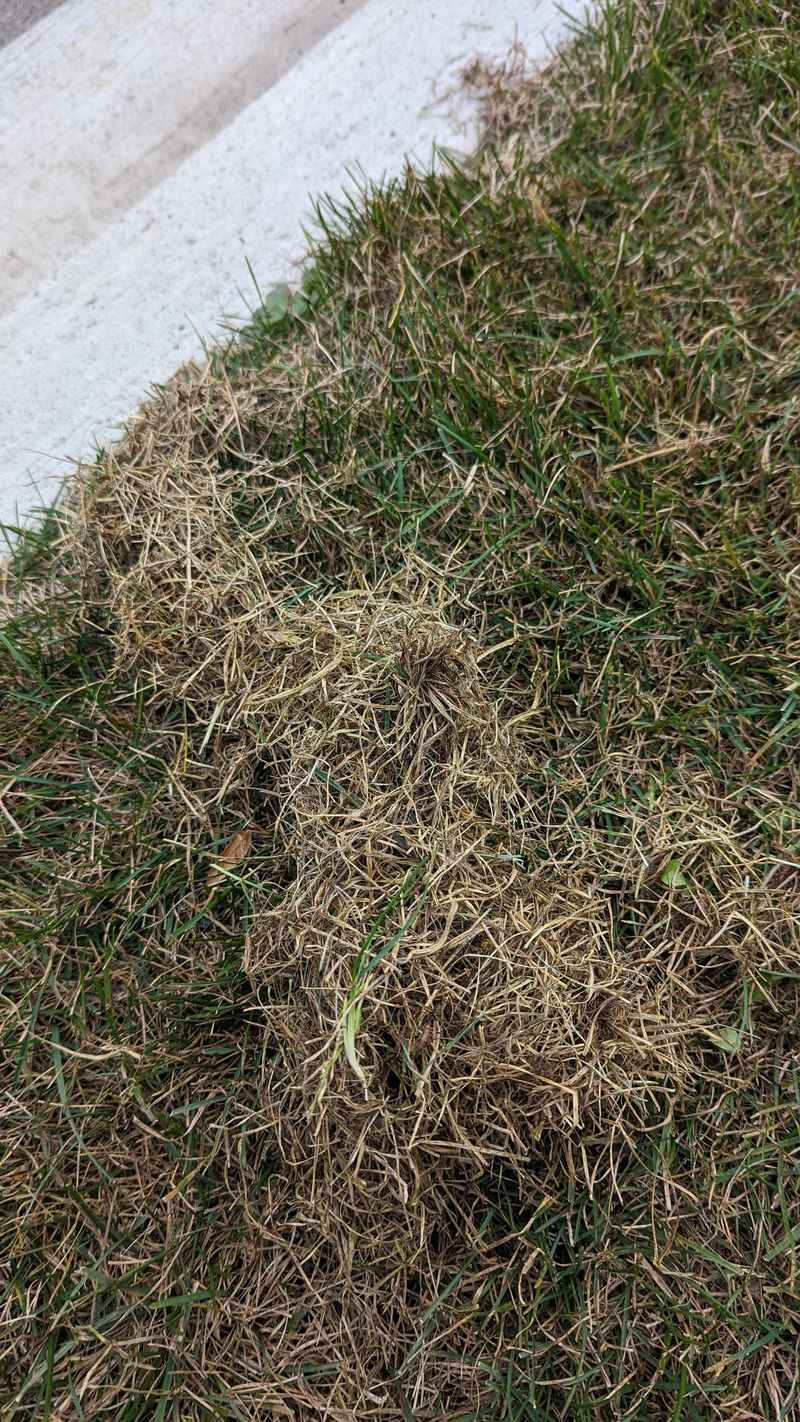
Thatch gets a bad reputation mostly for causing poor water penetration and weak root development. But there is another reason to keep that layer in check, and it has everything to do with sod webworms.
Crambus spp. larvae build their silk-lined tunnels directly within the thatch zone, using that dense layer of undecomposed grass stems and organic matter as both shelter and a feeding launch pad.
A thatch layer thicker than about half an inch creates nearly perfect conditions for larvae to thrive. It holds moisture, buffers temperature changes, and keeps the insects protected from surface disturbances and natural predators.
Lawns with heavy thatch also tend to develop the kind of lush, soft grass growth that larvae prefer, creating a situation where the problem reinforces itself season after season without intervention.
Dethatching Michigan lawns in early spring, before sod webworm eggs begin hatching, removes a major part of the habitat these insects depend on.
A core aerator or dethatching rake can break up compacted thatch layers effectively, and the process also improves water movement and root depth.
After dethatching, overseeding thin areas with a quality turf blend suited to Michigan conditions helps the lawn fill in faster and develop a denser canopy.
Denser turf naturally resists insect pressure better because larvae have fewer bare or weak spots to target through the growing season.
7. Birds Pecking At The Lawn Can Signal Hidden Sod Webworm Activity
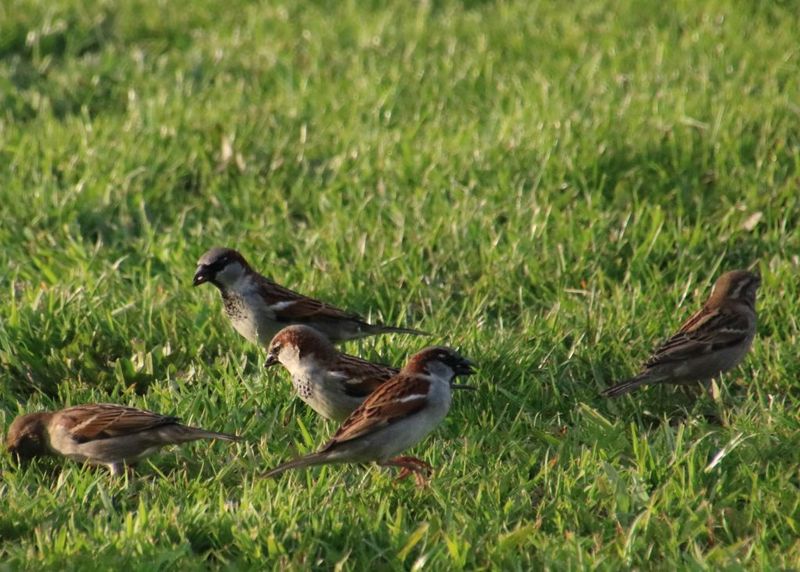
Robins are usually a welcome sight in any Michigan yard, and their cheerful presence on the lawn feels like a sign of a healthy spring.
But when robins and other birds start pecking persistently at specific sections of turf, especially the same spots day after day, that behavior often means something more interesting is going on beneath the surface.
Birds are remarkably good at detecting Crambus spp. larvae moving just below the grass canopy.
Starlings, robins, and grackles are particularly active hunters of soil-dwelling larvae. They use both sight and sound to locate movement under the turf, and they tend to concentrate their activity in areas where larval populations are highest.
Watching where birds spend the most time feeding on the lawn can actually help homeowners map out problem zones before the grass damage becomes obvious to the human eye.
Think of bird activity as a free early warning system that nature provides. If a specific corner of the yard consistently attracts pecking birds while the rest of the lawn gets ignored, take that as a cue to inspect the area closely.
Perform a soap flush test in that zone to check for larvae. Homeowners who pay attention to these natural cues often catch infestations earlier than those who wait for visible turf damage to appear.
Sometimes the best lawn care tool available is simply being observant on a quiet spring morning.
8. Deep Infrequent Watering Helps Lawns Recover Better Than Daily Sprinkling
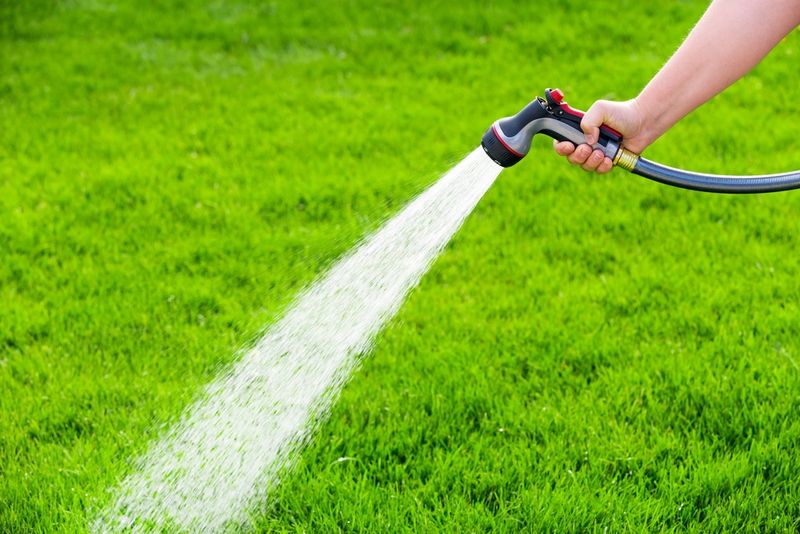
Watering a little bit every single day might feel like the responsible thing to do, especially when a lawn looks stressed in May. But frequent shallow watering actually does more harm than good when sod webworms are involved.
Crambus spp. larvae thrive in the shallow thatch zone, and keeping that upper layer constantly moist creates exactly the warm, humid environment where larvae are most comfortable and active.
Deep, infrequent watering encourages grass roots to grow downward in search of moisture rather than staying shallow and weak near the surface.
Stronger, deeper root systems give turf a much better ability to tolerate and recover from the kind of surface feeding that sod webworms cause.
When roots reach deeper into the soil profile, the plant can keep drawing water and nutrients even if the upper blades are partially damaged by larval activity.
For Michigan lawns in spring and early summer, watering deeply once or twice per week rather than daily gives the turf the best chance to stay resilient.
Aim to apply about one inch of water per session, which can be measured easily by placing a small container on the lawn while the sprinkler runs.
Watering in the early morning allows the grass surface to dry out during the day, reducing moisture levels in the thatch zone and making conditions slightly less hospitable for larvae throughout the active growing season.
9. Healthy Well Maintained Michigan Lawns Usually Recover Faster From Minor Damage
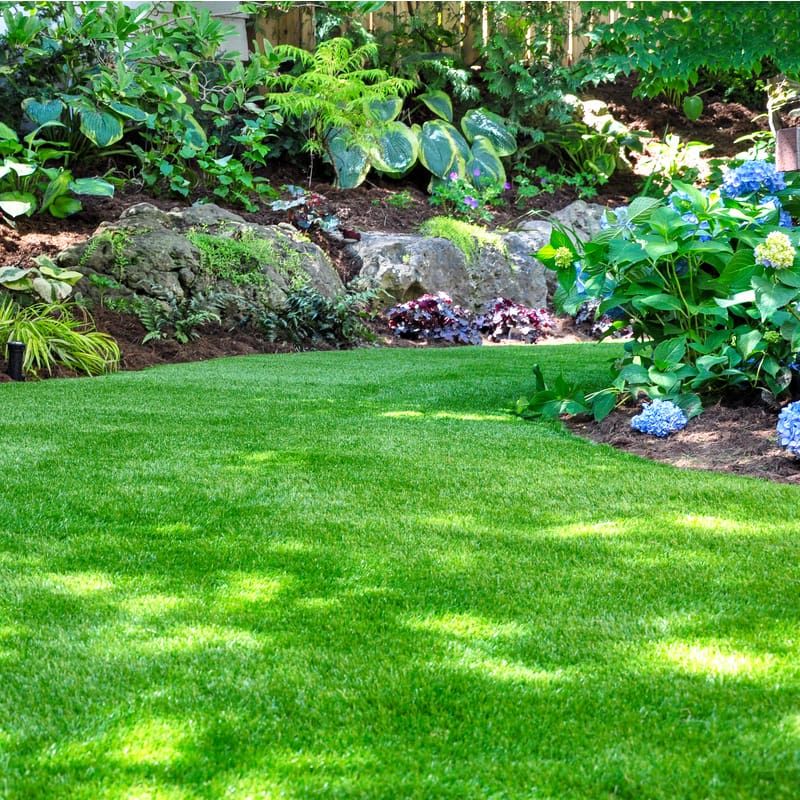
A lawn that goes into sod webworm season in strong condition has a real advantage over one that is already struggling. Crambus spp. feeding causes the most lasting damage in turf that is thin, stressed, or improperly maintained heading into spring.
By contrast, lawns built on solid fundamentals tend to recover from minor feeding pressure without needing intensive intervention.
Poa pratensis, commonly known as Kentucky bluegrass, is one of the most popular cool-season grasses in Michigan and has a notable ability to spread and fill in damaged areas through underground stems called rhizomes.
Maintaining it at a mowing height of around three to three and a half inches keeps the canopy dense enough to shade the soil and reduce conditions that favor larval activity near the surface.
Cutting grass too short stresses plants and leaves more of the turf vulnerable to feeding damage.
Balanced fertilization, consistent watering habits, and annual aeration all contribute to the kind of turf density and root depth that bounce back quickly after minor insect pressure. Overseeding thin sections in early fall helps fill gaps before next spring arrives.
Homeowners who invest in basic lawn health throughout the season rarely face the severe widespread damage that comes from lawns that were already weak when sod webworm activity peaked.
Strong turf is simply the most reliable long-term defense available to any Michigan yard.