Top Native Pennsylvania Trees That Give Shade Without Cracking Sidewalks
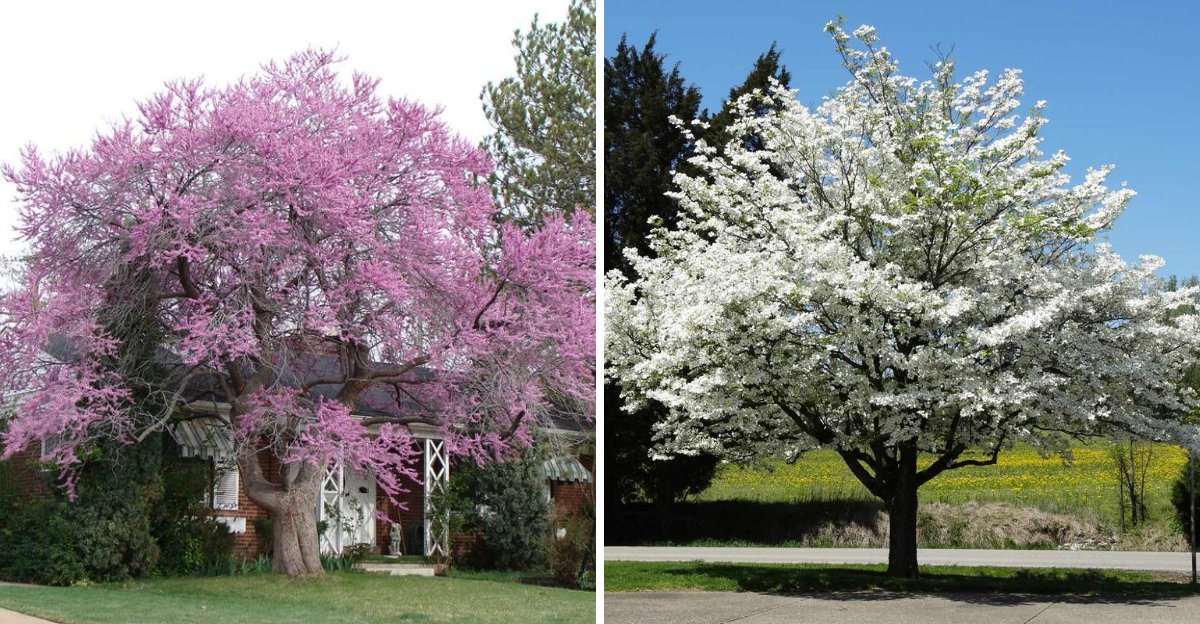
Shade trees are one of the best investments a Pennsylvania homeowner can make, right up until the roots start lifting the sidewalk, cracking the driveway, or working their way into underground utilities in ways that turn a beloved backyard tree into an expensive problem.
It’s a scenario that plays out regularly across Pennsylvania neighborhoods, and it usually starts with a tree choice that nobody thought through carefully enough at planting time.
The good news is that Pennsylvania has a genuinely impressive lineup of native trees that provide real, meaningful shade without the destructive root behavior that makes certain species such a headache near hardscaping and infrastructure.
These trees developed alongside Pennsylvania’s natural landscape, which means they’re adapted to grow in ways that work with the environment rather than against it.
Choosing native trees for shade isn’t just the ecologically responsible option – it’s often the most practical one for Pennsylvania homeowners who want beauty and function without the long-term complications.
1. Serviceberry
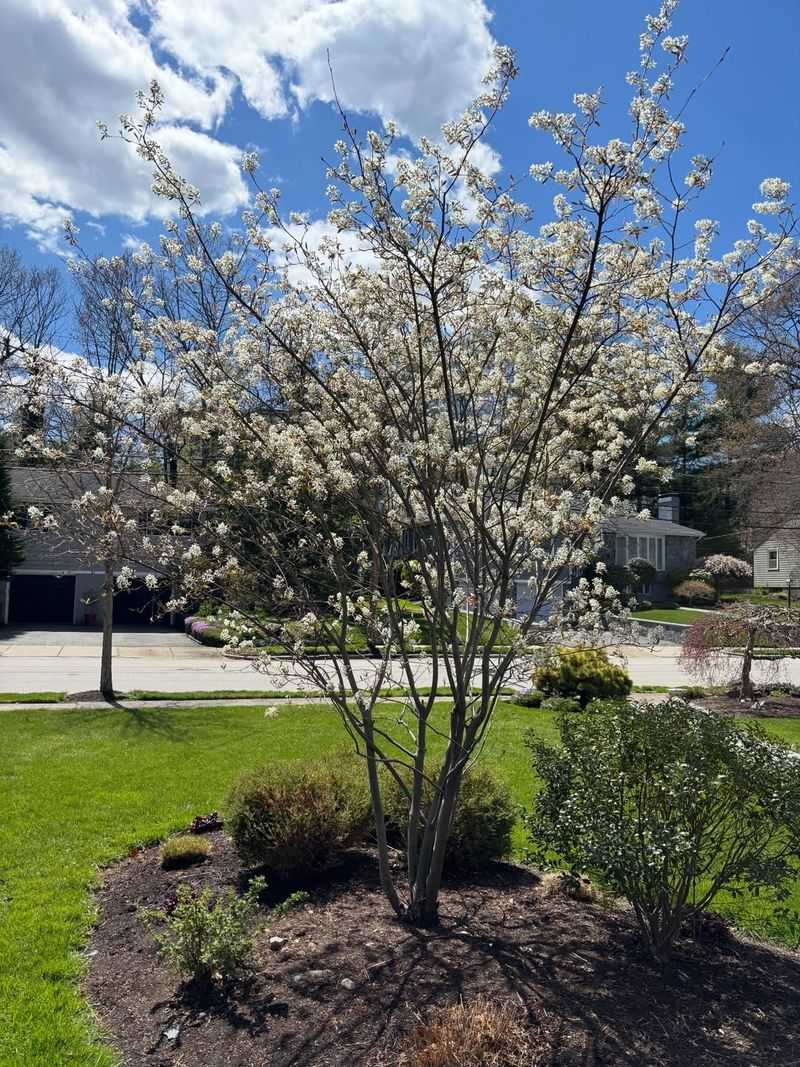
Few trees announce spring quite like the Serviceberry. Before most other trees even think about leafing out, Serviceberry bursts into a cloud of delicate white flowers that practically glow against a gray March sky.
If you live in Pennsylvania and want a tree that works hard in every season, this one is tough to beat.
Serviceberry, also called Amelanchier, stays relatively small, usually topping out between 15 and 25 feet tall. That manageable size means its root system stays compact and polite.
You will not find its roots sneaking under your sidewalk or pushing up your driveway after a few years. Homeowners across Pennsylvania love it for exactly that reason.
Beyond its spring flowers, Serviceberry produces small, blueberry-like fruits in early summer that birds absolutely love.
It also puts on a spectacular show in fall, with leaves turning shades of orange, red, and gold. Planting one near a walkway gives you beauty without the headache of repairs later.
Serviceberry grows well in both full sun and partial shade, making it flexible for many Pennsylvania yards. It handles clay soil, which is common throughout much of the state, and it does not need a lot of extra fertilizer or fuss to thrive.
For homeowners who want a low-maintenance, sidewalk-friendly native tree, Serviceberry checks every box with style and grace.
2. Eastern Redbud
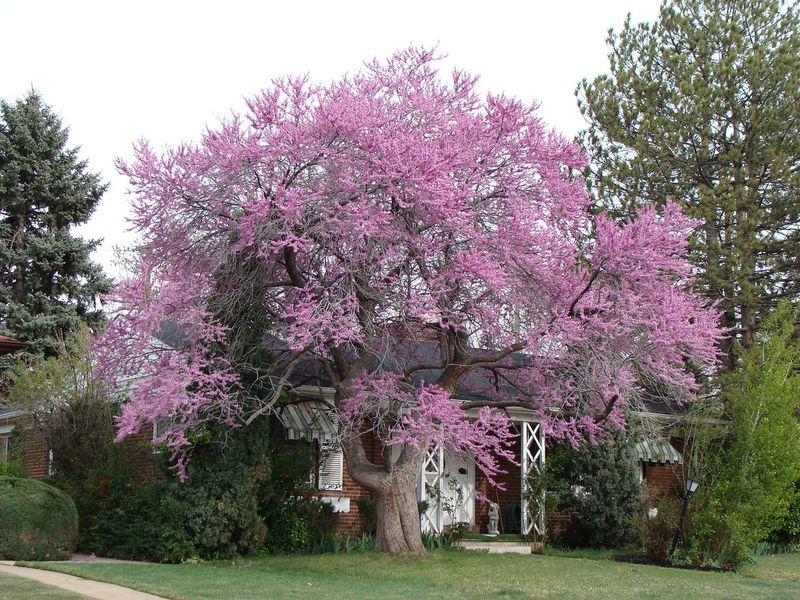
Walk through any Pennsylvania neighborhood in April, and you will likely spot an Eastern Redbud stopping people in their tracks.
Its branches erupt in brilliant pink-purple flowers before a single leaf appears, creating one of the most eye-catching spring displays you can find in the entire region. People often slow their cars down just to take a second look.
Eastern Redbud grows to about 20 to 30 feet tall, which puts it in that sweet spot of being large enough to cast real shade but small enough to avoid becoming a sidewalk-cracking problem.
Its root system tends to grow downward rather than spreading aggressively near the surface, which is great news for nearby pavement and pathways.
Your Pennsylvania Garden Changes Every Week. Your Plan Should Too.
Gardening in Pennsylvania changes quickly throughout the season. Every Friday you’ll receive a simple weekly plan showing exactly what to plant, prune, fertilize, harvest, and protect so you never miss the right timing.
Across Pennsylvania, Redbud thrives in a wide range of soil types and handles both sun and partial shade well.
It is a native tree, so it has already adapted to the local climate, the occasional dry summer, and the cold Pennsylvania winters. You will not need to baby it once it gets established.
In summer, the heart-shaped leaves provide a soft canopy of light, dappled shade that feels refreshing without blocking out all the sunlight. Fall brings a pleasant golden-yellow leaf color before the tree goes dormant.
If you want a tree with serious curb appeal, a manageable root system, and a long season of interest, Eastern Redbud is one of Pennsylvania’s finest choices for planting near walkways.
3. American Hornbeam
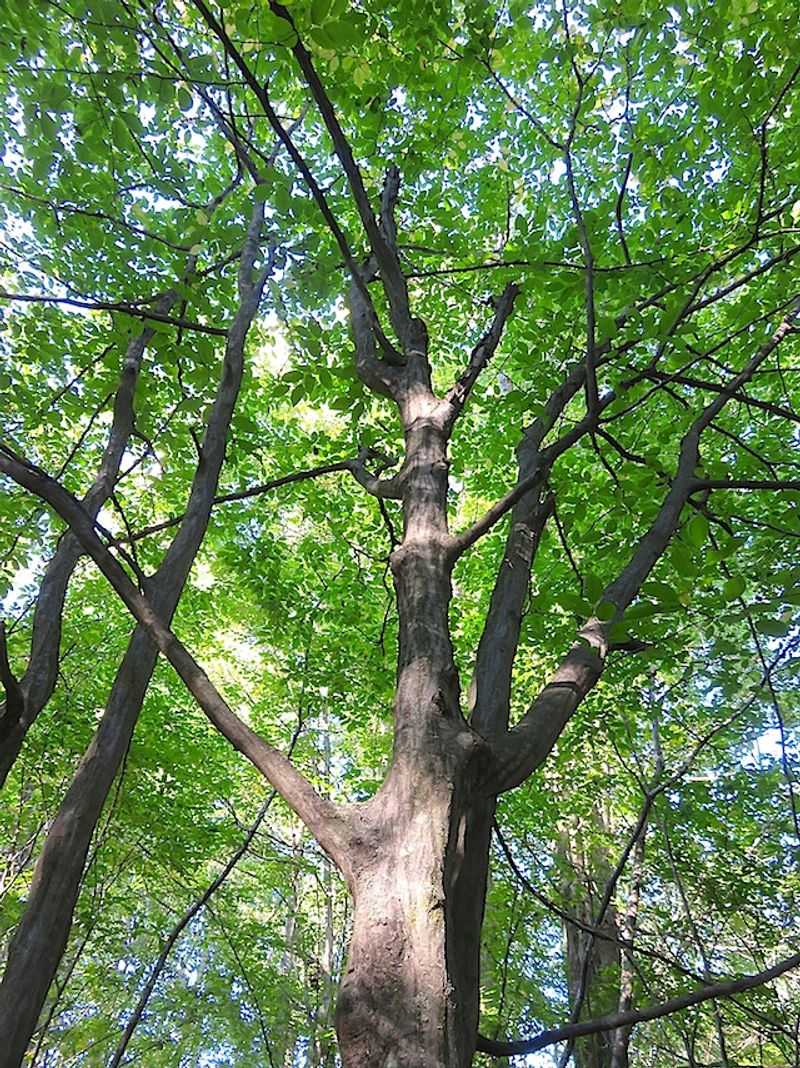
American Hornbeam has a nickname that tells you a lot about it: musclewood. Run your hand along its trunk and you will feel the smooth, rippling bark that looks like a flexed muscle beneath the surface.
It is one of Pennsylvania’s most interesting native trees, and it has a quiet, slow-growing personality that makes it a fantastic neighbor to sidewalks and driveways.
Because American Hornbeam grows slowly, usually reaching between 20 and 30 feet over many years, it develops a root system that expands gradually and stays manageable.
Fast-growing trees tend to develop aggressive roots quickly, but Hornbeam takes its time, which means far less risk of pavement damage over the long run. Pennsylvania homeowners who plant one near a walkway can breathe easy.
This tree prefers partial shade and moist soil, which makes it a natural fit for spots along streams or in shaded corners of Pennsylvania yards where other trees might struggle.
It is one of the few native trees that actually prefers growing under the canopy of larger trees, so it works beautifully in layered landscapes.
American Hornbeam produces interesting hop-like seed clusters in late summer and fall that add texture and character to the tree. Its fall foliage turns orange, red, and yellow, giving it a colorful send-off before winter.
For anyone looking for a slow-growing, sidewalk-safe native tree with genuine year-round personality, American Hornbeam is a smart and rewarding choice for Pennsylvania landscapes.
4. Black Gum
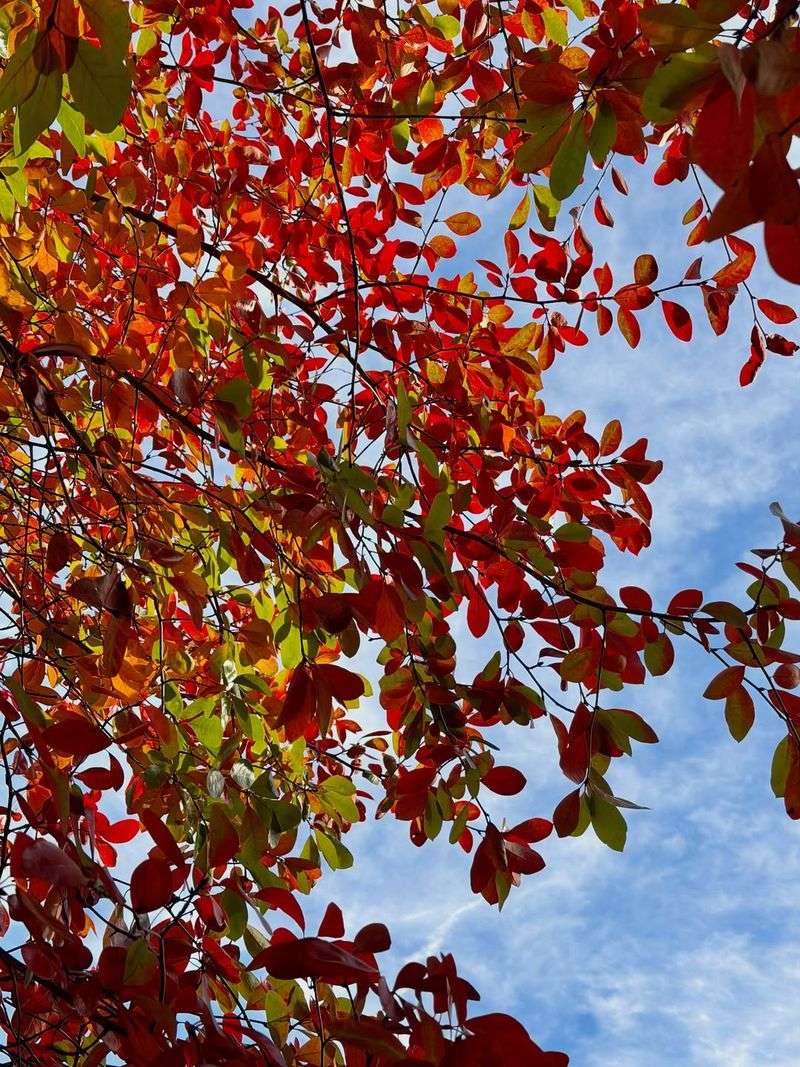
If you want the most brilliant fall color of any native Pennsylvania tree, Black Gum might just be your answer.
Its leaves turn a jaw-dropping scarlet red in early fall, often weeks before most other trees even begin to change. Neighbors will ask what that stunning tree is, and you will get to say you planted it yourself.
Black Gum, also called Nyssa sylvatica, grows to between 30 and 50 feet tall, making it one of the larger trees on this list. But here is the key detail: its roots tend to grow deep rather than wide and shallow.
Deep roots are much less likely to push up sidewalks or crack pavement, which makes Black Gum a surprisingly good choice for planting near walkways in Pennsylvania yards.
This tree is incredibly tough. It handles wet soil, clay soil, and even occasional flooding without complaint, which is a real advantage in parts of Pennsylvania that experience heavy spring rains.
Once established, Black Gum is highly drought-tolerant as well, making it adaptable to a wide range of local conditions.
Wildlife absolutely thrives around Black Gum trees. Birds and small mammals rely on the small, dark blue fruits that appear in late summer and fall.
Planting a Black Gum in your Pennsylvania yard means creating a mini habitat that supports local wildlife while giving your family beautiful shade and one of the most spectacular autumn color displays the region has to offer. It is a genuine win all around.
5. Witch Hazel
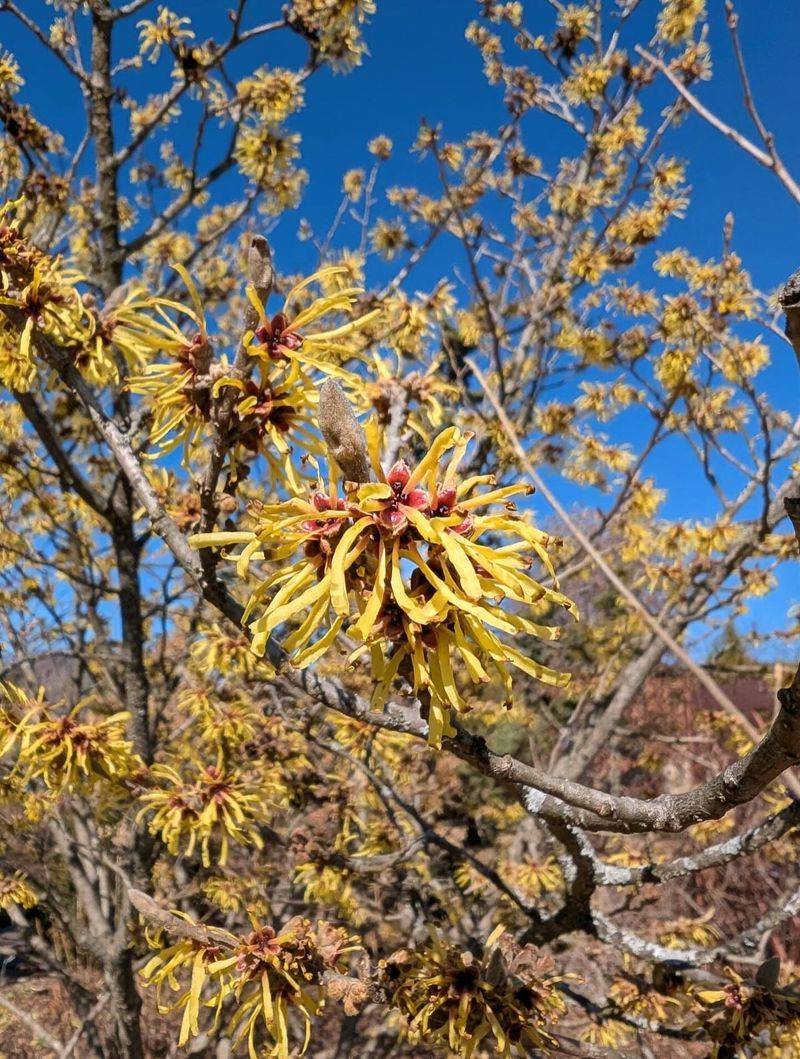
Witch Hazel has a trick up its sleeve that no other Pennsylvania native tree can match: it blooms in late fall or even winter, long after everything else has gone dormant.
Those spidery, fragrant yellow flowers appear when the landscape looks bare and gray, making Witch Hazel feel like a small miracle in the garden. It is the kind of tree that makes you stop and smile on a cold November walk.
As a native Pennsylvania plant, Witch Hazel has evolved to thrive in the state’s varied climate without needing much extra care.
It typically grows between 15 and 20 feet tall and wide, forming a multi-stemmed, shrubby shape that works beautifully as a specimen plant or a naturalized screen along a property edge.
Its root system stays controlled and non-invasive, making it a reliable choice near pathways and sidewalks.
Witch Hazel prefers partial shade and moist, well-drained soil, which means it fits naturally into Pennsylvania’s wooded suburban yards.
It does not compete aggressively with nearby plants, and it rarely needs pruning or heavy maintenance. Once established, it handles Pennsylvania winters without any extra protection.
Did you know that Witch Hazel extract has been used in skincare and medicines for hundreds of years?
Native American communities across the eastern United States, including Pennsylvania, used it for its soothing properties long before it appeared on pharmacy shelves.
Planting one in your yard connects you to a rich natural history while keeping your sidewalks completely safe from root damage.
6. Flowering Dogwood
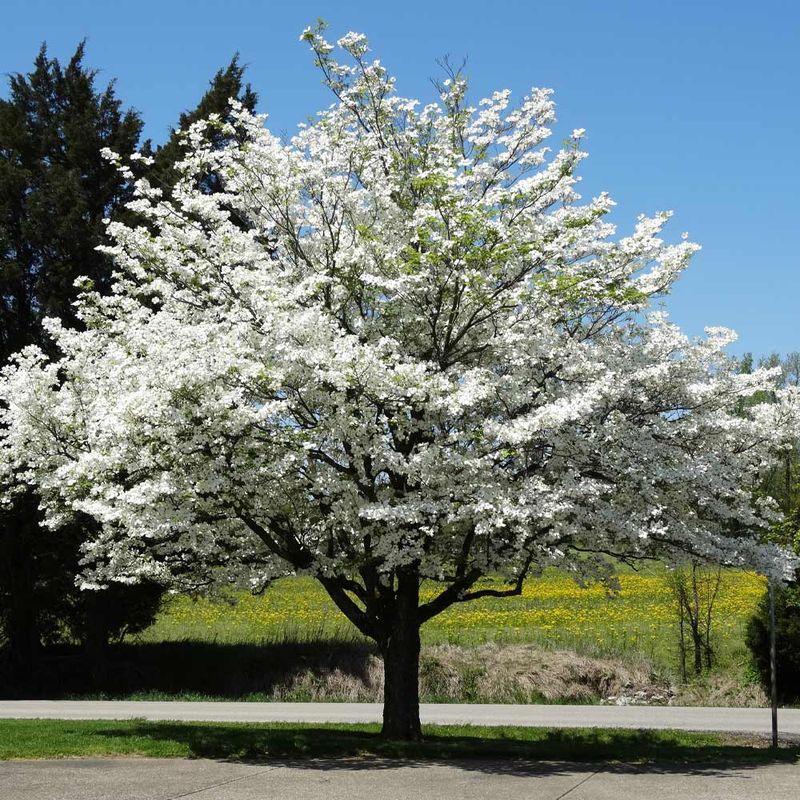
Spring in Pennsylvania would not feel complete without the Flowering Dogwood. Those wide, four-petaled white or pink blooms open up in April and May, and they create a display that looks almost too beautiful to be real.
People plant Dogwoods for the flowers, but they stay for everything else this tree brings to the yard throughout the year.
Flowering Dogwood grows to about 15 to 30 feet tall, which keeps it comfortably in the small-to-medium tree category.
Its roots are generally shallow but not aggressively spreading, and because the tree stays relatively compact, it rarely causes the kind of pavement damage that larger, faster-growing trees can create.
Planting it a few feet back from a sidewalk is usually all it takes to avoid any issues in a Pennsylvania yard.
In summer, the layered, horizontal branches create a beautiful canopy of shade that feels open and airy rather than heavy and dark.
Birds love Dogwood trees for the bright red berries that appear in fall, and the fall foliage itself turns a rich burgundy-red that rivals even Black Gum for intensity of color.
Flowering Dogwood does prefer some protection from intense afternoon sun, especially in warmer parts of Pennsylvania. Planting it on the east side of a building or under the light shade of taller trees gives it the conditions it loves.
With the right placement, a Flowering Dogwood will reward you with decades of seasonal beauty without ever causing trouble for your walkways or driveways.
7. Hop-Hornbeam
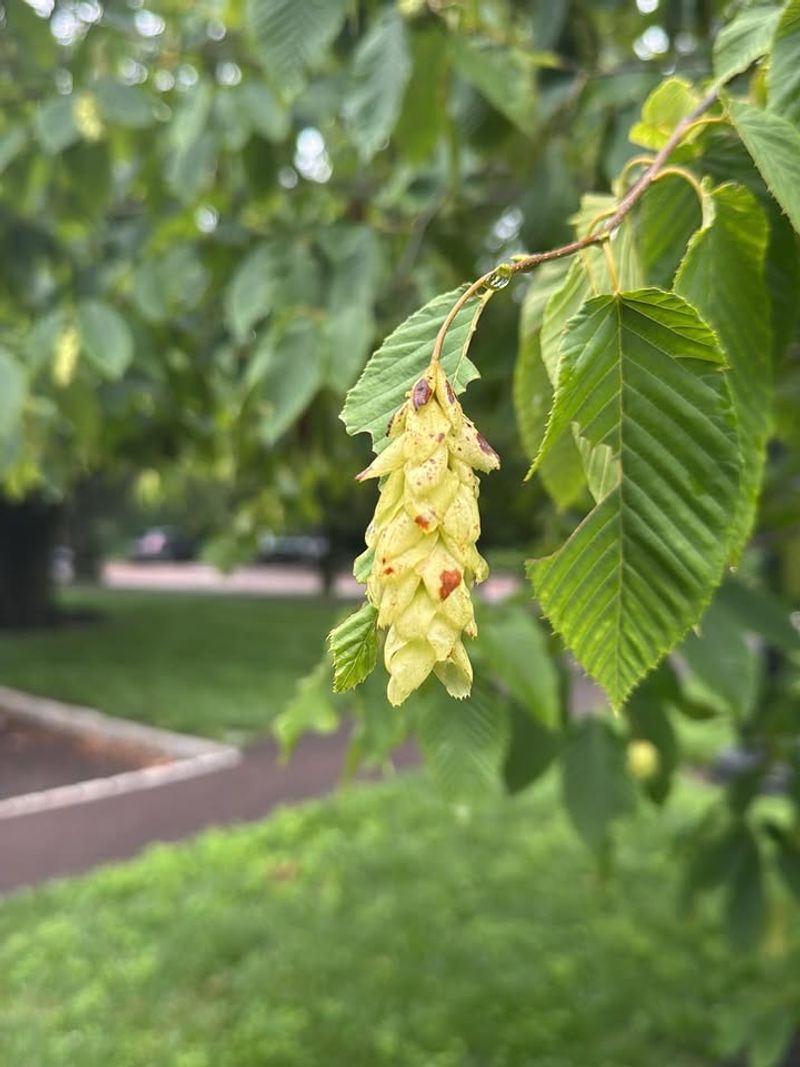
Hop-hornbeam is the unsung hero of Pennsylvania’s native tree lineup. Most people walk right past it without a second glance, but tree enthusiasts know it as one of the toughest, most reliable native trees you can plant in an urban or suburban setting.
It handles compacted soil, air pollution, and tough city conditions without breaking a sweat, which is more than most trees can say.
Also known as Ostrya virginiana, Hop-hornbeam grows slowly to about 25 to 40 feet tall. That slow growth rate is actually a major advantage when it comes to sidewalk safety.
Trees that grow fast tend to develop surface roots quickly, but Hop-hornbeam takes its time, building a root system that is deeper and less likely to disturb nearby pavement in Pennsylvania neighborhoods.
The tree gets its name from the papery, hop-like seed clusters that hang from its branches in late summer and early fall. They give the tree a distinctive, textured look that sets it apart from other native species.
The bark has a shreddy, almost layered appearance that adds winter interest when the leaves are gone.
Hop-hornbeam prefers well-drained soil and does well in both full sun and partial shade, making it adaptable to many different spots across Pennsylvania.
Its dense canopy provides solid shade during hot summer months, and its fall foliage turns a pleasant yellow before dropping.
For anyone who wants a durable, low-maintenance, sidewalk-friendly native tree that truly earns its keep, Hop-hornbeam deserves a serious look.