How To Level A Bumpy Georgia Lawn Without Any Heavy Machinery Or Expensive Equipment
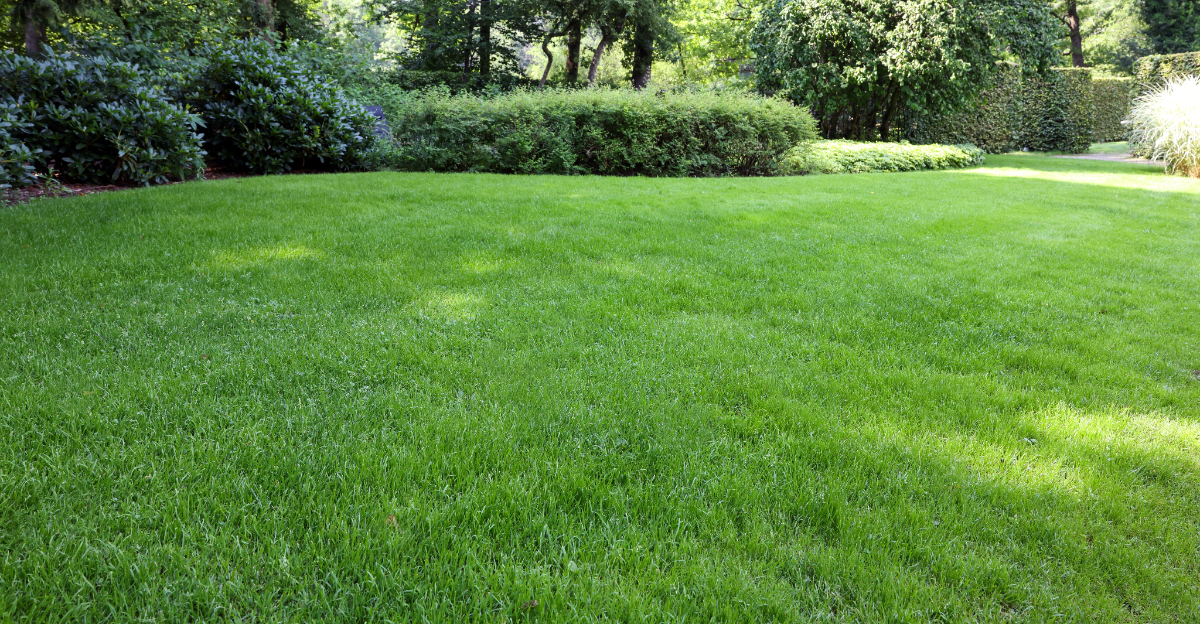
Bumpy lawns become much harder to ignore once grass starts growing fast in Georgia. Fresh mowing lines expose uneven spots everywhere, and basic yard work suddenly feels far more frustrating than it should.
Many uneven lawns stay untouched for years because the fix sounds expensive, messy, and way too difficult to handle.
Heavy rain, shifting soil, and daily use slowly change the surface over time. Small dips and rough patches can spread across the yard before the problem fully stands out.
Large equipment is not always necessary for improving a rough lawn, which surprises many homeowners once warmer weather returns.
Right timing and the right approach can completely change how smooth a lawn looks without turning the yard into a giant project.
1. Start By Finding Low Spots After A Rainfall
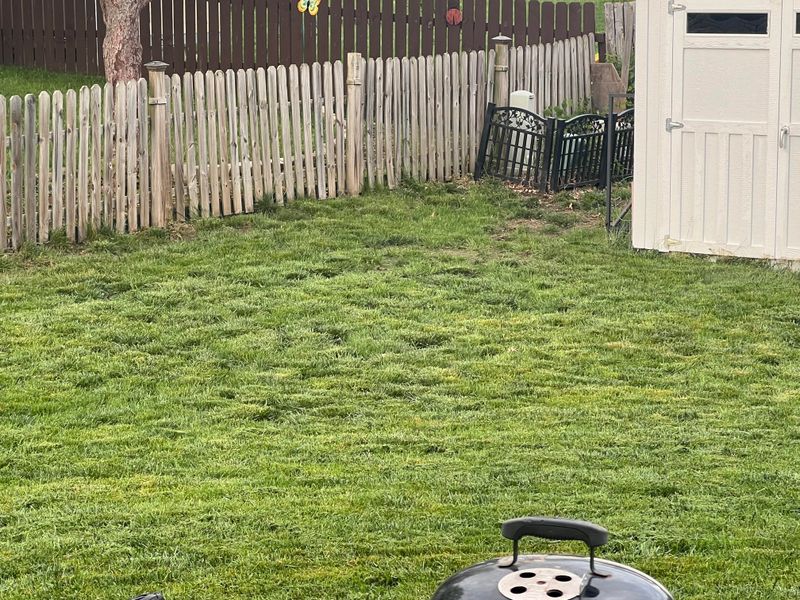
Puddles do not lie. After a good Georgia rainstorm, head outside and walk your lawn slowly.
Water pools exactly where the ground dips, making low spots impossible to miss. Mark each one with a small flag, a stick, or even a spray of chalk paint so you know exactly where to focus your effort.
Georgia’s clay-heavy soil tends to shift and settle unevenly over time, especially after heavy summer rains. What looks flat when dry can reveal a whole different picture once soaked.
Roots from nearby trees, old patches of fill dirt, and years of foot traffic all contribute to an uneven surface that builds up gradually without you noticing.
Walk the lawn in a grid pattern rather than wandering randomly. Start along one edge and work your way across in straight lines, about two feet apart.
Take your time with this step because missing a low spot now means you will have to redo work later. Bring a notepad or snap photos on your phone to record where each problem area sits.
Once you have mapped the whole yard, step back and look for patterns. Low spots near downspouts usually mean drainage is pulling soil away.
Soft patches near fence lines often come from buried wood or old landscaping materials breaking down underground. Knowing the cause helps you fix it properly instead of just covering it up temporarily.
2. Short Grass Makes Uneven Areas Easier To Level
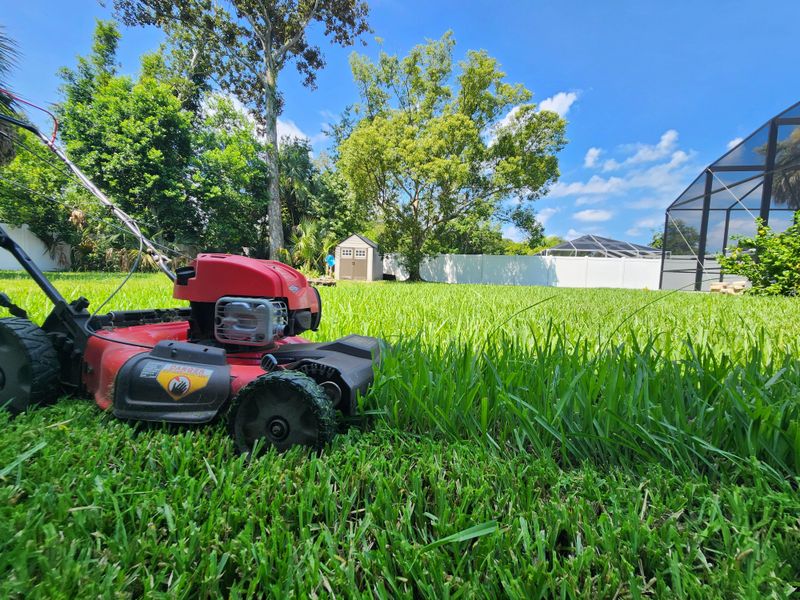
Before you spread a single shovelful of soil, mow the lawn as short as your mower allows. Long grass hides bumps and makes it nearly impossible to see where the surface is actually sitting.
Cutting it short gives you a clear view of every rise and dip across the yard.
Most Georgia lawns are planted with Bermuda or Zoysia grass, both of which handle low mowing pretty well during the growing season. Cutting down to about an inch or so before leveling lets the soil mix make direct contact with the ground surface.
When grass is left long, the topdressing can pile on top of the blades instead of settling into the low spots where it belongs.
After mowing, rake up all the clippings before doing anything else. Leftover clippings create a spongy layer that prevents the new soil from settling flat.
Your Georgia Garden Changes Every Week. Your Plan Should Too.
Gardening in Georgia changes quickly throughout the season. Every Friday you’ll receive a simple weekly plan showing exactly what to plant, prune, fertilize, harvest, and protect so you never miss the right timing.
A clean, short surface gives you the most accurate read of where the ground actually stands and where it needs help.
Short grass also makes the raking process much easier once the soil is down. You can work the mix in more smoothly without fighting through tall blades.
3. Sandy Soil Mixes Spread More Smoothly Across Bumps
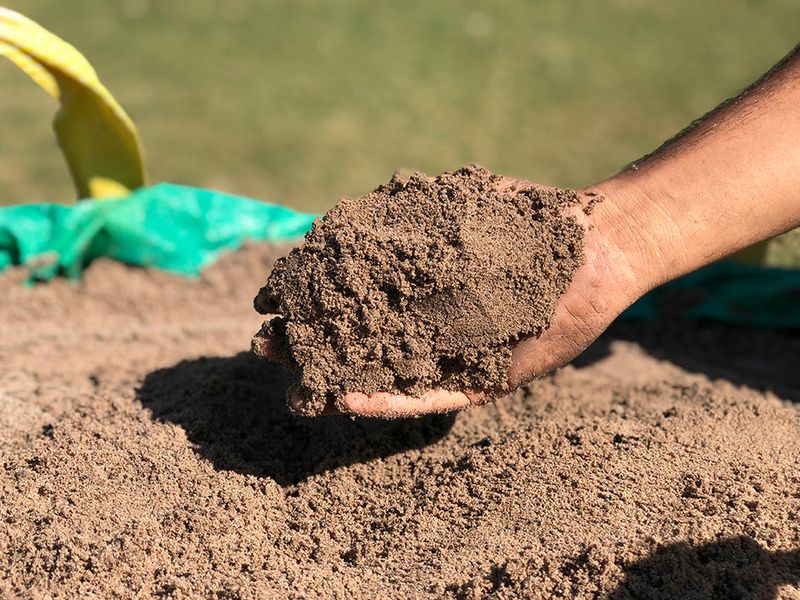
Not every soil mix works well for lawn leveling. Heavy clay-based fill stays clumpy, dries into hard chunks, and does not settle evenly.
A sandy topdressing mix, typically made from coarse sand, topsoil, and compost combined in roughly equal parts, spreads much more smoothly and allows grass to push through without much resistance.
Georgia gardeners often make the mistake of using pure topsoil or straight compost for leveling. Both are too dense when applied in layers thick enough to fill a dip.
A mix that includes coarse sand flows more like a loose powder, filling in gaps and spreading flat with just a rake or the back of a shovel.
Avoid using beach sand or fine playground sand. Coarse builder’s sand or horticultural sand is what you want because fine sand can compact into almost concrete-like layers over time, especially in hot weather.
Coarse particles allow water and air to keep moving through the soil, which keeps grass roots healthy.
When blending your mix, aim for a consistency that holds its shape loosely when squeezed but crumbles apart easily. If it clumps tightly or feels sticky, add more sand.
4. Thin Layers Help Grass Push Through More Easily
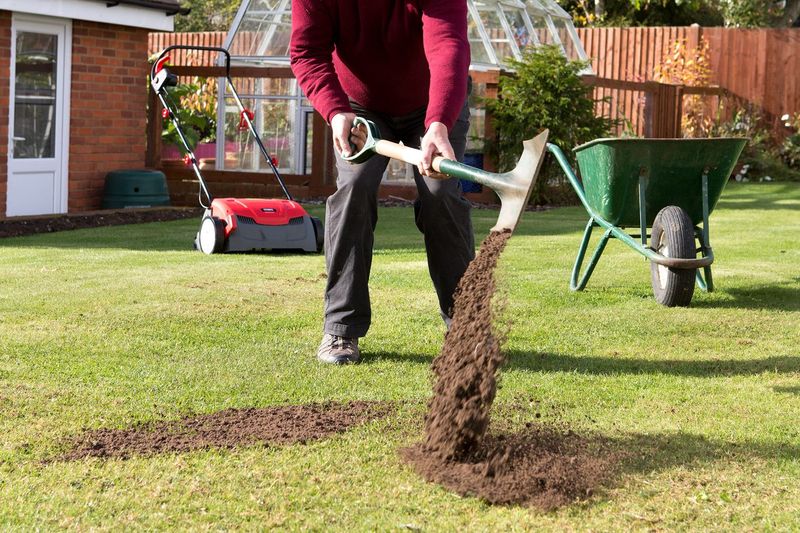
One of the biggest mistakes people make when leveling a Georgia lawn is dumping on too much soil at once. Piling on thick layers suffocates the grass underneath and leaves you with a patchy yard that takes forever to recover.
Thin applications, no more than half an inch at a time, let the existing grass push through and keep growing.
Half an inch does not sound like much, but it adds up fast when you are filling a low spot. If a dip is two inches deep, plan on doing at least four separate applications spaced a few weeks apart.
The warm growing season from spring through early fall gives Bermuda and Zoysia grass plenty of time to recover between passes, so the timeline is very manageable.
Spread the mix by tossing small shovelfuls across the low area and then raking it out. Watch for spots where the grass completely disappears under the soil.
Those areas are getting too much at once, so pull some of the mix back with the rake. You want the tips of the grass blades peeking through the entire time.
Thin layers also settle more predictably.
5. Raking Creates A More Even Surface Across The Lawn
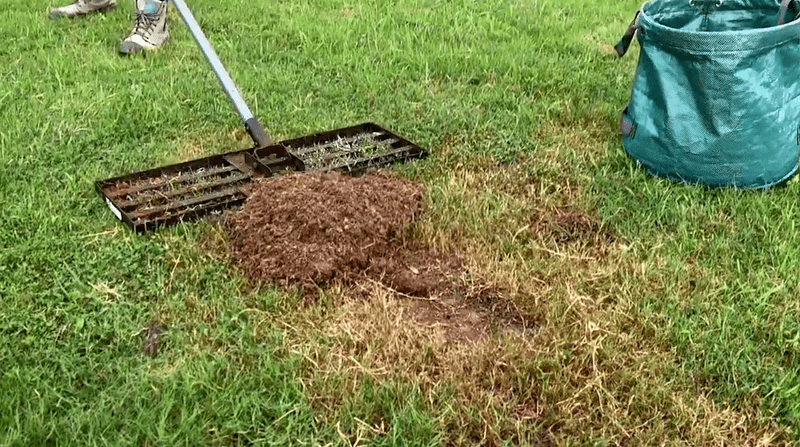
A wide landscape rake is probably the most useful tool in this whole process.
After spreading your soil mix, dragging a rake back and forth in different directions pushes material from high spots into low ones and smooths out the surface without disturbing the grass underneath.
A standard garden rake works, but a wider lawn leveling rake covers more ground and gives a flatter finish.
Work in overlapping passes rather than raking in one direction only. Go left to right, then top to bottom, then diagonally.
Changing directions catches ridges and uneven patches that a single-direction pass would miss entirely.
Georgia lawns often have subtle slopes from grading done during construction, so raking in multiple directions helps you spot those gradual changes before they cause drainage problems later.
Pay attention to the edges of each low spot. Soil mix tends to pile up at the edges while the center stays thin.
Push material toward the middle rather than away from it. Feathering the edges outward creates a gradual transition instead of a sudden ridge that you will feel every time you mow.
6. Watering Helps Fresh Soil Settle Into Low Areas
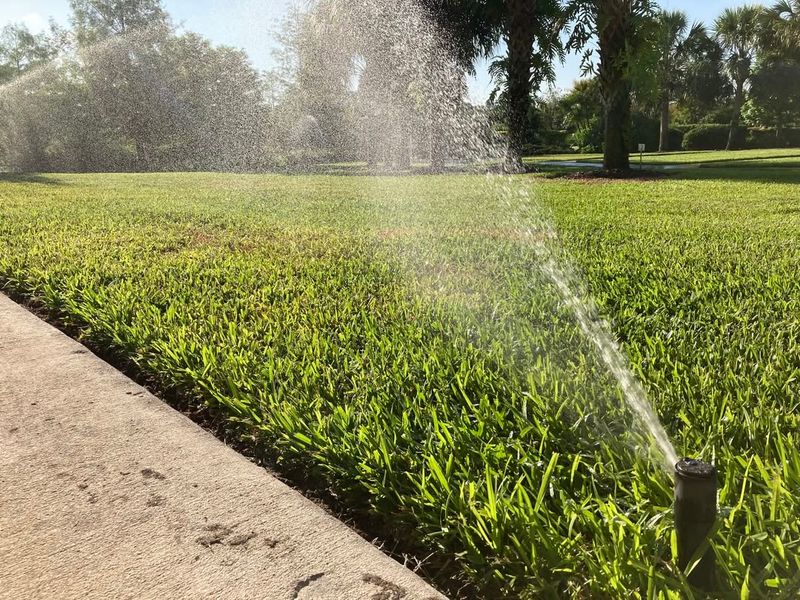
Right after raking, water the area thoroughly. Fresh soil mix needs moisture to settle down into the low spots and bond with the existing ground below.
Without watering, loose sandy mix can shift in the next breeze or wash off the surface during Georgia’s frequent afternoon rain showers before it has a chance to settle.
Use a gentle spray setting rather than a strong stream. A hard blast of water from a hose nozzle will push the mix around and undo all your careful raking.
A sprinkler or a hose with a fan-spray attachment works well because it distributes water evenly without disturbing the surface. Soak the area until the soil looks dark and slightly compacted but not muddy.
After the first watering, check back in about thirty minutes. You will often notice the soil has settled slightly, revealing tiny low spots that were not obvious before.
Mark those areas and add a small amount of mix before the next watering cycle.
The heat can dry out the soil quickly, so a second light watering later in the day helps the mix continue settling.
Avoid watering so heavily that the mix turns into a slurry and flows downhill. That just moves your problem from one spot to another.
7. Larger Dips Often Need More Than One Application
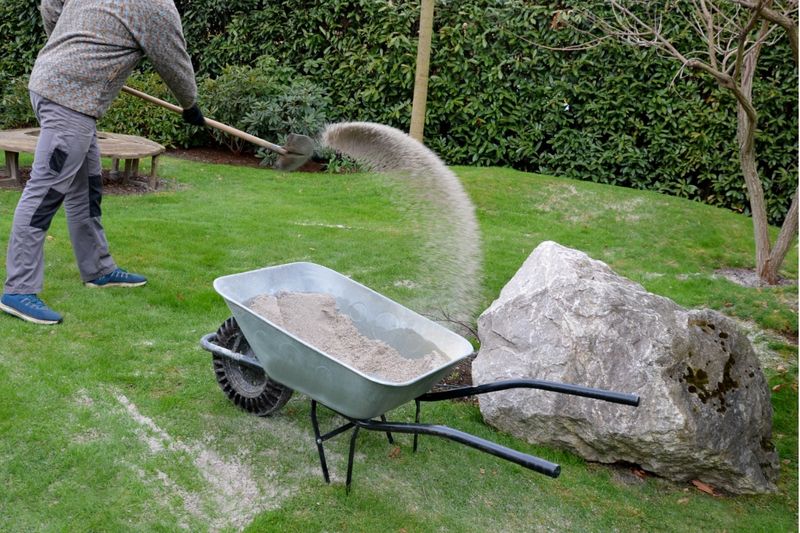
Deep low spots are a longer project, and there is no shortcut around it. Trying to fill a three or four inch depression in one go almost always ends badly, leaving a mound of soil that smothers the grass and creates a new bump instead of fixing the old one.
Breaking the job into multiple visits spread across the growing season is usually the most reliable approach.
After the first application settles and the grass grows back up through the mix, assess the area again. Sometimes a dip that looked serious turns out to be mostly fixed after one pass.
Other times, especially with deep depressions caused by buried debris or old tree roots, the ground keeps settling slightly even after multiple applications because the underlying material is still breaking down.
Keep a record of where you applied soil and when. A quick note on your phone or a simple sketch on paper helps you track progress across a season.
Georgia summers go fast, and it is easy to lose track of which spots have had two applications and which still need a third.
Consistent follow-through is what separates a lawn that gets permanently smoother from one that just looks better for a few weeks.