Why Sage Keeps Becoming A Favorite Plant In Georgia Backyards
Georgia yards start looking tired fast once summer heat settles in for good. Fresh flowers fade out, leafy plants get droopy, and suddenly half the garden looks stressed before July even fully starts.
Sage somehow keeps sitting there looking completely unfazed while everything around it struggles.
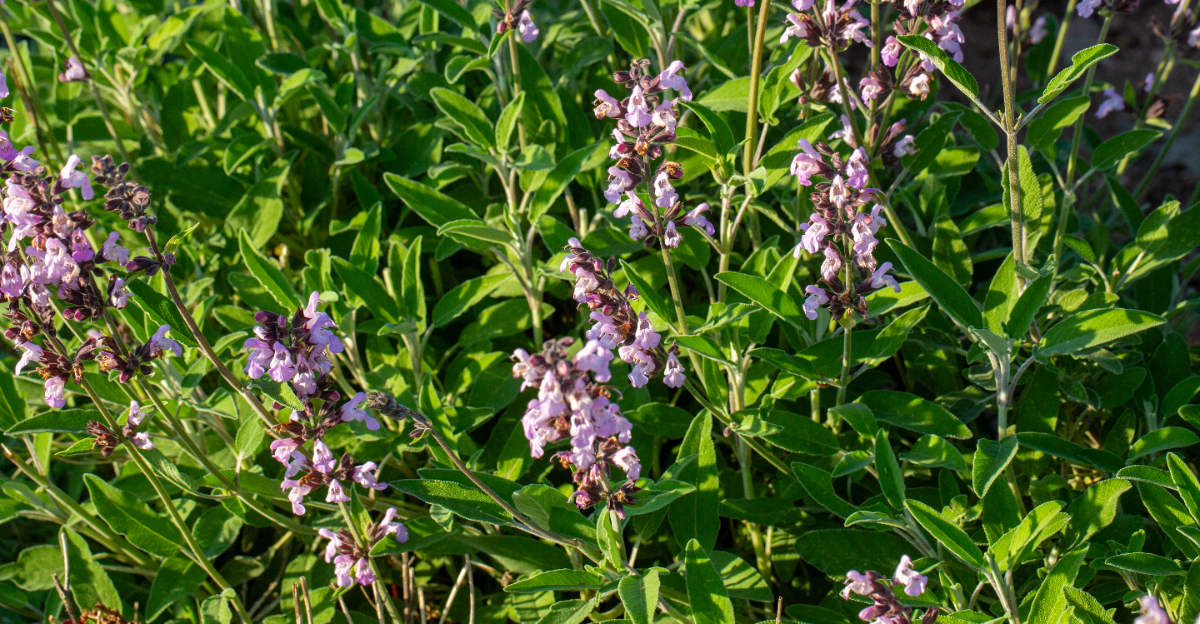
Soft silvery leaves, long lasting color, and that relaxed cottage garden look probably explain why the plant keeps getting more attention lately. Pollinators stay all over it too, which makes backyard spaces feel much more alive during warm evenings.
Sage also avoids that overly neat landscaped look that can make flower beds feel stiff and outdated.
Few plants manage to look this good during a long humid summer without turning into constant work.
1. Heat And Humidity Rarely Slow Mature Sage Plants Down
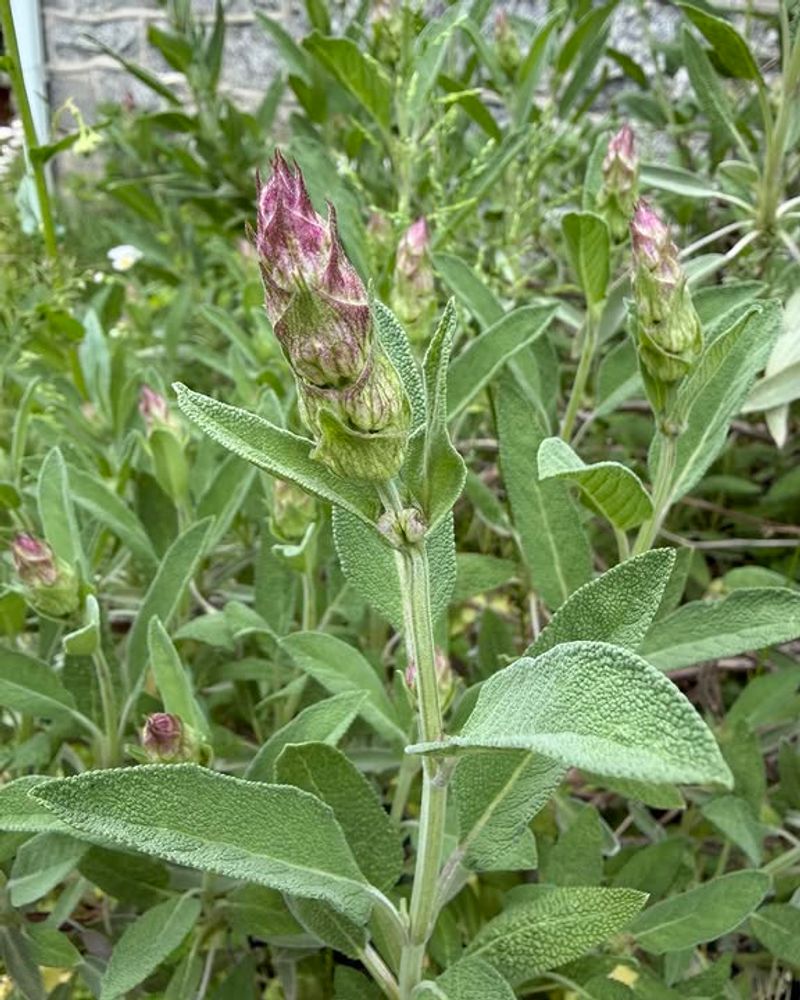
Sage earns its reputation the hard way in Georgia, where summer heat can push past 95 degrees for weeks straight. Most plants start wilting and looking rough by July, but mature sage plants keep their shape and color even when the thermometer climbs.
That kind of toughness is rare, and Georgia gardeners notice it fast.
Young plants do need some attention during their first summer. Watering consistently while roots are still getting established makes a real difference in how well they handle the heat later on.
Once those roots go deep, sage becomes remarkably self-sufficient even through the worst of August.
Humidity is usually the bigger challenge in Georgia compared to dry heat.
Sage is native to the Mediterranean, so it prefers drier conditions, but mature specimens adapt well as long as they have proper drainage and good airflow around the foliage.
Planting with space between neighboring plants helps reduce moisture buildup that could cause leaf problems.
2. Pollinators Visit Sage Flowers Throughout The Warmer Months
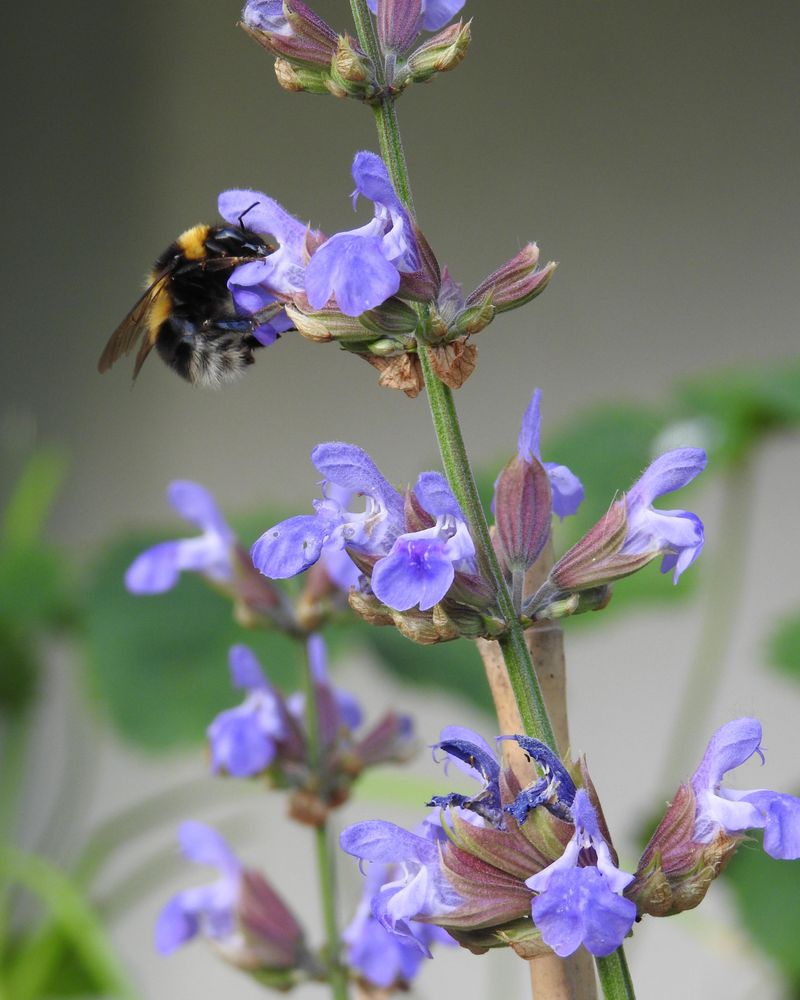
Bees find sage flowers before you even notice the plant is blooming. Watch a sage plant on a warm Georgia morning and within minutes you will likely see bumblebees, honeybees, and mason bees working the flower spikes with serious focus.
Pollinators are drawn to sage reliably, which makes it more valuable than just a pretty plant.
Butterflies show up regularly too, especially swallowtails, which are common across the region from spring through fall.
Hummingbirds visit certain varieties, particularly the red and pink-flowered types like pineapple sage. Having multiple sage varieties planted together can extend the window of pollinator activity across several months.
Common garden sage blooms in late spring and early summer. If you cut back the spent flower spikes after the first bloom, the plant often pushes out a second flush of flowers later in the season.
That second bloom gives pollinators another reliable food source when other garden plants have already finished flowering.
The region has seen meaningful declines in wild bee populations over recent decades, so planting pollinator-friendly species like sage is genuinely helpful beyond just looking nice.
Native bees especially benefit from consistent, accessible food sources in residential neighborhoods where natural habitat has been reduced.
3. Deer Usually Leave Established Sage Plants Alone
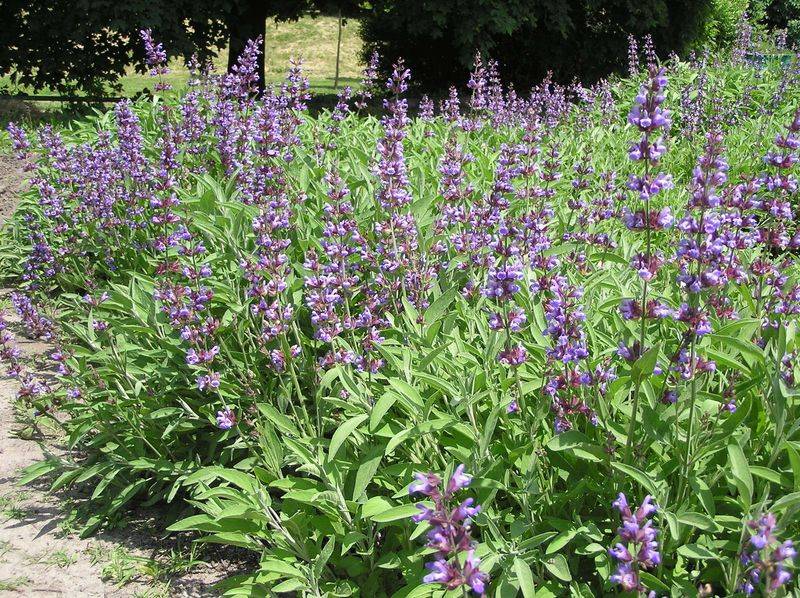
Deer pressure is a real problem in many Georgia counties, especially in suburban areas around Athens, Gainesville, and the North Georgia foothills where deer populations have grown significantly.
Your Georgia Garden Changes Every Week. Your Plan Should Too.
Gardening in Georgia changes quickly throughout the season. Every Friday you’ll receive a simple weekly plan showing exactly what to plant, prune, fertilize, harvest, and protect so you never miss the right timing.
Gardeners lose hostas, daylilies, and vegetable plants to deer browsing every single season.
Sage stands apart because deer generally avoid it.
Strong aromatic oils in sage leaves make the plant unappealing to deer. The same fragrance that attracts humans and pollinators works as a natural deterrent for grazing animals.
Deer rely heavily on smell when choosing what to eat, and sage simply does not smell like food to them.
Planting sage near more vulnerable plants can offer some indirect protection. While sage will not form a magical barrier, grouping it with plants like rosemary and lavender creates a strongly scented zone that deer tend to walk around rather than through.
Georgia gardeners who struggle with deer damage often use this layering approach with good results.
Worth noting is that truly hungry deer during harsh winters may sample almost anything. Sage resistance holds well under normal conditions, but during extreme drought years or late winter food scarcity, no plant is completely off-limits.
4. Dry Conditions Become Less Stressful Once Roots Mature
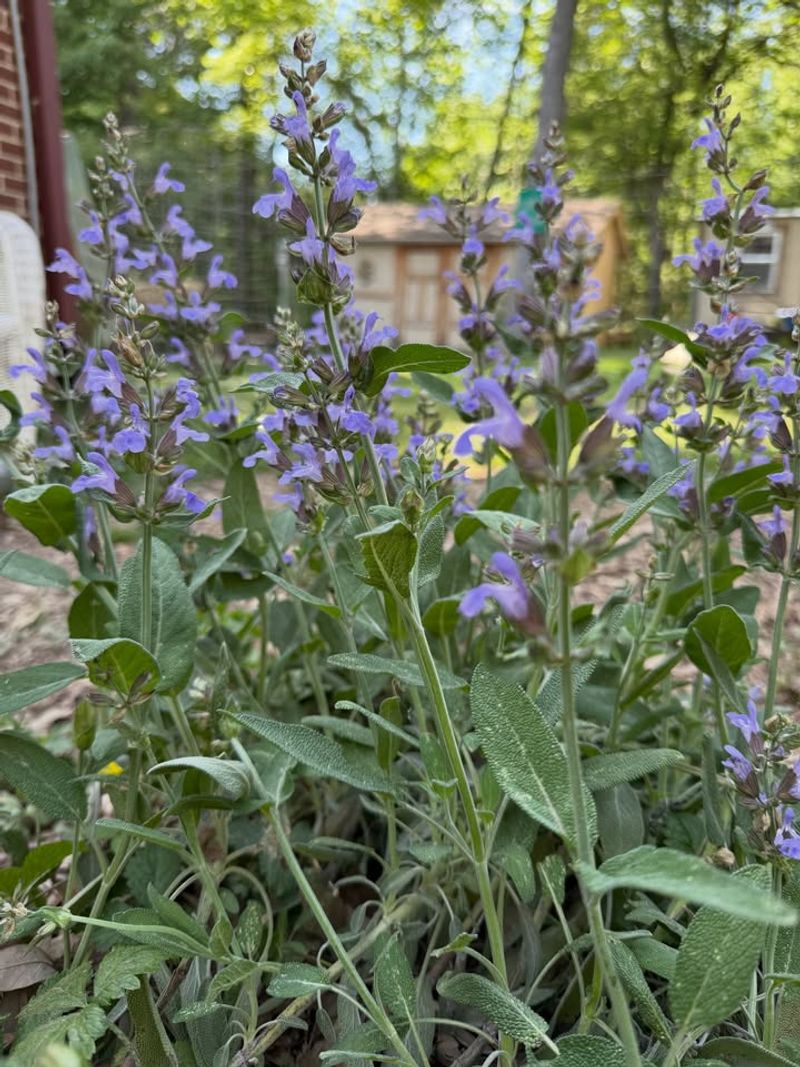
Georgia summers bring unpredictable dry stretches that test every plant in the yard. Weeks can pass without meaningful rainfall, and shallow-rooted plants show stress fast.
Sage responds differently once its root system has had a full season to develop, and that shift in behavior is something gardeners genuinely appreciate.
Roots on a mature sage plant can reach down surprisingly deep for a relatively compact herb. That depth gives the plant access to soil moisture that surface-level roots simply cannot reach.
During dry July and August stretches across middle Georgia, that root depth becomes the difference between a plant that stays full and one that starts dropping leaves.
Newly planted sage still needs regular watering through its first summer. Skipping irrigation too early is a common mistake that prevents proper root development.
Give the plant consistent moisture during establishment and it will repay that investment with years of drought tolerance afterward.
Mulching around the base helps retain soil moisture and keeps the root zone cooler during peak heat. A two to three inch layer of pine straw or wood chip mulch, kept back from the stem, can reduce watering needs noticeably.
Pine straw is especially easy to source across Georgia and breaks down slowly enough to stay effective through the season.
5. Strong Fragrance Makes Sage Stand Out Near Walkways
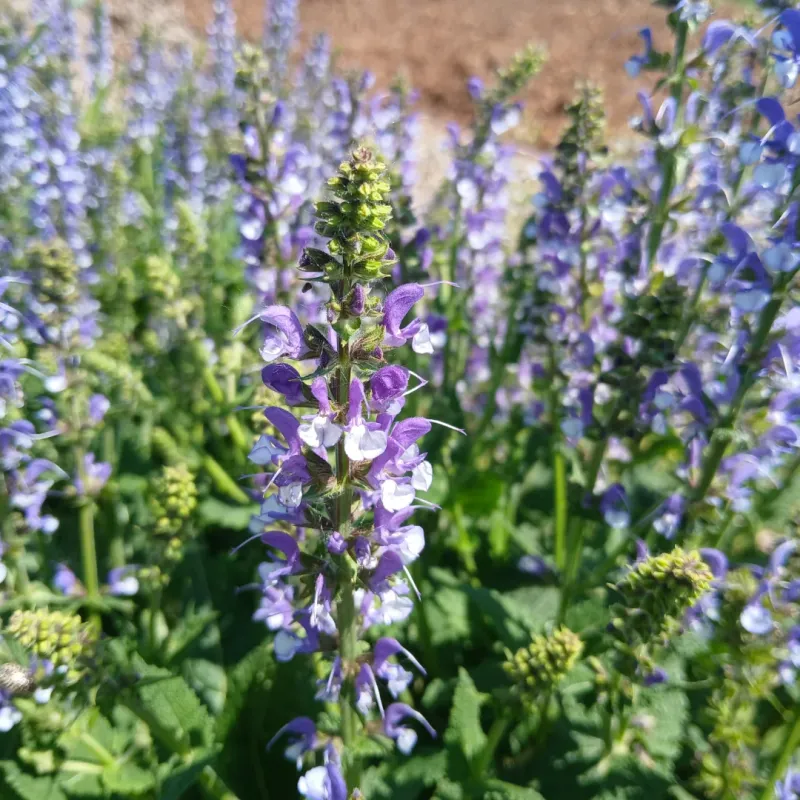
Brush against a sage plant while walking past and the scent hits you immediately. It is earthy, herbal, and sharp in a way that most garden plants simply cannot match.
Planting sage along walkways or near entry paths turns an ordinary trip through the yard into something more sensory and memorable.
Georgia homeowners who entertain outdoors find that fragrant plantings near patios and garden paths create a stronger atmosphere than purely visual plantings. Scent triggers memory and mood in ways that color alone does not.
Sage contributes to that experience without requiring any special care or constant replanting.
Placement matters when using sage for fragrance along paths. Edges where foot traffic occasionally brushes the leaves work better than spots where the plant sits back from the walking surface.
Even a light touch against the foliage releases the aromatic oils and fills the surrounding air with that distinctive sage smell.
Other fragrant plants like rosemary and thyme pair naturally with sage in walkway plantings. Combining them creates a layered herbal fragrance that changes slightly depending on which plants you pass closest to.
That kind of sensory variety keeps a garden feeling interesting rather than monotonous.
6. Purple Flower Spikes Bring Color During Hot Weather
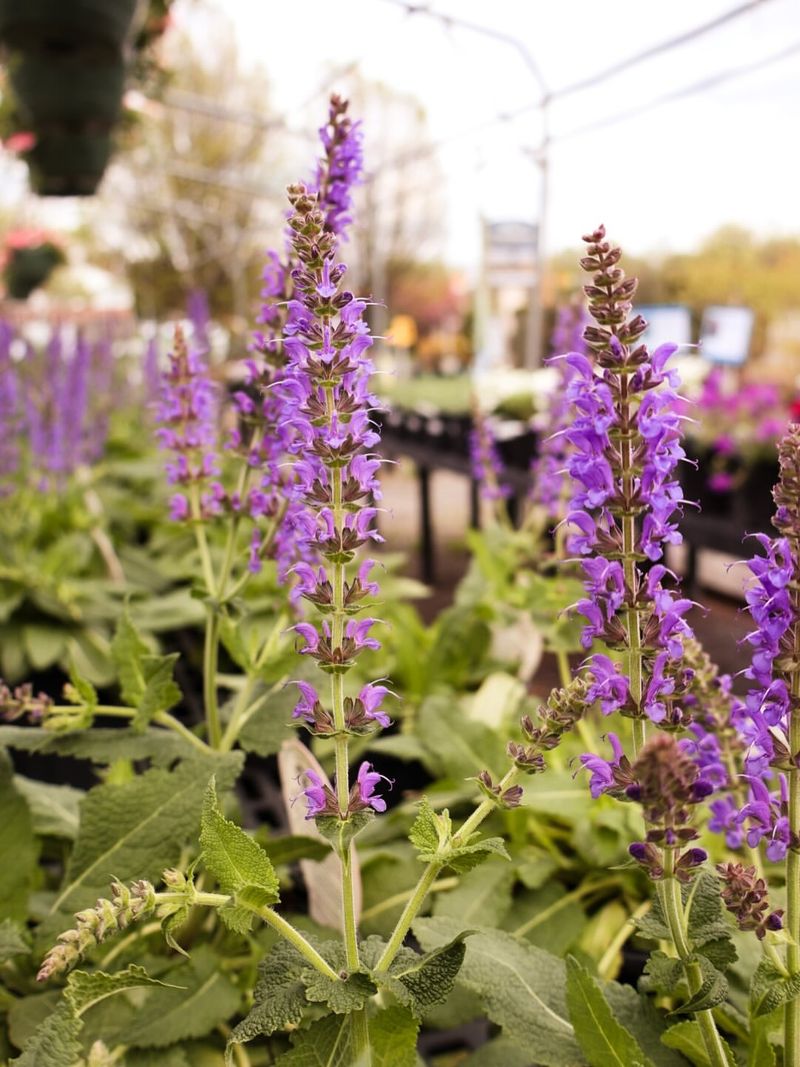
Most flowering plants in Georgia start looking worn out by late June. Petunias fade, many summer annuals struggle, and the garden can start feeling flat right when summer is fully underway.
Sage pushes up its purple flower spikes right into that gap, delivering vertical color exactly when the yard needs it most.
Common garden sage produces soft purple to lavender-blue flower spikes that stand above the foliage on upright stems.
The flowers are small but densely packed, and the overall effect from a distance is a wash of cool purple color that contrasts beautifully with the silvery-green leaves.
Few plants offer that combination of foliage texture and flower color in one package.
Ornamental sage varieties extend the color options considerably. Salvia nemorosa and related types come in deep purple, rich blue, and pink tones, and many of them rebloom if cut back after the first flush.
Georgia gardeners who deadhead regularly can keep color going from late spring well into September in many parts of the state.
Purple tones pair especially well with yellow, orange, and white flowers in mixed garden beds.
Planting sage near black-eyed Susans or coneflowers creates a bold color contrast that looks intentional and polished without requiring a design degree.
7. Well Drained Soil Helps Sage Stay Healthier Longer
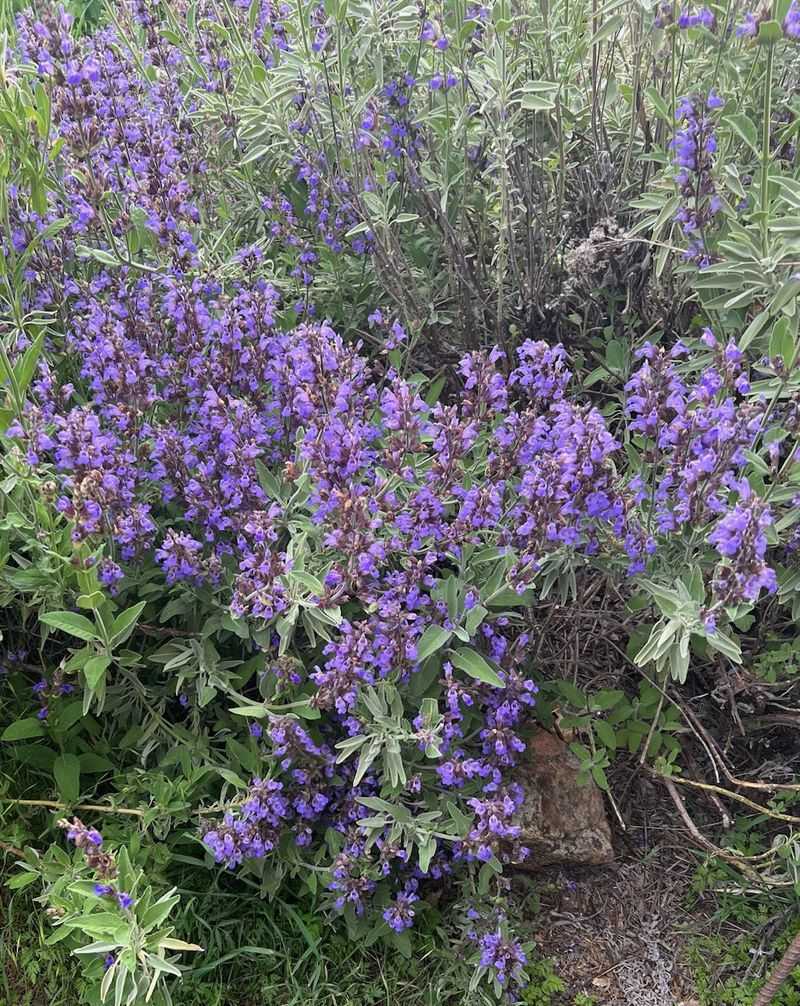
Soggy roots are the fastest way to lose a sage plant in Georgia.
Heavy clay soil, which covers a significant portion of the state especially in the Piedmont region, holds water long after rain stops and creates conditions that sage simply does not tolerate well.
Solving the drainage problem before planting makes every difference in long-term plant health.
Raised beds solve this problem efficiently. Building even a modest six to eight inch raised bed with a mix of topsoil, compost, and coarse sand creates the loose, fast-draining environment that sage roots prefer.
Many Georgia gardeners who struggled with sage in the ground have had much better results after switching to raised beds.
Amending native clay soil is another workable option. Working in generous amounts of compost and coarse grit before planting loosens the structure enough to improve drainage without a full raised bed setup.
Repeating that amendment process over two or three seasons gradually improves the entire planting area.
Slope and grade in the yard also affect drainage. Planting sage on a slight slope rather than in a low spot allows excess water to move away from the root zone naturally.