Top Rare Succulents You Can Grow Indoors In Texas
Succulents have gone from niche houseplant to mainstream staple over the past decade, and Texas homes have embraced them wholeheartedly for all the obvious reasons.
They handle the dry indoor air that air conditioning creates, they don’t need constant watering, and they bring a clean, structural kind of beauty to windowsills and shelves that works in almost any interior style.
The common varieties are everywhere at this point, and most Texas plant lovers have grown at least a few of them. But the world of succulents goes so much further than the familiar rosettes and cacti that fill every garden center display.
There’s an entire category of rare and unusual succulent varieties that are genuinely stunning, surprisingly well suited to Texas indoor conditions, and almost impossible to find at mainstream nurseries.
Growing them sets your plant collection apart in a way that the standard varieties simply can’t. Once you see what’s out there beyond the basics, settling for ordinary starts to feel like a missed opportunity.
1. Living Stones
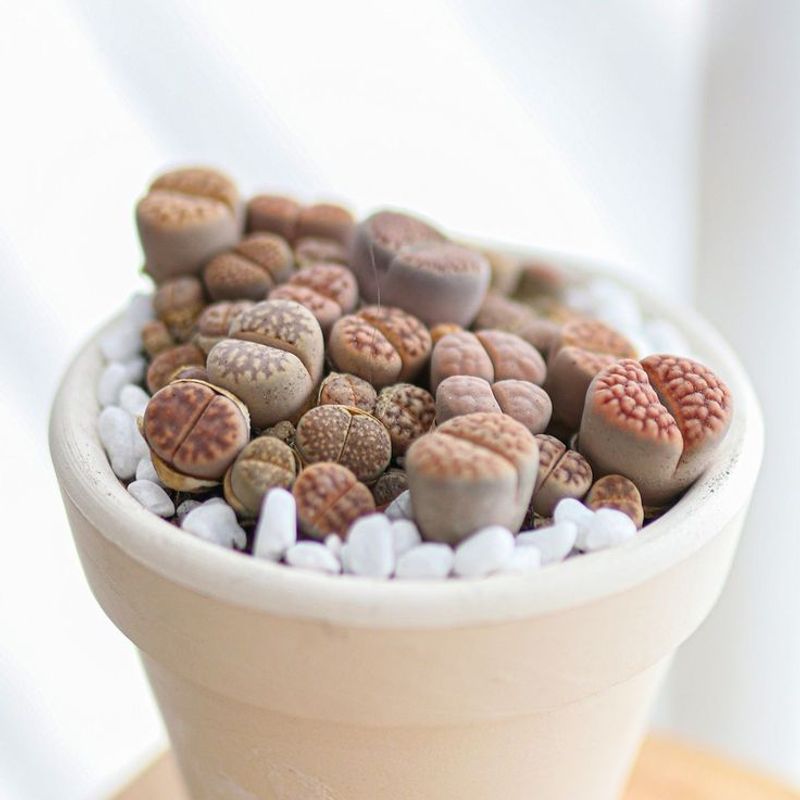
Imagine looking at your windowsill and spotting what appears to be a handful of colorful pebbles, only to realize they are actually living plants. That is exactly the magic of Living Stones, known scientifically as Lithops.
These remarkable little succulents have evolved to look just like small rocks as a way to avoid being eaten by animals in their native South African desert. In Texas, that same survival skill makes them a fascinating conversation starter in any indoor space.
Living Stones are perfectly suited for bright indoor environments. Place them near a south-facing window where they can soak up plenty of sunlight each day.
Texas homes often get strong, direct light, which these plants absolutely love. They grow slowly and stay compact, making them ideal for small shelves, windowsills, or decorative pots on a coffee table.
Watering is where most people go wrong with Living Stones. These plants need very little water, and overwatering is the most common mistake new growers make.
Water them lightly during spring and fall, and stop watering almost entirely during summer and winter when they are resting. The soil should dry out completely between waterings.
Use a well-draining cactus or succulent mix to keep roots healthy. Avoid heavy potting soils that hold moisture too long.
A shallow pot with drainage holes works best. With the right care, Living Stones will reward you with a surprising bonus: tiny daisy-like flowers that bloom right from the center of the plant, adding a cheerful pop of color to your Texas indoor garden.
2. Dolphin Plant
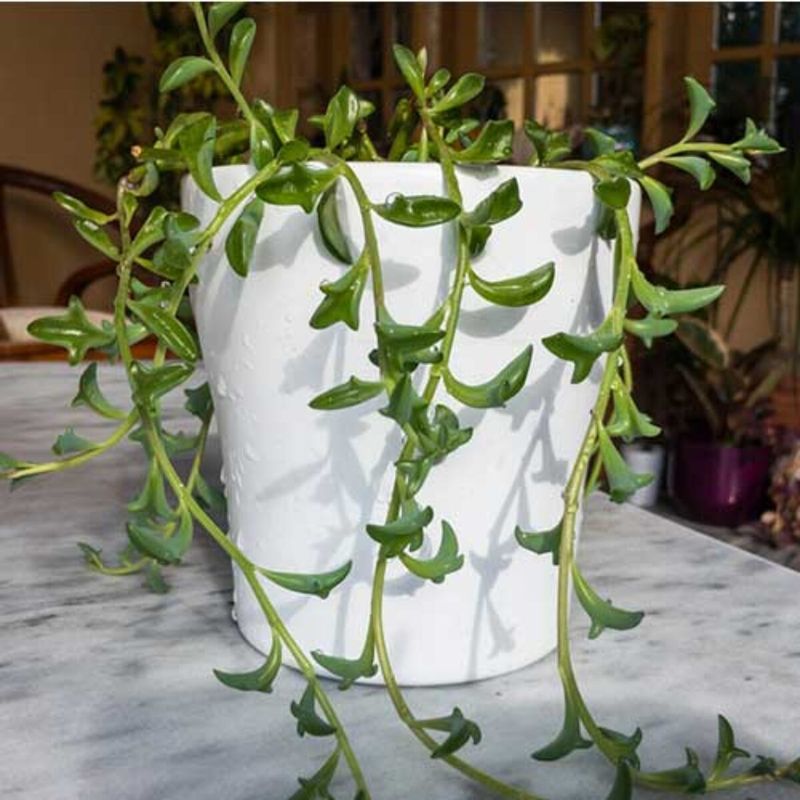
At first glance, the Dolphin Plant looks like something straight out of a dream. Each tiny leaf is shaped exactly like a leaping dolphin, complete with a curved body and little fins.
Senecio peregrinus, its scientific name, is a hybrid succulent that has taken the plant world by storm, and for good reason. Once you see those adorable leaves, it is almost impossible not to fall in love with this quirky little plant.
Your Texas Garden Changes Every Week. Your Plan Should Too.
Gardening in Texas changes quickly throughout the season. Every Friday you’ll receive a simple weekly plan showing exactly what to plant, prune, fertilize, harvest, and protect so you never miss the right timing.
In Texas, the Dolphin Plant does wonderfully indoors when placed near a bright window. It loves several hours of indirect sunlight each day.
Too much harsh, direct afternoon sun can cause the leaves to look washed out, so a spot with morning light or filtered brightness is ideal. East-facing windows are a great choice for keeping this trailing beauty happy.
One of the best things about the Dolphin Plant is how it grows. Its stems trail and cascade downward, making it a stunning choice for hanging baskets or elevated shelves where the vines can drape freely.
As the plant matures, those dolphin-shaped leaves become even more defined and plentiful, creating a truly eye-catching display.
Watering should be done carefully. Let the soil dry out between sessions, and never let the plant sit in standing water.
During the hot Texas summers, you may need to water slightly more often, but always check the soil first. Use a fast-draining succulent mix and a pot with drainage holes.
With consistent care and bright light, your Dolphin Plant will thrive and even produce small, sweet-smelling white and pink flowers.
3. Spiral Aloe
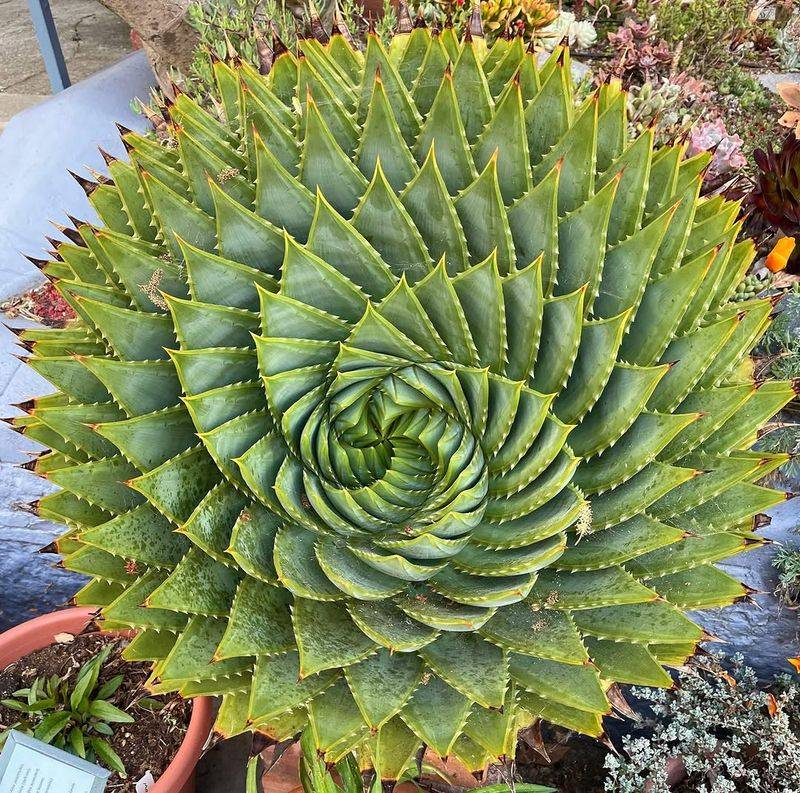
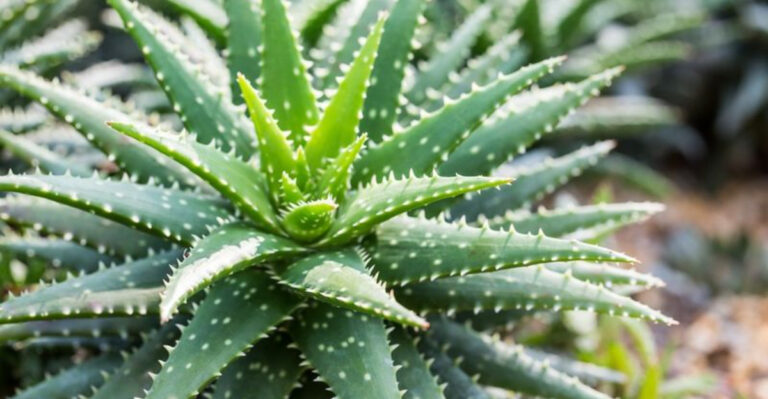
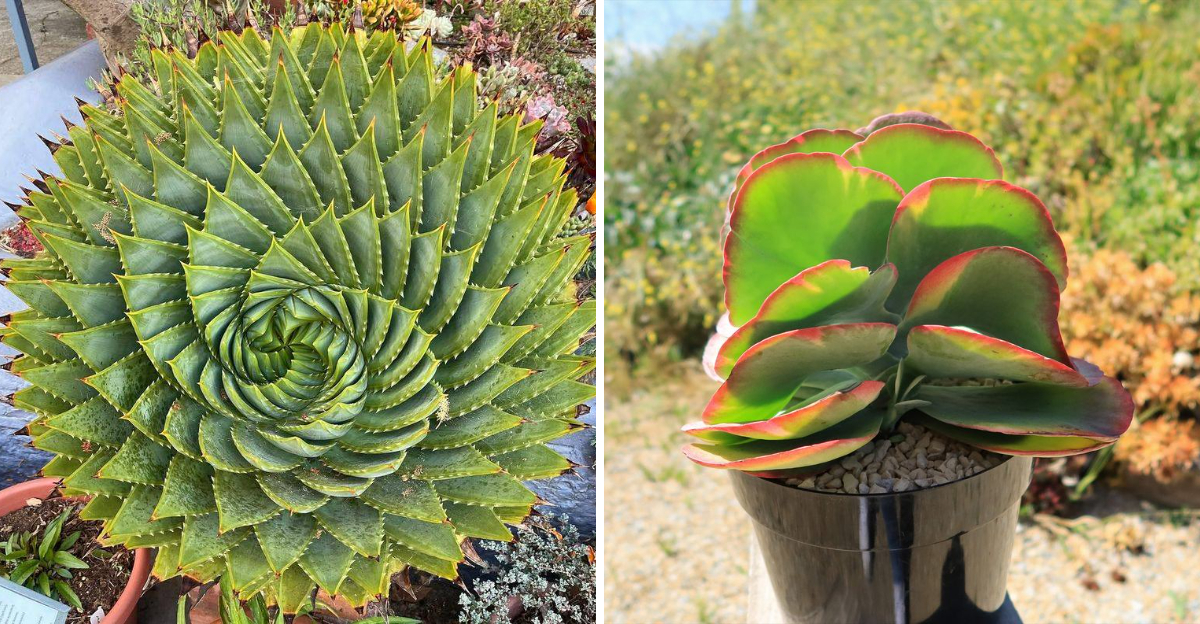
Few plants in the succulent world can match the jaw-dropping beauty of the Spiral Aloe. Known scientifically as Aloe polyphylla, this rare plant grows its leaves in a perfect geometric spiral, either clockwise or counterclockwise.
It looks almost too perfect to be real, like something an artist carefully designed. Native to the highlands of Lesotho in southern Africa, the Spiral Aloe is considered a protected species in the wild, which makes growing one at home feel extra special.
Growing a Spiral Aloe indoors in Texas requires a spot with very bright light. A south or west-facing window works great, giving the plant the strong light it needs to maintain its stunning spiral shape.
Without enough light, the leaves may stretch outward and lose that tight, impressive form. If natural light is limited in your home, a grow light placed close to the plant can help fill in the gaps.
Watering needs to be handled with care. The Spiral Aloe prefers to dry out between waterings, and it does not tolerate soggy soil at all.
Water thoroughly, then wait until the top inch or two of soil feels completely dry before watering again. During cooler months, reduce watering even further. Texas winters are mild, but the plant still slows its growth during that time.
Use a gritty, well-draining cactus mix and a pot with drainage holes. This plant grows slowly, so do not expect rapid changes.
Patience is part of the joy with this one. Over time, the Spiral Aloe becomes a breathtaking centerpiece that draws admiring looks from every visitor to your Texas home.
4. Baseball Plant
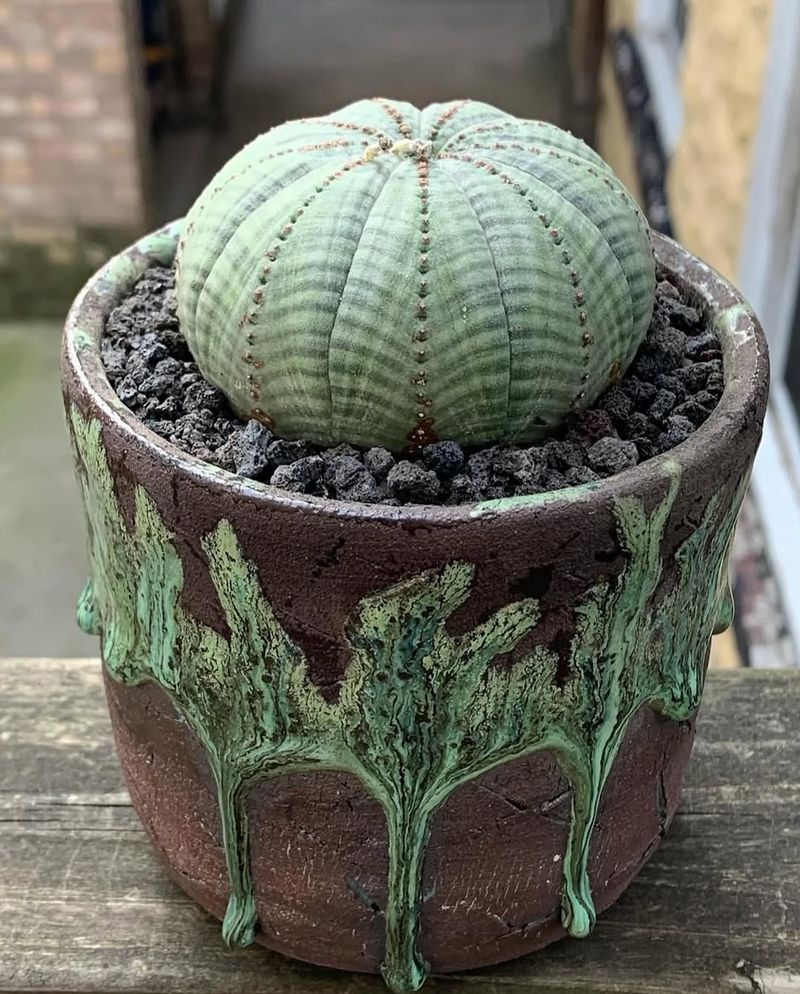
Round, smooth, and almost perfectly ball-shaped, the Baseball Plant is one of those succulents that makes people stop and stare.
Euphorbia obesa, as it is officially called, comes from the dry regions of South Africa and has developed its chubby, spherical shape as a way to store water in harsh conditions.
In Texas, where summers can be blazing hot and dry, this little plant feels right at home even when grown indoors.
What makes the Baseball Plant so appealing to collectors is its simplicity. There are no dramatic spines or wild colors, just a clean, rounded form with subtle striped patterns running from top to bottom.
It looks modern and sculptural, fitting perfectly in minimalist home decor. Place it on a sunny windowsill or a bright desk, and it instantly adds a cool, artistic touch to any room.
Care for this plant is refreshingly straightforward. It needs bright, direct sunlight for several hours each day, so a south-facing window in your Texas home is an excellent spot.
Water it sparingly, allowing the soil to dry out completely between sessions. Overwatering is the biggest risk, so when in doubt, wait a few more days before reaching for the watering can.
One important note: like all Euphorbia plants, the Baseball Plant produces a milky white sap when cut or damaged. This sap can irritate skin and eyes, so handle it carefully and keep it away from children and pets.
Use a well-draining cactus mix and a small pot with drainage holes. With minimal fuss, this unique plant will stay healthy and impressive for many years inside your Texas home.
5. Tiger Jaws
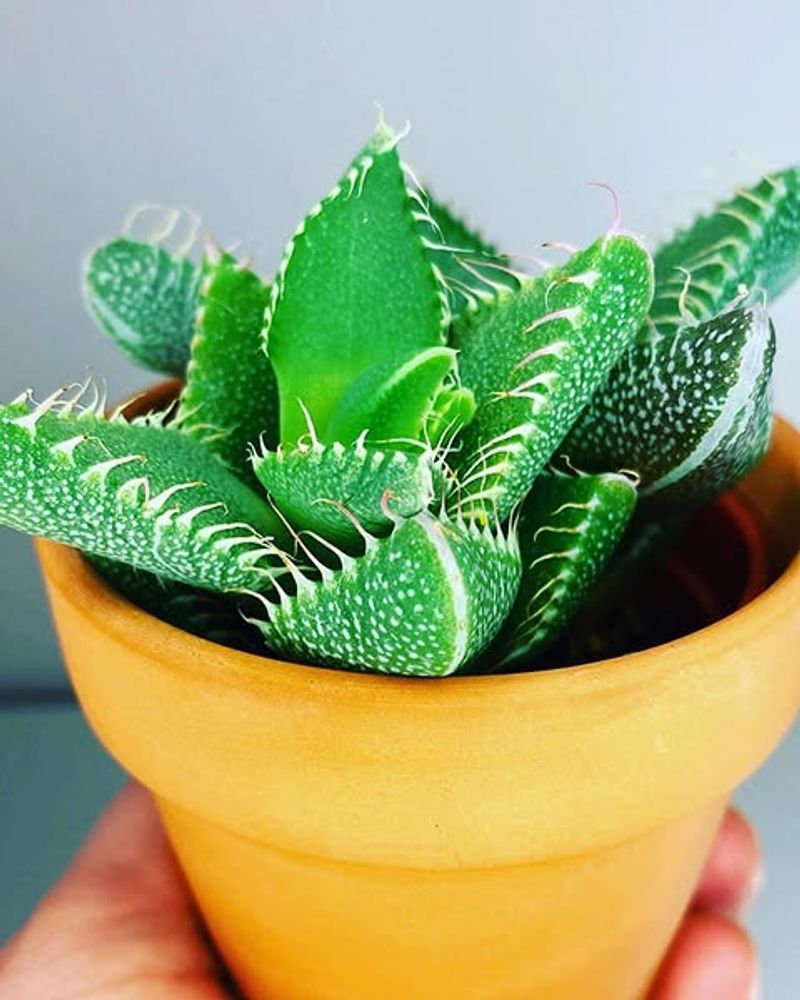
With a name like Tiger Jaws, you might expect a plant that is a little intimidating, and honestly, it delivers on that expectation in the most charming way possible.
Faucaria tigrina features thick, triangular leaves edged with soft, tooth-like projections that curve inward, mimicking the open jaws of a fierce predator.
But do not let the wild appearance fool you. This plant is actually one of the friendliest and most rewarding succulents you can grow indoors in Texas.
One of the biggest joys of owning a Tiger Jaws plant is the flowers. During fall and sometimes into early winter, this succulent produces cheerful, bright yellow flowers that bloom right from the center of the rosette.
The contrast between the spiky green leaves and the sunny yellow blooms is absolutely stunning. It is the kind of plant that makes guests ask, “What is that?” the moment they walk into your Texas home.
Tiger Jaws thrives in bright indoor light. A sunny windowsill, especially one that faces south or west, gives it the energy it needs to grow well and produce those gorgeous blooms.
In Texas, where sunlight is plentiful even in winter, this plant has a natural advantage over growers in cloudier states.
Watering should follow the standard succulent routine: water deeply, then let the soil dry out completely before watering again. During summer, water a little more frequently.
In winter, pull back significantly. Use a fast-draining succulent or cactus mix, and always choose a pot with drainage holes.
Tiger Jaws stays compact and manageable, making it a perfect fit for small indoor spaces across Texas.
6. Paddle Plant
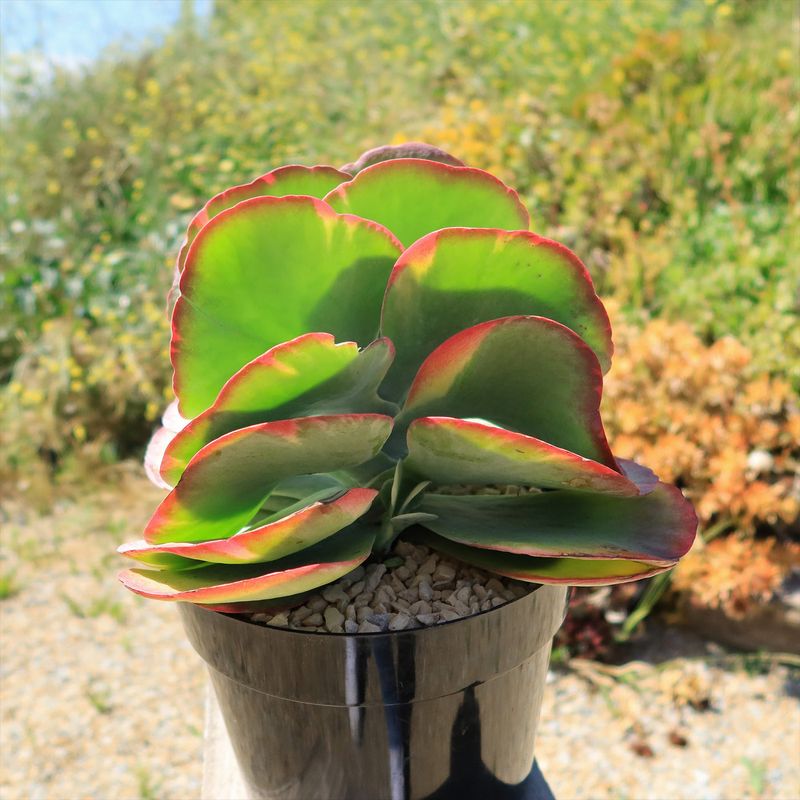
Bold, colorful, and surprisingly easy to care for, the Paddle Plant is one of those rare succulents that looks like it belongs in a modern art gallery. Kalanchoe thyrsiflora, its scientific name, grows large, flat, rounded leaves stacked on top of each other like a deck of playing cards.
What really sets this plant apart is the vivid red or pink edges that develop along the leaf margins when the plant receives enough bright sunlight. In Texas, where sunshine is practically a year-round gift, this color show can be truly spectacular.
The more sunlight a Paddle Plant receives, the more intense those red edges become. Place yours near the brightest window in your Texas home, ideally one facing south.
During the warm months, the strong Texas sun will bring out the most dramatic coloring. If the leaves start looking pale or the red fades, that is a clear sign the plant needs more light.
Paddle Plants are wonderfully low-maintenance, which makes them a great choice for busy people or those new to succulent gardening. Water the plant every one to two weeks during spring and summer, and cut back to once a month or less during the cooler fall and winter seasons.
Always let the soil dry out completely between waterings to keep the roots healthy and strong.
Use a well-draining cactus or succulent soil mix and a pot with drainage holes to prevent waterlogging. The Paddle Plant can grow quite tall over time, sometimes reaching up to two feet in height.
Its striking appearance and easy care routine make it one of the most satisfying rare succulents to grow anywhere in Texas.