Why Georgia Gardeners Are Switching To Frogfruit Instead Of Grass
Perfect lawns lose their charm pretty fast once Georgia heat starts turning grass care into a never ending routine. Fresh mowing barely lasts, dry spots keep showing up, and the yard somehow still looks tired after all the effort.
Backyard spaces should feel relaxing during summer, not like another thing demanding attention every weekend.
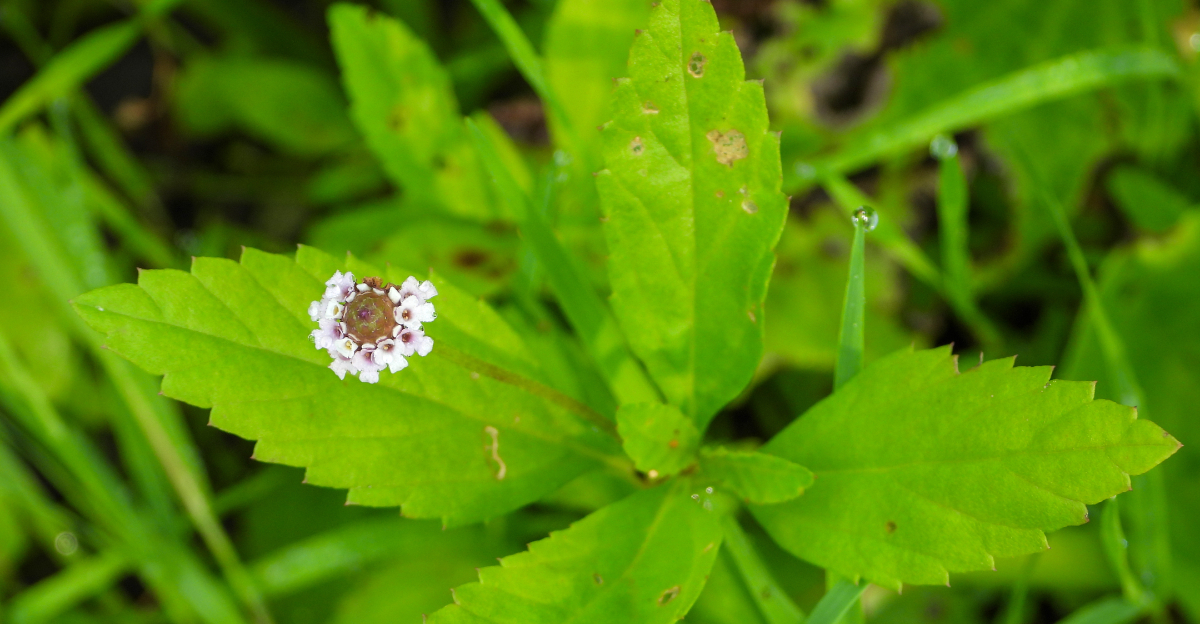
Frogfruit has quietly started standing out for a completely different reason. Tiny blooms spread across the ground, pollinators hover around it all day, and the whole yard starts feeling softer and less rigid once it fills in.
Hot weather does not seem to wear it down the same way traditional grass often gets worn out by mid summer either.
Regular lawns are starting to feel harder to justify once low growing alternatives begin taking over more yards.
1. Frogfruit Handles Heat Without Constant Summer Watering
Georgia summers are not kind to lawns. Temperatures regularly push past 95 degrees, and stretches of dry weather can last weeks at a time, leaving turfgrass yellowed and stressed before August even arrives.
Frogfruit takes a completely different approach to surviving those conditions.
Unlike cool-season grasses that practically beg for water during hot months, frogfruit is built for heat. Its roots dig in and hold moisture more efficiently, and its low-growing mat structure reduces evaporation from the soil surface.
Once established, frogfruit usually needs far less supplemental watering than traditional turfgrass.
Established plants can handle periods of drought that would leave Bermuda or fescue looking rough. That said, newly planted frogfruit does need consistent moisture during its first growing season to develop a strong root system.
After that first year, the need for irrigation drops significantly.
Across warmer parts of the Southeast, especially in areas with long hot summers, gardeners have found frogfruit to be one of the most reliable low-water groundcovers available.
It does not go dormant the moment rainfall slows down. Instead, it stays green and active through conditions that would normally require heavy watering commitments.
2. Small White Flowers Continue Appearing Through Warm Months
Most groundcovers offer one brief burst of color and then go quiet for the rest of the season. Frogfruit does not work that way.
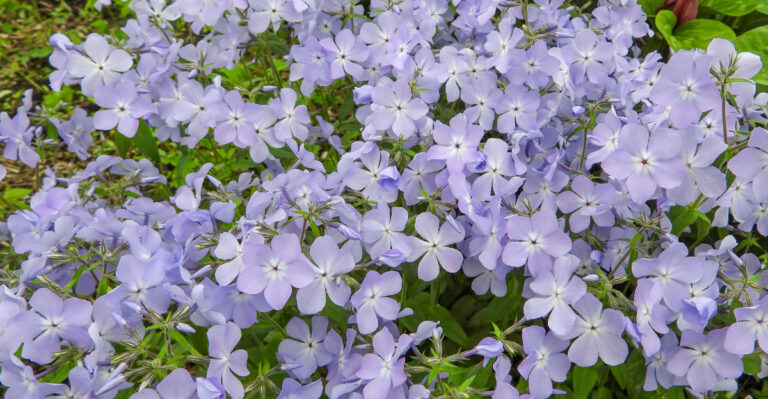
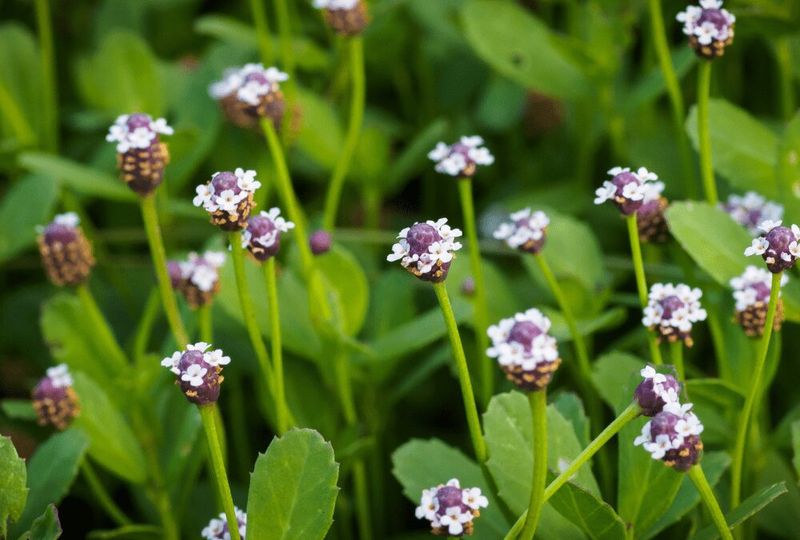
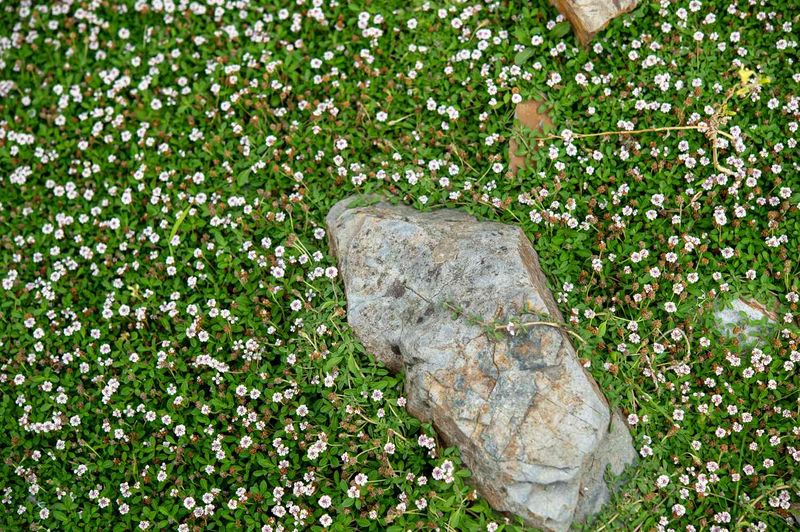
Starting in spring and continuing right through fall, tiny white and pale lavender flowers keep appearing across the mat, giving the yard a soft, living texture that plain grass simply cannot match.
Each individual flower is small, about the size of a pencil eraser, but they appear in such numbers that the overall effect is noticeable. Gardeners who have made the switch often mention being surprised by how consistently the blooms return.
Even during the hottest weeks of July and August, when many plants slow down or stop flowering entirely, frogfruit keeps producing.
That extended bloom period is partly what makes frogfruit so attractive to wildlife, but it also just makes the yard more interesting to look at. A plain grass lawn offers nothing visually between mowing sessions.
Frogfruit always has something happening.
In cooler northern areas, the bloom season tends to start a bit later in spring and wraps up earlier in fall due to cooler temperatures.
Your Georgia Garden Changes Every Week. Your Plan Should Too.
Gardening in Georgia changes quickly throughout the season. Every Friday you’ll receive a simple weekly plan showing exactly what to plant, prune, fertilize, harvest, and protect so you never miss the right timing.
In warmer southern areas, the flowering window stretches considerably longer, sometimes running from March all the way into November.
Local conditions do affect timing, so results vary depending on where in the state you garden.
3. Pollinators Visit Frogfruit More Often Than Turfgrass
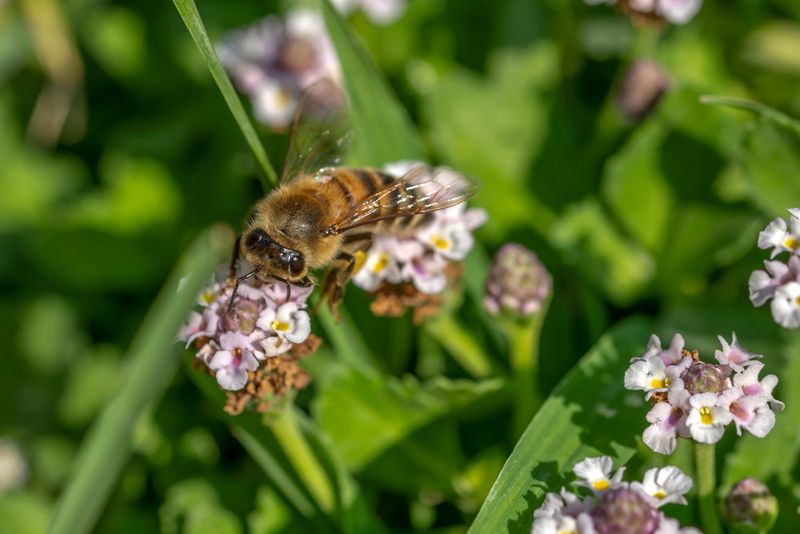
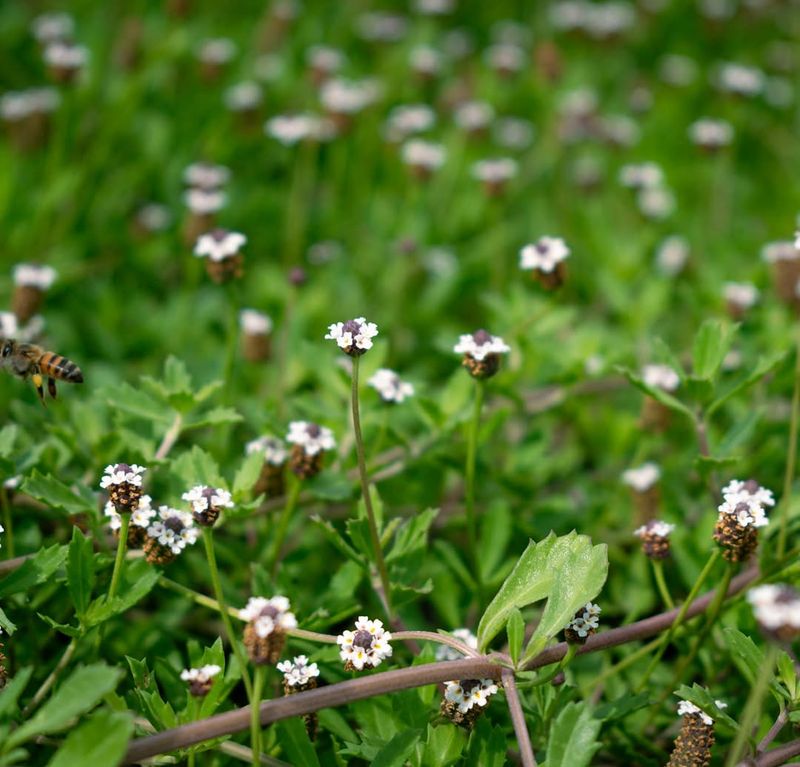
Walk past a patch of frogfruit on a warm afternoon and you will almost certainly see something moving on it. Bees, butterflies, and other small pollinators are drawn to those tiny flowers in a way that standard turfgrass never attracts.
A lawn full of Bermuda or centipede grass offers pollinators essentially nothing.
Frogfruit is a documented host plant for several butterfly species, including the Common Buckeye and the White Peacock.
Caterpillars of these species feed on the leaves, which means a frogfruit groundcover does more than just feed adult butterflies with nectar.
It supports the full life cycle, which matters for local pollinator populations.
Native bees, including several small ground-nesting species common throughout the Southeast, also visit frogfruit flowers regularly.
Because the blooms appear over such a long stretch of the warm season, frogfruit provides a reliable nectar source when other plants may not be producing.
That kind of seasonal reliability is genuinely valuable for supporting bee populations.
Gardeners who have noticed declining butterfly numbers in their yards over the years often find that adding native groundcovers like frogfruit makes a measurable difference.
It does not require a dedicated pollinator garden or a complicated planting plan.
4. Mowing Needs Become Less Demanding Over Time
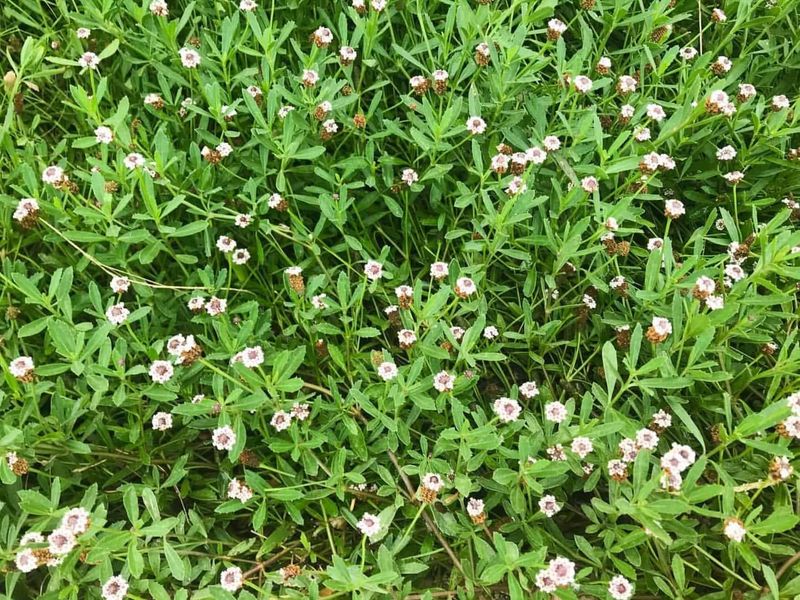
Skipping the Saturday mowing session is something most Georgia homeowners only dream about. Frogfruit makes it a real possibility.
Because it grows naturally low to the ground, rarely exceeding two to four inches in height, it does not need the weekly cutting schedule that turfgrass demands from spring through fall.
Early on, some light trimming along edges or near walkways helps the plant establish clean borders. After the first season, most gardeners find that mowing frequency drops dramatically.
Some skip it entirely for weeks at a stretch without the yard looking neglected. That is a significant change from maintaining a traditional Georgia lawn.
Reducing mowing also has practical benefits beyond saving time. Less frequent mowing means lower fuel or electricity costs, reduced equipment wear, and fewer hours spent in the Georgia heat pushing or riding a mower.
During a July afternoon in Columbus or Augusta, that matters quite a bit.
Frogfruit does not grow in perfectly uniform rows the way seeded grass does, so the overall look is more natural and textured rather than manicured. Gardeners who prefer a clean, clipped appearance may need to set expectations accordingly.
However, many people find the relaxed, meadow-like quality genuinely appealing once they get used to it.
5. Spreading Growth Helps Cover Bare Areas Naturally
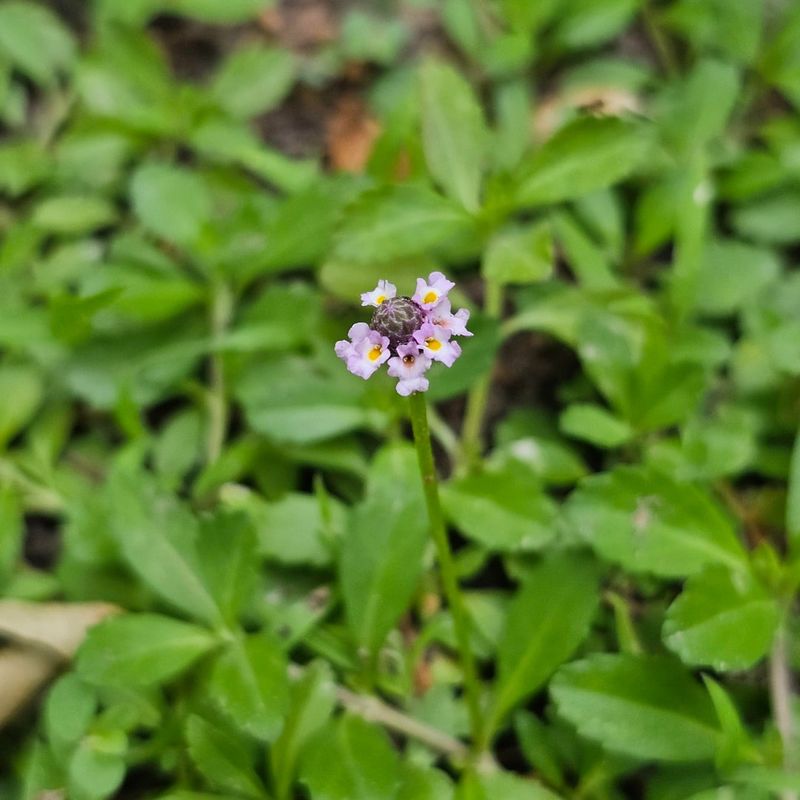
Bare spots in a Georgia yard are a constant frustration. Whether caused by heavy shade, compacted red clay, or foot traffic, those patchy areas resist grass over and over again.
Frogfruit spreads by sending out horizontal stems called stolons that root wherever they touch soil, filling in gaps without needing to be reseeded or replanted.
That spreading habit is one of the main reasons Georgia gardeners have started using it as a problem-solver.
Areas under trees where grass refuses to grow, slopes where erosion keeps washing seed away, and thin strips along walkways are all places where frogfruit tends to establish itself and hold on.
Spreading speed depends on conditions. In moist, well-drained soil with reasonable sunlight, frogfruit can cover a noticeable area within a single growing season.
In heavier clay or shadier spots, progress is slower but still steady. Patience during the first year usually pays off by the second.
Across Georgia, gardeners dealing with the red clay soils common to the Piedmont region have found that frogfruit handles those conditions better than most grass varieties.
It does not require heavily amended soil to get started, though adding compost does help it establish faster and spread more aggressively.
6. Light Foot Traffic Causes Fewer Problems Once Established
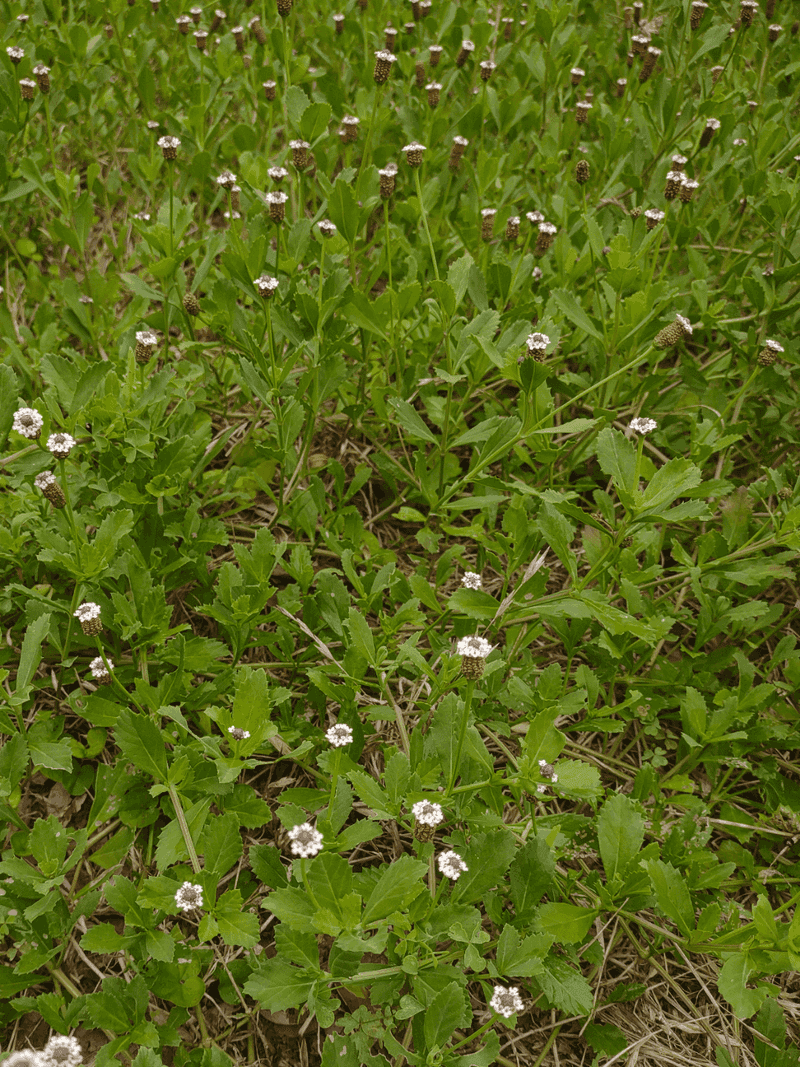
One concern that comes up almost every time frogfruit is mentioned is whether it can hold up to foot traffic. Turfgrass has a reputation for bouncing back from regular use, and people worry that a groundcover will just get crushed and stay that way.
Frogfruit is more resilient than it looks.
Once the plant has had a full growing season to establish its root system, light and moderate foot traffic generally does not cause lasting problems.
Pathways where people walk occasionally and yard sections with light foot traffic tend to stay covered and green.
Heavy, constant traffic concentrated in a single narrow path is a different story and will eventually wear through.
Georgia gardeners with dogs have reported mixed results. A large dog that runs the same circuit daily will eventually create visible tracks.
Smaller dogs or less predictable movement patterns tend to cause far less damage. Managing expectations around heavy pet use is honest and important.
Compared to some other groundcover alternatives, frogfruit recovers from compression reasonably well because its spreading stolons keep producing new growth points.
Even if a section gets flattened temporarily, it tends to bounce back within a few weeks during active growing months.
7. Sandy Soil Conditions Become Easier To Manage
Sandy soil is one of the most challenging conditions for growing a traditional lawn in Georgia. Nutrients wash through it quickly, moisture does not stay long, and grass roots struggle to anchor properly.
Coastal Georgia and the lower Coastal Plain deal with this constantly, and standard turfgrass options often disappoint in those areas.
Frogfruit actually performs well in sandy conditions, which is part of why it grows naturally throughout the Southeast, including along roadsides and open fields in coastal regions of Georgia.
Its roots are adapted to lower-nutrient environments, and it does not require rich, heavily fertilized soil to stay healthy and spread.
Reducing fertilizer inputs is a meaningful advantage in sandy-soil areas. Nutrients applied to sandy ground often leach away before plants can fully use them, leading to repeated applications that cost money and potentially affect nearby waterways.
Frogfruit sidesteps much of that cycle by needing very little supplemental feeding once established.
Gardeners near Brunswick, St. Simons Island, and the surrounding coastal communities have found frogfruit to be one of the more practical groundcover options available for their particular soil challenges.
It does not promise miracles, but it consistently outperforms turfgrass in those sandy, fast-draining conditions without demanding constant attention.