What Bolting Means And Why It Happens Fast In Georgia Heat
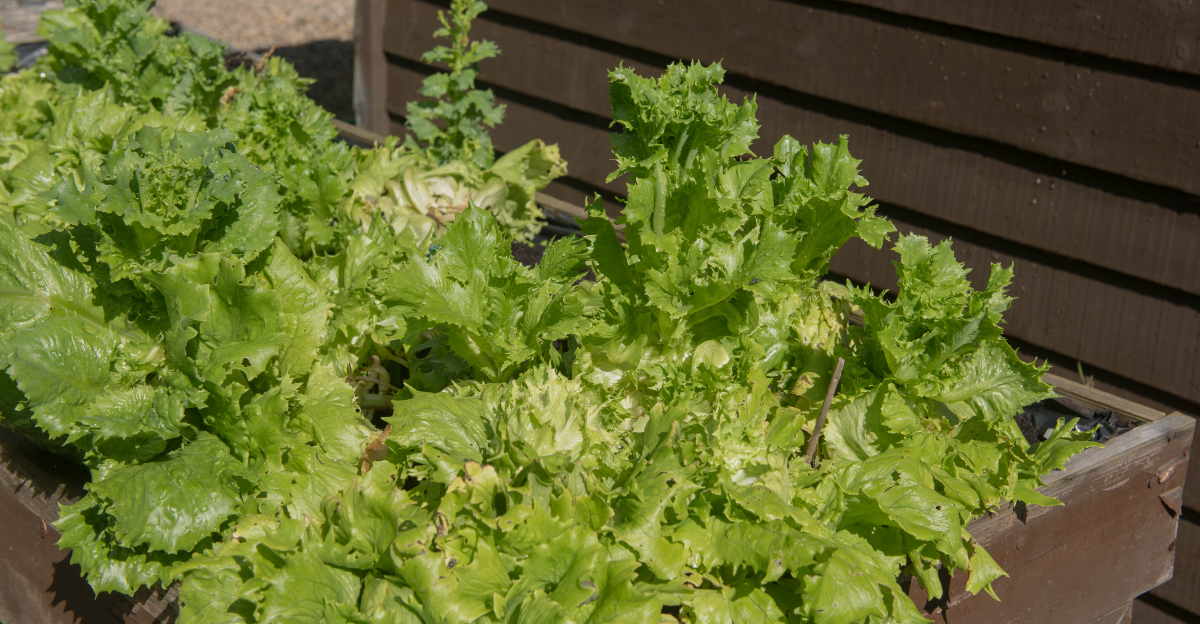
Healthy vegetables can suddenly start looking completely different in Georgia once temperatures rise and spring conditions shift faster than expected.
Leaves change, growth patterns start acting strange, and plants that seemed perfectly fine earlier can quickly stop producing the way gardeners hoped.
Bolting catches many gardeners off guard because it often happens fast once heat settles in and plants react to stress. Crops that should still be growing steady can suddenly shift their energy in a completely different direction almost overnight.
Georgia heat speeds that process up much faster with certain vegetables, especially once warm days and changing conditions start stacking together through late spring and early summer.
1. Rising Temperatures Push Many Cool Season Crops To Bolt
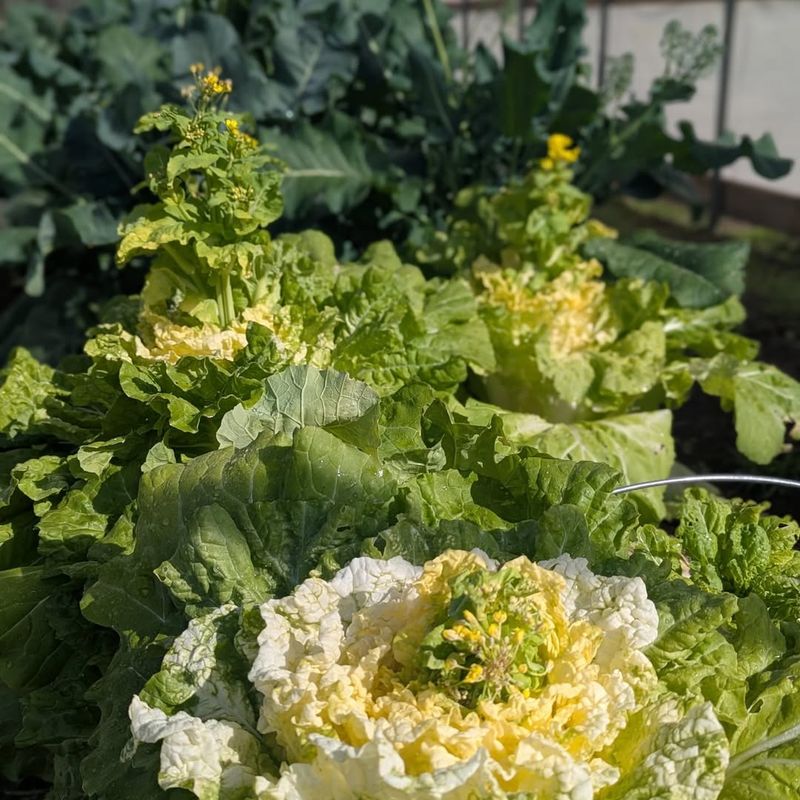
A single warm week in Georgia can flip a garden upside down. Cool-season crops like lettuce, spinach, and kale are wired to respond to heat as a signal that their growing season is ending.
When soil and air temperatures climb past certain thresholds, those plants shift their energy away from leaf production and push hard toward flowering and seed-making instead.
In Georgia, that switch can happen shockingly fast. Atlanta and other parts of the state can jump from mild spring weather to full summer heat within days, not weeks.
A plant that looked perfect on Monday might be sending up a seed stalk by Friday. That rapid temperature swing is one of the biggest reasons Georgia gardeners constantly struggle with cool-season crops bolting before they get a full harvest.
Most cool-season greens prefer temperatures between 45 and 75 degrees Fahrenheit. Once daytime highs push past that range consistently, stress builds up in the plant.
Bolting is essentially the plant’s survival response, a biological push to reproduce before conditions get worse.
Understanding this helps you time plantings better. Starting seeds earlier in late winter or using fall planting windows gives crops a longer stretch of cooler weather before Georgia heat arrives.
2. Lettuce Often Turns Bitter Soon After Bolting Starts
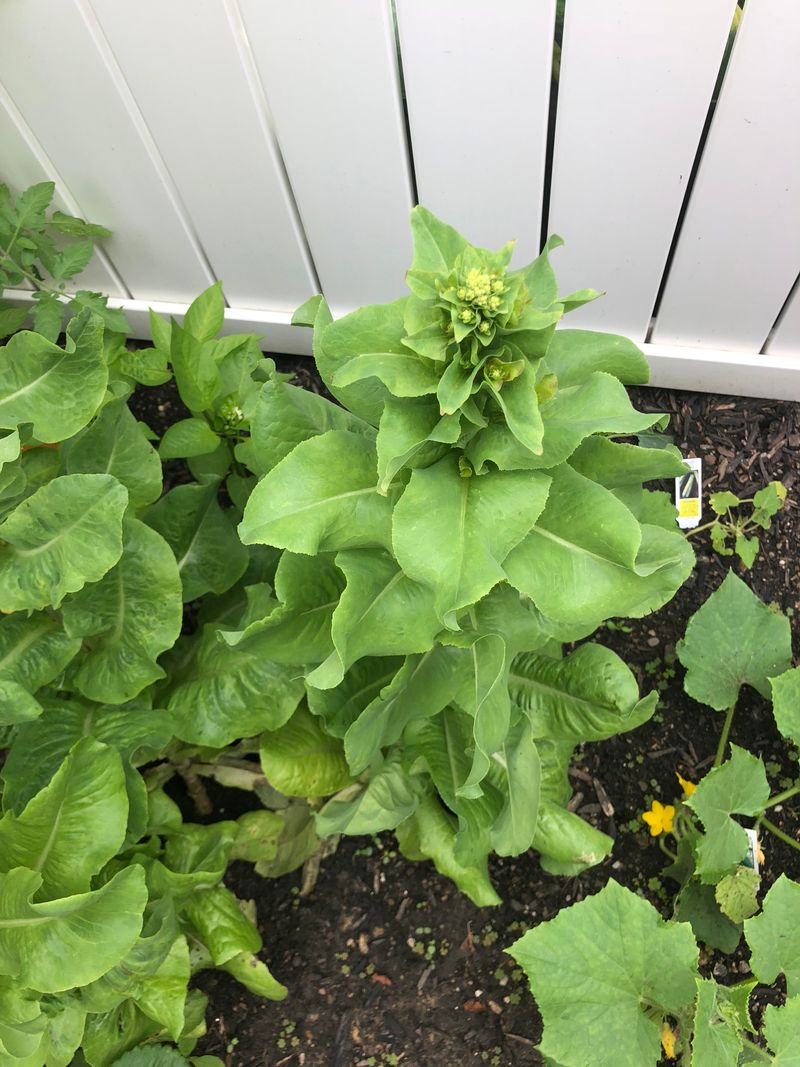
Biting into a leaf of bolted lettuce is a surprise nobody enjoys. Right when a lettuce plant begins sending up that tall central stalk, the chemistry inside the leaves changes.
Compounds called sesquiterpene lactones increase sharply, and those are the exact compounds responsible for that sharp, unpleasant bitterness that makes the lettuce nearly unenjoyable to eat raw.
Georgia gardeners often notice the flavor shift happens even before the stalk is fully visible. Leaves might still look normal from a distance but taste noticeably sharper than they did a week earlier.
That early bitterness is a sign bolting has already begun internally, even if the plant looks fine on the outside. Catching it at that stage still gives you a short window to harvest remaining outer leaves before the flavor becomes completely unpalatable.
Some lettuce varieties hold up better than others. Heat-tolerant types like Jericho, Sierra, and Muir have been bred specifically to slow the bolting process in warm conditions, making them smarter choices for Georgia spring gardens.
Loose-leaf varieties generally last longer than head-forming types once temperatures start climbing.
Your Georgia Garden Changes Every Week. Your Plan Should Too.
Gardening in Georgia changes quickly throughout the season. Every Friday you’ll receive a simple weekly plan showing exactly what to plant, prune, fertilize, harvest, and protect so you never miss the right timing.
3. Long Days Speed Up Bolting In Many Garden Vegetables
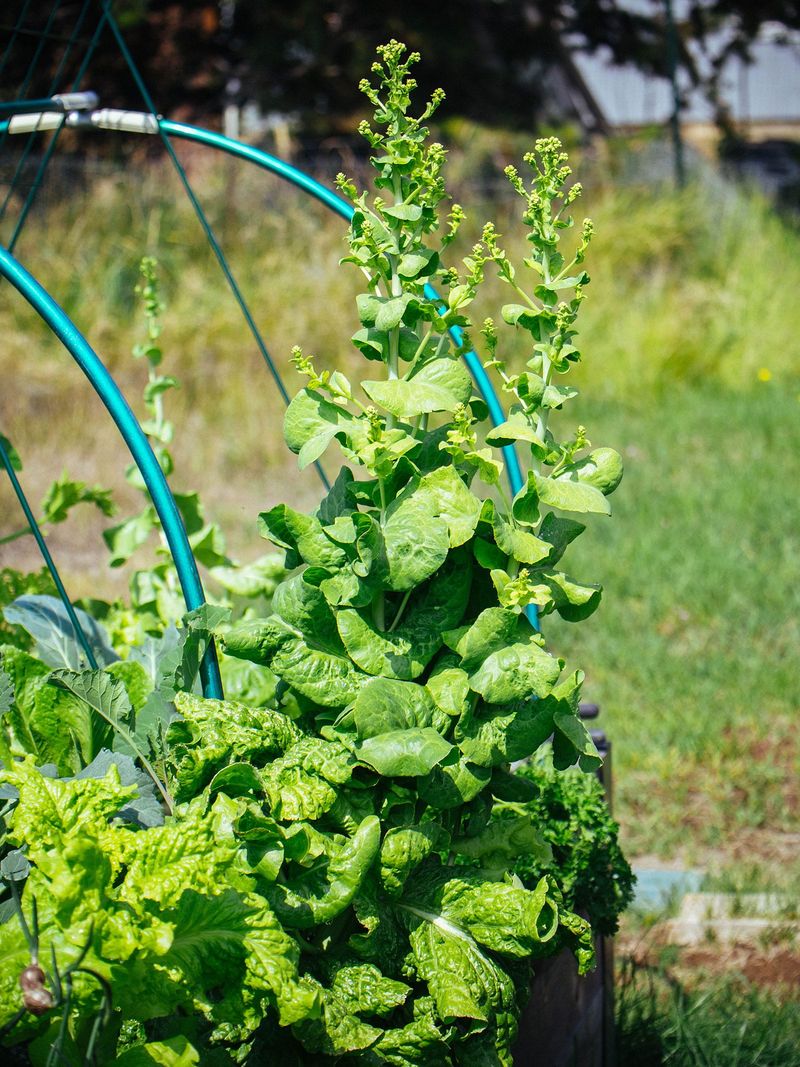
Sunlight hours matter just as much as temperature when it comes to bolting, and Georgia’s long summer days are a double problem for cool-season gardeners. Many vegetables are photoperiod-sensitive, meaning they track how many hours of light they receive each day.
When day length crosses a certain threshold, typically around 14 hours of daylight, it triggers the plant to shift into reproductive mode regardless of temperature.
Spinach is one of the most photoperiod-sensitive vegetables you can grow. Even in relatively mild temperatures, spinach will begin bolting once day length gets long enough.
In Georgia, that window arrives faster than most gardeners expect. By late April and into May, days are already long enough to trigger bolting in spinach, even when nights are still comfortable.
Cilantro responds similarly. It is extremely sensitive to both heat and day length, which is why Georgia gardeners often see it bolt within weeks of transplanting in spring.
Planting cilantro in fall or very early spring gives it the best chance of maturing before long days take over.
Choosing bolt-resistant seed varieties helps, but it does not fully override photoperiod triggers. Varieties labeled slow-bolt still respond to light changes; they just take a bit longer to reach the tipping point.
4. Dry Soil Can Trigger Faster Flowering In Heat Sensitive Crops
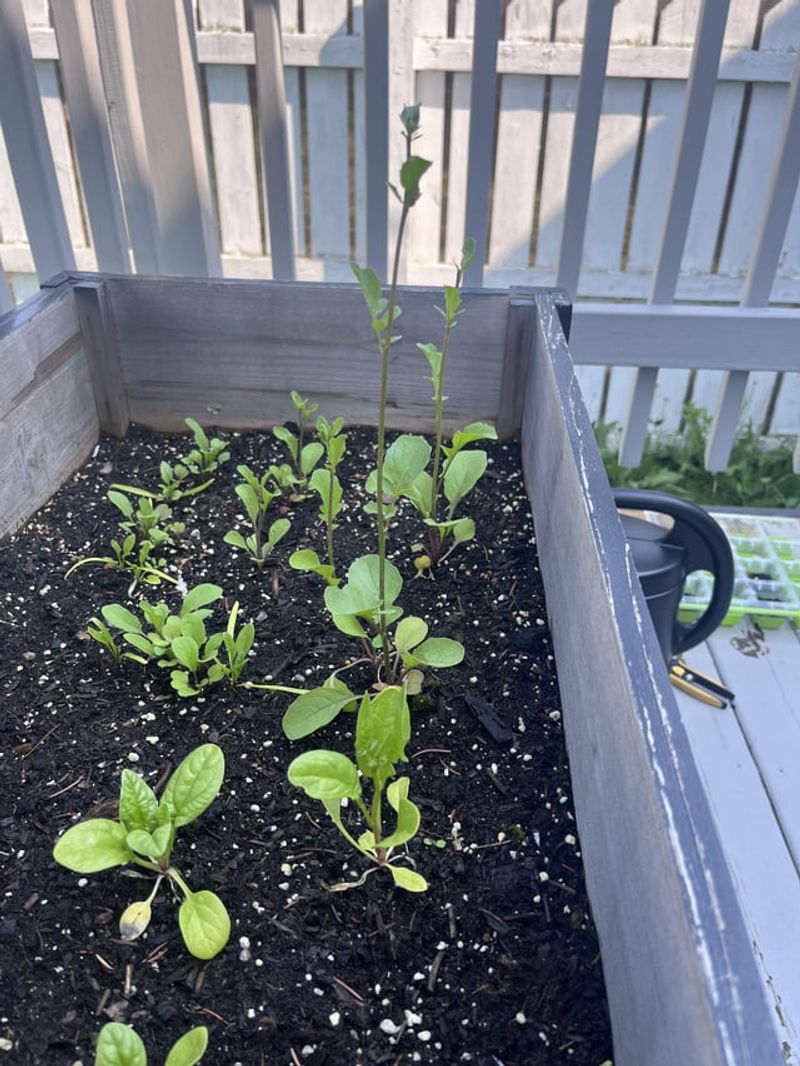
Drought stress is one of the fastest ways to push a cool-season crop into bolting mode. When soil dries out, plants sense danger and respond by trying to reproduce as quickly as possible.
From the plant’s perspective, dry conditions signal that the environment may not support survival much longer, so producing seeds becomes the top priority over growing more leaves.
Georgia springs can swing between heavy rain and dry stretches within the same week. That inconsistency is hard on vegetable gardens.
A few days without rain during a warm spell can stress cool-season crops enough to trigger early bolting, especially in raised beds and sandy soils that drain quickly and hold less moisture than heavier clay soils.
Keeping soil evenly moist is one of the most practical things you can do to slow bolting.
Drip irrigation or soaker hoses work better than overhead watering because they deliver moisture directly to root zones without wetting leaves, which can cause fungal issues in Georgia’s humid conditions.
Watering in the early morning also helps the soil absorb moisture before afternoon heat drives evaporation.
Mulching is another underrated tool. A two to three inch layer of straw or wood chip mulch over garden beds can reduce soil temperature significantly and slow moisture loss between waterings.
5. Cilantro And Spinach Bolt Quickly During Sudden Warm Weather
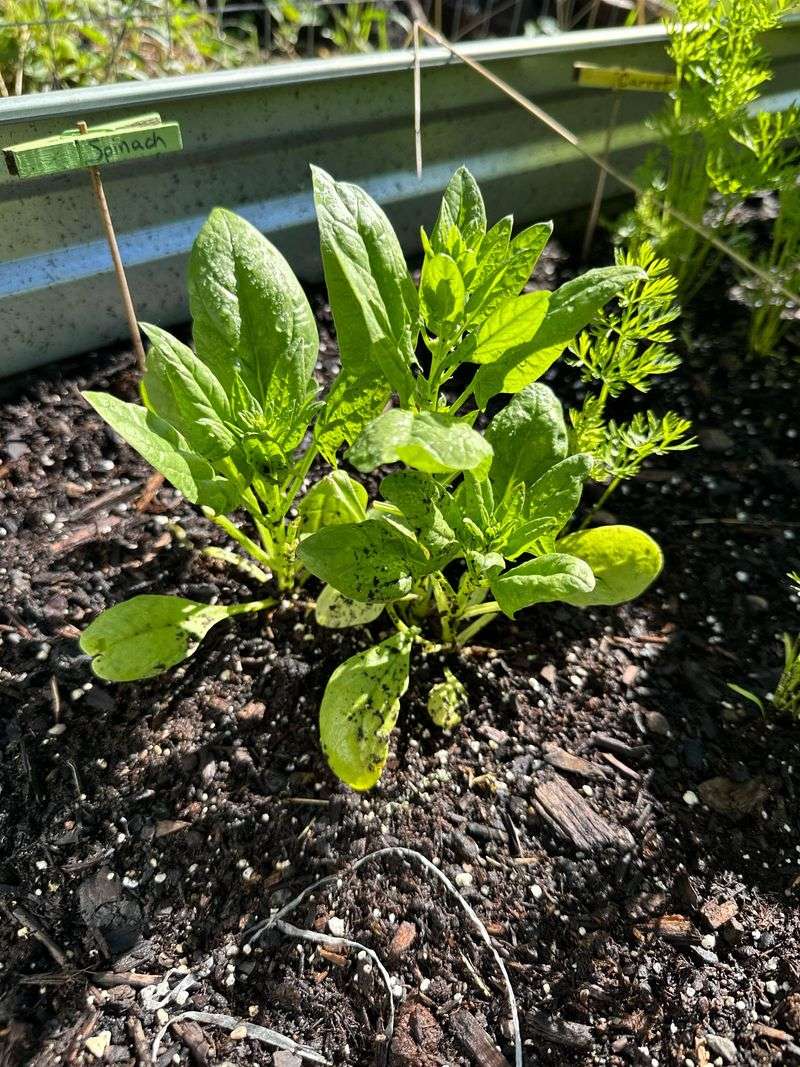
Cilantro and spinach are two of the most impatient vegetables in any Georgia garden. Both crops have extremely low heat tolerance and respond to temperature changes faster than most other greens.
A sudden warm stretch that pushes temperatures into the upper 70s and 80s can send both of them bolting within a matter of days, catching gardeners completely off guard.
Cilantro is especially notorious for this. Gardeners across Georgia have planted a fresh batch of cilantro, turned around two weeks later, and found it already sending up lacy flower clusters.
Once cilantro bolts, the leaves become thin, feathery, and far less flavorful than the broad, flat leaves from younger plants. Harvesting frequently and keeping the plant trimmed can delay bolting slightly, but once warm weather locks in, it’s a short countdown regardless.
Spinach follows a similar pattern. It is one of the earliest bolters in the spring garden, and Georgia’s rapidly warming temperatures mean the window for a good spinach harvest is often just four to six weeks in spring.
Planting spinach as early as late January or February in many parts of Georgia gives it the coolest possible growing conditions before the heat arrives.
Both crops do far better in Georgia when planted in fall rather than spring. Fall temperatures drop gradually, giving plants a longer, more stable window to mature without bolting pressure.
6. Afternoon Shade Helps Slow Bolting During Hot Weather
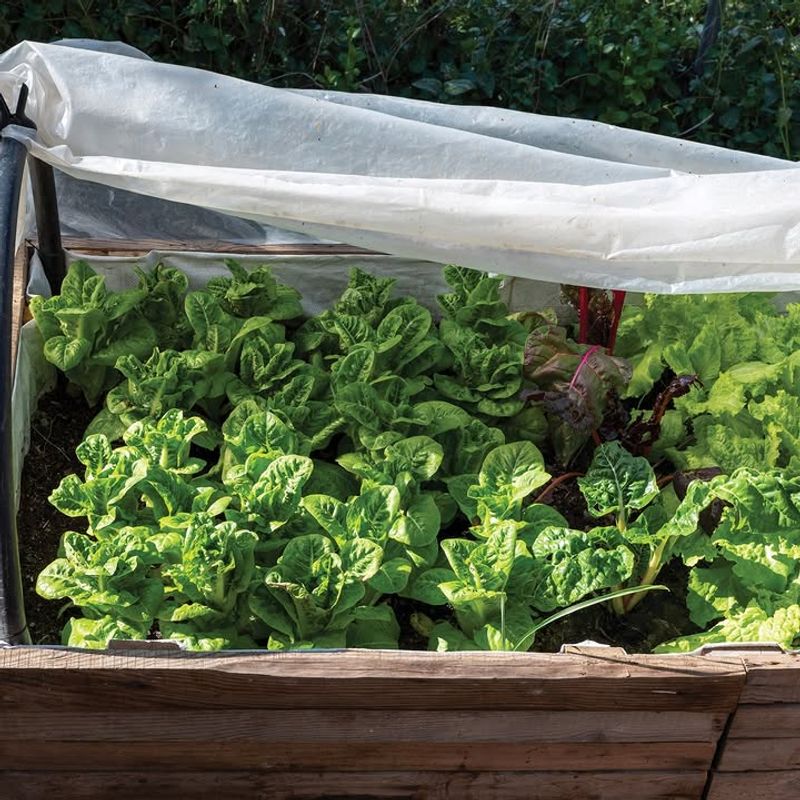
Shade cloth might not look glamorous, but in a Georgia garden it can be a genuine game-changer during late spring and early summer.
Blocking afternoon sun reduces both air and soil temperature around cool-season crops, which directly reduces the heat stress that triggers bolting.
Even a modest temperature drop of five to ten degrees under shade cloth can extend your harvest window noticeably.
Afternoon shade matters more than morning shade in Georgia’s climate. Morning sun is generally mild and helps plants photosynthesize efficiently.
But afternoon sun, especially from May through September, is intense and drives temperatures well above what cool-season crops can handle comfortably.
Positioning shade cloth or using taller plants like tomatoes or sunflowers to block western sun exposure can make a real difference in how long greens stay productive.
Shade cloth rated at 30 to 40 percent light reduction is generally the sweet spot for vegetables. Too much shade reduces photosynthesis enough to slow growth and weaken plants, while too little shade provides minimal relief from Georgia’s intense afternoon heat.
Getting that balance right takes a little experimentation depending on your specific garden location.
Natural shade from trees works too, but it comes with trade-offs. Tree roots compete for water and nutrients, and dense canopy can limit airflow, which increases humidity-related disease pressure in Georgia’s already humid conditions.
7. Succession Planting Helps Extend Harvests In Spring Gardens
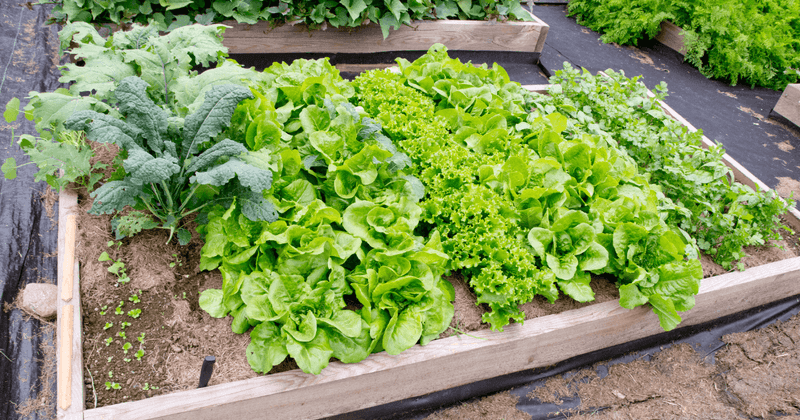
Succession planting is one of the smartest strategies any Georgia gardener can use against bolting.
Instead of planting an entire crop all at once, you stagger plantings every two to three weeks so that as one batch starts bolting, the next one is just hitting its prime harvest stage. It keeps fresh greens coming to the table consistently rather than all at once.
Timing those successions correctly is the key part. In Georgia, spring planting windows for cool-season crops are relatively short, so working backward from your expected last cool weather date helps.
If your area typically sees consistent warmth by late April, starting your first planting in late January and scheduling follow-up plantings in mid-February and early March gives you three overlapping harvests before conditions get too hot for most greens.
Starting seeds indoors under grow lights also gives you more control over timing.
Transplanting seedlings that are already three to four weeks old means less time in the ground before harvest, which reduces the chance of bolting before you get a good yield.
Georgia gardeners who use indoor starts often get one extra planting cycle compared to direct sowing outdoors.
Fall succession planting in Georgia is actually easier and more reliable than spring for most cool-season crops.