If Your Lavender Turns Woody In Ohio, Pruning Timing May Be To Blame
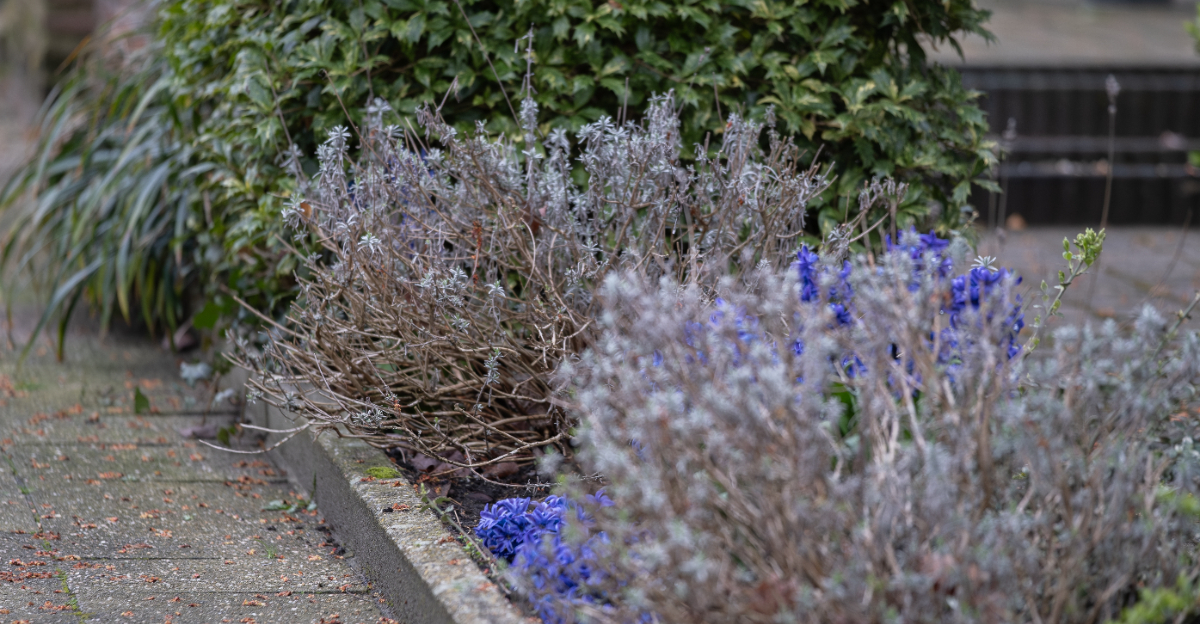
Woody lavender is one of those garden problems that sneaks up slowly. One spring, the plant suddenly looks more like a tangled shrub than the soft, fragrant mound it used to be.
Ohio gardeners tend to blame the winters, the soil, or just bad luck, but the calendar is usually the real culprit. Pruning lavender at the wrong time does not show up as an immediate problem.
The consequences arrive a season or two later when new growth has nowhere productive to emerge and the woody base just keeps expanding.
Lavender has a narrow window where pruning actually encourages the dense, bushy regrowth that keeps the plant looking full and flowering well.
Outside that window, even a well-intentioned trim can set the plant back in ways that take years to correct. Timing is everything with this herb, and getting it right changes the entire lifespan of the plant.
1. Start With The Pruning Window Ohio Lavender Actually Needs
Timing is everything with lavender, and gardeners in Ohio often get tripped up by pruning at the wrong point in the season. One safe window for shaping lavender here is early spring, after the worst cold has passed and as new growth begins to show.
A light post-bloom trim can also help maintain shape, but heavy late-season pruning is where gardeners need to be careful. Waiting for that sweet spot helps the plant direct energy into fresh, compact shoots instead of stretching into leggy, open growth.
Most years, that window falls somewhere between late March and mid-April in many parts of the state, depending on your location and the season. You want to see the soil warming and tiny green shoots beginning to appear at the base and along the older stems.
Those small signs of life tell you the plant is ready to respond well to pruning.
Pruning too early, while the ground is still frozen and the plant is fully dormant, can leave fresh cuts exposed to hard freezes. That kind of stress slows recovery and can push the plant toward producing bare, stiff stems instead of bushy new growth.
Waiting a bit longer protects tender new tissue from unexpected late frosts.
On the other hand, waiting too long into spring means the plant has already started stretching out. Once lavender gets ahead of you, it is harder to bring it back into a tidy shape without risking cuts into old bare wood.
Catching it early keeps your options open.
Gardeners who miss the early spring window often end up with the open, tired-looking structure that makes lavender look older and woodier than it needs to.
Marking your calendar and checking the plants every few days in late March gives you the best chance of pruning at exactly the right moment.
2. Shape Plants In Early Spring Before New Growth Gets Ahead Of You
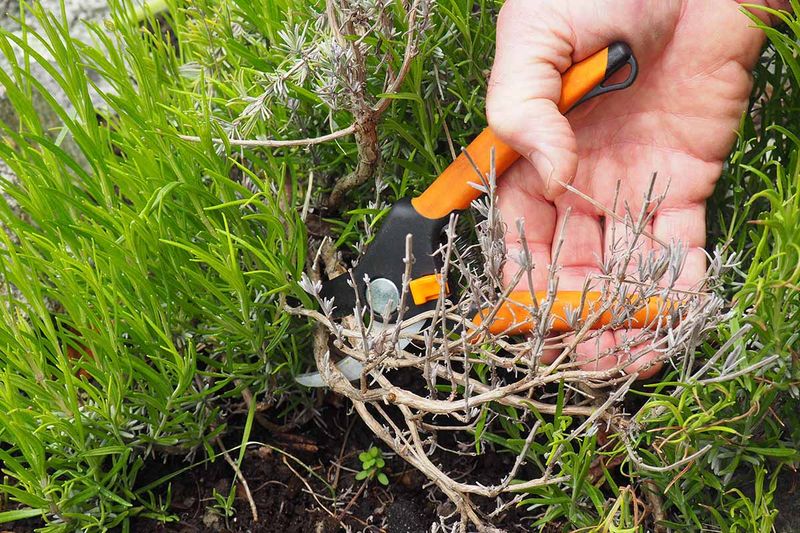
Grab your pruning shears in early spring and take a good look at each plant before you start cutting. The goal is to shape the plant into a rounded mound, removing about one-third of the overall growth.
Your Ohio Garden Changes Every Week. Your Plan Should Too.
Gardening in Ohio changes quickly throughout the season. Every Friday you’ll receive a simple weekly plan showing exactly what to plant, prune, fertilize, harvest, and protect so you never miss the right timing.
You are not trying to cut it down to the ground, just bringing it back into a tighter, more controlled shape that encourages bushy new stems.
Start by looking for where the green growth begins on each stem. That green band, even if it is just a small cluster of tiny leaves, is your guide.
Trim above those green areas, leaving a few inches of stem with visible growth below your cut. This approach gives the plant a clear starting point for pushing out fresh, compact shoots.
Work your way around the plant evenly so you are not taking more off one side than the other. Lavender responds well to a consistent, rounded trim.
Uneven cuts can leave the plant looking lopsided and may cause some stems to stretch more than others as the season moves forward.
One thing worth knowing is that lavender does not need to be pruned down to a few inches like some perennials. Cutting too low removes all the green growth and puts you into bare wood territory, which carries its own risks.
A moderate trim that keeps the plant compact but still has plenty of green is the right approach for most home gardens.
After pruning, the plant should look noticeably tidier and a little shorter than before.
Within a few weeks of warmer weather, you should see new growth filling in along the stems.
That fresh flush of growth is a good sign the timing and technique were right on target.
3. Avoid Hard Cuts Into Bare Wood That May Not Bounce Back
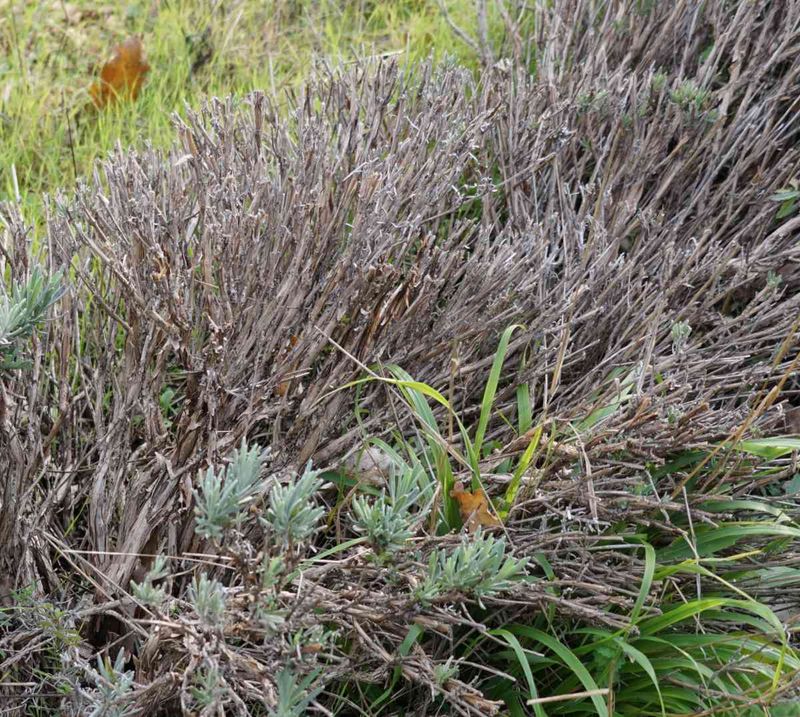
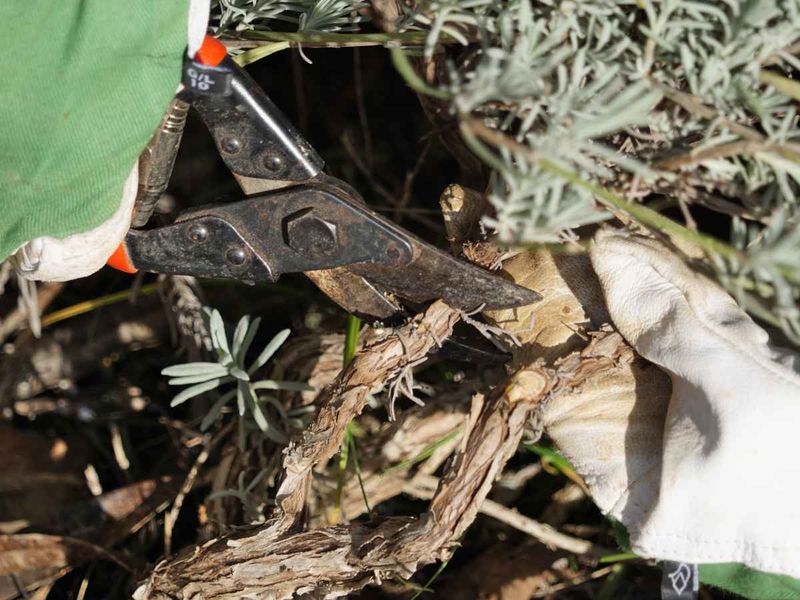
One of the most common mistakes with lavender is cutting too far back into the older, bare sections of the stem. Unlike many shrubs, lavender does not reliably push new growth from bare wood.
Once you cut below all the green, you are essentially asking the plant to regrow from a part of itself that may no longer have the energy to do it.
Older plants that have not been pruned regularly tend to have longer sections of bare, stiff stems at the base. This is where things get tricky.
You want to improve the shape, but you also do not want to remove every bit of green growth in the process. The safest approach is to trim above the lowest visible green growth on each stem, even if that means the plant does not get as compact as you would like.
For plants that are already heavily woody and have very little green left near the base, the situation calls for patience. Try trimming back to just above whatever green you can find, even if that is higher up on the stem than ideal.
Then focus on good soil drainage, proper sun, and consistent care to help the plant produce new growth over the coming season.
In some cases, a plant with mostly bare stems and very little green left may simply need to be replaced. Lavender is not a forever plant, and most varieties do best when they are replaced every five to ten years.
Starting fresh with a young plant and committing to annual early spring pruning is often the most practical solution.
Keeping notes on when you last pruned each plant helps you stay ahead of the problem. A quick trim every year is much easier than trying to rescue a plant that has gone years without any shaping at all.
4. Remove Spent Flower Stems After Bloom To Keep Plants Tidy
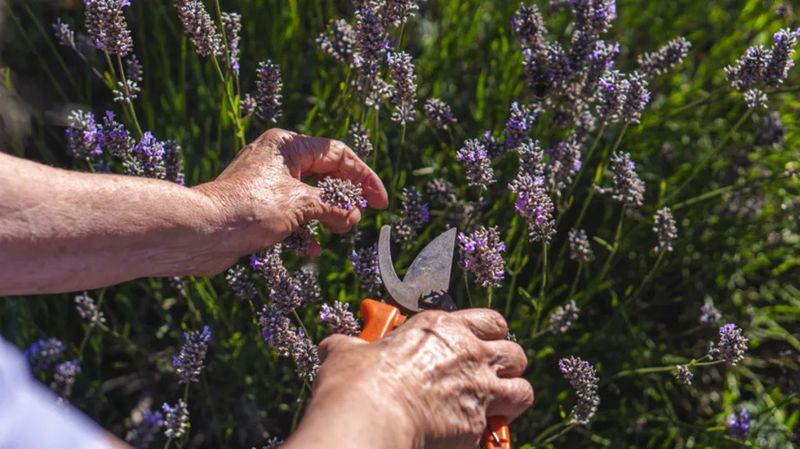
After lavender finishes blooming, those spent flower spikes can start to look pretty ragged if you leave them in place. A light trim to remove the faded stems is a simple habit that keeps plants looking tidy through the rest of the season.
This is not the same as a hard shaping prune, and the two should not be confused with each other.
Post-bloom trimming is more of a cleanup step. You are removing the dried flower stalks, cutting just below the spent bloom and into the upper leafy growth.
This kind of trim encourages the plant to put energy back into the foliage rather than holding onto old, faded stems that serve no real purpose at that point.
Depending on the lavender variety, a post-bloom trim may also encourage a second flush of blooms later in the season. English lavender varieties, which tend to do best in this state’s climate, are more likely to rebloom after a light trimming.
French and Spanish types are less cold-hardy and less commonly grown here, so the rebloom response may vary.
The key difference between post-bloom trimming and your main spring pruning is depth. Post-bloom, you are staying in the softer, greener upper growth and not going deep into the woody base.
Think of it as a haircut rather than a reshape. The heavy shaping work belongs in early spring, not after the summer bloom.
Doing this small maintenance step consistently each year adds up over time. Plants that get regular post-bloom cleanup tend to hold their shape better, look healthier going into fall, and are easier to manage come spring.
A few minutes with a pair of sharp shears after flowering can make a noticeable difference by the end of the season.
5. Fix Wet Soil Before It Makes Woody Lavender Worse
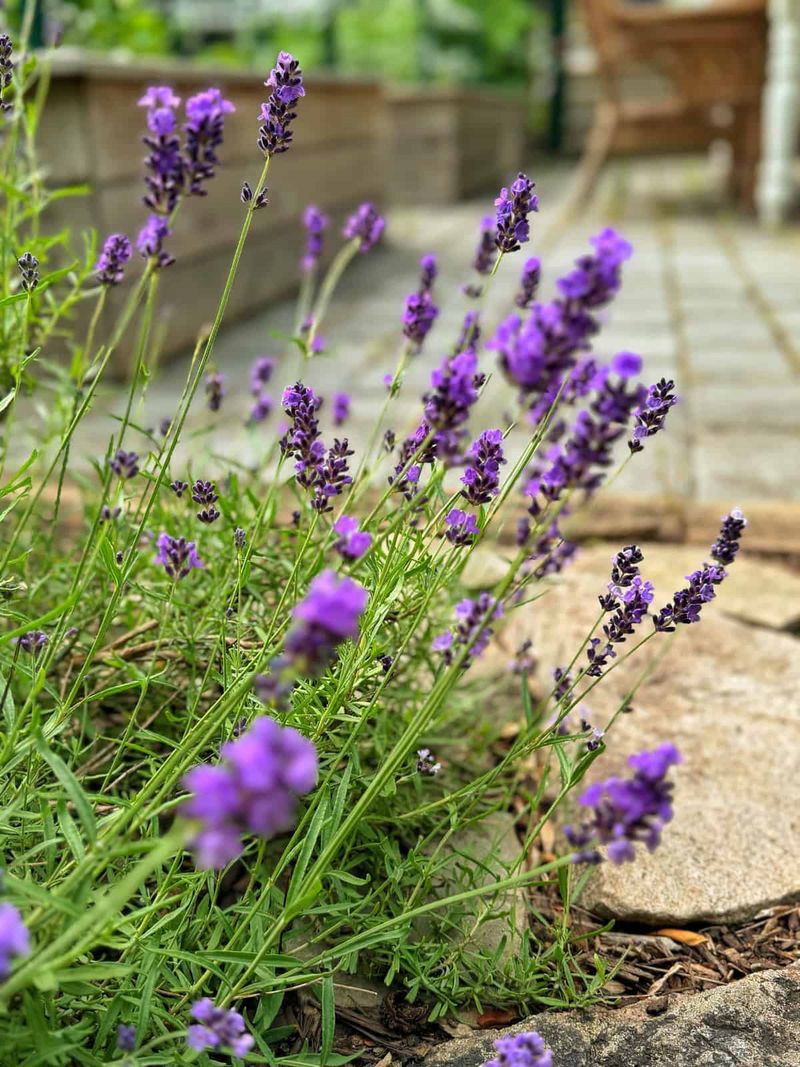
Soil conditions play a bigger role in lavender health than many gardeners realize, and this is especially true in a state where clay soil and wet winters are common. Lavender wants full sun and soil that drains quickly.
When roots sit in wet or compacted ground, the plant stresses, and that stress often shows up as sparse, stiff growth and a woody structure that keeps getting worse.
Clay-heavy soil is one of the most common challenges in local gardens. It holds moisture longer than lavender can tolerate, especially during wet spring seasons and cold winters when the ground stays soggy for weeks.
Improving drainage before planting, or working to improve it around existing plants, makes a real difference in how lavender performs over time.
Raised beds are one of the most reliable fixes. Lifting lavender just six to eight inches above the surrounding soil level improves drainage significantly and warms up faster in spring.
Mixing coarse grit, pea gravel, or coarse sand into the planting area also helps open up the soil structure and keep roots from sitting in standing water.
Spacing matters too. Lavender plants that are crowded together hold more moisture between them and get less airflow, which increases the chance of root problems and poor growth.
Give each plant enough room to breathe, usually at least eighteen to twenty-four inches between plants depending on the variety.
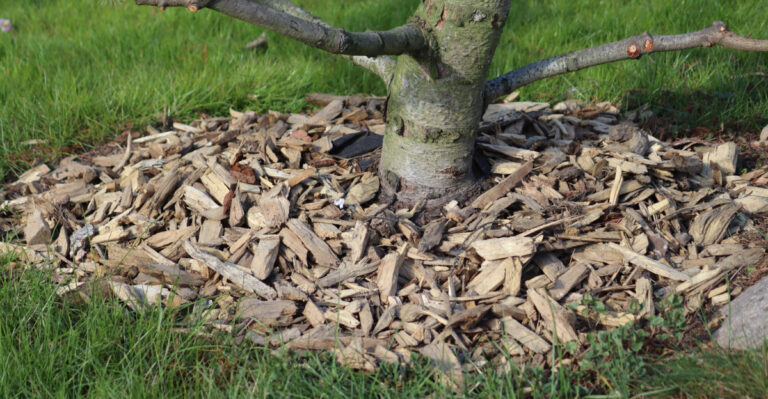
Avoid piling heavy mulch directly against the crown of the plant. A little gravel around the base is much better than wood chip mulch pressed up against the stems.
Heavy mulch traps moisture right where lavender is most sensitive. That extra dampness at the base can speed up the development of bare, tired-looking stems faster than almost anything else.
6. Adjust Late-Season Trims For Northern And Frost-Prone Ohio Gardens
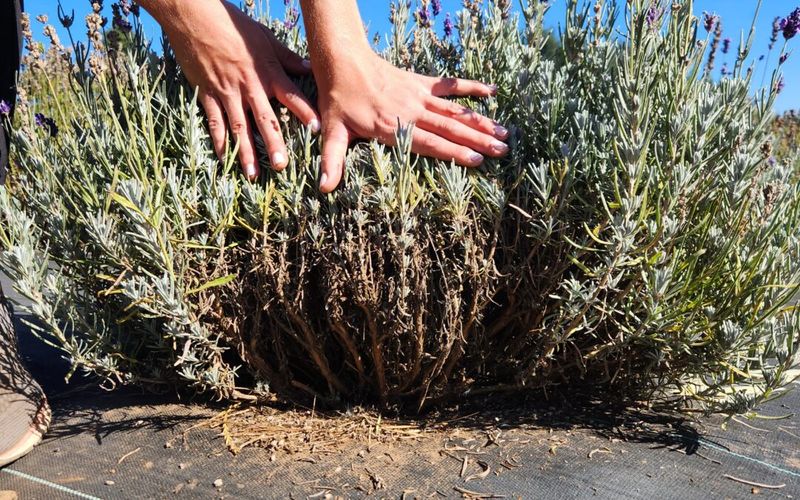
Where you garden in this state makes a real difference when it comes to late-season pruning decisions. Gardeners in northern regions and colder inland areas need to be more cautious about trimming lavender after midsummer.
Any pruning done too late in the season can push out a flush of tender new growth that simply does not have enough time to harden off before the first frost arrives.
Soft, new growth that appears after a late-season trim is much more vulnerable to cold damage than established, mature stems. When that tender growth gets hit by an early freeze, it can set the plant back significantly.
The following spring, you may find more bare, stiff stems than you expected, and the plant may take longer to fill back in.
The general guidance from extension horticulture sources is to avoid significant pruning after late July or early August in colder parts of the state. That gives new growth enough time to mature and toughen up before temperatures drop.
In practice, many experienced gardeners in frost-prone areas skip any late-season trimming entirely and save all shaping for early spring.
Gardeners in the southern parts of the state or in areas with some Lake Erie influence may have a slightly longer growing window before hard frosts arrive. That extra few weeks can make a difference, but late hard pruning is still a risk even in those milder pockets.
A light cleanup trim is much safer than a heavy shaping cut in late summer or fall anywhere in the state.
Knowing your local first frost date and working backward from it is a smart habit. Most county extension offices or the OSU Buckeye Yard and Garden Line can give you reliable frost date information for your specific area.
That helps you make better decisions about when to stop pruning for the season.