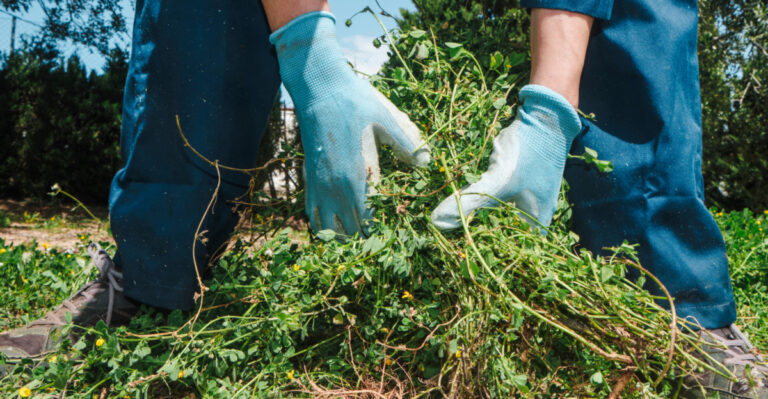
The Shrub That Wows In Spring And Lets You Down In Colorado Summer
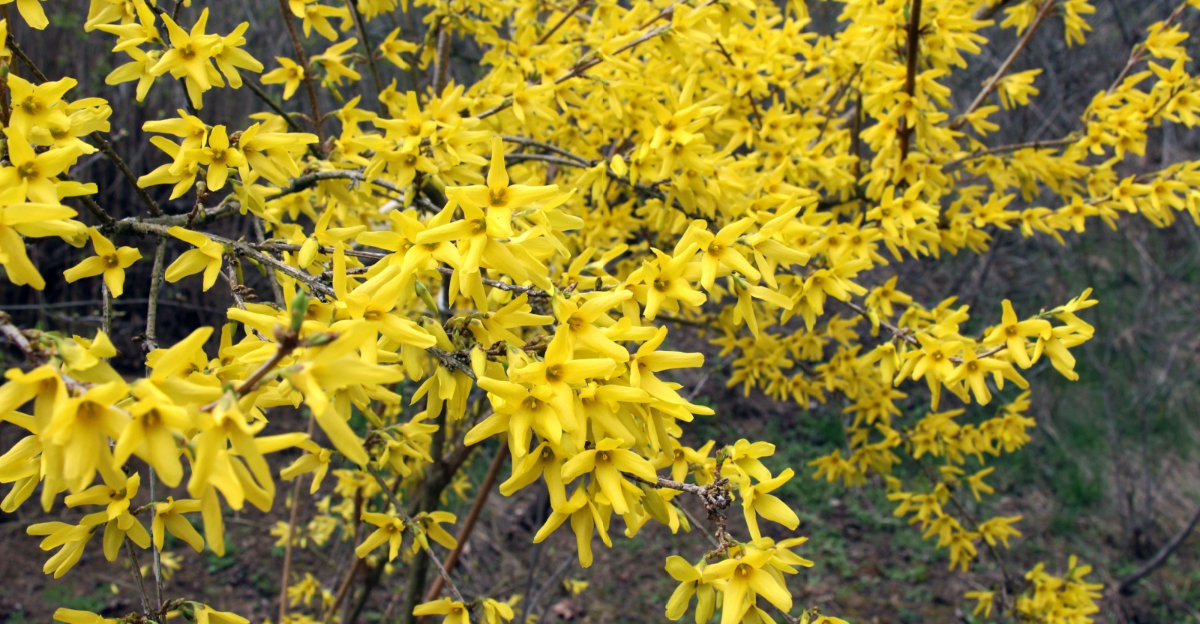
Every spring, one shrub steals the whole show.
Screaming yellow blooms explode before anything else even wakes up.
Suddenly, every yard looks like a celebration.
Colorado gardeners fall for this one hard every single March.
Then the flowers fade.
And just like that, a giant wall of dull green leaves takes over and does absolutely nothing for the next eight months.
The color is gone.
The interest is gone.
The curb appeal disappears with the last petal.
Just prime yard space taken up by a shrub that already had its moment.
It goes from the life of the party to the guest who refuses to leave. If you have ever planted this shrub and spent the whole summer wondering what went wrong, you are not alone.
Nobody warns you about this at the garden center.
Nobody mentions how much space this one hogs.
Nobody tells you what Colorado summer actually do to it.
That is exactly what we are breaking down here.
Why Forsythia Looks Like The Perfect Shrub In Spring
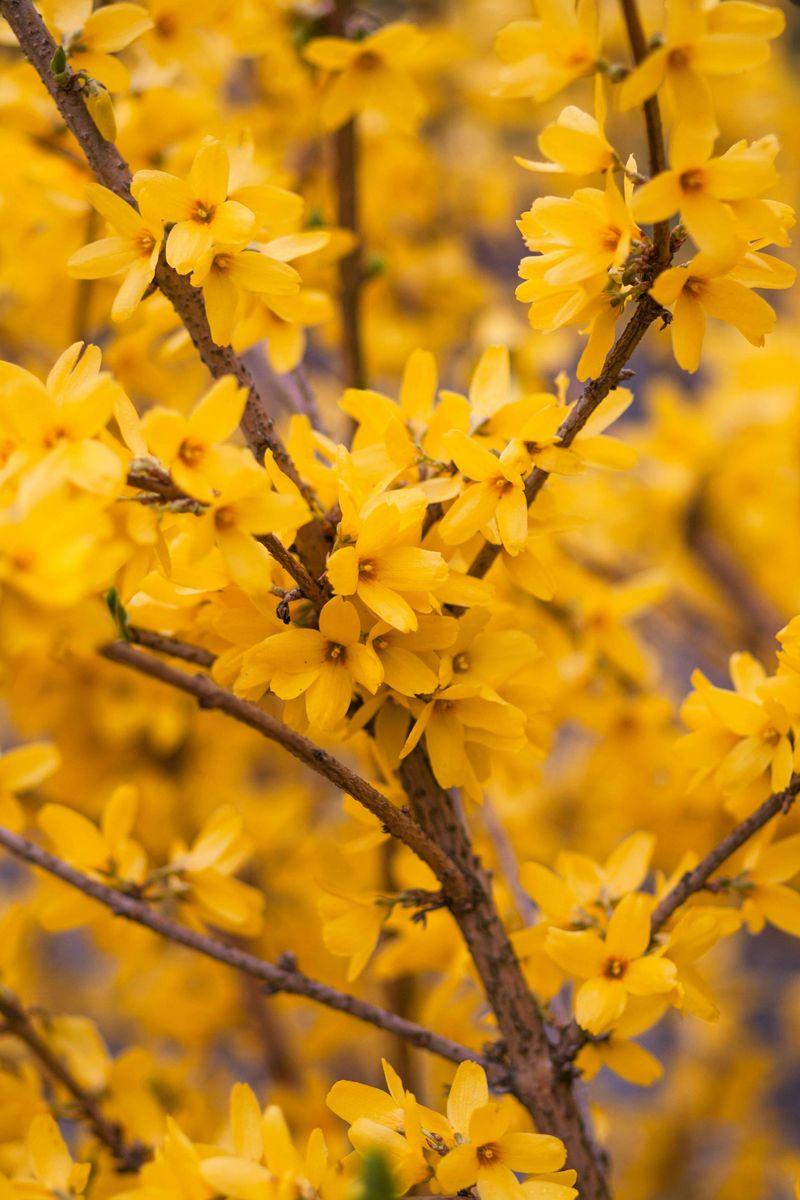
Few plants put on a show quite like this one does in early spring.
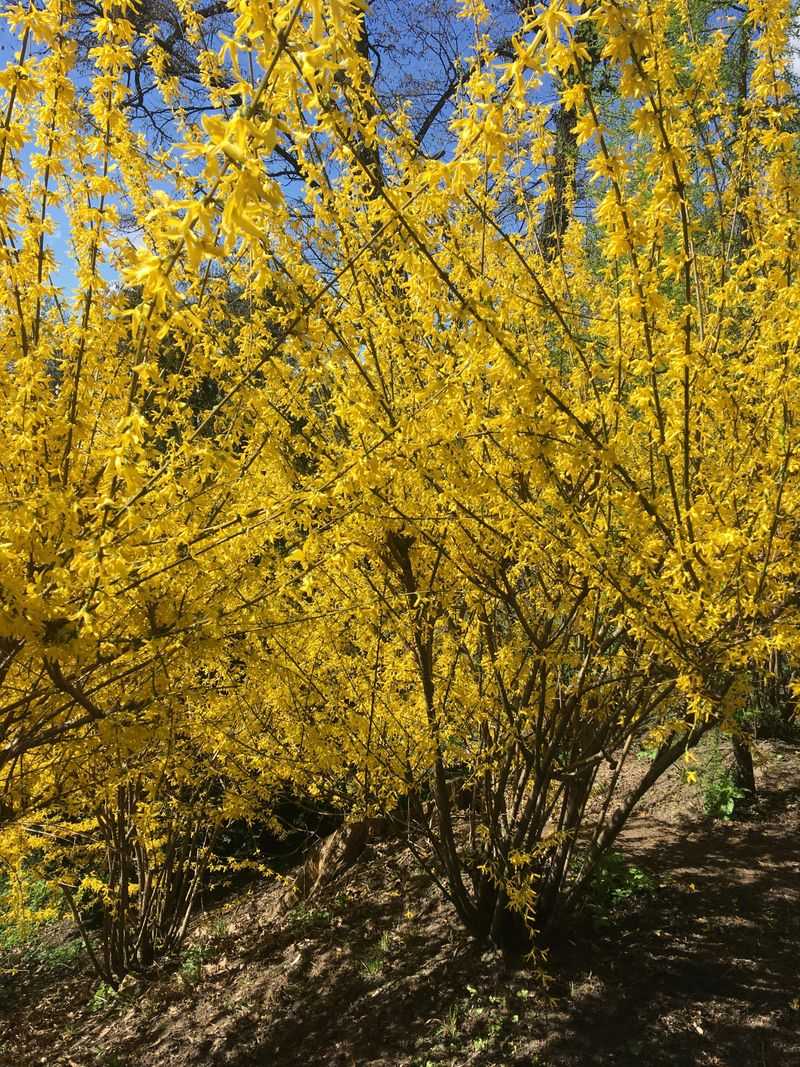
Blazing yellow flowers burst open on bare branches before a single leaf appears.
Neighbors stop mid-walk just to stare.
And the timing feels almost magical.
Snow still on the ground.
Temperatures barely above freezing.
And there it is, blazing yellow like a tiny sun planted right in your yard.
For anyone craving color after months of Colorado gray, that sight feels like a promise that warmer days are finally coming.
The blooms last two to three weeks, which feels generous compared to flowering trees that peak for only a few days.
Walk into any garden center in March and you will find it front and center, tagged and ready to go home with someone.
Add fast growth, tolerance for poor soil, and almost zero maintenance during flowering season, and you can see why nurseries sell out every single March.
It is easy to fall for.
On paper, this shrub checks every box a hopeful spring gardener could want.
The problem is, spring does not last forever.
What Happens To Forsythia Once Summer Arrives
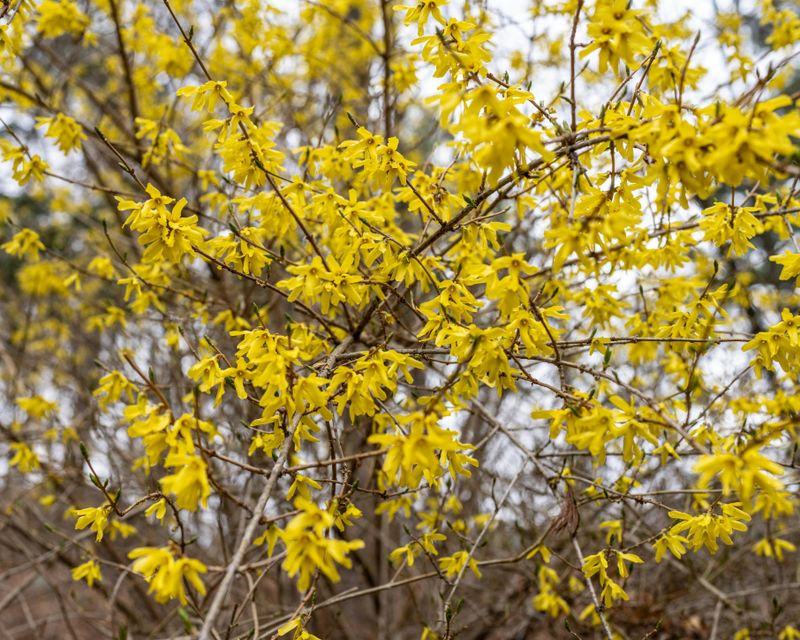
Then the flowers drop.
And just like that, you are left with a large leafy blob that looks like it belongs on the edge of an abandoned lot.
Summer Forsythia is essentially a wall of plain green.
Barely any interesting texture.
Few colorful berries.
Little fragrance.
Just a shrub that sits there, growing bigger by the week.
Unlike shrubs that earn their keep all season long, this one offers almost nothing once the spring performance ends.
Pollinators have little reason to return once the blooms are gone. Birds have little reason to visit.
Autumn color is hardly worth mentioning.
The leaves turn a faint yellowish-green in fall that gardeners politely call unremarkable.
And then there is the size.
A shrub that looked perfectly reasonable at the nursery can stretch eight to ten feet wide within just a few seasons.
Your Colorado Garden Changes Every Week. Your Plan Should Too.
Gardening in Colorado changes quickly throughout the season. Every Friday you’ll receive a simple weekly plan showing exactly what to plant, prune, fertilize, harvest, and protect so you never miss the right timing.
Skip pruning for one year and it sprawls into walkways, crowds neighboring plants, and starts looking completely wild.
All that aggressive summer growth produces almost nothing visually rewarding.
Just more maintenance for very little payoff.
And a whole lot of regret come July.
Why Colorado’s Climate Makes It Even Worse
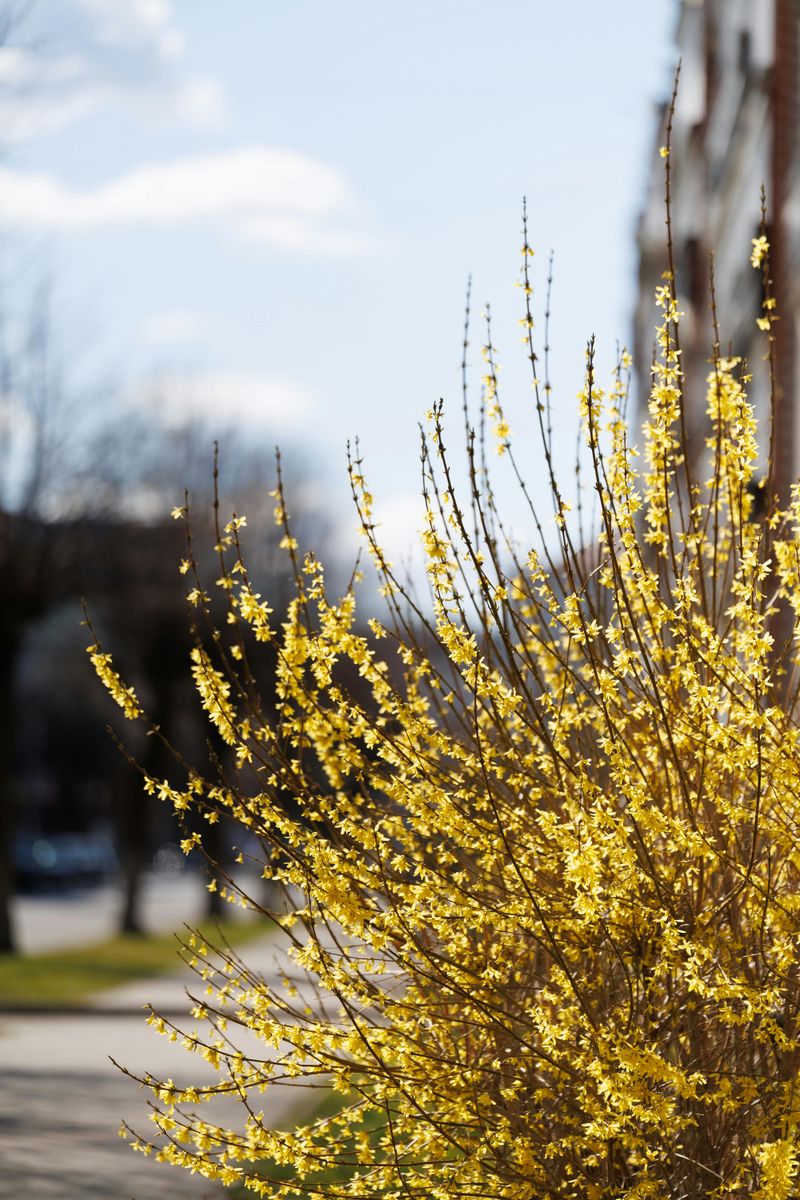
Colorado looks mild on paper.
In practice, it punishes gardeners who plant this shrub.
High altitude means late spring freezes are common well into April and even May in many Colorado areas.
Forsythia blooms early, which sounds exciting, until you realize that timing puts every flower bud directly in the path of those brutal cold snaps.
One hard frost after the buds open and the entire display is gone.
Colorado gardeners have watched their yards go from gorgeous yellow to brown frost-burned mess in less than 48 hours.
The main event, over before most people even noticed it started.
And then summer arrives with its own problems.
This shrub prefers consistent moisture.
Colorado has other plans.
Low humidity combined with hot afternoon sun stresses the shrub through the warmest months.
Leaf edges begin to scorch.
By the time summer peaks, the whole plant already looks exhausted.
The wide temperature swings between sunny afternoons and cool nights confuse the shrub’s natural rhythms.
Sometimes that can trigger out-of-season blooming, wasting the plant’s energy and leaving gardeners with a patchy underwhelming spring show the following year.
In Colorado, this shrub rarely even gets to deliver on its one promise.
How Much Space It Takes Over Without You Noticing
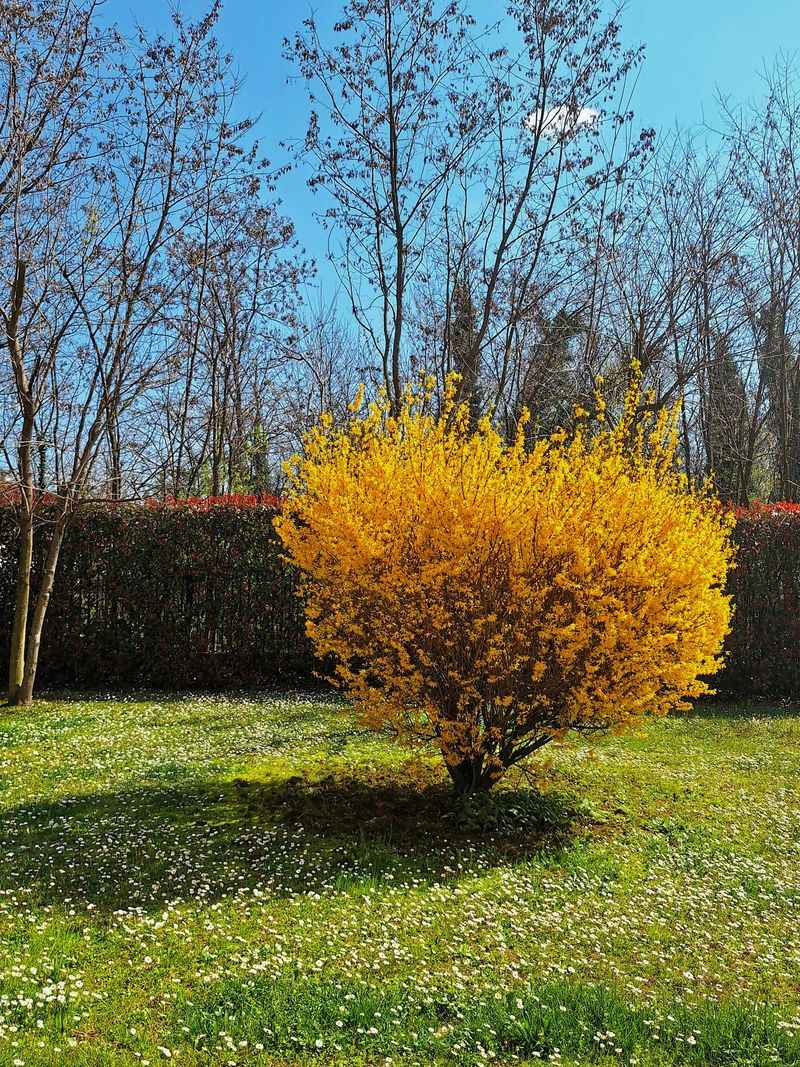
Forsythia does not ask for permission before it takes over your yard.
Most varieties grow six to ten feet tall and just as wide.
Some aggressive types push even further.
What starts as a tidy little shrub from a one-gallon nursery pot becomes a sprawling thicket within just a few growing seasons.
And it spreads quietly.
Low-hanging branches touch the soil, root themselves, and create entirely new plants.
Before long, one shrub becomes three.
Three becomes a hedge that eats your flower bed, crowds your walkway, and blocks light from everything growing nearby.
Many homeowners do not notice the creep until it has already swallowed a significant chunk of their landscape.
Pruning keeps it in check.
But Forsythia demands pruning every single year, immediately after it blooms.
Skip one season and you are facing a major renovation project with loppers and a lot of patience.
Prune at the wrong time and you lose next spring’s buds.
Which means you lose the only feature that made the plant worth keeping in the first place.
For a shrub that gives so little across most of the year, the maintenance demand feels completely out of proportion.
What Colorado Gardening Experts Say About Forsythia
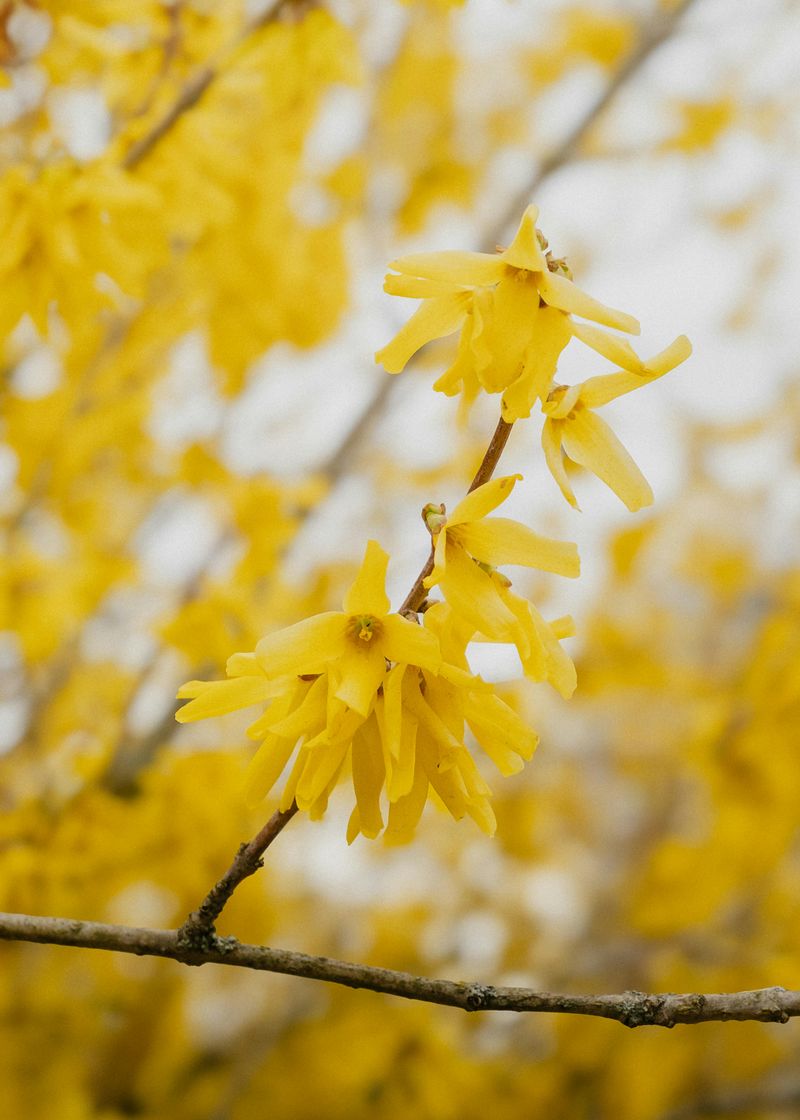
Many Colorado gardening experts suggest steering homeowners away from Forsythia for years.
The reason is simple.
Most standard varieties were bred for milder winters and more consistent spring temperatures.
Not for Colorado’s wild swings.
Bloom reliability in this region is simply too unpredictable to justify the space this shrub demands.
Many local gardeners have a phrase for it.
A one-trick pony that does not even reliably perform its one trick at elevation.
Around Denver, Boulder, and Colorado Springs, flower buds frequently suffer cold damage that leaves the shrub looking sparse and patchy even in good years.
The plant survives just fine.
But surviving and thriving are two completely different things.
Some experts do acknowledge that cold-hardy cultivars like Northern Gold perform better than older varieties.
However, even the improved types still face the same summer slump.
Months of uninspiring foliage after the spring show ends.
This climate deserves better than a shrub that works three weeks a year.
Your local nursery already has the alternatives.
Better Alternatives That Look Great All Season Long
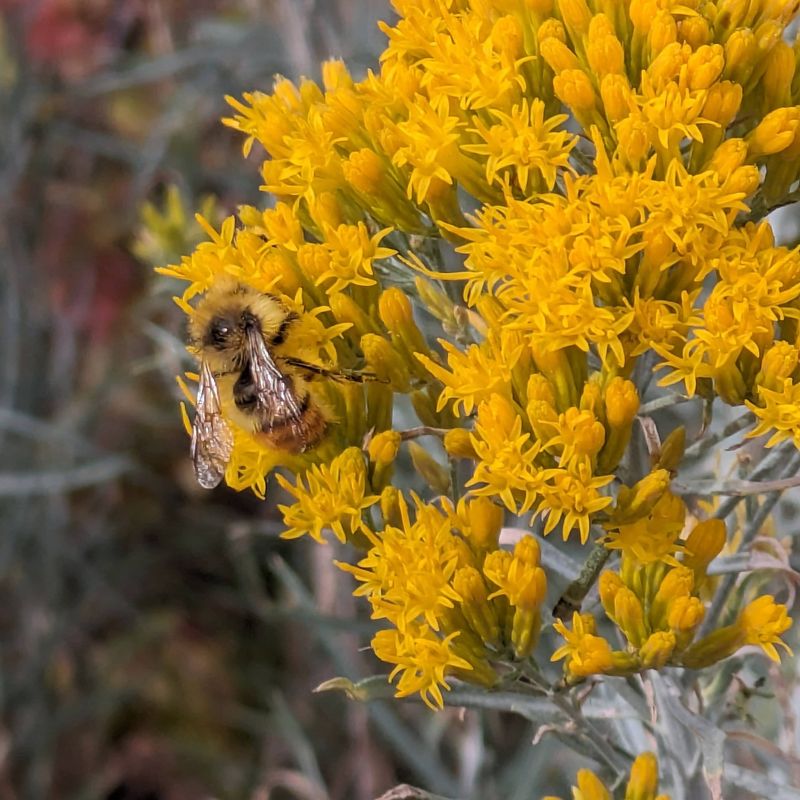
Native and climate-adapted shrubs deliver what Forsythia promises but never fully delivers.
Beauty across multiple seasons.
Rabbitbrush, a Colorado native, blooms brilliant gold in late summer and fall.
Exactly when Forsythia is at its most boring.
It handles drought, thrives at altitude, and supports pollinators throughout the season.
Apache plume is another standout.
It produces white flowers in late spring, then transforms into stunning feathery pink seed heads that persist through summer and into fall.
The texture and movement those seed heads bring to a garden puts Forsythia’s plain summer foliage to shame.
For gardeners who love the idea of spring yellow but want a plant that actually earns its space, native golden currant is a strong contender.
Fragrant yellow blooms in spring.
Edible berries that attract birds in summer.
Reliable fall color to close out the season.
Other solid options include fernbush, blue mist spirea, and native shrub roses.
All thrive in Colorado’s conditions.
All deliver something worth looking at in every season.
These plants were built for this climate, and it shows.
Swapping forsythia for any of them is one of the smartest upgrades a Colorado yard can make.
What To Do If You Already Have Forsythia In Your Yard
Already committed to Forsythia?
You still have options.
Start with pruning.
Cut it back hard right after it finishes blooming in spring.
Remove up to one third of the oldest thickest canes at ground level each year.
This keeps the shrub manageable and encourages fresher more floriferous growth.
Next, think about placement.
Tuck it toward the back of a mixed border where showier summer perennials, ornamental grasses, and late-blooming shrubs can take the spotlight once forsythia’s moment passes.
Used as a background plant rather than a focal point, it becomes much easier to live with.
Ready to move on entirely?
Removal is completely reasonable.
Cut the entire shrub to the ground in late fall, then dig out as much of the root system as possible.
Forsythia is persistent.
Expect some resprouting and plan to follow up as needed.
Depending on the size of the shrub, full removal can take a season or two.
Patience pays off.
Then comes the best part.
Replace it with a native alternative and watch a frustrating yard problem transform into a genuine long-season garden success.