The Perennial Pennsylvanians Love Most But Often Struggle To Grow
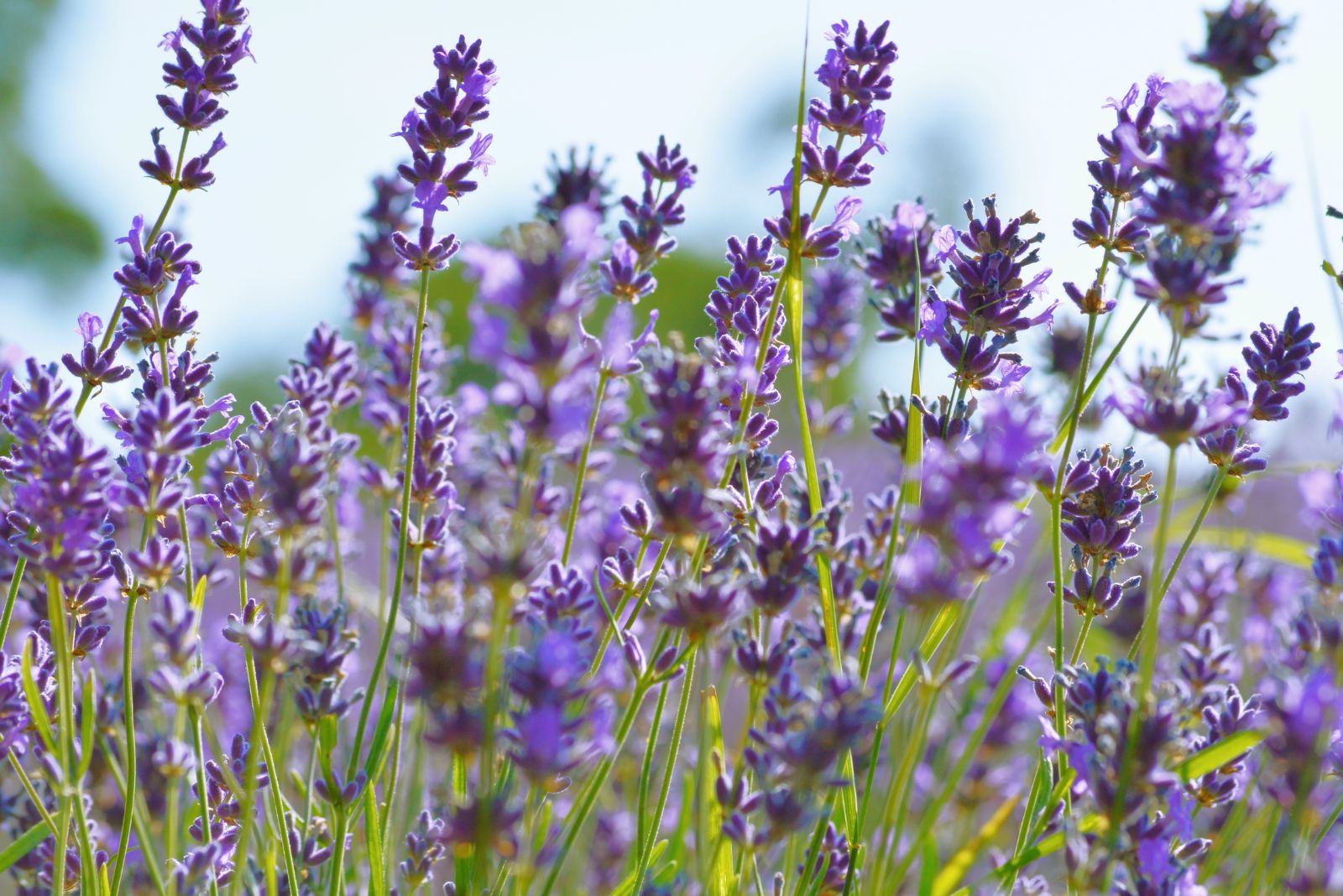
There is one perennial that shows up on nearly every Pennsylvania gardener’s wish list, and for good reason. It looks incredible in bloom, it smells like something out of a dream, and it has a reputation for being tough and low maintenance.
The reality in Pennsylvania though is a little more complicated. What thrives effortlessly in drier climates often runs into real trouble here, where humidity is high, winters can be brutal, and heavy soil holds moisture in ways this plant simply cannot handle.
Many gardeners plant it with high hopes and then watch it slowly decline, never quite sure what went wrong. The frustrating part is that success is absolutely possible in Pennsylvania.
It just requires understanding what this plant actually needs versus what most people assume it needs. Get those details right and it can reward you with years of stunning growth.
1. Lavender Is The Plant Pennsylvanians Love But Often Struggle To Grow
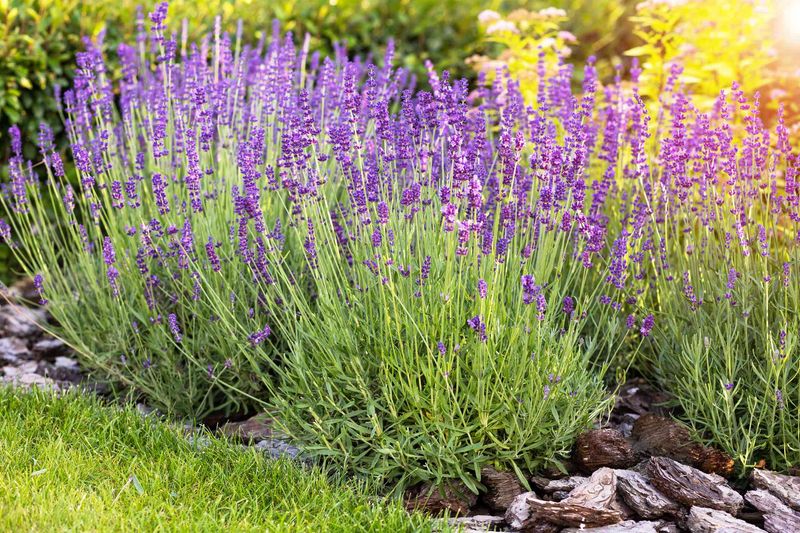
Lavender is one of the most beloved plants in Pennsylvania gardens. Its soft purple blooms, calming scent, and ability to attract bees and butterflies make it nearly impossible to resist.
But despite how beautiful it looks in photos and at garden centers, many Pennsylvania gardeners find it surprisingly hard to keep alive.
If you have struggled with lavender before, you are not alone, and the good news is that most of the problems have simple fixes once you know what to look for.
2. Pennsylvania Humidity Can Stress Lavender
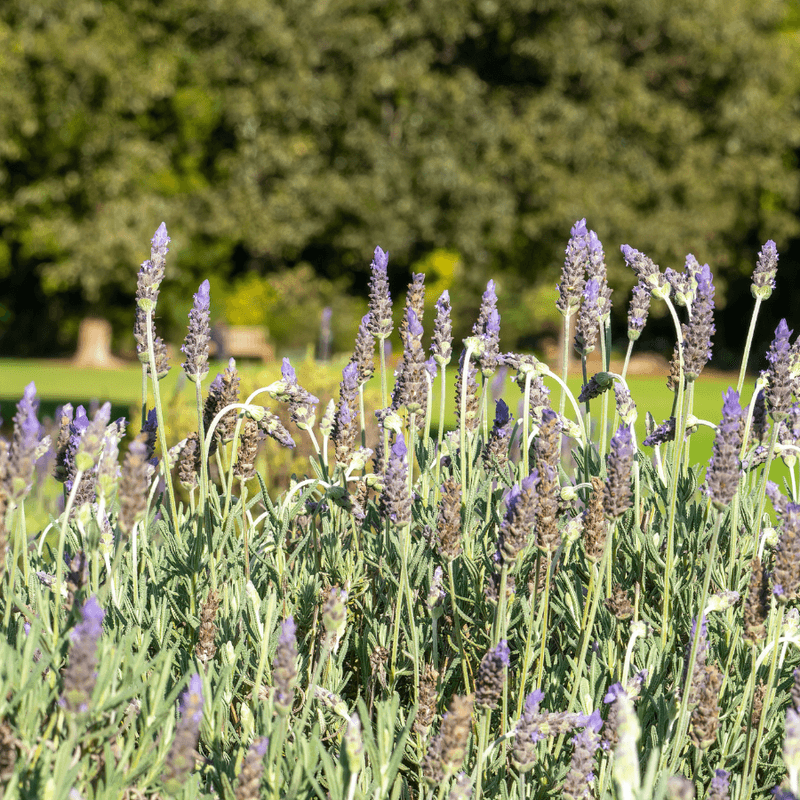
Lavender originally comes from the dry, sun-baked hillsides of the Mediterranean region. That background tells you a lot about what this plant needs and what it absolutely cannot handle.
High humidity is one of lavender’s biggest enemies, and Pennsylvania summers are famously sticky and wet.
When the air stays moist for long stretches, lavender struggles to breathe properly through its leaves. That trapped moisture around the plant creates the perfect conditions for fungal problems to take hold.
You might notice gray patches, mushy stems near the base, or leaves that suddenly turn brown without any obvious reason.
Good airflow is one of the best things you can give your lavender. Planting it in an open spot where the breeze can move freely around each plant makes a real difference. Avoid tucking lavender into tight corners or against walls where air circulation is poor.
Spacing plants farther apart than you might think necessary also helps a lot. Many gardeners crowd lavender to make a fuller look, but that actually backfires in humid climates.
Give each plant at least 18 to 24 inches of breathing room on all sides. Choosing the right lavender variety also matters. Some types handle humidity better than others.
Lavandula x intermedia varieties like ‘Phenomenal’ and ‘Grosso’ are known to perform better in humid conditions than classic English lavender.
Starting with a humidity-tolerant variety gives you a much stronger foundation before you even think about soil or watering habits.
3. Heavy Clay Soil Holds Too Much Moisture
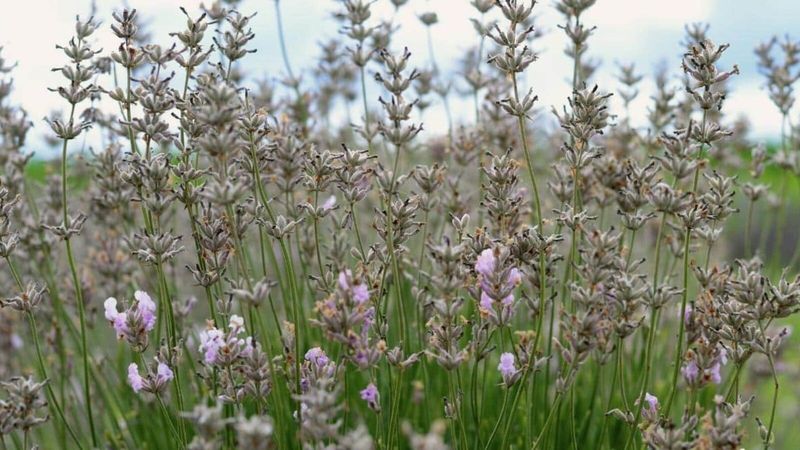
One of the most common reasons lavender fails in Pennsylvania has nothing to do with how you water it or where you plant it. It starts right under your feet. Pennsylvania is full of heavy clay soil, and lavender absolutely hates it.
Your Pennsylvania Garden Changes Every Week. Your Plan Should Too.
Gardening in Pennsylvania changes quickly throughout the season. Every Friday you’ll receive a simple weekly plan showing exactly what to plant, prune, fertilize, harvest, and protect so you never miss the right timing.
Clay soil holds water like a sponge. After a rainstorm, it stays wet for days, sometimes longer.
Lavender roots need to dry out between waterings, and sitting in constantly wet soil leads to root rot fast. The plant may look fine above ground for a while, but the damage is already happening underground.
Raised beds are one of the smartest solutions for Pennsylvania lavender growers. Building a bed just 10 to 12 inches high and filling it with a mix of sandy loam, coarse gravel, and a little compost gives lavender the drainage it craves.
You are essentially recreating the rocky, fast-draining soil it grows in naturally. If raised beds are not an option, amending your existing soil can help. Mix in generous amounts of coarse sand or fine gravel before planting.
Avoid peat moss, which holds moisture and makes the problem worse. Perlite is another good additive that opens up soil structure and improves drainage quickly.
You can also test your soil before planting. Dig a hole about 12 inches deep and fill it with water.
If it drains within an hour, you are in decent shape. If water is still sitting there two hours later, your drainage needs serious work before lavender will ever thrive there.
4. Wet Winters Can Damage Established Plants
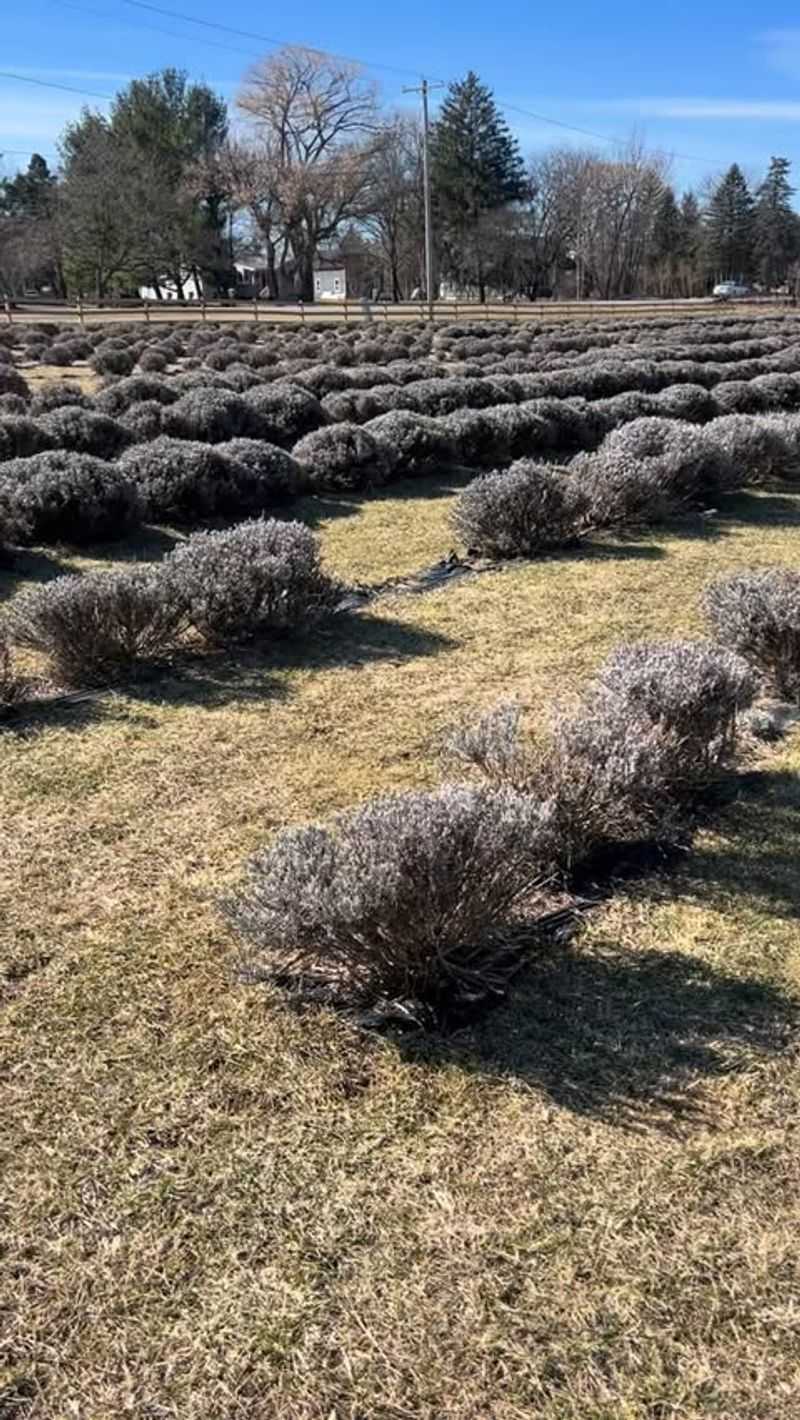
Most people assume that cold temperatures are what hurt lavender over the winter. Surprisingly, it is not the cold that causes the most damage.
It is the wet. Pennsylvania winters bring a frustrating mix of rain, snow, sleet, and freeze-thaw cycles that can be brutal on lavender roots.
When the ground freezes and thaws repeatedly, it heaves the soil up and down. That movement can crack and damage roots that were perfectly healthy going into winter.
Once roots are damaged, the plant has a much harder time recovering when spring finally arrives. You might see a plant that looked great in October come back in April looking brown and hollow at the center.
Planting lavender in low spots or areas where water naturally collects is a recipe for disappointment. Those areas stay wet the longest after rain and snow melt.
Even a gentle slope can make a meaningful difference in how quickly water moves away from your lavender’s roots.
Adding a light layer of gravel mulch around the base of plants helps in two ways. First, it reflects heat and keeps roots a bit warmer.
Second, it helps water drain away instead of pooling around the crown of the plant. Avoid using wood chip mulch, which holds moisture and can rot the base of the stems.
In particularly wet winters, some gardeners cover their lavender with a breathable frost cloth. This keeps excess rain and sleet off the plant while still allowing air to flow through, reducing the chance of rot during those long, soggy Pennsylvania winters.
5. Overwatering Makes Lavender Decline Fast
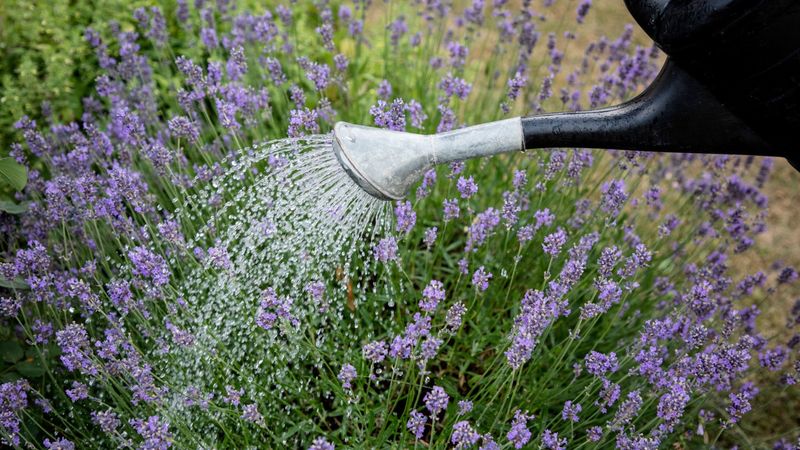
Here is something that trips up even experienced gardeners. Lavender looks a little droopy, so you water it.
It still looks off, so you water it again. Before long, the plant is in serious trouble, and more water is exactly what made things worse. Overwatering is one of the fastest ways to lose a lavender plant.
Lavender is built for dry conditions. Once it is established, which usually takes one full growing season, it can go a long time without water.
Its silvery leaves and woody stems are designed to hold moisture and survive drought. Treating it like a thirsty annual is a common mistake that leads to yellowing leaves, soft stems, and rapid decline.
A good rule of thumb is to check the soil before you reach for the hose. Push your finger about two inches into the ground near the plant.
If the soil still feels damp, walk away and check again in a day or two. Lavender wants that soil to feel dry, not just slightly less wet.
Newly planted lavender does need more water during its first summer while roots are getting established.
Water deeply once or twice a week during dry spells, but always let the soil dry out between sessions. After the first year, you can back off significantly and let rain do most of the work.
Container lavender needs even more attention because pots dry out faster but can also stay soggy if drainage holes are blocked.
Always use pots with large drainage holes and never let lavender sit in a saucer full of standing water. That sitting water is a silent problem that builds up over time.
6. Too Much Fertilizer Reduces Plant Health
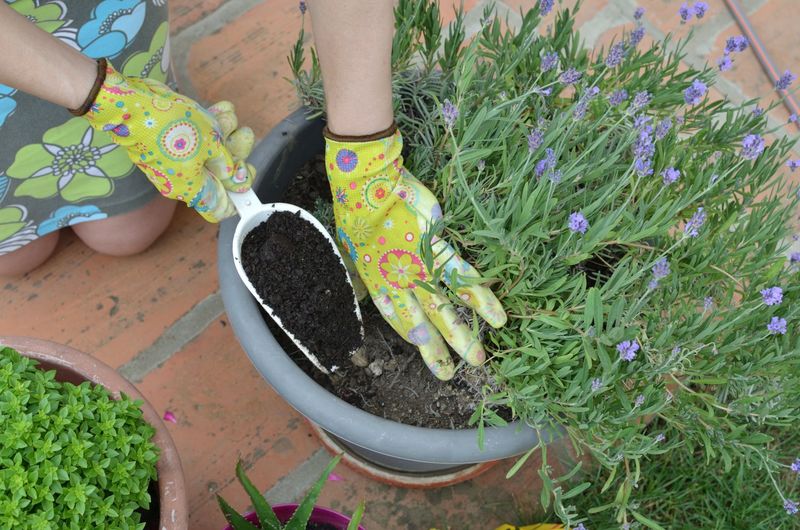
Walk into any garden center and you will find rows of fertilizers promising bigger blooms and faster growth. For most garden plants, that sounds like a great deal.
For lavender, it is actually a problem. Lavender is one of those rare plants that performs better when you feed it less, not more.
Rich, fertile soil encourages lavender to put out lots of soft, leafy green growth. That sounds positive, but all that lush growth is weak.
The stems flop over, the plant loses its compact shape, and blooming actually decreases. Lavender that is pushed with nitrogen fertilizer often produces more leaves and far fewer flowers, which is the opposite of what most gardeners want.
Lean soil, meaning soil that is lower in nutrients, encourages lavender to focus its energy on flowering and developing strong, woody stems. Think about where lavender grows naturally.
Rocky hillsides and gravelly coastal cliffs are not exactly known for their rich, nutrient-dense soil. That is the environment lavender evolved in, and replicating it even partially leads to much better results.
If your soil is extremely poor, a very light application of a low-nitrogen fertilizer in early spring is acceptable. Use it sparingly and only once per season.
Avoid fertilizing in late summer or fall, as that pushes new growth that will not have time to harden off before cooler temperatures arrive.
Compost is fine in small amounts when preparing a new planting bed. But once lavender is established, skip the annual top dressing and let it grow lean.
Your reward will be a tighter, more fragrant plant covered in blooms rather than a floppy, overfed shrub that barely flowers.
7. Poor Pruning Leads To Woody, Sparse Plants
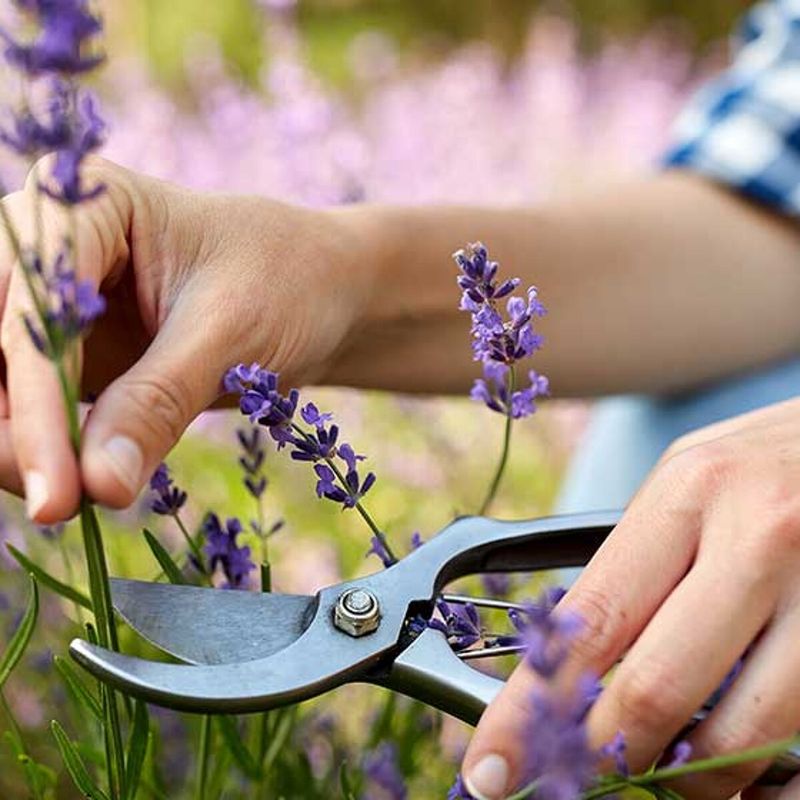
Lavender that never gets pruned has a predictable fate. After a few years, it turns into a woody, bare-stemmed shrub with just a few tufts of growth at the tips.
It looks rough, blooms poorly, and eventually falls apart at the center. The fix is surprisingly simple, but a lot of gardeners are afraid to do it.
Regular light pruning keeps lavender looking full and encourages fresh new growth every season. The best time to prune in Pennsylvania is right after the plant finishes blooming, usually in mid to late summer.
Trim back the flowering stems by about one third, cutting just above where you can see green leafy growth beginning.
Here is the key rule that most people get wrong. Never cut back into the old, gray, woody part of the stem.
That wood does not produce new growth the way younger green stems do. If you cut too far down, you remove all the growth points and the plant cannot recover. It is a mistake that is very hard to undo.
A second light trim in early spring, just as new growth begins to appear, also helps. Remove any dry or damaged stems and lightly shape the plant.
This wakes it up for the season and encourages even, bushy growth throughout summer. Keep cuts shallow and always leave plenty of green foliage behind.
Investing in a good pair of sharp, clean pruning shears makes the job easier and safer for the plant. Dull blades crush stems instead of cutting cleanly, which can invite disease into the wound.
Sharp tools, a light hand, and the right timing are all you need to keep lavender looking its best year after year.