Your Kentucky Tomatoes Keep Splitting For These 7 Reasons And None Of Them Are The Rain
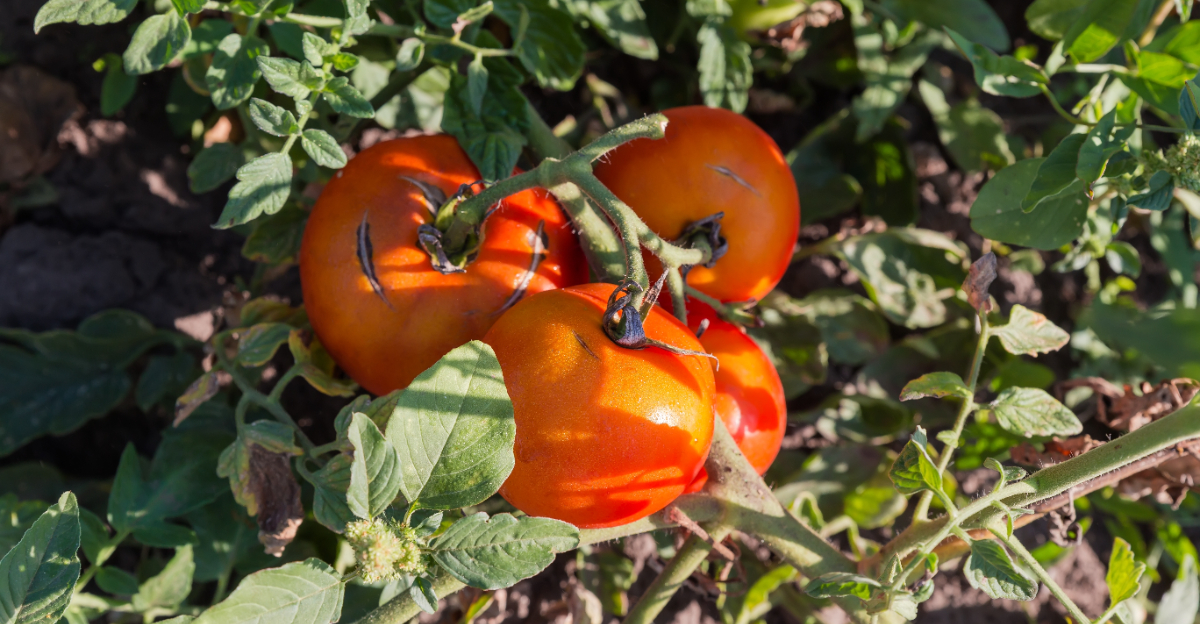
You had one job, tomato.
One job. And yet there it is, split wide open on a Tuesday morning while you’re still holding your coffee.
Kentucky gardeners know this scene better than they’d like to, and the frustration never really gets old.
The maddening part is not the crack itself, it’s not knowing why it keeps happening season after season.
Most people point at the rain and move on, but rain is rarely the whole story.
The real reasons your tomatoes keep splitting are hiding in plain sight.
Your watering schedule.
Your soil.
How close together you planted.
Even the variety you picked up at the garden center back in April.
Kentucky summers are brutal and unpredictable, but they are not the enemy here.
Your garden habits might be.
The good news is that everything on this list is fixable, and none of it requires a degree in horticulture or a PhD in Kentucky weather patterns.
1. Inconsistent Watering Is The Sneaky Culprit Behind Most Splits
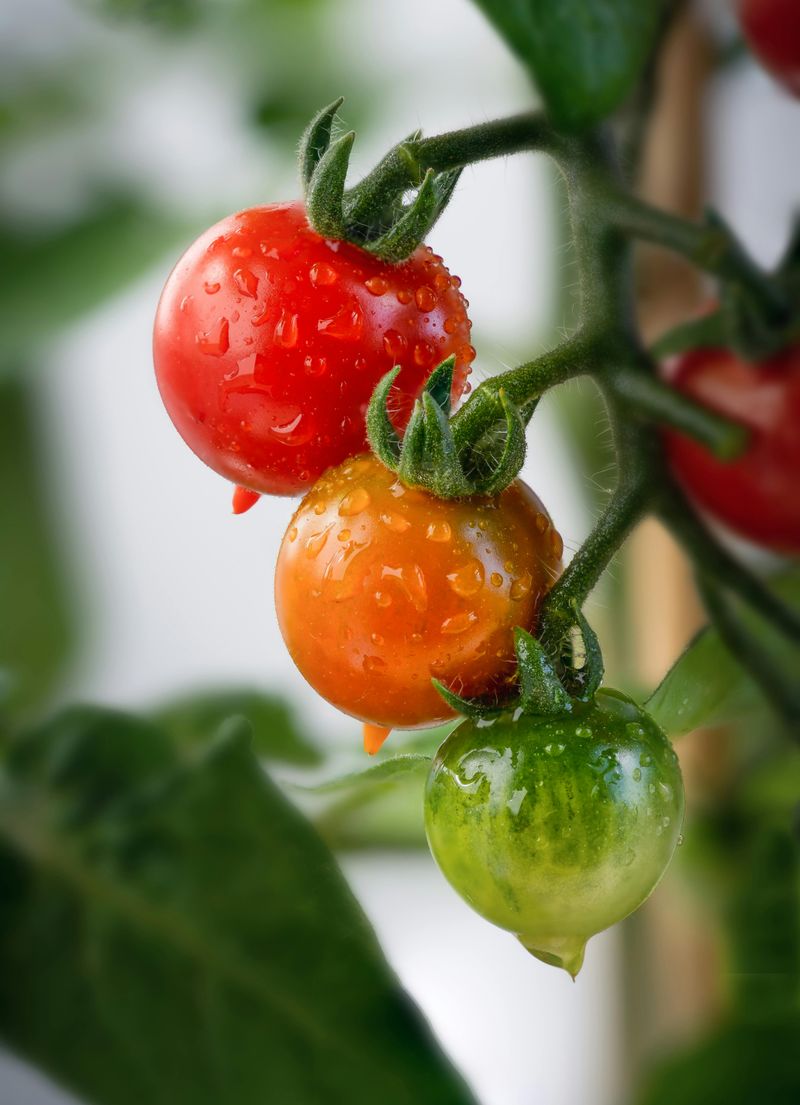
Tomatoes are dramatic about water, and they will show it in the worst way possible.
When a plant goes through dry spells followed by a sudden flood of moisture, the fruit absorbs water so fast that the skin cannot keep up.
The inside swells faster than the outside can stretch, and that is exactly when you hear that heartbreaking crack.
Most Kentucky gardeners water on a loose schedule, sometimes skipping days during a busy week, then soaking the garden extra long to make up for it.
That back-and-forth stress is the number one cause of splitting, and it has nothing to do with rainfall.
Your tomato plant does not care why the water arrived late, it just reacts to the sudden change.
The fix is surprisingly simple once you commit to it.
Aim for one to two inches of water per week, delivered consistently, whether through a drip system, soaker hose, or your own careful schedule.
Mulching around the base of your plants helps the soil hold moisture between watering sessions, which smooths out those dangerous wet-dry cycles.
A moisture meter is a cheap tool that takes all the guesswork out of the equation.
Stick it in the soil near the roots and check it before you water instead of going by feel or schedule alone.
Your tomatoes do not need perfect conditions.
They just need to know what is coming next.
2. Kentucky’s Wild Temperature Swings Are Doing More Damage Than You Think
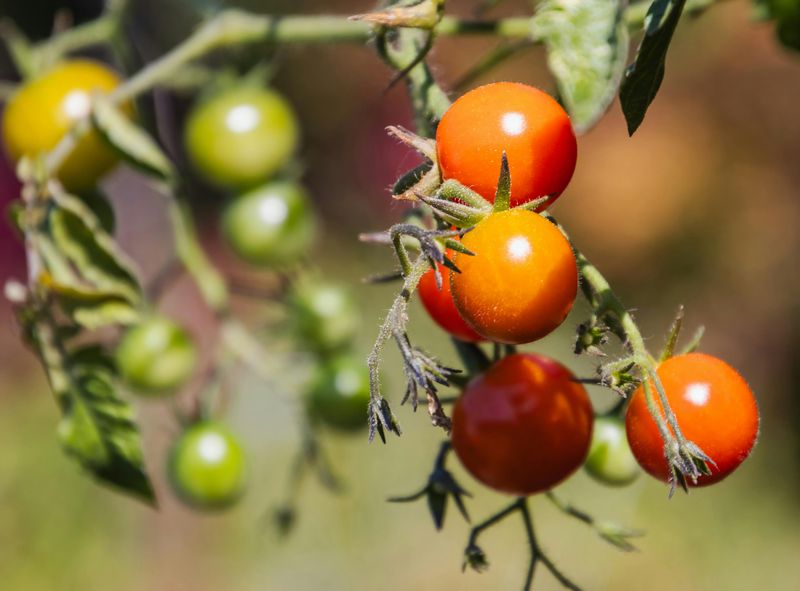
Sixty-five degrees before breakfast and ninety-two degrees by noon.
Welcome to summer in Kentucky, where the weather cannot make up its mind and your tomatoes are the ones paying for it.
Temperature swings cause the fruit to expand and contract repeatedly throughout the day.
Over time, that repeated movement gradually weakens the skin and increases the chances of splitting.
Most gardeners focus only on heat, but the overnight cooling is just as damaging.
When temperatures drop sharply after a hot day, the outer skin of the tomato firms up while the inside is still warm and expanded.
Your Kentucky Garden Changes Every Week. Your Plan Should Too.
Gardening in Kentucky changes quickly throughout the season. Every Friday you’ll receive a simple weekly plan showing exactly what to plant, prune, fertilize, harvest, and protect so you never miss the right timing.
That tension is like pressing against a rubber band that has already been stretched too far.
Shade cloth is one of the most underrated tools in a Kentucky garden.
A thirty to forty percent shade cloth draped over your tomato rows during peak afternoon heat does more than you might expect.
The temperature around your plants drops by several degrees, and for a tomato on the edge of splitting, that is everything.
That small buffer can make a significant difference in how much stress your fruit absorbs each day.
Raised beds can improve drainage in heavy soils, but they may need more consistent watering.
When roots stay comfortable, the plant manages water uptake more efficiently, which reduces the pressure buildup inside the fruit.
Kentucky summers will always be Kentucky summers.
But with shade cloth overhead and raised beds underneath, your tomatoes finally have a fighting chance against all of it.
3. You’re Waiting Too Long To Pick And Your Tomatoes Are Paying For It
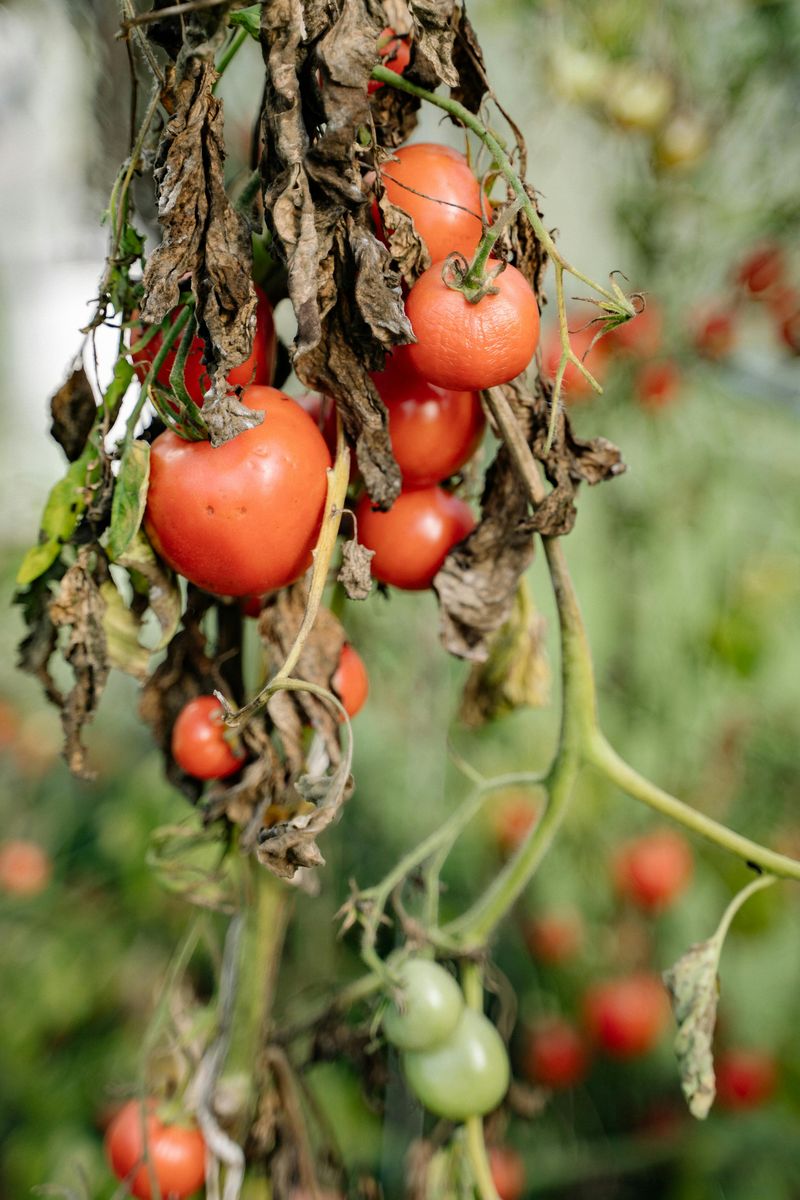
Leaving a tomato on the vine one day too long is all it takes to go from perfect to ruined.
Fully ripe tomatoes have skin that is already stretched to its limit, and any additional moisture from rain or irrigation becomes too much to handle.
The fruit simply has nowhere left to expand.
Many gardeners wait for that deep, uniform red color before picking, but that is actually a sign you have waited too long.
There is a moment growers call the breaker stage, when the bottom of the fruit starts turning pink or light orange.
Pull it then.
Your tomato will finish ripening on the counter just fine.
Picking at that stage protects the skin while still giving you a fully flavorful tomato within a few days.
Heat speeds up ripening faster than most people expect during Kentucky summers.
A tomato that looked fine on Monday morning can be overripe and ready to split by Wednesday if temperatures stay above eighty-five degrees.
Checking your garden every day during peak season is not overkill, it is just smart gardening.
Keep a basket near the garden door so harvesting feels effortless rather than like a separate chore.
The more often you pick, the fewer tomatoes you lose to splitting, and the more the plant redirects energy into growing new fruit.
You do not have to overhaul your entire garden routine.
Just pick a little earlier.
The results will make you wonder why you ever waited so long.
4. High Humidity And Heat Are A Combination Your Tomatoes Can’t Handle
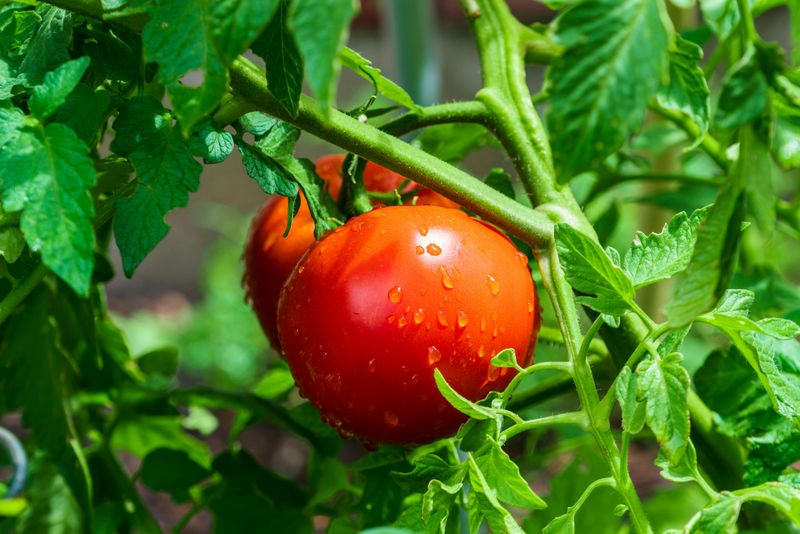
Kentucky summers feel like wearing a wet blanket outside, and your tomatoes feel it too.
High humidity slows the natural evaporation that helps plants regulate moisture and temperature through their leaves.
When that process gets blocked, pressure builds up inside the fruit and the skin gives way.
Most tomato varieties can handle heat alone.
Pair it with humidity and the whole dynamic shifts, creating a trapped heat environment around the fruit that ripens it unevenly.
The outer layer heats up and softens while the interior keeps expanding with absorbed moisture.
That mismatch between skin texture and internal pressure is one of the most direct causes of cracking.
Good airflow through your garden is one of the best defenses against humidity damage.
Pruning the lower leaves and suckers off your tomato plants opens up space for air to circulate freely between stems.
When air moves through the plant, moisture evaporates more efficiently and the fruit stays cooler even on the most brutal August days.
Morning watering is another habit worth building during humid stretches.
Watering early gives the soil surface time to dry before afternoon heat arrives, which reduces the overall moisture hanging around your plants.
Avoid wetting the leaves whenever possible, since wet foliage in humid conditions invites disease and adds to the overall moisture load your plant is already struggling to manage.
Timing and airflow.
Two things you can actually control, even in a Kentucky August that feels like the inside of a sauna.
5. Poor Soil Drainage Is Setting Your Tomatoes Up To Fail
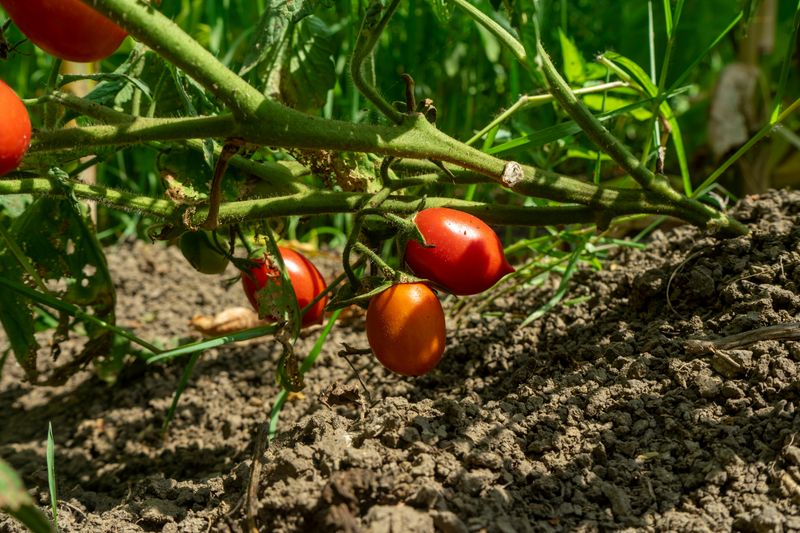
Soggy soil is a silent disaster for tomato plants, and most gardeners never connect it to splitting.
When water pools around the roots after rain or heavy irrigation, the plant has no choice but to absorb far more moisture than it needs.
That excess water travels straight up into the fruit, which inflates rapidly and tears through the skin.
Clay-heavy soil is extremely common across Kentucky, and it holds water like a sponge that never fully wrings out.
After a moderate rain, clay soil can stay saturated for days.
Your tomato roots sit in wet conditions long after the sky has cleared.
That prolonged exposure keeps driving moisture into the plant whether you want it to or not.
The fix does not require a major renovation.
Working several inches of compost into your beds before planting loosens clay soil significantly.
It improves drainage without stripping away the moisture your plants actually need.
Perlite is another affordable addition that creates tiny air pockets in dense soil, giving water a path to drain through instead of pooling.
Raised beds are the most reliable long-term solution for poor drainage in Kentucky gardens.
Building beds just eight to ten inches above ground level is often enough.
Your tomato roots end up in a well-draining environment regardless of what the native soil underneath is doing.
Get the roots out of the water and everything else follows.
Fewer splits, healthier foliage, stronger plants from the first warm day all the way to the last tomato of the season.
6. The Variety In Your Garden Was Never Built For Kentucky Summers
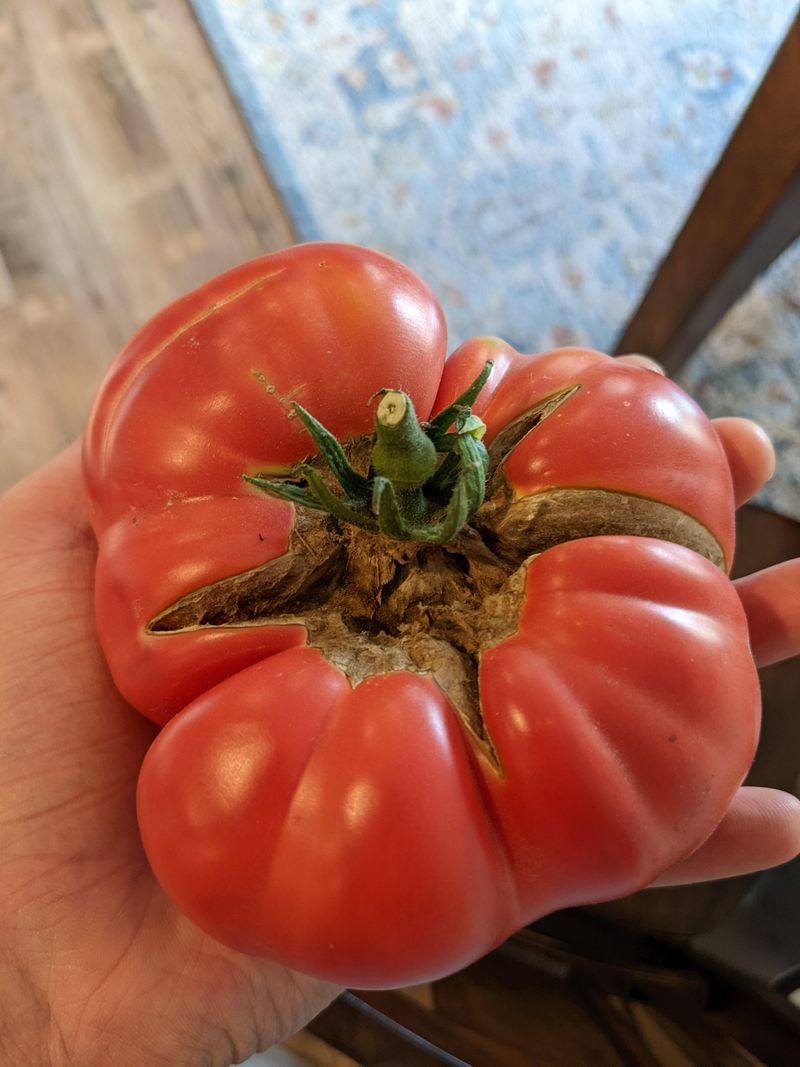
Not every tomato was designed to handle the kind of summer that Kentucky throws at a garden.
Some popular heirloom varieties, as beautiful and flavorful as they are, have thin skins that split under the slightest moisture pressure.
Choosing the wrong variety is one of the most overlooked reasons that gardeners keep losing tomatoes year after year despite doing everything else right.
Varieties like Celebrity, Mountain Fresh Plus, and Jet Star were specifically developed with crack resistance in mind.
Breeding programs focused on durability produce fruit with thicker, more flexible skin that can absorb moisture fluctuations without tearing.
These varieties may not win a beauty contest at the farmers market.
But they will still be whole when you walk out to harvest them after a summer storm.
Heirloom tomatoes are worth growing, but they need extra attention in humid, high-heat environments.
If you love growing Brandywine or Cherokee Purple, plan to monitor them more closely, harvest earlier, and manage watering with extra precision.
Some tomato varieties are simply high maintenance.
Knowing that going in helps you set realistic expectations.
You will lose some.
You will save more than you used to.
Talk to your local nursery or extension office before you buy.
They know which varieties actually survive a Kentucky summer.
That one conversation can save you an entire season of frustration and a lot of wasted garden space.
Local growers have years of trial-and-error knowledge about what survives the state’s summer conditions with the fewest problems.
Sometimes the best thing you can do for your garden is plant something different.
One or two smarter variety choices and the splitting problem shrinks almost on its own.
7. Your Plants Might Be Too Close Together
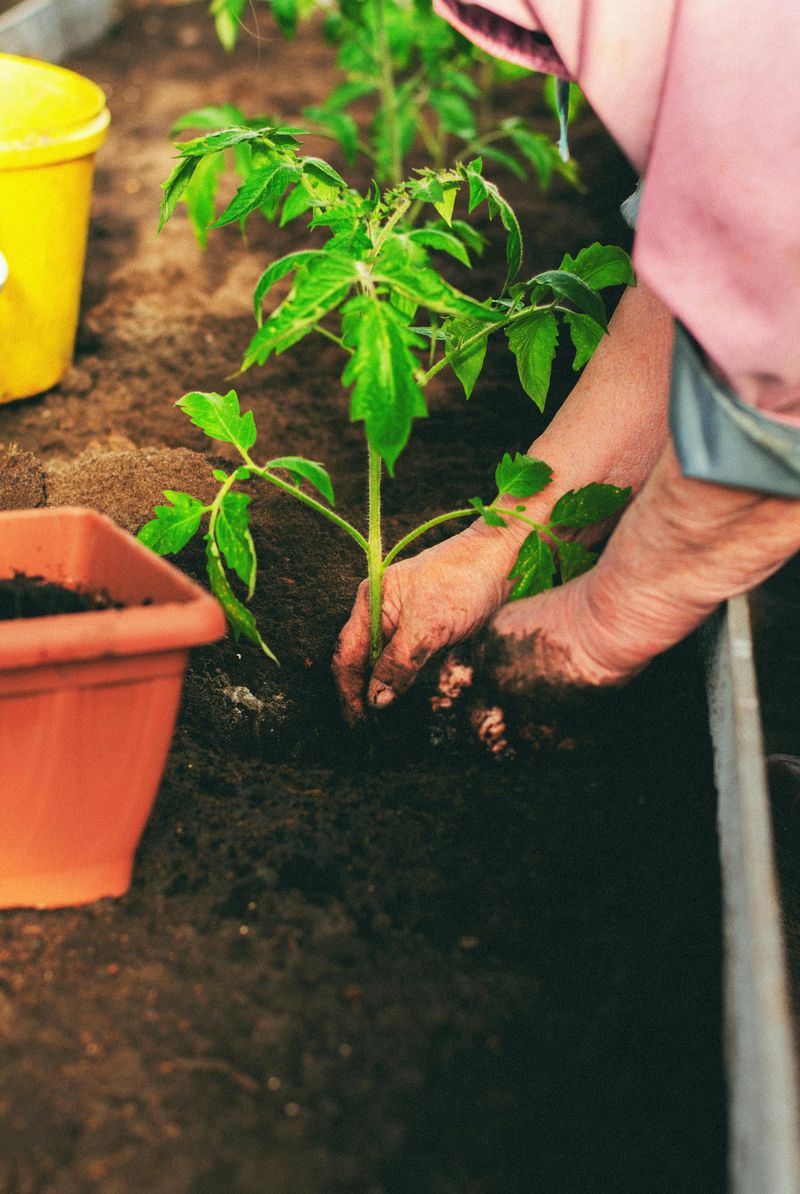
Crowded tomato plants compete for everything, and the fruit always loses.
When plants are packed together, roots fight for water and nutrients in the same small patch of soil.
That competition creates wild fluctuations in how much each plant absorbs, which leads directly to the kind of uneven growth that causes splitting.
Most seed packets and planting guides recommend spacing tomato plants at least eighteen to twenty-four inches apart.
But when space is limited, the temptation to fit in just one more plant is hard to resist.
One extra plant in spring means cracked fruit, poor airflow, and disease problems all summer.
The math never works out in your favor.
Overcrowding also creates a humidity trap.
When plants are jammed together, their leaves form a dense canopy that holds moisture close to the stems and fruit.
That trapped moisture combines with Kentucky’s already sticky summer air and the conditions turn hostile fast.
Skin stress and fungal problems do not wait long to show up.
Thinning your garden can feel painful, especially after putting in the work to start seedlings or buy transplants.
But giving each plant its full recommended space pays off in bigger, healthier fruit that holds together through rain and heat.
If space is limited, consider growing fewer plants in the same area and supporting them with sturdy cages or stakes to keep growth vertical and open.
Fewer plants, more tomatoes.
Space them right and the math finally works in your favor.
Your garden is not working against you.
It is just waiting for you to make a few smarter calls.