7 Pennsylvania Flowers That Add Color Where Grass Won’t Grow
Every yard has at least one spot where grass just refuses to cooperate. Maybe it is too shady, too dry, too compacted, or sitting under a tree that takes everything the soil has to offer.
Whatever the reason, bare patchy ground is frustrating, and re-seeding the same area over and over gets old fast. The good news is that grass is not the only option, and in many cases it is actually the wrong one.
Pennsylvania has a great climate for flowering plants that genuinely thrive in the conditions grass cannot handle.
Some love deep shade, some do well in dry rocky spots, and others will spread beautifully across areas that have defeated every lawn repair attempt you have tried.
Swapping struggling grass for the right flowers does not just solve the problem. It turns a headache into one of the most interesting parts of your yard.
1. Foamflower
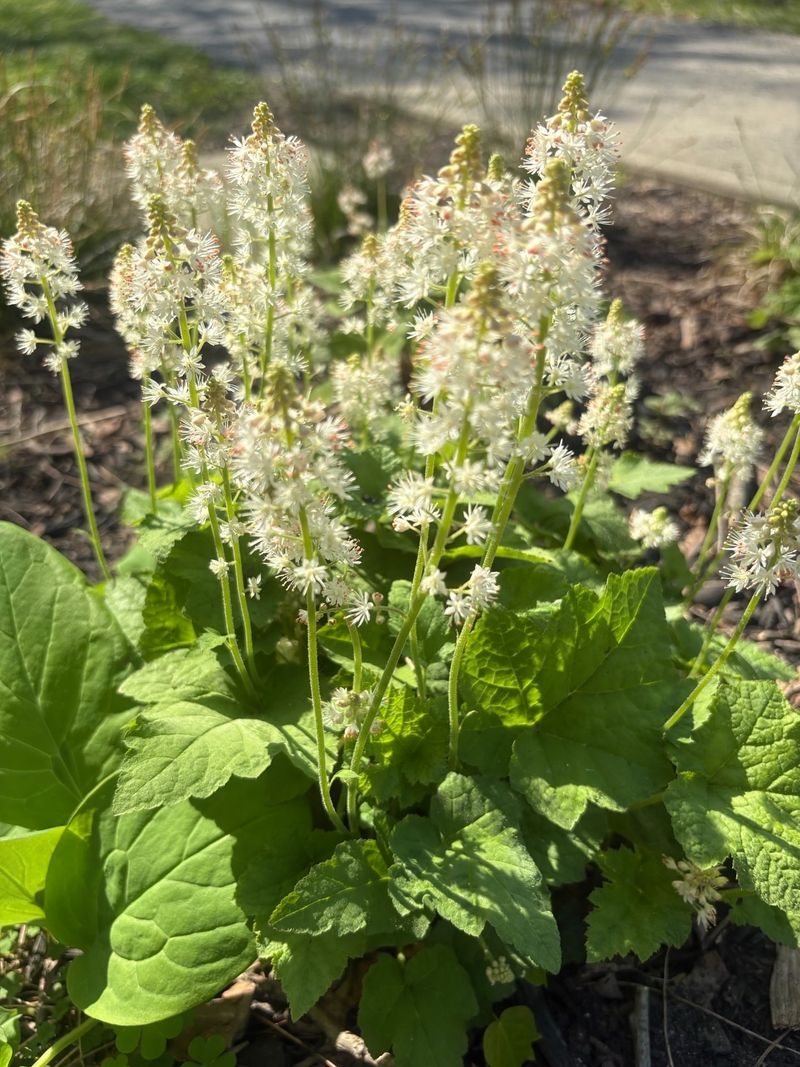
Walk through any shaded Pennsylvania woodland in spring and you might spot a low, soft carpet of white and pink blooms floating just above the forest floor. That is Foamflower, and it is one of the most charming native plants you can bring into your yard.
Its botanical name is Tiarella, and it earns its common name from the frothy, foam-like appearance of its flower clusters.
Foamflower thrives in the kind of deep or partial shade where turf grass simply cannot survive. Think about those spots under mature trees where the grass always looks thin and sad.
Foamflower is perfectly happy there. It grows low to the ground, usually only six to twelve inches tall, and spreads slowly by runners to fill in bare patches over time.
One of the best things about this plant is how little work it needs. Once established, it handles dry shade reasonably well and rarely needs extra watering.
The leaves are attractive even when the plant is not blooming, with interesting lobed shapes and sometimes dark markings in the center.
Foamflower blooms in April and May, giving you a welcome splash of color right when the rest of the yard is waking up. Pollinators like bees are drawn to the flowers, which adds even more life to shaded corners of your property.
Plant it along a shaded path, beneath a canopy of oaks, or at the base of a north-facing fence. It pairs beautifully with ferns and hostas for a lush, layered look that feels natural and effortless.
2. Wild Columbine
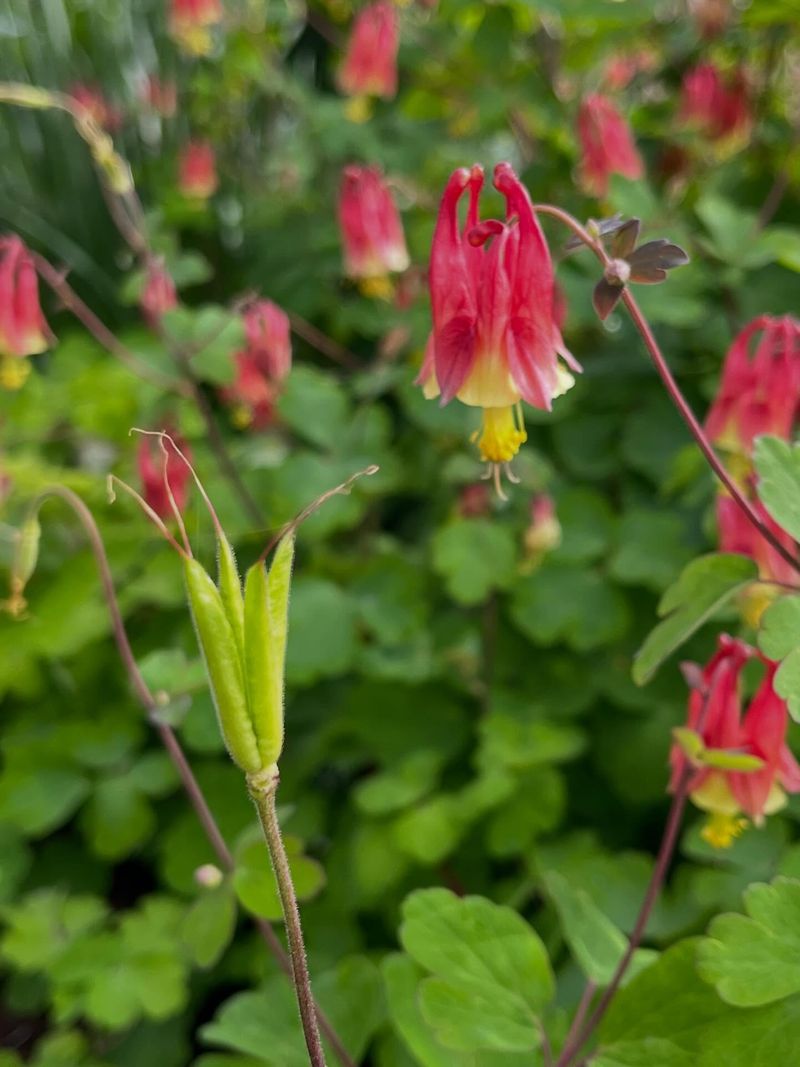
There is something almost magical about Wild Columbine. Its flowers dangle like little red and yellow lanterns from slender stems, nodding gently in the breeze.
Native to Pennsylvania and much of eastern North America, this plant has been catching people’s eyes for centuries. Hummingbirds absolutely love it, and honestly, who can blame them?
What makes Wild Columbine so useful in a tough yard is its ability to grow where almost nothing else will.
Rocky slopes, thin soil, partially shaded hillsides, and spots where tree roots make digging difficult are all places where this plant can settle in and perform beautifully. It does not need rich, amended soil to put on a good show.
Your Pennsylvania Garden Changes Every Week. Your Plan Should Too.
Gardening in Pennsylvania changes quickly throughout the season. Every Friday you’ll receive a simple weekly plan showing exactly what to plant, prune, fertilize, harvest, and protect so you never miss the right timing.
Growing about one to three feet tall, Wild Columbine blooms from April through June. The blue-green, lobed foliage is attractive all season long, even after the flowers fade.
It self-seeds freely, which means once you plant it, it will gradually spread and fill in surrounding spaces on its own.
Because it reseeds so easily, you might find new plants popping up in nearby cracks, along stone walls, or at the edge of a shaded bed. Most gardeners consider this a bonus rather than a problem.
Just pull any seedlings you do not want, and let the rest grow. Wild Columbine is also extremely low maintenance. It rarely needs fertilizer, handles drought once established, and tends to stay healthy without much fuss.
Plant it where you want natural charm and movement, and it will reward you season after season.
3. Creeping Phlox
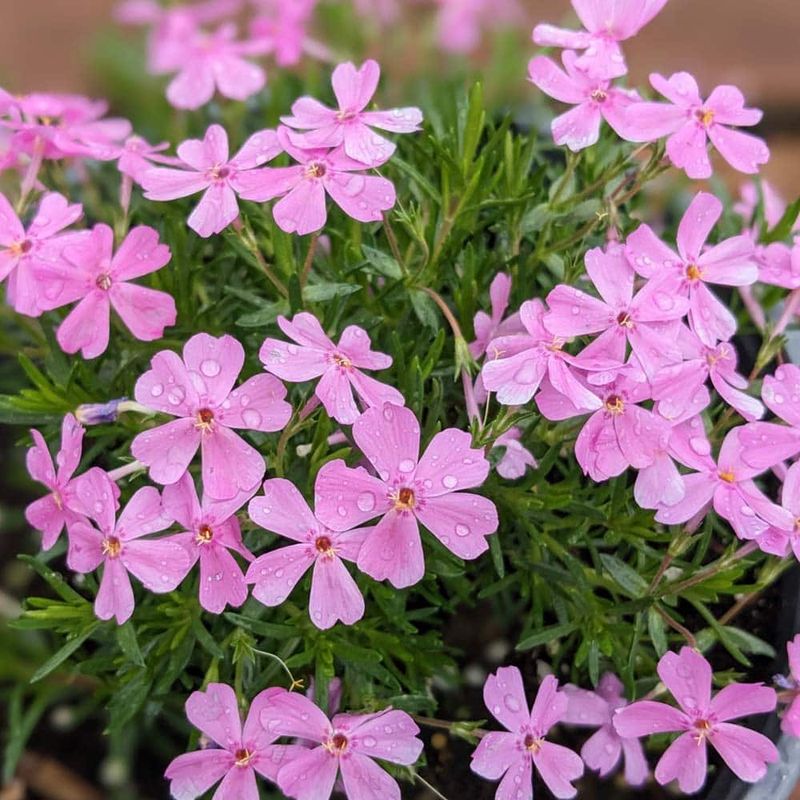
Few sights in a spring garden are as jaw-dropping as a slope completely covered in Creeping Phlox in full bloom.
The plant practically disappears under a thick blanket of tiny flowers in shades of pink, purple, white, or lavender. It is the kind of display that makes neighbors stop their cars to ask what you planted.
Creeping Phlox, also called Phlox subulata, is a low-growing perennial that spreads outward rather than upward. It typically reaches only four to six inches in height but can spread two feet or more across.
This spreading habit makes it ideal for covering bare, sunny slopes where grass struggles to hold on, especially in areas with poor or rocky soil.
One of its biggest advantages is that it acts as a ground cover even when it is not blooming. The needle-like foliage stays green through most of the year and forms a dense mat that helps prevent soil erosion on slopes.
That is a practical benefit on top of all the beauty it provides. Creeping Phlox needs full sun to bloom its best, so it is not the right choice for deep shade.
However, it handles heat, drought, and neglect remarkably well once it gets established. Water it regularly during its first season, and after that, nature can mostly take over.
For a stunning effect, plant it along the edge of a retaining wall and let it cascade downward.
Mix different colors for a multi-toned spring display that looks like something out of a garden magazine. It is genuinely one of the easiest ways to make a difficult spot look spectacular.
4. Bee Balm
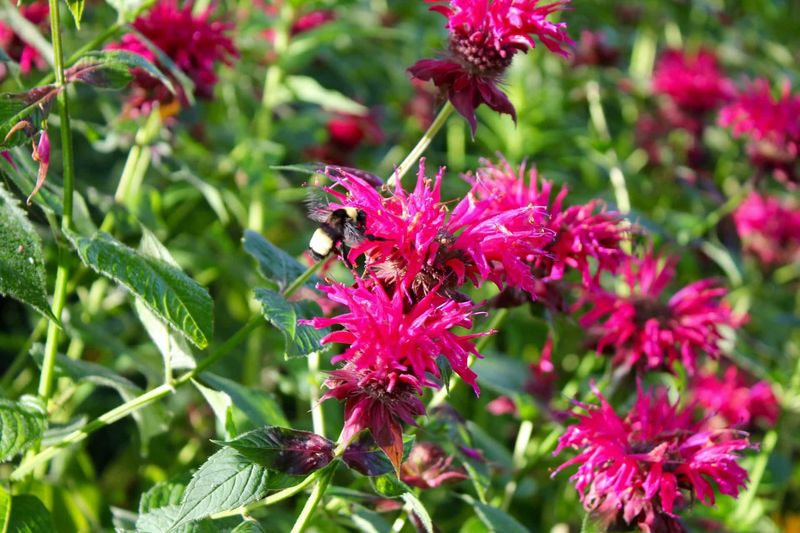
Bold, bright, and buzzing with life, Bee Balm is one of those plants that transforms a neglected sunny corner into a full-on wildlife magnet.
The flowers look almost wild and spiky, with shaggy petals in shades of red, pink, purple, or white exploding from the top of tall stems. It is eye-catching in the best possible way.
Native to eastern North America, Bee Balm (Monarda didyma) grows naturally in meadows and along stream banks. In a home garden, it does especially well in spots that get at least six hours of sun a day.
It tolerates average to moist soil and actually prefers ground that stays a bit damp, making it a good choice for low spots that collect water after rain.
Hummingbirds are drawn to the tubular flowers like a magnet, and butterflies and bees visit constantly throughout the blooming season. If you want to bring more wildlife into your yard, few plants do it as effectively as Bee Balm.
It blooms from midsummer into early fall, filling a gap when many other flowers have finished.
Bee Balm spreads by underground runners, so it will slowly expand its territory over the years.
This is great for filling large bare areas, but you may need to divide it every few years to keep it from crowding out neighboring plants. Division is easy and gives you more plants to spread around.
Growing two to four feet tall, it works well as a back-of-border plant or as a natural hedge along a fence. The scented leaves can even be used to make a mild herbal tea, which is a fun bonus for curious gardeners.
5. Black-Eyed Susan
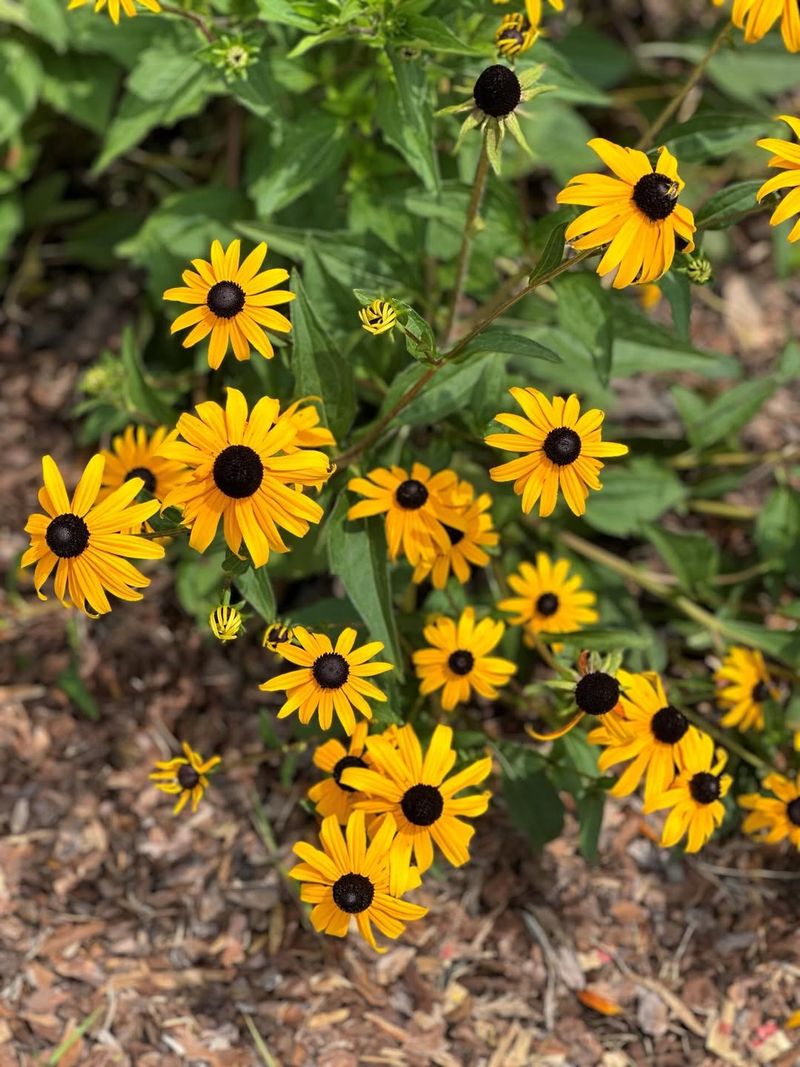
If Pennsylvania had an unofficial wildflower mascot, Black-Eyed Susan would be a strong contender.
Those cheerful golden-yellow petals surrounding a dark brown center are instantly recognizable and show up along roadsides, in meadows, and in gardens all across the state. There is a reason this flower has been beloved for generations.
Black-Eyed Susan (Rudbeckia hirta) thrives in full sun and dry conditions, which makes it perfect for spots where grass has given up.
Sandy soil, rocky beds, slopes that bake in the afternoon heat, and areas where water drains away quickly are all environments where this tough native plant performs without complaint.
It blooms from June through October, giving you color for most of the growing season. The flowers are also excellent for cutting and bringing indoors, so you get to enjoy them in your home as well as your garden.
Birds, especially goldfinches, love to eat the seeds in fall, so leaving the spent flower heads standing through winter provides food for wildlife.
Black-Eyed Susan is a short-lived perennial or biennial, but it reseeds itself so readily that you will never notice the difference.
Plant it once and it tends to come back year after year, slowly spreading into a cheerful, golden colony. It rarely needs fertilizer and handles drought better than most garden plants.
For the best results, plant it in a spot with well-drained soil and plenty of direct sunlight. Pair it with ornamental grasses or Purple Coneflower for a natural meadow-style planting that looks gorgeous and requires very little upkeep throughout the season.
6. Astilbe
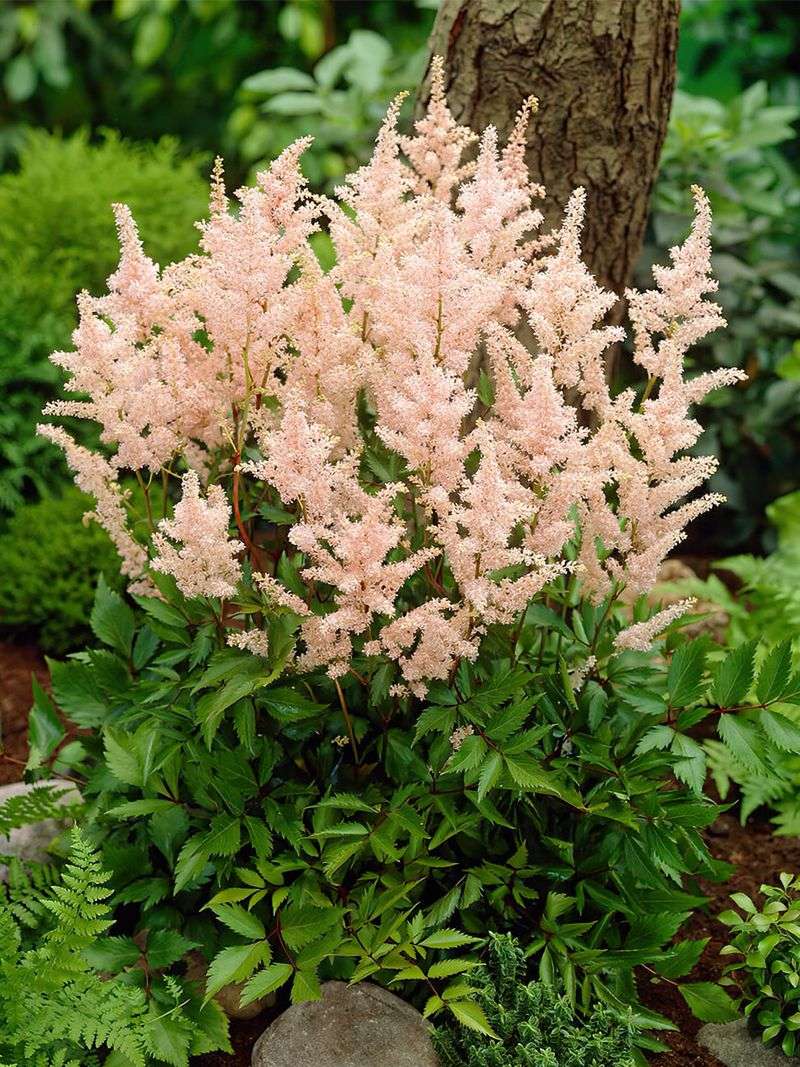
Shaded, moist areas are notoriously difficult to beautify, but Astilbe makes it look effortless.
With its tall, feathery plumes of flowers rising above deeply cut, glossy foliage, this plant brings a soft elegance to spots where most things struggle. It is the kind of plant that makes a dark corner of the yard feel intentional and designed.
Astilbe grows best in partial to full shade and prefers soil that stays consistently moist. Low spots near downspouts, areas beside a shaded pond, or the north side of a house where the sun barely reaches are all ideal locations.
Unlike many shade plants that bloom briefly, Astilbe holds its flower plumes for several weeks in summer, giving you an extended display.
The flowers come in a wide range of colors including white, cream, pale pink, hot pink, red, and lavender. By choosing a mix of early, mid, and late-blooming varieties, you can have Astilbe flowers from June through August.
The dried seed heads also look attractive in fall and winter, adding texture to the garden even after the blooms fade.
Planting Astilbe is straightforward. Set the crowns just at or slightly above the soil surface and water well during the first season.
After that, the main tasks are dividing the clumps every three to four years and keeping the soil from drying out completely during hot spells.
Astilbe pairs wonderfully with Hostas, Ferns, and Bleeding Heart for a layered shade garden that looks lush and full from spring through fall. It is one of the most rewarding plants you can choose for a challenging shaded bed.
7. Green-And-Gold
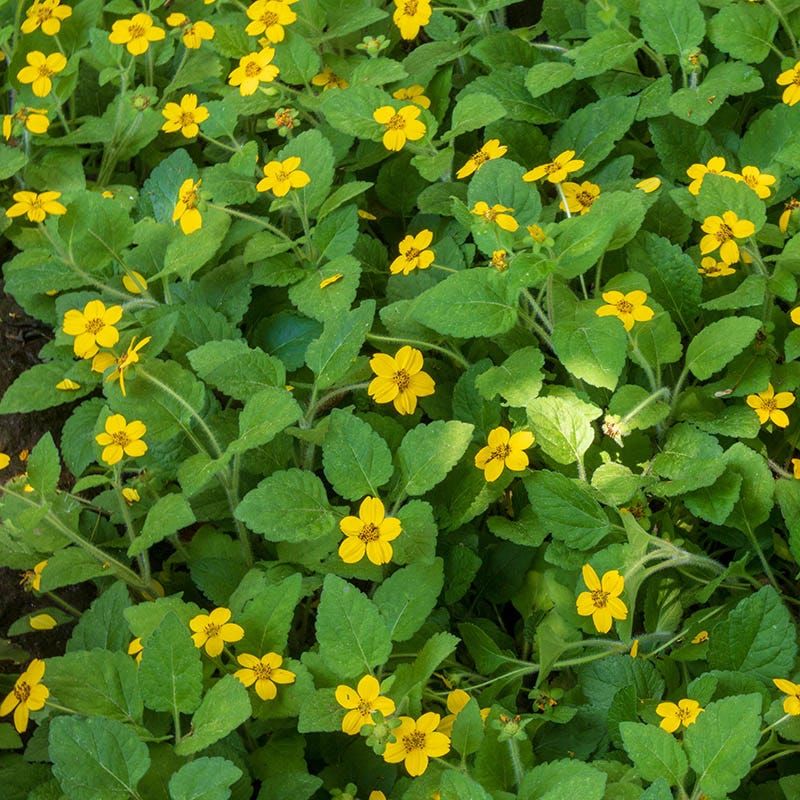
Not every garden hero is tall and dramatic. Sometimes the most useful plant in your yard is the one quietly spreading across a difficult patch, covering bare ground with cheerful yellow blooms and rich green leaves.
Green-and-Gold does exactly that, and it does it with almost no help from you. Chrysogonum virginianum, commonly called Green-and-Gold, is a native perennial ground cover that grows only four to eight inches tall.
It spreads by both runners and self-seeding, slowly filling in partly shaded areas where grass refuses to grow.
Rocky slopes, the edges of woodland paths, and the ground beneath deciduous trees are all places where this plant genuinely thrives.
The bright yellow, star-shaped flowers appear in spring and often continue blooming on and off through fall, especially in cooler weather. That extended bloom time is unusual for a ground cover and makes Green-and-Gold more valuable than many alternatives.
Even between flowering periods, the deep green, slightly fuzzy leaves form an attractive carpet that keeps the area looking tidy.
One of the most appealing things about this plant is how low-maintenance it is. Once established, it handles moderate drought, tolerates poor soil, and rarely needs any fertilizer or special attention.
It is genuinely one of the easiest native plants to grow in Pennsylvania. Green-and-Gold works well as a border edging, a filler between stepping stones, or a mass planting under trees.
Pollinators visit the flowers regularly, which means even a small planting contributes to the health of your local ecosystem. Plant it once, step back, and watch it do its thing beautifully.