These Are The Mistakes California Gardeners Make In May That Ruin Their Summer Garden
California gardens look so promising right now that it is easy to miss what is quietly going wrong.
Everything feels under control, and that false sense of security is exactly what catches gardeners off guard.
Bad decisions made in this window almost never show consequences right away. The damage builds slowly and does not become obvious until summer heat is in full swing and fixing things gets a lot harder.
California summers are not forgiving, and they have a way of turning small missteps into big problems fast. The gardeners who consistently pull off a strong summer harvest are not necessarily more experienced or more attentive.
They just know which habits work against them during the stretch of the season when the garden is most vulnerable.
Getting a few key things right before the heat takes over changes everything about how the rest of the season plays out.
1. Planting Heat-Lovers Before The Soil Is Warm Enough
Cool soil is one of the sneakiest problems in a May garden. Many gardeners get excited the moment the calendar flips and rush to plant tomatoes, peppers, eggplant, and basil.
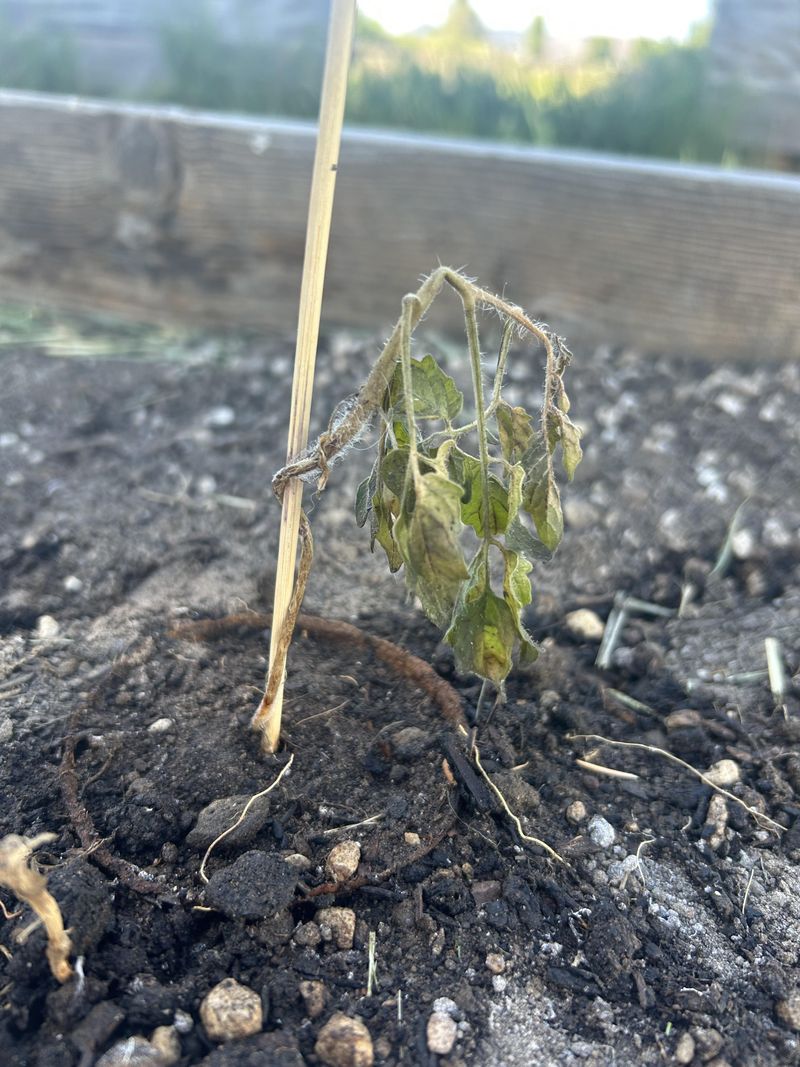
But if the soil temperature has not reached at least 60 to 65 degrees Fahrenheit, those heat-loving plants will struggle right from the start.
Roots need warmth to absorb water and nutrients properly. When the soil is too cold, plants just sit there.
They may look okay on the surface, but underground, very little is happening. This slow start can delay your harvest by weeks and weaken the plant’s overall health.
Even in warmer parts of our state, May mornings can still be surprisingly cool. Coastal areas and higher elevations are especially prone to cold soil in early May.
A simple soil thermometer costs just a few dollars and can save you a lot of frustration. Push it about two inches into the ground and check the reading in the morning when soil is coolest.
If the temperature is too low, wait a week or cover the bed with black plastic to warm things up faster. Patience at this stage pays off big time once summer arrives.
Healthy roots early on mean stronger, more productive plants all season long.
2. Waiting Too Long To Mulch Before Summer Heat
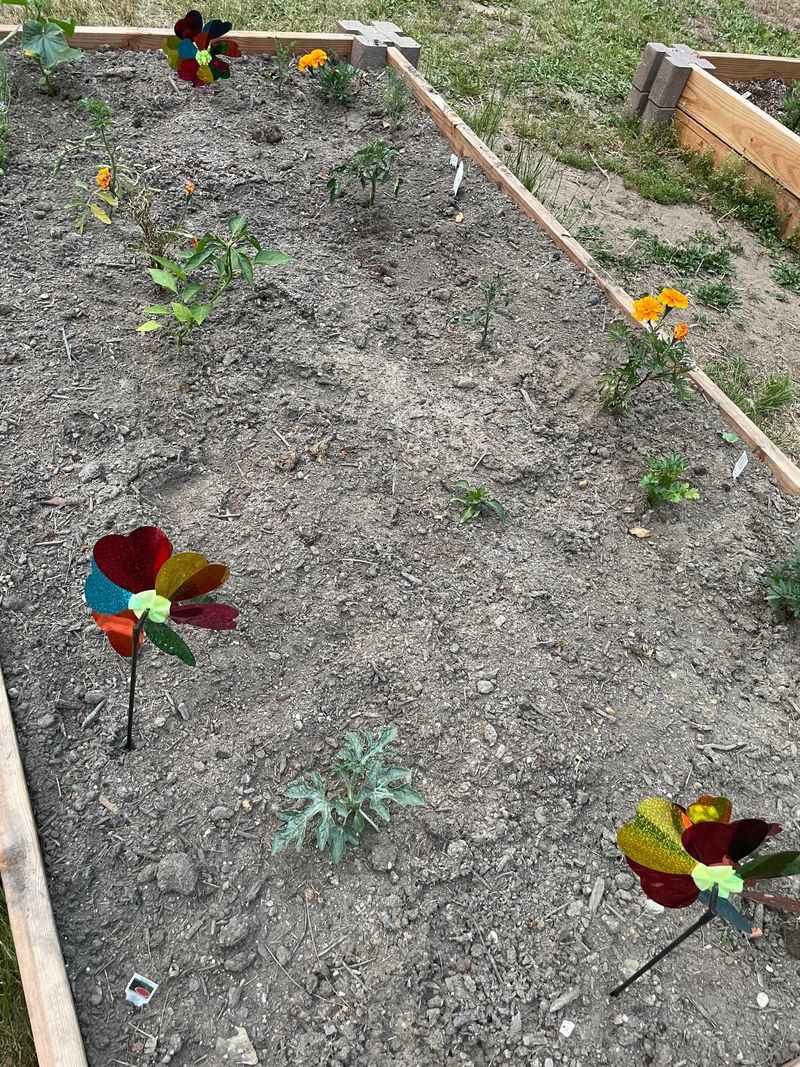
Mulch is one of the most underrated tools in any warm-climate garden. A lot of gardeners think of it as something to add later in the season, but by the time the heat really hits, the damage to your soil may already be done.
Waiting too long to mulch is a mistake that costs you moisture, soil health, and plant energy all at once.
When bare soil is exposed to direct sun, it heats up fast and dries out even faster. The top layer of soil can reach temperatures that stress plant roots and reduce the activity of helpful soil organisms.
Mulch acts like a blanket, keeping moisture in and soil temperatures more stable throughout the day.
In our state, summer heat can arrive quickly and without much warning. A warm weekend in late May can dry out an unmulched bed in just a day or two.
Your California Garden Changes Every Week. Your Plan Should Too.
Gardening in California changes quickly throughout the season. Every Friday you’ll receive a simple weekly plan showing exactly what to plant, prune, fertilize, harvest, and protect so you never miss the right timing.
By applying a two to three inch layer of straw, wood chips, or shredded leaves before that heat arrives, you give your plants a real advantage.
Mulch also helps suppress weeds, which compete with your vegetables for water and nutrients. Lay it down around your transplants early in May, and your garden will be much better prepared when the real heat shows up.
3. Watering Shallowly Instead Of Training Deep Roots
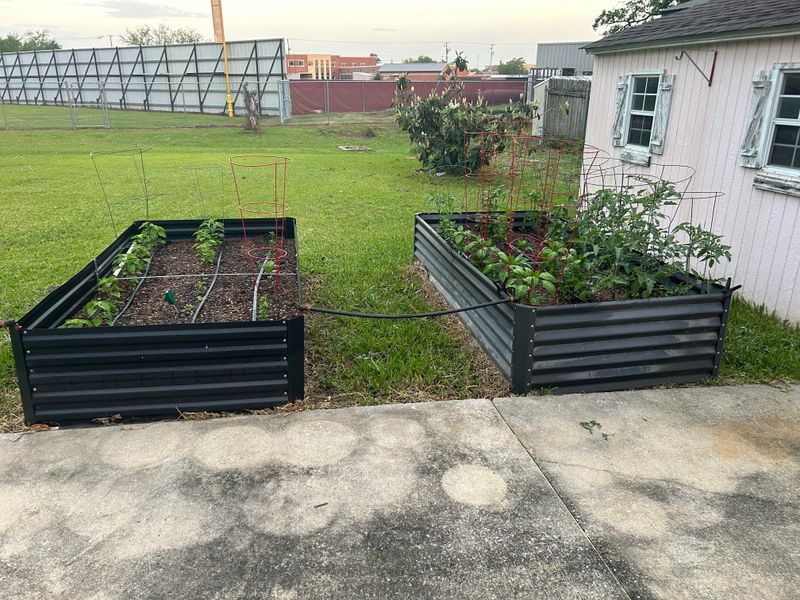
Quick, shallow watering feels efficient, but it actually trains your plants to be fragile. When only the top inch or two of soil gets wet, roots stay near the surface to chase that moisture.
Surface roots dry out fast and leave plants vulnerable the moment a heat wave rolls in.
Deep watering encourages roots to grow down where the soil stays cooler and holds moisture longer. A plant with deep roots can handle a hot afternoon or a missed watering day much better than one with shallow roots.
The difference in resilience is huge, especially during a dry summer in our state.
Most vegetables need water to reach at least six to eight inches deep. To check if you are watering deeply enough, dig a small hole an hour after watering and see how far down the moisture has reached.
If it stops at two or three inches, you need to water longer or more slowly.
Drip irrigation and soaker hoses are great tools for deep watering because they release water slowly at the root zone. If you use a hose or sprinkler, water for longer periods less frequently instead of short bursts every day.
Training deep roots in May means your plants will be much tougher when the hottest months arrive.
4. Ignoring Drip Irrigation Until The First Heat Wave
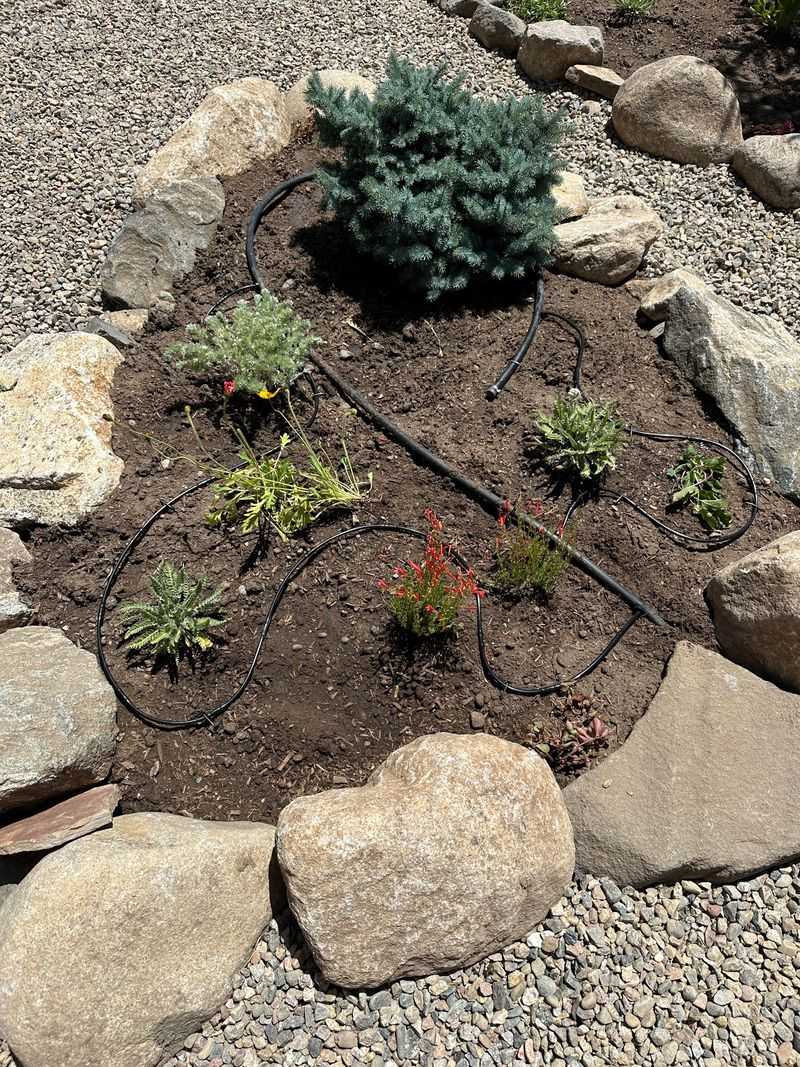
Setting up a drip irrigation system feels like a project you can always do later. But later usually means the first heat wave has already arrived, and by then your plants are stressed and your schedule is packed.
Getting drip irrigation in place during May, before the heat, is one of the smartest moves a gardener can make.
Hand watering every day works fine in spring, but once temperatures climb into the 90s or higher, consistent and deep moisture becomes critical. Missing even one or two days of water during a heat wave can set plants back significantly.
Drip systems take the guesswork out of watering and deliver water right where it is needed most.
Our state has some of the most advanced water conservation programs in the country, and drip irrigation is one of the most recommended methods for reducing water use while keeping gardens healthy. Many local water districts even offer rebates for installing drip systems, so it can save you money in the long run.
Basic drip kits are available at most hardware stores and are easier to install than most people expect. Spend a weekend in early May getting your system in place and tested.
When the heat arrives, you will feel completely at ease knowing your garden is being watered properly without any daily effort on your part.
5. Planting Tomatoes And Peppers Too Close Together
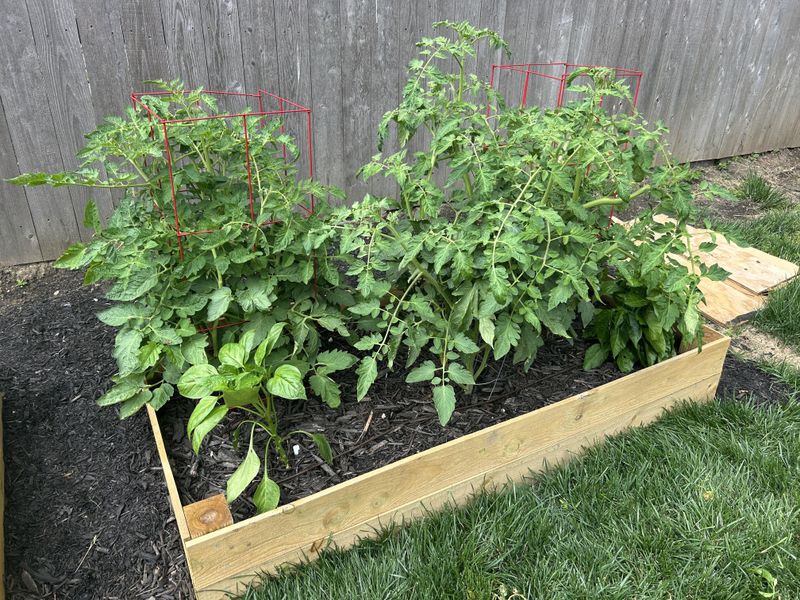
There is something satisfying about a full, lush garden bed in May. But cramming tomatoes and peppers too close together is a setup for problems that show up later in the season.
Poor airflow between plants creates the kind of humid, stagnant conditions that fungal diseases love.
When plants are too close, they also compete heavily for water, nutrients, and sunlight. The bigger plant often wins, and the smaller one gets shaded out or starved.
What looks like a full garden in May can turn into a tangled mess by July with reduced yields from both plants.
Tomatoes generally need at least 24 to 36 inches between plants, and peppers do best with 18 to 24 inches of space. These numbers feel generous when the transplants are small, but those plants will grow fast once warm weather sets in.
Giving them room now prevents a lot of headaches later.
Spacing also makes it easier to spot pests, prune suckers, and harvest fruit without damaging surrounding plants. In warmer inland areas of our state, good airflow around plants also helps reduce heat stress during triple-digit days.
A little extra space in May leads to a cleaner, more productive garden from June all the way through fall.
6. Forgetting To Harden Off Nursery Starts
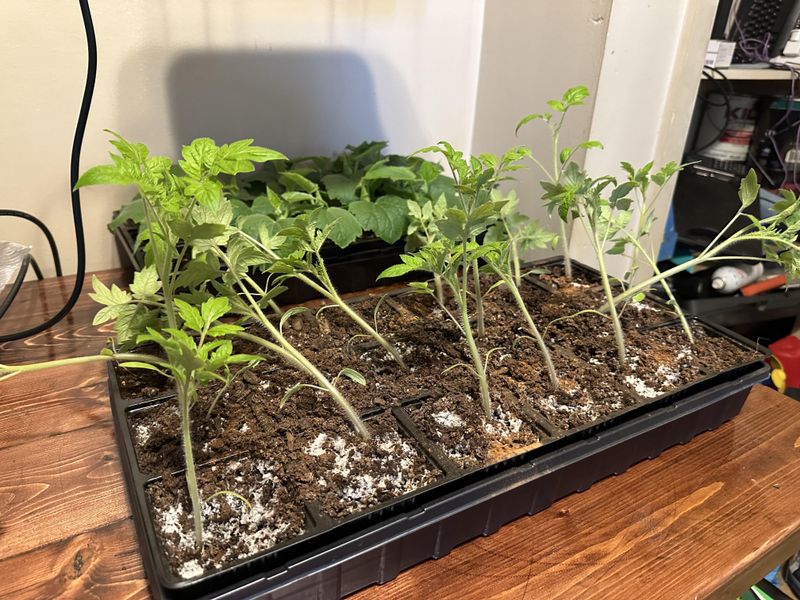
Nursery starts spend their early weeks in a greenhouse where conditions are controlled, comfortable, and consistent. Moving them straight into a hot, sunny, breezy outdoor garden without a transition period is a shock to their system.
That process of gradual adjustment is called hardening off, and skipping it is a surprisingly common mistake.
Plants that go from greenhouse to full sun without hardening off often show signs of stress within just a day or two. Leaves may turn pale, curl at the edges, or develop crispy brown patches.
The plant is not damaged permanently in most cases, but it does take time to recover, and that delay costs you valuable growing days.
Hardening off is simple. Start by placing your nursery starts outside in a sheltered, partly shaded spot for just two to three hours on the first day.
Gradually increase their time outdoors and exposure to direct sunlight over the course of one to two weeks. By the end of the process, they should be able to handle a full day of sun without any stress.
Morning is the best time to start this process since temperatures are cooler and sunlight is less intense. In our state’s warmer inland valleys, hardening off is especially important because the jump from nursery to outdoor conditions can be dramatic.
Taking this extra step makes transplanting far more successful.
7. Fertilizing Stressed Plants Too Heavily
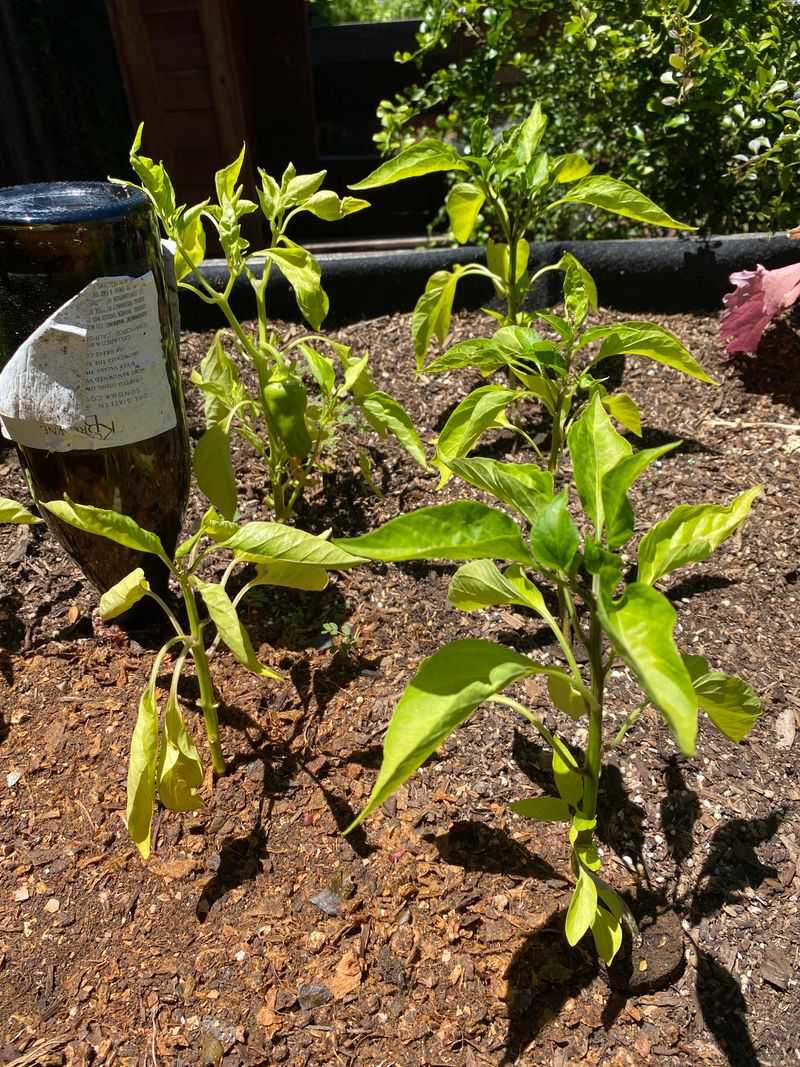
When a plant looks pale, limp, or just not quite right, the instinct is often to feed it more. More fertilizer feels like a solution, but in many cases it makes things worse.
Stressed plants have a reduced ability to take up nutrients, and overloading them with fertilizer can actually burn the roots and push the plant further into distress.
Fertilizer burn happens when there is too much salt concentration in the soil around the roots. The roots, instead of absorbing water, actually lose moisture to the surrounding soil.
This can cause wilting, brown leaf edges, and stunted growth, which looks a lot like the original problem but is now harder to fix.
Before reaching for fertilizer, try to figure out why the plant is struggling in the first place. Is it underwatered?
Is the soil too cold? Is it dealing with transplant shock?
Solving the root cause is always more effective than layering on nutrients the plant cannot use yet.
When plants do need feeding in May, start with a diluted, balanced liquid fertilizer rather than a heavy granular dose. Less is more when plants are already under stress.
Once they bounce back and show new growth, you can gradually increase feeding. A steady, gentle approach to fertilizing in May will protect your plants and set them up for a strong summer season.
8. Letting Weeds Steal Water Before Summer
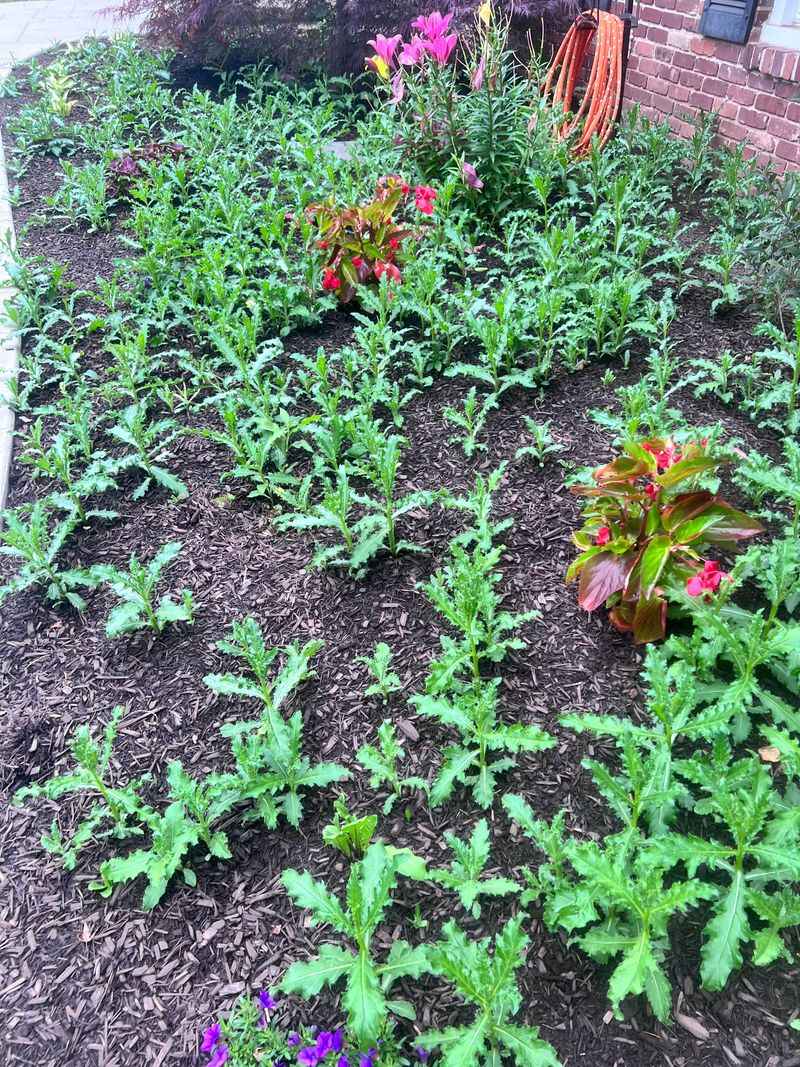
Weeds in May look harmless. They are small, easy to ignore, and the garden still looks mostly fine.
But every weed growing in your garden bed is actively competing with your vegetables for water, nutrients, and space. In a state where summer water is precious, letting weeds go unchecked in May is a costly mistake.
Some weeds have surprisingly deep root systems that pull moisture from the same zone where your vegetables are feeding. Others spread fast and can go from a few small plants to a full takeover in just a couple of weeks once warm weather arrives.
By the time you notice the problem in June or July, the competition has already affected your crop.
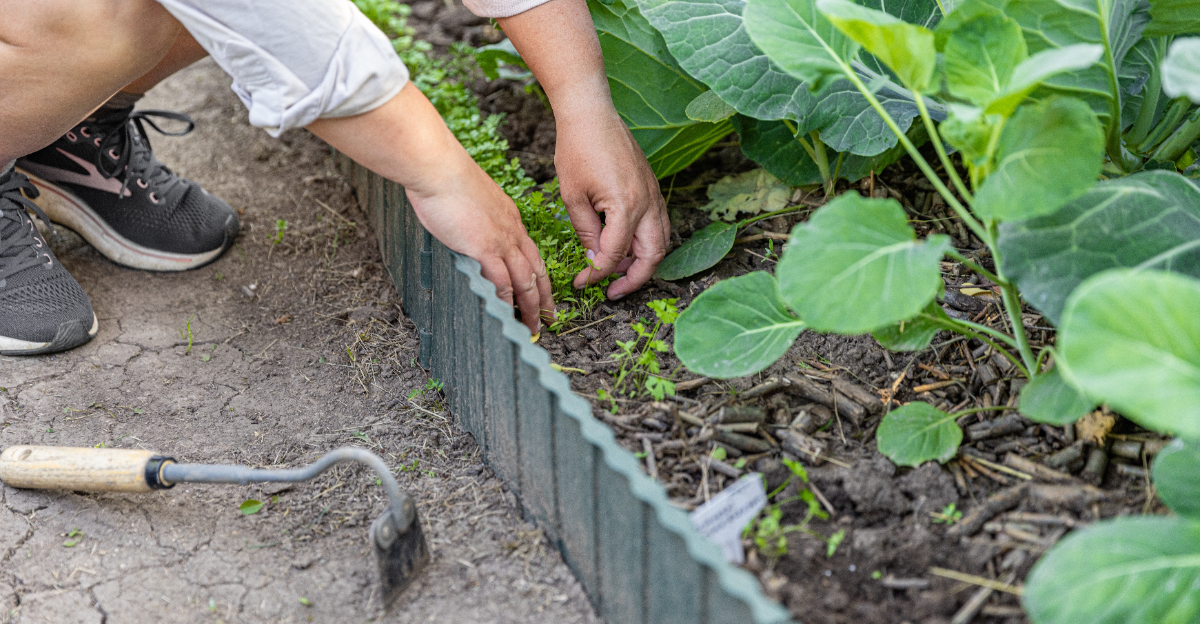
The best strategy is to weed early and often in May, before weeds have a chance to set seed or establish deep roots. Hand pulling is very effective when the soil is slightly moist after watering.
A short hoe or hand cultivator makes the job faster and easier, especially in wider bed areas between rows.
Laying down mulch after weeding is a great way to slow regrowth and protect the soil at the same time. Two to three inches of straw or wood chips can dramatically reduce the number of weeds that sprout over the summer.
Staying on top of weeds now means spending far less time fighting them during the hottest months of the year.