These 8 Plants Are Quietly Ruining Your Virginia Cucumber Crop
Your cucumbers might be struggling for a reason you have not considered yet. Virginia summers give cucumbers everything they need to thrive.
But the plants growing beside them can quietly tell a different story. Companion planting matters more than most gardeners realize.
And sometimes, the wrong neighbor causes more trouble than poor soil or an unpredictable season ever would. Some plants compete for the same nutrients.
Others attract pests that love cucumbers just as much. A few even release compounds into the soil that slow growth in ways that are hard to trace back to the source. A few simple swaps at planting time can make a noticeable difference by the end of the season.
Most gardeners see improvement just by moving things around in their beds. Could one of these plants be the reason your cucumbers aren’t performing?
1. Sage
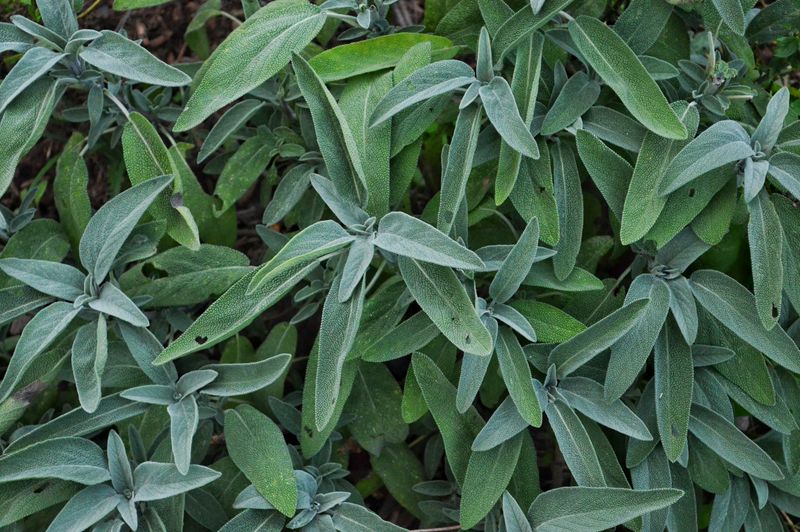
Sage is a staple in many Virginia herb gardens, and it is easy to see why. It is low-maintenance, drought tolerant, and endlessly useful in the kitchen.
The problem is that sage and cucumbers do not make good neighbors, and planting them too close together can quietly work against your harvest.
Sage is known to release aromatic oils and chemical compounds, which may influence the plants growing nearby. These substances are natural and harmless in isolation, but they can interfere with the growth of nearby plants.
Cucumbers appear to be more sensitive to these compounds than many other garden vegetables. Gardeners who have grown the two in close proximity often notice the difference by midsummer.
The effects are not always dramatic or easy to trace. Growth may slow slightly.
Yields may come in lower than expected. The plants may look reasonably healthy but never quite reach their potential.
That kind of quiet underperformance is easy to blame on heat or soil quality when the real issue is sitting just a few feet away.
It is worth noting that the research specifically on sage and cucumbers is still limited. Much of what gardeners know comes from observation and experience rather than controlled studies.
That said, the pattern shows up consistently enough to take seriously.
The simplest solution is to grow sage in a container and keep it on a patio or in a separate part of the yard. It thrives in pots and stays easy to manage.
Your cucumber bed will have one less source of interference, and your sage will do just fine on its own.
2. Mint
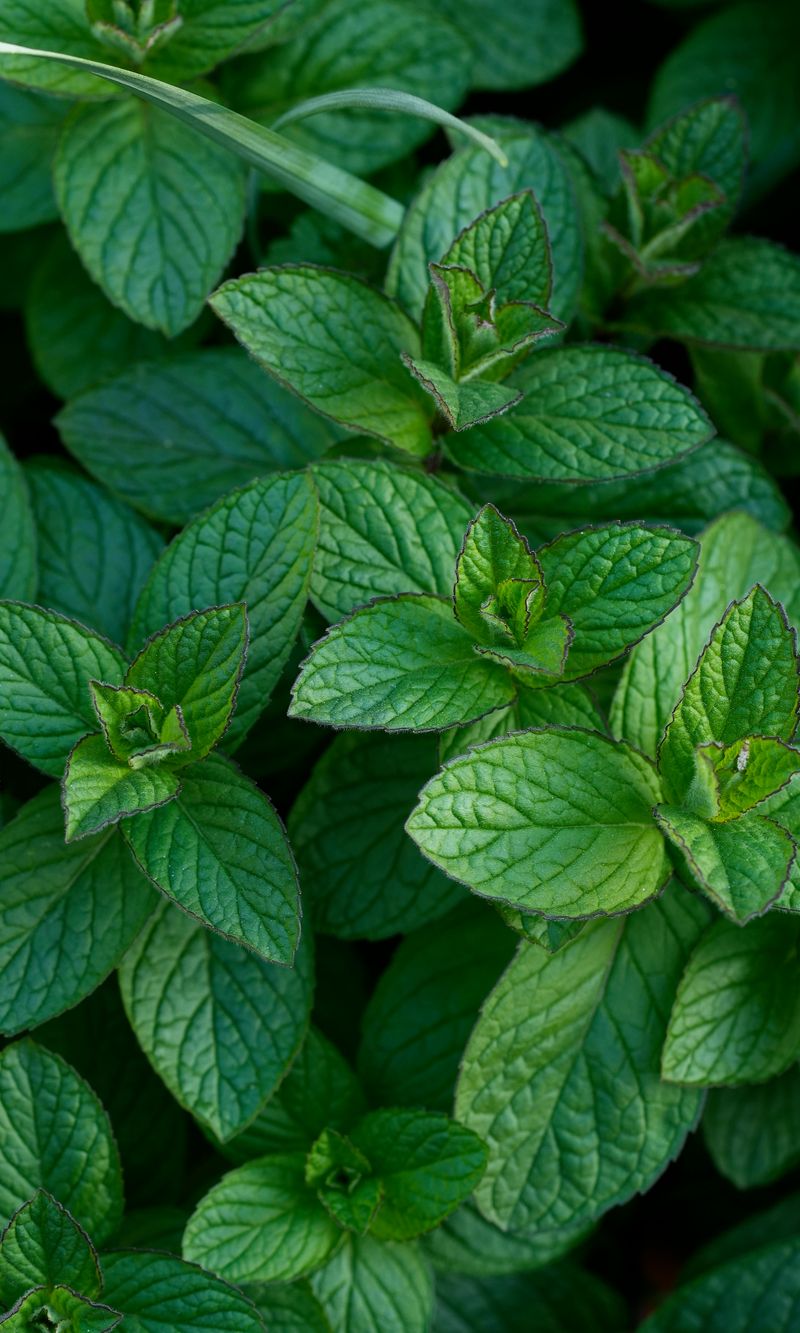
Mint is one of the most deceptively charming plants in any home garden.
It smells fresh, it grows fast, and it seems totally harmless until it spreads aggressively through your raised bed.
The aggressive spreading habit of mint is its biggest threat to nearby cucumbers.
Mint spreads through underground runners called rhizomes, and those runners do not respect boundaries.
Once mint establishes itself near your cucumber plants, it competes aggressively for water, nutrients, and root space.
Cucumber roots are relatively shallow, which makes them especially vulnerable to this kind of underground crowding.
Your Virginia Garden Changes Every Week. Your Plan Should Too.
Gardening in Virginia changes quickly throughout the season. Every Friday you’ll receive a simple weekly plan showing exactly what to plant, prune, fertilize, harvest, and protect so you never miss the right timing.
The main threat is below ground. Mint spreads through underground runners that compete directly with cucumber roots for water and nutrients.
Cucumber roots are shallow, which makes them particularly vulnerable to that kind of pressure.
The best solution is to always grow mint in containers, no matter where it lives in your yard.
Sunken pots buried to the rim can help contain the roots if you prefer an in-ground look.
Keep those containers at least three feet from your cucumber bed, and check for escaping runners every few weeks during peak growing season.
3. Potatoes
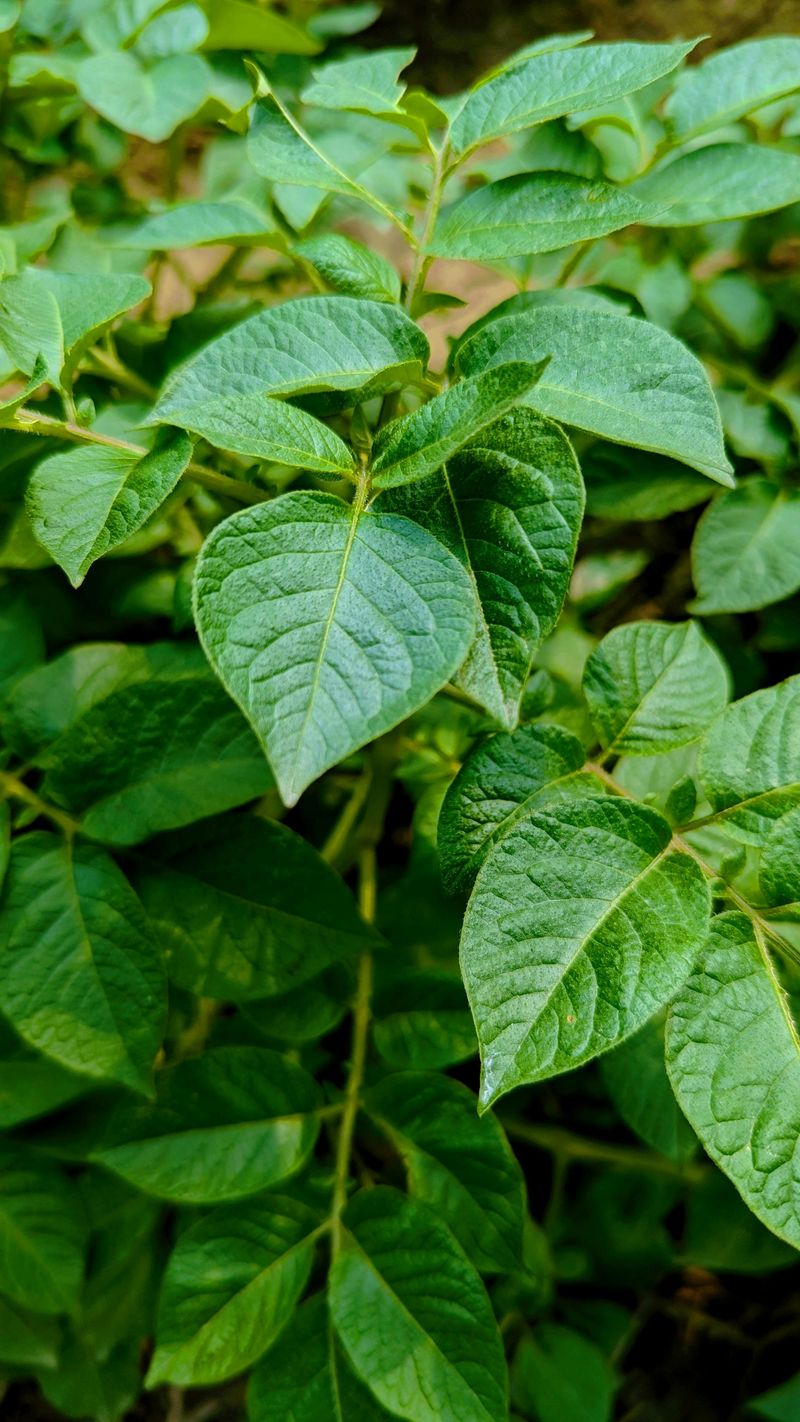
What if those two peaceful neighbors are quietly competing for the same resources underground?
Both crops are heavy feeders. They draw heavily on nitrogen, potassium, and phosphorus throughout the growing season, and when planted too close together, they are essentially pulling from the same reserves.
Cucumbers tend to lose that competition. Potatoes have a more aggressive root system and establish themselves quickly, leaving neighboring cucumber plants with less of what they need to produce well.
Shared pest pressure adds another layer of concern. Potatoes are prone to Colorado potato beetles, aphids, and several fungal issues that thrive in Virginia’s warm and humid summers.
These pests do not stay contained to one crop. Once they establish themselves in a potato patch, they move through the garden and cucumber plants nearby become an easy next target.
Fungal problems are worth paying particular attention to in this pairing. Virginia summers create consistently moist conditions that encourage fungal spread, and cucumber plants already under nutrient stress are far more vulnerable to infection than healthy ones.
Keeping these two crops well separated is the most straightforward solution. A good rule of thumb is to give potatoes and cucumbers plenty of breathing room.
Fifteen to twenty feet between beds is worth aiming for if your garden space allows. Annual crop rotation also plays an important role here.
Moving each crop to a different section of the garden each year helps interrupt pest cycles and gives the soil time to recover its nutrient balance before the same crop returns.
4. Fennel
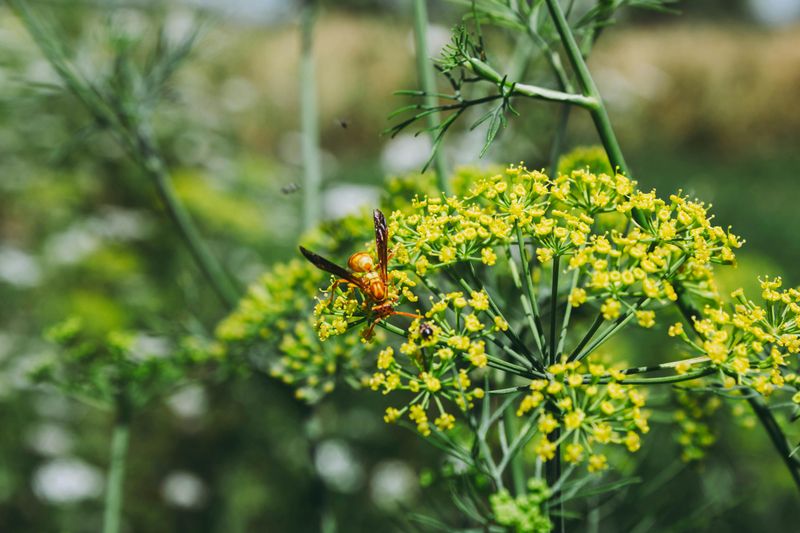
Some plants just do not play well with others. This one has earned a reputation that most experienced gardeners have learned to take seriously.
Fennel releases allelopathic compounds from its roots and leaves throughout the growing season. These compounds can interfere with the development of nearby plants.
Several vegetables are sensitive to this kind of chemical interference. Cucumbers are generally considered one of them, though research specifically on fennel and cucumbers is still limited.
It is worth noting that the strength of this effect depends on proximity, soil conditions, and how established the fennel plant is. Gardeners with fennel growing on the far side of the yard are unlikely to see any impact on their cucumbers.
The concern is really about close planting in shared beds.
Beyond chemical interference, fennel can host a range of insects, so it is best kept separate if pest pressure is already high. Aphids are already a common challenge for cucumber growers, and a nearby fennel plant can draw larger numbers into that area of the garden.
Once aphids are present on one plant, they tend to spread to neighboring plants relatively quickly, contributing to leaf curl and reduced growth.
The most practical approach is to grow fennel in a container on a patio or in a separate part of the yard. It does well in pots and is easy to manage that way.
Keeping it away from your vegetable beds removes the risk entirely.
5. Sunflowers

Sunflowers are one of the most cheerful plants you can grow in a Virginia garden. They attract pollinators and add height and color to any space.
The challenge is that their size and root activity can create real difficulties for nearby cucumber plants.
The most immediate issue is shade. Sunflowers grow tall quickly.
A row of mature plants can block a significant portion of direct sunlight from reaching neighboring beds. Cucumbers generally need six to eight hours of direct sun each day to produce consistently well.
Anything that reduces that window can affect how many fruits develop on the vine.
Sunflowers are also considered allelopathic. Some research suggests that compounds released from sunflower roots and decomposing leaves may affect the growth of nearby plants.
Cucurbits like cucumbers, squash, and melons are among those potentially affected. The evidence varies depending on proximity and soil conditions.
It is a reasonable precaution rather than a certainty.
Water competition is another factor worth considering. Sunflowers develop deep root systems that draw moisture from a wide area.
During dry stretches in a Virginia summer, cucumber plants nearby may experience more moisture stress than expected. This can happen even with regular watering.
Planting sunflowers on the north side of your garden is a practical solution. They can still catch full sun from that position.
Keeping around eight to ten feet between sunflowers and cucumber beds gives both plants room to perform well. A little planning at the start of the season makes a noticeable difference by harvest time.
6. Rue
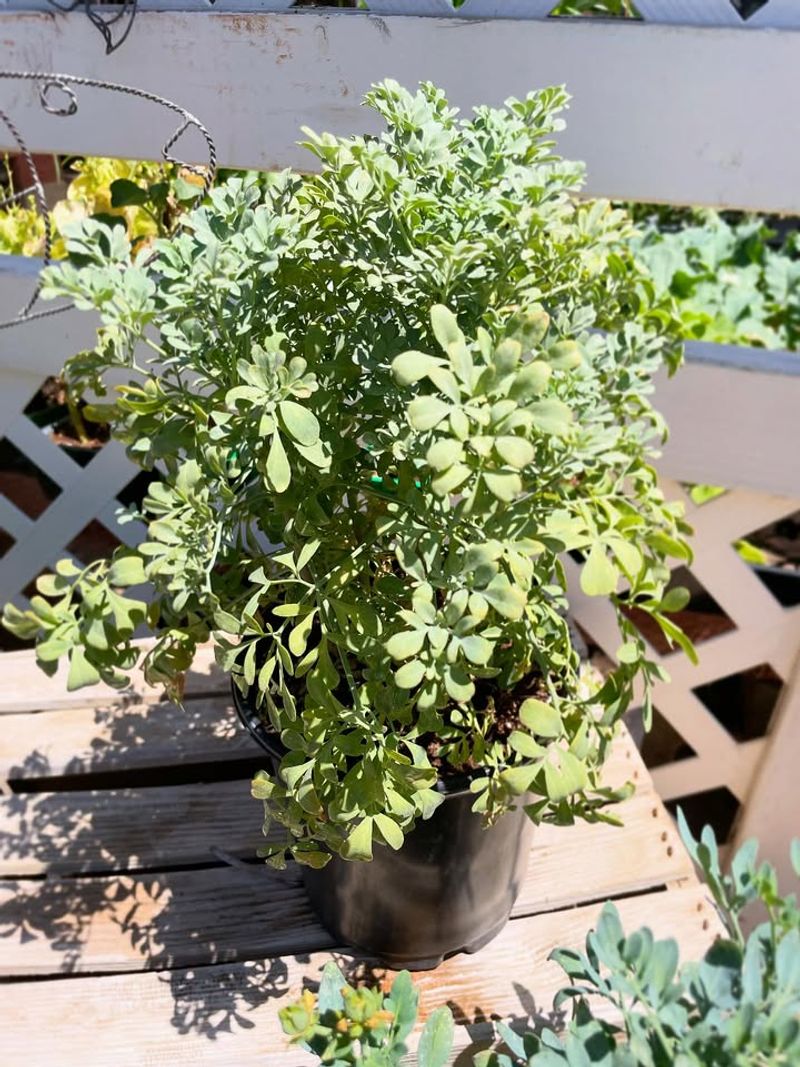
It has been grown in gardens for centuries, and its reputation as a pest repellent is well earned.
The problem is that rue does not get to choose which insects it drives away. Beneficial bugs get pushed out just as fast as harmful ones, and that is where things start to go wrong for your cucumbers.
Rue has a notably strong scent, and some gardeners prefer to keep it away from cucumbers out of caution for pollinator activity nearby. Fewer pollinators visiting your cucumber flowers means fewer fruits setting on the vine, and that alone is reason enough to give rue its own space.
Rue also causes skin irritation when touched in sunlight, which makes routine maintenance around a mixed planting bed uncomfortable. If you grow rue for its ornamental or pest-deterrent qualities, a border planting far from your vegetable beds lets it do its job without affecting your harvest.
Wearing gloves and long sleeves is necessary whenever you prune or handle rue, which complicates routine garden maintenance.
The practical inconvenience alone is enough reason to keep it separated from your main vegetable area.
If you grow rue for its ornamental or pest-deterrent qualities, place it along the perimeter of your property instead.
A border planting far from your cucumber bed lets rue do its job without interfering with your harvest.
Distance truly is the simplest and most effective solution with this particular herb.
7. Basil
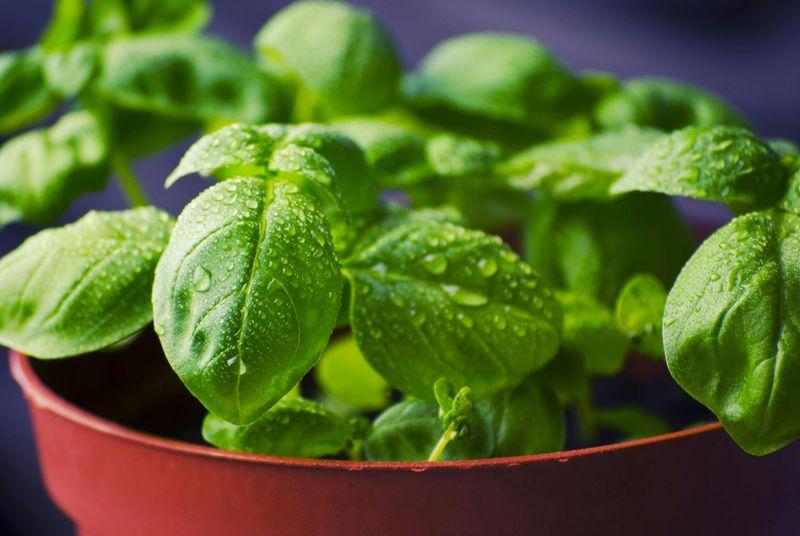
Basil gets recommended as a cucumber companion fairly often, and a small planting nearby is probably fine. Some gardeners swear by it.
The aromatic oils in basil may help confuse or deter a few common pests, and the evidence for small-scale companion planting with basil is at least plausible.
The situation gets a little more complicated when basil is planted heavily alongside cucumbers, though.
Basil is a bushy, fast-growing herb. Dense plantings of any kind close to cucumber vines can reduce the air circulation that keeps foliage drier and healthier.
This is not unique to basil specifically. It is just good general practice to avoid crowding plants that already struggle with humidity-related issues, and cucumbers in Virginia summers definitely qualify.
Downy mildew is already one of the more common challenges for cucumber growers in the region. Anything that limits airflow around your vines is worth thinking about, whatever the plant causing the crowding happens to be.
Water competition works the same way. Basil is not unusually thirsty compared to other garden plants, but dense plantings of anything near cucumbers means more roots drawing from the same soil.
During dry stretches in a Virginia summer, that adds up.
One or two basil plants near the edge of your cucumber bed is a low-risk choice that many gardeners enjoy.
A full row running right alongside your vines is where crowding becomes the real issue, regardless of which plant is doing the crowding.
Keep spacing generous, water at the base, and your cucumbers will thank you.
8. Melons And Squash (Fellow Cucurbits)
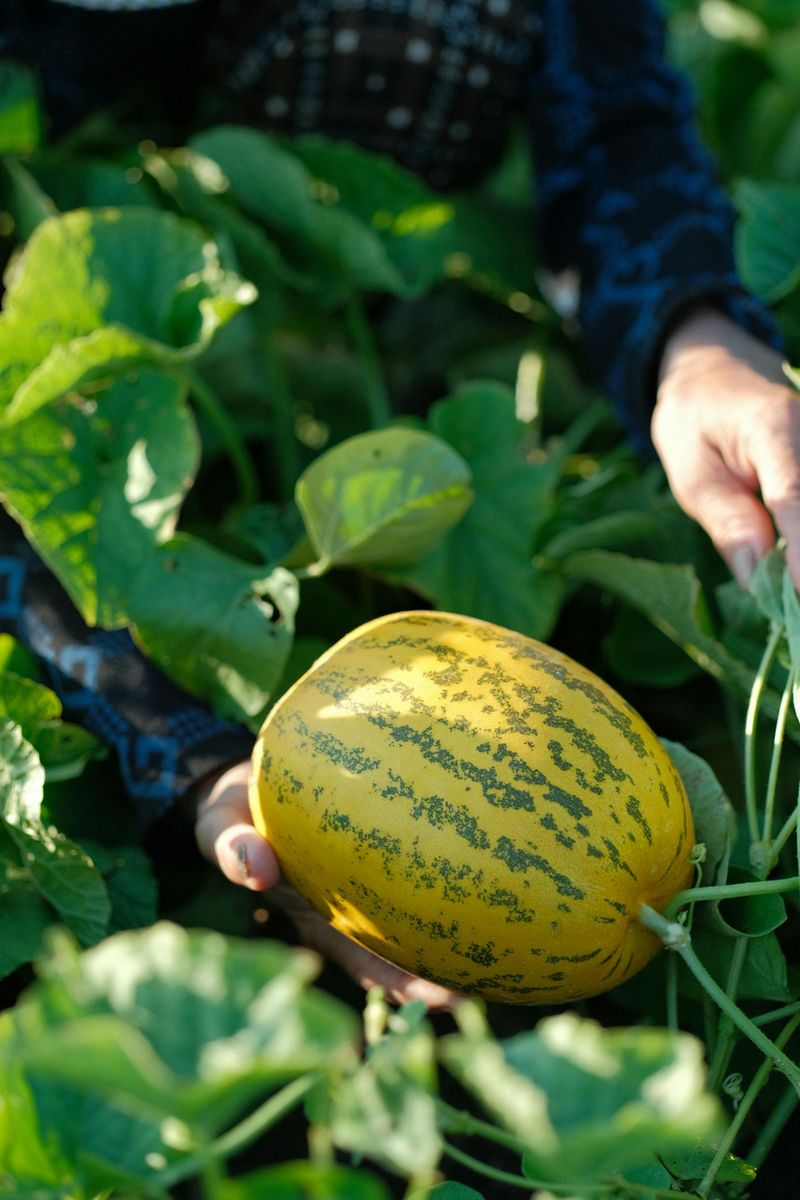
Cucumbers, melons, and squash are basically cousins. They belong to the same plant family, the Cucurbitaceae, and they share a lot in common.
Same watering needs. Similar soil preferences.
Roughly the same growing season. It sounds like a match made in garden heaven.
It is not.
Shared biology means shared weaknesses. Cucumber beetles do not discriminate.
Squash vine borers tend to target squash and pumpkins most heavily, though they can occasionally affect other cucurbits too.
Powdery mildew and downy mildew travel freely between cucurbit family members, and Virginia summers give both fungi everything they need to get moving fast.
The more cucurbit plants you cluster together, the bigger the target you create.
One struggling squash plant can become a launching pad for problems that sweep through your cucumber vines before you notice anything is wrong.
Pest populations build faster when their favorite host plants are conveniently grouped together.
Gardeners who save seeds have an additional reason to keep some distance. Cucurbits can cross-pollinate in ways that affect the seeds you collect for next year, though this does not affect the fruit you are harvesting right now.
None of this means you cannot grow cucumbers and squash in the same garden. Most people do.
The goal is simply to avoid clustering them together in the same bed or right next to each other in the same row.
A little separation limits how quickly a problem in one plant becomes a problem in all of them. More breathing room means more time to catch trouble early.