The Yard Mistakes Making Tick Problems Worse In Oregon This Season
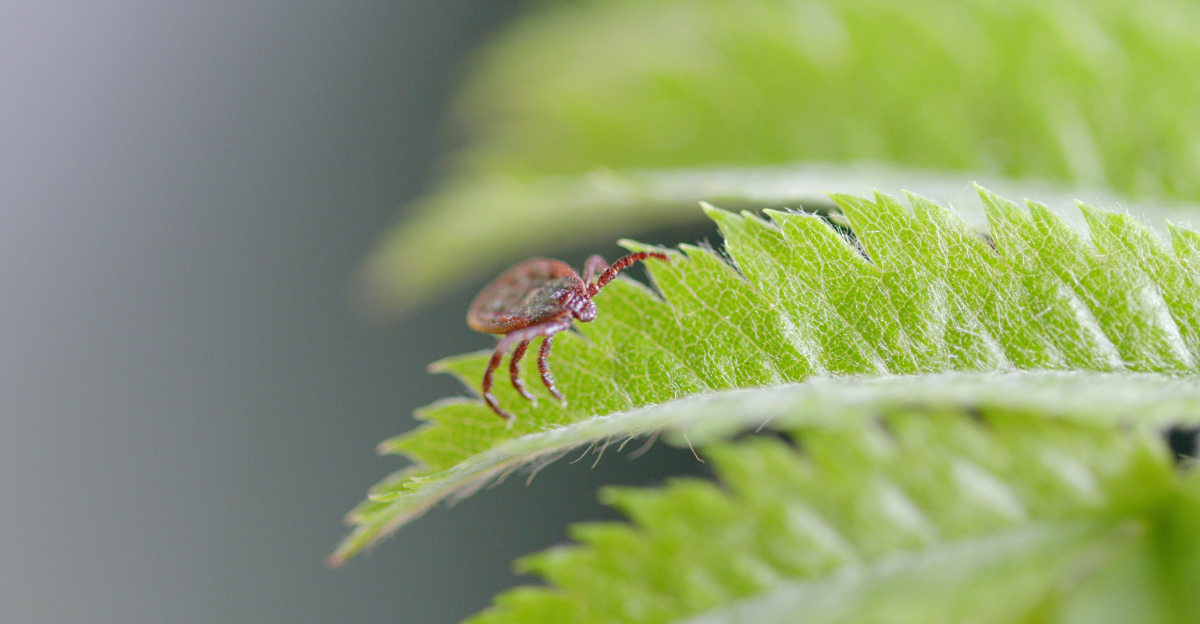
Ticks in Oregon have been a growing problem, and most homeowners are unknowingly making it worse right in their own yards.
The habits that seem harmless, like leaving certain areas unmaintained in ways that feel perfectly normal, are exactly what gives ticks conditions they need to establish and spread.
Oregon’s wet spring creates ideal habitat for ticks before most people even start thinking about them, and by the time summer activity picks up, the population is already settled in and waiting. The yard itself is usually the biggest factor.
Not the woods behind the fence, not the park down the street. The actual landscaping decisions being made at home are what determine how bad the problem gets each season.
A few specific changes make a dramatic difference in how many ticks move through your property. The good news is that none of them require chemicals or professional help.
They just require knowing which common yard habits are working against you.
1. Letting Grass Grow Too Tall

Tall grass is basically a welcome mat for ticks. When your lawn gets shaggy, it creates a cool, shaded environment close to the ground where ticks love to wait for a host to walk by.
They climb to the tips of grass blades and hang out there, ready to latch onto pets, kids, or anyone passing through.
Keeping your lawn mowed short is one of the easiest ways to reduce tick activity in your yard. Aim to keep grass at about three inches or shorter during the active tick season, which runs from spring through early fall here.
Short grass dries out faster after rain, and ticks really struggle to survive in dry, sun-exposed areas.
A lot of people skip mowing when life gets busy, especially in the wetter months when grass shoots up fast. But letting it go even a week or two longer than usual can make a noticeable difference in tick presence.
Make mowing a regular habit, and try to clear any weedy patches along walkways, garden beds, and play areas. Pay special attention to spots near fences or walls where grass tends to get missed.
Consistent lawn care is one of the simplest and most effective tools you have against ticks this season.
2. Leaving Leaf Litter Under Trees And Shrubs
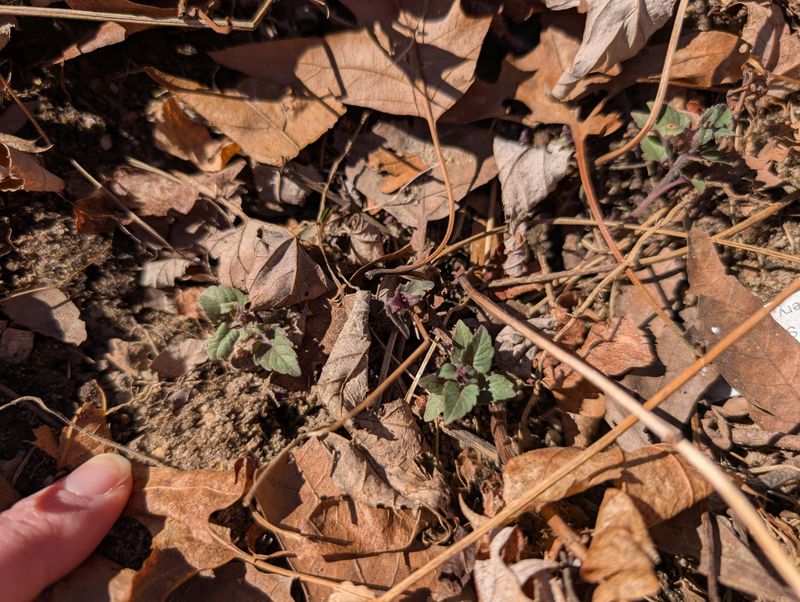
There is something cozy about a thick pile of fallen leaves under a big tree, but ticks absolutely love it. Leaf litter holds moisture, stays cool even on warm days, and gives ticks a protected place to rest and lay low between hosts.
If you have been skipping the raking, you could be building a tick hotel right in your own yard.
Fallen leaves under trees and shrubs are one of the most overlooked tick habitats. The problem gets worse in the wetter months when rain keeps the leaf piles damp for days at a time.
Ticks in moist leaf beds can survive much longer than they would out in the open, which means populations can build up quickly if nothing is done.
Your Oregon Garden Changes Every Week. Your Plan Should Too.
Gardening in Oregon changes quickly throughout the season. Every Friday you’ll receive a simple weekly plan showing exactly what to plant, prune, fertilize, harvest, and protect so you never miss the right timing.
Raking and removing leaf litter regularly, especially in shaded areas, makes a big difference. You do not have to keep a perfectly manicured yard, but clearing out thick buildups under trees, along fence lines, and near shrubs really helps.
Composting leaves away from the main yard or bagging them for removal are both good options. If you like using mulch in garden beds, keep it thin and dry rather than thick and soggy.
Staying on top of leaf cleanup throughout fall and even into early spring can seriously cut down on tick numbers before the season even gets started.
3. Allowing Brush To Build Up Along Yard Edges
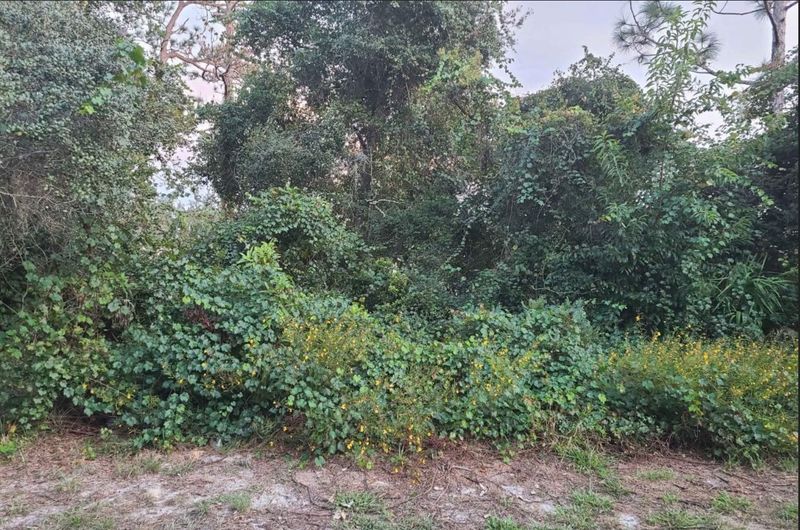
That wild, bushy border along the edge of your yard might look like a natural privacy screen, but it is one of the top spots where ticks set up camp.
Brush piles, overgrown weeds, and tangled vegetation create exactly the kind of shaded, humid environment that ticks prefer.
And since most people walk right along yard edges when moving between the lawn and a garden or path, the chances of picking up a tick there are pretty high.
Brush accumulates fast, especially during the growing season when plants are taking off. Before you know it, that small overgrown patch becomes a thick wall of vegetation that is nearly impossible to walk through without brushing against it.
Each brush contact is an opportunity for a tick to transfer to your clothing or skin.
Trimming back brush and clearing out dense growth along yard edges is one of the most effective things you can do to lower tick exposure. Try to create a clean, open transition between your lawn and any wooded or wild areas nearby.
Remove branches, cut back overgrown shrubs, and pull weeds regularly. If there are areas where vegetation is especially thick, consider cutting it back further than usual this year.
Keeping those edges neat and open reduces the tick-friendly microhabitat and makes your whole yard a safer place to spend time outdoors.
4. Keeping Wood Piles Too Close To The House
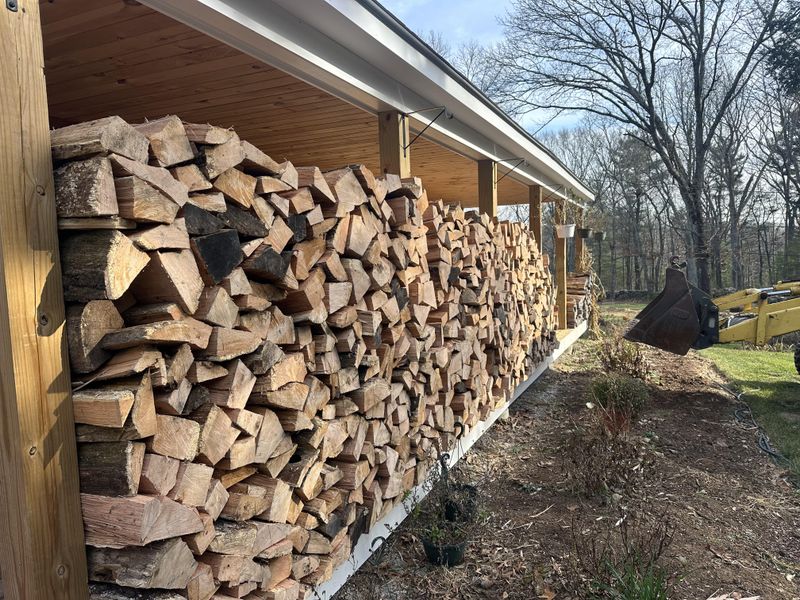
Firewood is a staple in many homes across the state, especially heading into the cooler months. But where you store that wood matters a lot more than most people realize.
Wood piles stacked close to the house create a dark, moist, and sheltered space that ticks find very appealing. On top of that, the same piles often attract mice and other small rodents, which are one of the main carriers of tick-borne diseases.
The combination of ticks and rodents in a wood pile right next to your home is a situation worth avoiding.
Rodents nest inside wood piles, ticks feed on those rodents, and then those ticks end up close to your entryways, patio, or any outdoor space where your family spends time.
It is a pretty direct path from wildlife to your backyard.
Moving your wood pile at least 20 feet away from the house is a simple fix that can make a real impact. Store it off the ground on a rack if possible, which helps it stay drier and makes it less attractive to both ticks and rodents.
Keep the area around the wood pile clear of tall grass and debris. Stack wood neatly so there are fewer hidden gaps where animals can nest.
Taking care of how and where you store firewood is a small change that can significantly reduce tick pressure near your home this season.
5. Letting Rodents Nest Under Decks Or Sheds
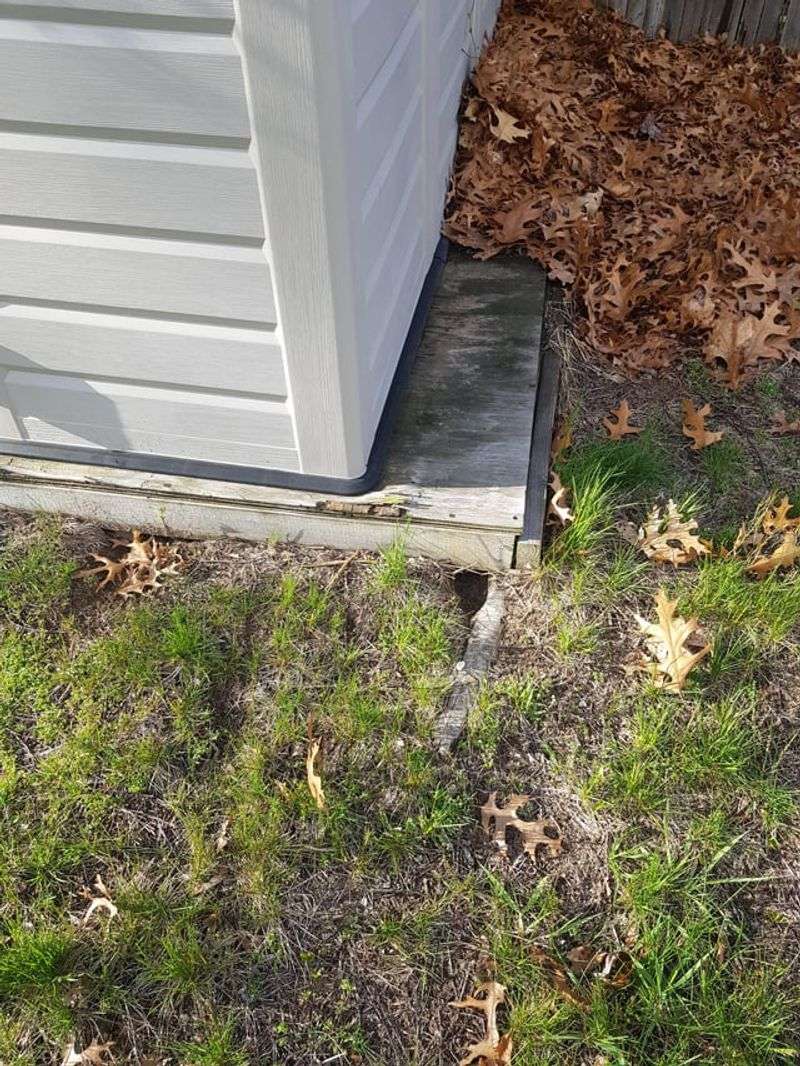
Mice and other small rodents are one of the biggest reasons tick populations grow so fast in residential yards. These animals are frequent hosts for ticks, especially in the early stages of the tick life cycle.
When rodents nest under decks, sheds, or other structures in your yard, they bring ticks right into the spaces where your family and pets spend the most time.
The problem is that most people do not even know rodents are living under their structures until there is already a significant infestation. Rodents are quiet, mostly nocturnal, and very good at staying out of sight.
But the signs are there if you look, like droppings, chewed materials, or small runways through the grass near the structure.
Sealing off the openings under decks and sheds with hardware cloth or other barriers is one of the best ways to stop rodents from nesting there. Clear out any debris, old leaves, or stored items that give rodents a place to hide and build nests.
Keeping the area around these structures mowed and tidy also helps reduce the appeal. If you already suspect rodents are present, address the issue before tick season peaks.
Reducing rodent activity in and around your yard has a direct effect on tick populations, making your outdoor spaces much safer for everyone who uses them throughout the warmer months.
6. Attracting Wildlife To The Yard
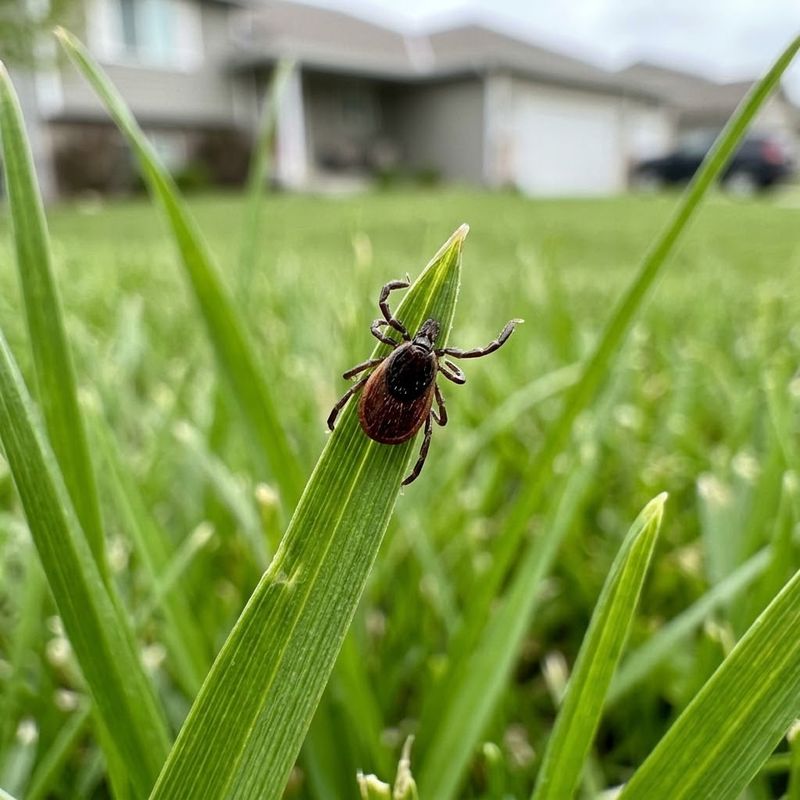
Deer feeders, bird baths, and open compost bins are lovely additions to a nature-friendly yard, but they can quietly fuel a tick problem at the same time. Deer are among the most well-known carriers of ticks, particularly adult black-legged ticks.
When deer wander through your yard regularly, they often leave ticks behind in the grass, shrubs, and soil, and those ticks do not go away on their own.
It is not just deer, though. Raccoons, opossums, foxes, and even stray cats can all carry ticks into your yard.
Bird feeders that attract squirrels and chipmunks also add to the issue, since these small animals are frequent tick hosts. The more wildlife you invite in, the more chances there are for ticks to hitch a ride into your space.
You do not have to give up enjoying nature to manage this risk. But being mindful about what you are attracting and where can help a lot.
Consider moving feeders away from areas where kids and pets play. Avoid leaving food scraps or unsecured trash that draws animals close to the house.
Planting deer-resistant plants along the yard perimeter can discourage frequent visits. If deer are a consistent issue in your area, temporary fencing during peak tick season is worth considering.
Small changes in how you interact with local wildlife can have a surprisingly large effect on tick activity in your yard.
7. Ignoring Shady Damp Areas Where Ticks Hide
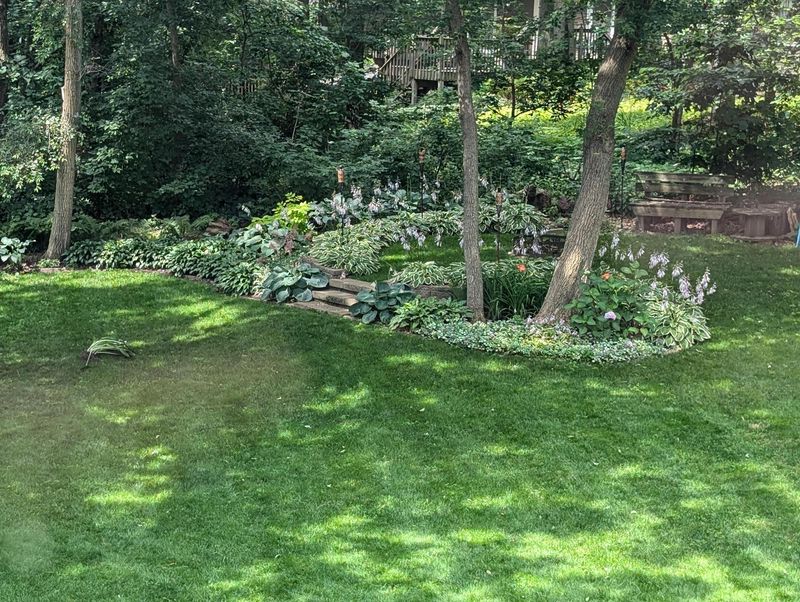
Not all parts of a yard get equal sunlight, and those shady, perpetually damp corners are prime real estate for ticks.
Areas near downspouts, under dense shrubs, along the north side of structures, and near garden beds that stay wet are all spots where ticks can thrive even during warmer, drier stretches of the season.
In a region known for its moisture, these kinds of microclimates are very common. Ticks do not do well in hot, dry, sunny conditions. They need humidity to stay hydrated and active.
That is why those forgotten shady patches in your yard are so important to address. Many homeowners walk right past these areas without thinking twice, but ticks can be waiting there in surprisingly high numbers.
Taking steps to improve drainage and sunlight exposure in problem areas can help a lot. Trim back overhanging branches to let more sunlight reach the ground.
Fix any drainage issues that cause standing water or consistently soggy soil near the house. Avoid heavy, moisture-retaining mulch in areas that already stay damp.
If a certain corner of the yard never fully dries out, consider whether it can be redesigned to improve airflow and sun exposure.
Regularly checking and treating these spots, rather than ignoring them, keeps tick populations from building up in the places you least expect. A little attention to these hidden corners goes a long way.
8. Skipping A Buffer Between Lawn And Woods
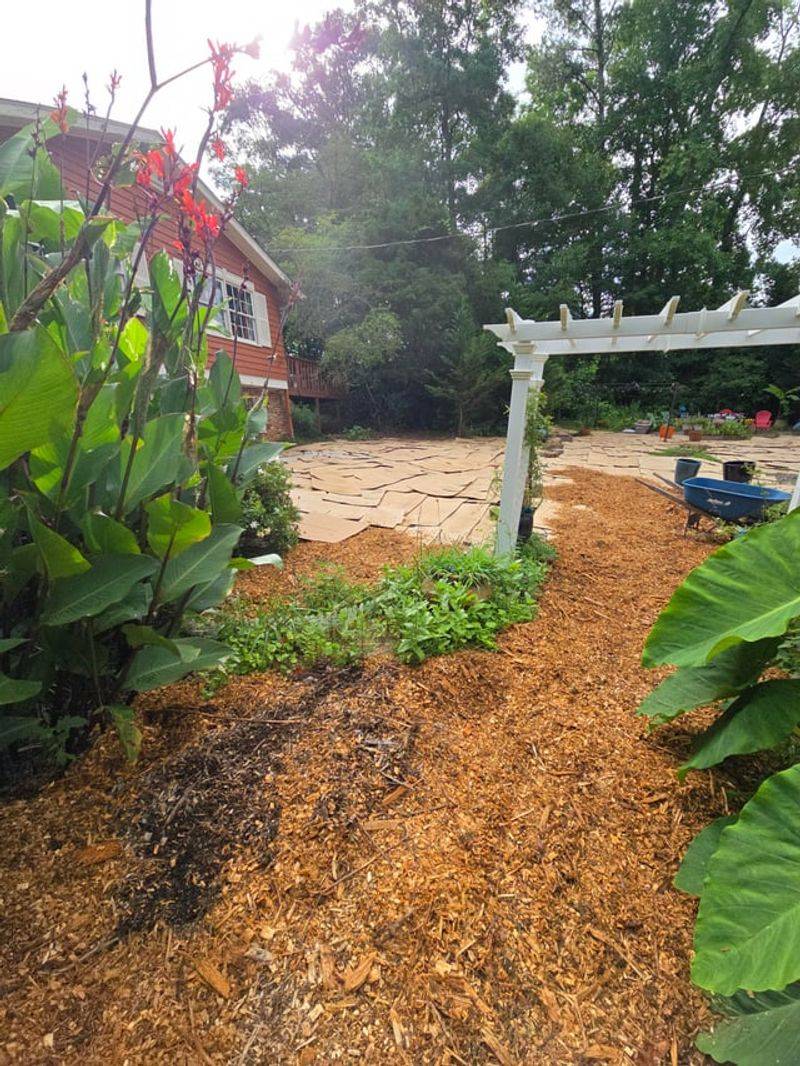
One of the most effective tick prevention strategies is also one of the most overlooked: creating a physical barrier between your lawn and any wooded areas nearby. Ticks do not travel far on their own.
They mostly move by hitching rides on animals that pass through both the woods and your yard. But having an open, direct connection between the two makes it very easy for ticks to migrate right onto your lawn.
A simple buffer zone made of wood chips, gravel, or mulch that is about three feet wide can act as a meaningful deterrent. Ticks avoid crossing dry, exposed surfaces because they lose moisture quickly.
That strip of material essentially creates a crossing point that ticks are reluctant to travel through, especially during dry weather.
Installing a buffer is a one-time project that pays off season after season. Mark out the edge where your lawn meets the tree line, clear any vegetation in that strip, and lay down a three-foot-wide path of wood chips or gravel.
Keep the buffer clear of leaves and debris so it stays dry and effective. Pair this with regular mowing close to the edge and trimming back any overhanging branches that shade the buffer.
Families with wooded backyards in our state can benefit enormously from this step. It is low maintenance, affordable, and genuinely makes a difference in how many ticks make it from the tree line into your yard each season.