The Shrubs California Homeowners Regret Planting Once Summer Arrives
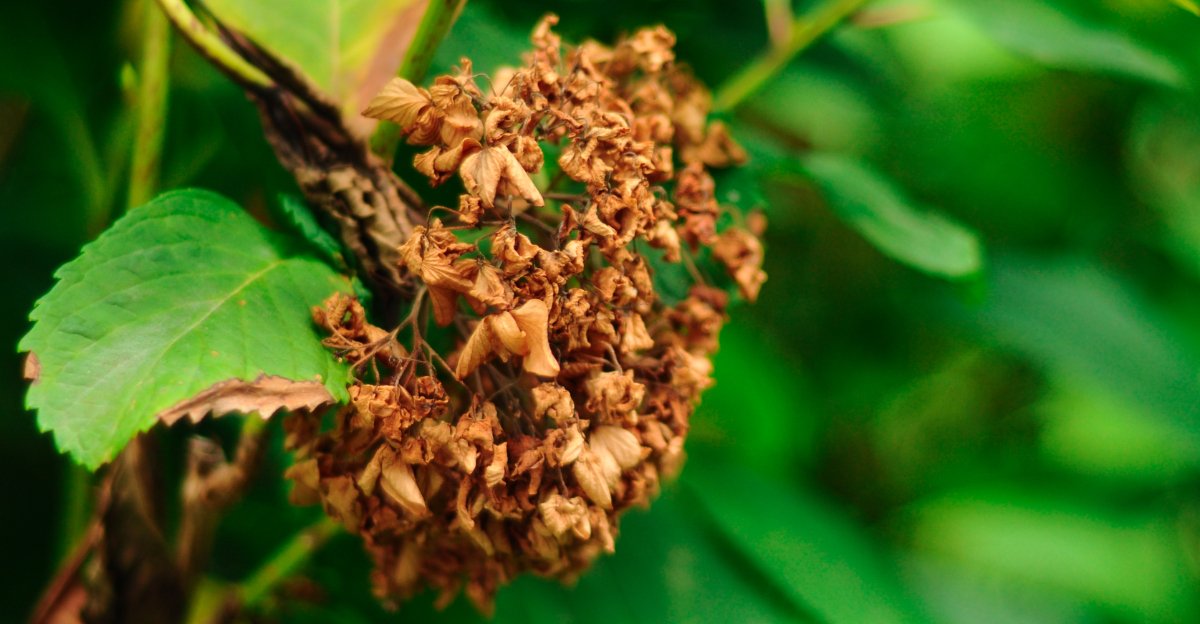
Some shrubs look perfect at the garden center, then summer shows up and changes the whole story. California heat can reveal every weak spot fast.
A plant that looked lush in spring may turn thirsty, messy, or far bigger than expected by July. That cute little shrub near the walkway might start grabbing ankles like it owns the place.
Others need constant trimming, drop piles of leaves, or struggle when dry weather settles in.
The tricky part is that many problem shrubs are sold as easy choices, so homeowners do not always see the trouble coming.
Once roots spread and branches fill the space, removing them becomes a much bigger chore.
Choosing the wrong shrub can mean more water, more pruning, and more regret than anyone planned. Summer has a way of exposing the plants that never really belonged in the yard.
1. Arborvitae Can Turn Crispy When California Heat Hits
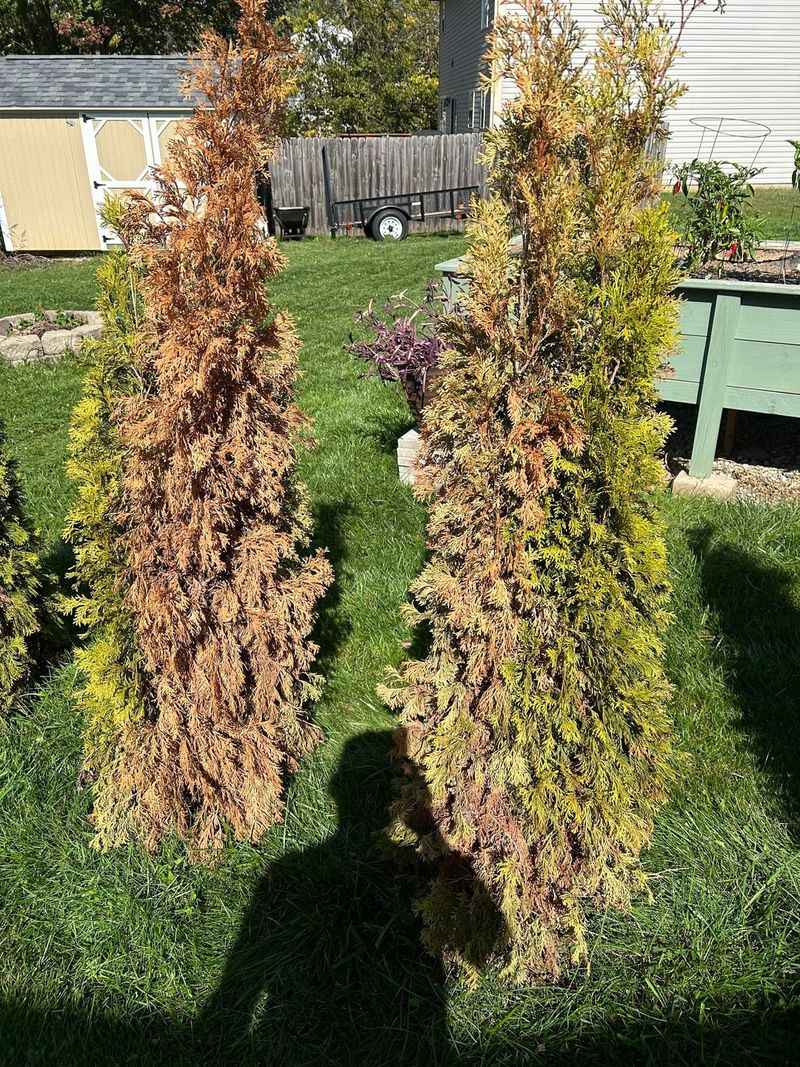
Few things sting more than watching a row of tall, green arborvitae slowly turn the color of rust in July. These evergreens look great in cooler, wetter climates, but our state’s dry summer heat is a different story entirely.
Arborvitae need consistent moisture, and without it, their foliage browns fast and does not bounce back.
Many homeowners plant them as privacy screens, which makes sense on paper. But in inland areas where summer temperatures regularly climb past 100 degrees, these shrubs struggle hard.
Once the browning starts, it spreads quickly and can affect large sections of the plant in just a few weeks.
Watering more often helps, but it also drives up your water bill at the worst possible time of year. Spider mites love stressed arborvitae, so pest problems tend to follow the heat stress.
If you live in a cooler coastal zone, arborvitae may do fine. But in hot, dry inland areas, you might want to choose a tougher native shrub instead.
Toyon or coffeeberry can give you that same privacy screen look without the summer drama.
2. Boxwood Is Not Always As Easy As It Looks
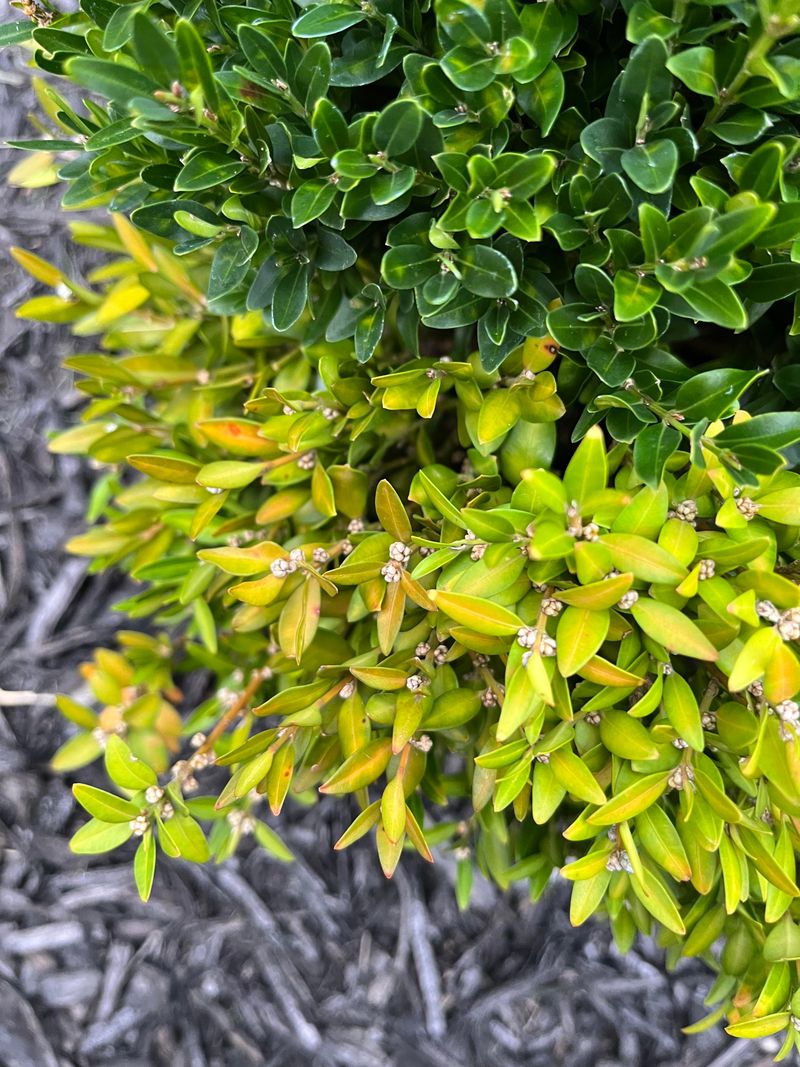
Boxwood has a reputation for being a reliable, low-maintenance shrub, and in the right climate, that reputation holds up well. But our state’s hot summers and dry air create conditions that boxwood genuinely does not enjoy.
The heat can scorch the leaves, turning them from a rich green to a dull, papery yellow almost overnight.
Boxwood blight is also a growing concern in warmer regions. This fungal disease spreads quickly in humid conditions, but stressed boxwood in hot yards can still fall victim to it.
Once blight takes hold, it moves fast and can wipe out an entire hedge before you even realize what is happening.
Root rot from overwatering is another trap homeowners fall into. Trying to keep boxwood cool and hydrated during summer often means watering too much, which creates its own set of problems.
These shrubs also attract boxwood leafminers, a pest that causes leaves to look blistered and sad.
For a tidy, formal hedge look that actually holds up in the heat, consider dwarf coyote brush or a compact native manzanita instead. Both handle summer far better with much less fuss.
Your California Garden Changes Every Week. Your Plan Should Too.
Gardening in California changes quickly throughout the season. Every Friday you’ll receive a simple weekly plan showing exactly what to plant, prune, fertilize, harvest, and protect so you never miss the right timing.
3. Azaleas Can Sulk In Hot, Dry Yards
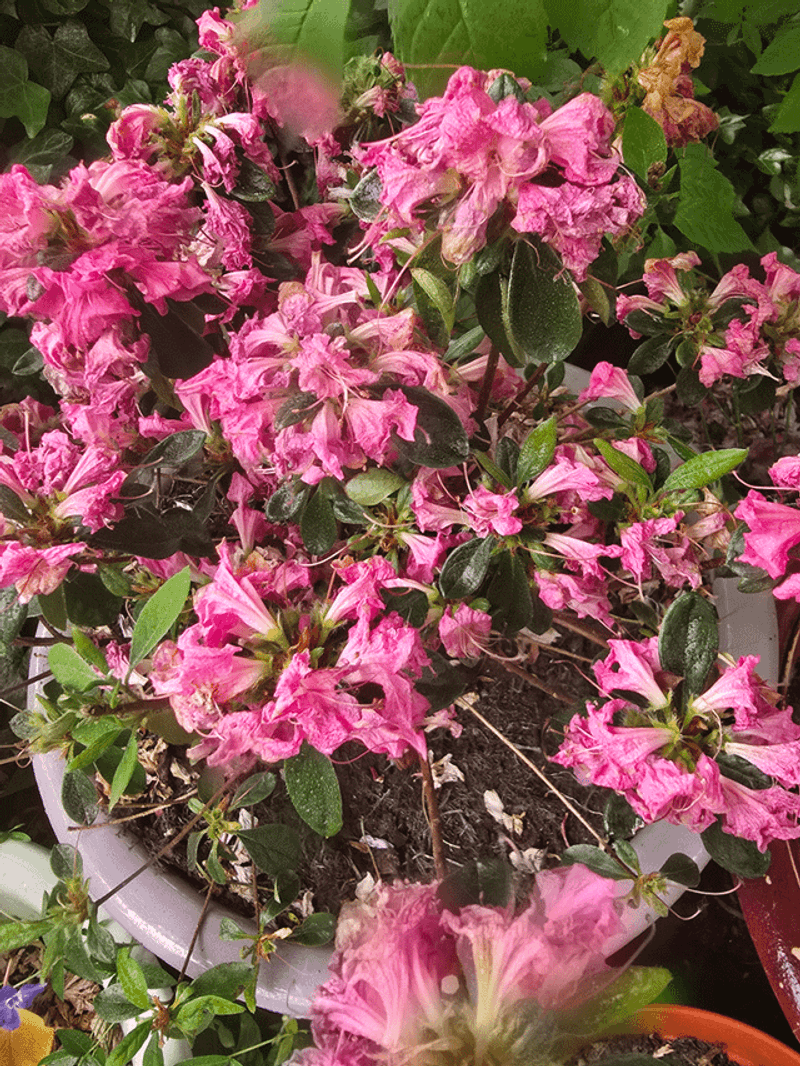
Azaleas are the kind of shrub that looks absolutely stunning for about three weeks in spring and then spends the rest of the year reminding you how unhappy it is. In cool, foggy coastal areas of this state, they can thrive.
But move them inland where summer heat is intense and dry, and they quickly start to sulk.
Heat stress causes azalea leaves to curl inward, turn brown at the edges, and drop prematurely. The soil in many parts of our state is also alkaline, which is the opposite of what azaleas prefer.
They want acidic, moist, well-draining soil, and getting that balance right in a hot yard takes real effort and ongoing maintenance.
Lace bugs are another problem that shows up when azaleas are stressed by heat and dry conditions. These tiny pests cause a silvery, stippled look on the leaves that makes the plant look even more miserable.
Homeowners often spend money on amendments, acidifiers, and pest sprays just to keep azaleas looking decent.
For a low-fuss flowering shrub that handles heat with confidence, salvia or rockrose are excellent choices that look gorgeous all summer long with very little effort.
4. Hydrangeas May Need More Water Than You Planned
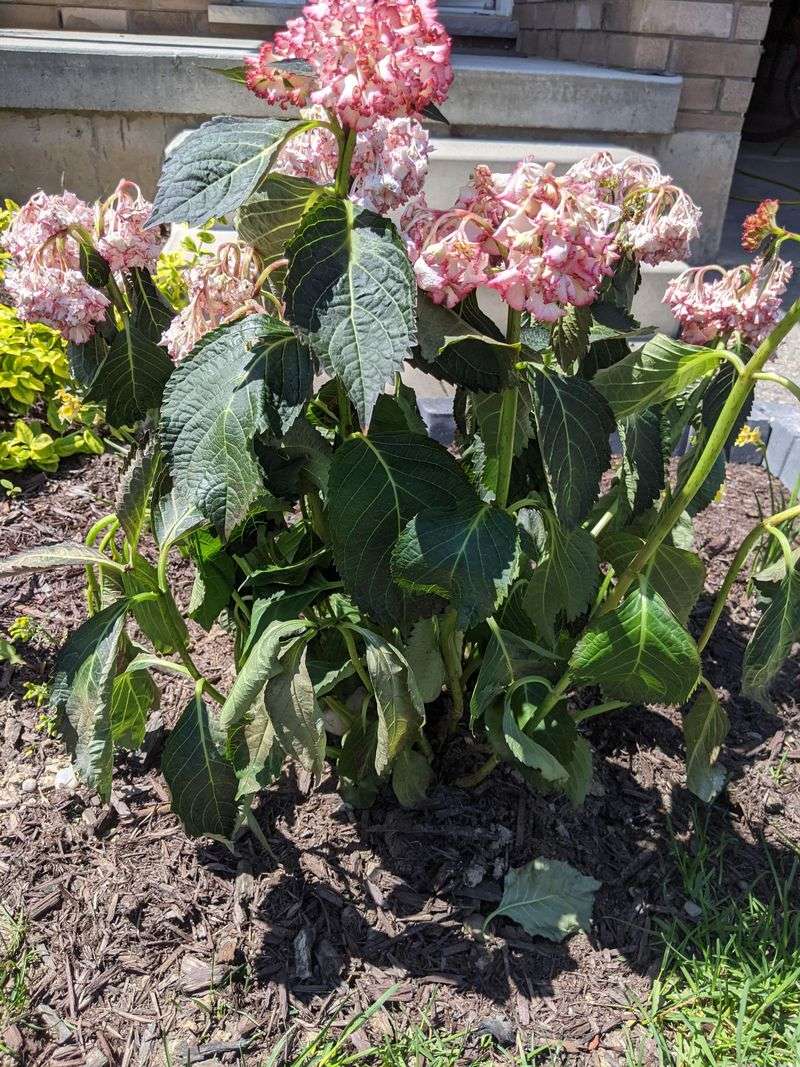
There is something undeniably beautiful about a hydrangea in full bloom. Those big, fluffy flower heads in shades of blue, pink, and white make any yard look like a magazine photo.
But come summer in this state, that beauty comes with a serious price tag in water usage.
Hydrangeas are thirsty plants. During hot spells, they may need watering every single day just to keep from wilting.
Even with daily watering, afternoon sun can still cause the blooms to droop dramatically. Many homeowners describe the experience as babysitting a plant that never quite grows up.
The water demand alone makes hydrangeas a tough fit for areas under drought restrictions.
In regions where water use is monitored or limited, keeping hydrangeas alive through summer can actually become a stressful task.
They also need afternoon shade to avoid leaf scorch, which means you have to plan your yard layout carefully around them.
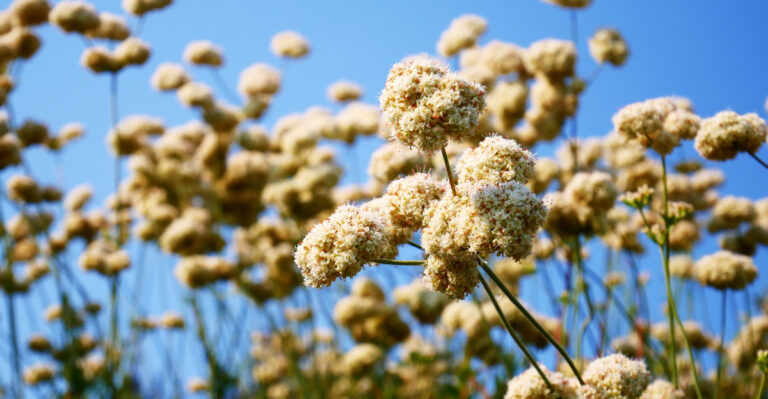
If you love big, showy blooms but want something tougher, native buckwheat or ceanothus offers a more water-wise alternative.
Both bloom beautifully and thrive in summer without constant attention from you.
5. Camellias Hate The Wrong Kind Of Summer Sun
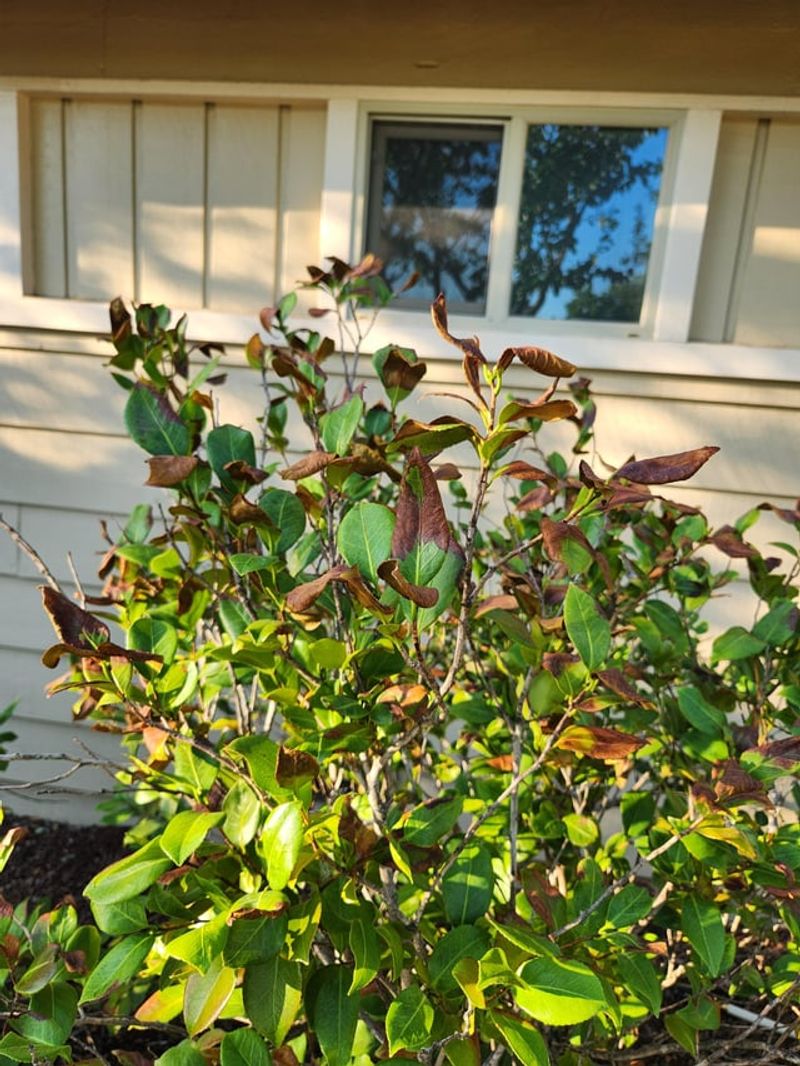
Camellias are beloved for their elegant blooms and glossy green leaves. They feel like a touch of luxury in any garden.
But plant one in the wrong spot in this state, and you will spend all summer watching it suffer in ways that feel almost personal.
Direct afternoon sun is a camellia’s worst enemy during summer. The leaves scorch easily, turning brown and crispy at the edges.
Flower buds that formed in spring may drop before they even open if the plant gets too hot and dry. It is a frustrating experience for any homeowner who planted one expecting low-maintenance beauty.
Camellias also need acidic soil, consistent moisture, and good drainage all at once. That combination is harder to achieve in hot, dry inland areas than most people expect.
Root rot can develop quickly if you overwater in an attempt to keep the plant cool. Chlorosis, a yellowing of the leaves caused by iron deficiency in alkaline soil, is another common complaint.
Camellias do best in dappled shade with morning sun only. If your yard does not offer that, you may be better off choosing a more adaptable flowering shrub that suits your specific conditions without constant intervention.
6. Privet Can Become A Maintenance Headache
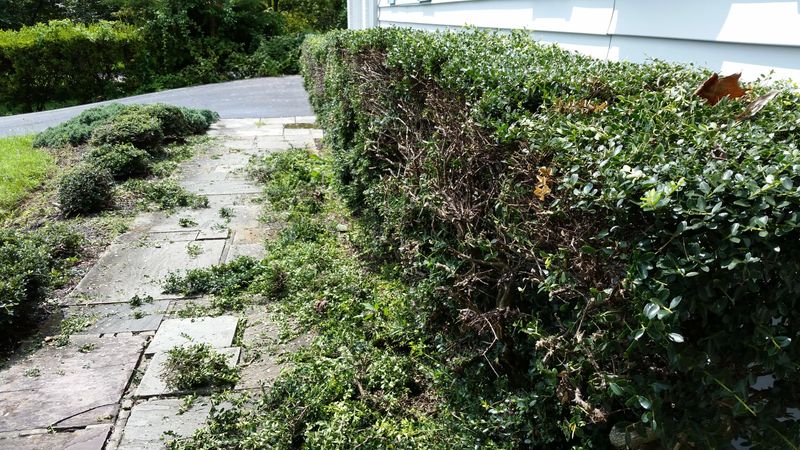
Privet is one of those shrubs that sounds like a great idea at first. It grows fast, fills in quickly, and gives you a dense privacy hedge without much waiting.
But that fast growth is exactly what makes it such a handful once summer kicks in and the plant really hits its stride.
Privet can grow several feet in a single season under the right conditions. In warm parts of our state, it barely slows down.
Without regular trimming, a privet hedge can go from tidy to completely wild in just a few months. Many homeowners find themselves trimming it every three to four weeks just to keep it looking decent.
Beyond the maintenance burden, privet is also considered invasive in many parts of this state. Its berries are spread by birds, which means it can pop up in natural areas far from your yard.
Some species produce flowers with a strong smell that many people find unpleasant. Allergies are another concern, as privet pollen can trigger reactions in sensitive individuals.
If you want a fast-growing privacy screen that stays more manageable, consider native toyon or a clumping bamboo variety that gives you the same effect without the aggressive spreading habit.
7. Junipers Can Dry Out Into A Fire-Smart Problem
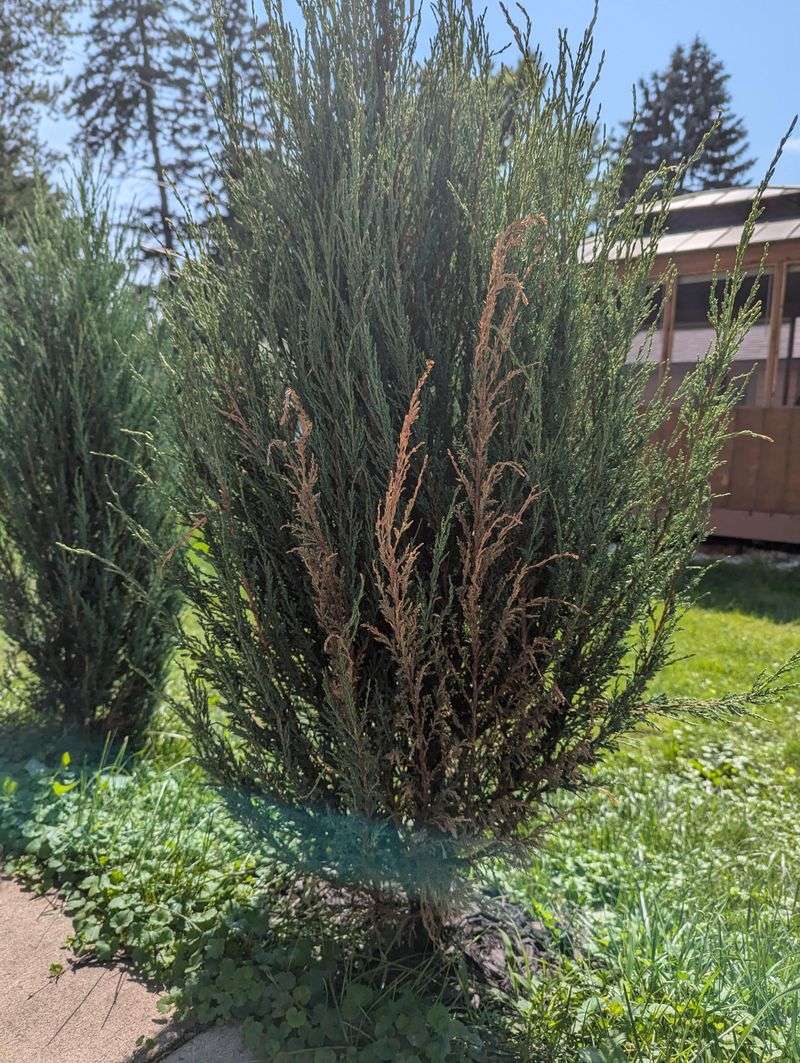
Junipers earned their reputation as tough, drought-tolerant plants, and in many ways they deserve it. They can handle dry conditions better than most shrubs.
But there is a catch that homeowners in fire-prone areas of this state are learning the hard way: dry junipers become extremely flammable.
By late summer, the older inner foliage of juniper shrubs tends to turn brown and dry out. This dead material builds up inside the plant over time and does not fall away on its own.
All that dry, resin-filled wood sitting close to your house or fence creates a real fire risk in areas where embers travel during wildfires.
Fire-smart landscaping guidelines from many local fire departments specifically list junipers as shrubs to avoid near structures. The oils in their foliage make them burn intensely once ignited.
On top of the fire concern, junipers can also attract spider mites and bark beetles when they are stressed by heat. Removing or replacing them is not always easy since they develop deep root systems over time.
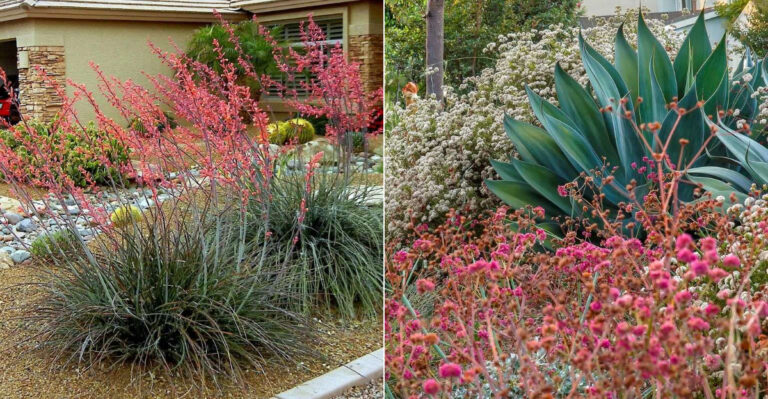
If you want a low-water shrub for a fire-wise landscape, consider planting native sages, succulents, or low-growing groundcovers that are both drought-tolerant and far less likely to carry a flame toward your home.
8. Nandina Isn’t As Harmless As It Looks
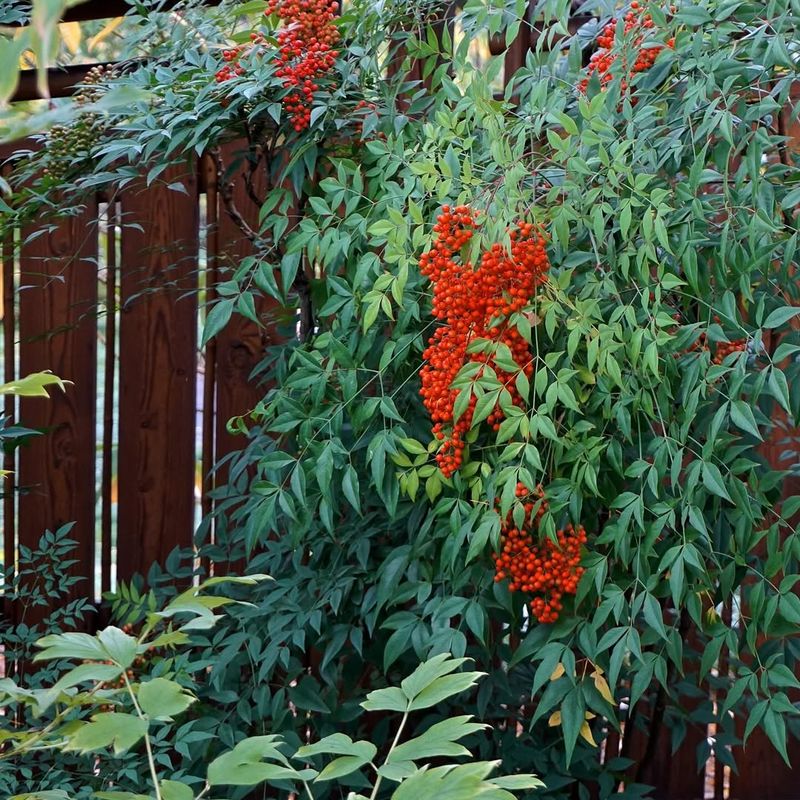
Nandina, sometimes called heavenly bamboo, has a look that many homeowners find hard to resist. The feathery leaves, the pop of red berries, and the easy-care reputation all make it seem like a perfect landscape choice.
But beneath that attractive exterior is a plant with some serious drawbacks worth knowing about.
Nandina is classified as invasive in several states, and for good reason. It spreads through bird-dispersed seeds and can establish itself in natural areas well beyond your yard.
In our state, it has been found growing in wildland areas where it crowds out native plants that local wildlife depends on for food and shelter.
The red berries also contain compounds that are toxic to birds, especially cedar waxwings, which eat the berries in large quantities.
This detail surprises many homeowners who assumed the plant was wildlife-friendly because birds visit it.
Nandina also tends to form dense thickets over time that are tough to remove once established. The root system is stubborn and regrows aggressively if not fully cleared.
If you love that soft, airy texture in the garden, try planting native deer grass or a compact fern species that offers a similar visual appeal without the ecological concerns attached to nandina.
9. Cherry Laurel Can Outgrow Its Welcome Fast
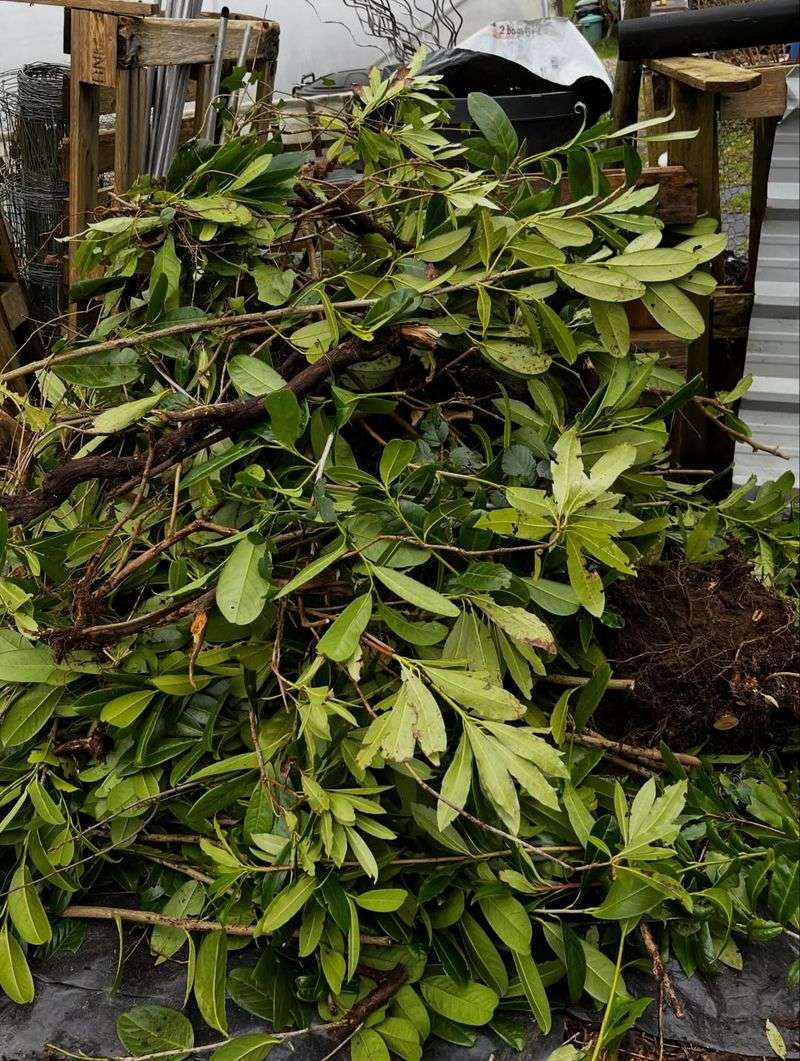
Cherry laurel is planted everywhere across suburban yards in this state, and it is easy to see why.
It grows fast, stays green year-round, handles shade well, and forms a thick privacy screen without much fuss.
For the first year or two, it feels like the perfect solution to every yard problem.
Then summer hits, and the reality of how fast this shrub actually grows becomes very clear. Cherry laurel can put on two to three feet of new growth in a single warm season.
Without regular pruning, it quickly swallows up pathways, crowds neighboring plants, and pushes against fences and structures. What started as a tidy hedge can become a sprawling wall of green in just a few seasons.
Beyond the size issue, cherry laurel leaves and seeds contain compounds that release a mild toxin when crushed, which is worth knowing if you have pets or small children playing nearby.
It is also considered moderately invasive in some areas, as birds spread its seeds into surrounding natural spaces.
Pruning it back hard is possible but needs to happen multiple times per year to stay on top of it.
For a low-maintenance evergreen screen, western redbud or native coffeeberry are smarter long-term choices that stay manageable and support local wildlife at the same time.