California Perennials You Should Divide Before May Ends And Those You Shouldn’t
Perennials can look easygoing, but timing still matters a lot in a California garden. By late May, some plants are ready for a little extra room, while others prefer to be left alone.
Divide the right ones now, and they can grow stronger before summer heat gets pushy. Divide the wrong ones, and they may sulk like you moved their favorite chair.
California’s warm soil and dry days can make this choice even more important. Some roots handle the change well before June arrives.
Others need a cooler season or a gentler window to bounce back. The tricky part is that many perennials do not make their needs obvious.
They just slow down, bloom less, or look crowded. A plant that seems tired may only need space.
Another may need patience instead. Knowing which ones to split before May ends can save stress, protect healthy roots, and help your garden stay full, colorful, and ready for sunshine.
1. Daylilies
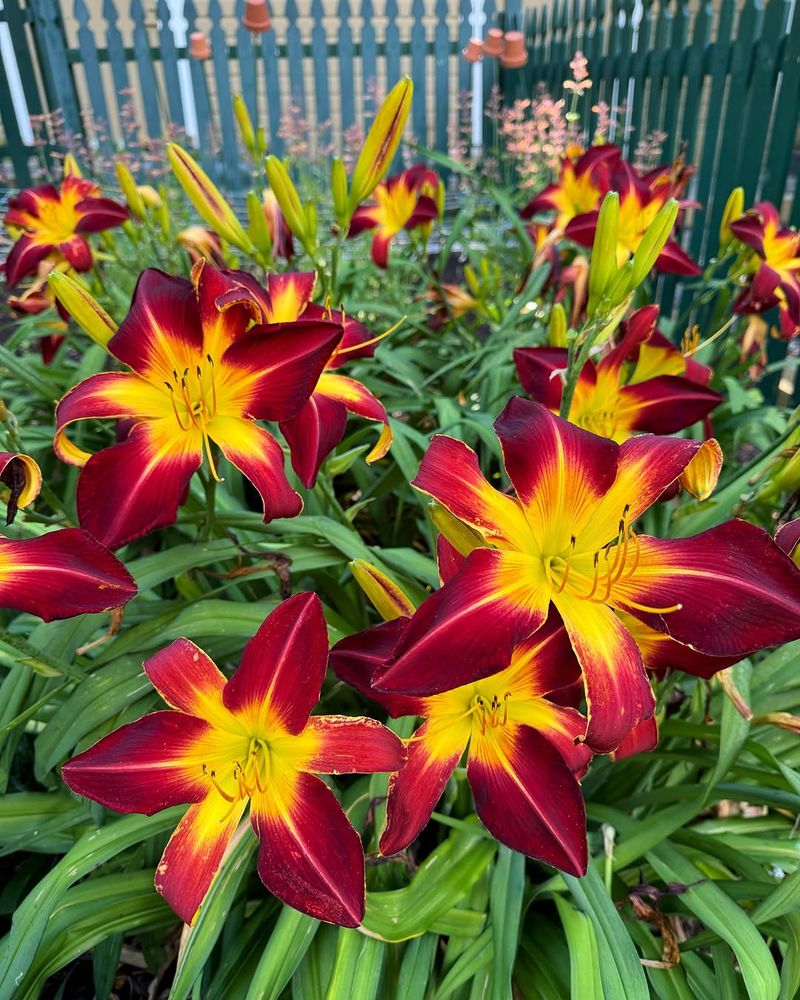
Few plants reward a gardener’s effort as quickly as daylilies do. When clumps get overcrowded, the blooms shrink and the center of the plant can look bare and worn out.
Dividing them before May ends gives the roots time to settle in before summer heat kicks in.
To divide daylilies, dig up the entire clump and gently pull or cut the fans apart. Each division should have several leaves and a healthy root system attached.
Replant them at the same depth they were growing before, and water them in well right away.
In our state, daylilies can take off fast once they’re in the ground. They’re tough, adaptable plants that handle a wide range of soil types.
Just make sure they get at least six hours of sun each day. Dividing now means you’ll likely still get blooms this summer, which makes the work feel totally worth it.
You can share extras with neighbors or fill in bare spots around your yard with the divisions you don’t need. A fresh layer of mulch can help keep the soil cooler as temperatures rise.
Trim back any damaged leaves after planting so the divisions put energy into new growth. Keep the soil lightly moist for the first couple of weeks, then ease back once the plants look settled.
2. Agapanthus
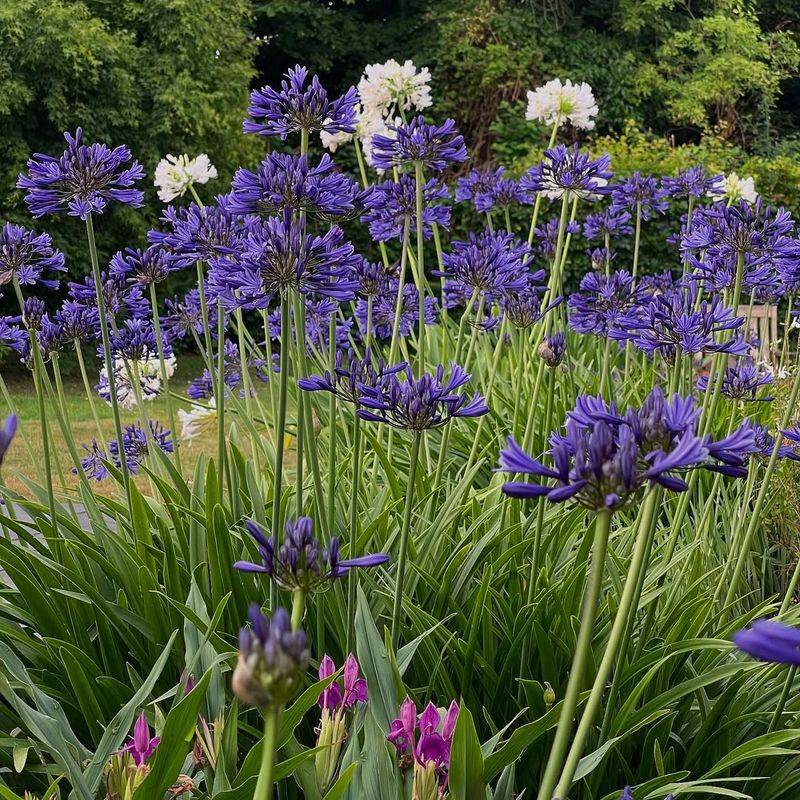
Agapanthus is one of those plants that looks stunning when it’s happy and completely stubborn when it’s not. Crowded clumps tend to produce fewer of those beautiful blue or white flower stalks over time.
Dividing them in late spring, before the end of May, gives them a fresh start and more room to perform.
Use a sharp spade to cut through the dense root mass. Each division should include several leaves and a good chunk of roots.
Agapanthus roots are thick and fleshy, so don’t be afraid to use a bit of force when separating them.
One thing to keep in mind: agapanthus actually blooms better when it’s slightly crowded. So don’t break clumps into pieces that are too small.
Your California Garden Changes Every Week. Your Plan Should Too.
Gardening in California changes quickly throughout the season. Every Friday you’ll receive a simple weekly plan showing exactly what to plant, prune, fertilize, harvest, and protect so you never miss the right timing.
Aim for divisions that are about the size of a large grapefruit or bigger. In our state, these plants are practically everywhere, lining driveways and front walkways.
They’re drought-tolerant once established, which makes them a smart choice for water-wise gardens.
Replant divisions in full sun or light shade, water regularly at first, and watch them bounce back with vigor.
Add mulch around the base to hold moisture while the roots settle. Avoid piling it against the crown, since that can invite problems.
If blooms are light the first season, do not panic. Agapanthus often needs time to settle before putting on its best show again.
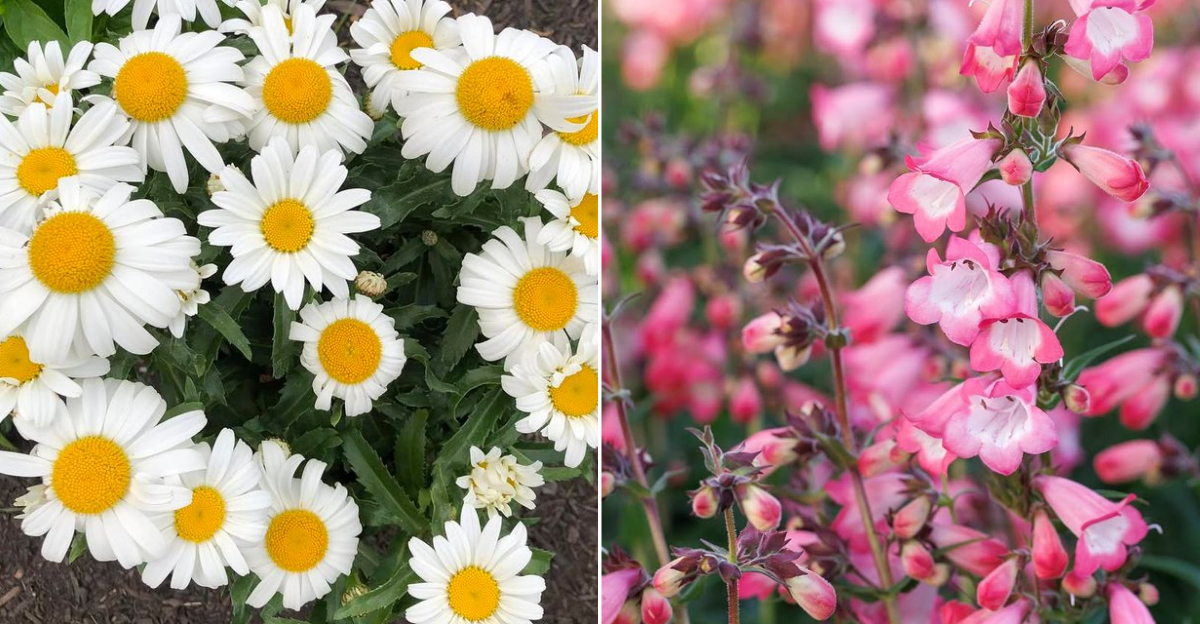
3. Shasta Daisies
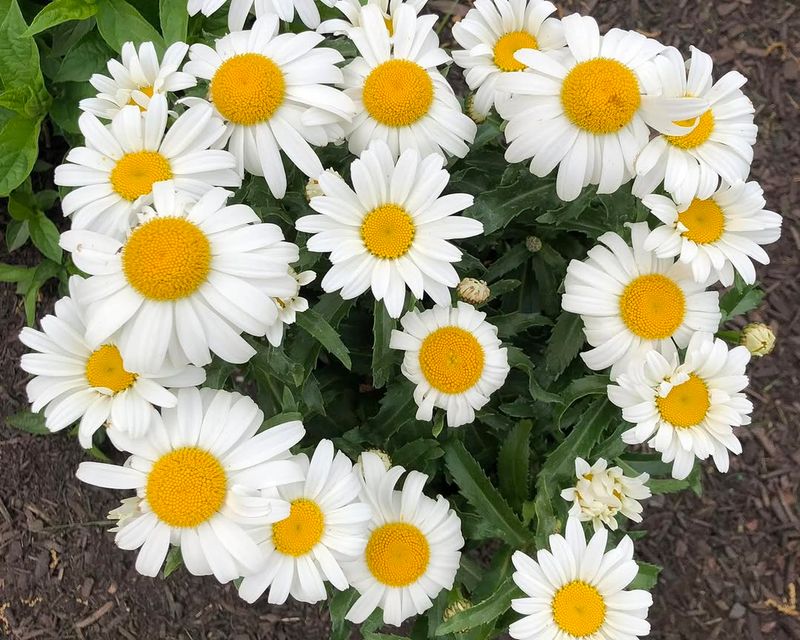
There’s something cheerful and classic about a big patch of Shasta daisies. They look like something out of a storybook garden.
But over time, the center of the clump can get woody and stop producing flowers, which is a clear sign it’s time to divide.
Spring is the perfect window for this job. Dig up the clump and break it apart into smaller sections, tossing out the dead or woody center pieces.
Keep the younger, outer growth, which tends to be the most vigorous and bloom-ready.
In our state’s mild spring climate, Shasta daisies recover quickly after division. They’re not fussy about soil as long as it drains well.
Plant your divisions in a sunny spot and keep them watered during the first few weeks. You’ll be amazed at how fast they fill back in.
One fun tip: if you have more divisions than space, Shasta daisies make wonderful additions to cut flower gardens. They last well in a vase and brighten up any room.
Dividing them every two to three years keeps the plants strong and the blooms coming in thick each season.
4. Yarrow
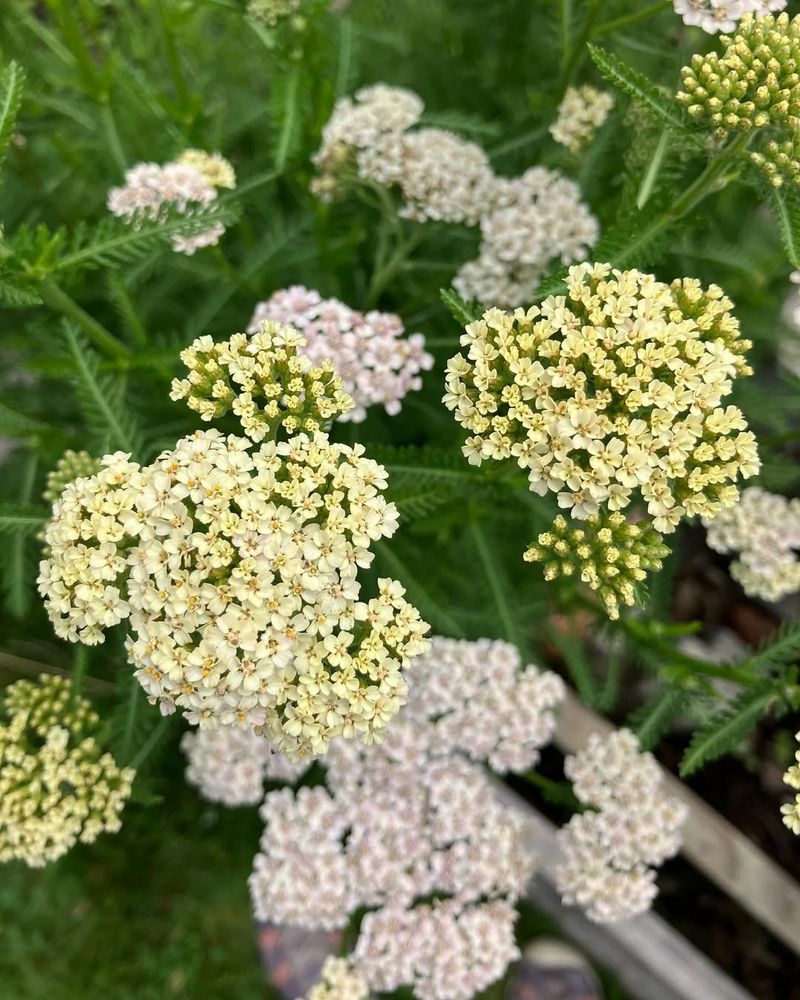
Yarrow spreads quickly, and before you know it, one small plant can take over a whole garden bed. That spreading habit is actually a good thing because it means you always have plenty to divide and share.
Splitting yarrow in spring, before the end of May, helps control its spread and keeps it blooming well.
Dig up the clump and pull it apart by hand or use a garden fork to loosen the roots. Yarrow has a fibrous root system that separates pretty easily.
Each division just needs a few stems and some roots to get going again in its new spot.
What makes yarrow such a great plant for our state is its love of heat and drought. Once established, it barely needs watering.
It also attracts pollinators like bees and butterflies, making your whole garden more productive. Plant divisions in full sun and avoid heavy clay soil if you can.
Yarrow does best in well-draining, even somewhat lean soil. Rich soil can actually make it flop over.
After dividing, you’ll notice new growth appearing within a couple of weeks, and the plant will look refreshed and ready for another season of colorful blooms.
5. Society Garlic
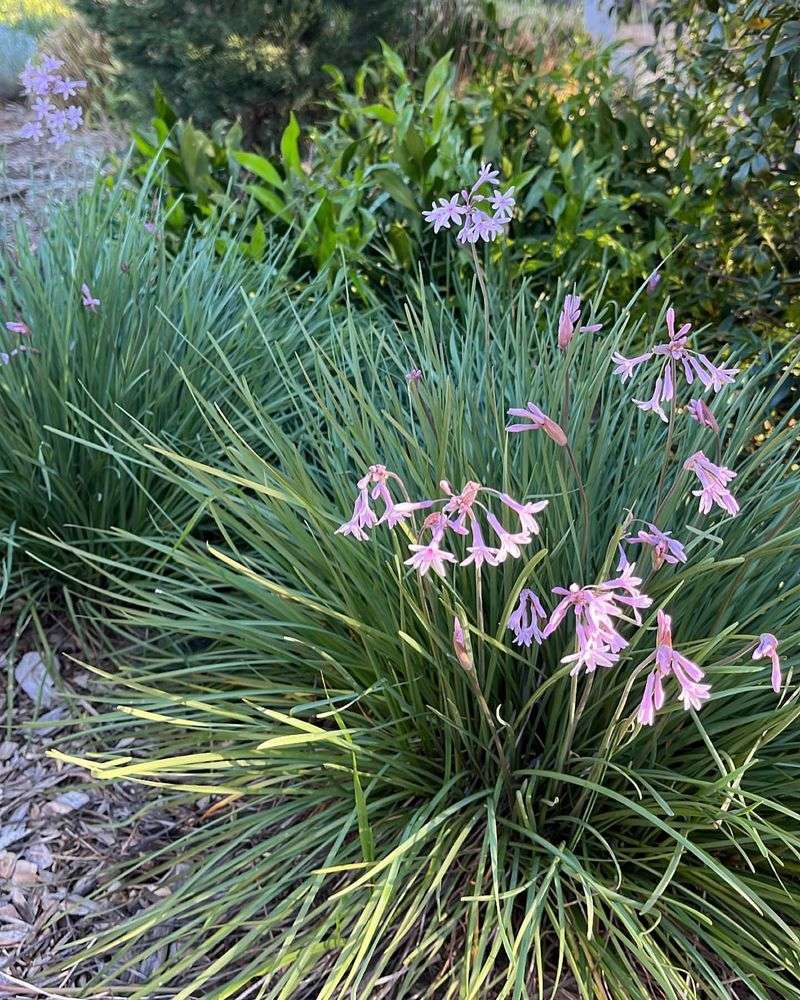
It might not be the most famous plant on this list, but it’s one of the hardest workers in any low-maintenance garden.
It produces pretty lavender-pink flowers, tolerates drought, and keeps pests away with its mild garlic scent.
When clumps get thick and overgrown, flowering slows down noticeably.
Before May ends is a great time to divide it. The plants are actively growing, and the soil is still workable before summer heat sets in.
Dig up the clump, separate the individual fans or small clusters, and replant them about a foot apart. Water them in well and they’ll settle in fast.
One of the best things about society garlic is how forgiving it is. Even if your divisions look a little rough after splitting, they tend to recover without much fuss.
This plant is native to southern Africa but has found a perfect home in our state’s warm, dry climate. It thrives in full sun and needs very little care once it’s established.
Use it along borders, in rock gardens, or as a low-growing ground cover. Dividing every few years keeps the clumps tidy and the flower display looking its best through summer and into fall.
6. Lavender
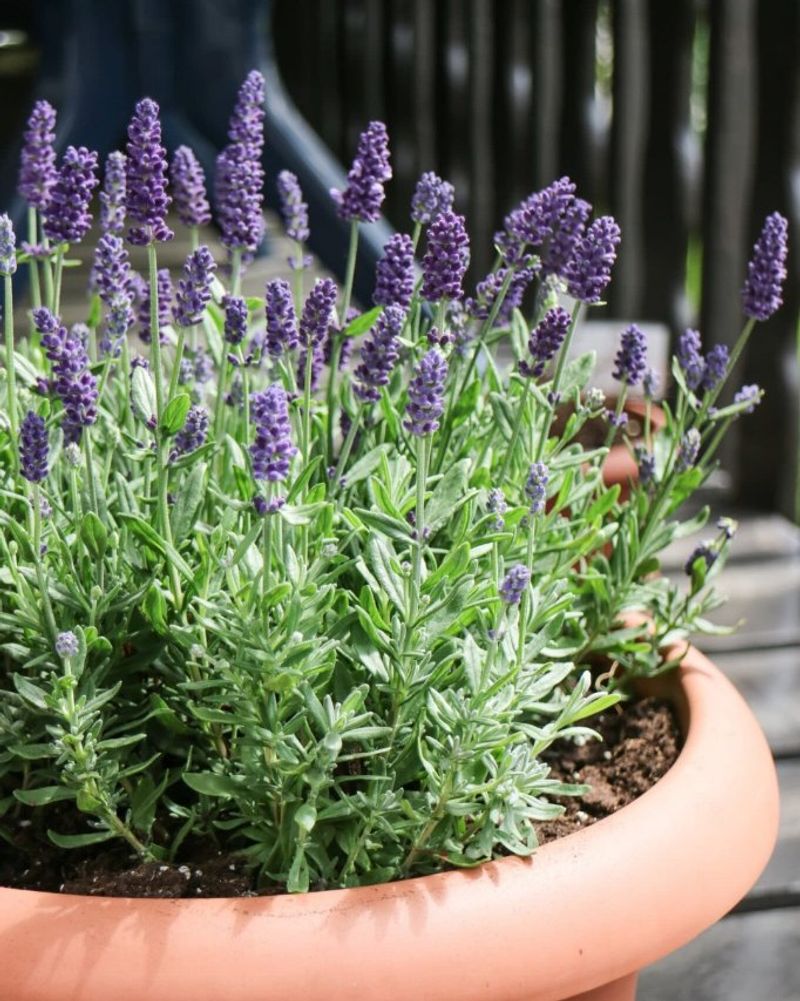
Lavender has a bit of a reputation for being easy, and in many ways it is. But dividing lavender is a different story.
Most gardeners don’t realize that lavender doesn’t divide well at all. It grows from a woody base, and cutting through that base usually stresses the plant severely, making it hard to recover.
Instead of dividing, lavender responds much better to pruning and propagation from cuttings.
If your plant is getting leggy or woody, a hard prune in early spring or after flowering is the better move.
Taking stem cuttings is also a reliable way to make new plants without risking the original.
In our state, lavender is beloved for its fragrance, drought tolerance, and ability to thrive in hot, sunny spots. But if you split the root ball and try to replant the pieces, you’re likely to lose them.
The roots don’t regenerate well from division. If your lavender is looking old and tired, the best advice is to replace it with a new plant or grow fresh ones from cuttings.
This is one plant to leave alone in spring and handle with a different strategy altogether for the best long-term results.
7. Rosemary
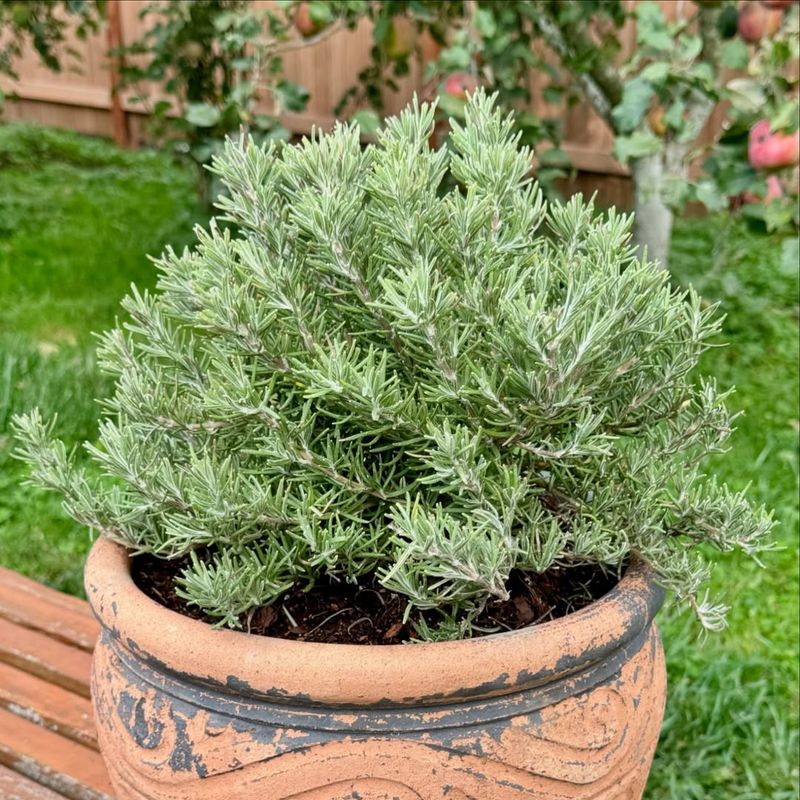
Rosemary is a garden staple across our state, and it’s easy to see why. It’s aromatic, useful in the kitchen, drought-tolerant, and beautiful when it blooms.
But when it comes to dividing, rosemary is firmly in the “don’t” category. It’s a woody shrub at heart, and its roots don’t respond well to being split apart.
Trying to divide rosemary can leave you with stressed, struggling plants that take a very long time to recover, if they recover at all.
The woody stems and deep roots aren’t designed to be separated the way a clumping perennial like a daylily is.
A better approach is to propagate from cuttings taken in late spring or early summer.
Stem cuttings root fairly easily in a light potting mix. Just strip the lower leaves, dip the cut end in rooting hormone, and stick it in moist soil.
Keep it shaded and moist for a few weeks, and you’ll have a new plant ready to grow on its own. If your rosemary bush is getting too large, prune it back rather than digging it up.
Regular trimming keeps it tidy and encourages fresh growth. Leave rosemary alone this spring and focus your dividing energy on plants that actually benefit from it.
8. Sage
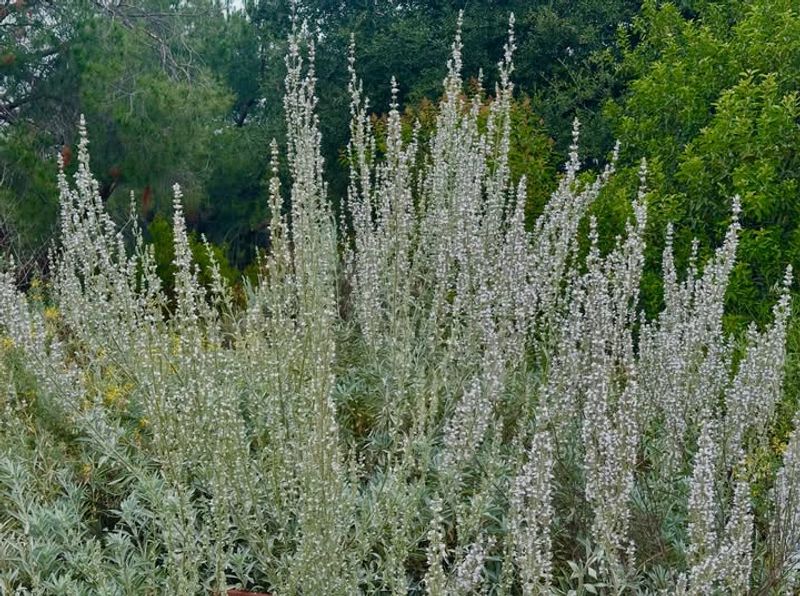
Ornamental sage, especially the native varieties common across our state, is a shrubby plant with deep roots and a woody base. Like lavender and rosemary, it does not divide well.
Trying to split the root ball can shock the plant and set it back significantly, sometimes by an entire growing season.
The good news is that sage is easy to propagate in other ways. Softwood cuttings taken in spring root quickly and give you healthy new plants without any risk to the original.
You can also try layering, which means bending a low branch to the ground, covering part of it with soil, and waiting for roots to form before cutting it free.
If your sage is looking overgrown or woody, a light pruning after flowering is the best way to rejuvenate it. Removing about one-third of the plant encourages fresh, bushy growth.
In our state, native sages like Cleveland sage and black sage are especially valued for their fragrance and their role in supporting native bees and hummingbirds.
These plants are built for our dry summers, and disturbing their roots during active growth can do more harm than good. Let sage do its thing this spring without the stress of division.
9. Penstemon
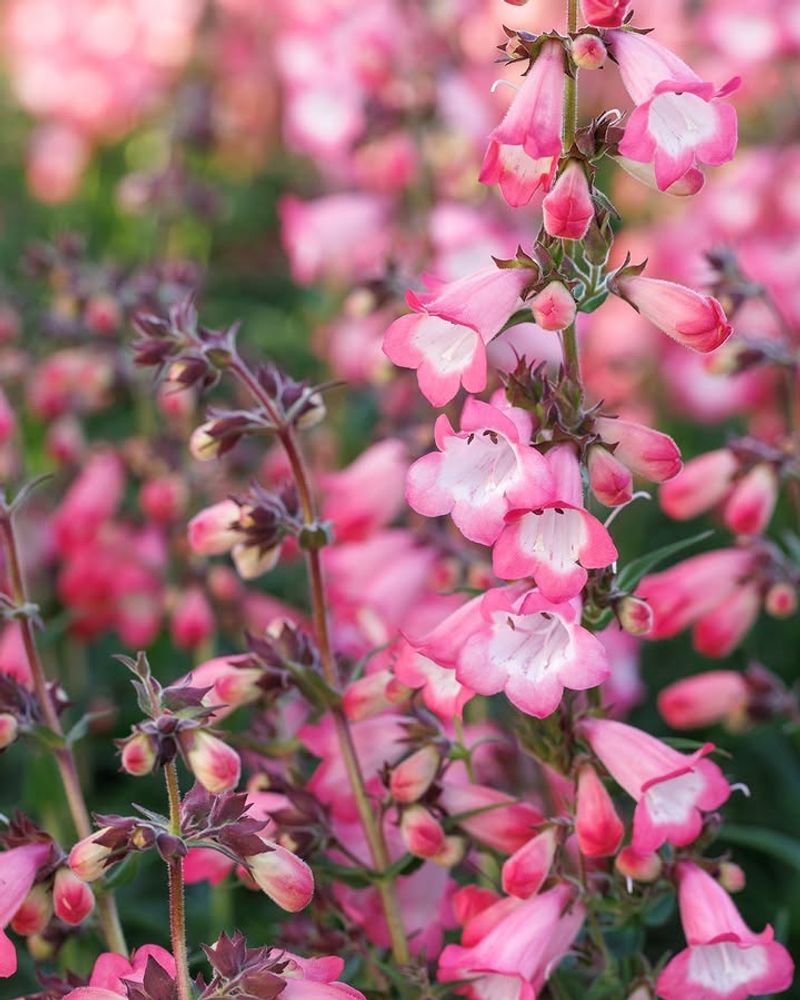
This is a showstopper in any garden, with tall spikes of tubular flowers that hummingbirds absolutely love. Many varieties are native to our state, and they’re well-suited to dry summers and rocky soils.
But penstemon is another plant that doesn’t take kindly to being divided in spring, or really at any time.
The root system of penstemon is not designed for division. The plants have a taproot-like structure that doesn’t separate into neat sections the way a clumping perennial does.
Attempting to divide them often results in plants that struggle to establish and may not survive the warm months ahead.
The best way to get more penstemons is through seed or cuttings. Seeds can be started indoors in late winter and transplanted outside after the last frost.
Stem cuttings taken in early summer also root well with a little attention. If your existing penstemon plants are looking crowded or tired, try cutting them back after they finish blooming rather than digging them up.
That light trim often encourages a fresh flush of growth and even a second round of flowers later in the season. Penstemon is a plant worth protecting, so skip the shovel this spring and let it bloom without interruption.