The Reason North Carolina Gardeners Are Planting Lemongrass By Their Patio This Year
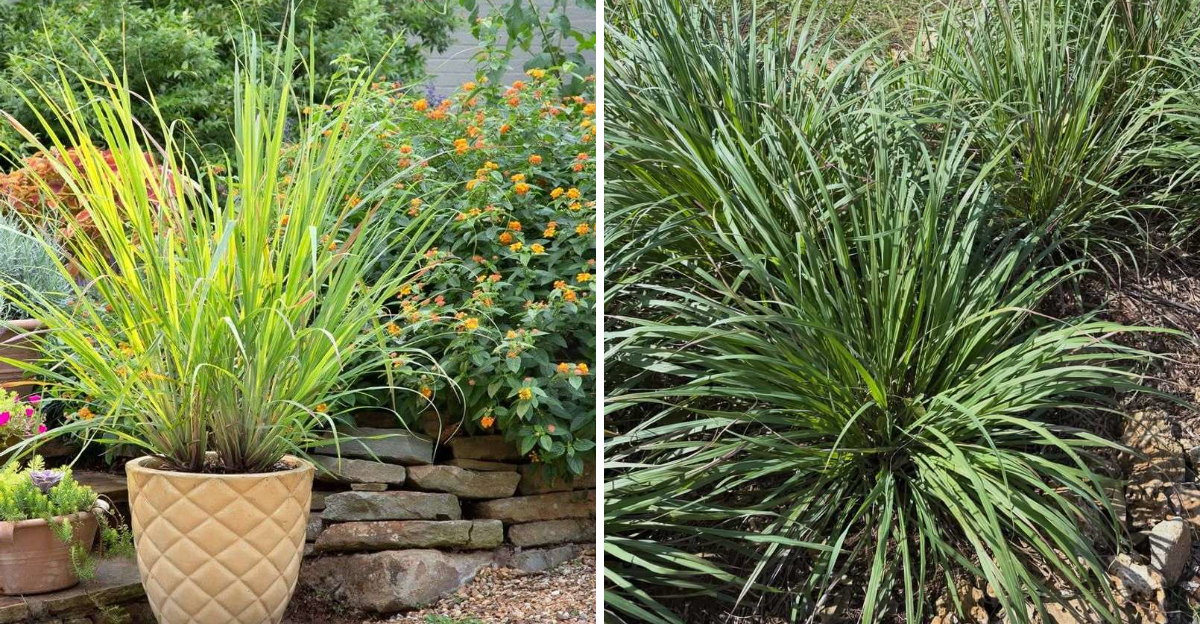
Lemongrass has been quietly moving from specialty herb gardens into mainstream North Carolina yards, and the reasons behind that shift go well beyond cooking.
North Carolina summers create ideal growing conditions for lemongrass, with heat and humidity that push it into the kind of full, dramatic clumps that make it genuinely useful as a landscape plant rather than just a culinary one.
It grows fast, looks bold next to a patio or deck, and produces a strong citrus scent that makes outdoor spaces noticeably more pleasant during the warm months.
Mosquitoes find that scent deeply unappealing, which has become one of the most talked about reasons gardeners across the state are adding it near their outdoor living areas.
Practical, attractive, and productive in one of the most gardener-friendly climates in the country, lemongrass has earned the attention it is getting this season.
1. Lemongrass Makes Patios Feel Fresher Because Its Citrus Scent Helps Discourage Mosquitoes Nearby
Few things ruin a patio evening faster than mosquitoes buzzing around your face. That is exactly why so many North Carolina gardeners are reaching for lemongrass this season.
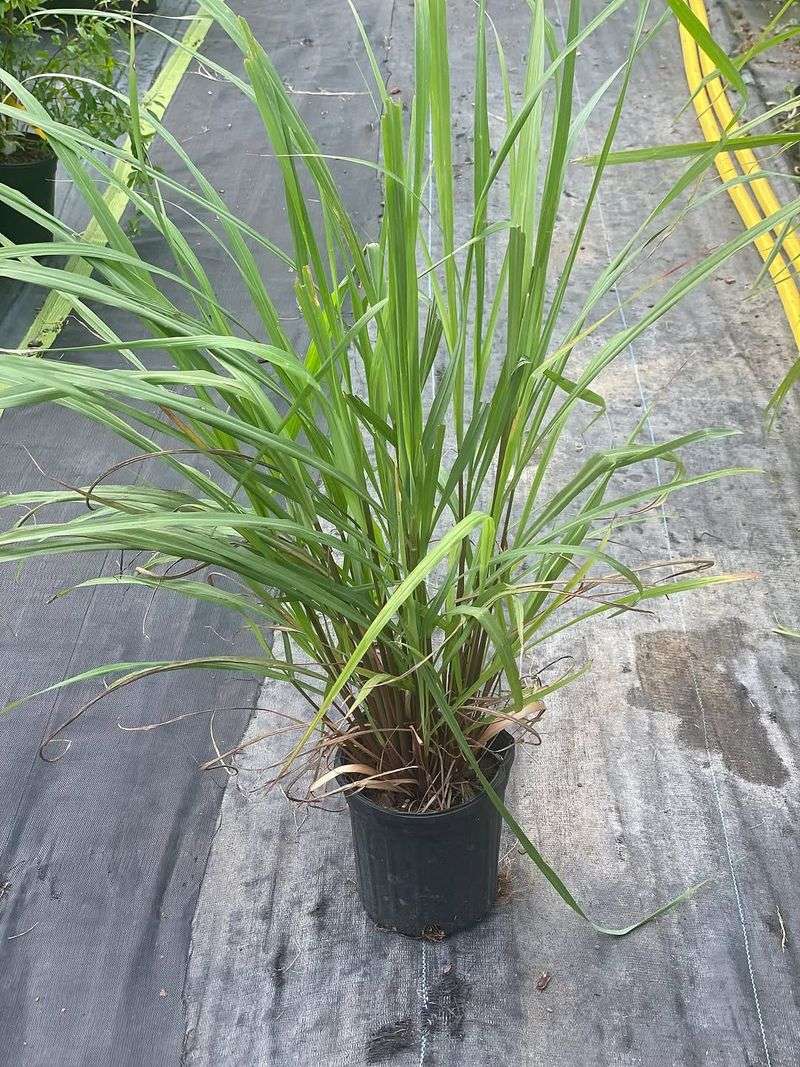
Known botanically as Cymbopogon citratus, this tropical grass produces a strong, lemony aroma that many people find incredibly refreshing outdoors.
The scent comes from a natural oil called citronella, which is found in the plant’s leaves and stalks. When you brush or gently crush the leaves, that fragrance releases into the air around your seating area, and mosquitoes tend to find it unpleasant.
Placing a few containers close to chairs and tables can help create a more comfortable outdoor zone during those warm Carolina evenings.
It is worth being realistic, though. Lemongrass works best as one part of a broader patio strategy rather than a standalone fix.
Removing standing water from saucers, pots, and low spots in the yard removes mosquito breeding spots. Improving airflow around seating areas with fans or open spacing also helps.
Keeping the area tidy and free of dense, damp vegetation reduces hiding spots. When lemongrass is combined with these simple habits, your patio can feel noticeably more enjoyable from late spring straight through the end of summer.
2. North Carolina Heat Helps Lemongrass Grow Fast In Containers
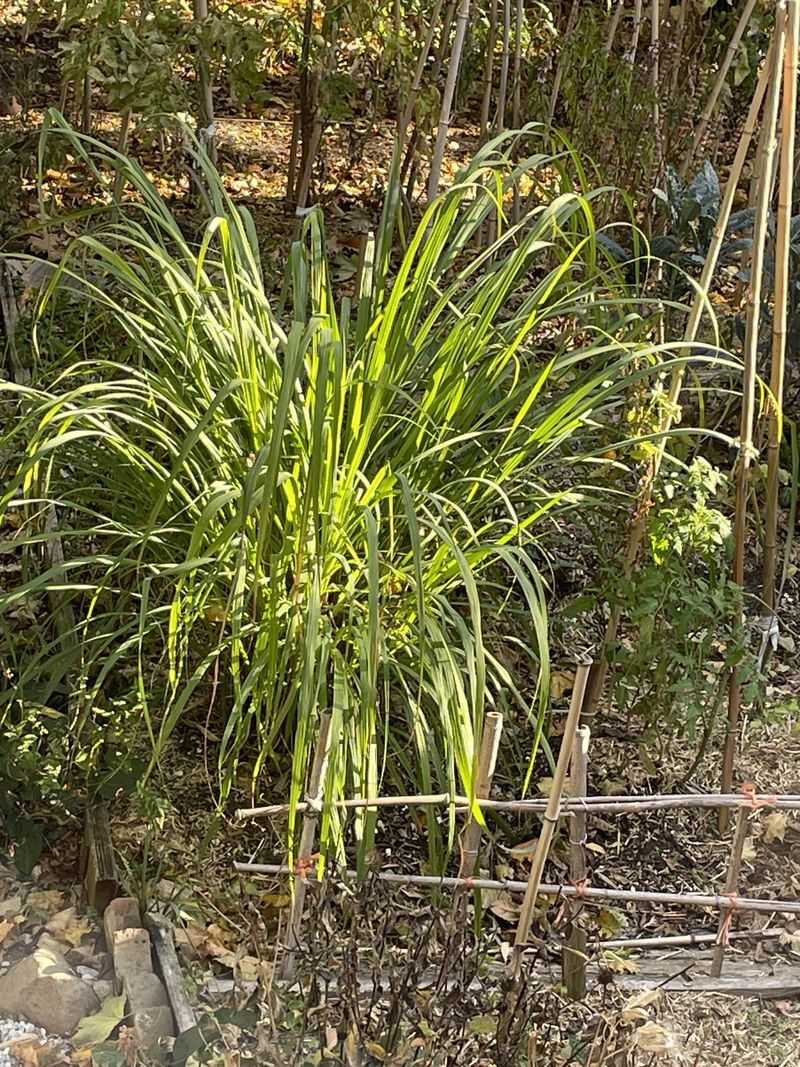
Something magical happens when you set a lemongrass container out in a North Carolina summer. The heat kicks this plant into high gear almost immediately.
Lemongrass is a true tropical grass, originally from warm regions of Asia, and it absolutely thrives in the kind of hot, humid summers that the Piedmont and coastal areas of North Carolina are famous for.
Most North Carolina gardeners grow lemongrass as a warm-season annual because the winters here are too cold for it to survive outdoors year-round. That actually works in your favor when growing it in containers.
Pots warm up faster than garden beds in spring, which means the roots get cozy sooner and growth kicks off earlier in the season.
A five-gallon container or larger gives the roots plenty of room to spread, and you can often see noticeable new growth within just a week or two of warm weather settling in.
Your North Carolina Garden Changes Every Week. Your Plan Should Too.
Gardening in North Carolina changes quickly throughout the season. Every Friday you’ll receive a simple weekly plan showing exactly what to plant, prune, fertilize, harvest, and protect so you never miss the right timing.
Container growing also gives you flexibility that in-ground planting does not. When temperatures start dropping in late fall, you can move the pot into a garage, sunroom, or bright indoor space to keep the plant going a little longer.
Some gardeners even overwinter their lemongrass indoors successfully and bring it back outside the following spring, getting a head start on the season without buying a new plant each year.
3. Lemongrass Needs Full Sun To Build Strong Fragrance

Sunlight is the secret ingredient behind lemongrass that actually smells amazing. Without enough of it, the plant grows thin, pale, and weak, and the fragrance you were counting on barely shows up.
Full sun means at least six to eight hours of direct sunlight per day, and lemongrass genuinely loves every single one of those hours.
North Carolina patios, decks, and porch steps that face south or west tend to offer the best light conditions for this plant. A spot that bakes in afternoon sun is actually ideal.
The more solar energy lemongrass absorbs, the more aromatic oils it produces in its leaves and stalks, which means a stronger, richer citrus scent drifting across your seating area throughout the day.
Placement matters more than most people expect. Grouping lemongrass containers with other sun-loving herbs like basil, rosemary, or Thai basil creates a fragrant corner that looks purposeful and works beautifully together.
Avoid tucking lemongrass into shaded corners or under roof overhangs where light is limited. If your patio gets partial shade, position the container so it captures as much open-sky sun as possible during the peak hours of late morning and early afternoon.
A well-lit lemongrass plant grows into a thick, impressive clump by midsummer that becomes one of the most eye-catching features of your entire outdoor space.
4. Good Drainage Keeps Lemongrass Healthy During Humid Summers
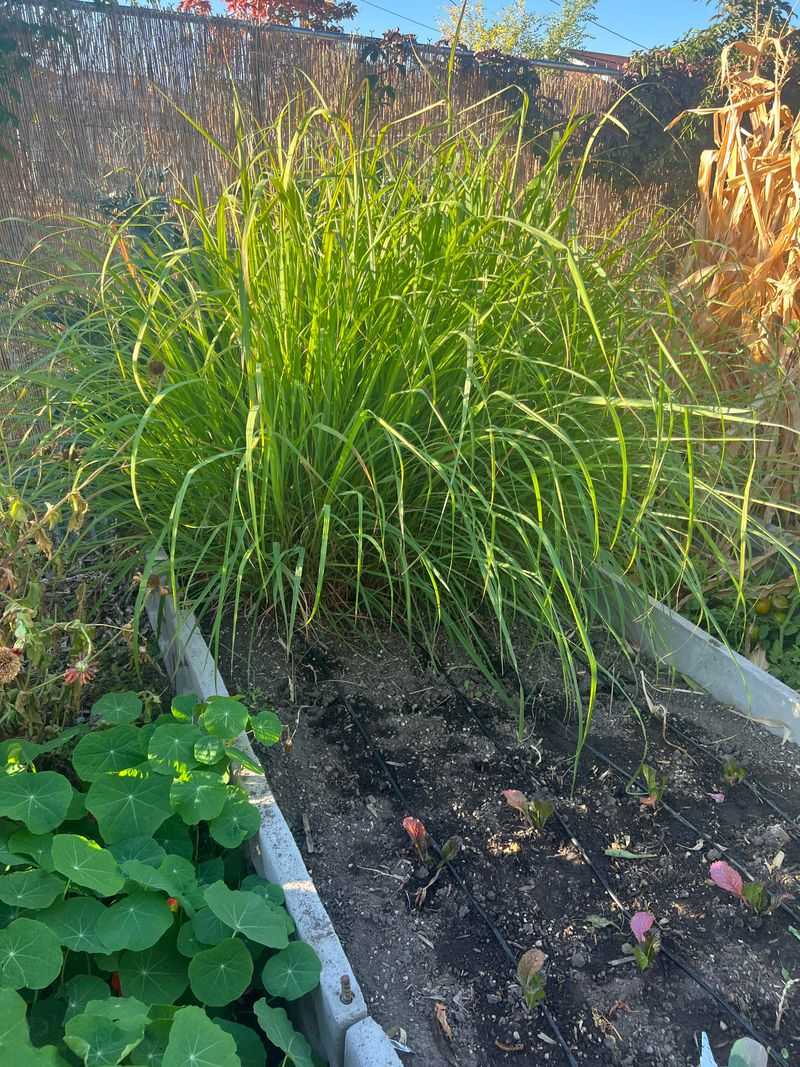
North Carolina summers bring something lemongrass loves, which is warmth, but they also bring something that can cause problems if you are not prepared: relentless humidity and sudden afternoon thunderstorms.
Getting drainage right from the start can be the difference between a lush, thriving plant and one that struggles through the season.
Lemongrass likes consistent moisture, but it absolutely cannot tolerate soggy roots. When roots sit in waterlogged soil for too long, they begin to rot, and the whole plant weakens quickly.
Always choose containers with at least one large drainage hole at the bottom, and never let the pot sit in a saucer full of standing water after a rain. Elevating pots slightly on pot feet or a small stand improves airflow and drainage even further.
For the potting mix, a high-quality all-purpose container blend works well, but adding a generous scoop of perlite improves drainage noticeably. Roughly a one-to-four ratio of perlite to potting mix creates a light, airy root environment.
During the peak of summer storm season, check containers after heavy rain and tip out any collected water from saucers right away. Watering deeply but less frequently encourages roots to grow downward, which builds a stronger, more drought-tolerant plant overall.
Getting these habits in place early in the season sets your lemongrass up for healthy, vigorous growth all the way through fall.
5. Brushing The Leaves Releases More Scent Around Seating Areas
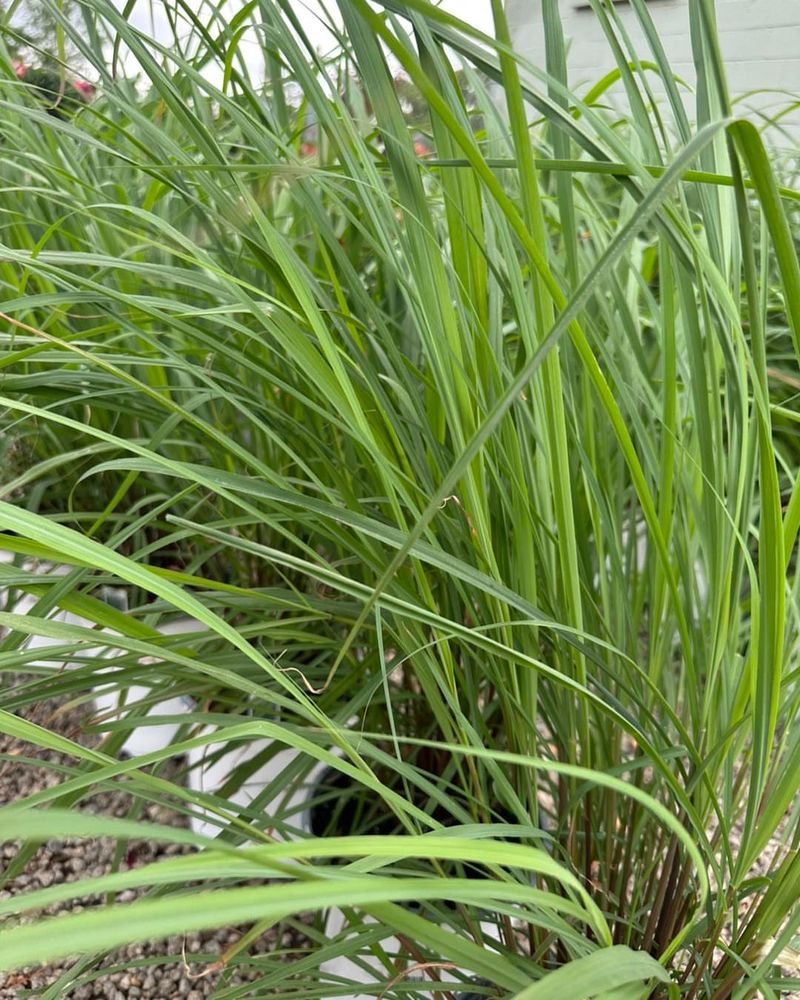
Here is something most people do not realize until they actually grow lemongrass up close: the scent does not just float around on its own. The fragrance is locked inside the plant’s leaves and only fully releases when something disturbs them.
That is actually a feature you can design around when planning your patio layout.
Placing lemongrass containers along the edges of walkways, near patio steps, or beside commonly used garden paths means that people naturally brush the foliage as they move through the space.
Each gentle contact releases a fresh burst of citrusy scent into the air without any effort on your part. It becomes a built-in sensory experience that guests always notice and comment on.
Keep container placement thoughtful, though. You want foliage within easy brushing distance, but not blocking traffic flow or creating a tripping hazard. A container set just beside a step or at the corner of a seating area works perfectly.
One thing to keep in mind is that the scent, while genuinely pleasant and noticeable, will not create an invisible force field around your patio. Mosquitoes can still find their way in from a distance.
Think of the released fragrance as a nice added layer of comfort rather than a guaranteed barrier, and you will enjoy the experience without any disappointment. The sensory payoff alone is absolutely worth it.
6. Lemongrass Also Gives North Carolina Gardeners A Useful Kitchen Herb

Growing lemongrass by your patio does double duty in the best possible way. Beyond the fragrance and the tropical look, you get a genuinely useful cooking herb growing just steps from your back door.
North Carolina cooks have been embracing Thai, Vietnamese, and Caribbean recipes more than ever, and lemongrass is a key ingredient in many of those beloved dishes.
The part you use in the kitchen is the lower stalk, specifically the pale, tender section closest to the base of the plant.
Outer leaves are too tough and fibrous to eat directly, but they work wonderfully when simmered in soups, curries, or broths and then removed before serving.
To harvest, grasp a firm outer stalk close to the base and bend it outward until it snaps free cleanly. Never strip more than a third of the plant at one time, and the clump will keep producing throughout the season.
Regular light harvesting actually benefits the container plant by keeping it from getting too top-heavy or crowded. Removing mature outer stalks encourages fresh growth from the center, which means tender new shoots keep appearing all summer long.
Freshly harvested lemongrass has a brightness and complexity that dried or jarred versions simply cannot match. Once you cook with it straight from your own patio container, buying it at the store will feel like a step backward you are not willing to take again.
7. Lemongrass Looks Better Than Many Bug Repelling Patio Plants
Most plants marketed for their bug-discouraging properties look, to be honest, a little scraggly. Marigolds are cheerful but low to the ground.
Catnip sprawls in every direction. Lemongrass, on the other hand, looks genuinely impressive.
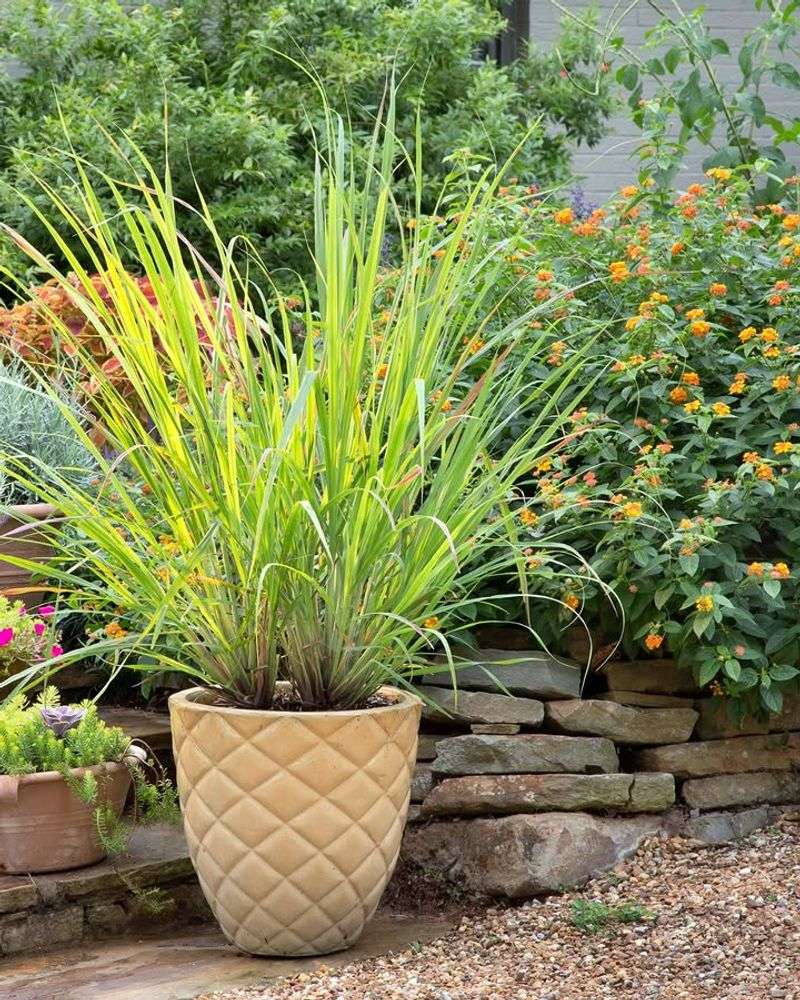
By midsummer in North Carolina, a well-fed container-grown clump can easily reach three to four feet tall, with long, arching blades that sway elegantly in even the lightest summer breeze.
That tropical silhouette brings real visual drama to patio spaces. The tall vertical form works beautifully as a backdrop for lower-growing flowers, colorful annuals, and trailing herbs in surrounding containers.
Gardeners who love layered container arrangements often use lemongrass as the thriller element in large pots, pairing it with bright lantana, sweet potato vine, or purple basil for a stunning combination that holds its own through the hottest part of summer.
The movement is one of the most underrated qualities. On a warm afternoon, watching those long green blades drift gently in the breeze adds a relaxed, almost meditative quality to your outdoor space.
The plant also holds its color well through summer heat, staying a clean, vibrant green without the browning or drooping that plagues many annuals during heat waves.
For anyone trying to make their patio feel more like a private tropical retreat, a few well-placed lemongrass containers do more visual work per dollar than almost anything else you can plant this season.
8. Lemongrass Works Best When Paired With Real Mosquito Prevention
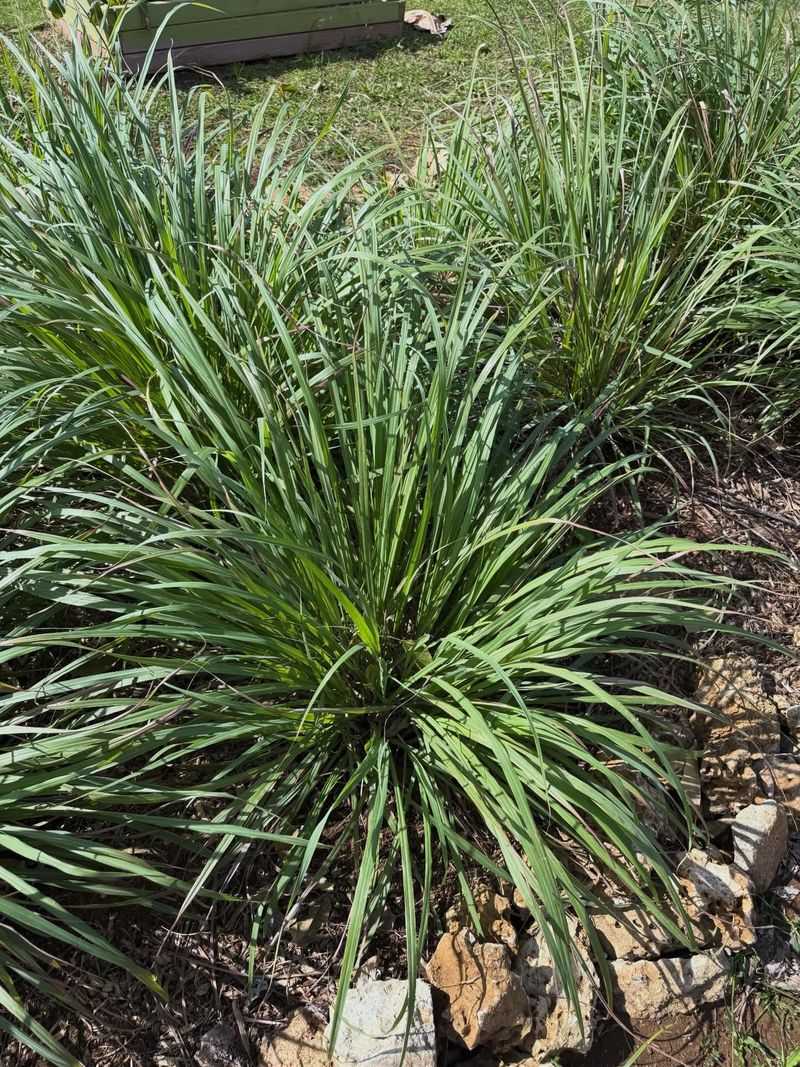
Lemongrass brings a lot to your patio, but expecting it to single-handedly solve a mosquito problem sets you up for frustration. Being upfront about what it can and cannot do actually helps you get the most out of growing it.
The real power comes when you pair the plant with a few straightforward, practical habits that target mosquitoes where they actually breed and rest.
Start by walking around your yard and eliminating every possible source of standing water. Empty plant saucers after rain, refresh birdbaths every two or three days, clean out clogged gutters where water pools, and check low spots in the lawn.
Even a bottle cap of stagnant water can support mosquito development, so staying thorough matters. Keeping dense, overgrown vegetation trimmed back near your seating area removes the shady, damp spots where mosquitoes rest during the heat of the day.
Adding a simple oscillating fan or two near your patio chairs is one of the most underrated and effective moves you can make. Mosquitoes are weak fliers and struggle to navigate in even a light, consistent breeze.
Between the fan, the standing water removal, the tidier vegetation, and the citrusy fragrance of your lemongrass clumps nearby, your patio becomes a much less appealing destination for them.
None of these steps requires much time or money, and together they create a noticeably more comfortable outdoor space all summer long.