Why Your Tomatoes Are Splitting In California And How To Stop It Before It Gets Worse
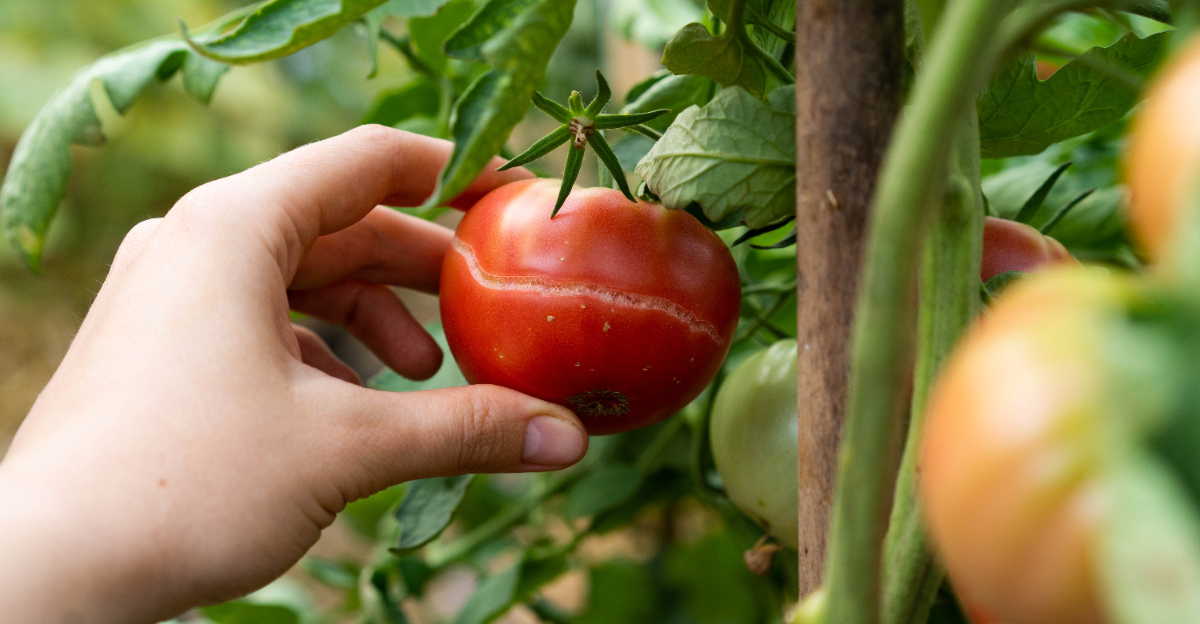
Tomato splitting can feel unfair after weeks of checking your plants and waiting for that perfect harvest. The fruit looks full, shiny, and ready one morning.
Then a crack shows up like the tomato had other plans. In California gardens, this usually happens when the soil goes too dry and then gets soaked all at once.
The plant pulls in water fast, and the inside of the fruit swells before the skin can keep up. That is when splitting starts.
Hot days can make the problem worse because tomatoes ripen quickly under strong sun. Uneven watering can also stress the plant, especially in containers or raised beds.
The good news is that splitting is not a mystery once you know the cause. A few small changes can help you save more tomatoes before cracks spread. Your plants may act dramatic, but they are usually just asking for steadier care.
1. Uneven Watering
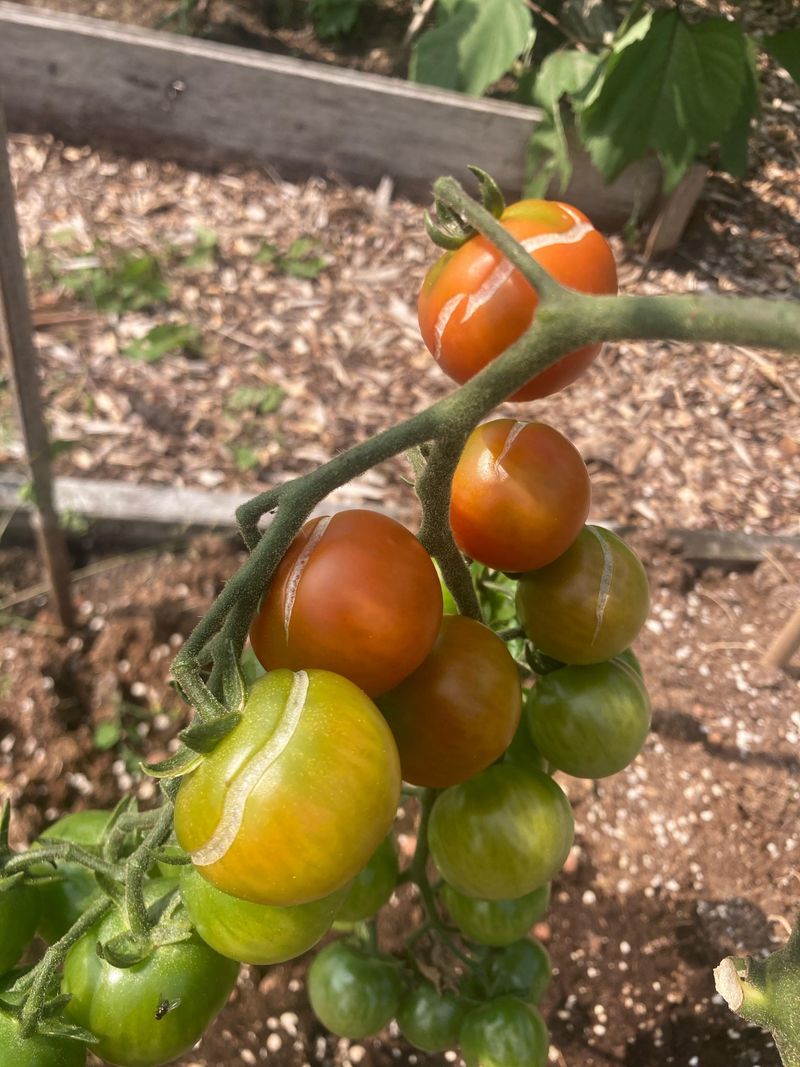
Watering your tomatoes on and off without a steady schedule is one of the biggest reasons they crack. When the soil gets too dry and then suddenly receives a lot of water, the inside of the tomato grows faster than the skin can handle.
That pressure causes the skin to split right open.
Most gardeners do not realize they are watering unevenly until the damage is already done. One week you water every day, the next week you skip a few days because of cooler weather.
Your tomatoes feel that change, and they respond by cracking.
The fix is simple but takes consistency. Set a watering schedule and stick to it.
Aim for about one to two inches of water per week, spread out evenly. Using a drip irrigation system is one of the best ways to keep moisture steady without thinking too much about it.
Drip systems release water slowly at the root level, which helps the plant absorb it at a healthy pace. If you water by hand, try to do it at the same time each day, preferably in the morning.
Steady watering keeps your tomatoes growing at an even rate, which means less splitting and more whole fruit ready to enjoy.
2. Dry Soil
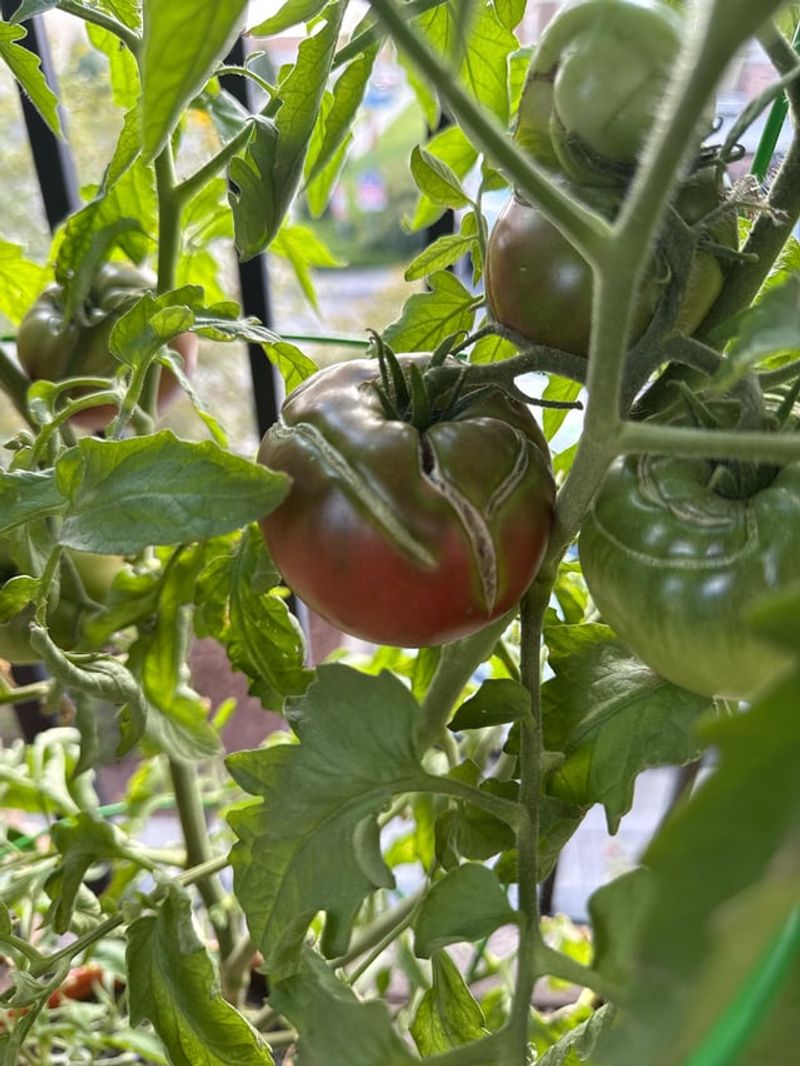
Bone-dry soil is a serious problem for tomatoes, especially during the long, hot summers we get here in our state. When the soil dries out completely between waterings, the tomato plant goes into stress mode.
It stops growing normally and waits for relief.
Once water finally arrives, the plant absorbs it as fast as it can. The fruit swells up quickly on the inside, but the outer skin cannot stretch fast enough to keep up.
That is when you see those ugly cracks forming along the top or sides of the tomato.
Keeping your soil consistently moist is the key. You do not want soggy soil, but you also do not want it to dry out completely.
Stick your finger about two inches into the soil. If it feels dry at that depth, it is time to water.
Sandy soils in many parts of our state drain quickly and may need watering more often than clay-heavy soils. Adding compost to your garden bed can help soil hold moisture longer between waterings.
Your California Garden Changes Every Week. Your Plan Should Too.
Gardening in California changes quickly throughout the season. Every Friday you’ll receive a simple weekly plan showing exactly what to plant, prune, fertilize, harvest, and protect so you never miss the right timing.
Compost acts like a sponge, soaking up water and releasing it slowly to the roots over time. Healthy soil means healthier, crack-free tomatoes all season long.
3. Sudden Deep Watering
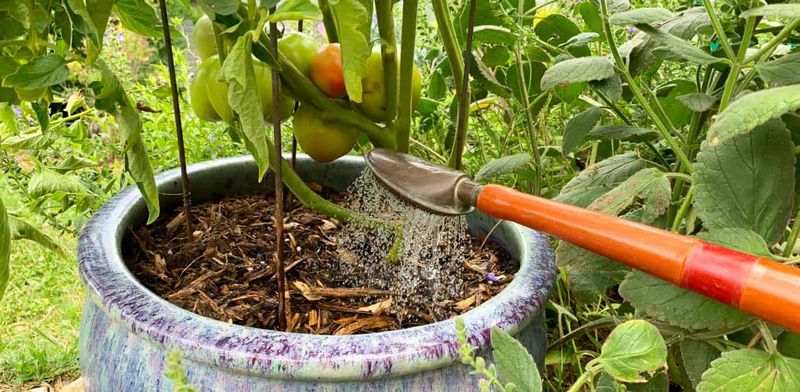
Picture this: it has been a brutally hot week, you forgot to water for a few days, and now you feel guilty. So you drag out the hose and give your tomatoes a long, deep soaking to make up for lost time.
It feels like the right thing to do, but your tomatoes might not agree.
Sudden deep watering after a dry period is one of the top causes of tomato splitting. The roots soak up a huge amount of water all at once.
That water rushes into the fruit, and the skin, which had stopped growing during the dry spell, cannot keep up with the sudden expansion.
Instead of making up for missed waterings with one giant session, try splitting that water into two smaller sessions a day apart. Give the plant time to absorb what it gets before adding more.
If you know a hot, dry stretch is coming, increase your watering frequency before things get too dry. Prevention is always easier than recovery when it comes to tomatoes.
Slow and steady watering protects the skin of the fruit and allows it to grow at a pace it can handle.
Your harvest will thank you for the patience.
4. Summer Heat
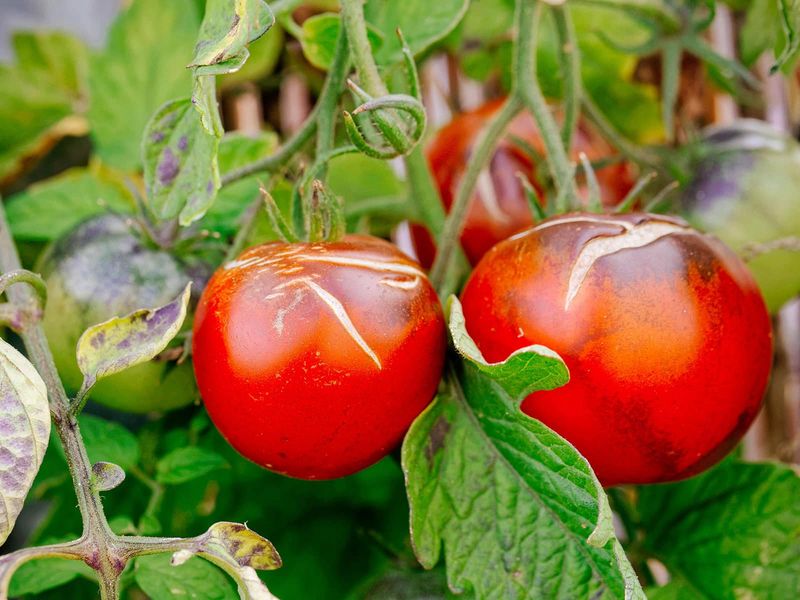
Summers here can be relentless. Temperatures regularly climb into the 90s and even past 100 degrees in inland areas.
That kind of heat puts enormous stress on tomato plants and plays a direct role in fruit splitting.
When temperatures soar, water evaporates from the soil much faster than usual. The plant tries to pull moisture from wherever it can, including the fruit itself.
Then when you water, the fruit rehydrates quickly and unevenly, causing cracks. Heat also speeds up the ripening process, which makes the skin more vulnerable to splitting near the end of the fruit’s growth cycle.
Shade cloth is a game changer during peak summer heat. A 30 to 50 percent shade cloth placed over your tomato plants during the hottest part of the day can lower temperatures around the plant significantly.
You can find affordable shade cloth options at most garden centers or online. Watering in the early morning also helps because the plant has moisture available before the hottest hours arrive.
Avoid watering in the afternoon when the sun is strongest. Picking tomatoes as soon as they are ripe also reduces the chance of heat-related splitting.
Do not leave them on the vine longer than needed during a heat wave.
5. Overripe Fruit
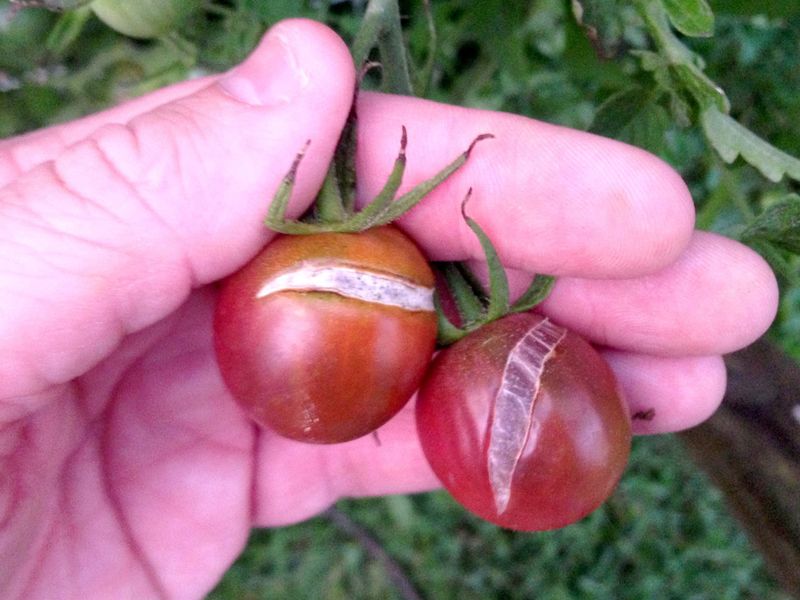
Leaving tomatoes on the vine too long is a mistake many home gardeners make. It is tempting to wait until a tomato looks absolutely perfect before picking it, but waiting too long actually increases the risk of splitting.
Overripe fruit has skin that has been stretching for days. That skin becomes thin and weak over time.
Any change in moisture at that point, even a light rain or a regular watering, can push the tomato past its limit. The skin tears open because it simply cannot stretch any further.
You end up with a cracked tomato that is also starting to soften and go bad faster.
The solution is to pick tomatoes a little earlier than you think you need to. When a tomato is mostly red but still has a slight firmness to it, that is actually the ideal time to harvest.
You can set it on your kitchen counter at room temperature, and it will finish ripening beautifully over the next day or two. Never refrigerate an unripe tomato because cold temperatures stop the ripening process and ruin the flavor.
Harvesting early also encourages the plant to put energy into growing more fruit, which means a bigger overall harvest for you.
6. Thin-Skinned Varieties
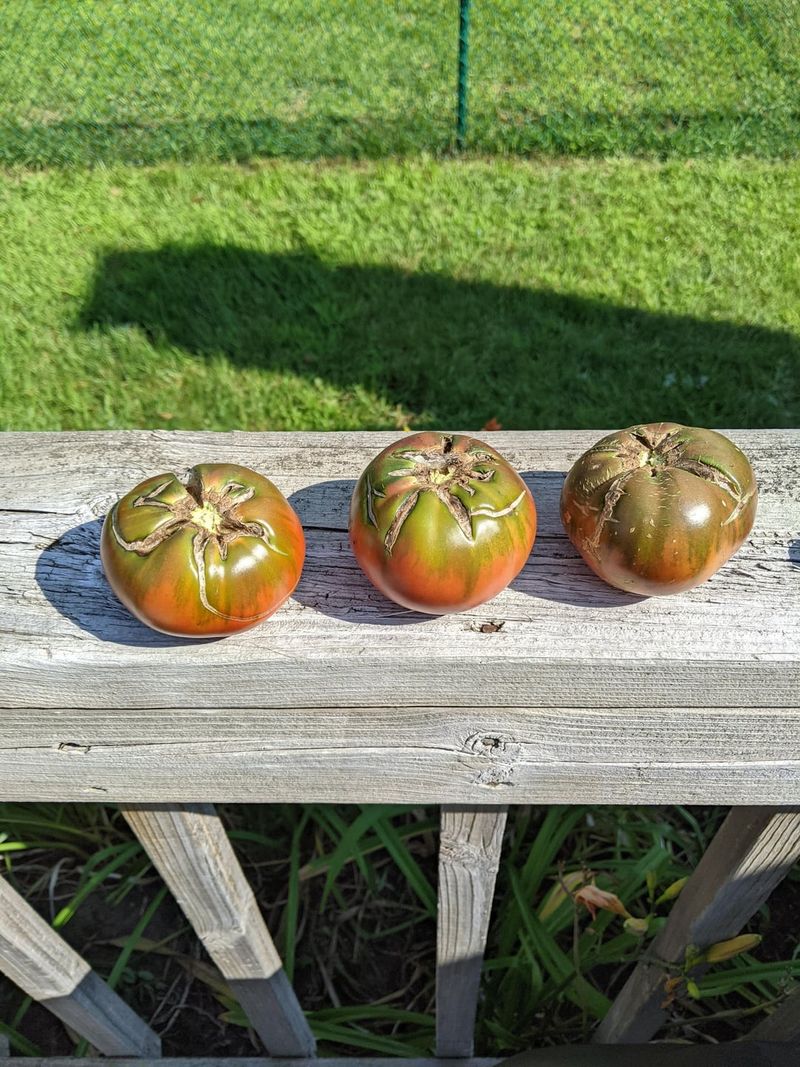
Not all tomatoes are built the same. Some varieties have naturally thin skins, and those are the ones most likely to split when conditions are not perfect.
Cherry tomatoes and many heirloom varieties are the classic examples. They taste amazing, but their delicate skins do not handle moisture swings well at all.
If you have been growing the same variety for years and keep seeing splits no matter what you do, the tomato itself might be part of the problem.
Thin-skinned tomatoes need extra care, more consistent watering, and earlier harvesting to avoid cracking.
You have two options. First, you can keep growing your favorite thin-skinned varieties but manage them more carefully.
Water on a strict schedule, use mulch, and pick them early. Second, you can try switching to crack-resistant varieties.
Tomatoes like Celebrity, Jet Star, and Mountain Fresh are bred specifically to resist splitting. They have tougher, more elastic skins that can handle moisture changes better.
Many seed companies and nurseries across our state carry crack-resistant options. You do not have to give up flavor to get durability.
Ask your local nursery what crack-resistant varieties grow best in your specific region, since conditions vary widely from the coast to inland valleys.
7. No Mulch
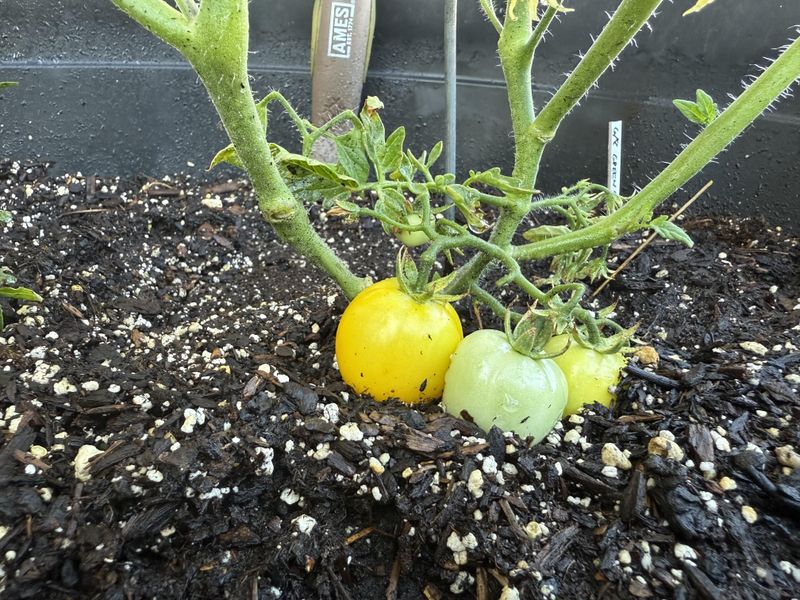
Skipping mulch might seem like a small thing, but it makes a huge difference when it comes to tomato splitting. Bare soil dries out fast, especially during our warm, sunny summers.
Without a layer of mulch protecting the soil, moisture evaporates quickly and soil temperatures swing dramatically between morning and afternoon.
Those swings in soil moisture are exactly what causes tomatoes to crack. The plant absorbs water unevenly because the soil is wet one hour and dry the next.
The fruit responds to each change, and the skin eventually gives out under the pressure.
Adding a two to three inch layer of mulch around your tomato plants can solve this problem almost immediately. Straw, wood chips, and shredded leaves all work well.
Spread the mulch in a wide circle around the base of each plant, but keep it a few inches away from the main stem to prevent rot. Mulch slows down evaporation, keeps soil temperatures more stable, and even helps control weeds at the same time.
It is one of the most cost-effective things you can do for your garden. You can find straw mulch at most garden supply stores, and shredded leaves are often free if you have trees in your yard.
Add mulch now and you will notice a real difference within just a week or two.
8. Container Stress
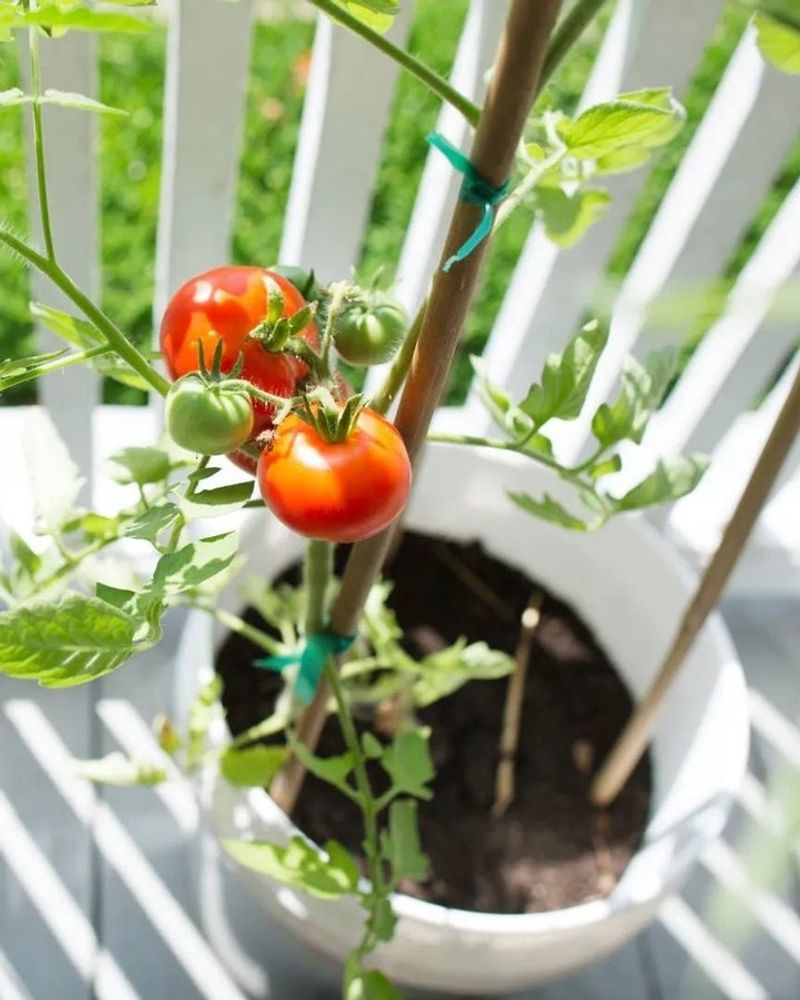
Growing tomatoes in containers is popular, especially for gardeners with limited space. But containers come with a unique set of challenges that make splitting more likely.
The biggest issue is that containers dry out much faster than garden beds. On a hot afternoon, a small pot can go from moist to bone dry in just a few hours.
That rapid drying followed by the next watering creates exactly the kind of moisture swing that causes fruit to crack.
Containers also hold less soil, which means less buffer against temperature changes and less water storage overall. Dark-colored containers absorb heat and can cook the roots on very hot days.
To reduce container stress, start with the largest pot you can manage. For tomatoes, a five-gallon container is the bare minimum, and ten gallons or more is even better.
Use a high-quality potting mix that includes moisture-retaining materials like coco coir or perlite.
Self-watering containers with built-in reservoirs are an excellent investment because they provide a steady supply of water to the roots throughout the day.
Place containers in spots that get morning sun but some shade in the afternoon to reduce heat stress. Check the soil moisture in your containers every single day during summer.
Consistent attention to container moisture is the most reliable way to prevent splitting in potted tomato plants.