This Tennessee-Friendly Plant Could Be The Natural Tick Repellent You’ve Been Looking For
You know that post-hike parking lot moment?
The slow, slightly paranoid tick check.
The one that makes you look like you’re performing a solo interpretive dance.
Not exactly how anyone wants to end a summer afternoon.
And yet, every summer, the answer is the same, grab the DEET and hope for the best.
f you live in Tennessee, you already know that ticks are a real part of outdoor life here.
But here’s something worth knowing: there’s a backyard herb that researchers say may repel ticks just as well.
It asks for almost nothing.
And there’s a good chance you’ve walked past it a hundred times without giving it a second thought.
Oh, and your cat?
Wild about it.
Before you write it off as strictly feline entertainment, stick around.
This plant has a surprisingly interesting case to make.
More Than Just A Cat’s Favorite Plant
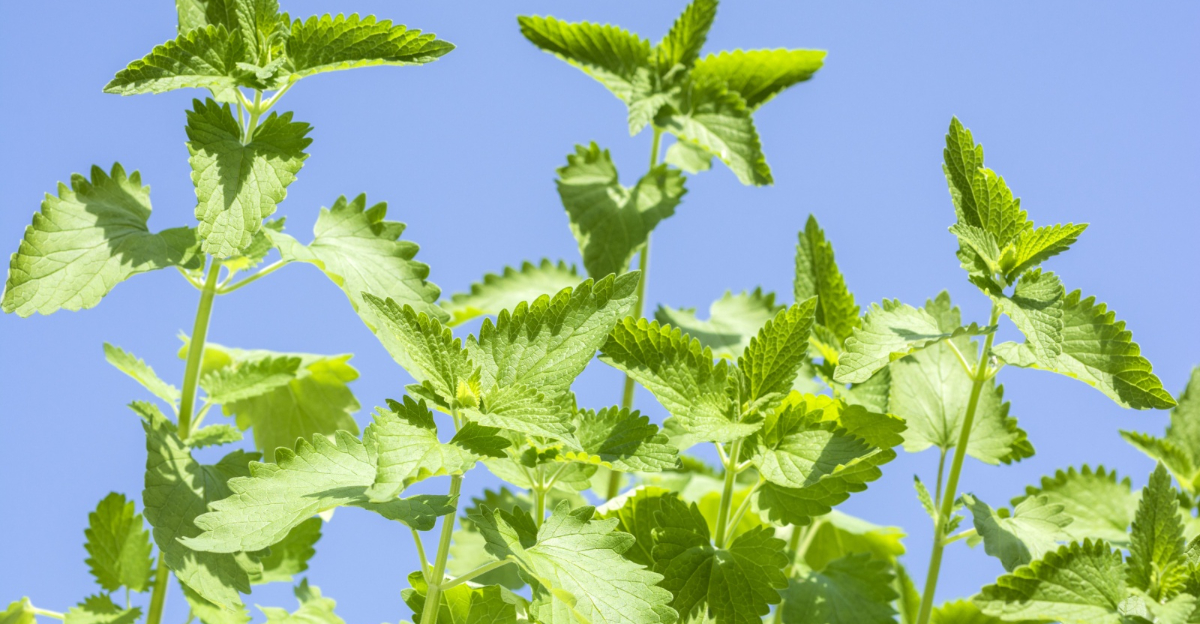
That herb I’ve been hinting at?
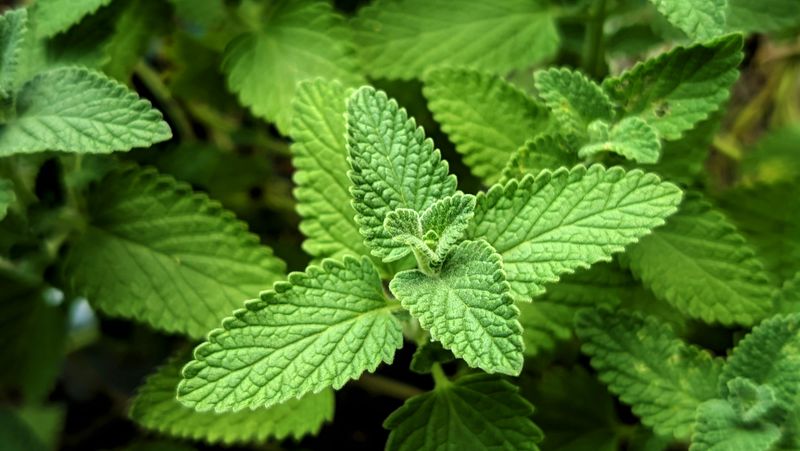
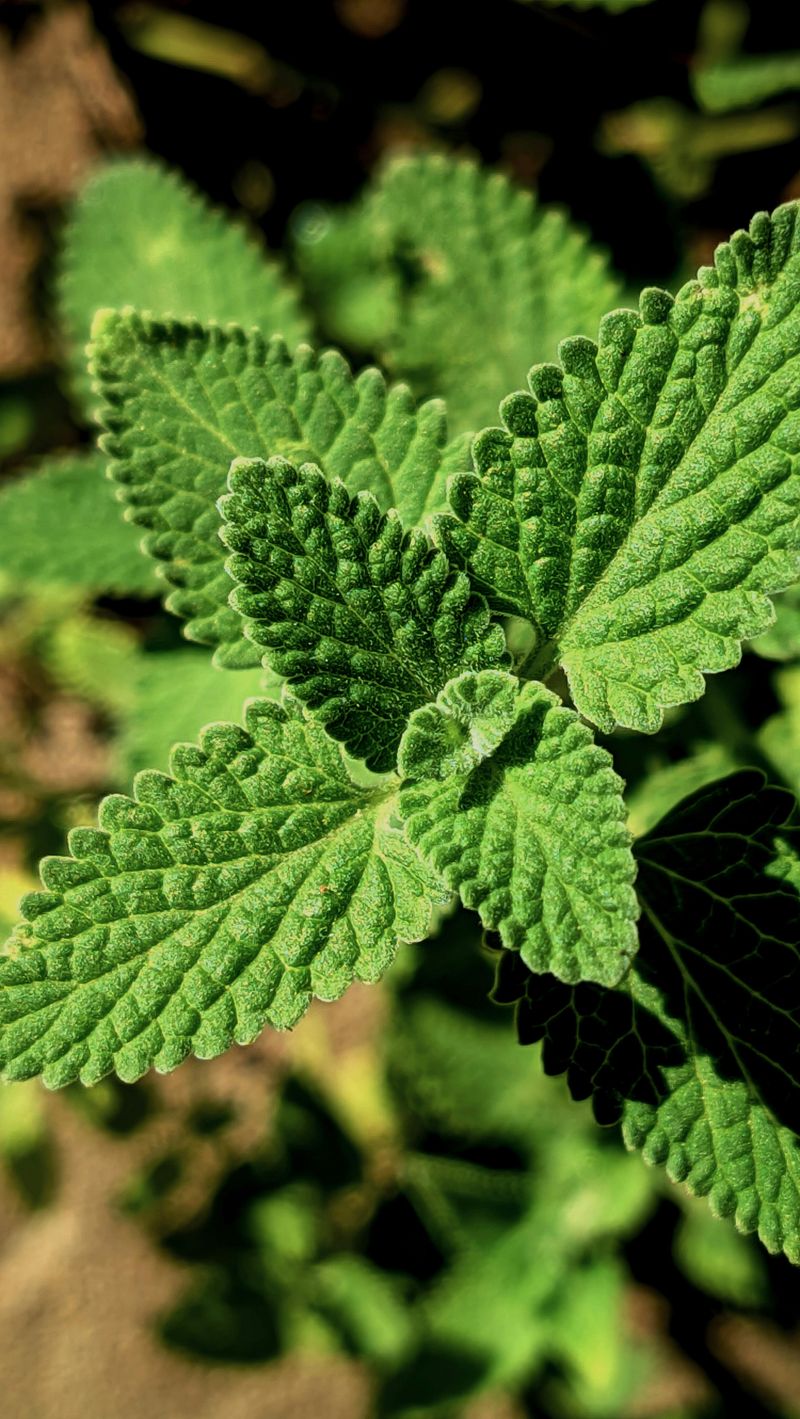
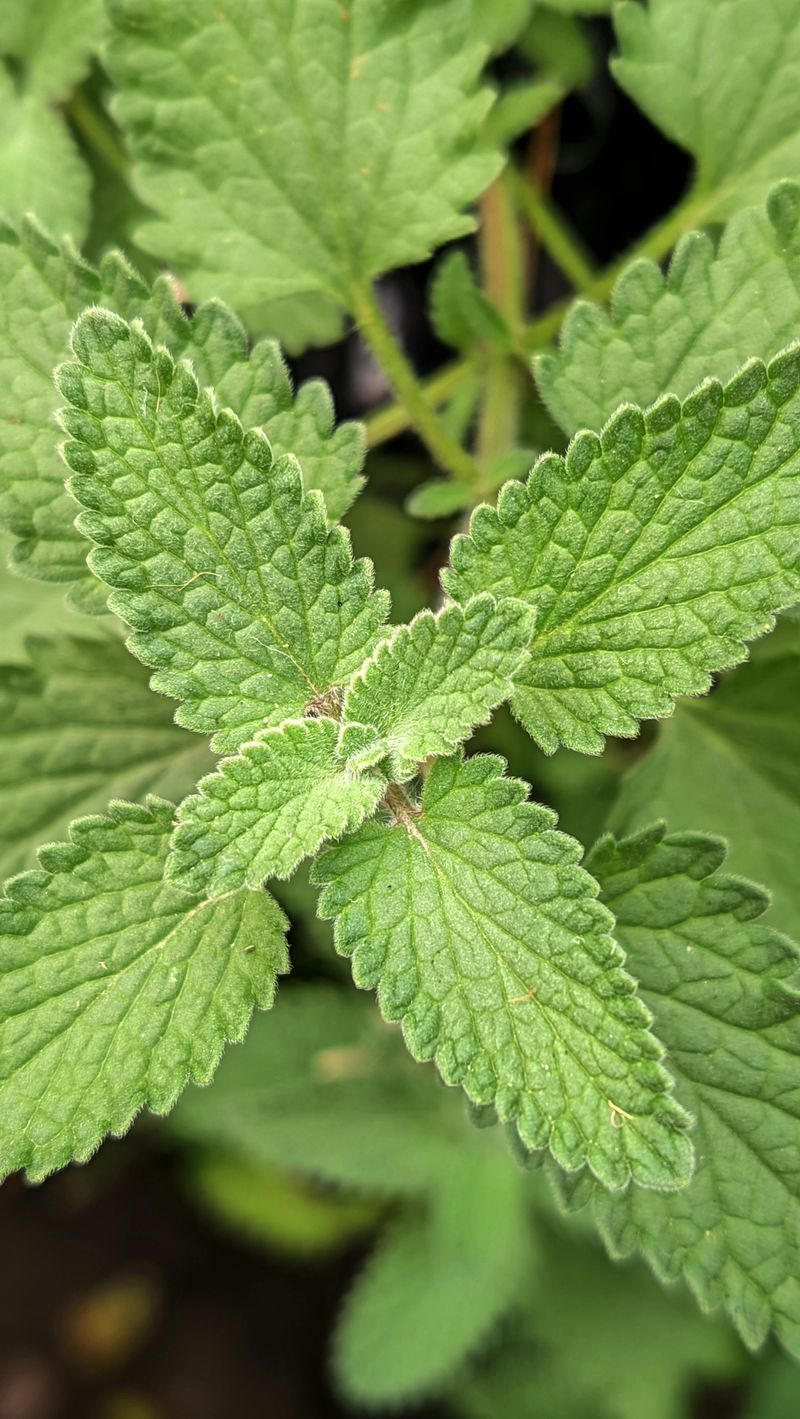
It’s Catnip.
Most people know it as the stuff you stuff into a crinkly toy to entertain your cat for twenty minutes.
But this plant has a much longer and more fascinating history than a pet store shelf suggests.
Herbalists have used it for centuries as a calming tea, a mild sleep aid, and even a remedy for upset stomachs.
Catnip belongs to the mint family, which already hints at its aromatic power.
The plant produces a chemical compound called nepetalactone, and that compound is the real star of the show.
A 2022 study found that catnip extracts showed similar repellency properties to DEET against two tick species, and at a 20% concentration, repellency reached 100%.
Gardeners across the South have started planting catnip borders around vegetable beds and patios for exactly this reason.
The plant is easy to grow, drought-tolerant once established, and spreads generously if you let it.
It also attracts pollinators like bees and butterflies, which makes it a double win for any outdoor space.
Calling this herb just a cat toy seriously undersells everything it brings to the table, and the science only makes the case stronger.
The Science Behind The Smell
Nepetalactone is the reason ticks, mosquitoes, and several other insects want absolutely nothing to do with catnip.
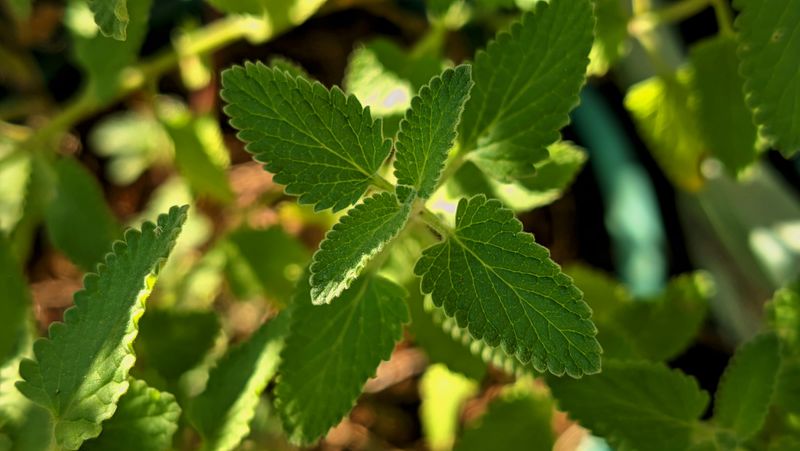
This organic compound is produced in tiny glands on the surface of the plant’s leaves and stems.
When the leaves are bruised or crushed, the scent releases in a concentrated burst that insects find deeply repellent.
A study published in Science Advances found that nepetalactone activates the same pain and irritation receptors in insects that capsaicin triggers in mammals.
You know capsaicin.
It’s the compound in hot peppers that makes your mouth feel like it’s on fire.
For insects, nepetalactone creates a similar reaction.
While the research focused primarily on mosquitoes, the findings offer a clue as to why so many insects, ticks included, seem to want nothing to do with this plant.
Essentially, the smell is actually painful for insects at a neurological level.
Your Tennessee Garden Changes Every Week. Your Plan Should Too.
Gardening in Tennessee changes quickly throughout the season. Every Friday you’ll receive a simple weekly plan showing exactly what to plant, prune, fertilize, harvest, and protect so you never miss the right timing.
That is a remarkable piece of chemistry hiding inside a plant that looks completely ordinary.
For humans, the scent is pleasant, a little minty with a slightly earthy edge.
You can crush a few leaves and rub them on your skin for a quick, temporary barrier against biting pests.
Just keep in mind that this is not equivalent to a tested repellent product.
Researchers are actively working on how to stabilize nepetalactone in commercial formulas so the protection lasts longer.
Some catnip-derived repellent ingredients/products have EPA registration, and researchers are now building the case for its use against ticks as well.
One extract derived from a catnip cultivar even showed an acaricidal effect, meaning it did not just repel ticks but appeared to reduce their lifespan entirely.
The science is still developing, but what already exists is compelling enough to make catnip worth a serious second look as a natural tick repellent in your own yard.
How To Grow Catnip In Tennessee
Catnip is one of those plants that almost thrives on neglect, which makes it perfect for busy homeowners.
It grows best in well-drained soil with full sun to partial shade, and Tennessee’s warm, humid summers suit it just fine.
You can start from seed indoors in late winter or buy small transplants from a local nursery in spring.
Plant it about eighteen inches apart to give each one room to bush out.
Once established, catnip handles dry spells surprisingly well and does not need much fertilizer.
In fact, too much nitrogen in the soil can actually reduce the concentration of the oils that make it effective as a repellent.
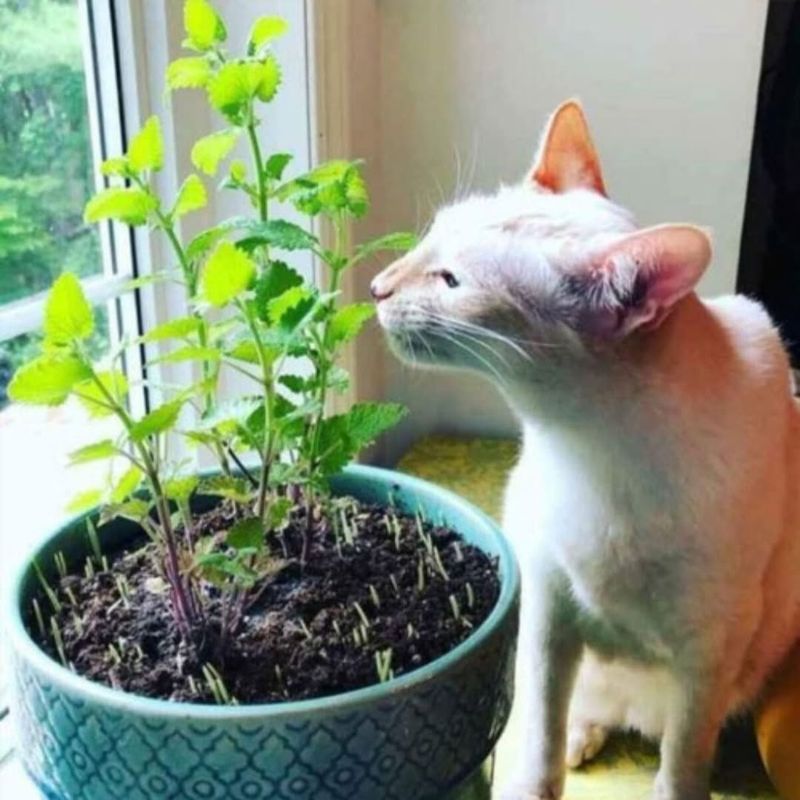
One thing to plan for is the neighborhood cats, because they will track it down every single time and roll in it with great enthusiasm.
A simple wire cage or cloche over young plants protects them while they get established.
Catnip spreads aggressively through self-seeding, so deadheading the flowers before they go to seed keeps it contained.
Harvesting the leaves regularly encourages bushier growth.
More growth means more of those aromatic oils.
And more of those oils means a stronger natural repellent growing right outside your door.
Trim it often.
It rewards you every time.
The Unexpected Perks Of This Simple Herb
Planting catnip for tick control is a smart move, but the benefits do not stop there.
This herb has been used in folk medicine across Europe and North America for hundreds of years, and modern herbalists still recommend it today.
A mild tea brewed from the dried leaves has been traditionally used as a remedy for anxiety, mild insomnia, and digestive discomfort.
The plant also serves as a natural mosquito deterrent when grown near seating areas or doorways.
Some gardeners report fewer aphids and flea beetles in garden beds that border a catnip planting.
The aromatic oils seem to confuse or deter a surprisingly wide range of insects, not just ticks.
Some people tuck dried catnip bundles into closets or storage areas in hopes of discouraging spiders and other crawling pests, though results vary.
Fresh sprigs placed near a patio door can reduce the number of insects trying to sneak inside on warm evenings.
If you have outdoor cats, they will enjoy the plant too, which adds a fun and entertaining bonus to your garden.
One modest herb pulling off this many jobs at once is the kind of low-maintenance, high-reward gardening win that makes the whole thing feel a little magical.
What Catnip Can And Can’t Do

Catnip holds up under scrutiny, but honesty matters when it comes to keeping yourself and your family safe outdoors.
The nepetalactone in catnip is effective at repelling ticks in controlled studies.
But those studies are often done in lab settings with concentrated extracts.
A plant growing in your yard is a different story.
Rubbing a few fresh leaves on your skin does give you some protection.
It just fades faster than a commercial product.
Reapplication is part of the deal.
If you are heading into dense woods or tall grass, catnip alone probably is not enough.
In high-risk areas, pairing it with other protective measures is simply the smart approach.
Wearing long sleeves, tucking pants into socks, and doing a thorough body check after outdoor time still matters enormously.
No single plant or spray is a magic shield, and pretending otherwise would be doing you a disservice.
Where catnip genuinely shines is as a supplemental, everyday layer of protection in your yard and garden.
Planting it along fence lines, garden borders, and near outdoor seating may help create a natural buffer zone that ticks and mosquitoes tend to avoid.
Think of it as a first line of defense rather than a complete solution.
Unlike DEET, catnip won’t react with plastics or synthetic rubber, and most people find the scent far more pleasant, two small but practical advantages worth considering.
Used thoughtfully, catnip is a smart, chemical-free addition to your outdoor routine.
It won’t do everything.
But it does something.
And sometimes, that’s exactly enough.
One Plant, One Simple Change
Sometimes the simplest changes make the biggest difference in how you experience your own backyard.
Adding a few catnip plants to your outdoor space costs almost nothing.
It takes minimal effort.
And it starts working from the moment those aromatic leaves begin to grow.
For families who want to spend more time outside without worrying about every tick or mosquito, this is a genuinely practical first step.
You do not need a large garden or any special skills to make this work.
A single container on a sunny porch works.
So does a small border along a garden path.
Even a cluster near the back fence is enough to start building that natural barrier.
The plant grows quickly, comes back year after year in most Southern climates, and rewards even the most casual gardener.
Start small, observe how it performs in your specific yard, and expand from there if you love the results.
Share a few cuttings with neighbors and you might just start a small community movement toward greener, gentler pest control.
This natural tick repellent, grown right in your own Tennessee backyard, is proof that sometimes the best solutions have been growing wild all along.
All it takes is one plant and one simple decision to change how you think about protecting your outdoor space.
Pest control does not always have to come from a bottle.
Sometimes it grows in a pot on your porch, smells faintly of mint, and drives your cat absolutely wild.
Not a bad trade.