Plant These Pennsylvania Vegetables Right Now For A Fall Harvest
Most gardeners think of spring as the main planting season and treat summer like the finish line, but Pennsylvania’s growing calendar actually has a second act that a lot of people miss entirely.
Late summer planting sets you up for a fall harvest that in many ways outperforms what you pulled in during July.
Cooler temperatures make vegetables sweeter, pest pressure drops off significantly, and the soil is already warm and ready to support fast growth.
The timing feels counterintuitive because you are putting seeds and transplants in the ground when summer is still in full swing, but that is exactly the point.
Pennsylvania’s fall window is longer and more forgiving than most gardeners give it credit for, and the right vegetables planted right now will be hitting their peak just as the weather turns comfortable again.
If your garden has been winding down, it is actually the perfect time to get it going again.
1. Broccoli
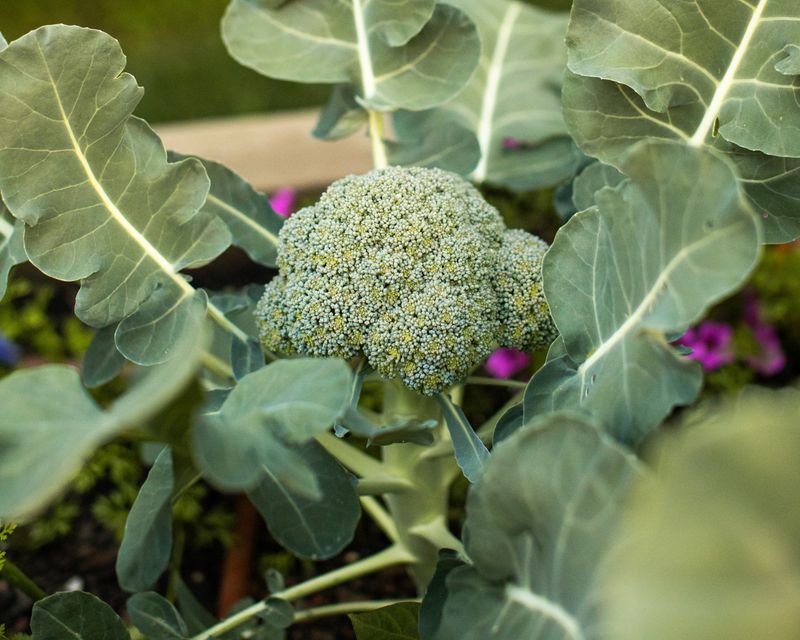
Broccoli is one of those vegetables that genuinely gets better as the weather cools down. Many gardeners plant it in spring, but fall-grown broccoli often produces tighter, more flavorful heads.
That is because broccoli matures best when temperatures drop into the 50s and 60s, which is exactly what Pennsylvania delivers in September and October.
Start your broccoli transplants now so they have enough time to establish before the first frost. Most broccoli varieties take between 60 and 80 days to mature, so timing matters.
Look for fast-maturing varieties like Belstar, Green Magic, or DiCicco to get the best results in a shorter window.
Plant your transplants about 18 inches apart in a sunny spot with well-draining soil. Broccoli is a heavy feeder, meaning it loves nutrient-rich soil.
Mix in compost before planting and add a balanced fertilizer a few weeks after transplanting to keep growth strong and steady.
One of the best things about fall broccoli is that it faces far fewer pest problems than spring crops. Cabbage worms and aphids are much less active as temperatures drop. You will likely spend less time managing bugs and more time watching your heads develop.
After you harvest the main head, do not pull the plant out. Side shoots will continue to form and give you smaller florets for several more weeks.
Fall broccoli is truly a gift that keeps on giving right up until the hard freezes arrive in Pennsylvania.
2. Carrot
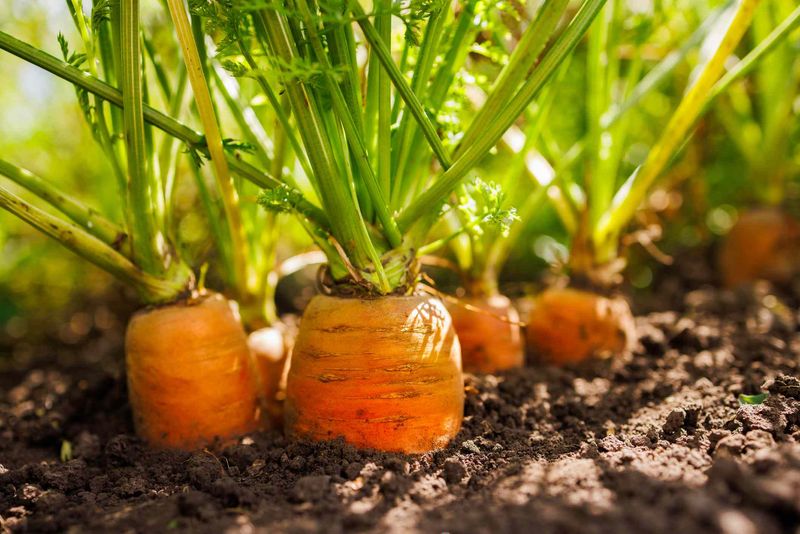
Did you know that a light frost can actually make carrots taste sweeter? When temperatures drop, carrots convert their stored starches into sugars as a natural response to the cold.
That means fall-grown carrots in Pennsylvania can be noticeably sweeter and more flavorful than anything you would grow in the heat of summer.
Carrots are direct-sown, meaning you scatter the seeds right into the garden bed rather than transplanting seedlings. Sow them now into loose, deep, well-worked soil.
Rocky or compacted ground will cause your carrots to fork and twist, so take time to loosen the soil at least 12 inches deep before planting.
Your Pennsylvania Garden Changes Every Week. Your Plan Should Too.
Gardening in Pennsylvania changes quickly throughout the season. Every Friday you’ll receive a simple weekly plan showing exactly what to plant, prune, fertilize, harvest, and protect so you never miss the right timing.
Choose shorter varieties like Danvers 126, Chantenay, or Thumbelina if your soil is heavier or harder to work with. These types grow well even in less-than-perfect conditions and mature faster than longer varieties.
Thin your seedlings to about 2 to 3 inches apart once they sprout so each carrot has enough room to develop properly.
Keep the soil consistently moist during germination, which can take one to three weeks. Carrot seeds are tiny and dry out quickly, so check the soil daily and water gently to avoid washing seeds away.
Once established, carrots need very little attention. They are remarkably low-maintenance and store well right in the ground.
You can even leave them in the soil through light frosts, harvesting as needed throughout the fall season for fresh, crisp results every single time.
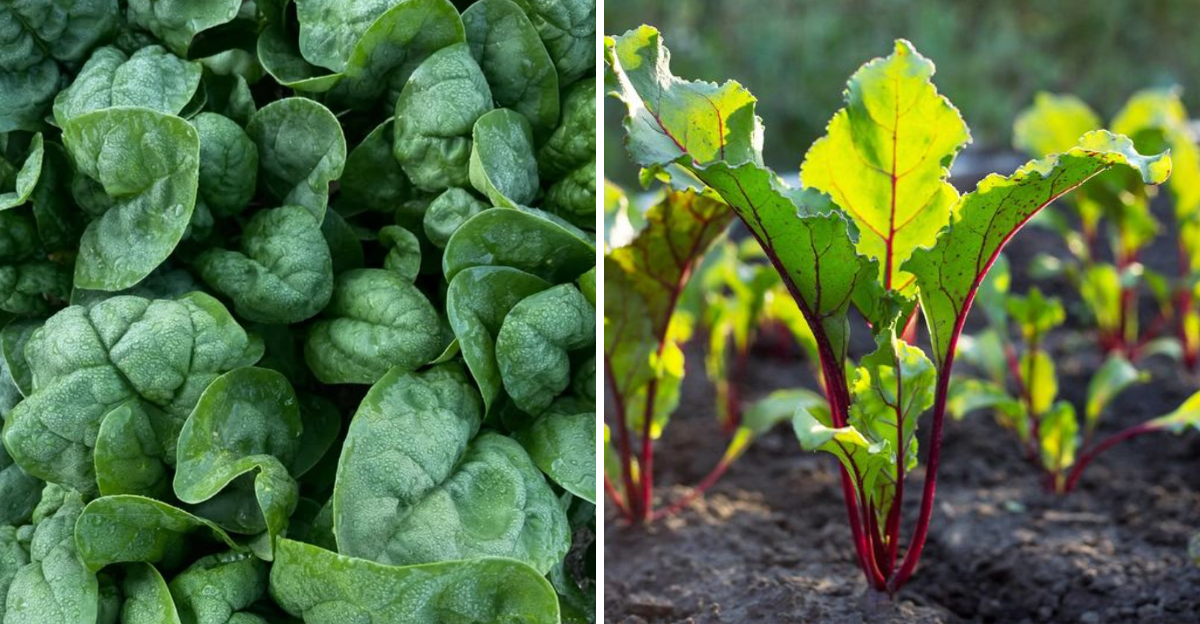
3. Spinach
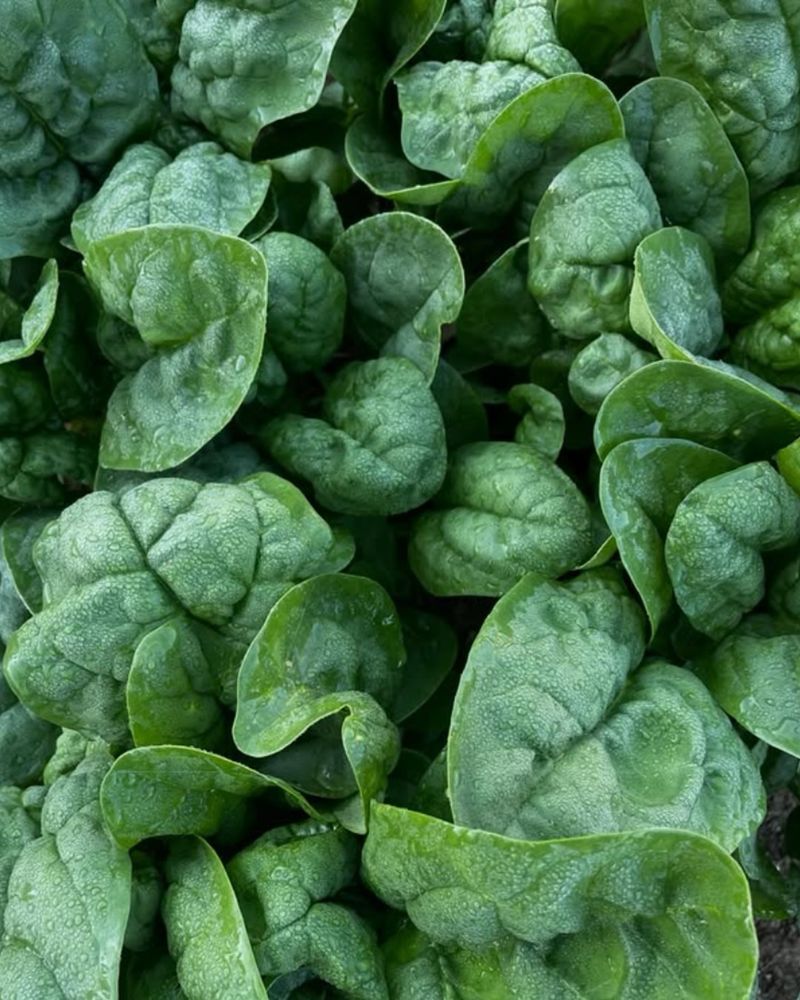
Spinach is practically made for Pennsylvania fall gardens. It prefers temperatures between 35 and 65 degrees Fahrenheit, which lines up perfectly with the state’s late-season weather.
While spinach tends to bolt and turn bitter in summer heat, it absolutely thrives once cooler air moves in during late August and September.
Sow spinach seeds directly into your garden bed now, about half an inch deep and one to two inches apart. You can thin the seedlings once they sprout, or simply harvest young leaves as they grow and use the thinnings in salads.
Either way, you get fresh greens without wasting a single plant. Spinach is also one of the fastest-growing vegetables you can plant. Many varieties are ready to harvest in as little as 40 days.
Bloomsdale Long Standing and Tyee are two reliable fall varieties that hold up well in cool Pennsylvania conditions without bolting prematurely.
One of the most exciting things about fall spinach is its cold hardiness. Mature spinach plants can survive light frosts and even temperatures dipping into the upper 20s, especially when protected with a simple row cover or cold frame.
This means your harvest window can stretch well beyond the first frost date. Spinach is packed with iron, vitamins, and antioxidants, making it one of the most nutritious things you can grow.
Fresh homegrown spinach tastes nothing like the bagged stuff from the store. Once you taste it straight from the garden, you will never want to stop growing it.
4. Kale
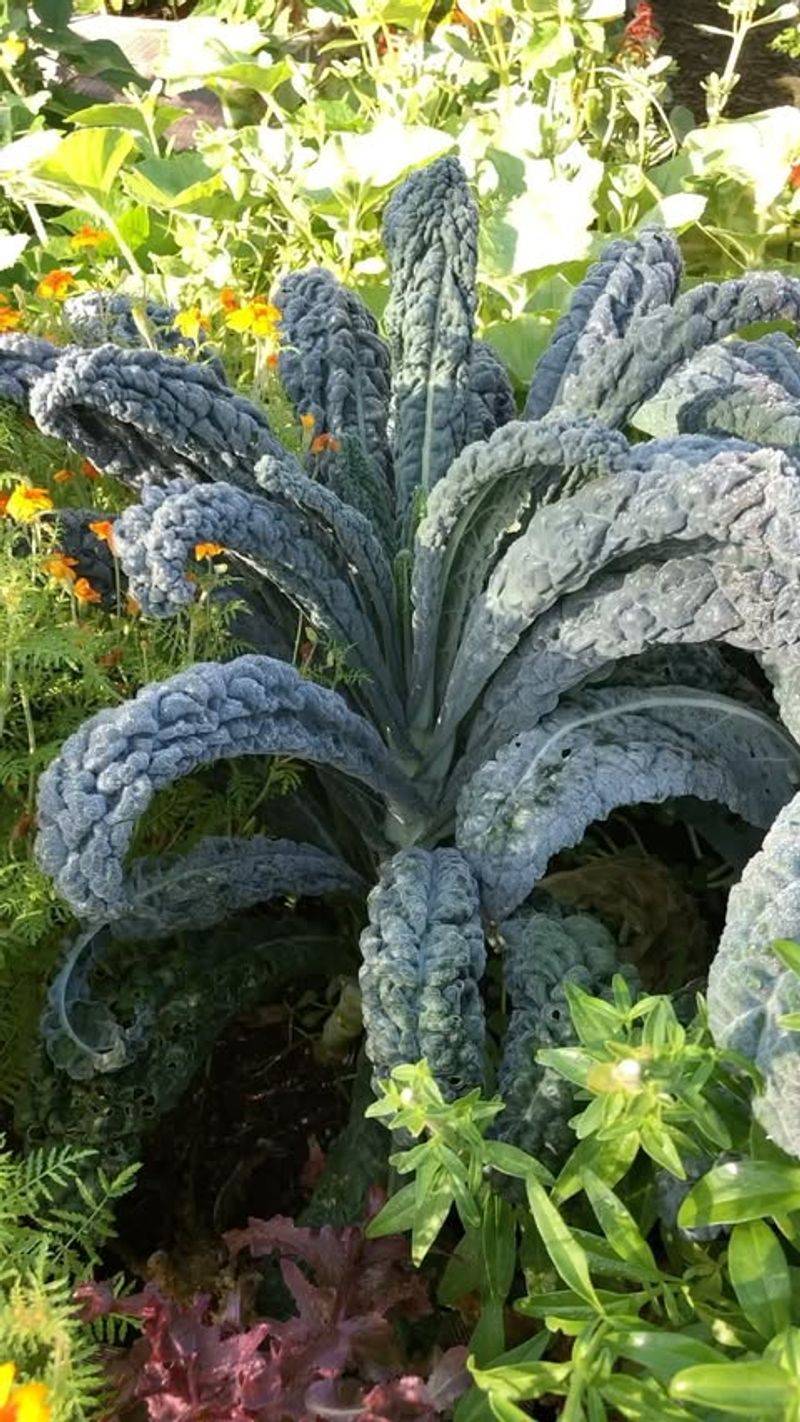
Kale has a secret that not enough gardeners know about. After the first light frost of the season, kale leaves actually become sweeter and more tender.
The cold triggers a chemical change inside the plant that reduces bitterness and boosts natural sugars. Pennsylvania gardeners who grow kale in the fall get to enjoy that flavor reward firsthand.
Plant kale transplants or direct-sow seeds now for a strong fall harvest. Kale grows best in full sun but can handle partial shade, which makes it one of the more flexible vegetables for different garden setups.
Space transplants about 18 inches apart so each plant has room to spread its leaves and grow to full size.
Varieties like Red Russian, Winterbor, and Lacinato (also called Dinosaur kale) are all excellent choices for Pennsylvania fall gardens.
Each one has a slightly different texture and flavor profile, so growing a mix can make your harvest more interesting and versatile in the kitchen.
Kale is incredibly cold-hardy and can survive hard frosts that would flatten other crops. With the protection of a simple row cover or low tunnel, kale can keep producing well into November and sometimes even December in Pennsylvania.
That is a serious return on a single planting. Beyond its toughness, kale is loaded with vitamins K, A, and C, plus calcium and fiber. It works wonderfully in soups, stir-fries, smoothies, and salads.
Growing your own means you always have a fresh, nutritious green on hand without making a single extra trip to the grocery store.
5. Radish
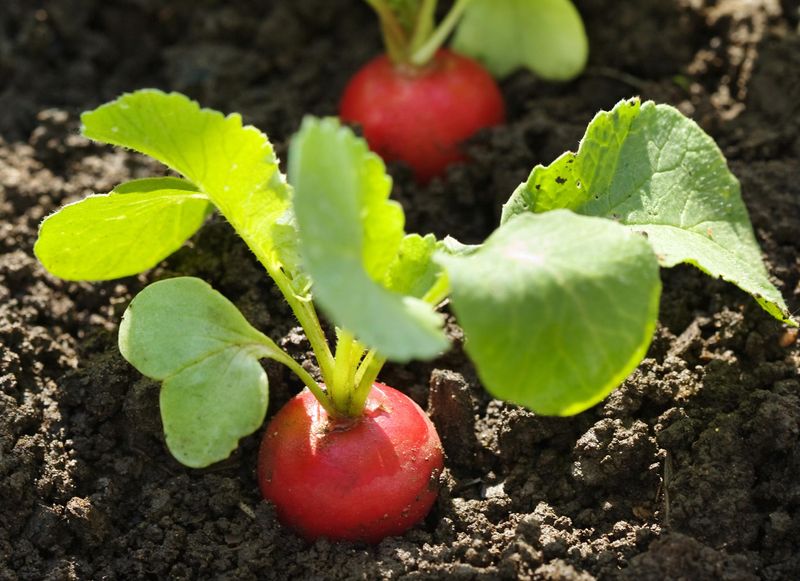
If patience is not your strong suit in the garden, radishes were made for you. These speedy little vegetables can go from seed to harvest in as few as 22 to 30 days, making them one of the fastest crops you can possibly grow.
Planting radishes now means you could be pulling them out of the ground before most other fall vegetables even get going.
Radishes love cool weather and actually get tough and pithy when grown in summer heat. Fall is their ideal season.
The cooler temperatures slow their growth just enough to develop crisp texture and mild, pleasant flavor. Pennsylvania’s September and October conditions are honestly perfect for radishes.
Sow radish seeds directly into the garden about half an inch deep and one inch apart. Thin them to two to three inches apart once they sprout.
They need full sun and consistent moisture to develop properly. If the soil dries out during root development, radishes can become woody and overly spicy.
Try varieties like Cherry Belle, French Breakfast, or Watermelon radish for fall planting. Watermelon radishes are especially fun because they look plain on the outside but reveal a stunning pink and white interior when sliced.
They take a bit longer to mature but are absolutely worth the extra wait. Radishes also work great as companion plants. Gardeners often tuck them between slower-growing crops to maximize space.
By the time the radishes are harvested, the neighboring plants have room to spread out. It is one of the smartest ways to use every inch of your garden bed.
6. Lettuce
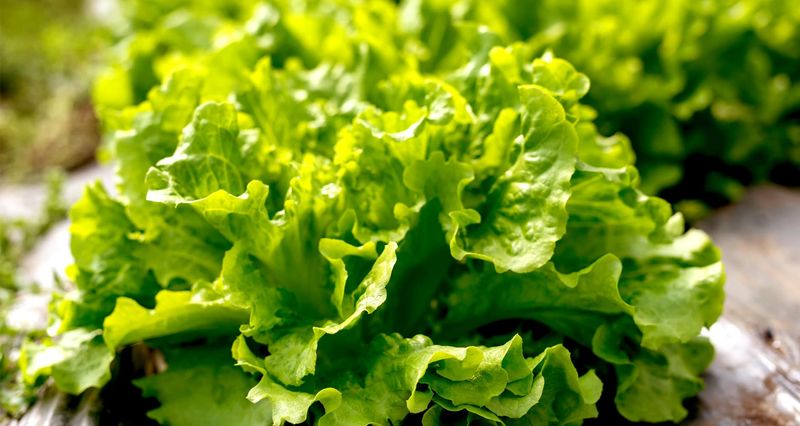
Summer lettuce is often a struggle. It bolts quickly, turns bitter, and goes from seedling to seed stalk faster than you can harvest it.
Fall lettuce is a completely different experience. Cooler temperatures slow the bolting process, giving leaves time to develop full flavor and crisp texture.
Pennsylvania’s fall climate is genuinely ideal for growing some of the best lettuce of the entire year.
Lettuce grows well from both transplants and direct-sown seeds. For the fastest results, start seeds indoors a few weeks ago and transplant now, or sow seeds directly into your garden bed and thin as they grow.
Either method works well in Pennsylvania’s fall conditions. Great varieties for fall include Black Seeded Simpson, Buttercrunch, Red Sails, and Romaine types like Parris Island.
These varieties are known for their reliability in cooler temperatures and produce well even as nights get chilly. Mix several types together for a colorful, varied harvest.
Lettuce prefers loose, fertile soil with good drainage. It does not need as much sun as some vegetables, so it works well in spots that get partial shade in the afternoon.
Water consistently but avoid overwatering, as soggy roots can cause rot and stunted growth.
Once your lettuce reaches harvest size, use the cut-and-come-again method. Snip outer leaves and leave the center of the plant intact so it keeps producing new growth.
With this approach, a single planting can give you fresh salad greens for weeks. Fall lettuce is easy, rewarding, and absolutely delicious straight from the garden.
7. Beet
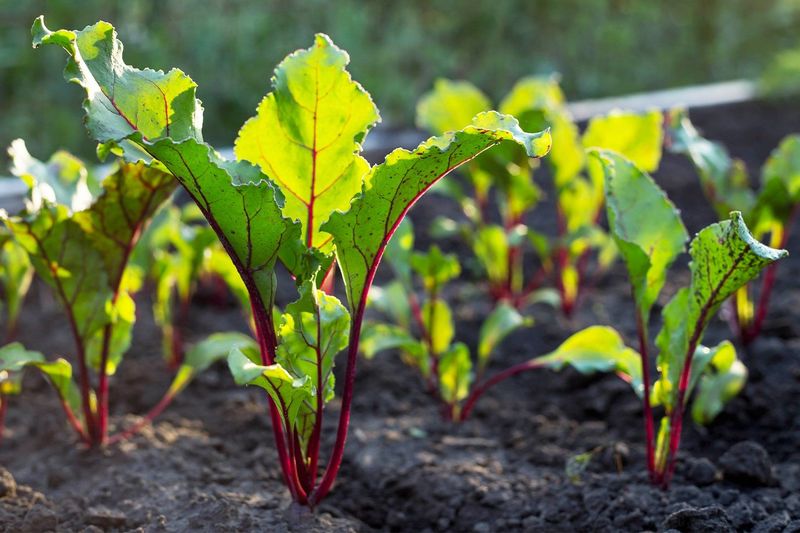
Beets are one of the most underrated fall vegetables a Pennsylvania gardener can grow. They are reliable, low-maintenance, and incredibly versatile.
You get two harvests from a single plant: the roots and the leafy greens. Beet greens can be used just like spinach or Swiss chard, making beets one of the most efficient crops in any fall garden.
Plant beet seeds directly into the ground now, about half an inch deep and two to three inches apart. Beet seeds are actually clusters, meaning each one can produce multiple seedlings.
Once they sprout, thin them to about four inches apart so the roots have room to swell and grow to full size.
Beets prefer loose, well-drained soil that is free of rocks and debris. Hard soil can cause misshapen or stunted roots.
Work compost into your bed before planting to improve both drainage and nutrient content. Beets are also relatively drought-tolerant once established, though steady moisture produces better roots.
Fall beets in Pennsylvania handle chilly nights exceptionally well. Light frosts do not harm the roots, and cooler temperatures actually improve their sweetness over time.
Varieties like Detroit Dark Red, Chioggia, and Golden Beet all perform beautifully in fall conditions and each brings something unique to the table in terms of color and flavor.
Roasted beets, pickled beets, beet salads, and beet soups are just a few ways to enjoy your harvest. Fresh homegrown beets have an earthy sweetness that store-bought versions rarely match.
Plant them now and you will have a colorful, nutritious crop ready to pull from the ground well into the heart of fall.