These 7 Plants Thrive In Ohio With Almost No Care After May
May is a busy month in the Ohio garden and most gardeners are happy to put in the work. The problem is when that level of effort feels expected all season long.
Watering, feeding, trimming, staking, the list has a way of expanding until the garden starts to feel like a second job. Some plants simply do not ask for that.
Once established through spring, they settle in and handle the heat, the humidity, and the occasional dry spell without much input from anyone.
Ohio summers reward gardeners who choose wisely in May because the right plants spend the rest of the season proving they did not need much help to begin with.
A well-chosen low-maintenance border is not a compromise. It is a smarter way to garden, one that leaves time for the parts of it that are actually enjoyable.
1. Coneflowers Keep Blooming With Little Summer Fuss
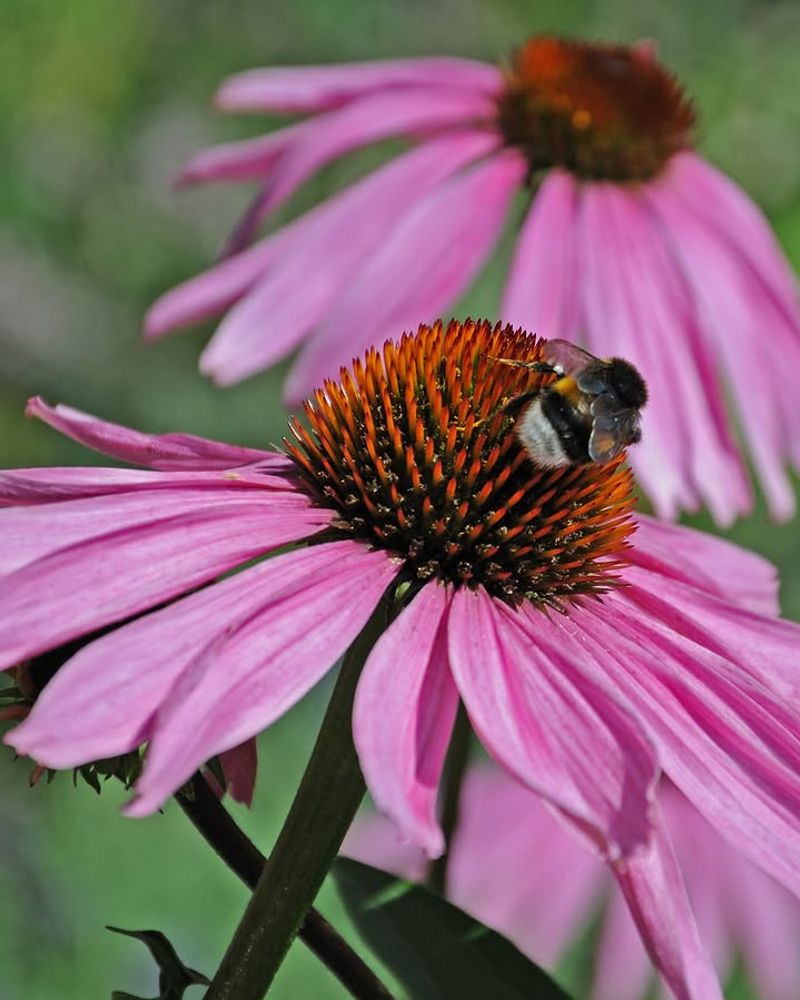
Few summer perennials earn their keep quite like coneflowers. These tough, sun-loving plants bring bold color to garden borders from roughly July through September.
Once their roots are settled, they handle heat and average soil without much fussing from you. They work beautifully in pollinator beds, cottage-style plantings, and low-maintenance sunny borders where you want reliable color without constant attention.
Coneflowers prefer full sun and well-drained soil. They are not fans of wet, heavy clay, which can cause root problems and weaken the plant over time.
If your yard has heavier soil, consider amending it with compost before planting, or choose a raised bed or berm where drainage is better. Average, even lean soil is honestly fine once they are established.
Here is the part many gardeners skip over: newly planted coneflowers still need consistent watering through their first growing season. Roots need time to spread and anchor before the plant can handle dry stretches on its own.
Plan to water regularly during dry spells in that first summer, especially in July and August when heat is strongest.
After establishment, coneflowers are much more forgiving. You can trim spent blooms to encourage more flowers, or leave the seed heads standing for goldfinches and other birds that love them in late summer and fall.
Either approach works depending on how tidy you want your beds to look.
Dividing clumps every few years can help keep plants vigorous. If a clump starts looking crowded or flowering slows down, early spring is a good time to lift and split it.
Native species like Echinacea purpurea tend to be especially well-suited to local conditions and are widely available at Ohio nurseries and native plant sales.
2. Black-Eyed Susans Handle Heat Once Their Roots Settle
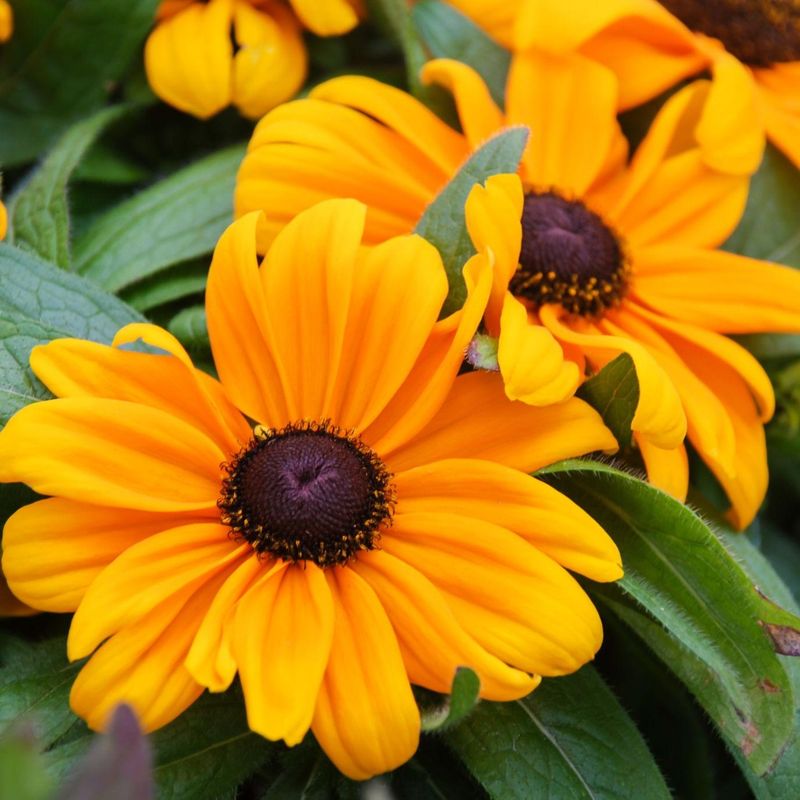
Sunny, cheerful, and genuinely tough, black-eyed Susans are one of those plants that seem tailor-made for summer gardens in this state. Their golden-yellow petals and dark centers brighten up borders from midsummer well into fall.
They also attract pollinators at a time when many other flowers have already faded. If you have a sunny spot with decent drainage, these plants are worth considering.
Your Ohio Garden Changes Every Week. Your Plan Should Too.
Gardening in Ohio changes quickly throughout the season. Every Friday you’ll receive a simple weekly plan showing exactly what to plant, prune, fertilize, harvest, and protect so you never miss the right timing.
They prefer full sun and well-drained soil, but they can handle conditions that are a little less than perfect once they are established.
Some gardeners grow them successfully in spots that get a bit of afternoon shade or have average clay-loam soil, as long as the drainage is not too poor.
Still, the best results come from a sunny location where water does not sit after rain.
New transplants need regular watering during their first season. It is easy to assume these sturdy-looking plants can fend for themselves right away, but young roots need moisture to get established.
Water consistently during dry stretches, especially in the weeks right after planting.
Once settled, black-eyed Susans are fairly low-demand. You can remove spent flowers if you want to encourage more blooms and keep beds looking tidy.
Leaving them in place lets seeds ripen, which can lead to new seedlings nearby. That self-seeding habit is welcome in naturalistic plantings but worth managing in more formal beds.
Crowded clumps can be divided in early spring to refresh the planting and improve flowering. Rudbeckia hirta, the common black-eyed Susan, is a native wildflower that fits naturally into many local garden styles.
It pairs especially well with coneflowers, ornamental grasses, and other sun-loving perennials for a low-fuss, high-impact summer display.
3. Sedum Stays Strong In Sunny, Dry Spots
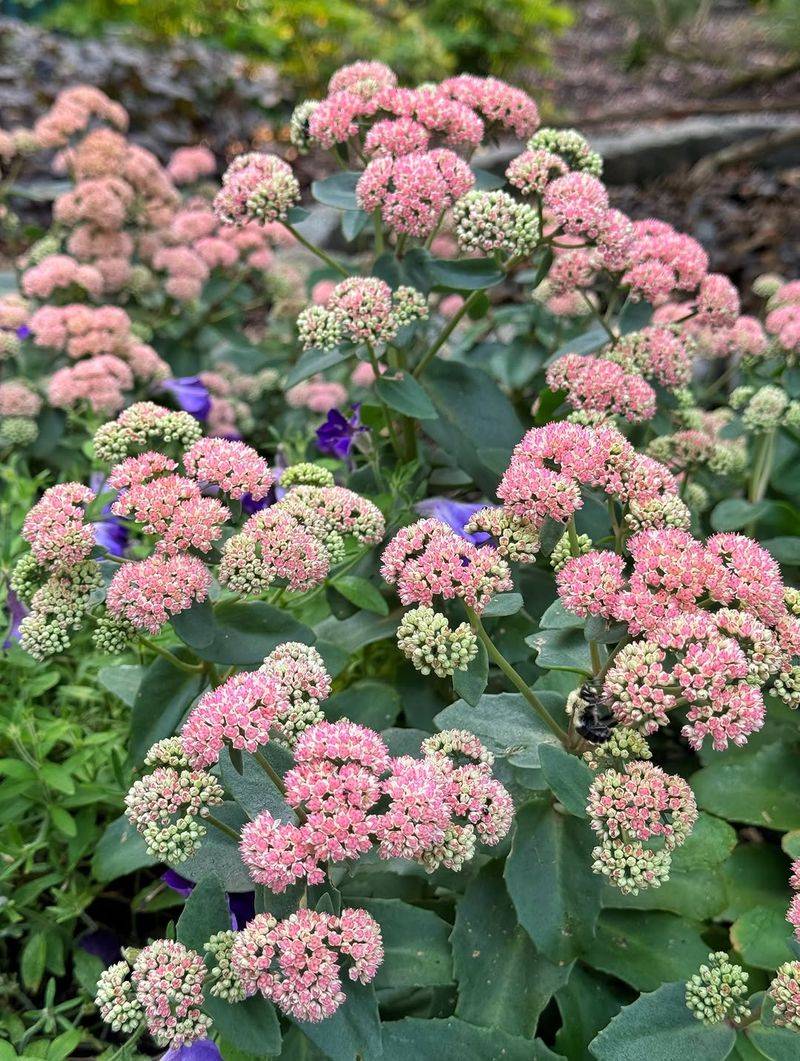
Upright sedum, sometimes called stonecrop or Hylotelephium, is one of those quietly reliable plants that earns more appreciation the longer you grow it.
It handles sunny spots with dry or lean soil better than most perennials, making it a smart pick for areas where other plants tend to struggle.
Hot driveway edges, south-facing borders, and sunny patio beds are exactly the kind of spots where sedum tends to shine.
Sedum thrives in lean to average, well-drained soil. It does not need rich soil or heavy feeding, and in fact, too much fertilizer or overly rich ground can make plants floppy and weak-stemmed.
Good drainage is the single most important factor. Wet or soggy clay soil is where this plant runs into real trouble, so avoid low spots that hold water after rain.
Even though sedum is known for drought tolerance, newly planted specimens still need regular moisture while their roots get established. Plan to water consistently during the first growing season, especially through any dry stretches in summer.
After that first year, established plants handle dry spells much more gracefully than most perennials.
Popular varieties like Autumn Joy and Autumn Fire produce flat-topped clusters of rosy-pink flowers in late summer and fall. That is a welcome bonus when many other perennials are winding down.
The thick, succulent-like foliage looks tidy from spring through frost, and the dried seed heads can add winter interest if you leave them standing.
Dividing clumps every few years keeps plants looking their best and prevents the center from opening up. Early spring, just as new growth appears, is the easiest time to split sedum.
It is a straightforward, satisfying task that takes only a few minutes and gives you extra plants to fill other sunny spots in the garden.
4. Daylilies Bounce Back With Minimal Attention
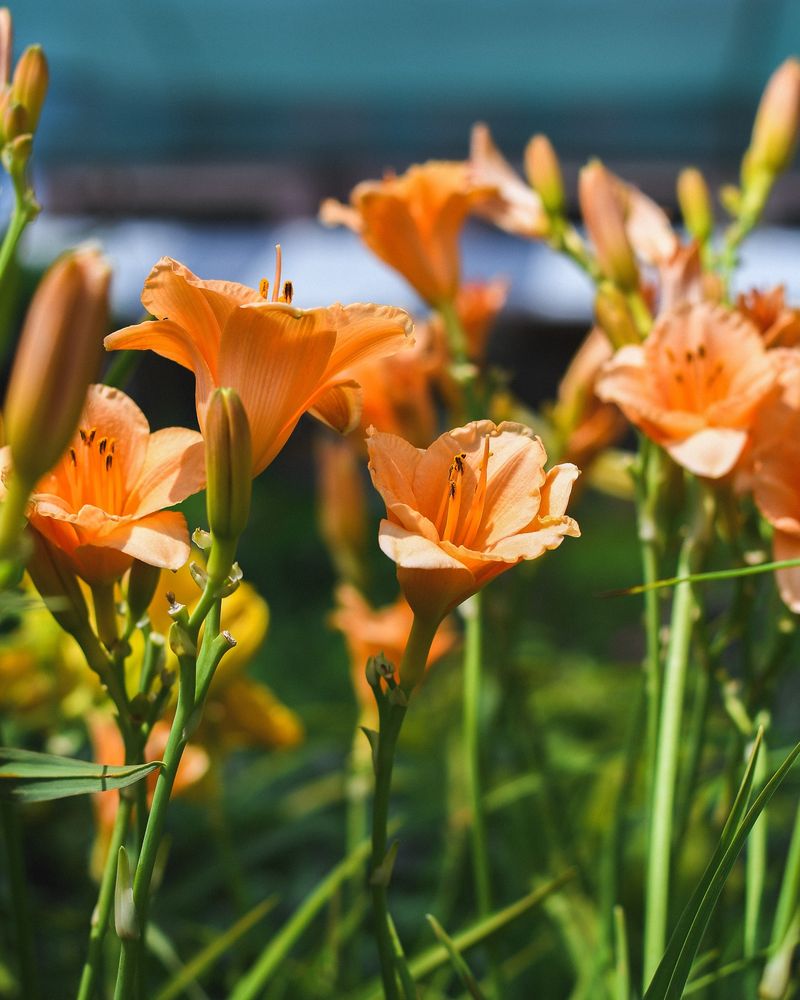
Ask almost any experienced gardener in this state about a reliable perennial, and daylilies will come up quickly. They have a reputation for being forgiving, adaptable, and willing to bloom even when conditions are not perfect.
For many gardeners, that combination makes them a go-to plant for filling sunny to lightly shaded beds without a lot of ongoing fuss.
Daylilies do best in full sun to part sun with well-drained soil, but they are more flexible than many perennials when it comes to soil type. They can handle average clay-loam soil as long as drainage is reasonable.
Rich, consistently moist soil produces lush foliage and good flowering, but daylilies can also manage in drier spots once they are established and settled in.
New plantings still need regular watering through their first growing season. Roots need time to spread before the plant can manage on its own during dry summer stretches.
Skipping early watering is one of the most common reasons newly planted daylilies underperform in their first year.
One thing worth keeping in mind: low-maintenance does not mean never-maintained. Older clumps that have been in the ground for many years may start flowering less as they become overcrowded.
Dividing clumps in early spring or early fall every three to five years refreshes the planting and brings blooming back to full strength. It is an easy job, and the divisions transplant well.
Removing spent flower stalks after blooming keeps beds looking neat and redirects the plant’s energy. Some repeat-blooming varieties will push out a second flush of flowers later in summer if conditions stay favorable.
With thousands of named varieties available, there is a daylily for nearly every color preference and garden size.
5. Catmint Keeps Going After A Simple Spring Trim
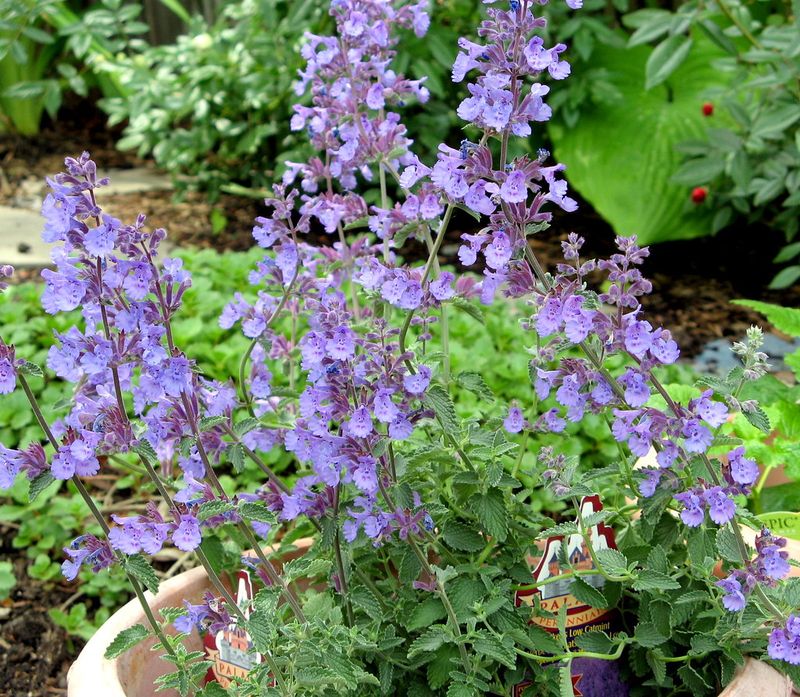
There is something genuinely satisfying about a plant that blooms abundantly, smells wonderful, attracts pollinators, and asks very little in return. Catmint checks all of those boxes.
Once established in a sunny spot with well-drained soil, it produces waves of soft lavender-blue flower spikes. These keep the border looking full and lively from late spring well into summer.
Catmint prefers full sun and well-drained to lean soil. It handles dry conditions reasonably well after establishment.
That makes it a practical choice for sunny edges, walkway borders, and spots that tend to dry out faster in summer. It is also a strong performer in areas with good air circulation, which helps prevent the kind of floppy growth that can happen in more sheltered spots.
Rich soil or too much shade can cause catmint to sprawl and lose its tidy mounded shape. If your garden beds are heavily amended with compost year after year, catmint may flop more than you would like.
Leaner soil and full sun bring out its best, most compact form.
A simple trim after the first big flush of blooms can encourage a tidier shape. In many areas, this usually happens in late June or early July and often triggers a second round of flowering later in summer.
You do not need to do a hard cutback every time, just shearing it back by about one-third is usually enough to tidy things up and encourage fresh growth.
Newly planted catmint still needs regular watering during its first season while roots develop. Once established, it becomes noticeably more drought-tolerant and lower-demand.
Popular varieties like Walker’s Low and Six Hills Giant are widely available. They are well-suited to perennial borders, pollinator gardens, and sunny cottage-style plantings across many parts of the state.
6. Yarrow Handles Lean Soil And Hot Summer Days
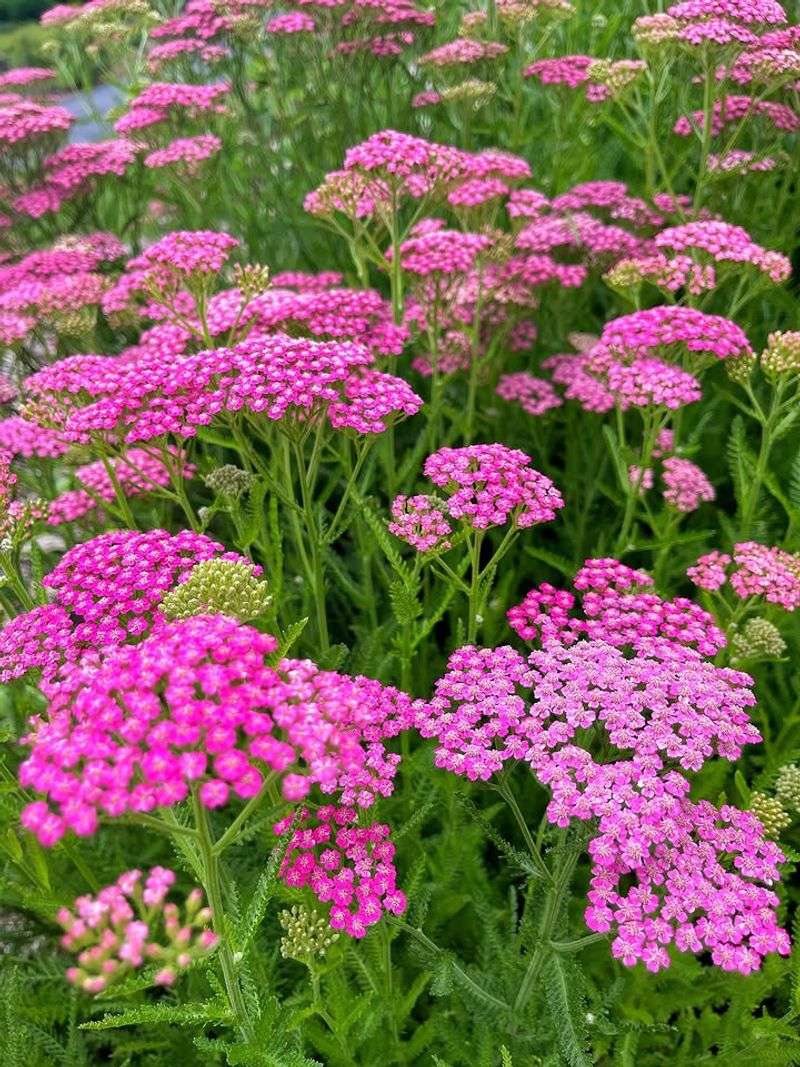
Yarrow is the kind of plant that thrives where others give up. Hot, dry conditions and lean soil are not obstacles for this tough perennial – they are practically its preferred growing environment.
Once established, it can handle stretches of dry summer weather that would stress most other flowering perennials. That makes it useful in areas where irrigation is limited or rainfall is uneven.
It fits naturally into meadow-style plantings, sunny borders, and low-water areas where you want reliable color without heavy maintenance.
Flat-topped flower clusters in shades of yellow, white, red, and soft pink bloom from early summer onward and attract a steady stream of beneficial insects.
The ferny, aromatic foliage adds texture even when the plant is not in bloom.
Well-drained soil is essential. Yarrow does not need rich soil and actually performs better without it.
Heavy feeding or overly amended soil can make plants floppy and more prone to spreading aggressively. Some varieties do have a tendency to spread by underground runners.
Choosing a spot where a little spreading is acceptable, or checking the variety’s habit before planting, is a smart move.
Wet, poorly drained clay soil is where yarrow tends to struggle most. If your yard has heavy soil that stays wet after rain, improve drainage before planting.
You can also choose a different raised spot to give this plant a much better chance of performing well over time.
New plantings still need watering while roots develop during the first growing season. After that, established yarrow is notably more self-sufficient.
Cutting back spent flower stalks can encourage a second flush and keeps the planting looking tidy. Dividing clumps every few years in early spring prevents overcrowding and keeps plants vigorous and blooming well.
7. Hostas Fill Shady Beds With Very Little Work
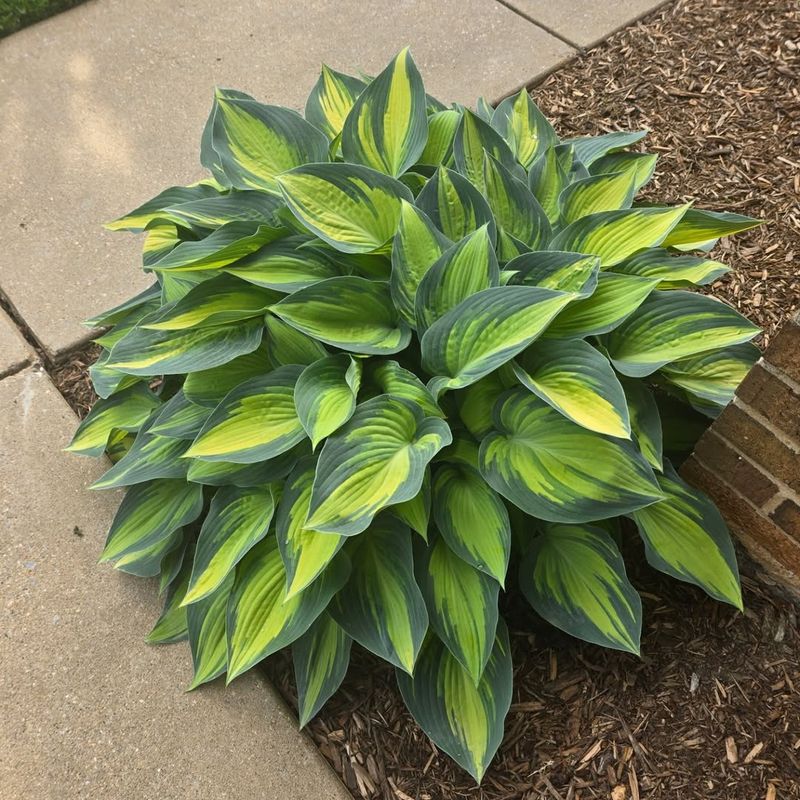
Shady spots in the yard can be some of the hardest places to fill with plants that actually look good all season. Hostas are one of the most dependable answers to that challenge.
Their bold, textured foliage comes in a remarkable range of greens, blues, golds, and variegated patterns. Once established, they fill shady beds with lush, attractive growth that holds up from spring through fall.
Hostas prefer rich, moist, well-drained soil and protection from harsh afternoon sun. Morning sun or dappled light under trees suits most varieties well.
Deep shade can reduce the vibrancy of gold and variegated types, so matching the variety to the light level in your specific spot will give you the best results. Many experienced gardeners read the plant tag carefully before choosing a spot.
Slugs are a genuine concern, especially during wet springs and humid summers. They can leave ragged holes in the leaves that persist all season.
Checking under leaves and around the base of plants is a practical first step. Using iron phosphate slug bait if needed and removing debris where slugs hide can also manage the problem without heavy chemical use.
Deer browsing is another honest reality in many suburban and rural yards. Hostas are not deer-resistant, and in areas with heavy deer pressure, some form of protection or a deer-resistant companion planting strategy may be needed.
Keeping that in mind before planting a large hosta bed can save real frustration later.
During extended dry spells, hostas benefit from supplemental watering even after they are established. They are not drought-tolerant plants.
Mulching around the base helps retain soil moisture and keeps roots cooler during hot stretches. Hostas are easy, rewarding, and genuinely beautiful in shade beds, but they work best when given the right conditions from the start.