9 Arizona Plants That Can Struggle When Rock Mulch Gets Too Hot
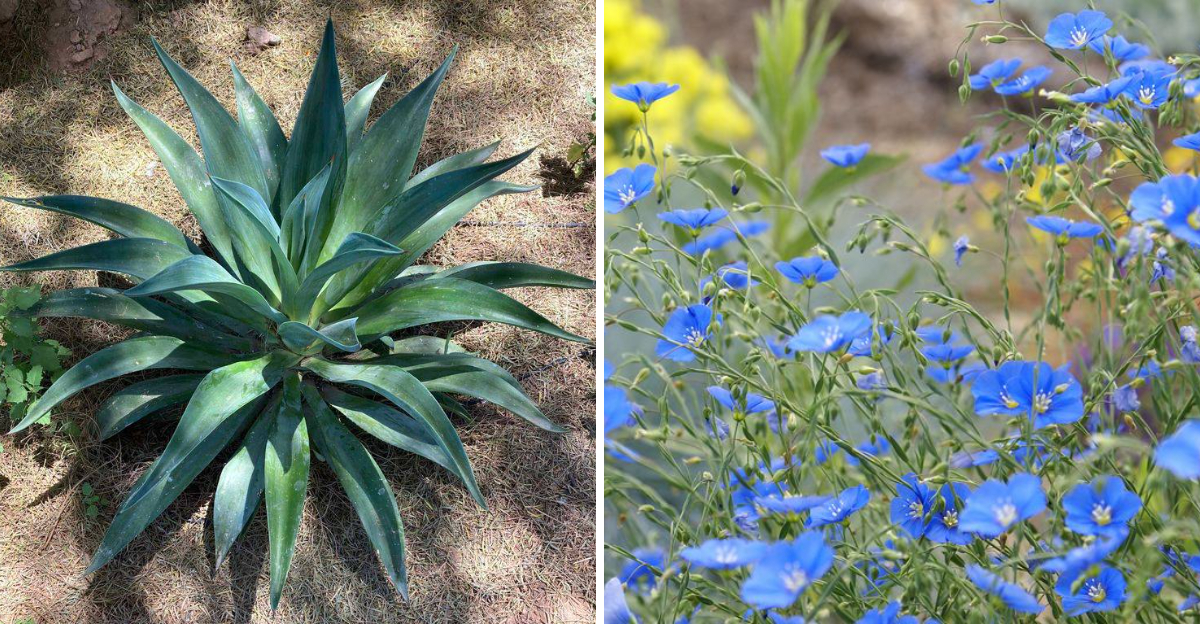
Rock mulch looks great in an Arizona yard. It’s low maintenance, it fits the desert aesthetic perfectly, and let’s be honest, it’s basically everywhere.
But here’s something a lot of homeowners don’t think about until their plants start struggling: all that gravel and stone is quietly cooking things from the ground up.
Rocks absorb heat all day long like tiny little storage units, and then release it back into the soil and air once the sun goes down.
Add reflected heat bouncing off block walls and light-colored gravel, and you’ve got root-zone temperatures that can climb well beyond what even some tough-looking plants can actually handle.
Not every Arizona landscape plant is as rock-mulch-ready as it appears. Some of them are just really good at looking fine right up until they’re not.
1. White Plumbago Needs Heat Relief
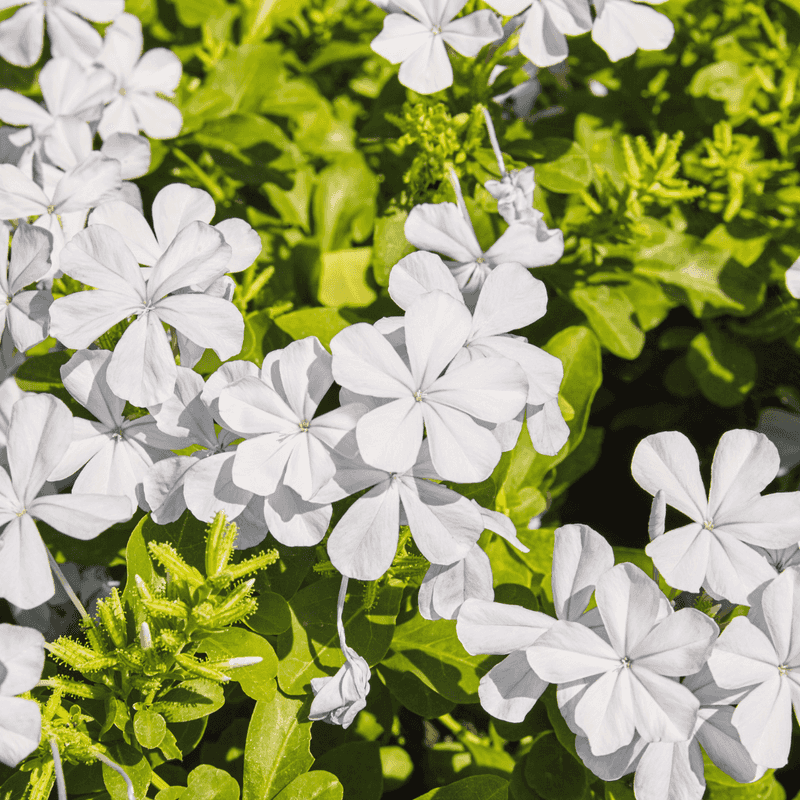
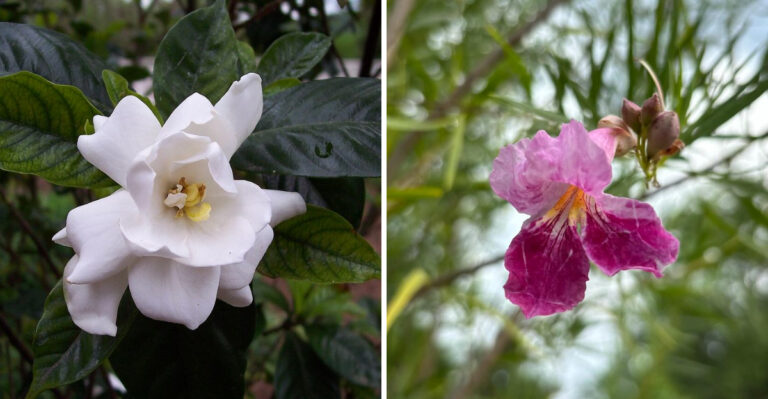
Gravel beds that sit in full afternoon sun can become surprisingly brutal for white plumbago, a plant that many homeowners add to their landscapes for its soft, star-shaped white blooms and low-water reputation.
While white plumbago handles Arizona heat reasonably well in the right spot, placing it directly over rock mulch in a south- or west-facing area can push soil temperatures past its comfort zone.
When root zones get too warm, white plumbago may show signs of stress like yellowing leaves, fewer flowers, and stems that look limp even after watering.
The reflected heat from gravel and nearby block walls tends to make things worse, especially during the peak summer months in Arizona.
Homeowners often get better results by placing white plumbago along east-facing borders where it receives morning sun but gets some afternoon protection.
Adding a thin layer of organic mulch around the base, while keeping rock mulch a few inches back from the crown, can help moderate soil temperature.
Regular, deep irrigation during hot stretches also helps white plumbago stay comfortable without sitting in soggy soil. Thoughtful placement makes a noticeable difference for this plant in Arizona landscapes.
2. Blue Flax Dislikes Hot Dry Soil
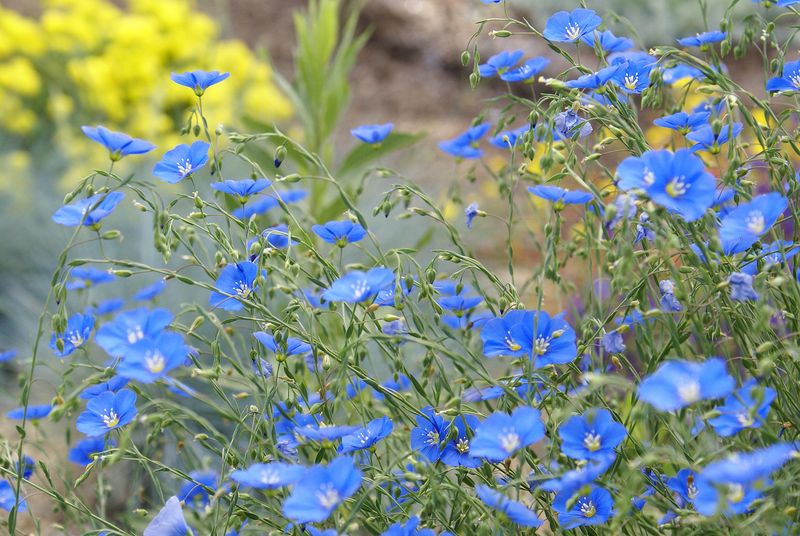
Few things drain the life out of blue flax faster than a hot gravel bed baking under the summer sun.
This slender, airy wildflower brings beautiful sky-blue blooms to desert landscapes, but it genuinely dislikes the combination of hot, fast-draining soil and intense reflected heat that rock mulch can create.
Blue flax naturally grows in areas with cooler soil temperatures and moderate moisture, so placing it over dense gravel in a sun-drenched Arizona yard often leads to short-lived plants that bloom briefly and fade quickly.
Gardeners may notice the stems turning straw-colored earlier than expected, with seed production dropping off well before fall.
For better results, blue flax tends to do well in areas where it gets some afternoon shade, perhaps near a larger shrub or along a shaded wall where the soil stays a little cooler.
Organic mulch around the root zone can help retain moisture and reduce soil temperature fluctuations.
In Arizona, blue flax can reseed on its own in the right conditions, so letting plants go to seed in a cooler, sheltered spot may help maintain a colony without replanting every season. Consistent light irrigation during dry stretches also supports healthier plants.
Your Arizona Garden Changes Every Week. Your Plan Should Too.
Gardening in Arizona changes quickly throughout the season. Every Friday you’ll receive a simple weekly plan showing exactly what to plant, prune, fertilize, harvest, and protect so you never miss the right timing.
3. Sago Palm Prefers Afternoon Protection
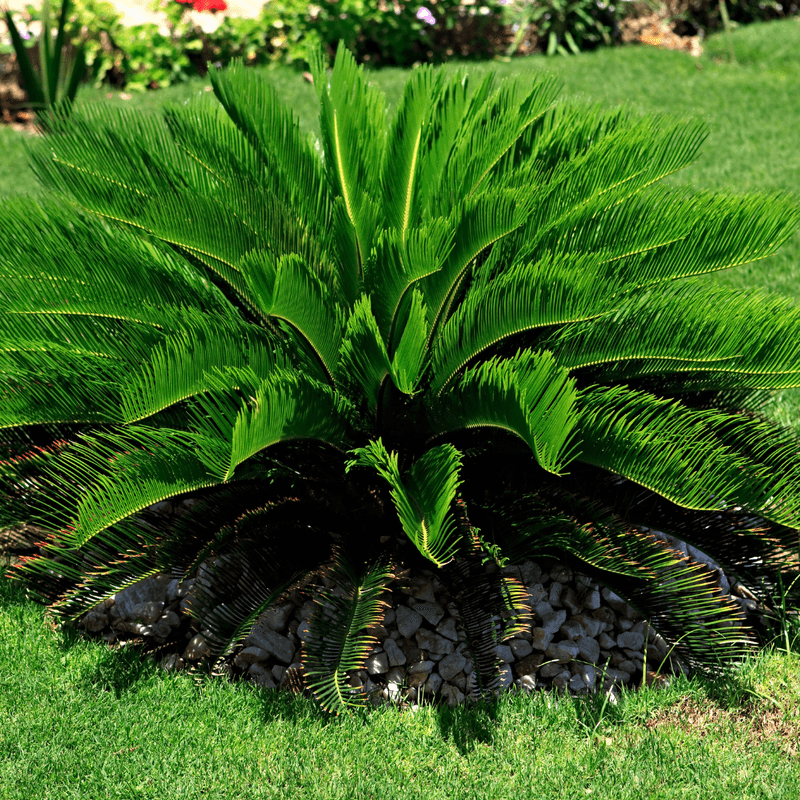
Sago palms have a bold, prehistoric look that makes them a popular choice for patios and entryways, but they can run into trouble when rock mulch radiates heat directly into their root zones.
Despite their tough appearance, sago palms are sensitive to extreme soil temperature swings and may show leaf scorch or yellowing fronds when conditions get too harsh.
In Arizona, light-colored gravel and decorative rock near patios can reflect intense afternoon sun back onto sago palm foliage, causing frond tips to brown and new growth to look stressed.
The root system also suffers when soil dries out too rapidly, which rock mulch can accelerate during the hottest months.
Placing sago palms where they receive filtered afternoon shade, such as on the east side of a structure or beneath a shade tree, tends to produce healthier, more vibrant plants.
Keeping rock mulch a comfortable distance from the trunk and adding organic material to the surrounding soil can moderate root-zone heat.
In Arizona landscapes, sago palms generally benefit from deep, infrequent irrigation rather than frequent shallow watering, which encourages roots to grow downward into cooler soil layers.
Watching for yellowing during summer heat waves can help homeowners respond before stress becomes severe.
4. Hummingbird Trumpet Likes Cooler Roots
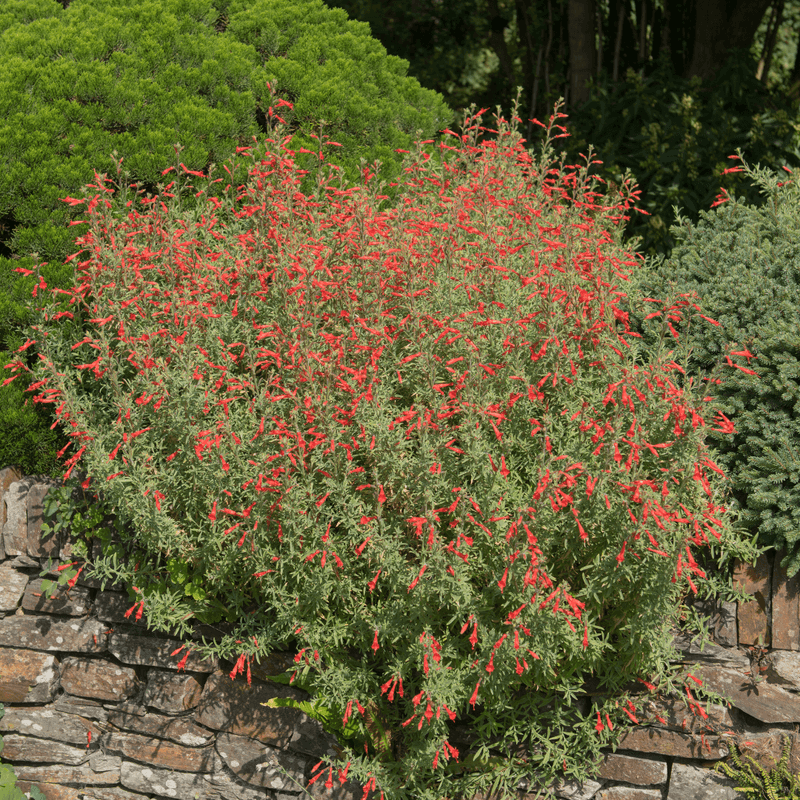
Bright red tubular flowers make hummingbird trumpet one of the most eye-catching plants in an Arizona garden, and it genuinely attracts the hummingbirds its name promises.
However, this native plant tends to prefer spots where its roots stay relatively cool, which can be a challenge when it is surrounded by heat-absorbing rock mulch in a full-sun Arizona landscape.
When root-zone temperatures climb too high, hummingbird trumpet may produce fewer flowers, develop smaller leaves, or show signs of overall fatigue during the peak of summer.
The plant is naturally adapted to grow along washes and rocky slopes where some soil moisture and shade from surrounding vegetation keeps roots from overheating.
In home landscapes, hummingbird trumpet often performs better along borders that receive morning sun and afternoon shade, or beneath the canopy of larger desert trees.
Replacing rock mulch near the base with organic mulch can lower soil temperature noticeably and help retain moisture between irrigation cycles.
Gardeners who grow hummingbird trumpet in containers have more flexibility to move plants to shadier spots during the hottest weeks.
Consistent watering during summer, without allowing the soil to stay soggy, supports steady flowering and helps the plant recover from heat-related stress more quickly.
5. Smooth Agave Needs Careful Placement
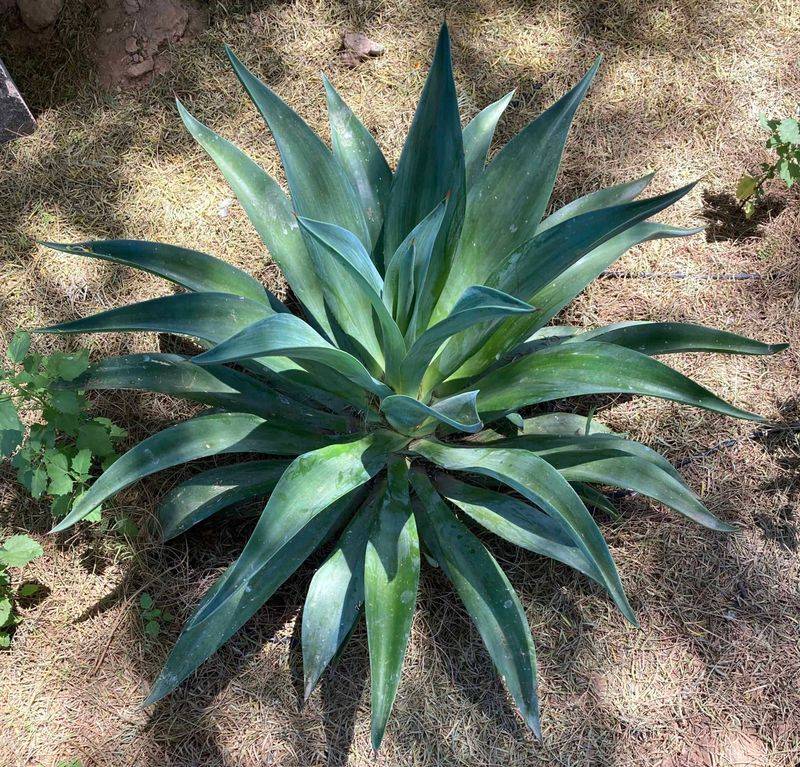
Smooth agave might look like a plant that can handle anything Arizona throws at it, and in many ways it can, but placement near highly reflective rock mulch and south- or west-facing walls can push even this tough succulent past its limits.
The outer leaves of smooth agave can develop pale, washed-out patches when intense reflected heat combines with direct afternoon sun for extended periods.
Unlike some agaves that tolerate almost any condition, smooth agave tends to prefer well-drained soil with moderate exposure rather than the amplified heat that builds up in gravel-heavy areas near block walls and concrete patios.
Homeowners sometimes notice the lower leaves drying out faster than expected in these locations, which can affect the plant’s overall appearance.
Choosing a spot with morning sun and some afternoon relief tends to suit smooth agave better in Arizona landscapes.
If rock mulch is already in place, positioning the plant slightly away from walls and highly reflective surfaces can reduce the amount of radiated heat it absorbs.
Occasional deep watering during the hottest months helps, even though smooth agave is considered drought-tolerant once established.
Paying attention to leaf color and overall rosette shape during summer heat waves can give early warning signals that a plant may need a more sheltered location.
6. Yellow Dot Needs Steady Moisture
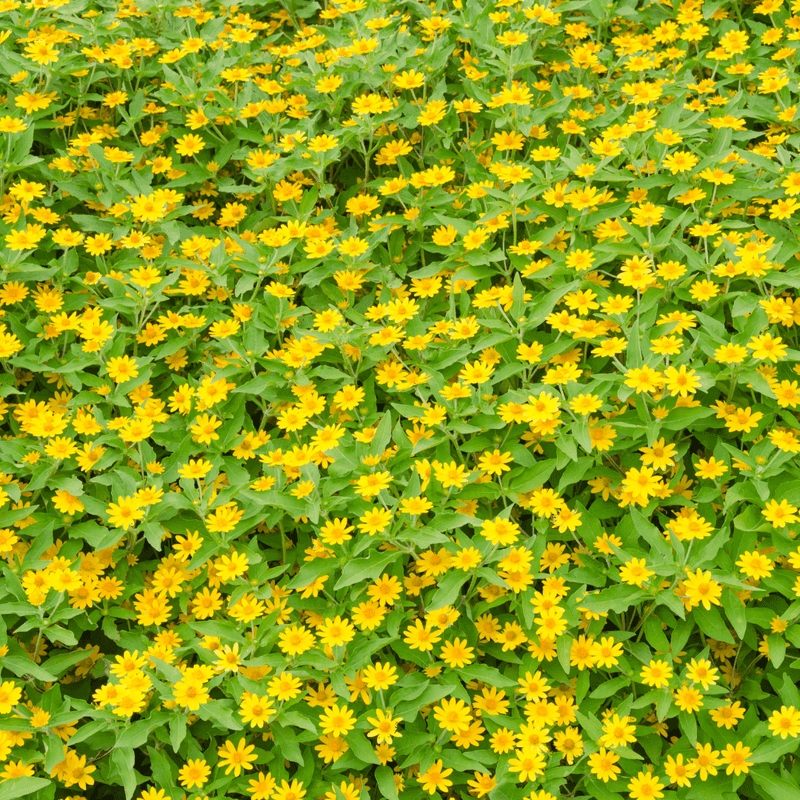
Yellow dot is one of those cheerful groundcovers that can spread quickly and fill in bare spots with a carpet of tiny golden flowers, making it popular in gardens with partial shade.
The challenge comes when yellow dot is planted over rock mulch in areas where soil dries out rapidly, because this plant is more moisture-dependent than many desert-adapted species.
Hot gravel pulls moisture away from the root zone faster than yellow dot can comfortably manage, leading to wilting, reduced flowering, and foliage that looks stressed even when irrigation seems adequate.
Arizona’s intense summer heat amplifies this problem, especially in spots where rock mulch reflects additional warmth onto the low-growing stems and leaves.
Yellow dot generally performs better in landscape areas where it gets afternoon shade and where the soil retains some consistent moisture.
Replacing rock mulch with organic mulch around yellow dot plantings can make a significant difference by slowing evaporation and keeping soil temperatures more stable.
In Arizona, this plant works well as a border groundcover along shaded patios, under trees, or in north-facing beds where conditions are a bit cooler.
Regular irrigation during dry periods, combined with thoughtful placement away from the most intense reflected heat, helps yellow dot maintain its vibrant appearance through summer.
7. Red Flax Fades In Hot Beds
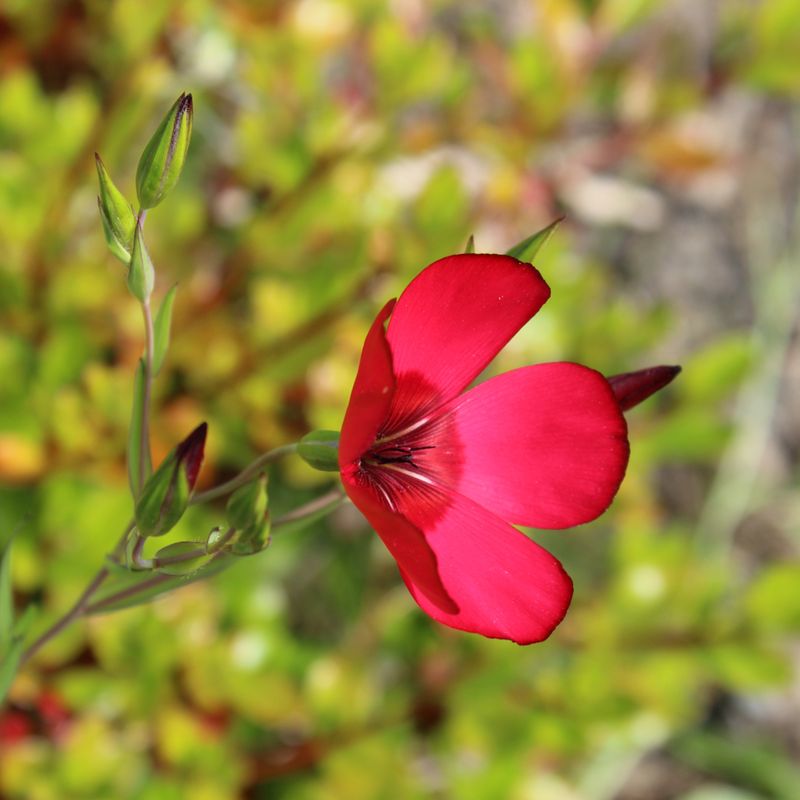
Red flax brings a vivid pop of color to Arizona landscapes with its silky crimson petals, but gardeners often notice it fades out more quickly when planted in gravel-heavy beds that soak up and radiate intense heat.
The delicate flowers of red flax are particularly sensitive to heat stress, and blooms can drop rapidly when soil temperatures climb too high around the root zone.
Rock mulch in full-sun beds can become hot enough during summer afternoons to noticeably shorten the flowering window for red flax.
Plants may start the season looking strong but taper off earlier than expected, with sparse new buds and stems that look stretched and thin as temperatures rise.
For a longer, more satisfying bloom season, red flax tends to do better in spots with some afternoon shade and in soil that holds a bit more moisture than typical desert gravel beds allow.
Mixing organic matter into the planting area and covering with organic mulch rather than rock near the crown can extend the plant’s productive period.
In Arizona, red flax can reseed in favorable conditions, so letting a few seed heads mature in a cooler, shadier corner of the yard may help establish a more resilient patch over time. Light, consistent irrigation during the growing season also supports better performance.
8. Yellow Columbine Prefers Cool Shade
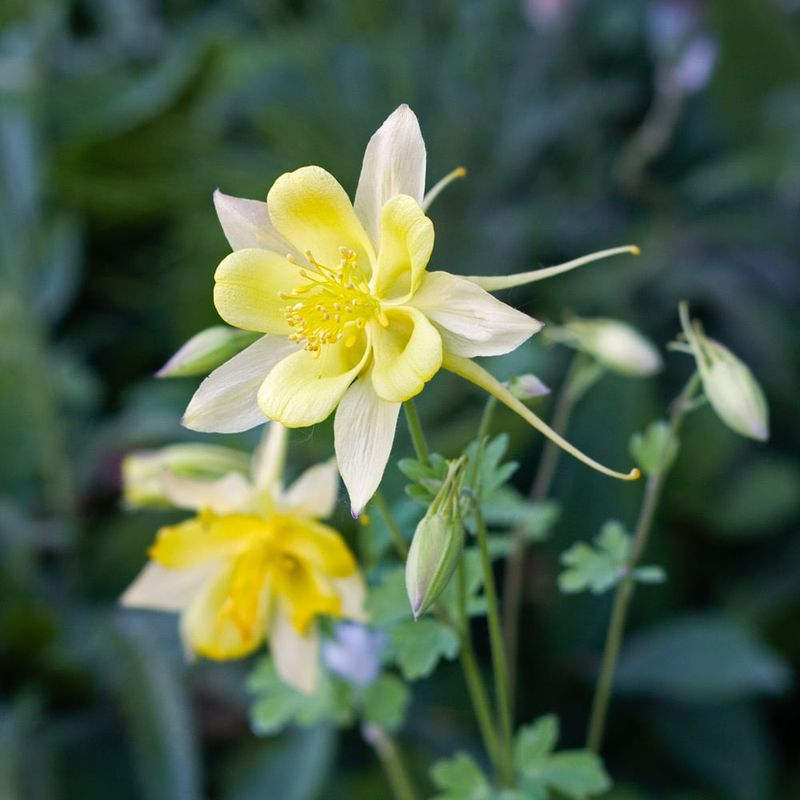
Tucked into a shaded corner of a garden, yellow columbine can look absolutely lovely with its nodding, spurred flowers and soft blue-green foliage.
But move it into a gravel bed with full sun exposure and things change quickly, because yellow columbine has a genuine preference for cool, moist soil conditions that rock mulch simply cannot provide.
In Arizona, yellow columbine is most often found growing naturally along canyon walls, near streams, and under tree canopies where soil temperatures stay moderate and moisture lingers.
Placing it over hot rock mulch in an open landscape recreates none of those conditions and can lead to rapid foliage decline, especially during the peak summer heat.
Homeowners who want to grow yellow columbine successfully in Arizona should look for north-facing beds, spots under large shade trees, or sheltered patio corners where the plant gets filtered light rather than direct afternoon sun.
Organic mulch at the base helps retain soil moisture and keeps roots from overheating.
Supplemental irrigation during dry periods is helpful, but the soil should drain well between waterings to avoid root issues.
Yellow columbine tends to be a shorter-lived perennial in Arizona anyway, so giving it the coolest, most sheltered spot available in your landscape gives it the best chance to thrive through multiple seasons.
9. Giant Chain Fern Needs Sheltered Spots
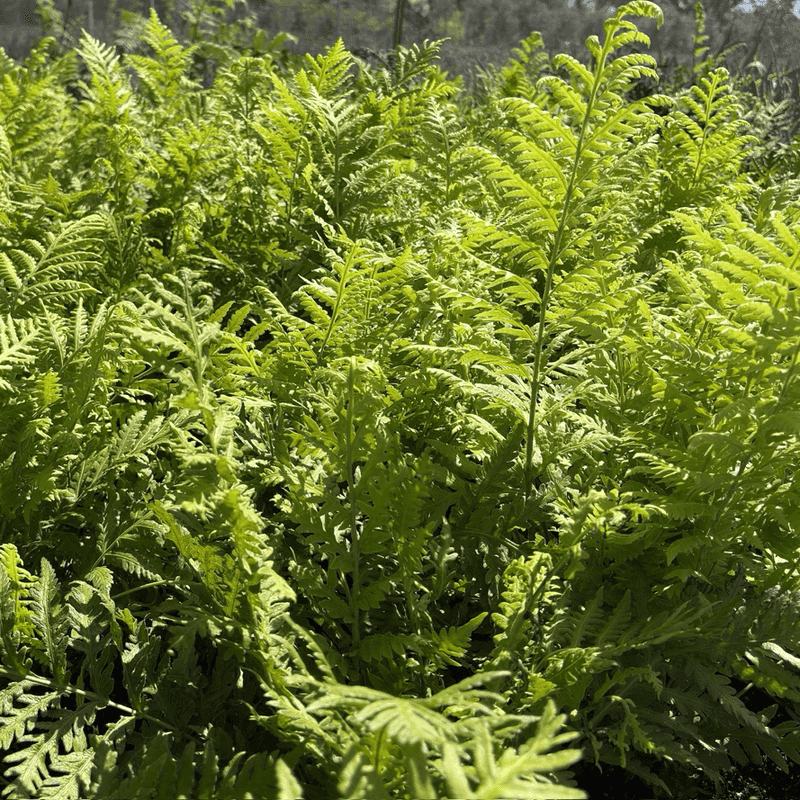
Standing tall with dramatic arching fronds that can reach impressive sizes, giant chain fern is one of the most striking plants gardener can add to a shaded landscape.
The catch is that this fern has very little tolerance for the kind of intense reflected heat and rapid soil drying that rock mulch creates, making placement absolutely critical in Arizona yards.
Giant chain fern naturally grows in moist, sheltered canyons and along stream banks where humidity stays relatively higher and soil never fully dries out.
Hot gravel beds in open Arizona landscapes are essentially the opposite of those conditions, and the fronds can turn brown and crispy quickly when roots get too warm or too dry.
For Arizona homeowners, the best approach is to treat giant chain fern as a specialty plant for deeply shaded, reliably moist spots rather than a general landscape filler.
North-facing beds near a water feature, shaded atriums, or heavily sheltered patio corners with consistent drip irrigation tend to support healthier plants.
Organic mulch layered generously around the base helps maintain the cool, moist root environment this fern prefers. Keeping rock mulch entirely away from the planting area is a good idea, since even nearby gravel can radiate enough heat to stress the roots.
Misting the fronds during dry, hot periods can also provide some relief.