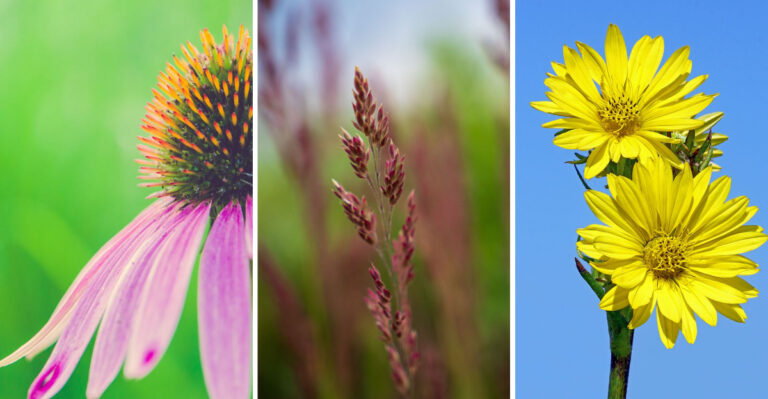
10 Tennessee Native Plants That Look Lush And Full With Minimal Watering
If your idea of gardening involves hauling a hose across the yard in ninety-degree heat, Tennessee has better plans for you.
Native plants have spent thousands of years figuring out exactly how to survive here.
The clay soil, the humid summers, the droughts that show up uninvited every August, they have seen it all.
They do not need you to fuss over them.
In fact, they tend to thrive the moment you stop trying so hard.
Full sun, deep shade, or that awkward in-between spot nobody knows what to do with, there is a native plant for you.
It will settle in, spread out, and make the whole space look intentional.
The best part?
Once they are established, your biggest gardening task becomes deciding which ones to plant next.
1. Purple Coneflower
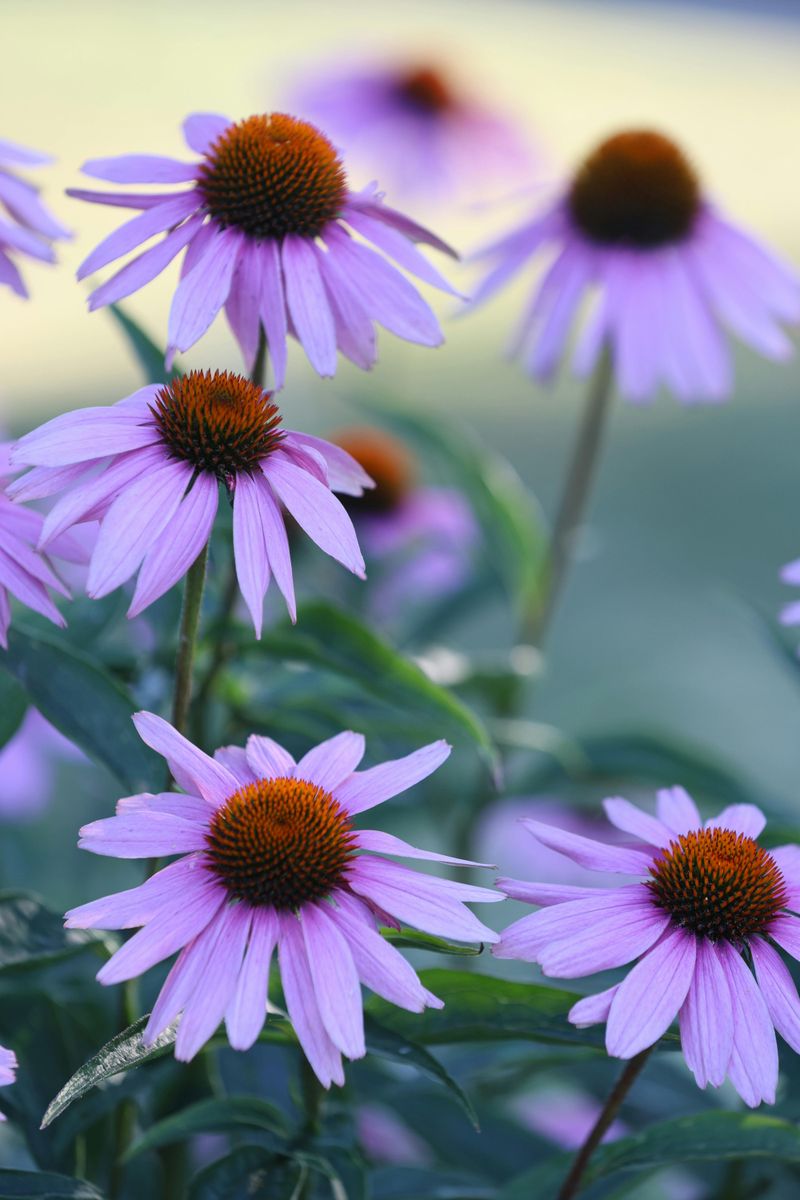
Purple coneflower is one of those plants that makes your neighbors slow down and stare.
Native to the eastern United States, it has been thriving across Tennessee meadows and roadsides for centuries.
Long before anyone thought to put it in a garden bed, this plant was already doing just fine on its own.
Once established, this tough beauty handles summer drought like a champ without a single complaint.
The daisy-like blooms show up in shades of rosy purple, and the spiky orange centers are impossible to miss.
Pollinators go absolutely wild for them, so expect butterflies and bees to treat your yard like a five-star restaurant all season long.
The blooms last from early summer well into fall, giving you serious color payoff for minimal effort.
Plant purple coneflowers in full sun and well-drained soil, and watch them spread slowly into a fuller clump each year.
They are incredibly forgiving of poor soil and stretches without rain.
That is exactly what makes them a top pick for Tennessee gardeners who want a lush, full yard without standing over it with a watering can.
Cut spent blooms back to encourage more flowers, or leave the seed heads standing for birds to feast on through winter.
2. Black-Eyed Susan
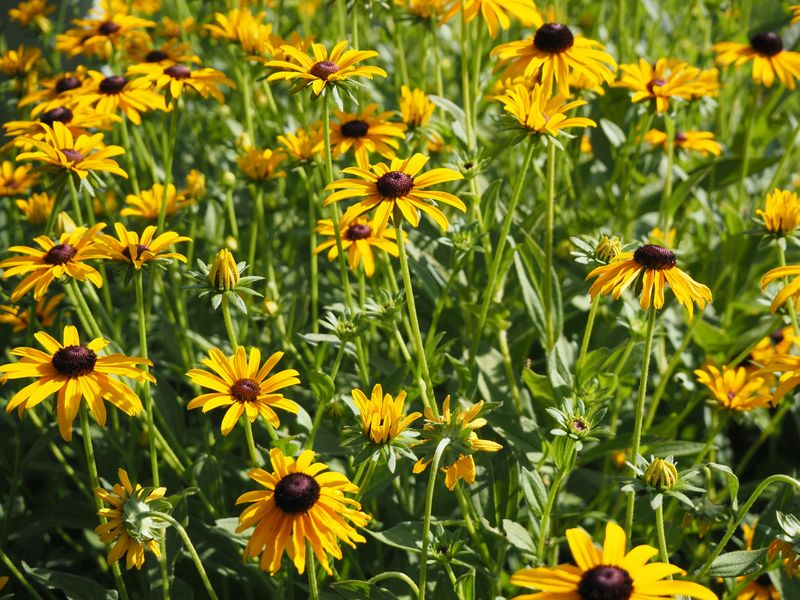
Some plants politely bloom for a few weeks and call it a season.
Black-eyed Susan is not that plant.
Those golden-yellow petals surrounding a deep brown center look like tiny suns scattered across the landscape.
This wildflower is native to Tennessee.
It has evolved to thrive in the exact kind of hot, dry conditions that send less-hardy plants into a full-on meltdown.
Black-eyed Susans grow happily in full sun and adapt to a wide range of soil types, including clay and rocky ground that would frustrate most gardeners.
They are not picky, and they do not need much from you.
Even better, they reseed themselves generously.
One small planting can quietly multiply into a breathtaking display over just a few seasons.
That self-sufficiency is genuinely hard to beat when you want a garden that fills itself in.
Pollinators flock to these blooms from mid-summer through early fall, making the garden feel alive and buzzing in the best possible way.
Your Tennessee Garden Changes Every Week. Your Plan Should Too.
Gardening in Tennessee changes quickly throughout the season. Every Friday you’ll receive a simple weekly plan showing exactly what to plant, prune, fertilize, harvest, and protect so you never miss the right timing.
As a bonus, deer tend to leave them alone, which is great news for anyone gardening in suburban or rural areas.
Black-eyed Susan is the kind of plant that settles in, shows up every summer, and doesn’t give you a reason to second-guess it.
3. Little Bluestem
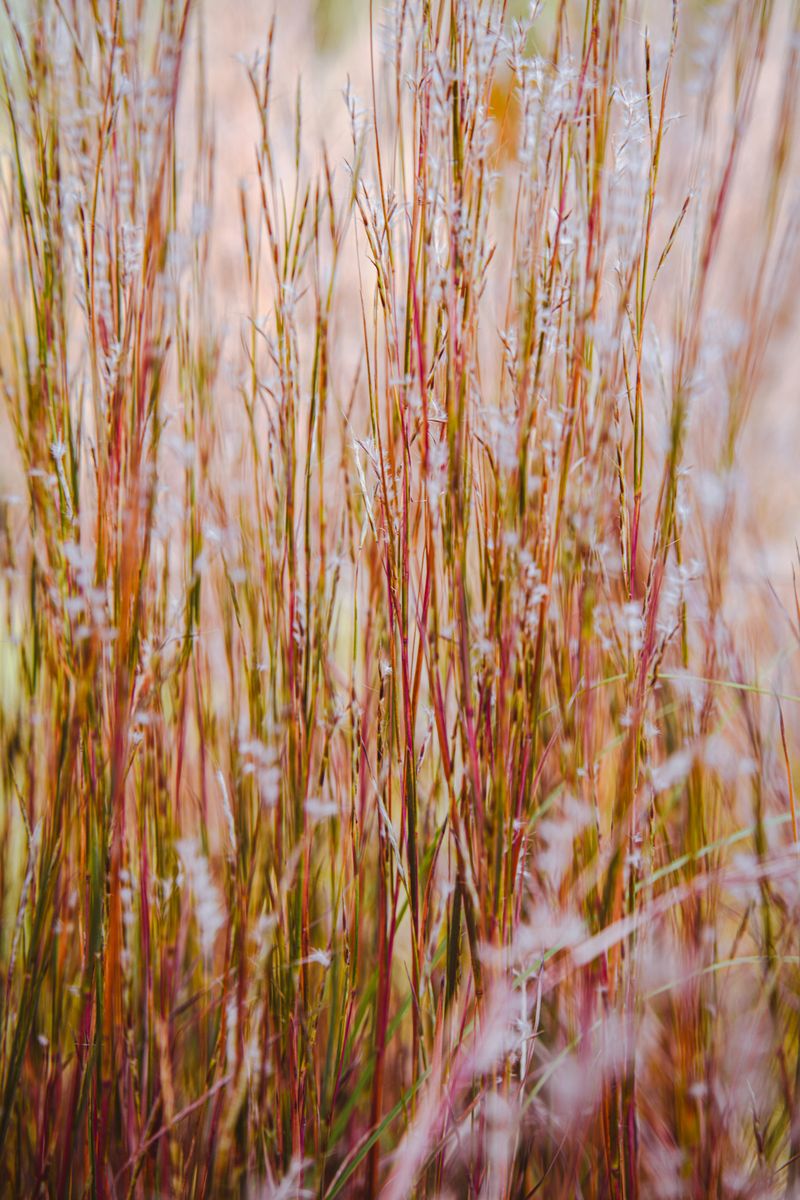
Imagine a grass that shifts from blue-green in summer to a warm, burnished copper-red by autumn, and you have little bluestem in a nutshell.
This native ornamental grass is a quiet showstopper that earns its keep across three full seasons without asking for much in return.
It is deeply rooted in the prairies and open woodlands of Tennessee, where it has been holding soil and feeding wildlife for centuries.
Little bluestem thrives in poor, dry soil and full sun, which makes it perfect for spots where nothing else seems to want to grow.
It forms upright, tidy clumps that reach about two to four feet tall, adding texture and movement to any planting.
The feathery white seed heads that appear in fall are genuinely gorgeous when backlit by the afternoon sun.
Birds like sparrows and juncos love picking through those seed heads during the colder months.
It essentially turns your garden into a natural feeding station without any effort on your part.
Overwatering is actually the one thing that can cause trouble with this plant, so less attention is genuinely better.
For gardeners who want structure, color, and wildlife appeal without constant maintenance, little bluestem is an absolute gift hiding in plain sight.
4. Butterfly Weed
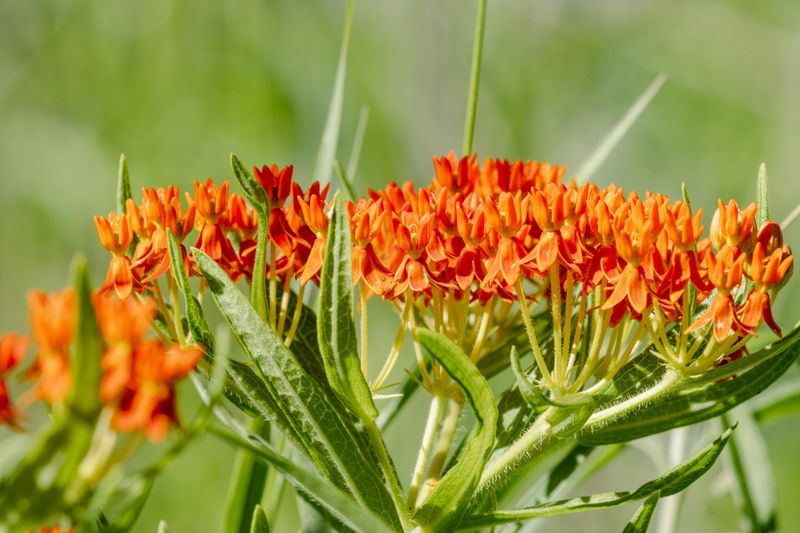
Butterfly weed has one of the most misleading names in the plant world because there is nothing weedy about it.
That bold orange bloom stops people in their tracks.
At the same time, it serves as a critical food source for monarch butterflies making their long migration south.
It belongs to the milkweed family, the only group of plants monarchs can lay their eggs on.
That makes butterfly weed genuinely important, not just spectacular to look at.
What sets butterfly weed apart from its milkweed cousins is its deep taproot, which makes it extraordinarily drought-tolerant once established.
That root system reaches far down into the soil to find moisture during dry spells, so you can essentially plant it and walk away.
It prefers full sun and well-drained to sandy soil, and it will absolutely struggle if the ground stays wet for too long.
The clusters of bright orange flowers bloom from June through August.
When the blooming wraps up, long narrow seed pods take over, and by fall, they split open to release silky, wind-carried seeds into the air.
Giving butterfly weed a little patience in spring is key, since it is one of the last plants to emerge from the ground.
Once it shows up though, it more than makes up for lost time.
5. Blue Wild Indigo
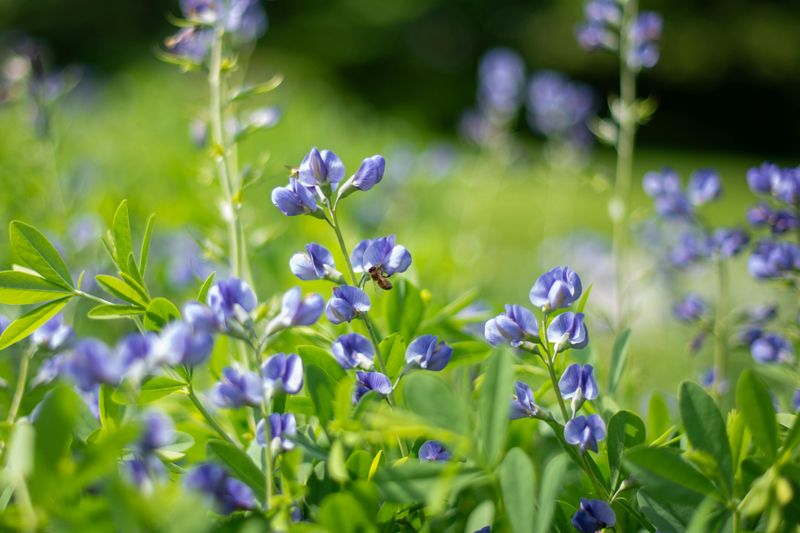
Blue wild indigo looks like something a professional gardener spent years coaxing into shape.
In reality, it has been growing wild across Tennessee on its own terms for centuries.
Those tall spikes of deep blue-purple flowers shoot up in late spring like little floral exclamation points, and they are impossible to ignore.
The plant gets its name from the indigo-blue hue of its flowers, which gave early botanists and settlers an easy way to identify it.
Once its roots are established, blue wild indigo becomes almost aggressively independent.
It fixes nitrogen in the soil, which means it actually improves the ground around it over time rather than depleting it.
That combination of beauty and ecological generosity makes it one of the most rewarding plants you can put in a sunny or lightly shaded bed.
After the flowers fade, inflated black seed pods take over and rattle in the breeze like tiny maracas, adding another layer of seasonal interest.
The whole plant can live for decades with almost no intervention, slowly expanding into a bold, bushy clump that fills space beautifully.
If you have ever wanted a plant that genuinely gets better with age, blue wild indigo is waiting to prove that point in your garden.
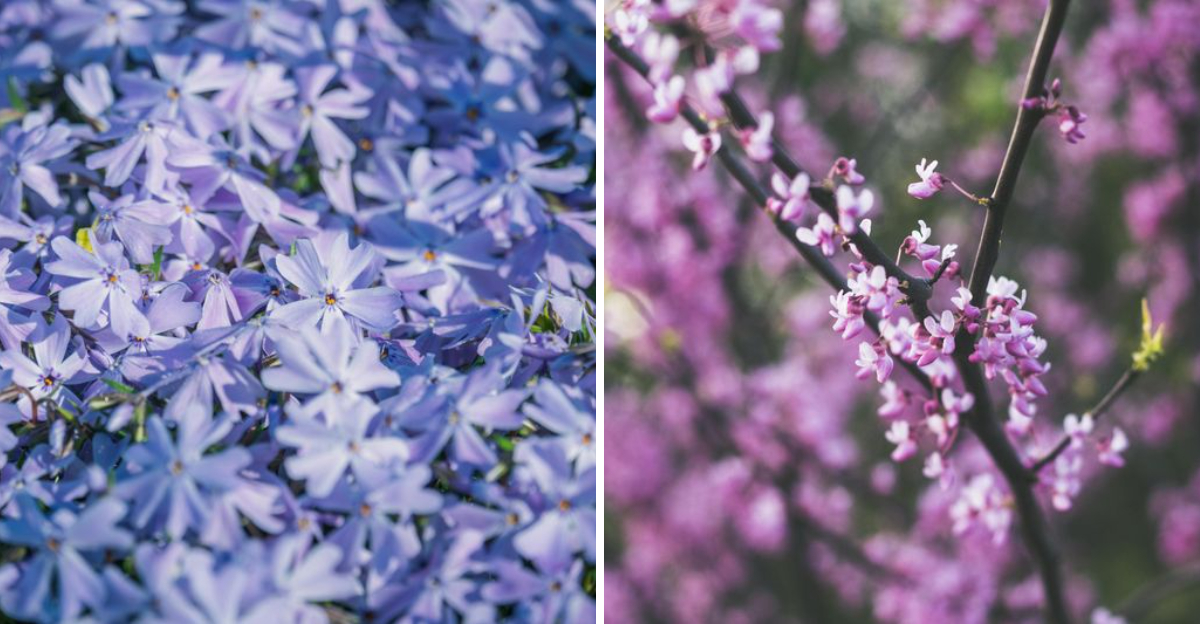
6. Eastern Redbud
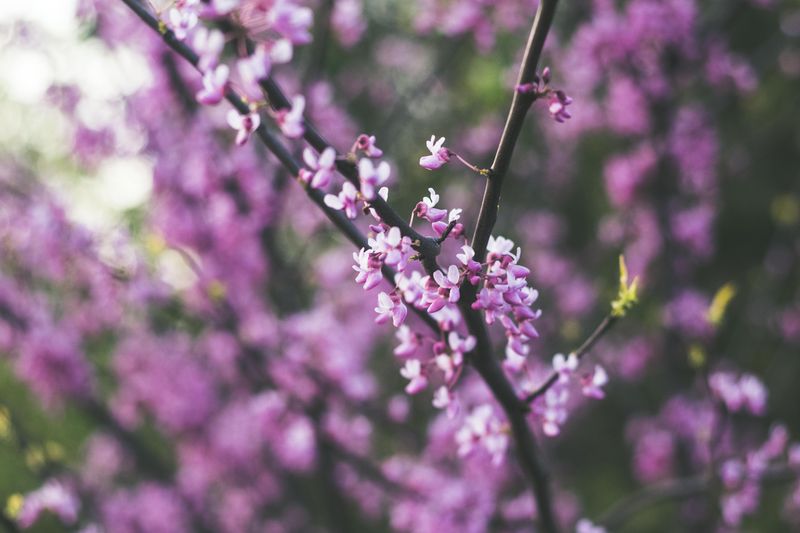
Image Credit: © Binti Malu / Pexels
Before a single leaf appears in spring, the eastern redbud puts on one of the most jaw-dropping shows in the entire plant kingdom.
Branches that looked completely bare just days before suddenly explode in clouds of rosy-pink to magenta blossoms.
Every inch of wood, from trunk to twig tip, gets covered before a single leaf appears.
This small, native tree is a true Tennessee icon, popping up along roadsides and forest edges every March and April like a seasonal celebration.
Eastern redbuds top out between fifteen and thirty feet tall.
That makes them a perfect fit for smaller yards or as an understory tree tucked beneath taller hardwoods.
Once established, they are impressively drought-tolerant and adapt well to clay soils, a common challenge across much of the state.
They handle both full sun and partial shade, giving gardeners a rare amount of flexibility when deciding where to plant them.
Beyond the flowers, heart-shaped leaves emerge in a soft reddish-green before maturing to a rich, deep green through summer.
In fall, those same leaves turn a warm yellow before dropping, giving the tree three distinct looks across the seasons.
Once you have seen an eastern redbud in full bloom against a grey April sky, it is very hard to imagine your yard without one.
7. Eastern Red Cedar
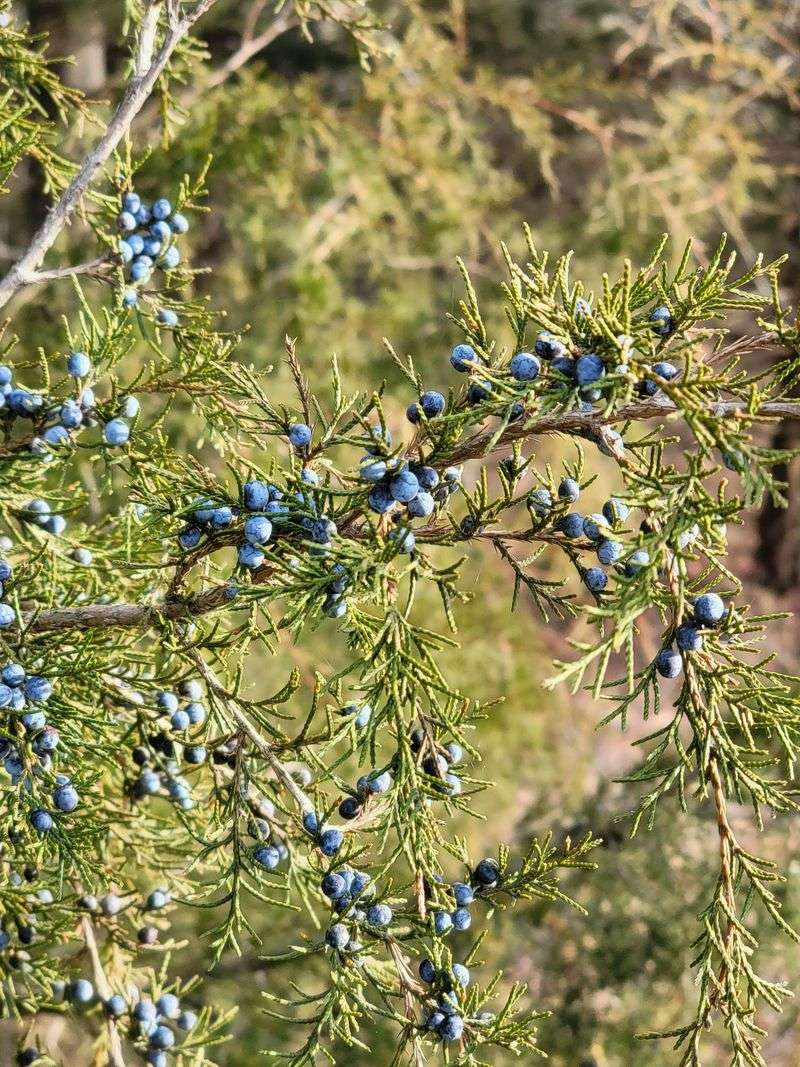
Eastern red cedar is the unsung hero of the Tennessee landscape.
It stands tall through ice storms, summer heat waves, and long dry stretches without flinching.
Despite the name, it is technically a juniper.
It has been growing across the state for thousands of years, in some of the harshest conditions imaginable.
Few plants offer the same combination of year-round evergreen color, wildlife value, and sheer toughness in a single package.
The dense, dark green foliage provides shelter for songbirds and small mammals through the coldest months of the year.
Cedar waxwings in particular go absolutely bonkers for the small blue berries that appear in late fall and winter, turning a mature tree into a lively bird magnet.
That wildlife connection alone makes it worth planting near a window where you can watch the action up close.
Eastern red cedar grows in rocky, clay-heavy, or sandy soil with equal ease, and it asks for almost no supplemental watering once its roots have taken hold.
It can be left to grow naturally into its graceful, pyramidal shape or trimmed into a formal hedge or windbreak.
For anyone building a low-maintenance, four-season landscape, this native evergreen deserves a much bigger spotlight than it typically gets.
8. Coreopsis
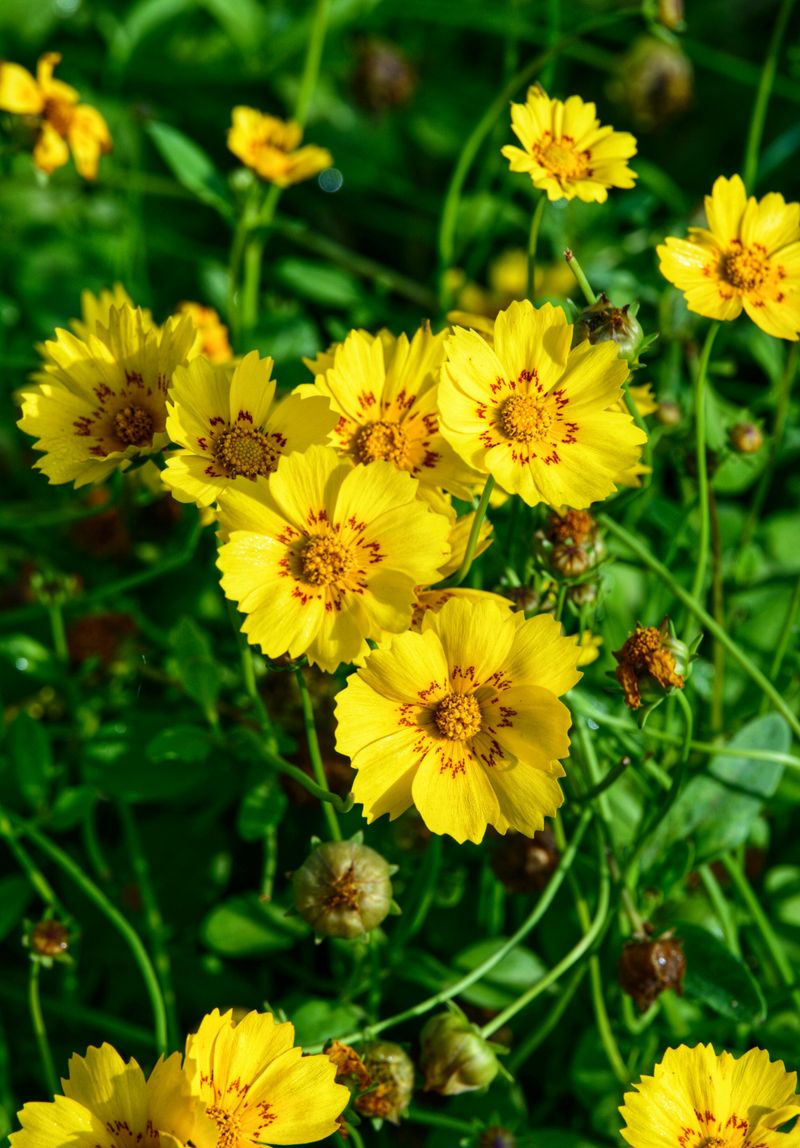
Coreopsis earned the nickname tickseed long ago.
Do not let that quirky label fool you into overlooking one of the most cheerful, low-maintenance bloomers in the native plant world.
Several species of coreopsis are native to Tennessee, and all of them share one thing in common.
They bloom heavily through heat and drought without wilting under pressure.
The bright yellow flowers look like a burst of sunshine captured in plant form, and they keep producing from late spring through the entire summer.
This plant is practically made for gardeners who want maximum color with minimum fuss.
It thrives in full sun and prefers soil on the leaner side, meaning rich, heavily amended beds can actually cause it to flop or grow too fast.
Skipping the fertilizer and letting it grow in average to poor soil is genuinely the secret to getting the best display.
Deadheading spent blooms encourages more flowers, but even if you forget, coreopsis keeps pushing out new buds on its own.
It spreads gradually by seed and by clump division, slowly filling in empty spaces in a bed with golden color.
Gardeners who plant coreopsis once tend to find it quietly multiplying into one of their favorite corners of the yard within just a couple of seasons.
9. Bee Balm
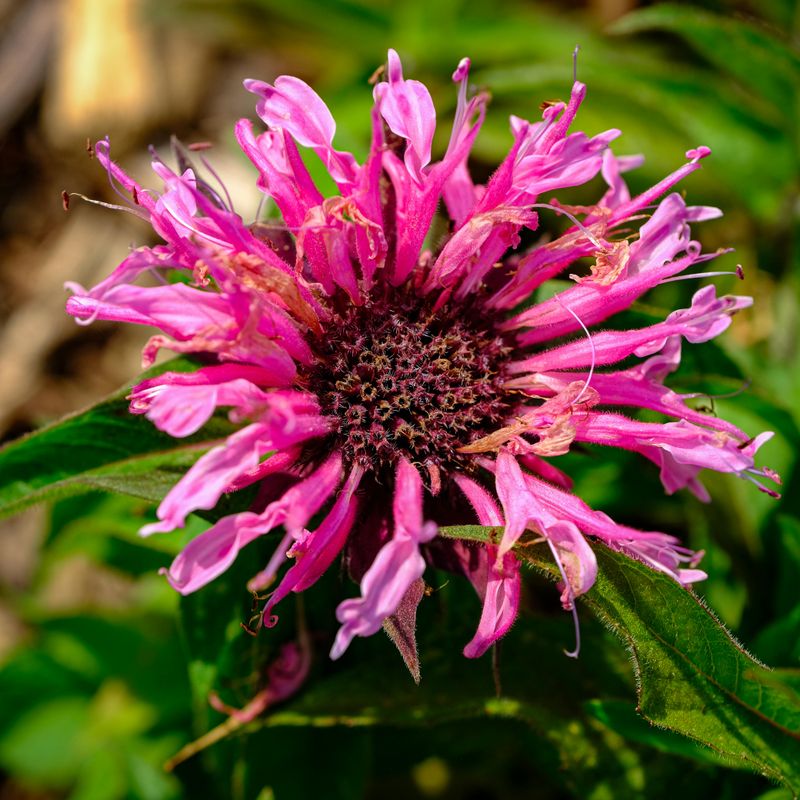
Bee balm smells like a cross between oregano and mint, which makes sense because it belongs to the same plant family as both of those kitchen herbs.
Native to eastern North America, bee balm has been used for centuries by Indigenous peoples as a medicinal tea plant.
That same bold, aromatic energy it carried through history translates beautifully into a modern garden.
The shaggy, firework-like blooms come in red, pink, and lavender.
They attract hummingbirds, bees, and butterflies in numbers that can genuinely surprise first-time growers.
While bee balm does appreciate some moisture, it is far tougher than its lush, leafy appearance suggests once it settles into the ground.
Planting it in a spot with morning sun and afternoon shade helps it handle Tennessee summers without stressing out, and good air circulation around the leaves keeps powdery mildew at bay.
Choosing mildew-resistant varieties like Jacob Cline or Raspberry Wine makes maintenance even easier.
The plant spreads by underground runners, filling in a bed enthusiastically over time.
Every few years it can be divided, shared with neighbors or moved to new spots around the yard.
Leaving the dried seed heads standing through winter adds structure to the garden and gives songbirds a free snack.
Bee balm turns an ordinary garden bed into something that feels wildly alive from midsummer straight through the first hard frost.
10. Wild Blue Phlox
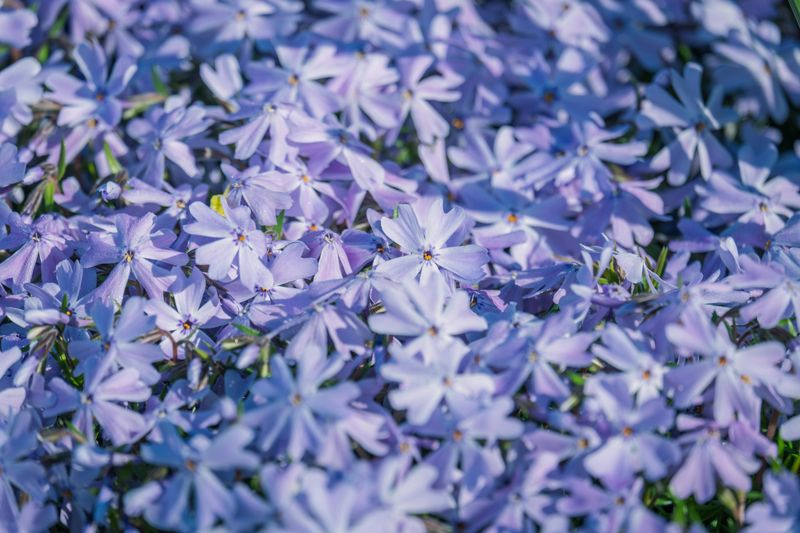
Image Credit: © Ilo Frey / Pexels
Wild blue phlox is the kind of plant that makes a shaded corner of the yard feel like a secret woodland garden straight out of a storybook.
The soft lavender-blue flowers appear in mid-spring in loose, fragrant clusters that drift just above the foliage like a pastel cloud.
This native perennial is perfectly adapted to the dappled light beneath Tennessee’s hardwood trees.
It carpets the ground with quiet, effortless beauty.
Unlike many shade plants that look scraggly or sparse, wild blue phlox forms a dense, spreading mat of semi-evergreen foliage.
That mat holds its shape through most of the year.
It handles dry shade reasonably well once established, which is one of the trickiest growing conditions in any garden.
Pairing it with ferns, trilliums, or native hostas creates a layered woodland look that feels completely natural and requires almost no upkeep.
The fragrance from a patch of wild blue phlox in bloom is subtle but sweet, and it tends to stop people in their tracks on a warm spring evening.
Hummingbirds and early-season butterflies seek out the tubular flowers as one of their first nectar sources after winter.
If wild blue phlox teaches you anything, it is this, the best thing you can do for a Tennessee garden is get out of its way and let it grow.