9 Quiet Clues Skunks Leave Behind In Iowa Yards Overnight
Something is wrong in your yard. You never heard a thing.
No rustling. No movement.
No warning at all. I walked outside one early morning, still half asleep.
I stopped completely in my tracks. The garden I had spent weeks planting looked like something had thrown a small party overnight. I
owa yards attract all kinds of nighttime visitors. Some of them are so quiet and calculated.
You start wondering if you imagined the whole thing. Strange holes appear in the grass.
Mulch gets pushed aside near the flower beds. A smell hits you before you even reach the garden. Something is out there, and it is worth investigating. Whatever is visiting moves like a shadow.
It vanishes before the sun comes up. Learning to read the clues puts you back in control. Iowa homeowners who catch the signs early protect their yards before one visit turns into a recurring problem.
1. They Leave Cone-Shaped Holes All Over Your Iowa Lawn
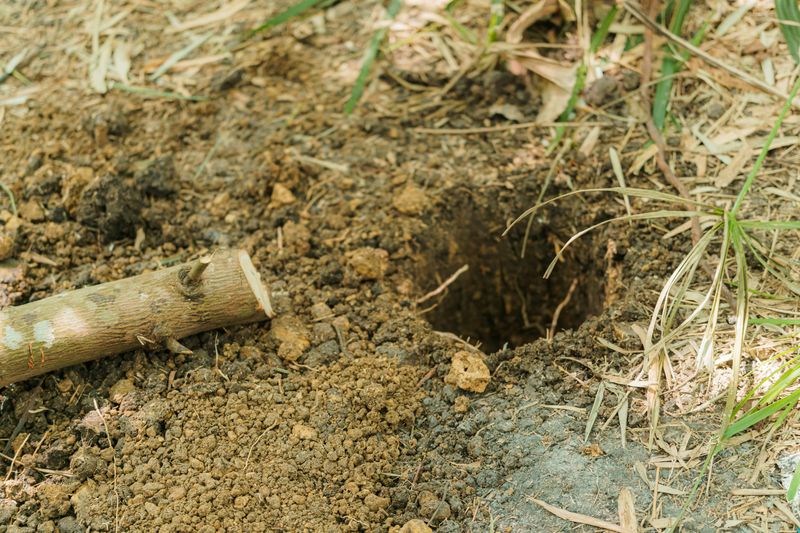
Your lawn looked perfect yesterday evening, and now it looks like someone poked it with a tiny ice cream scoop.
Skunks sniff out grubs and insects hiding just below the surface, then use their strong front claws to dig narrow, cone-shaped holes roughly two to three inches wide.
Each hole is usually shallow, clean at the edges, and pointed at the bottom.
You might find one or two holes, or you might find a dozen scattered across the yard in no clear pattern.
These critters follow their nose, so wherever grubs are concentrated, the digging follows.
Grubs tend to cluster near the roots of thick, well-watered grass, which makes healthy lawns a prime target.
Treating your lawn for grubs in late summer may help reduce overnight digging activity over time.
Products containing milky spore or beneficial nematodes are natural options that work gradually to disrupt the grub cycle without synthetic pesticides.
Filling the holes and reseeding the damaged patches is straightforward, but skipping the root cause means the holes will keep appearing.
Once skunks find a reliable food source in your yard, they return night after night until it runs out.
2. They Peel Back Your Lawn Like It Was Never There
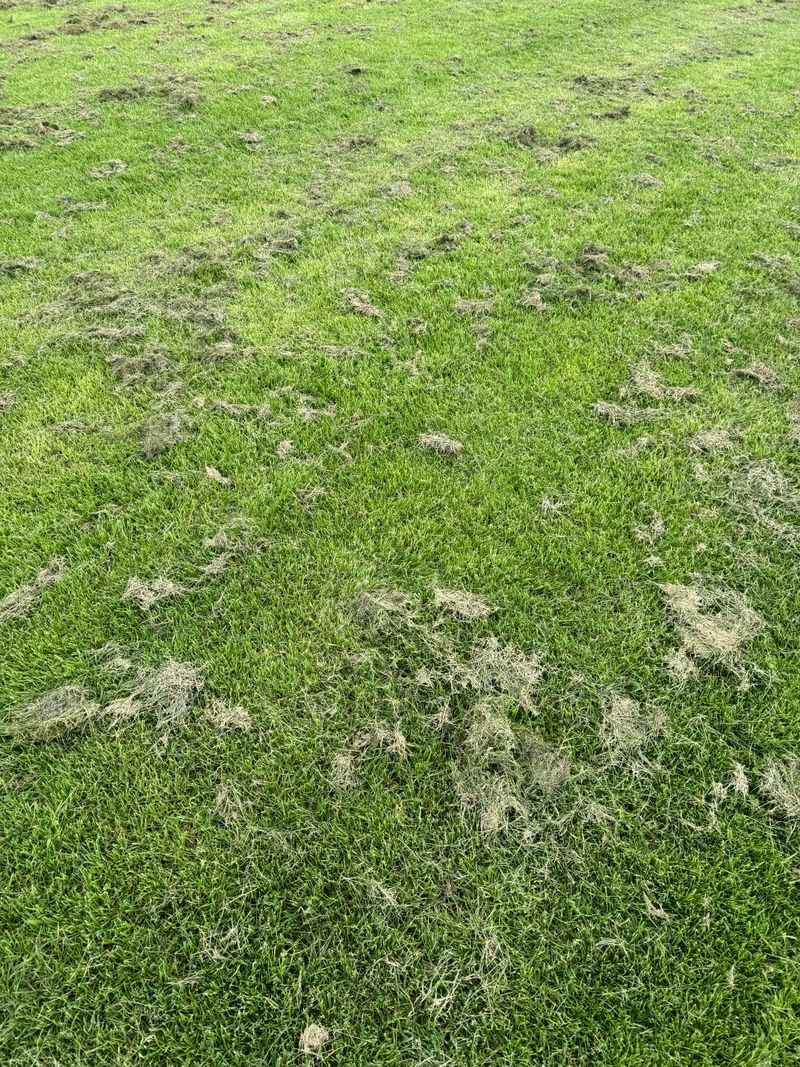
Your lawn was fine yesterday. This morning, it is not.
When grub populations are thick just below the soil surface, a skunk will actually grab the edge of the turf and roll it back to expose the buffet underneath.
The result looks dramatic, like something much larger was responsible.
Rolled-back sod is a stronger sign of heavy grub infestation than the small cone holes are.
Raccoons do similar damage, so checking for tracks nearby helps confirm which animal paid the visit.
Skunk tracks show five toes with claw marks, while raccoon prints look more hand-shaped.
Leaving rolled sod unattended dries out the exposed root system quickly, especially during warmer months.
Press the sod back into place as soon as possible and water the area thoroughly to help it reattach.
Your Iowa Garden Changes Every Week. Your Plan Should Too.
Gardening in Iowa changes quickly throughout the season. Every Friday you’ll receive a simple weekly plan showing exactly what to plant, prune, fertilize, harvest, and protect so you never miss the right timing.
If the same patch gets torn up repeatedly over several nights, the grub problem beneath it is serious and worth addressing with a targeted lawn treatment.
A local garden center can recommend the right product based on your grass type and the time of season.
3. They Leave A Musky Scent Behind

Not every skunk encounter ends with a full spray.
Skunks carry a faint, earthy musk that clings to the air even when they feel completely safe and relaxed while passing through your yard.
This low-level scent is easy to miss but unmistakable once you know what you are smelling for.
It sits somewhere between a musty basement and a distant spray, softer than a full release but still distinctly animal.
Morning air tends to hold scent longer than afternoon breezes, so stepping outside early is when you are most likely to notice it.
The smell may dissipate as the morning air warms and circulates.
A faint odor without visible damage does not mean the skunk is gone for good.
Skunks often scout a yard for several nights before settling into a regular foraging routine.
If you catch that subtle scent two or three mornings in a row, treat it as a heads-up that a regular visitor has found your yard appealing.
Motion-activated lights or sprinklers placed near the fence line can discourage repeat visits before any real damage begins.
4. They Leave Disturbed Mulch Around Your Garden Every Night
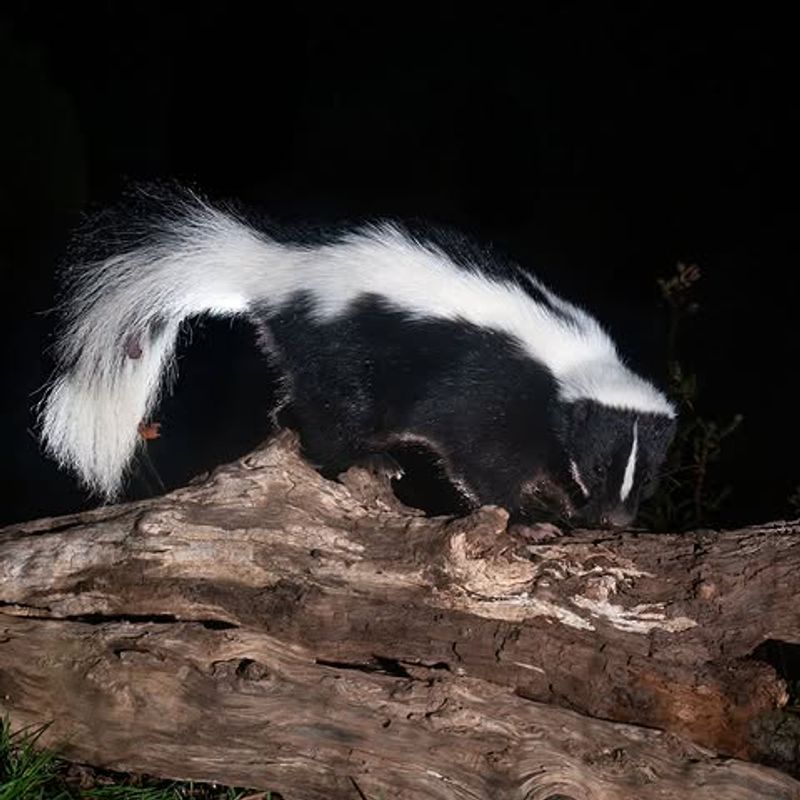
Mulch that was perfectly raked the evening before suddenly looks like it was shuffled by an invisible hand overnight.
Skunks root through garden bed mulch searching for beetles, earthworms, and other insects that hide in the warm, moist layer beneath the wood chips.
Unlike a dog digging for fun, a skunk works methodically, moving mulch in small pushes and sniffing as it goes.
The disturbance is usually concentrated in one or two spots rather than spread across the entire bed.
Plants near the edges of the bed sometimes get nudged aside, though skunks rarely target the plants themselves.
Root damage can happen accidentally when the animal digs close to a plant base, so it is worth checking stems and soil around your favorites.
Laying a thin layer of hardware cloth just beneath the mulch surface creates a barrier that discourages digging without harming the garden.
Cedar mulch has a natural scent that some wildlife may find less appealing, though the effect tends to fade as the oils dry out over time.
Note that fresh cedar can also temporarily reduce nitrogen availability in soil, so it may not be the best fit for vegetable or herb gardens.
Watering only in the morning can help keep the surface drier by evening, which may make the bed slightly less appealing to nighttime foragers.
5. They Leave A Trail Along Your Fence
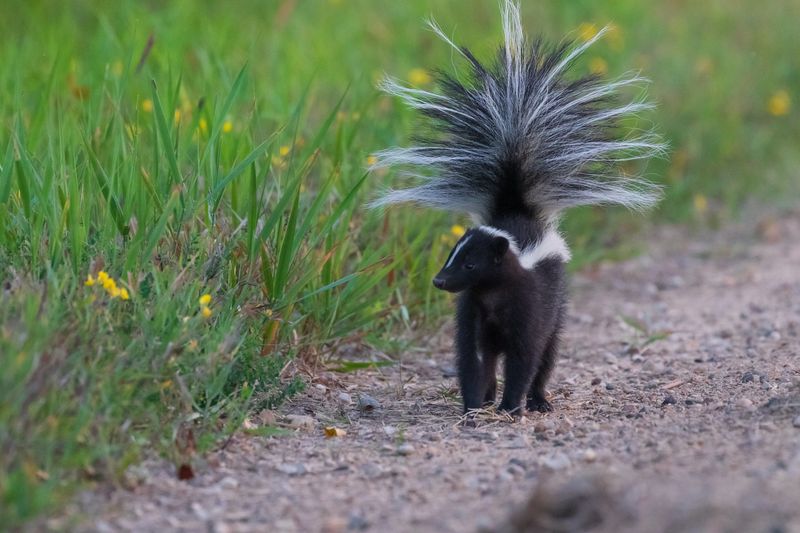
Finding small, dark droppings tucked along your fence line is one of the clearest overnight clues a skunk leaves behind.
Skunk scat is roughly the size and shape of a grape, dark brown to black in color, and often contains visible insect parts, berry seeds, or bits of fur.
The texture is soft when fresh and crumbles easily when dry.
Skunks tend to deposit droppings along the same travel routes each night, which usually follow fence lines, foundation edges, or the border between lawn and garden.
Repeated deposits in the same spot signal a regular path, meaning the animal is treating your yard as part of its nightly territory.
Wearing gloves when cleaning up is essential since wildlife droppings can carry parasites including roundworm eggs.
A diluted bleach solution cleans the area effectively and discourages re-marking.
Some homeowners place rags near frequent deposit spots as a folk remedy to disrupt scent trails, though scientific backing for this is limited.
If droppings appear near a foundation vent or crawl space opening, inspect the area for signs of burrowing, since skunks occasionally den under structures when they find a comfortable gap.
6. They Leave Five-Toed Prints
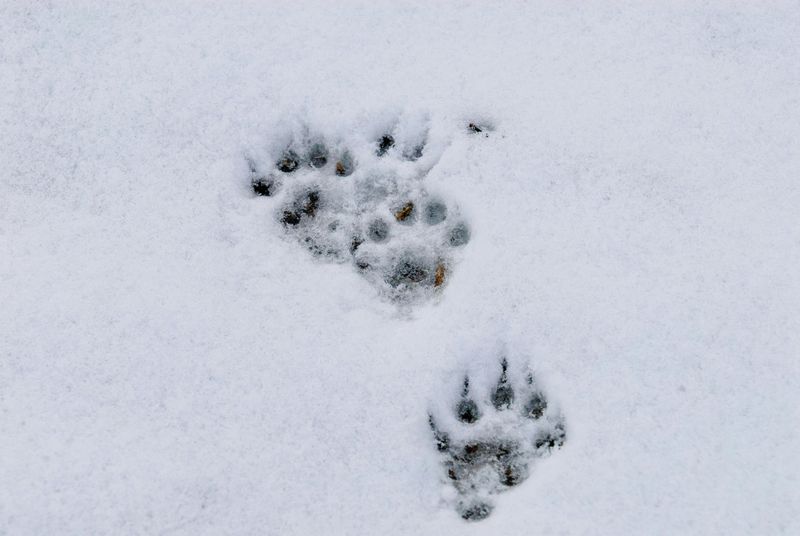
The mud by your downspout saw everything last night.
Each print shows five toes arranged in a semi-circle with long, sharp claw marks extending well ahead of the toes.
The front paws are smaller and rounder, while the back paws are longer and leave a flatter impression.
A walking skunk places its feet in an alternating pattern, leaving prints spaced about six to eight inches apart.
Small dogs also leave five-toed prints, but their claw marks tend to be shorter and less defined than a skunk’s.
Cats typically show only four toes in their prints and almost never leave visible claw marks at all, making skunk tracks fairly easy to distinguish.
Photographing the tracks with a ruler next to them helps confirm the size and compare them to a reference chart.
Placing a shallow tray of sand or soft dirt near suspected entry points creates a simple tracking station you can check each morning.
Knowing the exact path the animal uses helps you place deterrents more precisely, making them far more effective than scattering repellent randomly across the yard.
7. They Leave Damage At The Base Of Decks And Sheds Overnight
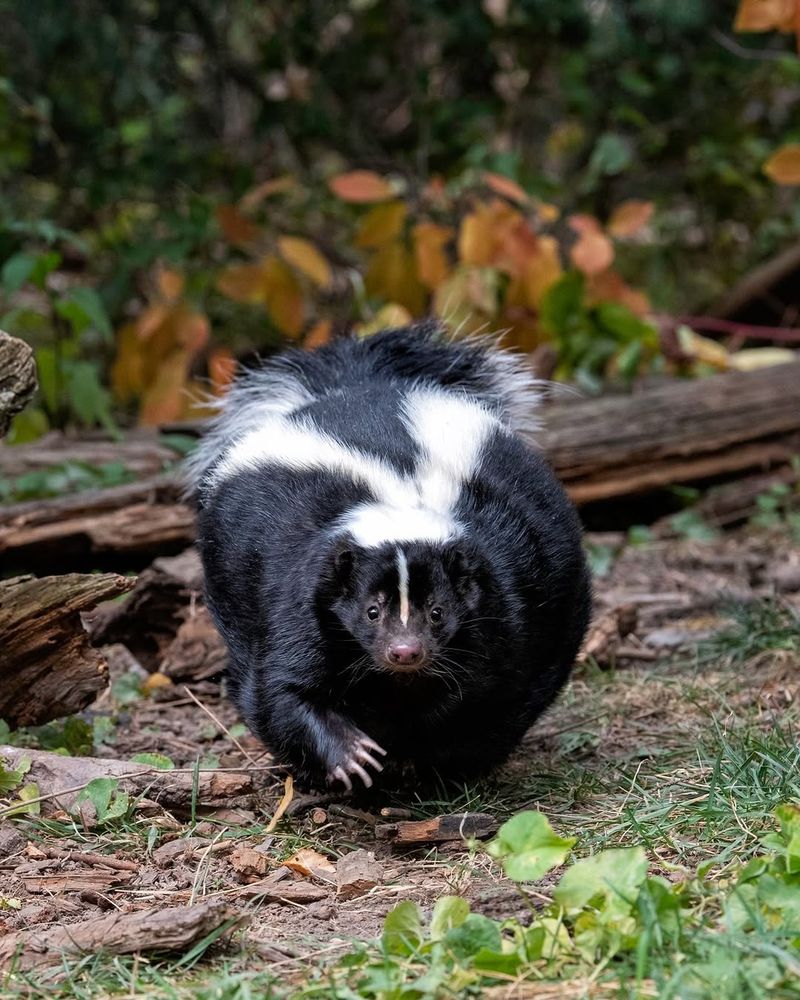
Your shed corner and deck edge keep better notes than you might think.
Skunks look for dark, sheltered spaces to rest during the day, and the underside of a deck or shed is nearly perfect for them.
They are persistent diggers and can move a surprising amount of soil in a single night to create a cozy entrance.
A skunk denning beneath your structure can bring a noticeable odor to your outdoor living space that may linger for some time.
Blocking access before the animal moves in is far easier than dealing with a resident skunk after the fact.
Hardware cloth buried six inches into the ground and bent outward at the base creates an effective barrier that discourages most digging attempts.
Inspect the perimeter of all low structures each spring when skunks become more active after the colder months.
Filling any existing gaps with gravel and wire mesh removes the easy entry points they scout for.
Bright solar lights mounted under deck overhangs also make the space less appealing since skunks generally prefer darker, sheltered spaces when resting.
8. They Leave Torn And Scattered Bee Nests
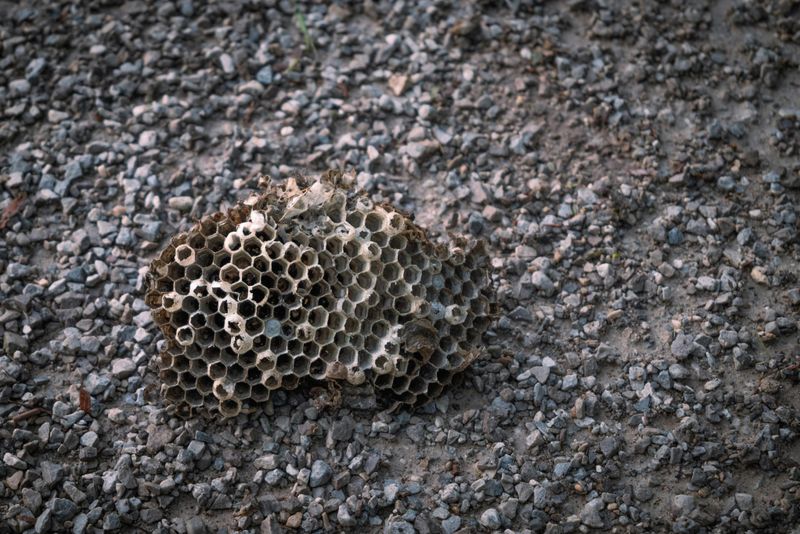
Scattered honeycomb and a shredded nest? Skunks had a big night.
Skunks have a remarkable tolerance for stings and actively seek out ground-level bee and wasp colonies as a high-protein food source.
Their thick fur protects most of their body, and they stomp near the nest entrance first to agitate the insects before digging in.
What you find the next morning looks heavily disturbed, with nest material, larvae, and comb scattered across the surrounding soil.
Homeowners who were unaware of a ground nest nearby may find it is no longer there, as skunks will often clear one out entirely during a single overnight visit.
Still, a destroyed nest near a garden path or play area leaves exposed larvae and debris that attract other insects.
Cleaning up the scattered material and filling the hole discourages secondary scavengers from moving in.
If you notice a pattern of destroyed nests across several nights, the skunk has likely mapped your yard and is making regular rounds.
Addressing the broader food sources on your property is the most effective long-term way to reduce these visits.
9. They Flip Grubs And Insects To The Surface

Spotting pale, curled grubs lying on top of the soil at sunrise is one of the most direct signs of skunk activity in Iowa yards overnight.
When a skunk digs into the lawn and does not eat every grub it uncovers, the extras get scattered or left exposed on the surface.
Birds will often pick them up by mid-morning, which is why this clue disappears faster than the holes themselves.
Checking the yard within the first hour after sunrise gives you the best chance of spotting this evidence before the cleanup crew arrives.
Scattered insects alongside the grubs suggest the skunk was foraging broadly, not just targeting one food source.
Beetles, crickets, and even small earthworms can all end up on the surface after a thorough digging session.
A high concentration of grubs in your lawn is an underlying issue that attracts more than just skunks.
Raccoons, moles, and birds all target grub-heavy turf, so reducing the infestation protects your lawn from multiple types of damage at once.
Fall is the best window for applying grub control treatments in the Midwest, targeting young larvae before they burrow deeper and become harder to reach.