Why Missouri Gardeners Bury Pine Cones Instead Of Throwing Them Away
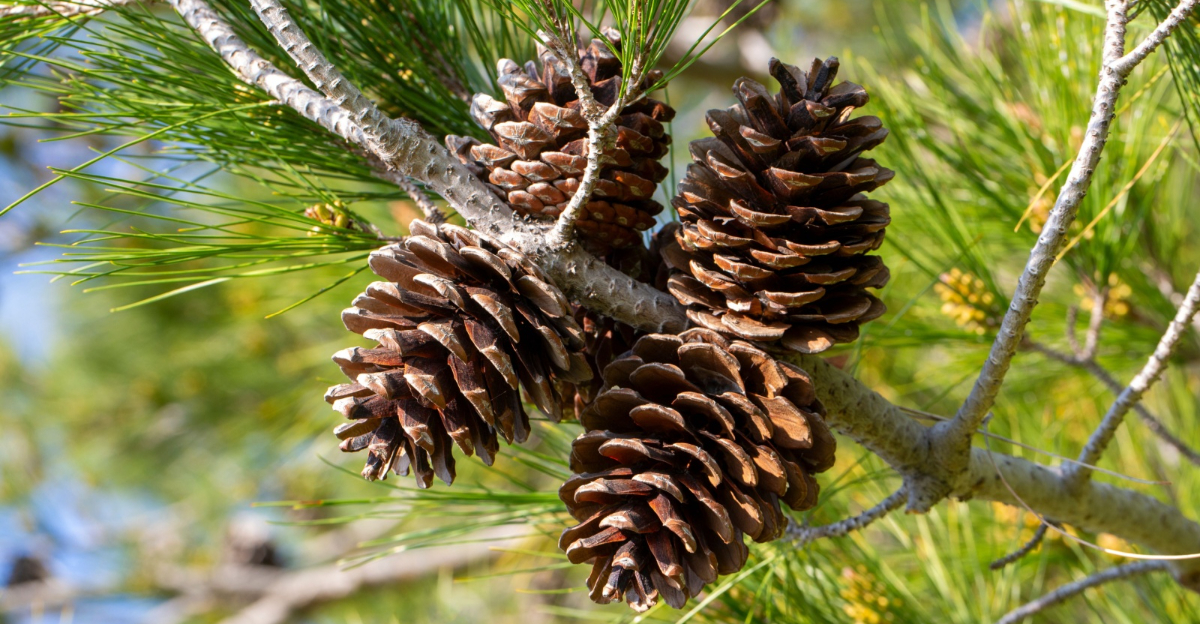
Every fall, millions of pine cones hit the ground across Missouri, and most people grab a rake and a trash bag without a second thought.
Totally understandable.
They’re poky, they’re everywhere, and they don’t exactly scream “useful.”
But here’s what’s interesting: a quiet group of Missouri gardeners never throws them away.
Instead, they bury them.
And their soil?
Slowly improving because of it.
Burying pine cones in your garden beds is one of those surprisingly simple habits that most people overlook entirely.
Turns out, what you were throwing away was actually doing your soil a favor.
No expensive products, no complicated process.
So before you fill another trash bag this season, give yourself two minutes to read this.
Your garden might end up looking very different next spring.
What Happens When You Bury Them
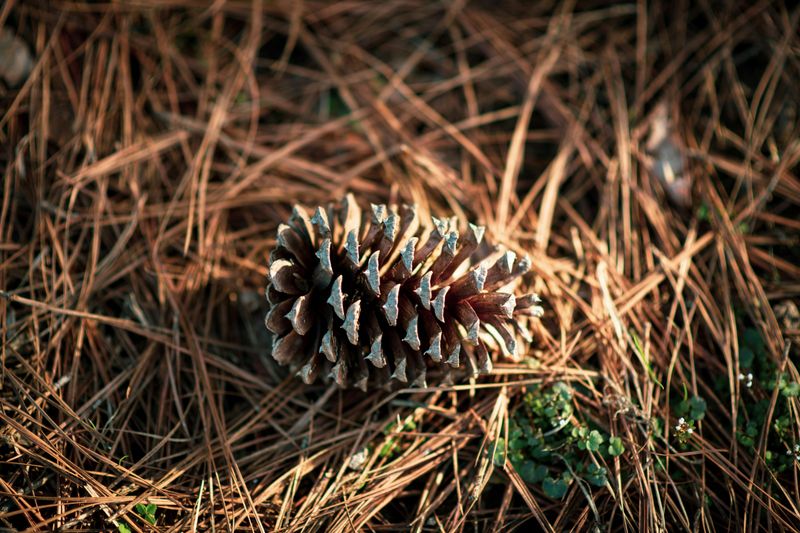
Soggy soil is the quiet enemy of a healthy garden, and most people don’t even realize it’s the problem until something stops growing.
Burying pine cones in your garden beds may help add coarse structure temporarily.
Those air gaps allow water to move through the soil more freely instead of pooling around plant roots.
Pine cones have a naturally rigid, open structure made of woody scales.
When placed underground, they act almost like a sponge framework, holding space open in compacted earth.
Over time, as the cones slowly break down, they leave behind channels that roots can travel through with ease.
Gardeners in clay-heavy Midwest soil know the struggle of working with dense, brick-like ground after a dry summer.
Adding organic matter like pine cones before planting season can make a noticeable difference in how your soil behaves.
The improvement is not overnight, but over time many gardeners notice water draining faster and roots spreading wider.
Aeration is just as important as drainage, and pine cones help with both at the same time.
Better air circulation underground means beneficial microbes thrive, and those microbes support root health from the ground up.
Once you understand what is happening below the surface, you will never look at a fallen pine cone the same way again.
The Surprising Way Pine Cones Release Nutrients Over Time
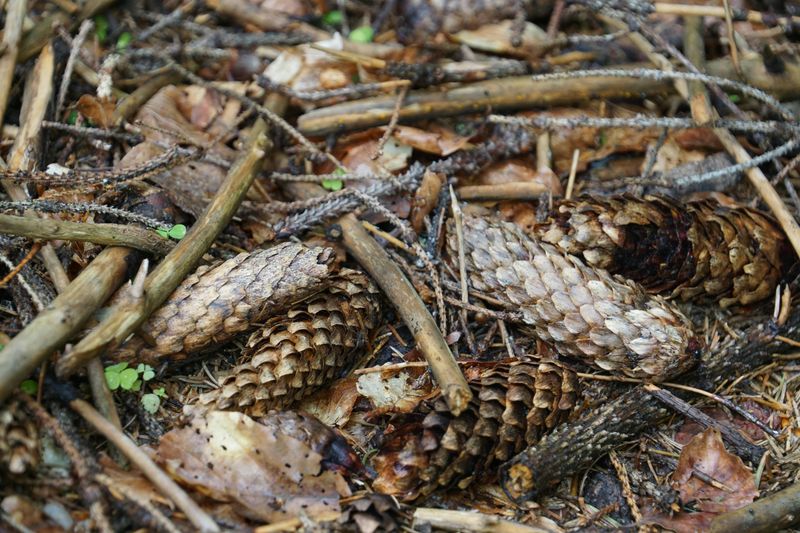
Nature has its own slow-release system, and organic matter like pine cones plays a quiet role in it.
As they decompose underground, they gradually break down into organic material that contributes to the surrounding soil.
This process can take anywhere from one to three years, so it is more of a long-term habit than a quick fix.
Pine cones are rich in carbon, which feeds the fungi and bacteria already living in your soil.
Over time, those microorganisms get to work transforming organic material into humus.
If you have ever picked up a handful of really good garden soil and noticed that rich, earthy smell, that is humus doing its thing.
Humus generally helps soil hold onto nutrients and moisture better than compacted or depleted ground.
As pine cones break down, they can temporarily pull nitrogen from the surrounding soil.
Your Missouri Garden Changes Every Week. Your Plan Should Too.
Gardening in Missouri changes quickly throughout the season. Every Friday you’ll receive a simple weekly plan showing exactly what to plant, prune, fertilize, harvest, and protect so you never miss the right timing.
Adding a light nitrogen source nearby, like compost or grass clippings, helps keep that balance in check.
That said, many gardeners who use natural amendments like pine cones notice their soil feeling looser and more workable after a season or two.
It is not an overnight transformation, but for most gardens, steady and gradual is exactly the right pace.
Why Fall Is The Best Time To Bury Pine Cones In Missouri
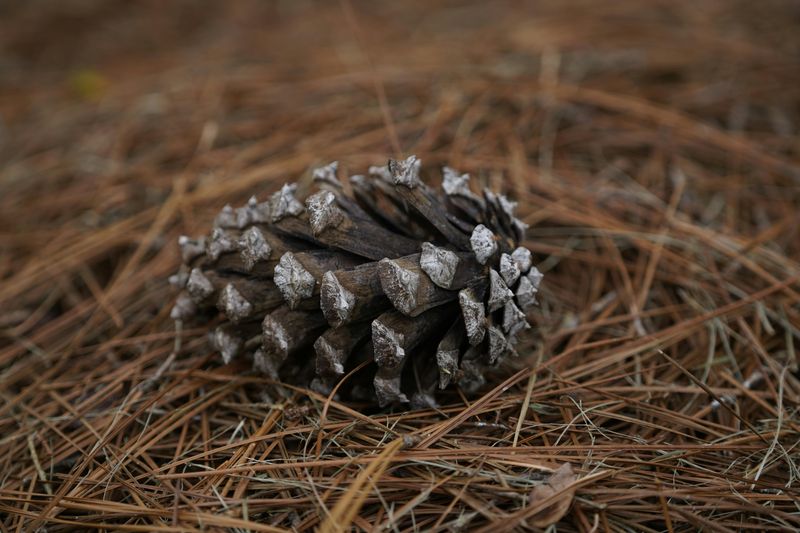
Every fall, Missouri yards fill up with pine cones.
Most people grab a rake.
Smart gardeners grab a shovel.
Trees drop their cones just as the ground is ready to be prepared for the next growing season.
That overlap is not a coincidence, it is an invitation from nature to get your beds ready before winter locks everything in.
Burying pine cones in fall gives them a full winter underground to begin softening and breaking down.
Freezing and thawing cycles actually help speed up decomposition, cracking open the woody scales and exposing more surface area to soil microbes.
By the time spring arrives, the cones have already started transforming into something your plants can use.
Fall is also when soil is often at its most workable after a summer of growth and rain.
The ground is not frozen yet, and it is soft enough to dig without much effort.
This makes it easy to tuck cones into beds, around shrubs, or beneath the surface of vegetable gardens before the first hard freeze hits.
Waiting until spring means missing out on months of natural processing time.
Gardeners who bury their cones in fall give the soil a head start, and that extra processing time before spring is rarely wasted.
Getting ahead of the season is one of the simplest habits that separates a good garden from a great one.
How Pine Cones Can Help Keep Weeds Under Control
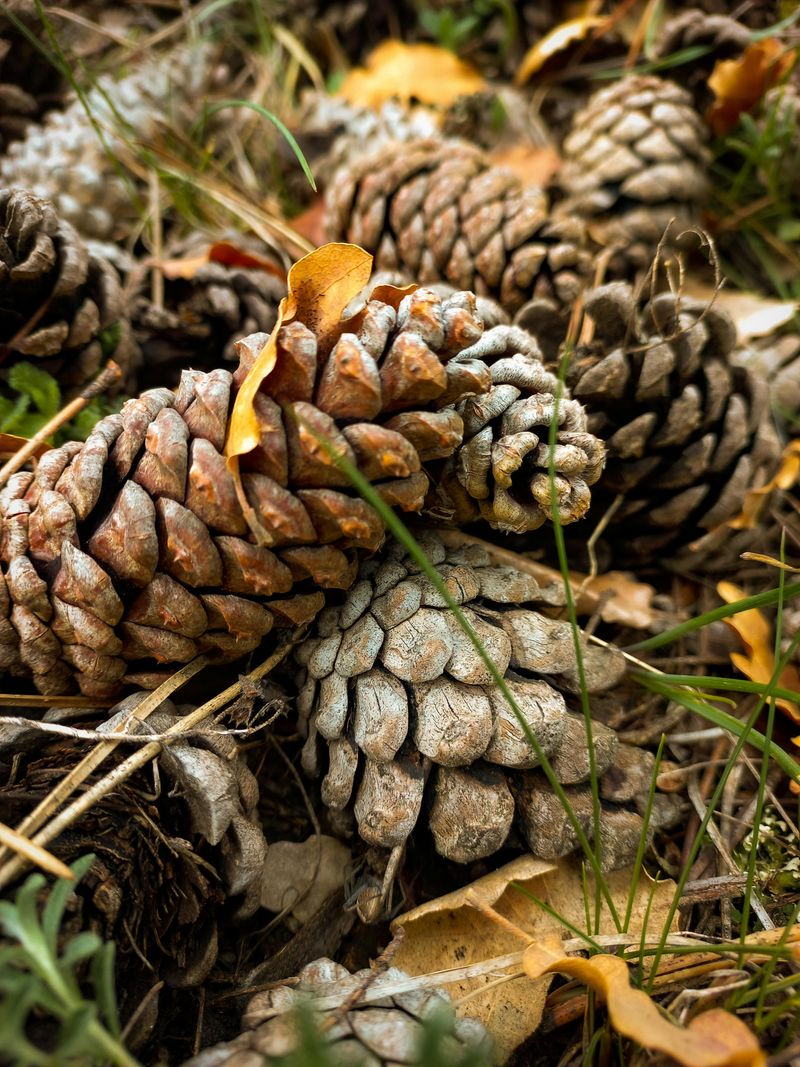
Weeds are relentless, and most gardeners spend more time pulling them than doing anything else in the yard.
The good news is that pine cones can actually help, not underground, but right on the surface where weeds start.
Used as a top layer of mulch, pine cones block sunlight from reaching the soil below.
Most weed seeds need light to germinate, so covering the surface with a loose layer of cones makes it harder for them to get started in the first place.
Pine cones are not as fine or dense as traditional wood chip mulch, so they work best when combined with a layer underneath.
Straw, shredded leaves, or bark all pair well with them.
The cones sit on top, adding weight and texture while the finer material below handles the gaps.
This will not eliminate weeds entirely, nothing does, but it can make a noticeable difference in how many break through over the course of a season.
Less weeding means more time actually enjoying your garden, and that is a trade most people are happy to make.
The Best Way To Bury Pine Cones In Your Garden (Step-By-Step)
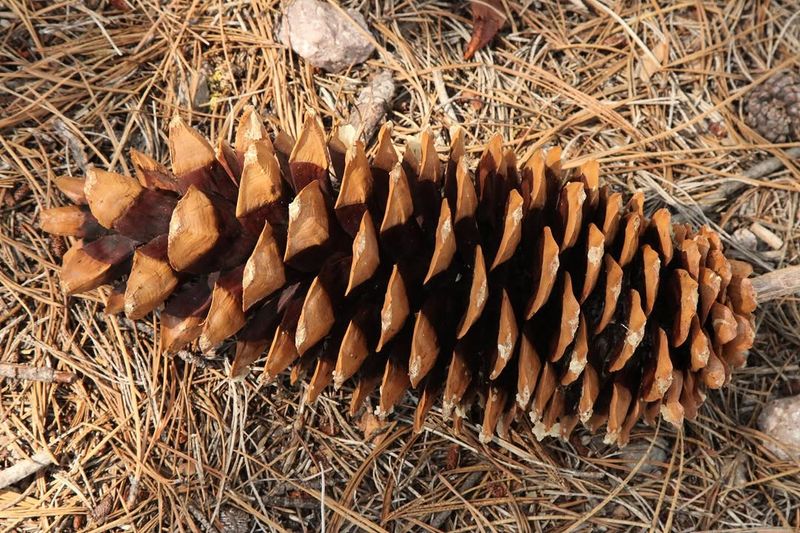
Knowing the benefits is one thing, but doing it correctly is what actually gets results.
The good news is that burying pine cones requires almost no special equipment and takes less than an hour for most garden beds.
A shovel, a bucket of cones, and a little bit of elbow grease are all you need to get started.
Start by digging a trench about eight to twelve inches deep along the area you want to improve.
Place the pine cones in the trench in a single loose layer, making sure they are not packed tightly together.
Tight packing defeats the purpose because you want space between them for air and water to move through.
Once the cones are in place, backfill the trench with the original soil mixed with a little compost if you have it.
Tamp the surface down gently but do not compress it too hard, since loose soil on top encourages better root growth.
Water the area thoroughly after filling to help settle everything into place.
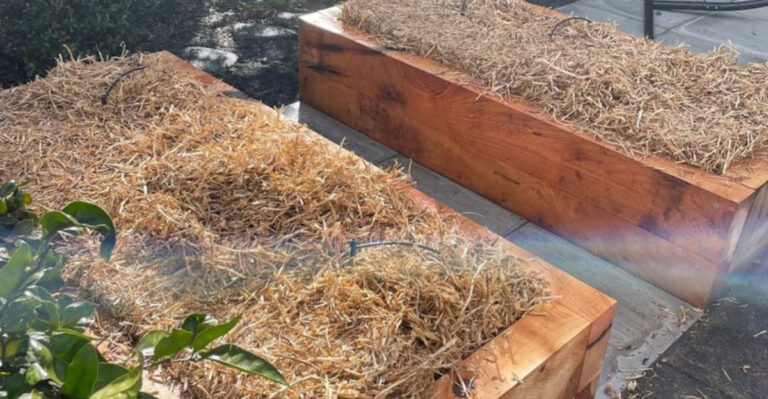
For raised beds, scatter cones along the bottom layer before adding your soil mix on top.
This works particularly well for new beds being built in the fall.
Stick with it season after season and the results compound.
Your soil gets better, your plants get stronger, and the work gets easier.
Which Plants Benefit The Most From Buried Pine Cones
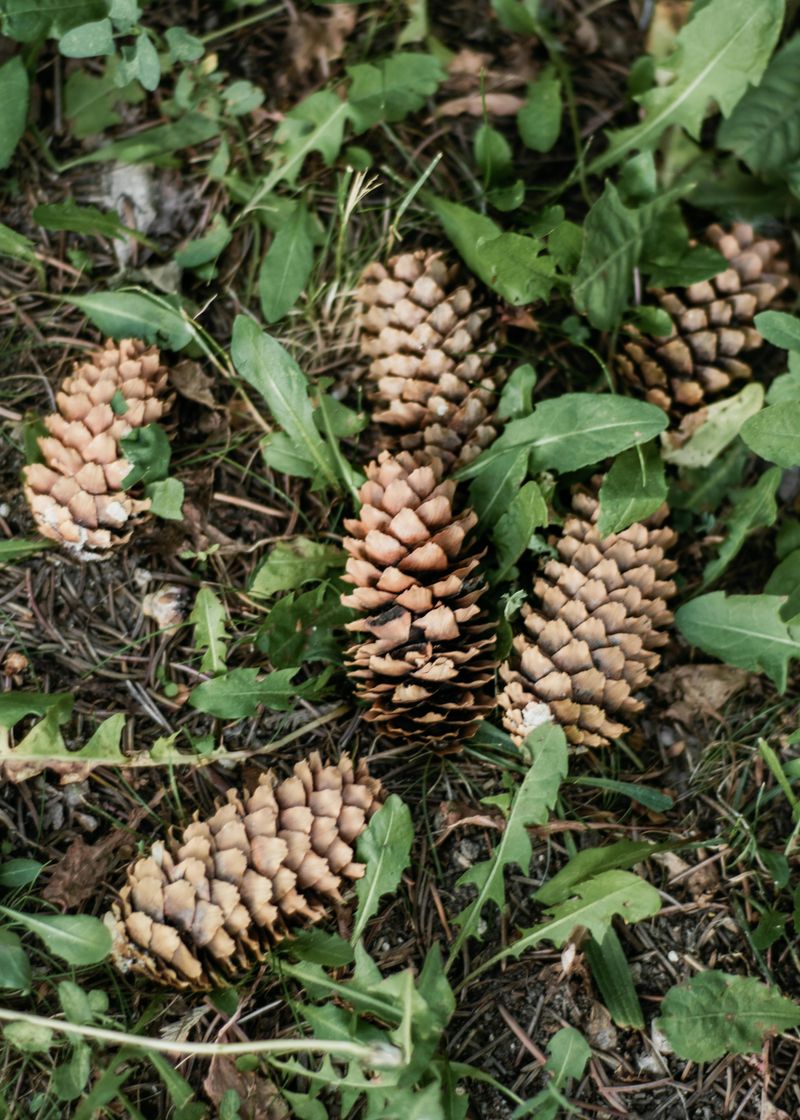
Not every plant responds the same way to organic amendments, and pine cones are no exception.
That said, a few categories tend to do particularly well when pine cones are part of the mix.
Acid-loving plants are often mentioned first for good reason.
Blueberries, azaleas, rhododendrons, and gardenias all prefer slightly acidic soil.
While the evidence that pine cones meaningfully lower pH is mixed, they do add organic matter over time, and that alone tends to suit these plants well.
Tomatoes and peppers are another good fit.
Both are prone to root rot in poorly drained ground.
Anything that helps water move through the soil more efficiently reduces that risk.
And in clay-heavy ground, the structure that decomposing organic matter adds over time can make a real difference.
Herbs like rosemary and lavender also appreciate loose, well-draining conditions.
They are not fussy plants, but they do struggle in compacted or waterlogged beds, exactly the kind of environment that organic amendments help correct.
No single method works the same way in every garden.
Soil type, climate, and plant variety all play a role.
But if you grow a mix of vegetables, herbs, and flowering shrubs, pine cones are a low-effort amendment worth experimenting with.
Start with the plants most likely to benefit and see what your garden tells you.
How Pine Cones Support Your Garden Ecosystem
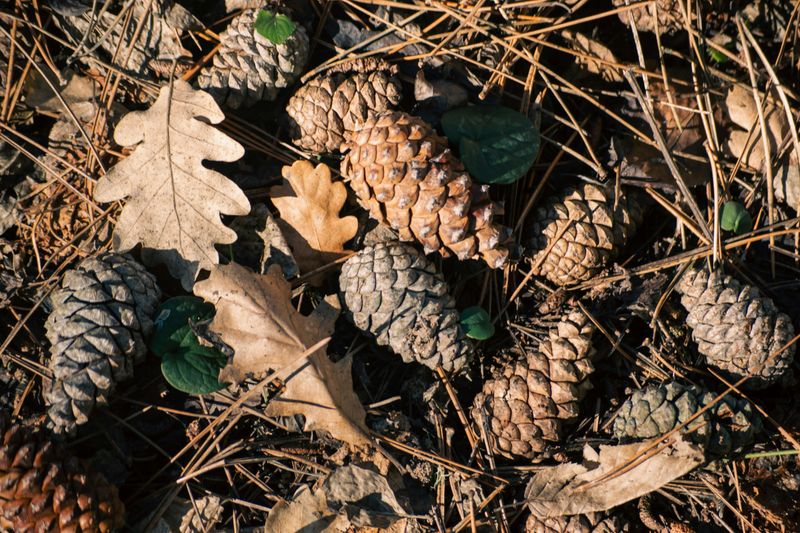
Below every healthy garden is a whole world of activity that most gardeners never think about, and honestly, once you start, it is hard to stop finding it fascinating.
Earthworms, beetles, fungi, and bacteria are all quietly at work down there, breaking down organic matter and cycling nutrients back into the soil.
Adding organic material like pine cones, along with anything else you can keep out of the trash, gives many of these organisms more to work with.
More food, more habitat, and more reason to stick around right where your plants need them most.
Fungi are particularly interesting here.
Many species thrive on woody, carbon-rich material.
As they spread through decomposing matter, some form partnerships with living plant roots known as mycorrhizae.
Through those connections, plants access water and nutrients their roots could never reach alone.
Quietly, just beneath your feet.
Earthworms are another good sign.
A healthy worm population is one of the best signs your soil is in good shape.
They tunnel, break up compaction, and improve drainage all on their own, no effort required on your part.
None of this happens overnight, and pine cones are just one piece of a much larger puzzle.
But small, consistent habits have a way of adding up.
Tossing a pine cone into the ground instead of the trash is a small decision.
What happens beneath the surface because of it is anything but.