Smart Tricks Oregon Gardeners Should Use To Prevent Weeds Along Fence Lines
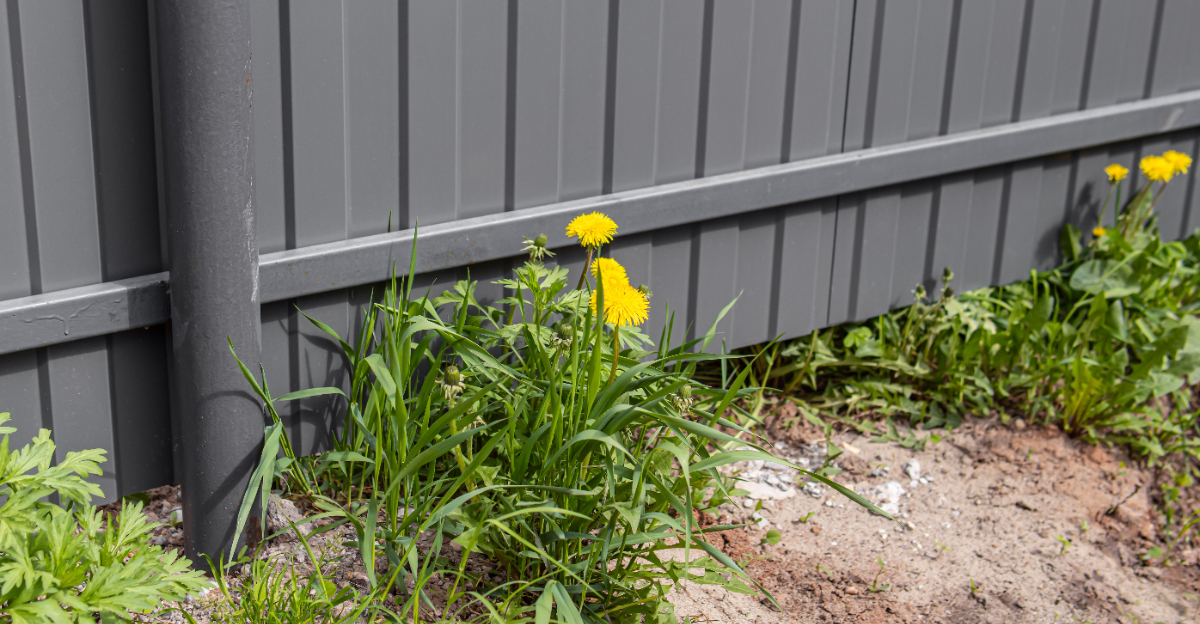
Fence lines have a sneaky way of turning into weed hangouts, especially in Oregon. Rain keeps the soil soft, seeds blow in easily, and grass loves creeping into that narrow strip where tools are hard to reach.
One week the area looks fine. Then suddenly, little green troublemakers are waving at you through the fence.
The problem is that fence edges often get skipped during regular yard care. Mowers cannot always reach them well, and hand pulling gets old fast.
Weeds also hide around posts, boards, and gaps where they can settle in without much notice. A few smart tricks can make that space much easier to control before it becomes a weekend chore.
Oregon gardeners do not need to fight the same fence line battle all season. A cleaner edge can make the whole yard look sharper with far less frustration.
1. Create A Clean Mow Strip Along The Fence
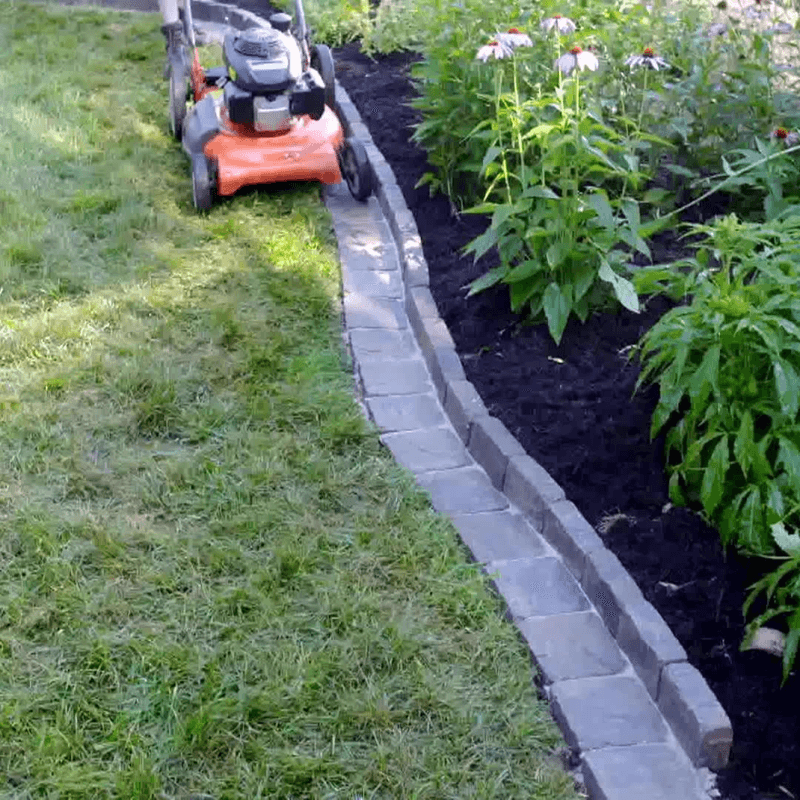
One of the most effective long-term tricks you can use is creating a mow strip right along the fence base.
A mow strip is a narrow, clear path of bare soil, gravel, or pavers that separates your lawn from the fence. It gives your mower a clean place to run without leaving a weedy buffer zone behind.
Without a mow strip, grass and weeds creep right up against the fence posts and boards. Mowers cannot get close enough to cut them, so they just keep growing.
Over time, that strip turns into a tangled mess of grass runners, dandelions, and other unwanted plants.
To make a mow strip, use a flat spade or half-moon edger to cut a straight line about six to eight inches from the fence. Remove the sod and loosen the soil.
You can leave it bare, fill it with gravel, or lay down pavers for a clean look. Bare soil will need regular attention, but gravel or pavers block sunlight and make it much harder for weeds to grow back.
In our state, where rain is plentiful, weeds come back fast. Laying landscape fabric under your gravel adds an extra layer of protection.
Redo the edging at least twice a year, once in spring and again in late summer, to keep the line sharp and the weeds from sneaking back in.
2. Keep Soil From Piling Up At The Fence Base
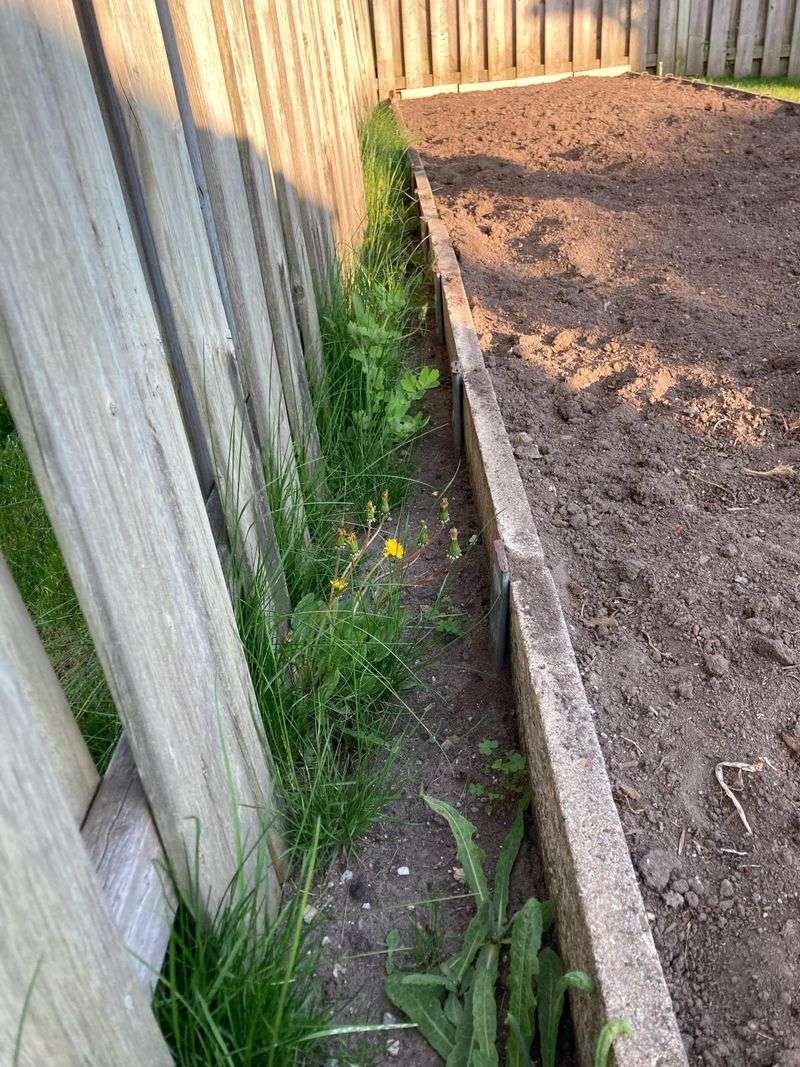
Soil buildup at the fence base is a sneaky problem that most gardeners overlook. Over time, compost, mulch, and loose dirt can pile up against the bottom of the fence.
That extra soil acts like a cozy bed for weed seeds, giving them exactly the right conditions to sprout and take hold.
When soil presses against wood fence boards, it also causes rot and moisture damage. So keeping the base clear is good for both your fence and your garden.
The goal is to keep at least a two-inch gap between the soil level and the bottom of the fence boards.
Check your fence base a couple of times a year, especially after heavy rain or if you have recently added compost or mulch to nearby beds.
Your Oregon Garden Changes Every Week. Your Plan Should Too.
Gardening in Oregon changes quickly throughout the season. Every Friday you’ll receive a simple weekly plan showing exactly what to plant, prune, fertilize, harvest, and protect so you never miss the right timing.
Use a hand rake or trowel to pull excess soil away from the fence. Rake it back into the garden bed or remove it from the area entirely.
In our wet climate, soil tends to shift and settle after big rainstorms, so things can change quickly between seasons. Making this a quick habit each spring and fall keeps the problem from getting worse.
Pair this trick with a layer of gravel or landscape fabric at the base for even better results. A clean fence base means fewer places for weeds to hide and grow strong roots before you even notice them.
3. Add Mulch Where Mowers Can’t Reach
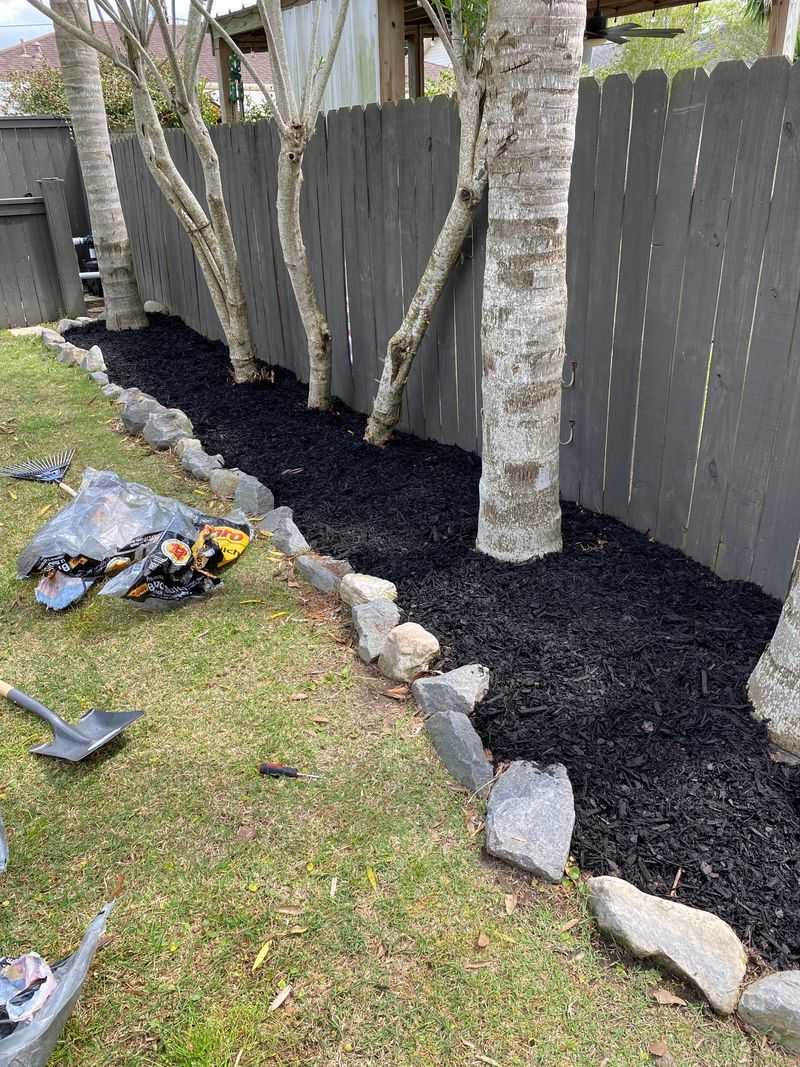
Mulch is one of the easiest and most reliable tools for blocking weeds in tight spots. The areas right along a fence are often too narrow or awkward for a mower to reach, and that is exactly where weeds love to settle in.
A thick layer of mulch covers the soil, blocks sunlight, and makes it very hard for weed seeds to germinate.
Wood chips, bark dust, or straw are all great mulch options that work well all over our state.
Bark dust is especially popular here because it is affordable, widely available, and holds up well in wet conditions. Aim for a layer that is at least three to four inches deep for the best weed-blocking effect.
Before you spread mulch, pull any existing weeds and lay down landscape fabric if you want extra protection.
The fabric acts as a barrier between the soil and the mulch, which gives you two layers of defense against weeds pushing through. Secure the fabric edges with staples so it stays in place during heavy rain or wind.
Refresh your mulch layer every spring because it breaks down over time and becomes thinner. As it decomposes, it also improves your soil quality, which is a nice bonus.
Focus on areas where your mower blade cannot reach, like right against fence posts or along chain-link sections.
Keeping those spots mulched all year long makes a noticeable difference in how few weeds you have to deal with.
4. Use Gravel For Narrow Fence Gaps
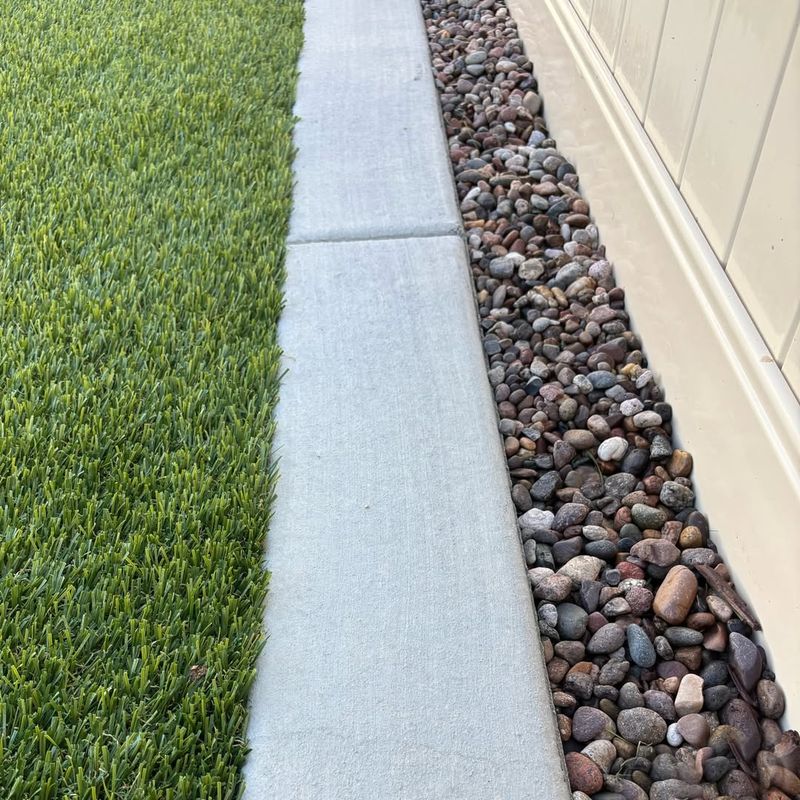
Narrow gaps between fence panels and garden borders are practically an open invitation for weeds. These tight spaces are impossible to mow and awkward to weed by hand.
Filling them with gravel is a smart, low-maintenance solution that keeps those spots clean without constant attention.
Gravel works so well because it does not hold moisture the same way soil does, and it blocks sunlight from reaching the ground below.
Without light and consistent moisture at the surface, most weed seeds simply cannot sprout.
Even if a few seeds land on top of the gravel, they are much easier to spot and remove before they establish roots.
Pea gravel and crushed rock are both good choices for fence line gaps. Pea gravel has a smooth, rounded look that blends nicely with garden beds, while crushed rock stays in place better because of its angular shape.
Either option works well in our rainy climate as long as you use landscape fabric underneath to prevent weeds from pushing up through the ground below.
Pour the gravel at least two to three inches deep to get the full benefit. Use a garden edger to create a clean border between the gravel strip and your lawn so it stays tidy over time.
In spring, give the gravel a quick rake to redistribute any stones that shifted during winter rains. This is one of those tricks that takes a little effort upfront but saves hours of weeding later in the season.
5. Install Edging Before Weeds Creep In
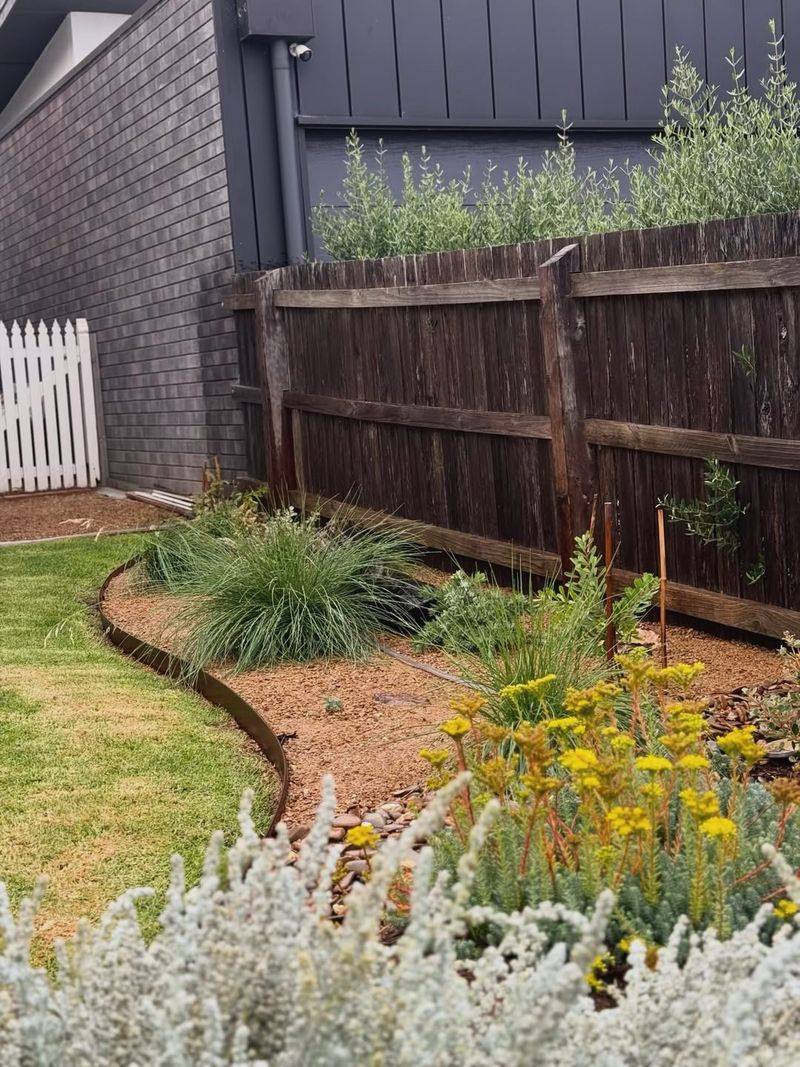
Good edging is like a wall that stops weeds and grass from spreading where you do not want them.
Installing edging along your fence line before weeds get established is much easier than trying to remove them after they have taken over. Think of it as setting up a boundary that both your lawn and your garden have to respect.
There are several edging materials that work well in this state. Metal edging is sturdy and lasts for many years, giving a clean, sharp look.
Plastic edging is more affordable and flexible, making it a great choice for curved fence lines. Brick or stone edging adds a decorative touch and holds up well in wet conditions without rusting or warping.
Dig a narrow trench along the fence line and press the edging down at least four to six inches into the soil.
That depth is important because it stops grass roots and weed runners from sneaking underneath and popping up on the other side.
Make sure to backfill the trench and tamp the soil down firmly so the edging sits straight and secure.
Check your edging every spring after the ground has thawed and settled. Heavy rain and frost can shift things over winter, so a quick inspection keeps everything lined up properly.
Pairing edging with mulch or gravel on the fence side creates a powerful one-two combination that keeps weeds from ever getting a foothold. Prevention is always faster and easier than removal once weeds are well rooted.
6. Trim Grass Before It Drops Seed
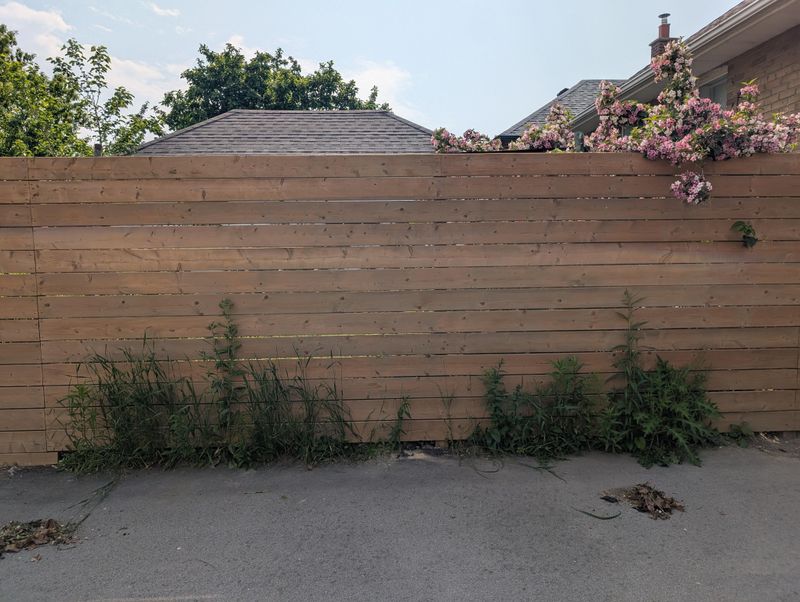
Letting grass grow tall along a fence line might not seem like a big deal, but once it goes to seed, you are setting yourself up for a much bigger weed problem. Each seed that drops means a new plant next season.
One overlooked fence line can scatter hundreds of seeds into your lawn and garden beds in just a few weeks.
String trimmers are the best tool for keeping grass and weeds cut back in tight fence areas. Run your trimmer along the fence base every one to two weeks during the growing season.
Keep the cutting head angled so you are cutting the grass short without digging into the soil or damaging the fence boards or posts.
Timing matters a lot with this trick. Grass that has already formed seed heads needs to be cut carefully so you do not spread seeds around while trimming.
If the grass is already that tall, use a hand pruner to cut it and bag the clippings rather than letting them fall back to the ground. This small step stops next year’s weed crop before it starts.
Our state has a long growing season that stretches well into fall, so do not stop trimming just because summer is winding down.
Many grasses and weeds keep producing seeds through September and even into October in some areas.
Staying consistent with trimming through the full season is one of the simplest habits you can build to keep fence lines clean and manageable year-round.
7. Pull Young Weeds While Roots Are Shallow
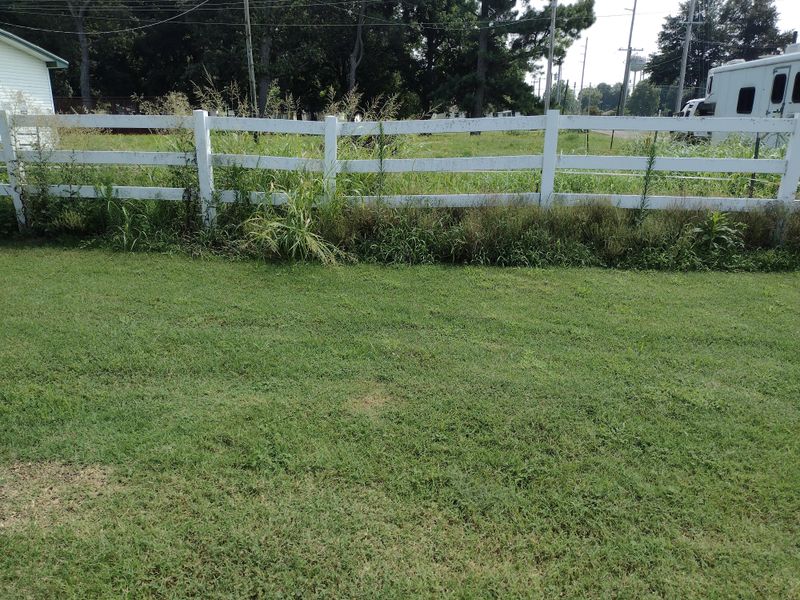
Young weeds are your best opportunity. When they are small and just starting to grow, their roots have not gone deep yet, which means you can pull them out cleanly with very little effort.
Wait too long, and those same weeds develop thick, stubborn root systems that break apart when you try to remove them, leaving pieces behind that grow right back.
Make a habit of walking along your fence line once a week during the spring and summer months. Bring a hand weeder or just use your fingers to pull small weeds as you spot them.
After a rain is actually the best time to weed because the soil is soft and roots slide out more easily without breaking.
Pay special attention to weeds that appear right at the base of fence posts. Posts create a small sheltered zone where seeds collect and soil stays moist.
Weeds that get established there are harder to reach with tools and can grow surprisingly large before you notice them tucked behind the post.
Blackberries are a common problem in our state and need to be caught early. Even a small blackberry shoot has a deep root below ground, so act fast when you see those first leaves appear.
Wear gloves to protect your hands. Drop pulled weeds into a bag or bucket rather than leaving them on the soil, because some weeds can re-root even after being pulled if they stay on moist ground too long.
8. Stop Vines Before They Climb The Fence
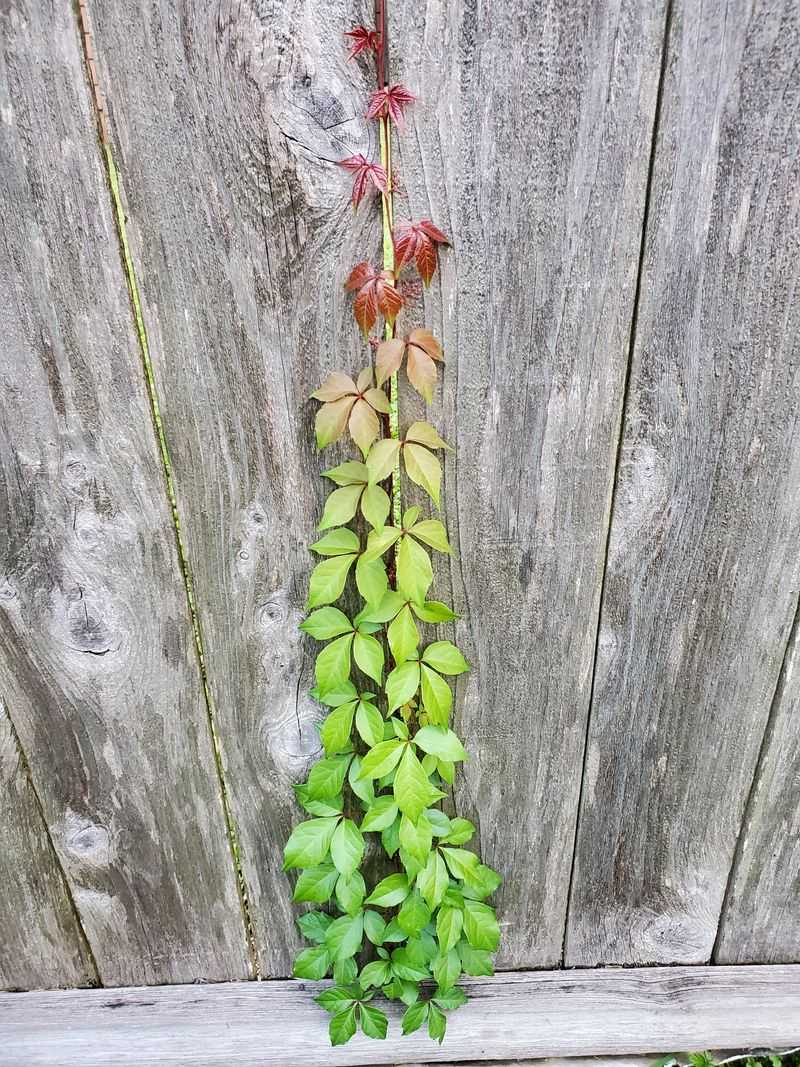
Vines are sneaky. They start small and harmless-looking at the base of a fence, and before you know it, they have wrapped themselves around every board and post in sight.
Once a vine gets a grip on a fence, removing it becomes a much bigger job than it ever needed to be. Catching them early is the key.
Morning glory, bindweed, and wild blackberry are some of the most aggressive vines in our state. They spread fast, root deep, and can cover a fence in a single season if left unchecked.
Morning glory seeds can stay dormant in the soil for years and sprout when conditions are right, so even a clean fence line can suddenly have new vine growth after a wet spring.
Check the base of your fence every week or two during the growing season. Look for thin twisting stems reaching upward or small leafy shoots pressing against the fence boards.
Cut them off at ground level with pruning shears and dig out as much of the root as you can reach. The more root you remove, the slower the regrowth will be.
Applying a thick layer of mulch along the fence base helps slow vine growth by covering the soil where seeds sprout. Landscape fabric adds even more protection in areas where vines have been a repeated problem.
Staying on top of vine removal in spring and early summer prevents the kind of late-season takeover that turns a simple fence line into a full-day project to clean up.