The Best Low-Growing Plants For Oregon Front Borders That Always Stay Tidy
Front borders can make a big first impression, even when the rest of the yard is simple. In Oregon, the best low growing plants need to handle rain, cool mornings, and dry summer stretches without turning messy.
That is not always easy. Some plants look cute in a pot, then flop over paths once they settle in.
Others spread too fast and make the border feel crowded. A tidy front edge should frame the yard, not create another chore.
Low growing plants can soften walkways, brighten entry areas, and help beds look finished through the season. The goal is a clean shape that still feels alive, not stiff or boring.
Oregon gardeners have plenty of good options for that kind of polished look. A front border can stay neat without needing constant trimming, which feels like a small garden miracle.
1. Deer Fern
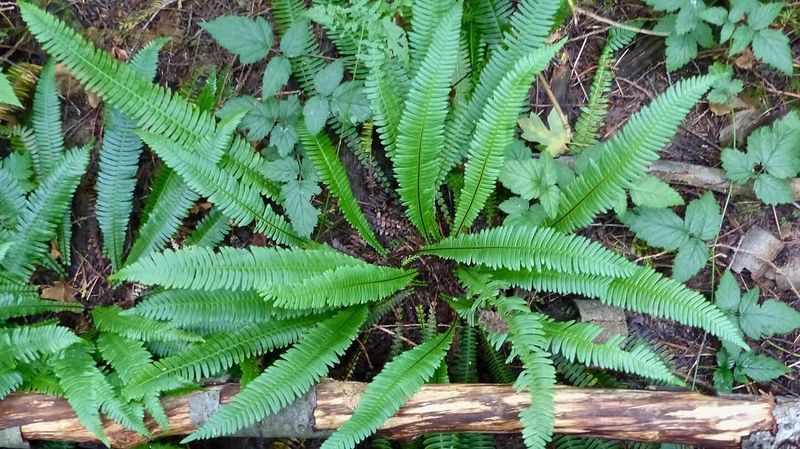
Few plants handle deep shade and wet winters as gracefully as Deer Fern. Native to the Pacific Northwest, this evergreen fern produces two distinct types of fronds.
The outer ones stay flat and spread wide, while the inner ones stand upright and carry spores. Together, they create a layered, architectural look that feels both wild and tidy.
What makes Deer Fern so useful in front borders is its consistent, compact growth habit. It rarely exceeds two feet in height, which means it never blocks sightlines or crowds neighboring plants.
It thrives in moist, shaded spots, making it ideal for planting under trees or along north-facing walls where other plants struggle.
Once established, it needs almost no care. You can remove older fronds in early spring to freshen its appearance, but even that step is optional.
The glossy dark green color holds up through frost and stays vibrant even in January. Deer Fern pairs beautifully with Wild Ginger and mosses for a layered, woodland-style border.
Gardeners across our state have long relied on this fern for shady spots that seem impossible to fill.
It handles clay soils surprisingly well and tolerates occasional dry spells once its roots are settled.
Planting it in groups of three or five creates a lush, full look without any fuss. If you want low-maintenance elegance, Deer Fern delivers every single season.
2. Evergreen Violet
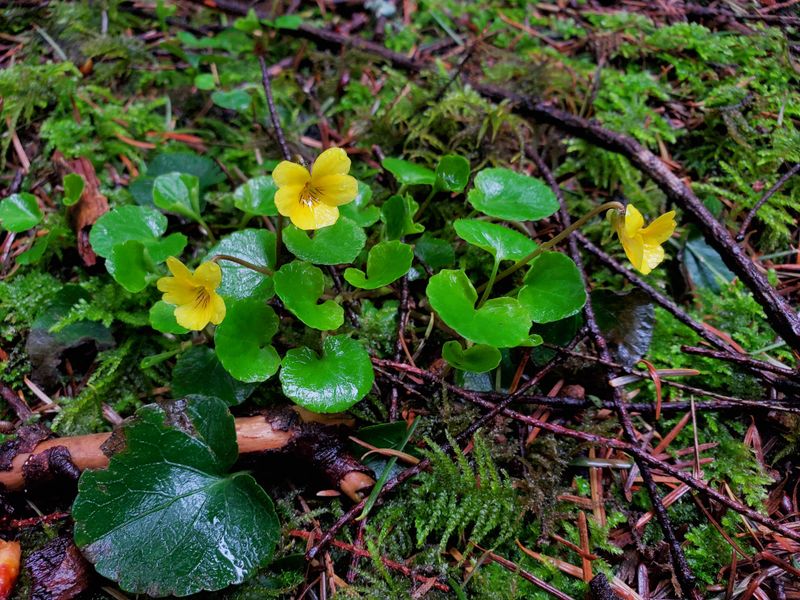
Cheerful, compact, and surprisingly tough, Evergreen Violet is one of those plants that earns its place in the front border every single year.
Native to forests across the Pacific Northwest, it forms a low, spreading mat of rounded, glossy leaves that stay green through winter.
In early spring, tiny yellow flowers appear just above the foliage, adding a bright pop of color when most other plants are still waking up.
This violet grows only two to four inches tall, making it one of the lowest-growing options available for tidy borders.
It spreads slowly by runners and fills gaps between stepping stones or along path edges without becoming invasive. That slow, controlled spread is a big reason gardeners love it so much.
It performs best in partial to full shade and prefers moist, well-drained soil rich in organic matter. Once it settles in, it handles our state’s rainy winters and drier summers with ease.
Your Oregon Garden Changes Every Week. Your Plan Should Too.
Gardening in Oregon changes quickly throughout the season. Every Friday you’ll receive a simple weekly plan showing exactly what to plant, prune, fertilize, harvest, and protect so you never miss the right timing.
Very little maintenance is needed beyond occasional trimming to keep its edges clean and defined.
Pairing Evergreen Violet with taller shade plants like Deer Fern creates a beautiful layered effect in the border.
The contrast between the fern’s upright fronds and the violet’s low, spreading leaves adds real visual interest.
Pollinators visit the flowers regularly in spring, so you also get the added bonus of supporting local bees and insects right at your doorstep.
3. Wild Ginger
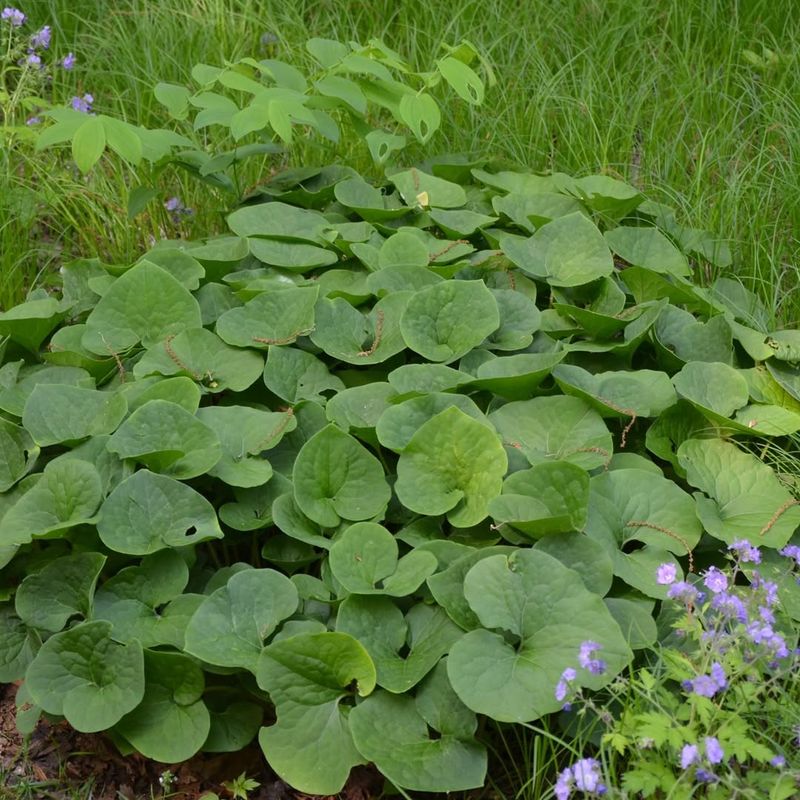
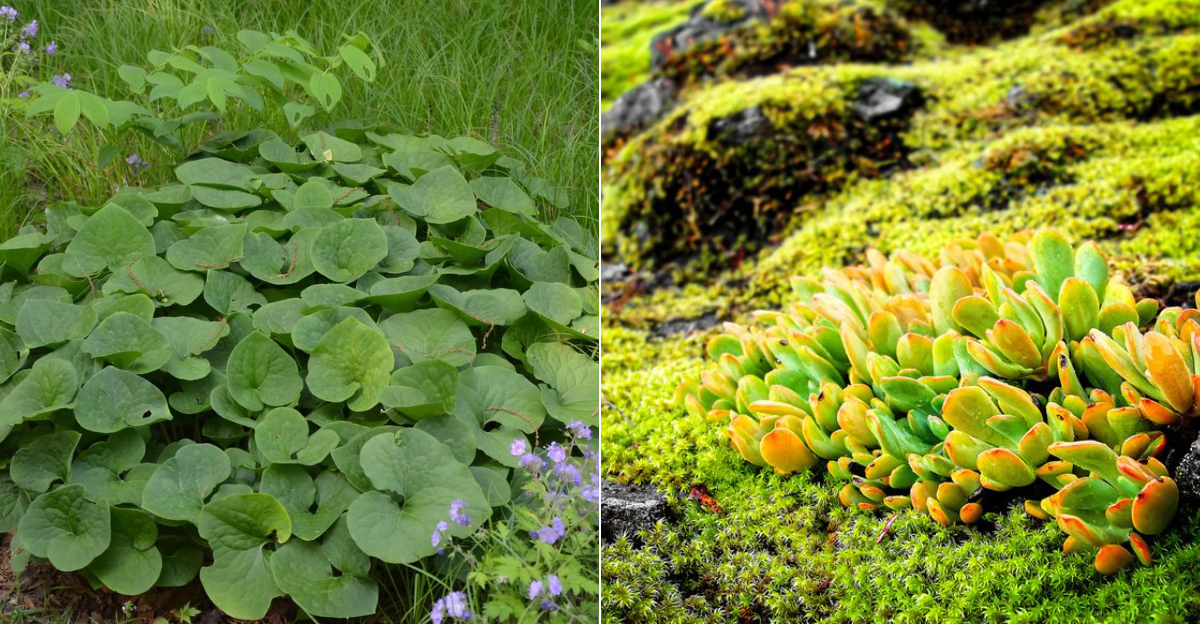
There is something almost magical about Wild Ginger. Its large, heart-shaped leaves overlap each other so completely that weeds barely stand a chance underneath.
Native to Pacific Northwest forests, this ground cover creates a rich, velvety carpet that looks intentional and polished without requiring much effort from the gardener.
Growing only four to six inches tall, Wild Ginger spreads steadily but never aggressively. It works perfectly along the edges of shaded front borders, where it fills space with a lush, full texture that feels both natural and refined.
The leaves are a deep, glossy green that holds color even through cold, wet winters. In late spring, curious brownish-purple flowers bloom at ground level, hidden beneath the leaves. Most visitors never notice them, but they add a fun secret element to the planting.
The roots carry a faint ginger-like scent when disturbed, which is where the plant gets its common name.
Planting Wild Ginger in moist, shaded areas with rich, humus-heavy soil gives the best results.
It pairs wonderfully with Deer Fern and Evergreen Violet, creating a layered woodland border that looks professionally designed.
Established plants handle dry shade reasonably well, which is impressive for such a lush-looking plant.
Maintenance is minimal. Trim back any ragged edges in early spring to keep the planting looking neat, and top-dress with compost every year or two.
Wild Ginger rewards patient gardeners with steady, reliable coverage that gets better with each passing season.
4. Redwood Sorrel
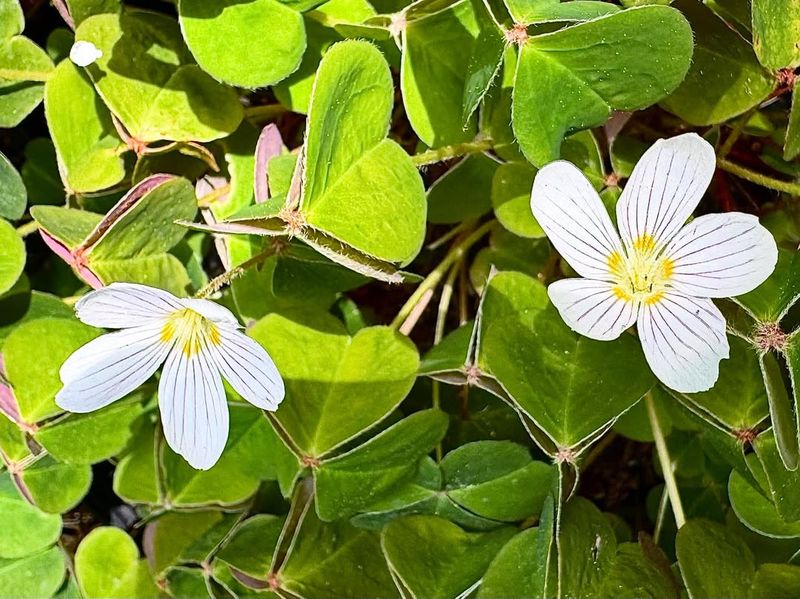
Soft, clover-like leaves and delicate pink-white flowers make Redwood Sorrel one of the most charming low-growing plants for shaded front borders.
Native to coastal forests from California up through our state, it forms a dense, carpet-like layer that suppresses weeds effectively while looking effortlessly pretty.
The leaves fold down at night or in bright sunlight, which is a fascinating little quirk that never gets old.
Growing three to six inches tall, Redwood Sorrel spreads by underground rhizomes and fills shaded areas quickly. It works especially well under large conifers or deciduous trees where grass refuses to grow.
Once established, it handles the dry summer shade beneath tree canopies better than almost any other ground cover.
The flowers appear in spring and again in fall, providing two seasons of soft color in spots that might otherwise feel dull and empty. Bees and small insects visit the blooms regularly, adding quiet life to the border.
Moist, well-drained soil with plenty of organic matter gives Redwood Sorrel the best start. It prefers full to partial shade and does not do well in hot, dry, sunny spots.
In the right conditions, it grows enthusiastically and can cover large areas within a few seasons.
Trim the edges occasionally to keep it within bounds, and remove any yellowing leaves to maintain a tidy appearance. Few plants deliver this level of lush, woodland beauty with so little ongoing effort from the gardener.
5. Oregon Stonecrop
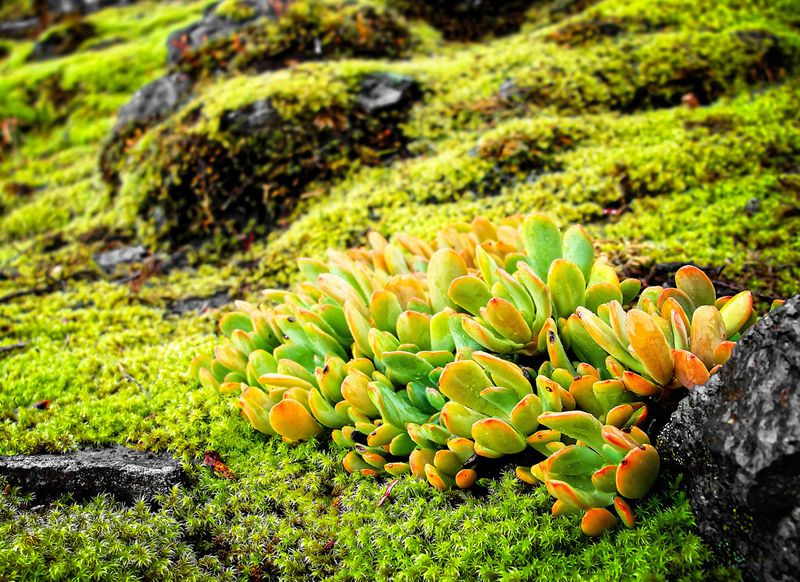
Rocky outcrops, sunny slopes, and dry garden edges are where Oregon Stonecrop truly shines.
This native succulent grows only two to four inches tall and forms tight, fleshy rosettes of green leaves that turn reddish in summer heat or drought.
It is one of the toughest plants you can put in a sunny front border, and it looks incredible doing the job.
Bright yellow star-shaped flowers bloom in early summer, creating a cheerful display that attracts bees and butterflies. After flowering, the plant stays compact and tidy, never flopping or sprawling out of control.
That self-contained growth habit makes it ideal for edges and borders where neatness matters.
Drainage is the most important factor when growing Oregon Stonecrop. It thrives in poor, rocky, or sandy soils and struggles in heavy clay that stays wet.
Raised beds, gravel borders, and rocky slopes suit it perfectly. Amending planting areas with coarse grit or gravel improves drainage significantly and gives the plant the conditions it loves.
Very little watering is needed once it is established. In fact, overwatering is the most common mistake gardeners make with this plant.
Let the soil dry out between waterings, especially during summer, and it will reward you with vibrant color and strong growth year after year.
Pair it with Nodding Onion or Tufted Hairgrass for a naturalistic, low-maintenance sunny border that looks polished without constant attention. Oregon Stonecrop is proof that tough plants can also be beautiful.
6. Nodding Onion
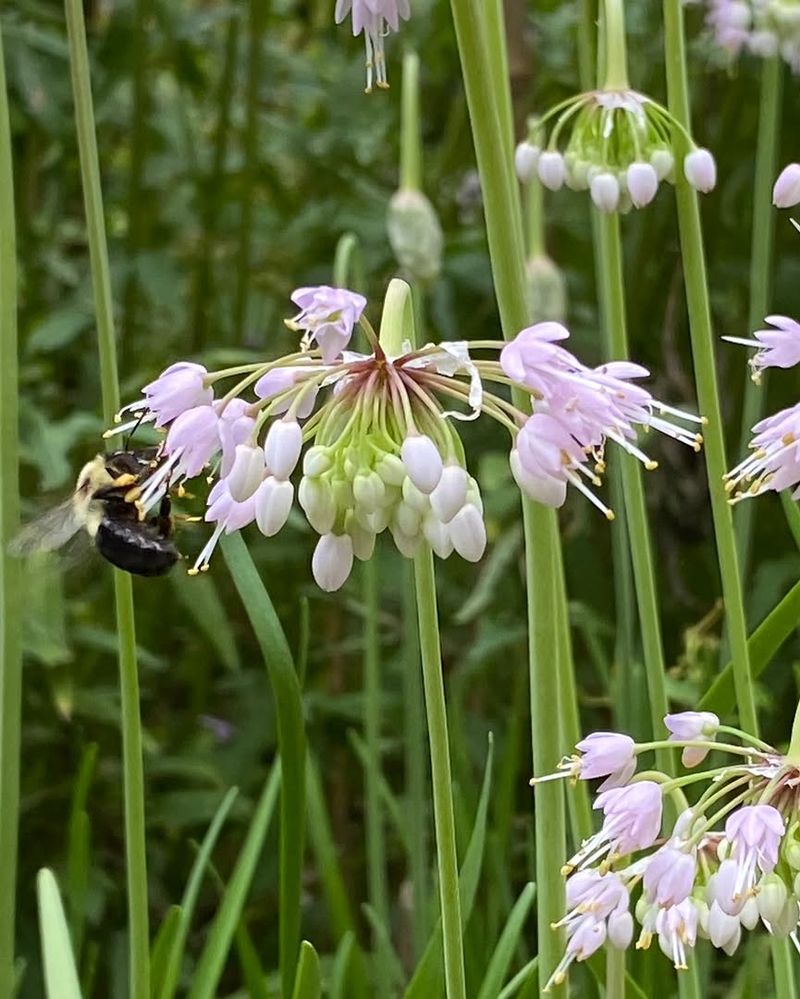
Graceful, delicate, and surprisingly hardy, Nodding Onion brings a soft, airy quality to sunny front borders that few other plants can match.
Native across much of North America, including our state, it produces slender, grass-like leaves and thin stems topped with drooping clusters of pink to lavender bell-shaped flowers.
The nodding flower heads sway gently in the breeze, giving the planting a light, natural feel. Blooming in mid to late summer, Nodding Onion fills the gap between spring bloomers and fall color.
Butterflies, bees, and other pollinators visit the flowers constantly, making it a lively addition to any border.
The blooms eventually turn into attractive seed heads that add texture through fall and early winter.
Growing eight to eighteen inches tall, it stays well within the low-growing range for front borders. It spreads slowly by seed and offsets, forming small clumps that look natural and unforced.
Thinning clumps every few years keeps the planting vigorous and prevents overcrowding. Full sun and well-drained soil are the main requirements.
It tolerates dry summers well once established, which makes it a great match for the sunny, drought-prone spots that challenge many gardeners across the region. Poor to average soils actually suit it better than rich, fertile ones.
Plant Nodding Onion in groups of five or more for the best visual impact. Combined with Oregon Stonecrop and Tufted Hairgrass, it creates a pollinator-friendly, low-maintenance border that looks both natural and intentional throughout the growing season.
7. Tufted Hairgrass
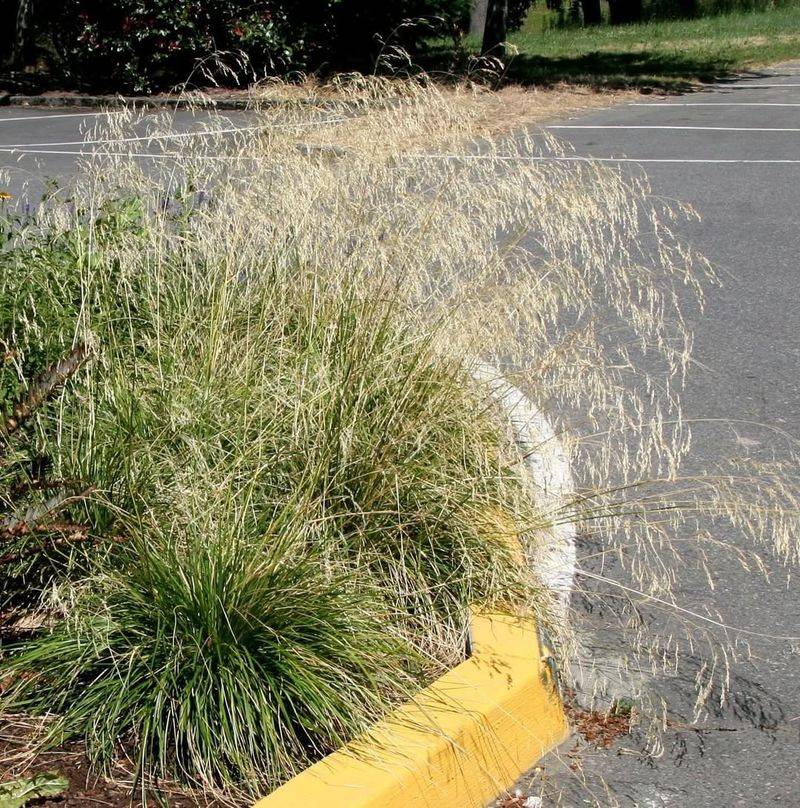
Not all grasses are created equal, and Tufted Hairgrass proves that beautifully. This native ornamental grass forms dense, rounded tufts of fine, dark green foliage that stay neat and compact throughout the year.
In early summer, it sends up tall, airy stems covered in delicate seed heads that shimmer and catch the light like tiny clouds floating above the border.
Growing twelve to twenty-four inches tall in bloom but staying much lower in foliage, it fits comfortably into front border plantings without overwhelming its neighbors.
The seed heads dry attractively and persist well into fall, extending the plant’s visual appeal long after flowering ends. Birds visit the seed heads regularly, adding movement and life to the garden.
One of its greatest strengths is adaptability. Tufted Hairgrass tolerates wet soils, clay, and even seasonal flooding, which makes it a practical choice for the low spots and poorly drained areas that are so common in yards across our region.
It also handles partial shade well, unlike many ornamental grasses that demand full sun. Cut the clumps back hard in late winter or early spring before new growth begins.
This simple annual task keeps the plant looking fresh and prevents the center from dying out over time. Division every three to four years also helps maintain its vigor.
Paired with Nodding Onion and Evergreen Violet, Tufted Hairgrass adds height variation and movement to the border, creating a planting that feels alive and dynamic without ever looking messy or overgrown.
8. Douglas Aster
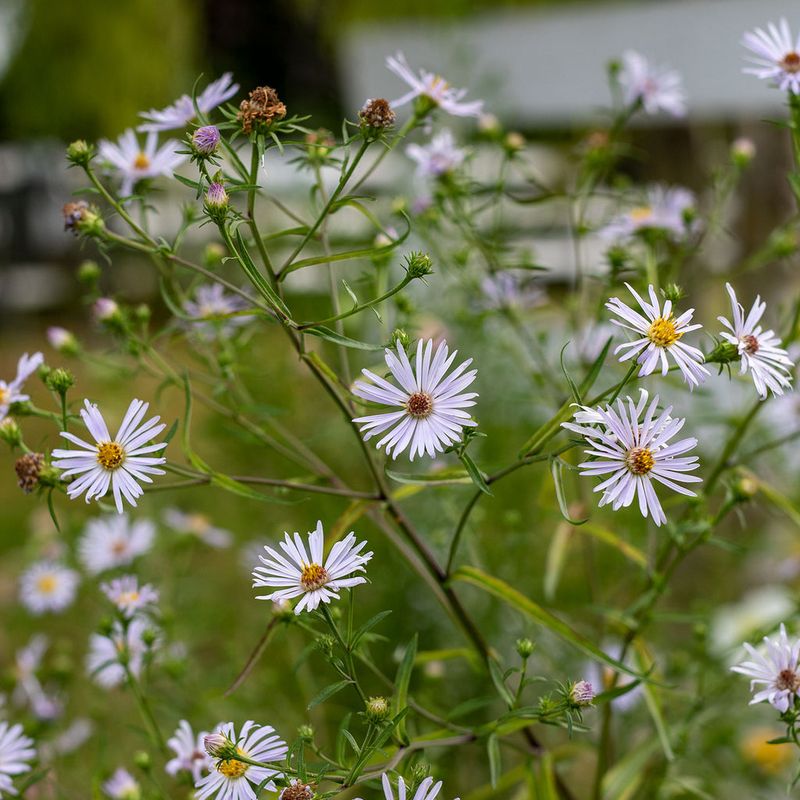
When late summer arrives and most flowering plants are winding down, Douglas Aster bursts into bloom with an impressive show of lavender-purple daisy-like flowers.
Native to the Pacific Northwest coast and valleys, this cheerful wildflower blooms from August through October, providing vital late-season color when the front border needs it most.
Bees, butterflies, and other pollinators absolutely flock to it. Growing twelve to twenty-four inches tall, Douglas Aster stays within the low-to-medium range for border plants.
It forms spreading, bushy clumps that fill space generously without becoming invasive. Cutting plants back by half in late spring encourages more compact, bushy growth and prevents the floppy, open habit that can develop if left unpruned.
Full sun to light shade and moist to moderately dry soils suit it well. It handles our state’s wet winters and dry summers with impressive resilience, bouncing back reliably each spring with fresh new growth.
Poor soils do not discourage it at all, and it actually tends to stay more compact in leaner conditions.
Deadheading spent flowers prolongs the blooming season slightly, but even without deadheading, the plant continues to produce new flowers over many weeks.
After blooming ends, the seed heads attract finches and sparrows, extending the plant’s usefulness well into winter.
Combine Douglas Aster with Tufted Hairgrass for a late-season border combination that supports pollinators and looks stunning from summer right through the first frosts of autumn. Few native plants offer this much seasonal reward for so little effort.