What Your Oregon Boxwoods Need In April To Stay Full And Green
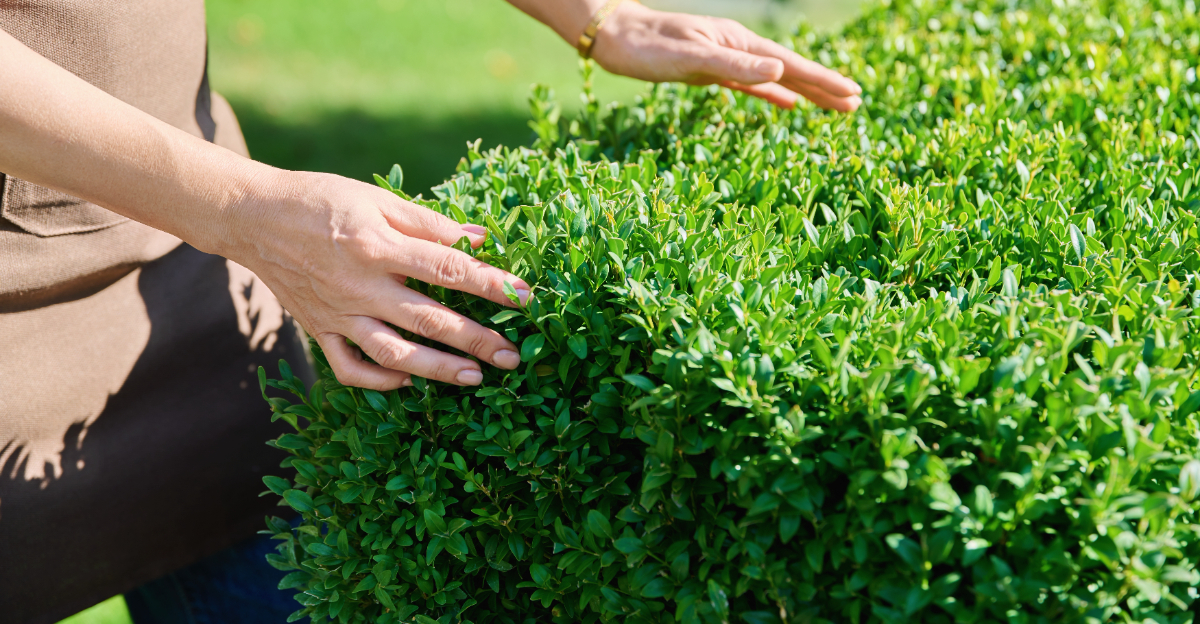
Boxwoods have a way of looking either crisp and polished or a little tired all at once, and April is usually when that difference starts to show in Oregon gardens.
After a long, wet stretch of winter weather, these shrubs are ready for a little attention to help them bounce back strong.
This is the month when small care moves can have a big impact on color, density, and overall shape heading into the growing season. A faded patch here or a loose, leggy side there can make a healthy plant seem fussier than it really is.
The good news is that boxwoods do not need anything dramatic right now. They just need the right kind of spring care at the right time.
A little cleanup, smart watering, and a close look at how they came through winter can go a long way. Give them that now, and they are much more likely to stay lush, green, and garden-ready for months.
1. Check For Blight Early
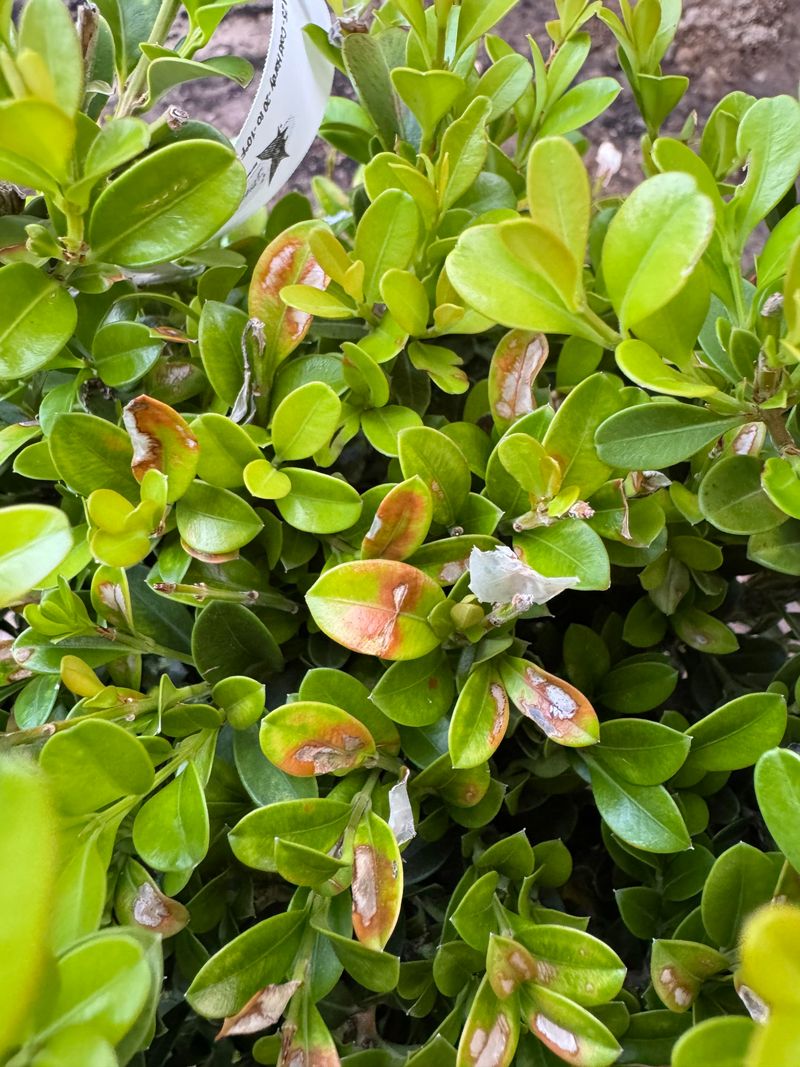
Brown spots on your boxwood leaves in April are not something to brush off. Boxwood blight is a serious fungal disease, and Oregon’s wet spring weather creates the perfect conditions for it to spread fast.
Catching it early gives you a real advantage.
Walk around your shrubs and look closely at the leaves and stems. Brown or tan spots on leaves and dark black streaks on the stems are the main warning signs.
If you spot these, act quickly.
Remove any infected branches right away. Put the clippings straight into a bag and throw them in the trash, not your compost pile.
Leaving infected material on the ground lets the fungus spread to healthy plants nearby.
Oregon’s local extension services are a great resource if you’re not sure what you’re looking at. They can help you identify blight and suggest the right treatment options for your area.
Some Oregon counties even have free plant clinics. Getting a second opinion from a local expert is always smart when it comes to plant disease.
Stay on top of this early in April and your boxwoods will have a much better shot at staying lush and full all the way through summer.
2. Prune Only In Dry Weather
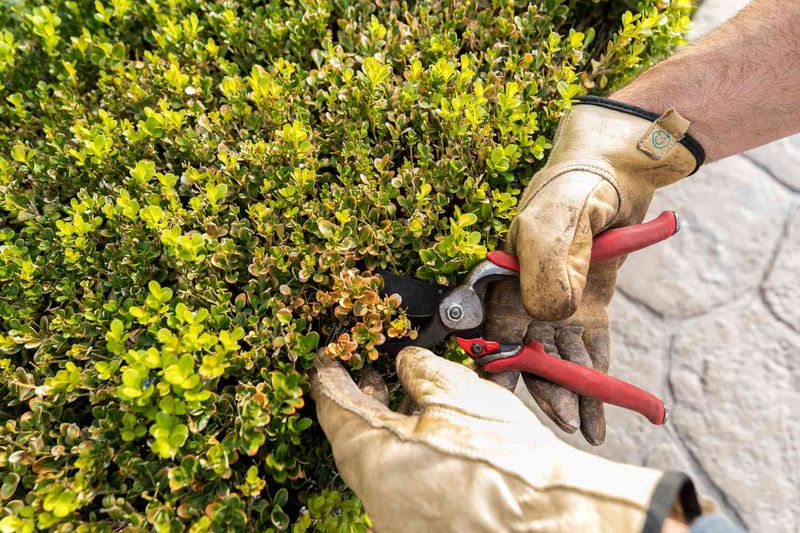
Pruning boxwoods sounds simple, but timing it wrong can cause real problems. Wet weather and open cuts are a bad combination.
When you prune during rain or heavy moisture, fungal spores can enter the fresh cuts and spread disease through your entire shrub.
Wait for a dry stretch of days before you pick up your pruning shears. Oregon springs can be unpredictable, so check the forecast and plan ahead.
Even a couple of dry days in a row is enough to get the job done safely.
Focus on removing about ten percent of the outer branches. You don’t need to go overboard.
Light pruning in April encourages a strong flush of new growth and keeps the shape of your hedge looking neat and tidy.
Your Oregon Garden Changes Every Week. Your Plan Should Too.
Gardening in Oregon changes quickly throughout the season. Every Friday you’ll receive a simple weekly plan showing exactly what to plant, prune, fertilize, harvest, and protect so you never miss the right timing.
Thinning out the interior branches a little also helps air move through the plant. Good airflow reduces moisture buildup inside the shrub, which lowers the risk of disease.
Use sharp shears so the cuts are clean and smooth. Ragged cuts take longer to heal and are more likely to attract pests and fungi.
Pruning in dry April weather is one of the easiest ways to protect your Oregon boxwoods and keep them looking their best.
3. Clean Tools Every Time
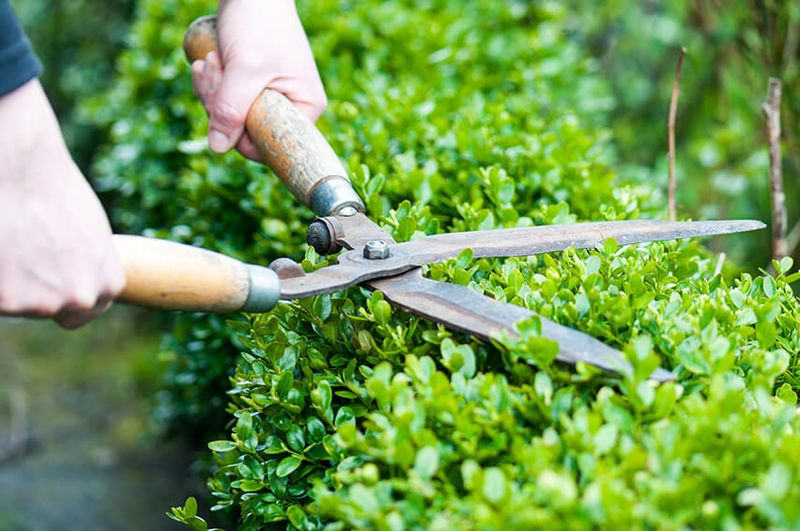
Most gardeners think about what to prune but forget about the tools they’re using. Dirty pruning shears can carry fungal spores and bacteria from one plant to the next without you even realizing it.
In Oregon, where spring moisture keeps disease pressure high, this is a habit worth building fast.
Before you move from one boxwood to another, wipe your blades down with a disinfectant. A simple solution of rubbing alcohol or a ten percent bleach mix works well.
Keep a small spray bottle or a rag soaked in solution right in your garden apron so it’s always within reach.
It only takes about thirty seconds to clean your tools between cuts, but the payoff is huge. You stop disease from hitching a ride across your entire hedge row.
This is especially important if you noticed any signs of blight or leaf discoloration during your early April check.
Sharp tools also matter just as much as clean ones. Dull blades crush plant tissue instead of cutting it cleanly.
Crushed stems are slower to heal and more vulnerable to infection. Take a few minutes before April pruning season kicks off to sharpen your shears.
Clean and sharp tools are two of the best investments you can make for your Oregon boxwoods.
4. Thin Out Crowded Growth
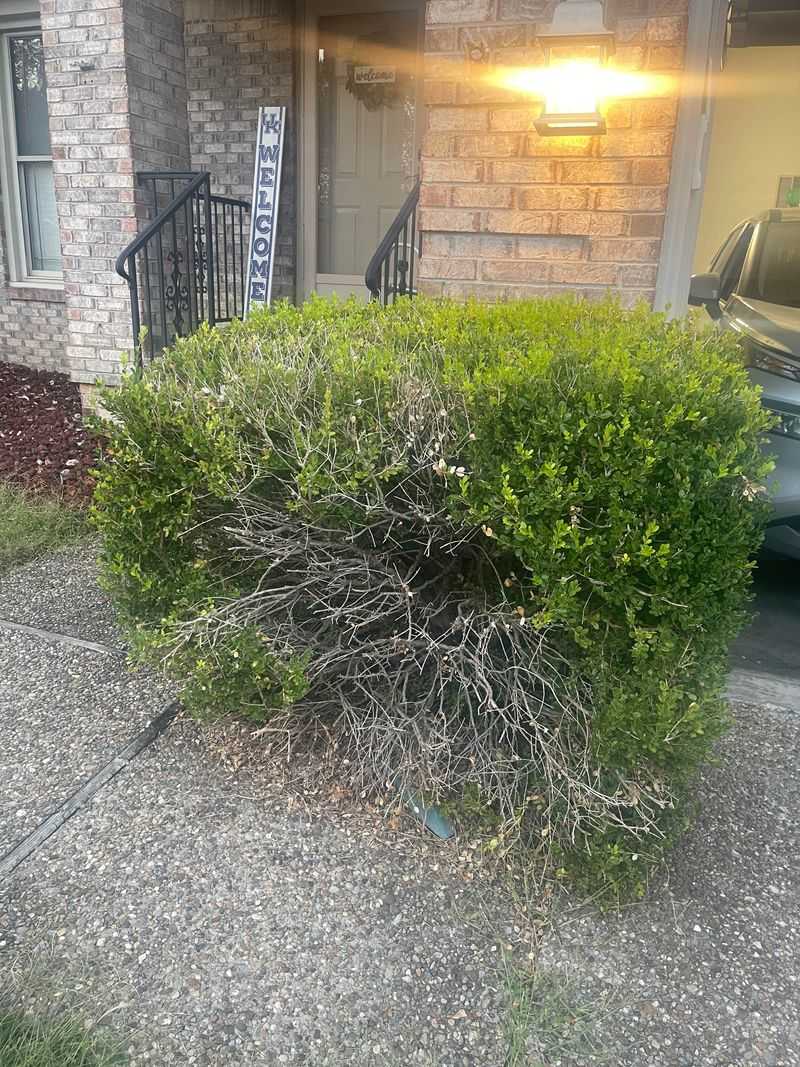
Boxwoods can get surprisingly dense on the inside over time. All those tightly packed branches trap moisture, block sunlight, and create a perfect hiding spot for pests and fungal growth.
Oregon’s rainy spring climate makes this problem even worse if you ignore it.
Thinning out the interior of your boxwoods in April is one of the most helpful things you can do. You’re not trying to reshape the outside of the shrub.
You’re reaching in and removing crossing branches, dead wood, and stems that are growing too close together.
When air can move freely through the center of the plant, leaves dry out faster after rain. Faster drying means less time for fungal spores to settle in and take hold.
More light reaching the inner leaves also encourages healthier, denser growth from the inside out.
You don’t need to go too aggressive here. A little goes a long way with boxwoods.
Remove just enough to open things up without stressing the plant. Step back often and look at the overall shape as you work.
Thinning should feel like a light refresh, not a major overhaul. Done right in April, this simple step gives your Oregon boxwoods better airflow all season long and helps them stay full and vibrantly green.
5. Water Roots, Not Leaves
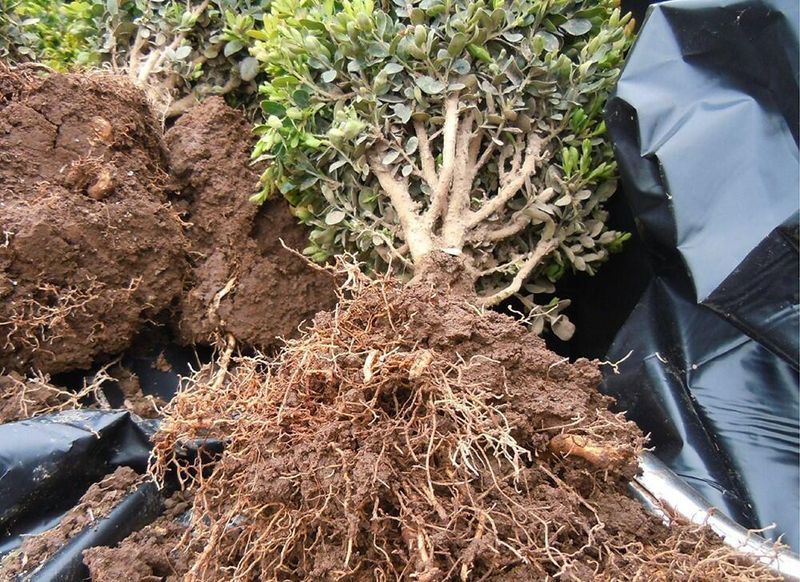
How you water your boxwoods matters just as much as how often you do it. Spraying water directly on the leaves creates wet foliage that stays damp for hours.
In Oregon’s cool April mornings, that moisture lingers even longer and invites fungal disease to move in.
Always aim water at the base of the plant, right at the root zone. Drip irrigation or a soaker hose works really well for boxwoods because it delivers water slowly and directly to the soil.
This method also reduces water waste, which is a bonus for your water bill.
Boxwoods need about one inch of water every seven to ten days during the growing season. Oregon gets natural rainfall in April, so check the soil before you water.
Stick your finger two inches into the ground. If it feels moist, hold off for a few more days.
Deep, infrequent watering is always better than shallow, frequent watering. When you water deeply, roots are encouraged to grow further down into the soil.
Deeper roots make a more drought-tolerant and stable plant. Watering correctly from the start of April sets up your Oregon boxwoods for strong, healthy growth throughout the entire spring and summer season ahead.
6. Keep Soil Draining Well
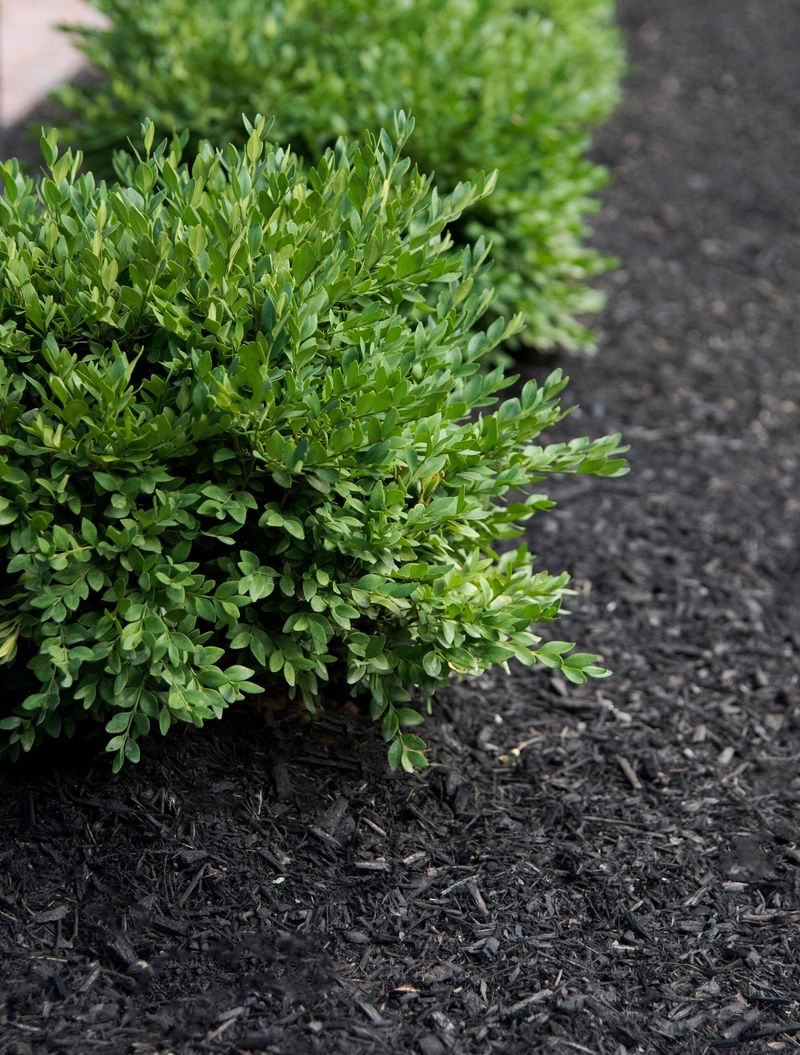
Boxwoods absolutely cannot sit in waterlogged soil. Their roots need oxygen just as much as they need water.
When soil stays soggy for too long, roots begin to suffocate and the plant starts showing signs of stress, like yellowing leaves and weak new growth.
Oregon gets a good amount of rain in April, which means drainage is something you need to actively think about. Walk around your boxwoods after a heavy rain and notice how quickly the water soaks in.
If puddles are still sitting there an hour later, your drainage needs some attention.
Loosening compacted soil around the base of your shrubs with a hand fork can help. Breaking up the surface allows water to move down through the soil more easily.
Adding organic matter like compost to the planting area over time also improves soil structure and drainage naturally.
If your boxwoods are planted in a low spot that collects runoff, you may want to think about installing a simple French drain or redirecting water away from the area. Good drainage is not just about avoiding root problems.
It also helps prevent crown rot and fungal diseases that love wet conditions. Keeping the soil well-drained in April gives your Oregon boxwoods a strong, healthy foundation for the whole growing season.
7. Mulch Lightly In Spring
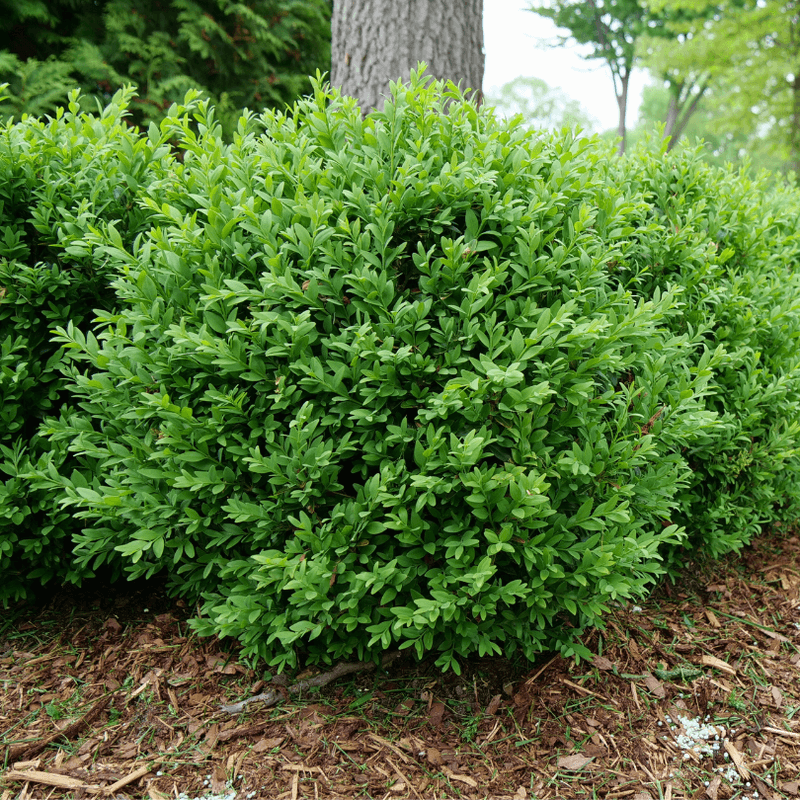
Mulch is one of the most underrated tools in a boxwood gardener’s kit. A light layer of organic mulch in April does several great things at once.
It holds moisture in the soil, keeps weeds from sprouting up, and helps moderate soil temperature as the season warms up.
Spread a two to three inch layer of mulch around your boxwoods, but keep it a few inches away from the base of the stems. Mulch piled up against the trunk traps moisture right where you don’t want it, which can lead to rot and attract pests looking for a cozy hiding spot.
Shredded bark, wood chips, or composted leaves all work well as mulch for boxwoods in Oregon. Avoid using fresh, undecomposed wood chips in large amounts because they can pull nitrogen out of the soil as they break down.
Aged or partially composted materials are a better choice.
Refreshing your mulch layer every spring is a simple habit that pays off big. It reduces how often you need to water, cuts down on weeding time, and gives your garden beds a clean, tidy look.
For Oregon gardeners dealing with unpredictable spring weather, mulch acts as a buffer that keeps conditions around the roots more stable and consistent.
8. Feed Lightly, Not Heavily
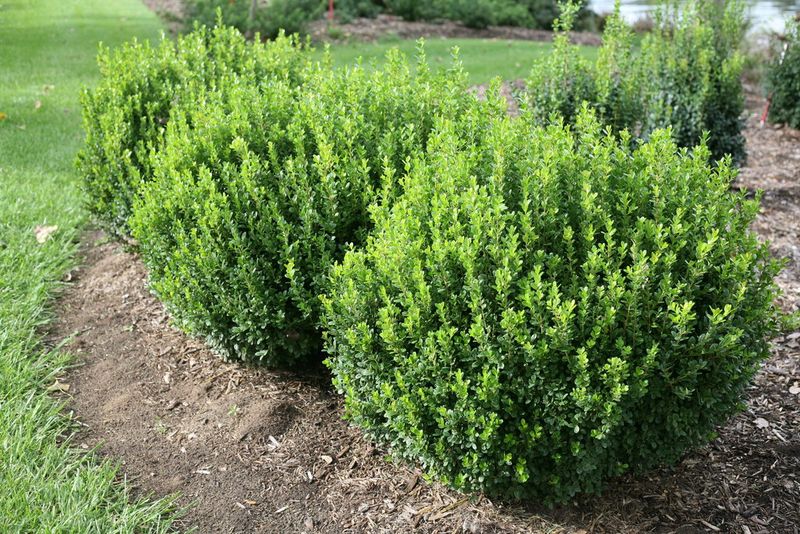
Feeding your boxwoods in April gives them a gentle boost right when they need it most. New growth is pushing out and the plant is working hard.
A little fertilizer helps support that energy without overwhelming the roots or causing problems down the road.
The key word here is lightly. Too much fertilizer forces rapid, soft growth that is more vulnerable to pests and disease.
It can also burn the roots if applied too heavily, especially when the soil is already moist from spring rain. Less really is more with boxwoods.
Choose a balanced, slow-release granular fertilizer and apply it near the drip line of the plant, which is the outer edge of the canopy where rain naturally falls. Avoid dumping fertilizer right up against the base of the stems.
Spread it evenly and water it in gently after applying.
Aged compost or well-rotted manure is another excellent option for Oregon gardeners who prefer a more natural approach. These organic options release nutrients slowly and also improve soil health over time.
Skip the high-nitrogen liquid fertilizers that push too much leafy growth too fast. A measured, light feeding in April keeps your Oregon boxwoods steady, strong, and beautifully green without the risks that come with overfeeding.