Your Kentucky Lawn Doesn’t Have To Lose Every Spring, Here’s Why Moles Win And How To Change It
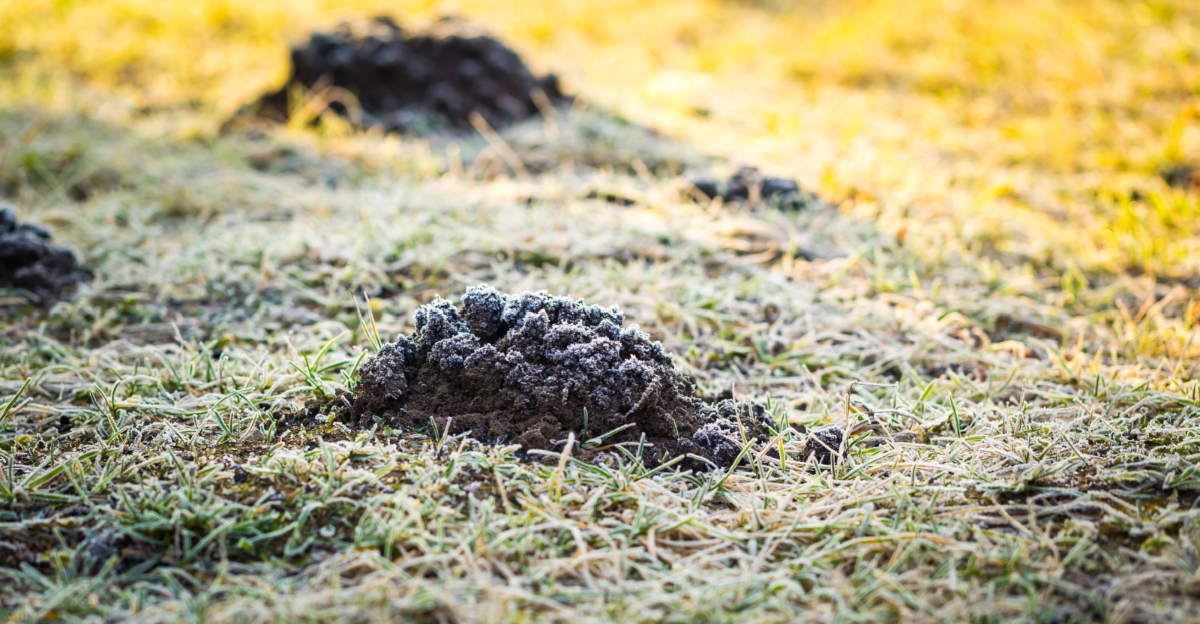
Kentucky lawns have a secret nightlife. While homeowners sleep, moles tunnel silently beneath the surface. They leave behind ridges, mounds, and spongy trails.
A once-beautiful yard can look completely unrecognizable by morning. Across Kentucky, this is one of the most common springtime frustrations for homeowners. The ground feels soft and unstable underfoot.
Neat garden beds get disrupted overnight. Grass roots lose contact with the soil and begin to yellow. It can feel like a losing battle.
But here is something worth knowing: moles are predictable creatures. They follow food, moisture, and soil conditions in patterns. Those patterns are surprisingly easy to understand. Once you know what drives them, you have a real advantage.
Think of it this way. Moles have been playing the same game for centuries. They just never expected you to learn the rules.
This season, you finally will.
1. Your Kentucky’s Clay-Rich Soil Holds Moisture
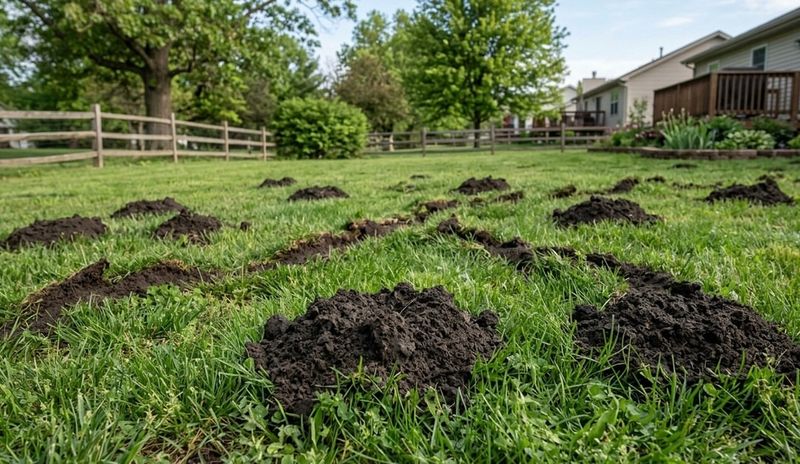
Kentucky soil has a secret that moles absolutely love.
Much of Kentucky sits on clay-heavy earth, particularly across the Bluegrass and central regions.
Eastern parts of the state tend toward rockier, thinner soils, but the tunneling problem shows up across all of them for slightly different reasons.
That steady moisture creates exactly the kind of underground environment where earthworms thrive in huge numbers.
Moles are not random wanderers.
They follow their food, and when a lawn is packed with worms living just inches below the surface, it becomes prime real estate for tunneling.
Clay soil also compacts in a way that creates natural corridors, making it easier for moles to push through and maintain their tunnel systems without much effort.
Homeowners in Louisville, Lexington, and even rural parts of the Bluegrass region all deal with this same issue season after season.
The soil composition is not something you can change overnight, but knowing why your yard is so attractive to moles gives you a real advantage.
When you understand the root cause, every step you take to fix the problem starts making more sense.
Your lawn is not cursed, it is just sitting on rich, worm-friendly ground.
2. Your Lawn’s Soil Is Heating Up
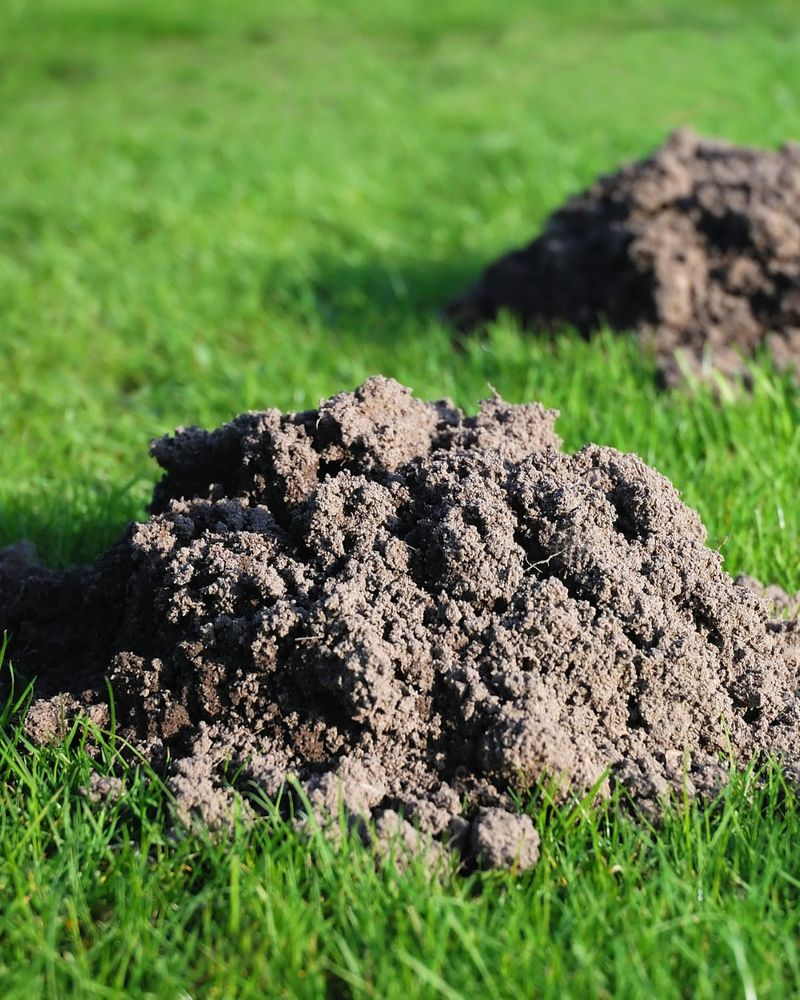
Most people think spring mole activity is about the moles themselves waking up, but the real trigger happens underground.
When soil temperatures climb above 45 degrees Fahrenheit, earthworms begin migrating upward toward the warmer, more oxygen-rich layers near the surface.
That movement is like ringing a dinner bell for every mole in your neighborhood.
Moles stay active all year, but their tunneling becomes frantic in early spring because the food supply suddenly concentrates in an easy-to-reach zone.
Instead of digging deep to chase worms, they can cruise just two to four inches below the grass and feast with almost no effort.
That is why you start seeing those raised ridges appear almost overnight when the weather shifts.
Checking your soil temperature with an inexpensive probe thermometer can actually help you anticipate mole activity before it gets out of hand.
Once you hit that 45-degree mark, consider it your warning window.
Your Kentucky Garden Changes Every Week. Your Plan Should Too.
Gardening in Kentucky changes quickly throughout the season. Every Friday you’ll receive a simple weekly plan showing exactly what to plant, prune, fertilize, harvest, and protect so you never miss the right timing.
This is the moment to start any prevention strategies you have planned for the season.
Acting now rather than weeks later, when damage is already visible, puts you in a much stronger position before the tunneling gets serious.
3. Your Yard Feeds A Very Hungry Mole
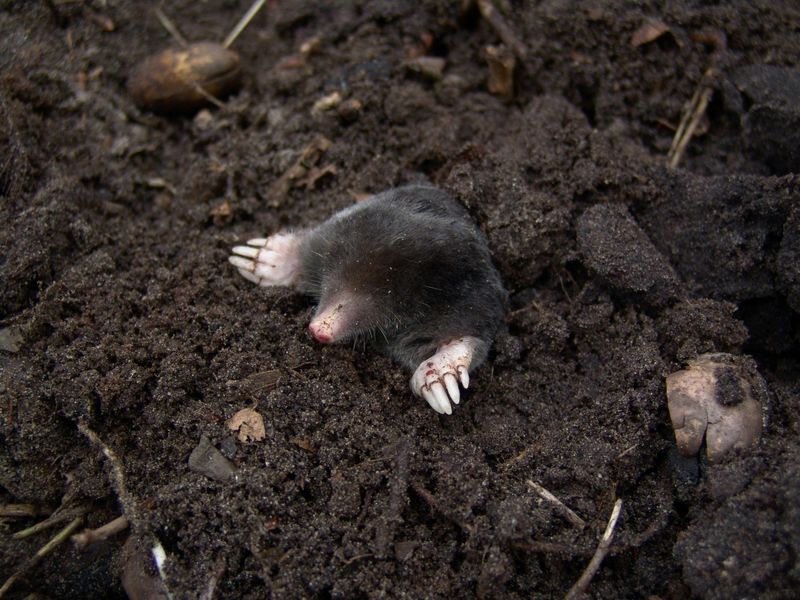
Pound for pound, moles might be the hungriest mammals on your property.
A single mole weighs around three to five ounces. That means it needs to consume one and a half to two and a half ounces of earthworms every day just to survive.
That relentless appetite is what fuels the nonstop tunneling you see tearing up your yard each spring.
Some reports suggest a single mole can dig up to 18 feet of tunnel per hour under ideal conditions, meaning daily totals can add up surprisingly fast.
Those tunnels are not random paths either.
They are strategic food highways designed to intercept as many worms as possible, and the mole patrols them repeatedly throughout the day and night.
Understanding this feeding intensity changes how you think about the damage.
The mole is not being destructive for sport.
It is essentially running a marathon every single day just to stay alive, and your lawn happens to be the course.
Knowing this, the smarter approach is not just chasing the mole around your yard but targeting what keeps bringing it back, which is always the food supply.
Reduce the buffet, and you reduce the motivation to tunnel through your grass.
4. Spring Rain Makes Tunneling Effortless
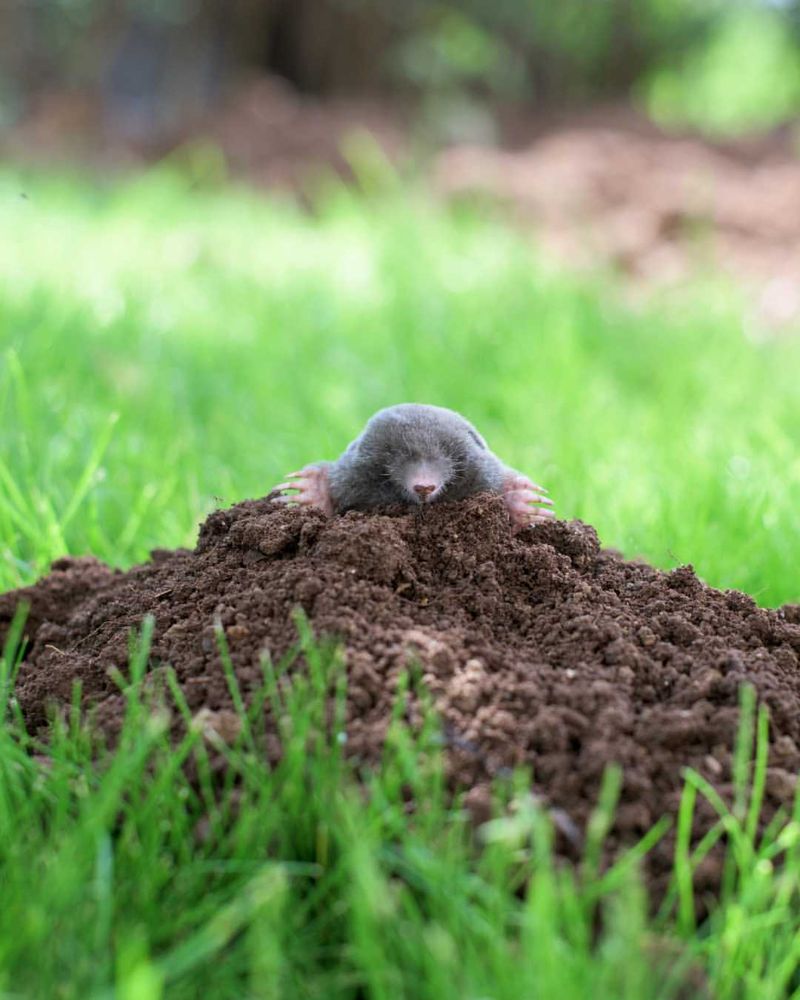
Saturated soil moves like soft clay under a mole’s powerful front claws.After a rainy spring week in Kentucky, the ground loosens up significantly, and what might have taken a mole significant effort to push through in dry conditions becomes almost effortless.
This is one of the biggest reasons spring is peak mole season, and it happens fast.
Moles have front paws that are built like tiny shovels, wide and turned outward for maximum push.In wet soil, those paws can move through the earth almost like hands through sand.
The mole does not even need to remove the dirt, it simply compresses it to the sides as it pushes forward, which creates those telltale raised ridges you see across your lawn.
After heavy rainfall, you might notice new tunnel lines appearing within just a day or two.That is not a coincidence.
The mole is taking full advantage of the softened ground to expand its territory and increase its access to food.If your yard has low spots that collect water or areas that stay soggy after rain, those zones will almost always show mole activity first.
Drainage improvements in those spots can actually reduce tunneling activity over time.
5. Your Grass Is Not The Target, Worms Are
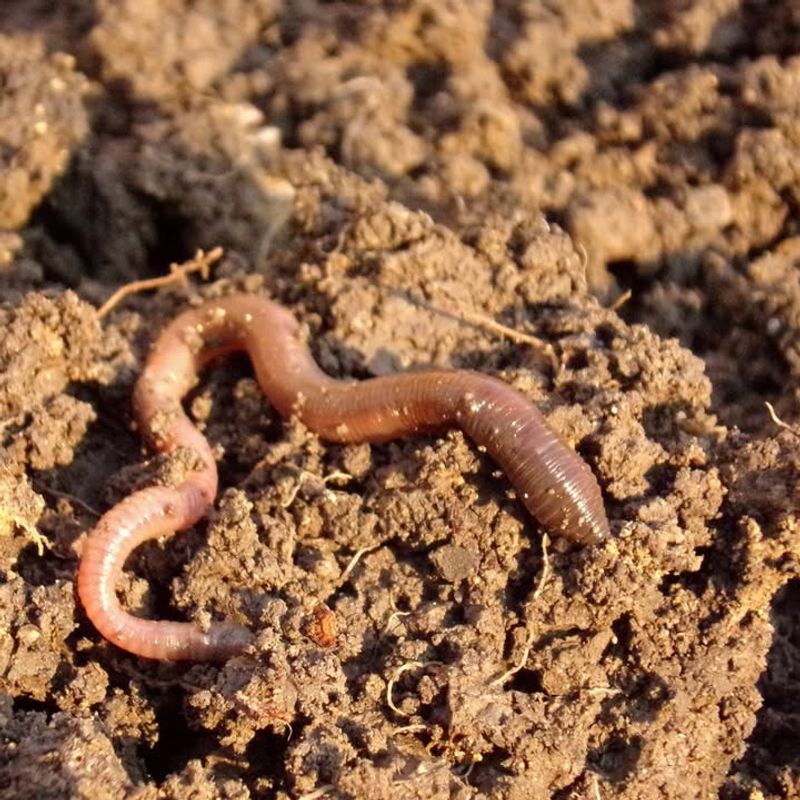
Blaming the mole for hating your lawn is like blaming a dog for following the smell of bacon.These animals have no interest in your grass, your garden, or your carefully edged flower beds.
They are purely focused on finding and eating earthworms, and your yard just happens to be where the food is hiding.
The grass damage you see is collateral, not intentional.When a mole pushes through the soil, it lifts and separates the root system of your turf from below.
The grass roots lose contact with the soil, dry out, and turn brown in strips that follow the tunnel path.It looks like the mole is eating your grass, but it has never touched a blade in its life.
This distinction matters a lot when you are choosing how to respond.Methods that target the mole directly, like traps, can work but require persistence and know-how.
Methods that target the food source, like reducing worm populations near the surface, work with the mole’s own instincts by making your yard less rewarding.When a mole tunnels through and finds nothing to eat, it moves on.
Your goal is simply to make your lawn the least interesting buffet on the block.
6. Wet Kentucky Springs Are A Mole’s Paradise
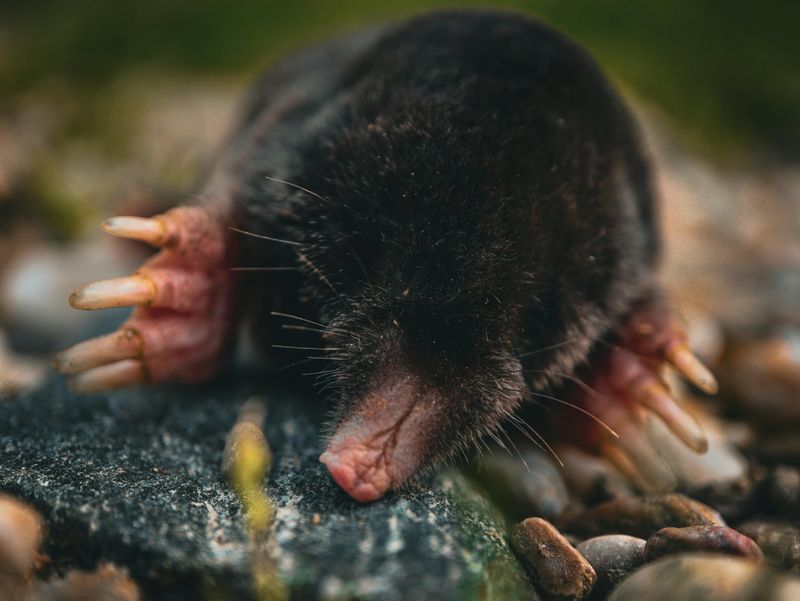
Spring in Kentucky is practically a welcome mat for moles.
The combination of mild temperatures, frequent rain, and warming soil hits all three triggers at once: soft ground for easy tunneling, surface-level worms for easy feeding, and comfortable conditions for moles to stay active around the clock.
No other season stacks the deck quite like this.
Rainfall totals in central and western Kentucky average three to four inches per month from March through May.
That steady moisture keeps the soil in that ideal soft, workable state for weeks at a time.
Unlike a single rainstorm that softens the ground briefly, prolonged wet springs give moles an extended window to establish large tunnel networks before the soil firms back up in summer.
By the time homeowners notice the damage and start looking for solutions, the mole has often already built an extensive underground system covering hundreds of square feet.
Those established tunnels do not disappear when the mole moves on either.
The structure stays intact underground, weakening the lawn from below.
Spring conditions in this region are consistently favorable for moles every year.
Recognizing that lets you prepare ahead of time. That is far better than scrambling for answers after your lawn already shows serious damage.
7. Getting Grub Control Right
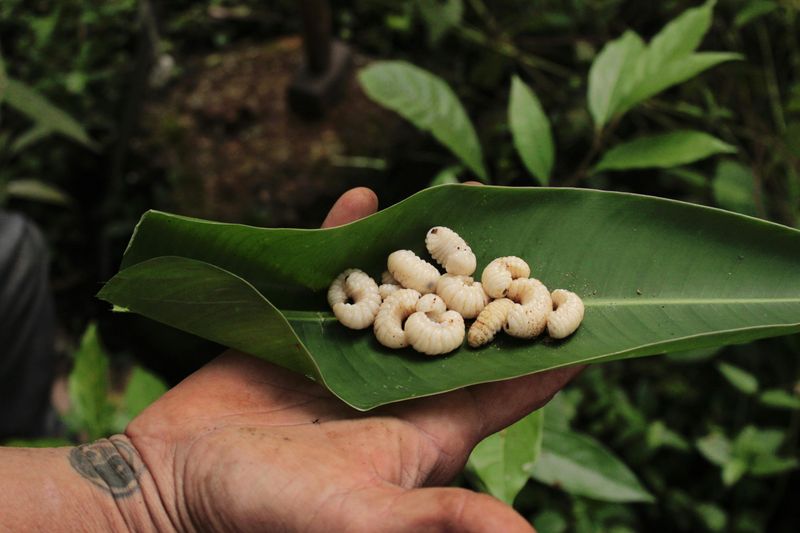
Grub control is one of the most talked-about mole solutions, and while it does not target moles directly, the logic behind it is solid.
Grubs are beetle larvae that live in the soil and are a secondary food source for moles, especially in summer.
Reducing grub populations removes one more reason for moles to stick around your lawn.
Always confirm grub presence before treating and follow label directions closely.
Chlorantraniliprole or imidacloprid are commonly recommended options.
Both are most effective when applied between May and early July, before larvae move deeper into the soil.
Watering the product in after application helps it reach the root zone where grubs live.
One important thing to keep in mind: grub control will not solve a mole problem on its own if earthworms are still abundant.
Moles prefer worms over grubs by a wide margin, so even a grub-free lawn can still attract tunneling activity.
One thing worth knowing before you buy: imidacloprid is a neonicotinoid.
It has been linked to harm in bees and other pollinators.
This happens when it reaches flowering plants. Apply it carefully.
Follow label directions closely. Avoid using it near garden beds that are actively blooming.
Think of grub control as one layer in a broader strategy rather than a standalone fix.
Paired with other approaches, it can meaningfully reduce the overall appeal of your lawn as a mole feeding zone, and that is exactly the direction you want to be heading.
8. Cutting Back Water Can Help
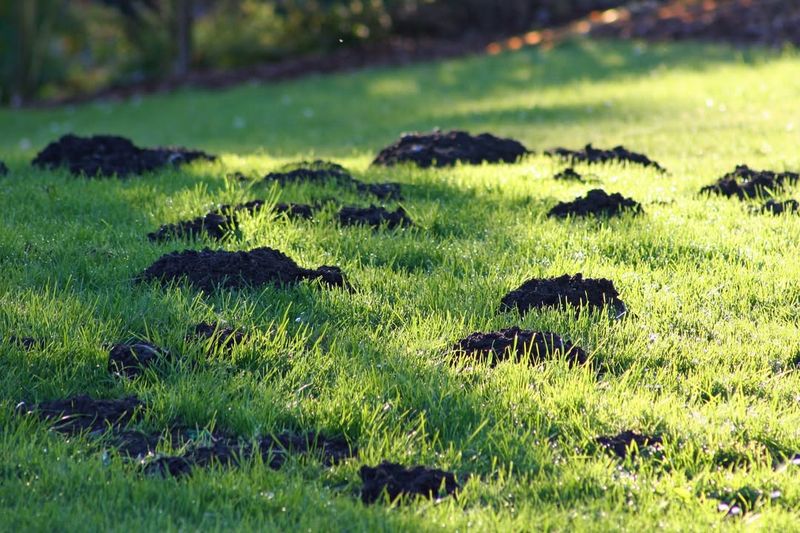
Watering your lawn less might feel counterintuitive.
But it is one of the most practical steps you can take to reduce mole activity. Earthworms rise toward the surface when soil moisture is high.
When you irrigate heavily or frequently, you are essentially creating perfect worm habitat right where moles can reach it most easily.
Scaling back to deep, infrequent watering instead of shallow daily sessions encourages grass roots to grow deeper. It also pushes worm activity further down in the soil profile.
A good rule of thumb is to water about one inch per week, either from rain or irrigation. Let the top inch of soil dry out slightly between sessions.
This approach keeps your grass healthy without keeping the surface zone perpetually moist.
Timing matters too.
Watering in the early morning rather than the evening allows the surface to dry out during the day.
This makes the top few inches of soil less hospitable for worms and, by extension, less attractive to moles.
This small scheduling shift costs you nothing and can make a noticeable difference over several weeks.
Combined with other strategies, smarter irrigation habits are one of the easiest ways to make your lawn a less rewarding hunting ground for moles.
And it will not cost you a single dollar on products.
9. Results Take Time, So Stay Patient
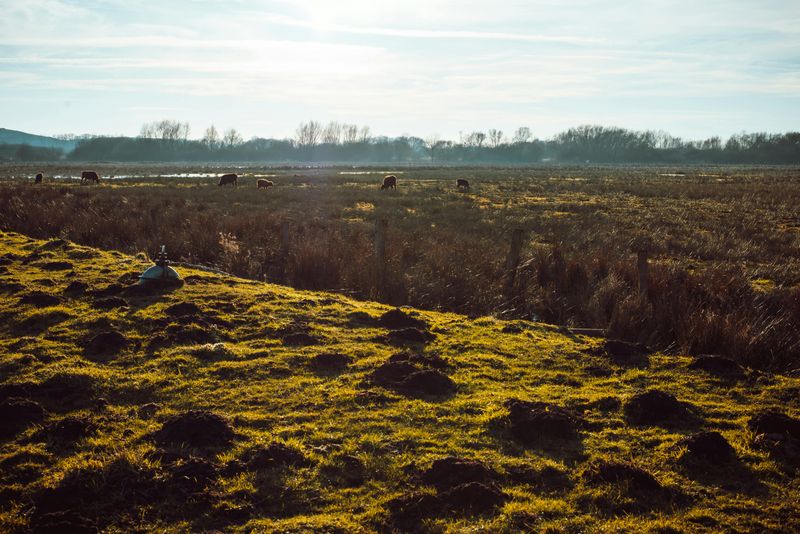
Patience is the most underrated tool in mole control.
Most homeowners run out of it too soon. Moles are persistent, territorial animals.
They have likely been using your yard as a feeding ground for more than one season.
Undoing that pattern takes consistent effort. Expecting a quick fix usually leads to wasted money and frustration.
When you reduce soil moisture and apply grub control, moles do not leave overnight.
They will keep checking their tunnels for food. Sometimes for weeks.
They need time to conclude that your yard is no longer worth the effort. Gradual reduction in activity is the realistic outcome.
Over one to several seasons, most Kentucky homeowners see meaningful improvement.
Tunnel frequency drops. Surface ridges become less severe.
Lawn health improves as roots recover and soil stabilizes.
Stay the course even when progress feels slow.
Every smart adjustment stacks up against the conditions that attracted moles in the first place.
Consistency is how you finally win.