Grow These 8 Kentucky Landscape Plants And Reclaim Your Saturdays
Saturdays used to mean one thing in my garden. More work.
I would head outside with good intentions and return two hours later with dirty knees, a growing list of things that still needed doing, and the creeping suspicion that my plants were winning.
Something had to change, and that something turned out to be the plants themselves. Turns out Kentucky has its own landscape plants, ones that actually belong here, understand the soil, handle the humidity without complaining, and look genuinely good without requiring a dedicated support team.
I swapped out my high maintenance offenders one by one and watched my Saturdays slowly return to me.
These eight Kentucky landscape plants deliver real beauty, real wildlife value, and the kind of low involvement that turns gardening back into something you actually enjoy.
1. Wild Ginger
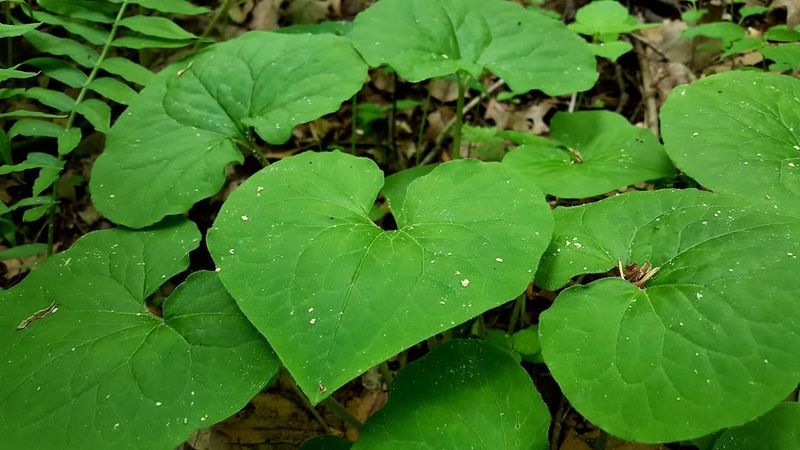
Wild Ginger does something unusual for a ground cover.
It makes people crouch down and actually look. This plant spreads slowly across shaded garden floors, producing large, heart-shaped leaves with a velvety texture.
It catches light in a way that makes the whole planting feel lush and intentional.
The leaves overlap as the colony expands, creating dense coverage that suppresses weeds effectively without any help from you.
The flowers appear in spring, small and burgundy-brown, tucked beneath the foliage where they are easy to miss unless you know to look for them.
They are pollinated by ground-level insects moving through the leaf litter, a quiet transaction that happens entirely without human involvement or awareness.
By summer, the foliage is the star, a seamless carpet of green that holds its appearance through the growing season and goes dormant cleanly in fall.
Wild Ginger grows naturally in Kentucky’s woodland understory, which means it handles the deep shade under mature trees that defeats most other ground covers.
It prefers moist, rich soil and spreads at a pace that feels deliberate rather than aggressive, filling its space over several seasons without requiring management.
Plant it under large deciduous trees, along a shaded path or in any spot where you want reliable coverage. You can get the quiet satisfaction of a ground cover that genuinely knows what it is doing.
2. Creeping Phlox
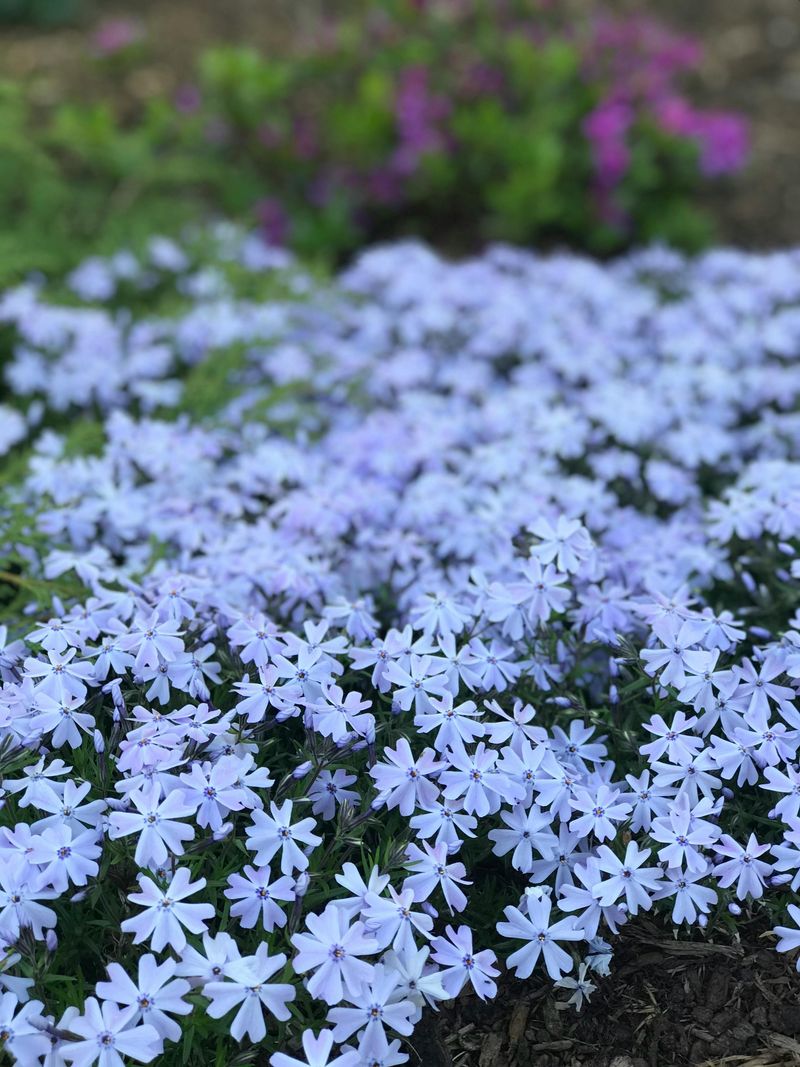
Every garden has one moment per year when passing strangers slow down and stare.
For gardens with Creeping Phlox, that moment arrives in April.
Phlox covers its low, spreading mats with dense clusters of flowers in shades of pink, white, lavender, and soft purple. It creates a display that looks like someone rolled out a floral carpet and walked away, which is essentially what happened.
Creeping Phlox grows four to six inches tall and spreads twelve to twenty-four inches wide, making it one of the most effective low ground covers for sunny slopes, rock gardens, and front border edges in Kentucky yards.
The evergreen foliage holds through winter, providing year-round structure and color in spots that would otherwise look bare from November through March.
After the spring bloom finishes, the tight, needle-like foliage remains tidy and attractive without any deadheading or shaping required.
Your Illinois Garden Changes Every Week. Your Plan Should Too.
Gardening in Illinois changes quickly throughout the season. Every Friday you’ll receive a simple weekly plan showing exactly what to plant, prune, fertilize, harvest, and protect so you never miss the right timing.
It handles full sun, well-drained soil, and dry summer conditions with composure, which makes it genuinely useful.
Trim it lightly after flowering to keep the mats compact and encourage dense regrowth.
Beyond that single annual task, Creeping Phlox manages itself through the seasons with the quiet efficiency of a plant that has figured out Kentucky’s climate entirely on its own terms.
3. Little Bluestem
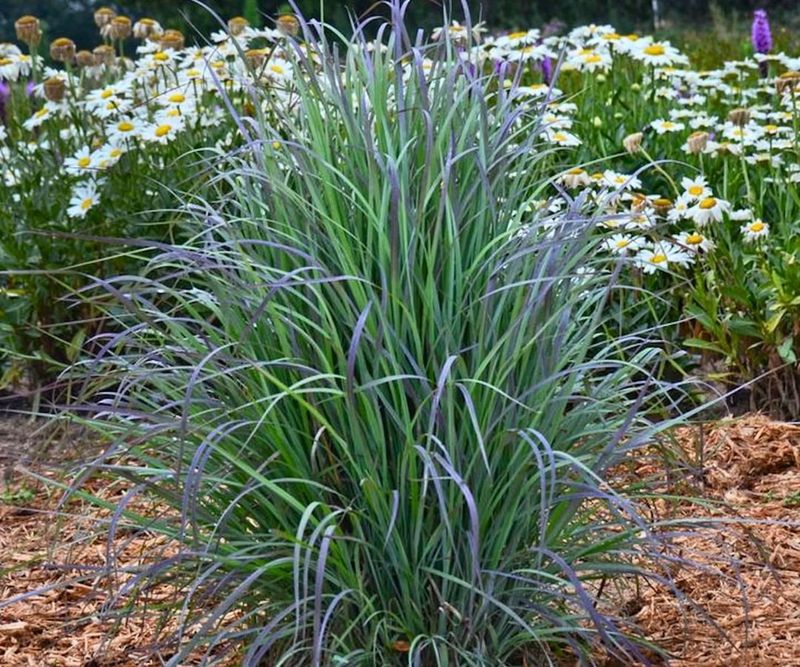
Most people plant little bluestem for the summer texture and get completely ambushed by the fall color.
It grows two to four feet tall in upright, arching clumps of blue-green foliage through summer.
This fine-textured plant provides strong contrast in borders dominated by broader-leaved perennials.
Then October arrives and the whole plant turns a combination of copper, orange, and burgundy-red that holds through winter with silvery seed heads catching low light on cold mornings.
Little bluestem is one of Kentucky’s most important native grasses, forming the backbone of the tallgrass prairie ecosystems that once covered significant portions of the state.
In a garden setting it provides structural interest through multiple seasons and a drought tolerance that makes it reliable in Kentucky’s variable summer rainfall.
The seed heads feed juncos, sparrows, and other small birds through the colder months, turning a dormant grass into an active wildlife resource.
Plant it in full sun and well-drained soil where it can develop its full character over two to three seasons.
It combines beautifully with purple coneflower, black-eyed Susan, and other native perennials in a prairie-inspired planting that looks intentional and requires minimal intervention once established.
Leave the stems standing through winter for maximum wildlife value and visual interest, then cut back to a few inches in late February before new growth emerges in spring.
4. Eastern Redbud
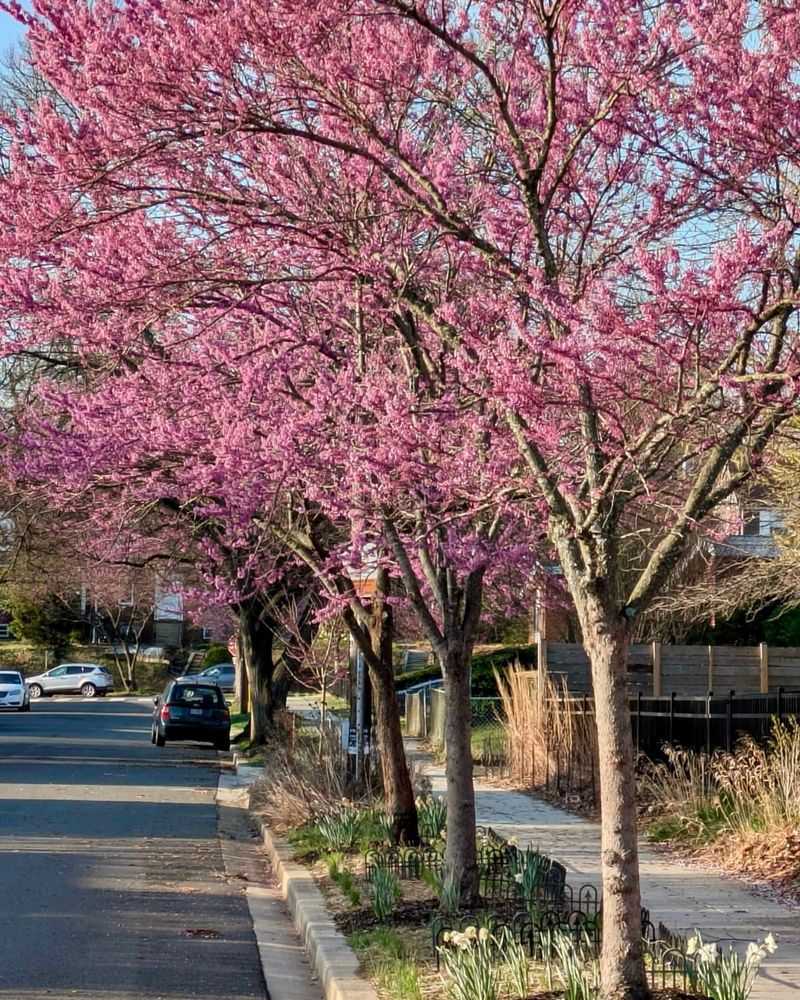
Eastern Redbud does something that feels almost impatient.
Before a single leaf emerges in spring, the tree erupts with clusters of vivid magenta-pink flowers on its bare branches and trunk. This striking display, known as cauliflory, looks both spectacular and almost improbable from a distance.
It is one of Kentucky’s most beloved native trees, growing twenty to thirty feet tall with a graceful, spreading canopy that provides dappled shade through summer.
The heart-shaped leaves that follow the flowers are attractive through the growing season, turning clear yellow in fall before dropping to reveal the tree’s elegant branching structure.
Eastern redbud handles Kentucky’s full range of conditions including clay soil, summer heat, and periodic drought once established, making it one of the most practically useful flowering trees available for Kentucky landscapes.
It grows in full sun to part shade and suits front yards, woodland edges, and mixed borders where a small to medium tree is needed.
Native bees emerge in early spring specifically to coincide with redbud’s bloom period, and the flowers provide critical early-season nectar before most other plants have started.
The seed pods that follow feed birds and small mammals through summer and fall.
Plant eastern redbud where its spring display can be seen from indoors, ideally against a backdrop of darker evergreens that make the magenta flowers glow even more vividly on a clear April morning.
5. Coreopsis
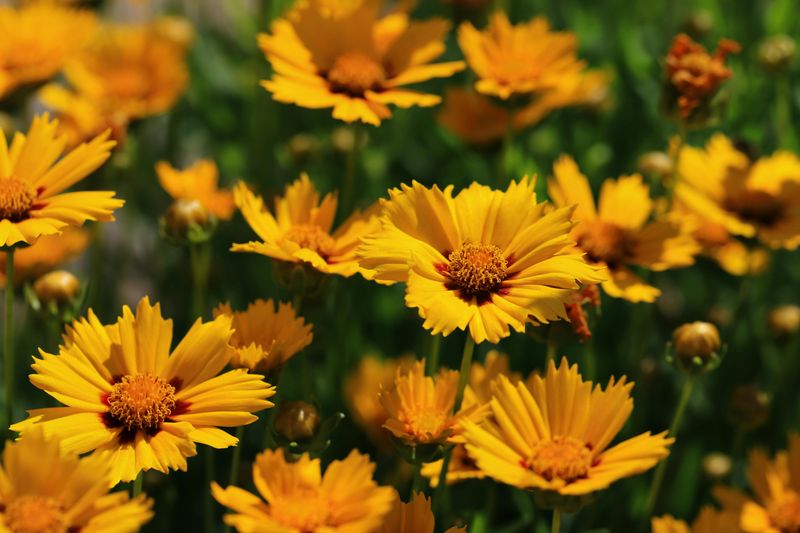
Some perennials bloom enthusiastically for two weeks and spend the rest of summer looking decorative but noncommittal.
Coreopsis took a different approach entirely.
Bright golden-yellow flowers from June straight through September, steady and unfussy, like the one reliable friend who actually shows up when they said they would.
The threadleaf foliage is fine and delicate, creating an airy texture that contrasts well with broader-leaved neighbors in a mixed border.
The flowers are daisy-like, cheerful, and produced in such continuous numbers that the plant rarely shows bare patches between flushes through the entire summer season.
Coreopsis handles full sun and dry soil with composure, making it one of the most reliable perennials for Kentucky’s hot, dry summer periods when other plants lose their enthusiasm.
It grows one to two feet tall and spreads slowly to form an expanding clump that can be divided every three to four years to maintain vigor and share with other gardeners who will absolutely want it.
Native bees and butterflies visit the flowers consistently through summer, and goldfinches target the seed heads in fall with obvious enthusiasm.
Removing faded blooms extends the flowering season, though the plant continues producing without it.
Cut the whole clump back hard in late winter and it returns vigorously each spring, flowering reliably from its first full season in the ground.
It is one of those plants that delivers more than it asks for, which in a Kentucky summer is a quality worth celebrating.
6. Bee Balm
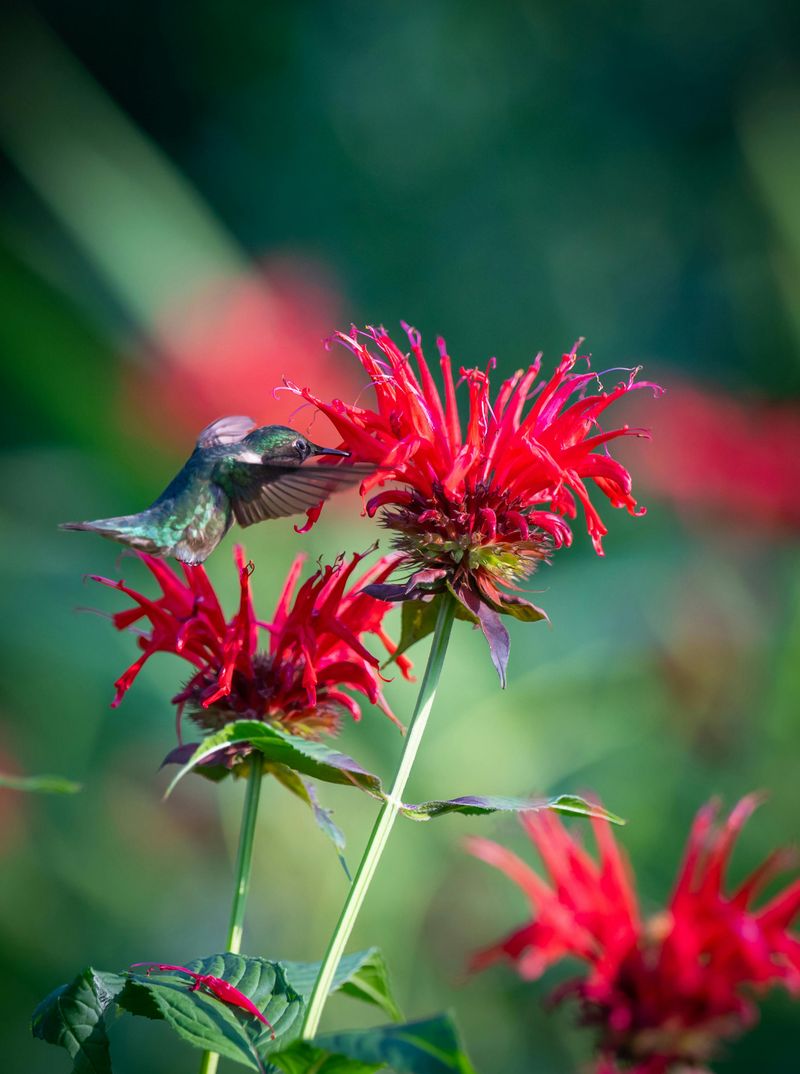
There is a particular kind of garden moment that stops everything else you are doing.
A ruby-throated hummingbird hovering six inches from your face, investigating a bee balm flower with focused intensity, qualifies without question.
These species produce shaggy, crown-like flower heads in vivid shades of red, pink, and lavender from July through August. Hummingbirds locate them with the kind of precision that suggests they have the address memorized.
Bee balm grows two to four feet tall and spreads by underground runners to form expanding colonies over time.
It thrives in full sun to part shade with consistent moisture, performing particularly well in Kentucky’s more humid lowland garden areas where the soil holds moisture through summer.
The aromatic foliage carries a pleasant oregano-like scent that adds a sensory dimension to the garden beyond the visual.
Bumblebees and swallowtail butterflies join the hummingbirds at the flowers, making a blooming patch of Bee Balm one of the most actively visited spots in any Kentucky garden through midsummer.
Divide clumps every two to three years to maintain vigor and manage spread.
The newer outer growth is the most productive, and division keeps the planting looking fresh and flowering strongly.
Cut stems back after the first flush of blooms to encourage a second wave of flowering in late summer.
The dried seed heads provide winter interest and feed small birds through the colder months, extending the plant’s contribution well past its last flower.
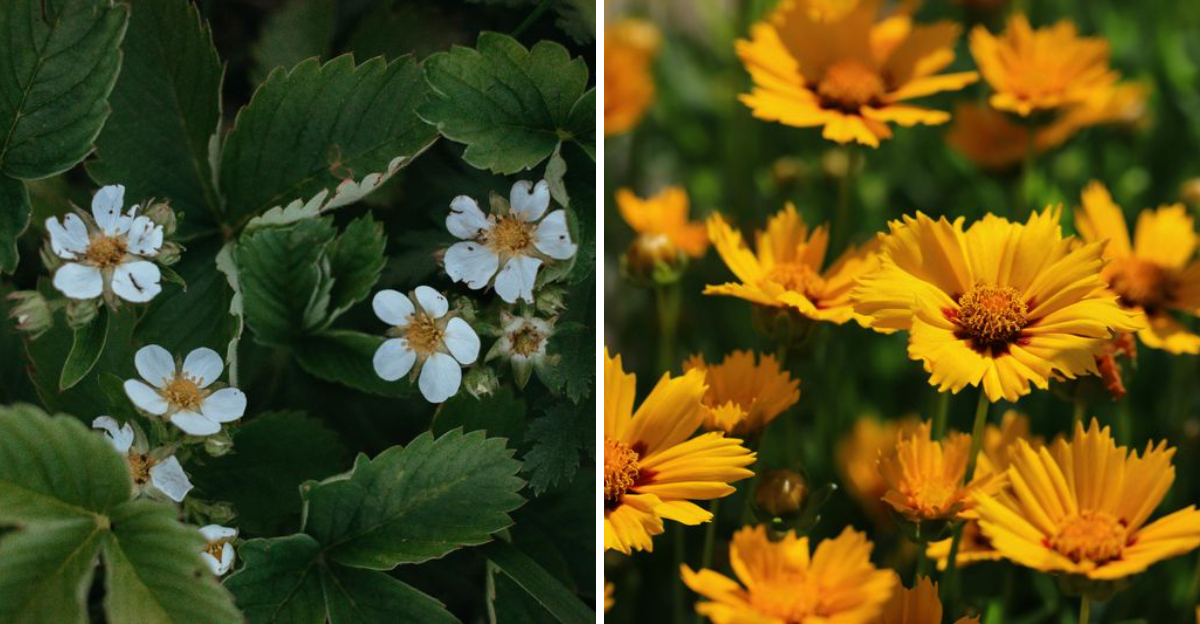
7. Wild Strawberry
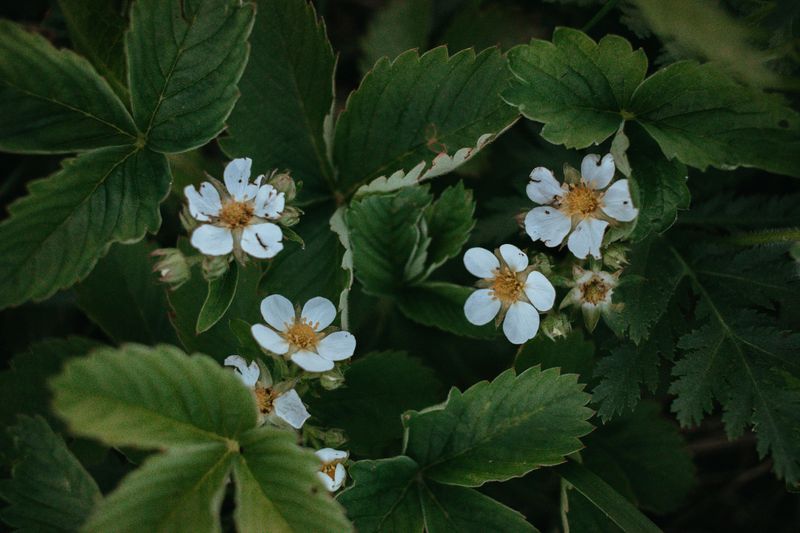
Nobody expects much from a ground cover.
Wild strawberry exceeds those expectations with minimal effort and considerable charm.
In spring, it produces flowers.
In early summer, it is followed by tiny red strawberries that birds quickly find and eagerly eat.
The foliage turns attractive shades of red and orange in fall, adding one final season of color before winter. Wild strawberry grows three to six inches tall and spreads steadily without becoming unmanageable.
It makes a genuinely useful ground cover for sunny to partly shaded areas in Kentucky gardens.
It handles slopes, lawn edges, and the challenging dry shade under large trees with equal competence.
The flowers attract native bees in spring, the fruit feeds birds and small mammals in early summer, and the dense foliage suppresses weeds through the growing season.
That is a meaningful amount of ecological contribution from a plant that asks very little in return.
Plant it where you want low, spreading coverage with wildlife value and the occasional surprise of finding a ripe strawberry while walking through the garden.
It combines well with taller native perennials behind it, creating a layered planting that looks naturalistic and requires minimal intervention once the colony establishes itself across its allotted space.
8. Goldenrod
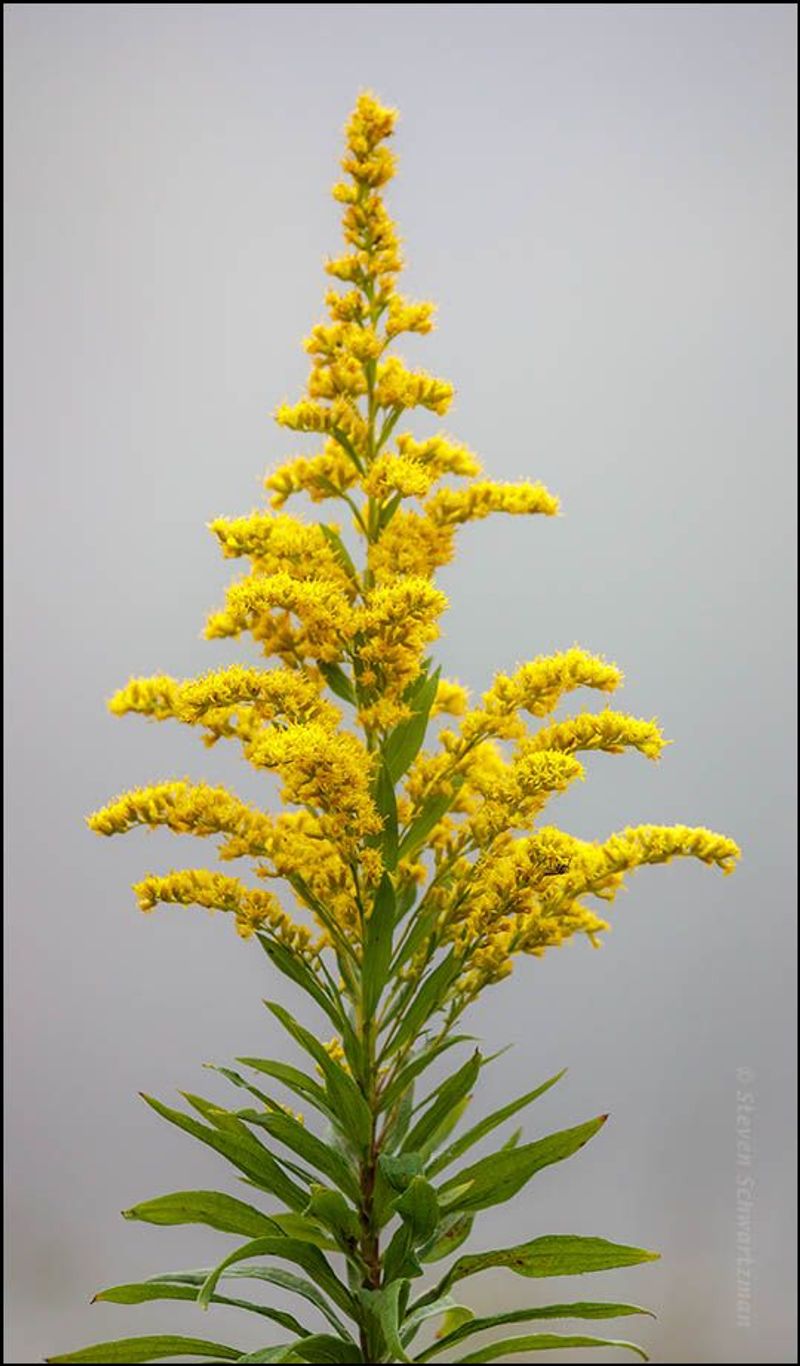
Nobody gives goldenrod enough credit.
It blooms in late summer when most of the garden has run out of ideas and produces one of the most vivid yellows in the plant kingdom.
It also supports more wildlife than plants three times its size.
Yet somehow it keeps getting passed over at the garden center in favor of things that need considerably more attention and deliver considerably less. That stops today.
Goldenrod is one of Kentucky’s most valuable native plants, growing in full sun with upright stems from August through October.
The timing is deliberate in the best possible way.
When summer perennials start winding down, and the garden risks looking tired, goldenrod arrives with the confidence of someone who planned this all along.
The wildlife activity around a blooming goldenrod is impressive.
Native bees, monarch butterflies, and migrating pollinators converge on the flower plumes through fall, using the late-season nectar as critical fuel before cooler weather arrives.
Goldenrods are visited by a wide range of native bees, butterflies, beetles, flies, and other pollinators.
It handles dry soil, clay, poor drainage, and full summer heat without drama.
Divide clumps every few years to keep plants vigorous.
Cut stems back in late winter and fresh growth returns reliably each spring.
Goldenrod asks for very little and gives back an extraordinary amount.