These Pennsylvania Native Plants Keep Spiders And Ants Away From Home Entrances
Spiders and ants showing up near your front door or back entrance is one of those small but genuinely annoying problems that never seems to fully go away.
Sprays work for a little while, but they need to be reapplied constantly, they wear off in rain, and most people would rather not coat their entryways in chemicals on a regular basis.
What works more consistently is having the right plants growing near those entry points.
Certain Pennsylvania natives produce natural compounds that spiders and ants find strongly off-putting, and when those plants are placed strategically around home entrances, they create a barrier that works around the clock without any effort from you.
The added benefit is that these are plants that actually belong in Pennsylvania, meaning they grow well here, support local pollinators, and look great doing it. Solving a pest problem while improving your landscaping at the same time is a pretty good deal.
1. Wild Bergamot
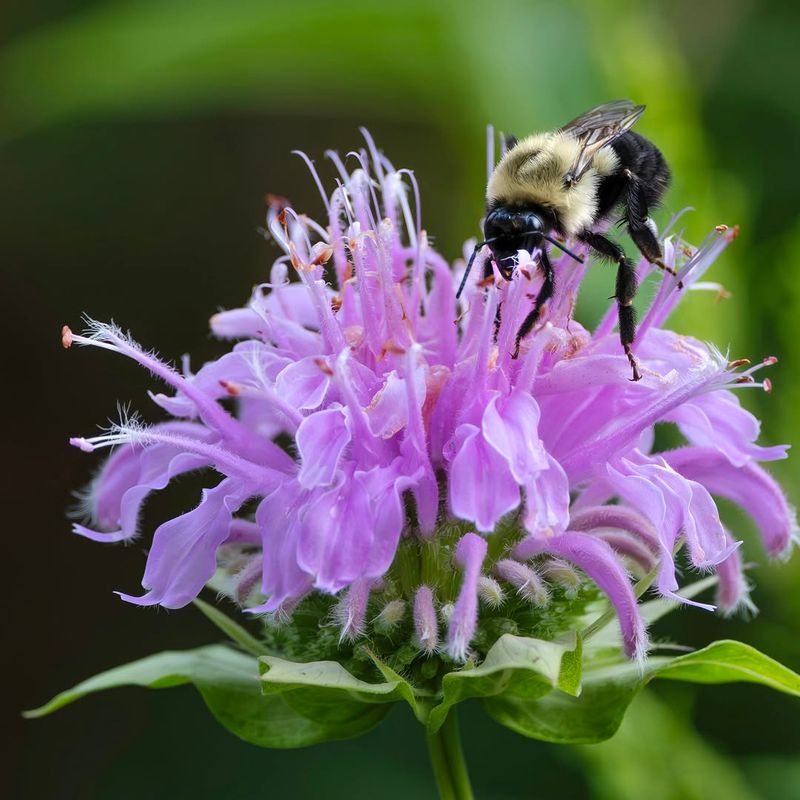
Walk past a patch of wild bergamot on a warm summer afternoon and you will immediately understand why insects keep their distance. The plant releases a bold, minty, oregano-like fragrance that fills the air around it.
That same scent that smells wonderful to us is believed to discourage ants and other crawling insects from crossing through the area.
Wild bergamot, known scientifically as Monarda fistulosa, is a true Pennsylvania native that grows naturally in meadows and along roadsides across the state. It reaches about two to four feet tall and produces soft lavender-purple flowers from midsummer into early fall.
Those blooms attract pollinators like bees and butterflies, which are welcome visitors for any garden.
Planting wild bergamot along a walkway or near a front entrance creates a fragrant natural border that looks gorgeous while quietly doing its job. It grows best in full sun to partial shade and handles dry conditions well once established.
You do not need to water it constantly, making it a low-maintenance choice for busy homeowners.
One simple tip is to lightly crush a few leaves as you walk past the plant. Doing this releases even more of the aromatic oils into the air nearby.
Over time, the scent becomes a regular part of the environment around your entryway, creating a consistent and natural deterrent.
Wild bergamot spreads gradually, so planting a small cluster will eventually grow into a fuller, more effective border without much extra effort on your part.
2. Bee Balm
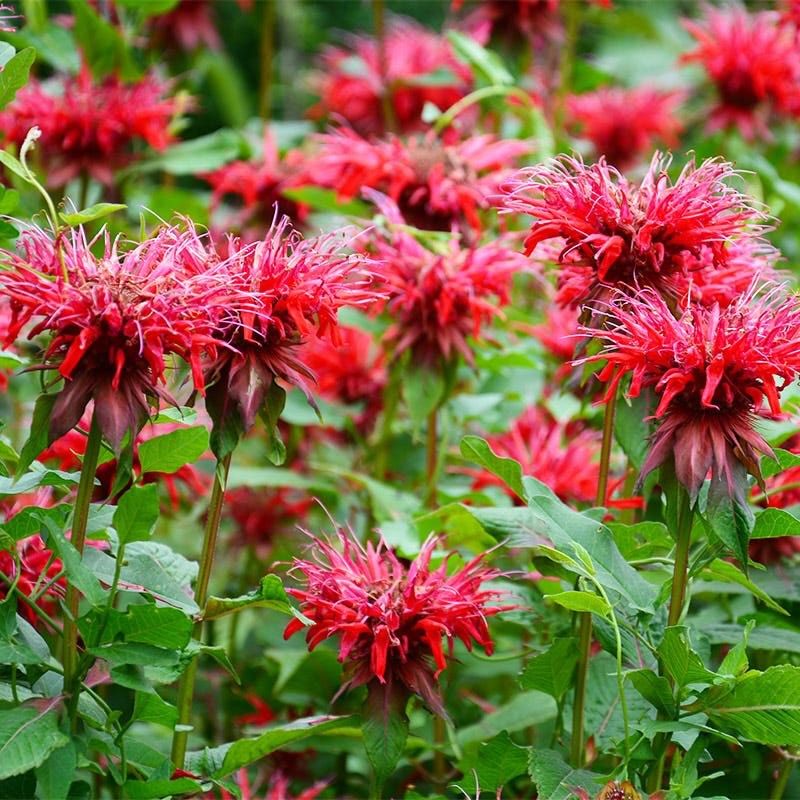
There is something almost theatrical about bee balm. Its bright, spiky flowers in shades of red, pink, and purple look like tiny fireworks frozen in bloom.
But beyond the visual drama, bee balm carries a powerful aromatic quality in its leaves that many garden pests seem to find deeply unappealing.
Bee balm, or Monarda didyma, is closely related to wild bergamot and shares many of the same properties. The foliage gives off a strong, pleasant scent when brushed or even when warmed by sunlight.
Gardeners have long noticed that areas planted with bee balm tend to see fewer crawling pests wandering through, particularly near home foundations and door steps.
Your Pennsylvania Garden Changes Every Week. Your Plan Should Too.
Gardening in Pennsylvania changes quickly throughout the season. Every Friday you’ll receive a simple weekly plan showing exactly what to plant, prune, fertilize, harvest, and protect so you never miss the right timing.
Growing bee balm near your front or back entrance is a smart move for multiple reasons. It adds bold color to your landscape from early summer through late summer. It also draws in hummingbirds, which many homeowners consider a delightful bonus.
Bee balm does best in moist, well-drained soil with plenty of sunlight. It can spread fairly quickly through underground runners, so giving it a defined space along a walkway or border works well.
Dividing the clumps every few years keeps the plant healthy and full. For best results, plant it within a few feet of doorways so the natural fragrance is noticeable right where people enter and exit.
Did you know bee balm leaves were historically used by Native Americans to make a soothing herbal tea? That long history of usefulness makes it one of Pennsylvania’s most respected native plants.
3. Mountain Mint
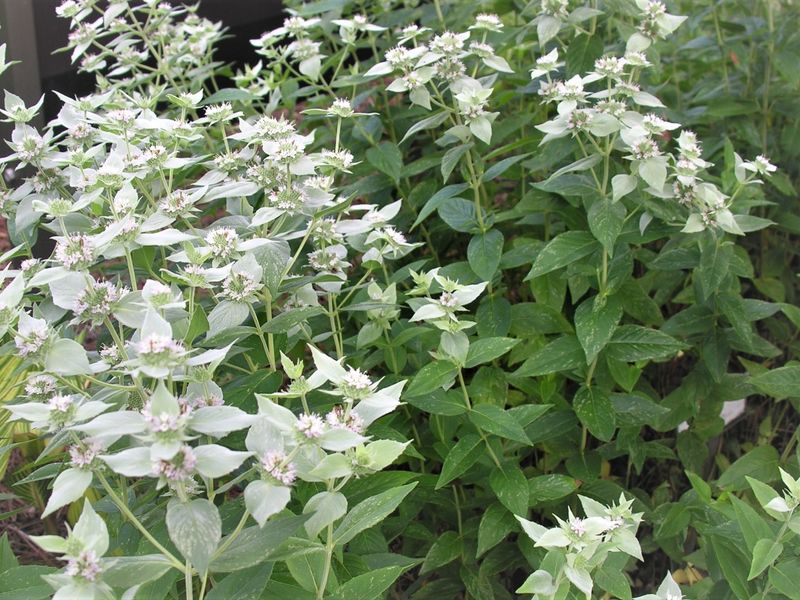
If there is one native plant that earns a reputation for sheer aromatic power, mountain mint is it. Even standing a few feet away from a healthy clump, the crisp, clean minty scent is unmistakable.
Ants and spiders rely heavily on scent trails and chemical signals to navigate, and the intense fragrance of mountain mint is widely believed to disrupt those signals near walkways and doors.
Mountain mint, or Pycnanthemum virginianum, is native to Pennsylvania and thrives in sunny spots with average to moist soil. It grows about two to three feet tall and produces clusters of tiny white flowers with distinctive silvery-green leaves that look almost frosted.
The leaves are where the real magic happens, releasing strong aromatic compounds whenever they are touched or warmed by the sun.
Planting mountain mint directly along a foundation edge or beside a front walkway creates one of the most effective natural scent barriers you can find among Pennsylvania natives.
The plant spreads steadily over time, forming dense colonies that leave very little bare ground where insects might hide or nest.
Maintenance is simple. Cut the plant back in late fall and it will return strong the following spring.
Dividing it every few years prevents overcrowding and keeps it vigorous. Mountain mint is also a superstar for pollinators, attracting an impressive variety of native bees and beneficial wasps.
Those beneficial insects help keep pest populations in check naturally, adding another layer of protection to your home’s entrance areas without any chemical sprays needed.
4. Wild Columbine
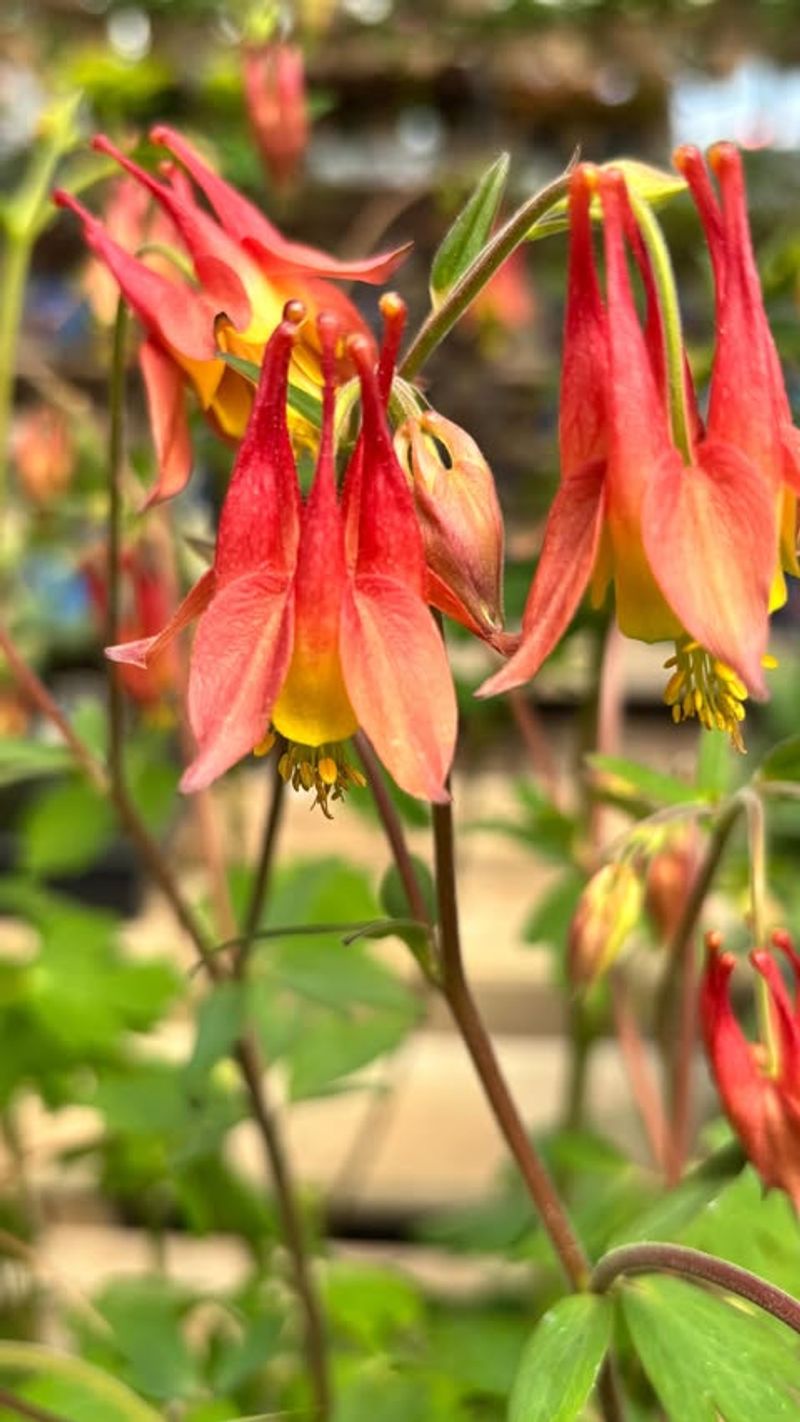
Few native plants manage to be both elegant and practical at the same time, but wild columbine pulls it off effortlessly. Its delicate red and yellow nodding flowers have a fairy-tale quality that makes any entrance feel welcoming and beautiful.
What makes this plant especially valuable near home doorways is its ability to attract beneficial insects rather than pest species.
Wild columbine, or Aquilegia canadensis, is a Pennsylvania native that grows naturally in rocky woodlands and along shaded slopes. It adapts well to a wide range of conditions, handling both partial shade and full sun with ease.
This flexibility makes it an excellent choice for entryways that do not get consistent sunlight all day.
Beneficial insects like native bees and parasitic wasps are drawn to wild columbine’s tubular flowers. Those insects are natural predators of common garden pests, including aphids and small crawling insects.
By supporting a healthy population of beneficial visitors near your entrance, wild columbine helps shift the balance away from nuisance pests over time.
The plant typically blooms in spring, offering early-season color right when many homeowners are thinking about freshening up their entryways. It self-seeds gently, meaning once you plant it, it will quietly fill in nearby spaces without becoming invasive.
Wild columbine pairs beautifully with ferns and sedges for a layered, natural look along shaded pathways.
Growing it in clusters of three or more creates a stronger visual impact and supports a larger population of the beneficial insects that help keep unwanted pests at a distance from your home.
5. Goldenrod
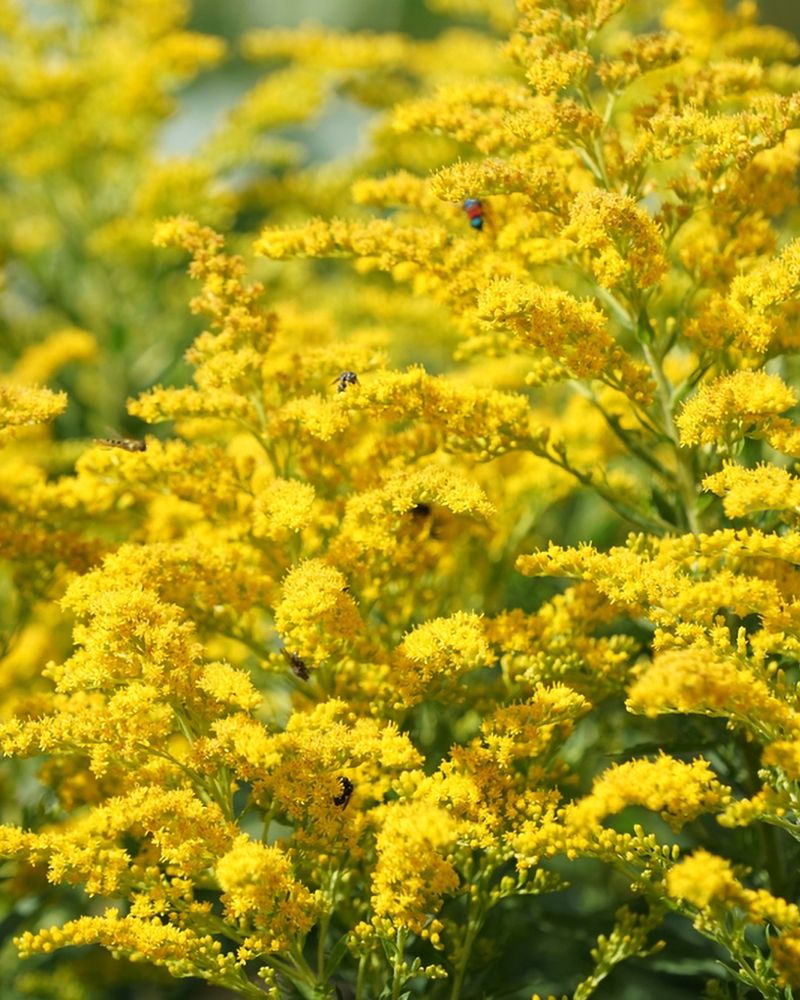
Goldenrod gets a bad reputation that it simply does not deserve. Many people blame it for fall allergies, but the real culprit is ragweed, which blooms at the same time.
Goldenrod’s pollen is too heavy to travel through the air and is actually carried by insects. That misunderstanding has caused a lot of homeowners to overlook one of Pennsylvania’s most powerful natural allies.
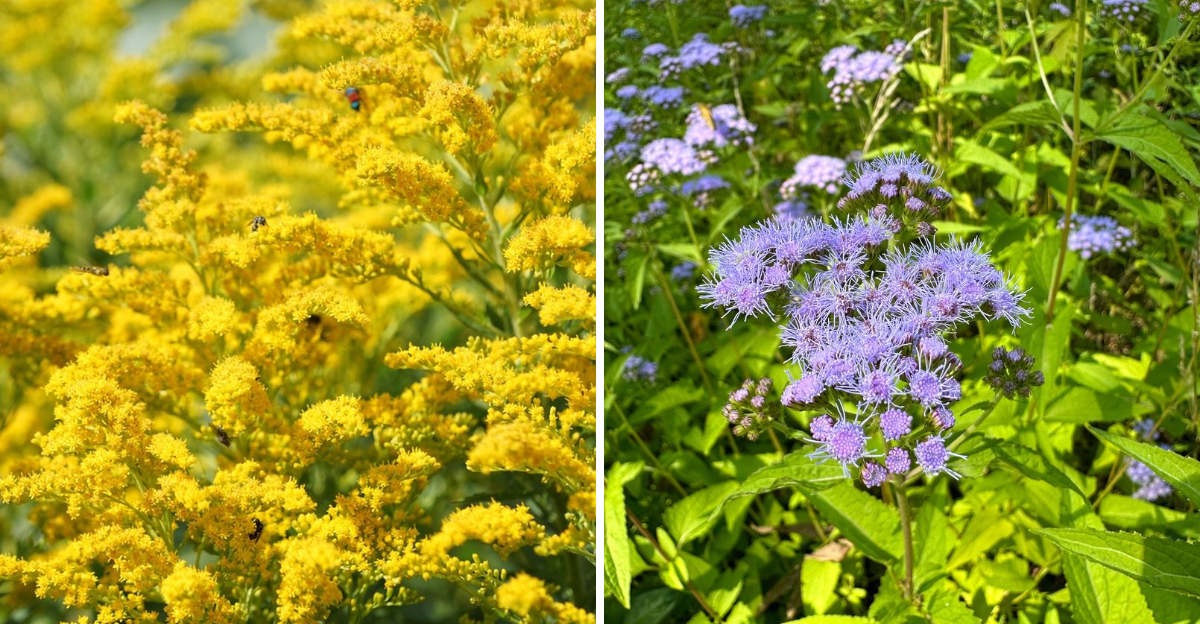
Solidago canadensis and its close relatives are native across Pennsylvania and grow enthusiastically in sunny spots. The tall golden plumes that appear in late summer and fall are absolutely loaded with beneficial predator insects.
Parasitic wasps, predatory beetles, and other natural hunters are drawn to goldenrod in large numbers, and those insects actively reduce populations of ants, small spiders, and other common pests.
Planting goldenrod along a sunny fence line or at the edges of your property near entrances creates a habitat that naturally supports pest control. Think of it less like a single plant and more like a tiny ecosystem working in your favor.
The more goldenrod you have near your home, the more beneficial predators will patrol the area.
Goldenrod does spread through both seeds and underground runners, so placing it where it has room to expand is a smart move. Cutting the stems back after flowering reduces seed spread if you want to keep it contained.
As a bonus, goldenrod provides stunning late-season color when most other plants have finished blooming, giving your home entrance a warm, golden look all the way into October.
6. Pennsylvania Sedge
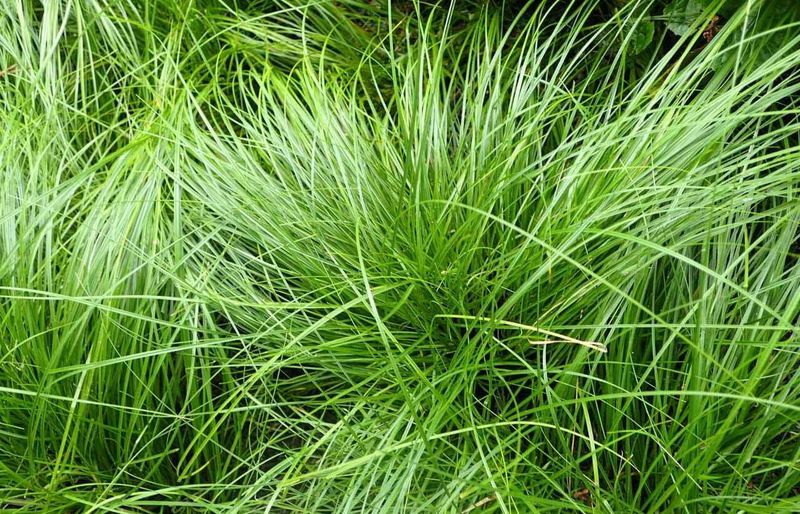
Not every plant needs a flashy flower to earn its place near your home entrance.
Pennsylvania sedge is quiet, understated, and remarkably effective at doing something specific that most flowering plants cannot: filling in the low, dense ground-level spaces where insects love to hide and nest.
Carex pensylvanica is a low-growing native sedge that forms a soft, carpet-like mat of fine green blades. It reaches only about six to twelve inches tall and spreads slowly into thick colonies.
That dense coverage eliminates the bare, sheltered spots along foundations and walkways where ants establish trails and spiders set up webs in undisturbed corners.
Pennsylvania sedge thrives in shaded to partially shaded areas, making it the perfect choice for entrances that do not get much direct sun.
It stays green through much of the year, even in Pennsylvania winters, giving your entryway a tidy, maintained look without much effort.
You rarely need to mow or trim it, which is a genuine convenience for homeowners who want a low-care landscape.
Using sedge as a border plant directly along the edges of walkways and foundation walls creates a physical and environmental barrier. Insects prefer loose, open soil for nesting, and a thick sedge mat simply does not offer those conditions.
Pair it with taller plants like wild columbine or mountain mint behind it for a layered planting that looks intentional and works on multiple levels.
Pennsylvania sedge is also deer-resistant, which is an added advantage for homeowners in areas where deer browsing is a regular challenge.
7. Blue Mistflower
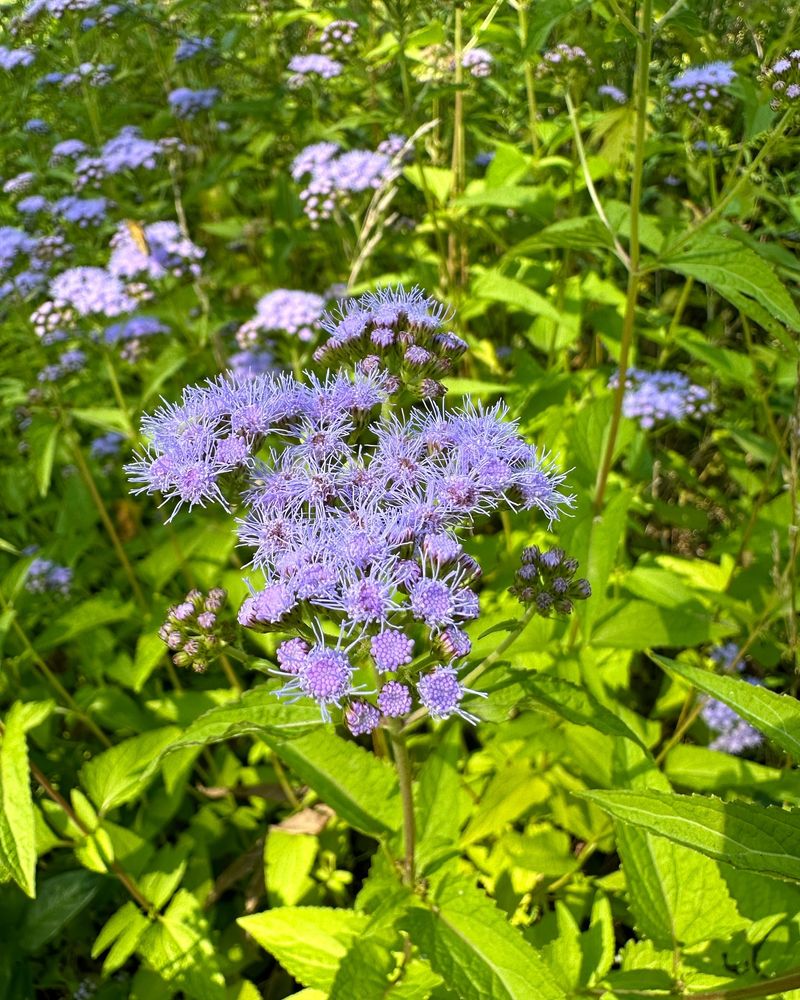
Late summer and fall can feel like a slow season for the garden, but blue mistflower has other plans.
This cheerful native bursts into clouds of soft violet-blue flowers right when most other plants are winding down, bringing a fresh wave of beneficial insect activity to your entryway just when you need it most.
Blue mistflower, or Conoclinium coelestinum, is a spreading native that grows naturally in moist spots across Pennsylvania. It reaches about one to two feet tall and forms loose colonies through underground runners.
The fuzzy, ageratum-like flowers are magnets for beneficial insects, including parasitic wasps and predatory flies that actively hunt pest species like ants and small crawling insects.
What makes blue mistflower especially interesting is the way it creates a living, buzzing shield of activity near your home entrance.
When beneficial insects are present and active in large numbers, nuisance pest populations naturally decline because they face more competition and more predators in the same space.
Planting blue mistflower near a doorway essentially invites the right insects to do the pest management for you.
Blue mistflower spreads reliably once established, so planting it where it has a bit of room to roam works best. It handles both sun and partial shade, which gives you flexibility in placement around your home.
Cutting it back in early spring encourages fresh, dense growth each season. For homeowners who want a late-season solution that is both attractive and functional, blue mistflower is a genuinely underrated choice among Pennsylvania’s native plant options.